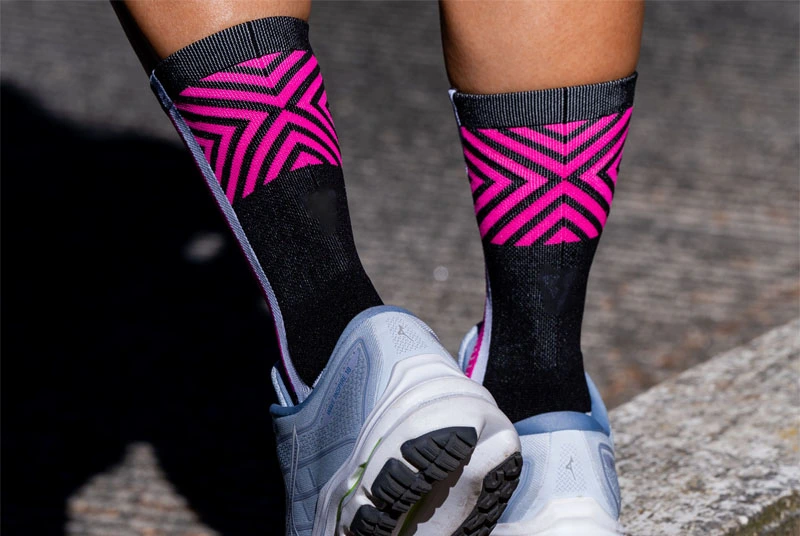
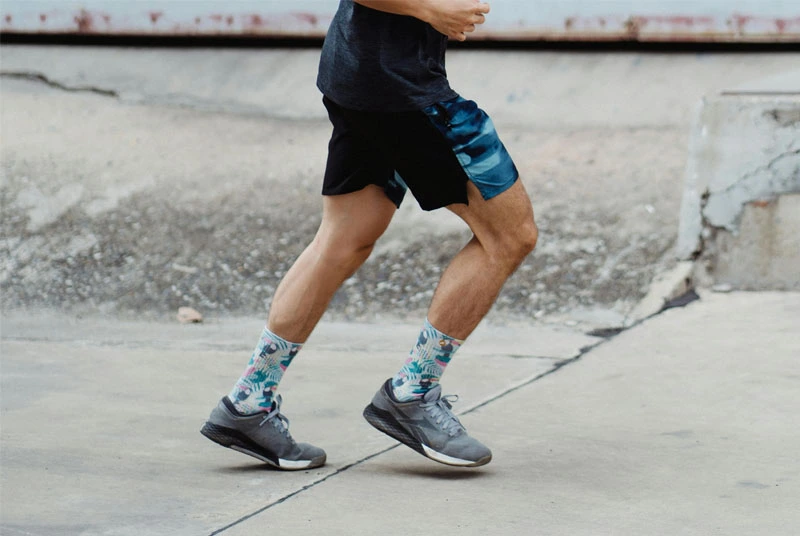
The best material for running socks depends on how you run, how much you sweat, and the weather you train in. Most high-performance running socks are not made from a single fiber. They use engineered blends. These blends mix moisture management, durability, breathability, and stretch. Merino wool, polyester, nylon, and elastane each do different jobs. That is why the socks material blend matters more than the material alone.
Quick Answer: What Is the Best Material for Running Socks?
For most runners, the best choice is merino wool or polyester. Both are blended with nylon and elastane.
Merino wool works well in cold weather and long runs. It controls temperature and resists odor on its own. Polyester is lighter and dries faster. It is a good fit for hot weather or sweaty feet. Nylon adds strength in high-friction areas. Elastane keeps the sock in place during movement.
High-performance running socks do not rely on one fiber. They mix materials to balance comfort, moisture control, fit, and wear.
Best Overall Material Blend
A balanced merino wool or polyester blend is usually the best choice. Most performance socks use this combination:
- merino wool or polyester for moisture management
- nylon for durability
- elastane for stretch and fit
This blend works in many conditions. It balances breathability, comfort, and durability. It does not focus on just one feature.
Best for Sweaty Feet
For sweaty feet and hot weather, polyester blends usually work best. They dry fast. They release moisture faster than natural fibers.
Many lightweight running socks also have mesh zones for better airflow during hard runs. Some premium blends mix polyester with merino wool. That gives you odor control without losing drying speed.
Cotton-heavy socks are not a good choice here. They hold moisture and stay wet longer.
Materials to Avoid
Pure cotton is one of the worst materials for running socks. It absorbs sweat easily but dries slowly. That raises friction and discomfort on longer runs.
Poor stretch recovery is another problem. When a sock loses its shape, it moves inside the shoe. That can lead to blisters over time.

Why Running Sock Material Matters
Running socks look simple. But the material makes a big difference when sweat, heat, friction, and repeated movement come into play. The difference between a comfortable run and constant irritation often comes down to how the fibers handle moisture, airflow, stretch, and wear.
Moisture Management and Blister Prevention
Moisture is a major cause of discomfort during running. When sweat builds up inside the shoe, friction rises fast. This is especially true around the heel and forefoot.
Materials that dry fast and move sweat away from the skin reduce friction before blisters form. That is why polyester and merino wool are used in performance running socks. High-cotton socks are usually avoided.
For sweaty feet, moisture management matters more than extra cushioning. A lightweight sock that stays dry will often perform better than a thick sock that traps sweat on long runs or hot days.
Breathability and Temperature Control
Breathability affects how well heat and moisture escape during movement. In hot weather, poor airflow makes socks feel heavy and wet much faster.
Lightweight polyester blends are common for warm conditions. They release heat quickly. They dry faster after sweating. Merino wool works differently. It does not cool aggressively. It regulates temperature more evenly as conditions change.
That balance is why merino blends are also used in hiking socks and trail running socks. Runners in those sports deal with heat buildup and cooler outdoor conditions over long periods.
Durability and Fit Stability
Running creates constant friction inside the shoe. This is especially true at the heel and toe. Without strong reinforcement fibers, socks lose shape quickly and wear down faster.
Nylon is added to improve abrasion resistance. Elastane helps the sock maintain stretch and recovery during repeated movement. Together, these materials keep the sock stable inside the shoe. They stop it from shifting around.
Fit stability becomes more important on long runs or trails. Repeated movement can turn small pressure points into discomfort or blisters. That is one reason most high-performance running socks use engineered blends instead of single-fiber construction.
Common Materials Used in Running Socks
Merino Wool
Merino wool is used in premium running socks for a few reasons. It controls temperature. It manages moisture. It resists odor naturally. It works especially well for cold weather running, trail running, and long-distance training.
The main drawback is durability. That is why most merino running socks blend the wool with nylon and elastane.
Polyester
Polyester is one of the most common materials in running socks. It is lightweight. It dries fast. It wicks moisture well. You will find it in hot weather socks and socks for sweaty feet.
One problem: polyester can hold odor more easily than natural fibers when used alone.
Nylon
Nylon is mainly used for durability. It strengthens high-friction areas like the heel and toe. It adds abrasion resistance without adding much weight. That makes it common in trail running socks and high-mileage training socks.
On its own, nylon does not provide the softness or moisture control that comfort-focused socks need.
Elastane
Elastane provides stretch, compression, and fit stability. Even in small amounts, it stops the sock from slipping or bunching during movement.
If there is too little elastane, the sock will lose shape over time.
Cotton
Cotton feels soft for everyday wear. But for running, it does not work well. The problem is moisture. Cotton absorbs it and holds on. It does not release it quickly.
That is why high-cotton socks are usually avoided for long-distance running, hot weather training, and other conditions where moisture management matters.
Material | Role in Running Socks | Typical Range in Performance Running Socks |
Merino Wool | Temperature regulation, moisture management, and odor resistance | 20–60% (higher in winter or trail running socks) |
Polyester | Moisture-wicking and fast drying | 30–70% (commonly used in lightweight performance socks) |
Nylon (Polyamide) | Durability and structural reinforcement | 15–35% (often added in heel and toe areas) |
Elastane (Spandex) | Stretch, compression, and fit retention | 3–8% (usually kept low to maintain comfort) |
Cotton | Softness and everyday comfort | Usually below 20% in running socks (higher percentages retain too much moisture for performance use) |
Why Most Running Socks Use Blended Materials
Modern running socks are built around blends. No single fiber can handle every performance need at once.
A sock for long-distance running needs moisture control, durability, stretch stability, and temperature regulation. All at the same time. Natural fibers and synthetics each solve different parts of that problem. That is why blends dominate both running and hiking categories today.
Why 100% Cotton Performs Poorly
Cotton is fine for casual socks. But add heat, sweat, and friction, and it falls apart.
The fiber absorbs moisture fast. It dries slowly. That leaves the inside of the shoe damp on longer runs. As moisture builds up, friction increases. Over time, cotton socks are more likely to cause discomfort and blisters.
You will notice this most in hot weather or if you have sweaty feet. In those cases, moisture management matters much more than softness.
Why Pure Wool Needs Reinforcement
Merino wool solves many problems that cotton cannot. It controls temperature better. It manages moisture more effectively. It resists odor naturally during long wear.
The trade-off is durability.
On its own, wool wears down faster in high-friction areas like the heel and toe. That is why most merino running socks use nylon for reinforcement. They also use elastane for better fit during movement.
This same combination is common in premium hiking socks. Comfort and long-term wear matter just as much there.
How Synthetic Fibers Improve Performance
Synthetic fibers make modern performance socks lighter, more durable, and faster drying than traditional natural-fiber socks.
Polyester speeds up moisture evaporation. It is one of the best materials for hot weather running socks. Nylon strengthens the sock without adding bulk. Elastane keeps the fit stable through repeated movement.
Synthetics do not replace natural fibers completely. They support performance in areas where wool or cotton alone fall short.
Common Running Sock Material Blends Explained
Most performance running socks are built around a blend strategy. There is no single best material.
Lightweight summer running socks use more polyester. This gives faster drying and better airflow. Merino blends are more common in cold weather running, trail running, and hiking socks. In those cases, temperature regulation and odor resistance matter more.
The exact ratio matters less than how the materials work together in real running conditions.
How to Choose the Right Running Sock Material
The right material depends on where and how you run. Climate, sweat level, and cushioning preference all affect how a sock performs when heat and friction build up.
Based on Climate
For hot weather, lightweight polyester blends usually feel cooler. They dry faster during hard training. Thin socks with ventilation zones also help keep heat from building up inside the shoe.
In cold weather, merino wool blends give you better temperature control. They stay comfortable over long periods outdoors. That is why merino socks are common for winter running, trail running, and hiking. These activities often involve changing conditions.
Based on Sweat Level
If you have sweaty feet, choose lightweight socks that release moisture quickly. You do not want socks that soak it up.
Polyester-heavy blends are often the most effective. They dry faster. They reduce moisture buildup during movement. Merino blends also work well when odor control is a bigger concern. This is especially true for long-distance running or extended wear.
Cotton-heavy socks struggle in both cases. They just stay wet too long after sweat builds up.

Based on Cushioning Preference
Cushioning changes both comfort and airflow inside the shoe.
Thicker socks are popular for trail running, rough ground, or runners who want more impact protection on longer runs. Thinner socks add less bulk and improve breathability. They are common for speed training or hot weather.
In most cases, cushioning works best when it is paired with a material blend that still manages moisture and keeps fit stable during movement.
FAQs About Running Sock Materials
Are wool blend socks good for running?
Yes. Wool blend socks are common in performance running. They combine the temperature control and odor resistance of merino wool with the durability and stretch of synthetics like nylon and elastane.
Why do running socks contain nylon?
Nylon is there for durability. It strengthens high-friction areas like the heel and toe. It helps socks resist wear without adding much weight.
What is the best sock material for sweaty feet?
Polyester blends are usually the best choice for sweaty feet. They dry fast. They release moisture better than cotton-heavy fabrics.
Why is cotton bad for running socks?
Cotton absorbs moisture and holds it. It does not move it away from the skin. Once the sock is wet, friction goes up inside the shoe. That leads to discomfort and blisters on longer runs.
Related Resources
→ Best Material for Compression Socks: What Actually Works Best?
→ Best Sock Material for Sweaty Feet: What Actually Works?
→ Why Nylon Is Essential For Durable Socks
→ Best Material for Hiking Socks: What Actually Works on the Trail
→ Sock Material Guide: How to Choose the Best Material for Any Use
Explore more guides on sock materials, performance requirements, and manufacturing considerations.