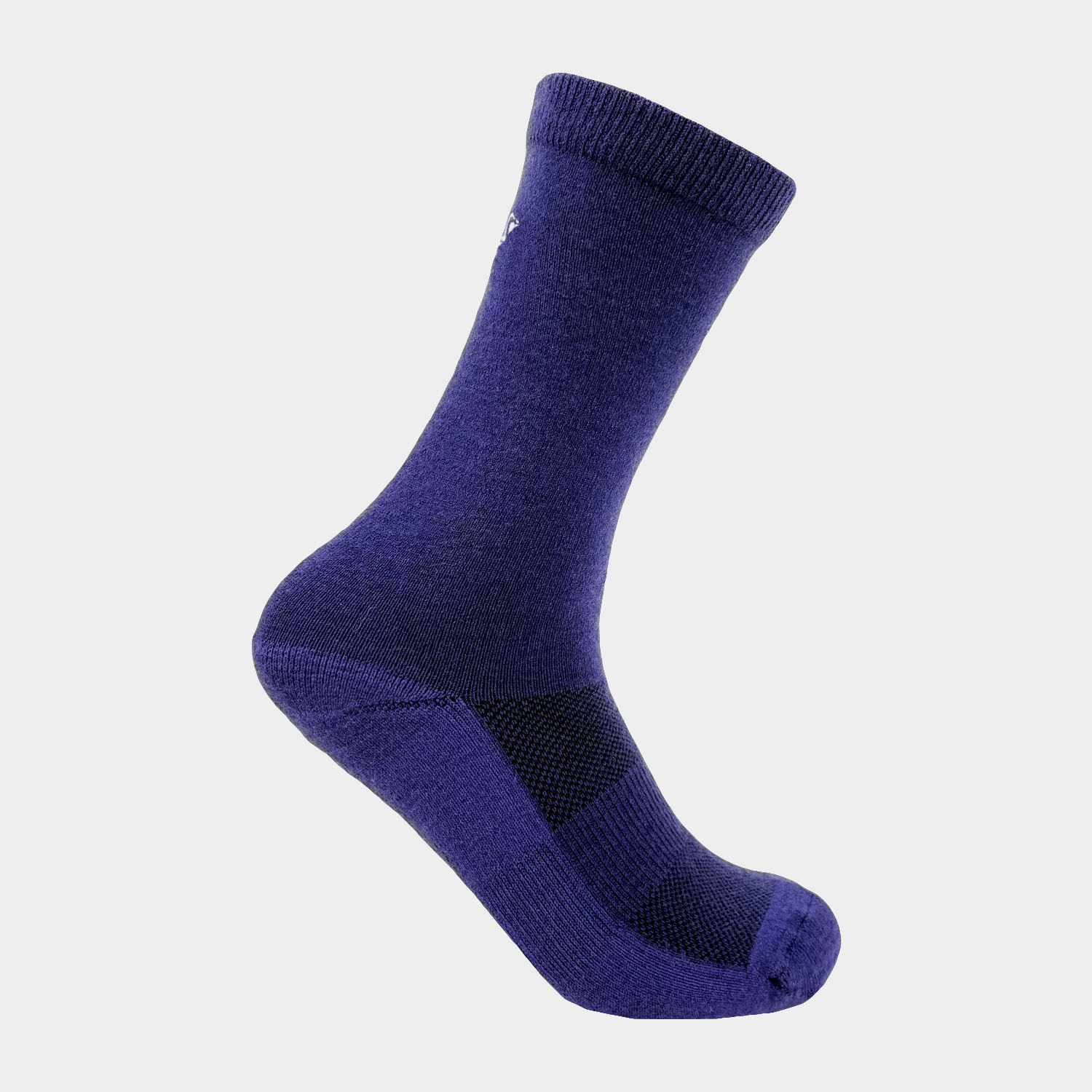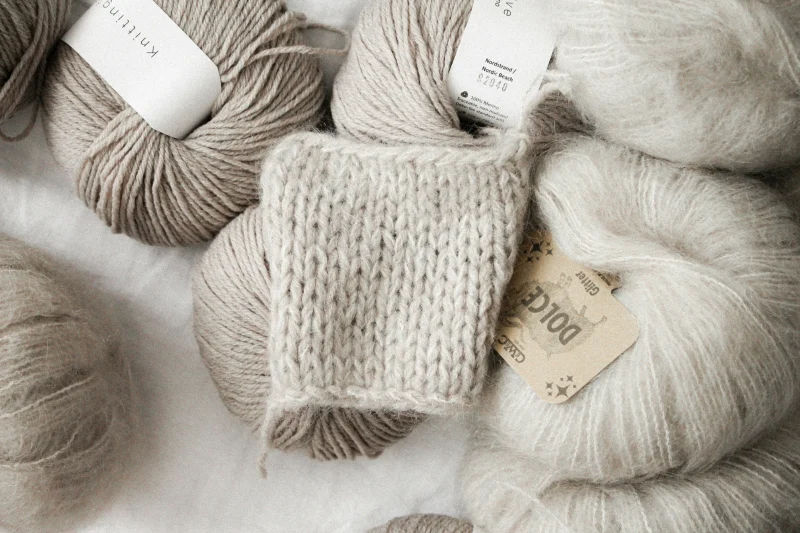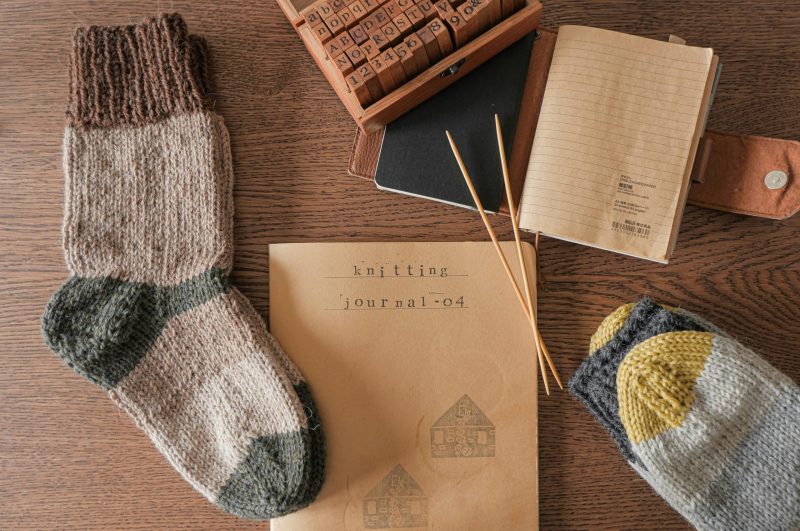

Alpaca socks are valued for their softness, warmth, and moisture management, but they also have some limitations to consider, such as higher cost, care requirements, and differences in durability and elasticity depending on the fiber blend. Understanding these pros and cons can help you decide whether alpaca socks are right for your needs and what to consider when choosing alpaca or other fibers.
Quick Overview
Alpaca socks are soft, warm, lightweight, and naturally resistant to odor, making them particularly suitable for cold weather, travel, and people who prioritize comfort. They also manage moisture well and can provide warmth without the bulk of heavier socks.
However, alpaca fiber has less natural elasticity and abrasion resistance than some other sock materials. For this reason, most alpaca socks are blended with fibers such as nylon and elastane to improve durability, stretch, and shape retention. Alpaca socks also tend to cost more and require more careful washing than cotton or synthetic socks.
In short, alpaca socks are a strong choice for comfort and warmth, but the fiber blend is important. A well-designed alpaca blend can offer a better balance of softness, durability, and fit than 100% alpaca fiber.
What Are Alpaca Socks?
Alpaca socks are made with fiber from alpacas, which are native to the Andes region of South America. Alpaca fiber is known for its soft, smooth feel and range of natural colors. There are two main alpaca breeds used for fiber: Huacaya and Suri. Their fibers differ in structure and texture, but both can be used to produce soft and insulating textiles.
One of the characteristics of alpaca fiber is its ability to provide warmth without adding much weight. Its fine, relatively smooth fibers also give alpaca socks a soft feel against the skin. Alpaca fiber does not contain lanolin, the natural wax found in sheep’s wool, which can make it a comfortable option for people who find some types of wool irritating.
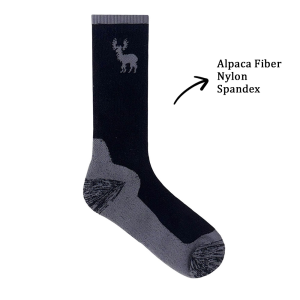
In socks, alpaca fiber is often blended with other fibers rather than used on its own. Materials such as wool, nylon, polyamide, and elastane can be added to improve elasticity, durability, shape retention, and fit. This means the performance of an alpaca sock depends not only on the alpaca fiber, but also on its blend and overall construction.
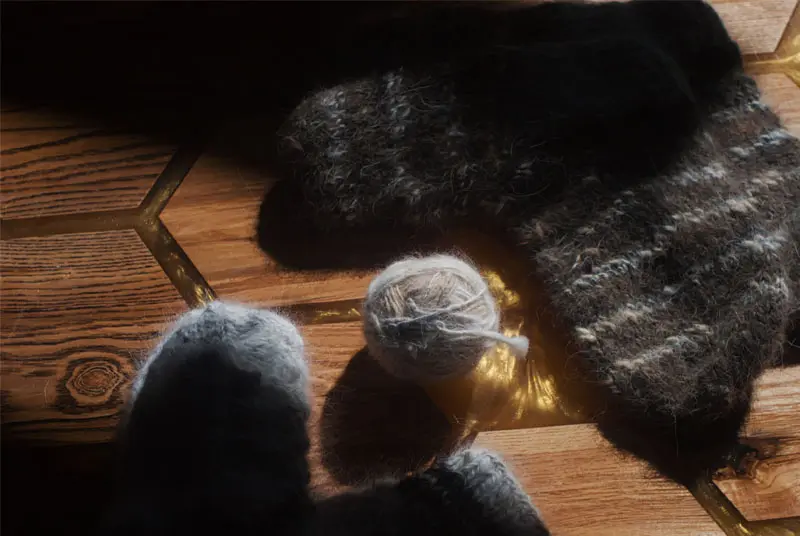
Pros of Alpaca Socks
Several properties of alpaca fiber contribute to its comfort, warmth, and moisture management in socks. Here are some of its main advantages.
Soft and Comfortable
The fineness and surface structure of alpaca fiber contribute to its soft feel. Finer fibers tend to feel smoother against the skin and create less of the prickly sensation associated with some coarser wool fibers. In socks worn directly against the skin, this softer texture can also reduce discomfort caused by repeated friction.
Warm and Lightweight
The insulating properties of alpaca fiber are related to its fiber structure. The spaces within and between the fibers can help retain body heat, while alpaca fiber itself remains relatively light. For socks, this combination provides warmth without relying on a large amount of heavy material, which can be useful when you want insulation without a bulky feel.
Moisture Management and Breathability
Feet continuously produce heat and moisture during wear. When moisture remains close to the skin, it can create a damp or clammy feeling. Alpaca fiber can help manage moisture and move it away from the skin, while the fiber and knit structure allow air to circulate through the sock and help moisture escape.
Odor Resistance
Foot odor is mainly associated with sweat and microbial activity. Alpaca fiber has natural antimicrobial properties that can help limit the growth of some odor-causing microorganisms. As a result, alpaca socks can be more resistant to odor during extended wear, which is one reason alpaca fiber is often considered for travel and outdoor socks.
Cons of Alpaca Socks
Alpaca socks also have some limitations to consider, particularly their higher cost, care requirements, and differences in durability and elasticity.
Higher Cost
Alpaca fiber is a relatively scarce natural fiber compared with materials such as cotton, conventional wool, and synthetic fibers. Its limited availability contributes to a higher raw material cost, and alpaca fiber prices have also increased in 2026 compared with the previous year.
As a result, alpaca socks generally cost more than socks made from more common materials, especially when they contain a higher proportion of alpaca fiber.
More Care May Be Required
Alpaca fiber is relatively fine and delicate, so improper washing can affect the softness, shape, and condition of the socks. High temperatures, aggressive agitation, and unsuitable drying methods may cause shrinkage or felting.
For detailed washing and drying instructions, see our guide on [How to Wash Alpaca Socks].
Durability and Elasticity Depend on the Blend
Alpaca fiber is valued for softness and warmth rather than high durability or elasticity. Because socks are exposed to repeated stretching and friction, alpaca is often blended with other fibers to improve strength, stretch, and shape retention.
The durability and fit of alpaca socks can therefore vary depending on the fiber blend.
Alpaca Socks Pros and Cons at a Glance
Pros | Cons |
Soft and comfortable against the skin | Higher cost |
Warm without feeling overly heavy | May require more careful washing and drying |
Good moisture management and breathability | Durability and elasticity depend on the fiber blend |
Natural odor resistance | — |
Overall, alpaca socks offer strong comfort and warmth, but they come with higher cost and care requirements.
Are Alpaca Socks Worth It?
Whether alpaca socks are worth buying depends on what you value most in a pair of socks. If you prioritize softness, warmth, lightweight comfort, and the natural properties of alpaca fiber, they can be a worthwhile choice for everyday wear, travel, and cold-weather use.
The main trade-offs are their higher cost and greater care requirements. If affordability, maximum durability, or minimal maintenance is more important to you, other sock materials may be a more practical option.
For those who are willing to pay more for the comfort and performance of alpaca fiber, the benefits may justify the additional cost. If you want to take a closer look at whether alpaca socks are worth buying, see our guide to [Are Alpaca Socks Worth It?]. The right choice ultimately depends on your needs, budget, and intended use.
Alpaca Socks vs. Merino Wool: Which Is Better?
Alpaca and merino wool are both natural fibers commonly used in socks, but they have different characteristics. Alpaca is known for its softness, lightweight warmth, and smooth feel, while merino wool offers a good balance of warmth, moisture management, elasticity, and durability.
Feature | Alpaca Socks | Merino Wool Socks |
Softness | Soft and smooth | Soft, depending on fiber fineness |
Warmth | Warm and relatively lightweight | Warm with good temperature regulation |
Moisture Management | Good | Good to very good |
Durability | Depends on the fiber blend | Generally good |
Elasticity | More dependent on the blend | Generally better natural elasticity |
Cost | Usually higher | Generally more cost-effective |
Neither fiber is universally better. If softness and lightweight warmth are your priorities, alpaca socks may be the better choice. If you value durability, elasticity, and overall versatility, merino wool socks may be more practical.
If you are choosing between alpaca and merino wool for a sock product line, see our guide to [Merino Wool vs. Alpaca: Best Choice for Custom Socks] for a more detailed comparison of their performance, cost, and brand positioning.