Long-distance running means hours of friction, sweat, and repeated impact, which can lead to blisters. This guide explains how materials, seamless toes, cushioning, and fit affect blister prevention and how to choose the best anti blister running socks for long runs.
How Blisters Form on Long Runs
Before choosing blister prevention socks, it helps to understand what causes blisters. During long-distance running, friction, moisture, heat, and pressure can work together to make certain areas of the foot more vulnerable, while sock material is only one part of the equation.
Friction, Heat, and Moisture Over Many Miles
Blisters usually form when repeated friction damages the skin, especially as heat and sweat build up during a long run. Wet socks can make the skin more vulnerable to rubbing, increasing the risk of blisters. Research in hikers has also linked wet socks to a higher risk of foot blisters, highlighting the importance of effective moisture management.
Toes and Heels Are Common Hot Spots
The toes and heels are common hot spots because they experience repeated movement and pressure during running. A narrow toe box can squeeze the toes, while heel movement inside the shoe can cause repeated rubbing. As mileage increases, bulky toe seams or fabric that bunches around the heel can add even more pressure and friction.
What Anti Blister Socks Do Differently
Anti blister running socks address several sources of discomfort at once. Rather than relying on thickness alone, effective designs combine smooth construction, moisture control, cushioning, and a secure fit to reduce friction during long-distance runs.
Seamless Toe to Remove Pressure Points
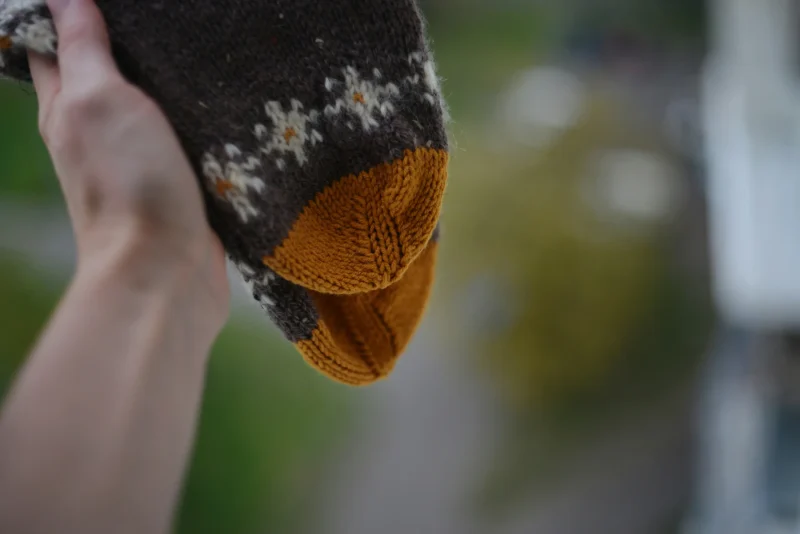
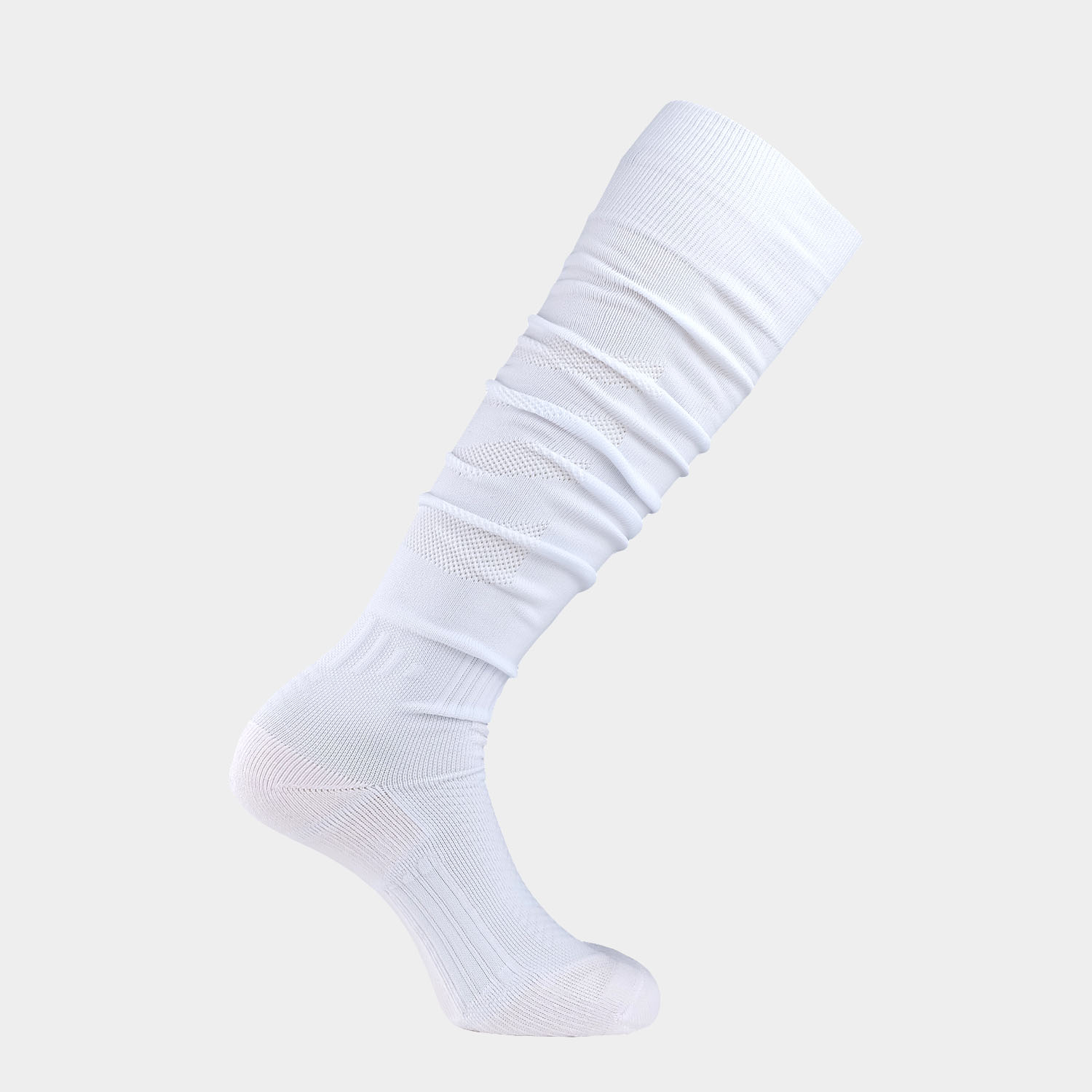
Smoother surface across the front of the foot can help reduce pressure and irritation around the toes. A seamless toe or low-profile toe closure removes the bulky ridge found in some traditional socks, which can be especially helpful during long runs when repeated contact becomes more noticeable. While this construction cannot prevent every blister, it can eliminate one common source of friction.
Moisture Control and Smart Cushioning
Keeping feet dry is essential for reducing friction during long runs. Synthetic fibers such as polyester and polypropylene are commonly used because they dry quickly, while targeted cushioning helps protect the heel and forefoot without adding unnecessary bulk. The goal is to balance moisture control, impact protection, and lightweight comfort based on the intended running distance.
How to Choose the Best Anti Blister Running Socks
The best pair depends on more than the label on the package. Consider the sock’s material, construction, fit, and intended conditions, as the right combination can differ between a road marathon, trail run, and ultra-distance event.
Picking by Fabric Performance
Polyester, nylon, and polypropylene are widely used in running socks for their moisture management, quick drying, durability, and shape retention. Merino wool offers a different set of benefits, including softness, temperature regulation, and natural odor resistance, which can be useful in cooler or changing conditions. Rather than treating one material as universally better, choose based on your sweat level, climate, and running environment.
| Fabric | Moisture Management | Key Benefits | Best Suited For |
|---|---|---|---|
| Polyester | Wicks moisture and dries quickly | Lightweight, durable, quick-drying | Long runs, hot weather, high-sweat activities |
| Nylon | Provides moderate moisture management | Strong, abrasion-resistant, helps retain shape | Long-distance running and high-wear areas |
| Polypropylene | Moves moisture away from the skin | Very lightweight, fast drying, moisture resistant | High-intensity and hot-weather running |
| Merino Wool | Absorbs moisture vapor and helps regulate temperature | Soft, temperature-regulating, naturally odor resistant | Cool weather, long runs, changing conditions |
| Merino-Synthetic Blend | Combines moisture management from both fiber types | Balances comfort, durability, drying speed, and temperature control | Versatile long-distance running |
Picking by Construction and Fit
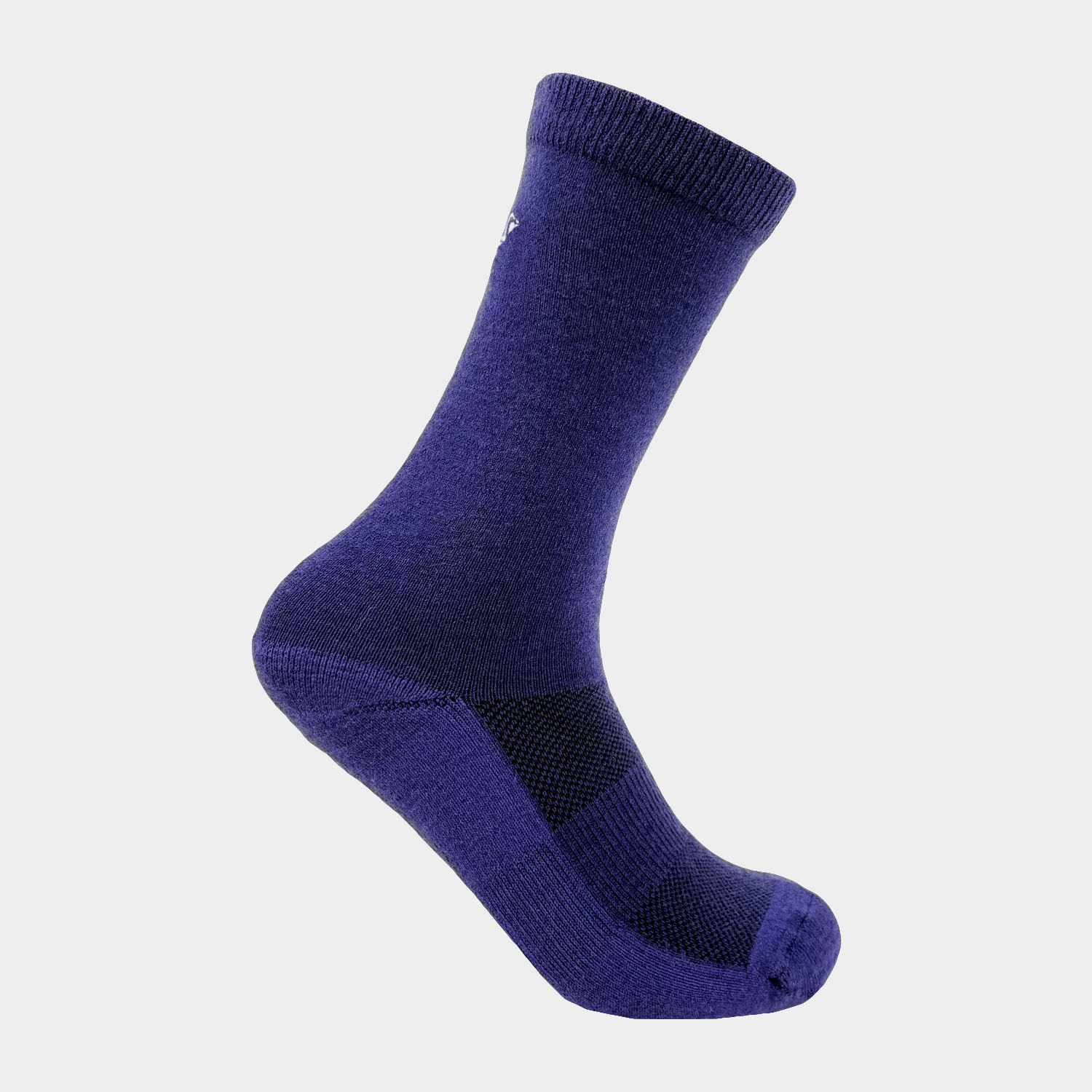
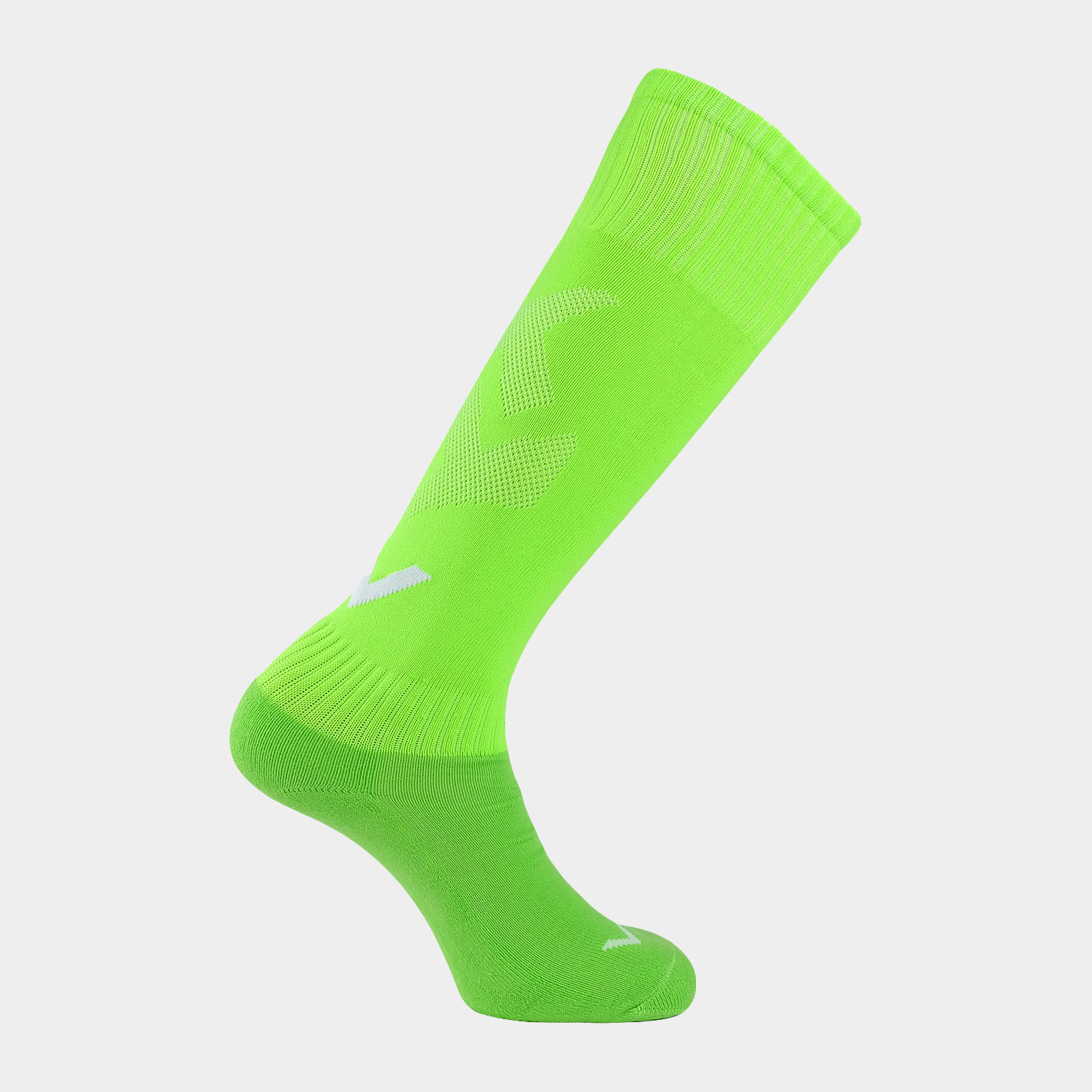
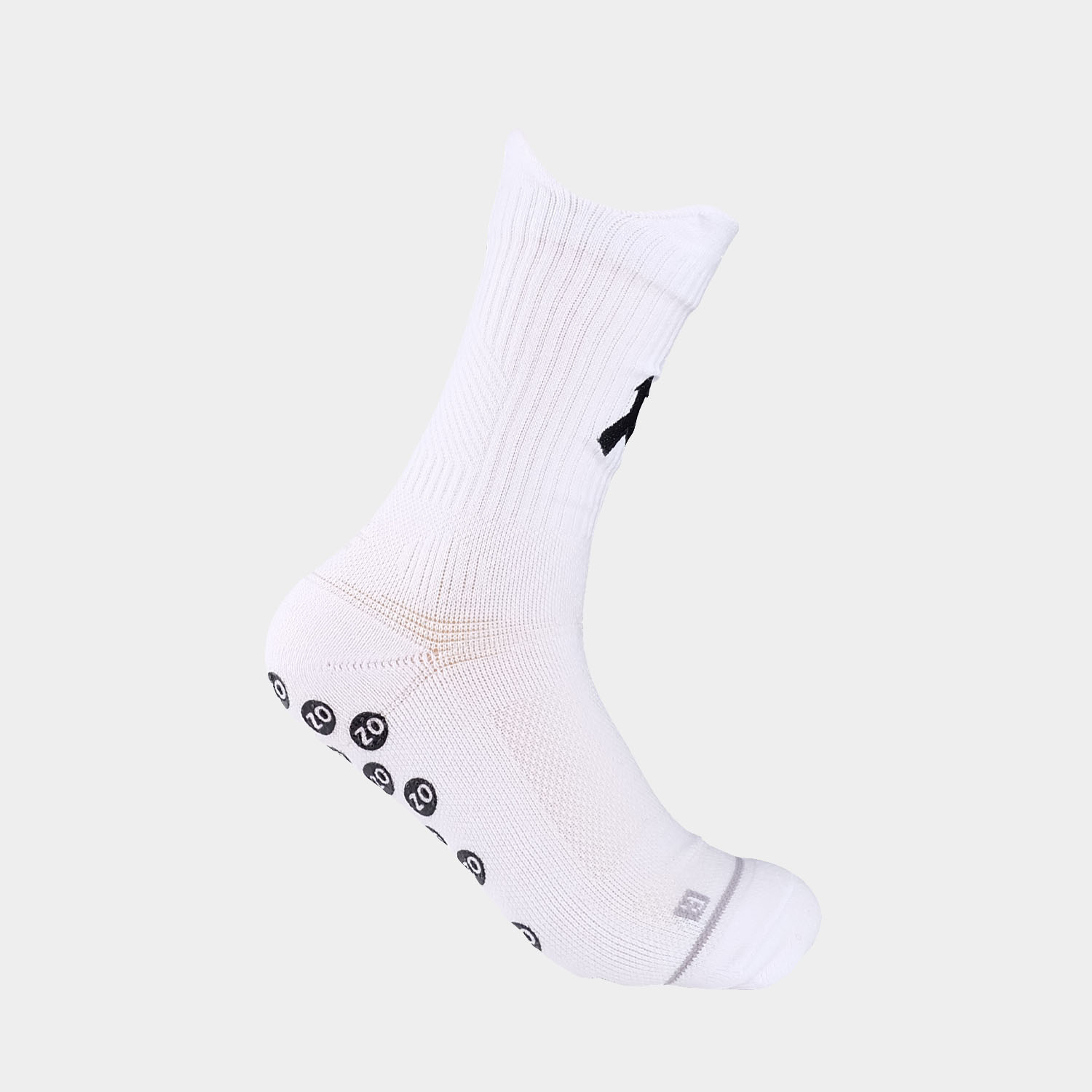
A well-designed running sock should stay securely in place without creating tight pressure points or excess fabric. Features such as seamless toes, hand-linked closures, deep heel pockets, arch support, targeted cushioning, and breathable knitting can improve comfort during long runs. Proper sizing also matters: a loose sock may bunch and rub, while an overly tight fit can increase pressure around the toes.
Picking by Running Scenario
Different types of long-distance running create different demands, so sock features should match the activity.
- Road marathons: Lightweight socks with moderate cushioning and strong moisture control.
- Trail running: More cushioning, durability, and a secure fit for uneven terrain.
- Ultra running: Extra cushioning and durable construction for extended wear.
- Hot-weather running: Fast-drying synthetic fibers to help manage sweat.
- Changing temperatures: Merino wool or merino blends for comfort and temperature regulation.
Why Brands Choose Anti Blister Socks
For brands, anti blister socks are more than another running accessory. Their performance benefits can be tied to specific product features, helping brands communicate clear value to runners while developing products for specific needs.
A Clear Performance Story for Runners
“Anti blister” addresses a familiar problem for runners and gives brands a clear performance message. Rather than relying on broad claims like “comfortable” or “high performance,” brands can highlight features such as seamless toes, moisture-wicking yarns, targeted cushioning, and a secure fit. This makes the product’s benefits easier to communicate across product pages, blogs, social media, and race-focused marketing.
Custom Options for Clubs and Events
Custom anti blister running socks can be developed for running clubs, marathon events, race teams, and outdoor communities. Brands can customize colors, logos, patterns, sock height, yarn combinations, cushioning, and packaging to combine performance with brand identity. This makes them suitable as both functional running gear and branded merchandise for events and communities.
Quality Signals That Support Premium Pricing
Premium running socks need functional details that support their positioning. A smooth toe closure, technical yarns, reinforced heel and toe areas, targeted cushioning, and consistent knitting can all contribute to a more purpose-built product. Developing these features around specific running needs allows brands to compete on performance, comfort, and durability rather than relying mainly on low pricing.
FAQ
Q1. Do Anti-Blister Socks Prevent Blisters?
They can help reduce blister risk by minimizing friction, managing moisture, and keeping feet comfortable.
Q2. Are Seamless Socks Better for Running?
A smooth toe construction helps reduce pressure and rubbing around the toes, especially during long-distance runs.
Q3. What Material Is Best for Anti-Blister Running Socks?
Synthetic fibers provide fast drying and effective moisture management, while merino wool is valued for temperature regulation and natural odor resistance.
Conclusion
The best anti blister running socks are not necessarily the thickest or most heavily cushioned. Effective blister prevention comes from the right combination of material, seamless toe construction, moisture management, secure fit, and activity-specific cushioning. For brands, these elements also provide a foundation for developing custom running socks tailored to different distances, conditions, and customer needs.