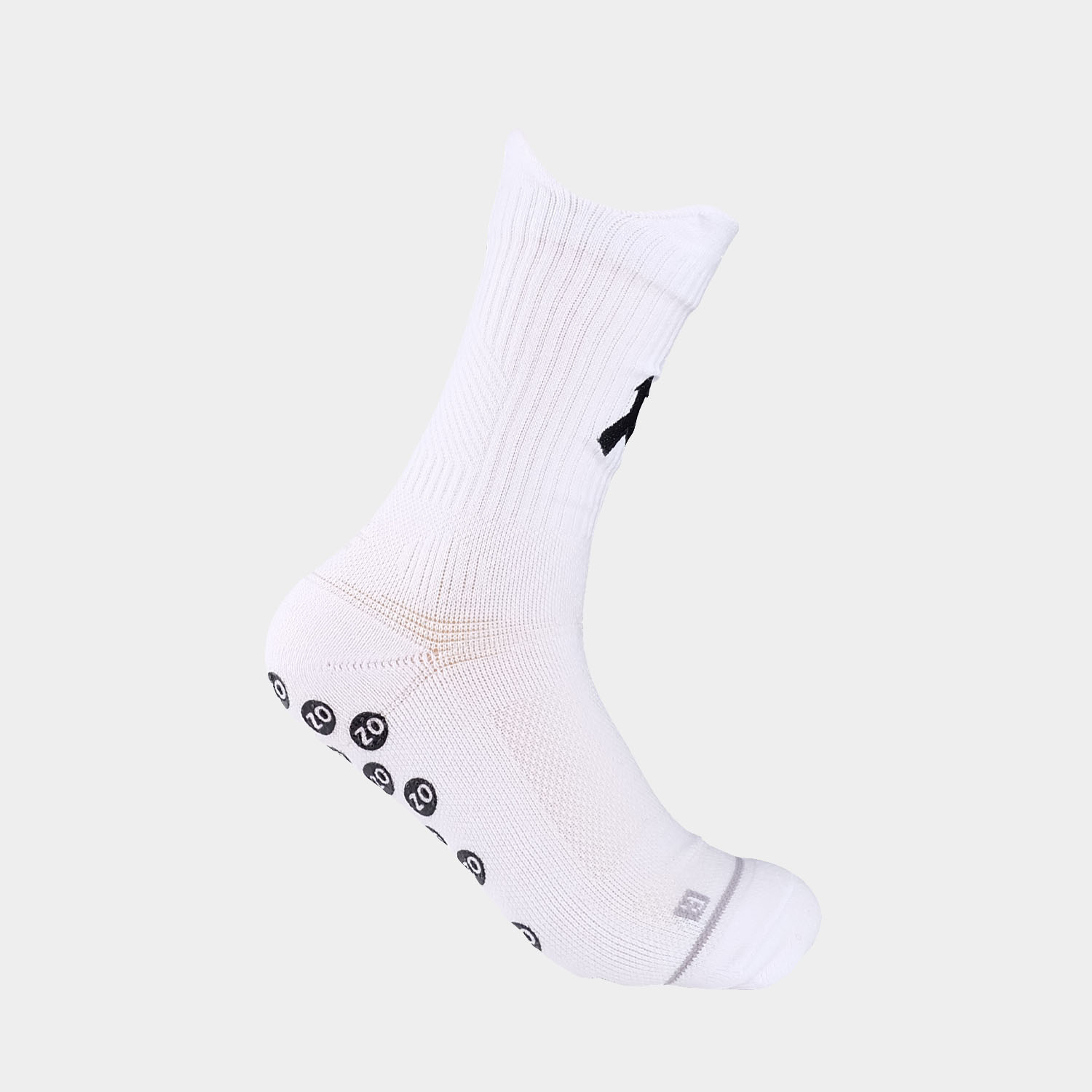

Are you looking for a premium sock product that combines natural fiber appeal with a unique design? Alpaca toe socks pair the softness and insulation of alpaca fiber with an individual toe structure, offering a distinctive option for outdoor, lifestyle, and specialty sock brands. This guide covers key considerations for custom development, from fiber blends and knitting technology to durability and production requirements.
Quick Overview
- Material: Alpaca fiber provides a soft hand feel, lightweight warmth, and premium positioning.
- Structure: Individual toe compartments require precise sizing and knitting control.
- Development focus: Fiber blend, toe fit, durability, and production feasibility.
- Customization: Brands can adjust materials, colors, patterns, logos, and packaging.
- MOQ: Due to specialized yarns and toe sock construction, custom projects usually require higher order quantities.
What Makes Alpaca Toe Socks Different?
Two elements define alpaca toe socks, and understanding both helps brands make better development decisions. Alpaca fibre shapes much of the material’s feel and insulation, while the five-toe structure introduces specific requirements for fit, knitting, and sizing.
Alpaca Fiber Characteristics
Valued for its softness, its relatively lightweight warmth, and its smooth feel, alpaca fibre is the material half of this product’s appeal, and it suits premium sock collections particularly well. Unlike sheep’s wool, alpaca fibre naturally lacks lanolin, although comfort still depends on the fibre grade, the yarn processing, and the finished construction. In sock manufacturing, alpaca is often blended with nylon, polyester, or elastane, because pure alpaca fibre socks need that support to deliver the durability and stretch that regular wear demands. Brands comparing the advantages and limitations of this material can explore Sockcn’s guide to alpaca socks pros and cons before finalising an alpaca toe sock specification.
Five-Toe Construction
A five-toe sock separates each toe into an individual knitted compartment instead of enclosing all the toes together, and this structure opens up room for differentiated product design. Every compartment must provide suitable length, width, and flexibility without leaving excess fabric or creating an overly tight fit, and compared with a conventional sock, the additional toe sections also make pattern development and size grading more demanding for alpaca toe socks, particularly when the design uses a premium yarn blend with different stretch and recovery characteristics.

What are the benefits of alpaca toe socks?
The combination of natural fibre and individual toe construction gives alpaca toe socks their distinctive concept, but each feature serves a different purpose. For brands, the strongest opportunity comes from matching those characteristics to a clearly defined customer and use case, rather than assuming the combination automatically improves every aspect of performance.
Softness and lightweight warmth
Consumers who want a soft, warm sock without relying entirely on a thick or heavy construction are the natural audience for alpaca wool toe socks, and the actual warmth and hand feel depend on the alpaca content, the yarn characteristics, the fabric density, and the sock thickness. Product developers should still evaluate the complete blend rather than treating fibre percentage as the only quality indicator, and in premium outdoor and cold-weather collections this material profile helps alpaca toe socks stand out, provided the construction also meets the required durability and fit standards.
Individual toe separation
Separated compartments are what distinguish alpaca toe socks from conventional wool designs, and they suit customers who prefer each toe to be covered individually. By limiting direct skin-to-skin contact between adjacent toes, the structure may help reduce toe-to-toe rubbing in some applications, although overall comfort also depends on footwear fit, moisture management, and sock sizing. Brands developing a wider five-toe collection can review Sockcn’s custom toe running socks to see the construction and customisation possibilities of an existing toe sock design.
Premium product positioning
Pairing a natural speciality fibre with a less conventional sock shape gives brands a clear starting point for product differentiation, and rather than competing solely on price, companies can position alpaca toe socks around material selection, thoughtful construction, distinctive colour combinations, and private label presentation. This approach may suit premium lifestyle retailers, outdoor brands, and niche footwear businesses looking for a product that stands apart from standard cotton or synthetic options.
How to design custom alpaca toe socks
Once the target market is settled, the material and construction decisions have to come together in a practical manufacturing brief, and making those choices together helps avoid an alpaca toe sock that looks appealing in concept but proves difficult to produce consistently or falls outside the intended price range.
Choose the right fibre blend
Higher alpaca percentages are not automatically the best choice for every sock application, since nylon brings abrasion resistance, elastane supports stretch and recovery, and polyester or other compatible fibres can earn a place depending on the yarn specification and the intended construction. The right composition should reflect the product’s expected use, its target retail price, the desired hand feel, and the performance requirements, with the final blend confirmed through sampling. Brands exploring different natural-fibre constructions can also review Sockcn’s custom wool sock collection for relevant material and product development options.
Refine the toe fit
Accurate toe dimensions are essential in alpaca toe socks because each compartment has to accommodate a different toe length while the overall fit of the sock holds together. During development, manufacturers should assess toe-pocket sizing, stretch, knitting tension, and the transition between the toe sections and the main foot area to catch problems such as bunching or excessive tightness early. Testing the sample with appropriate footwear also helps confirm whether the design delivers the intended fit before the specifications are approved for bulk production.
Plan colours and branding
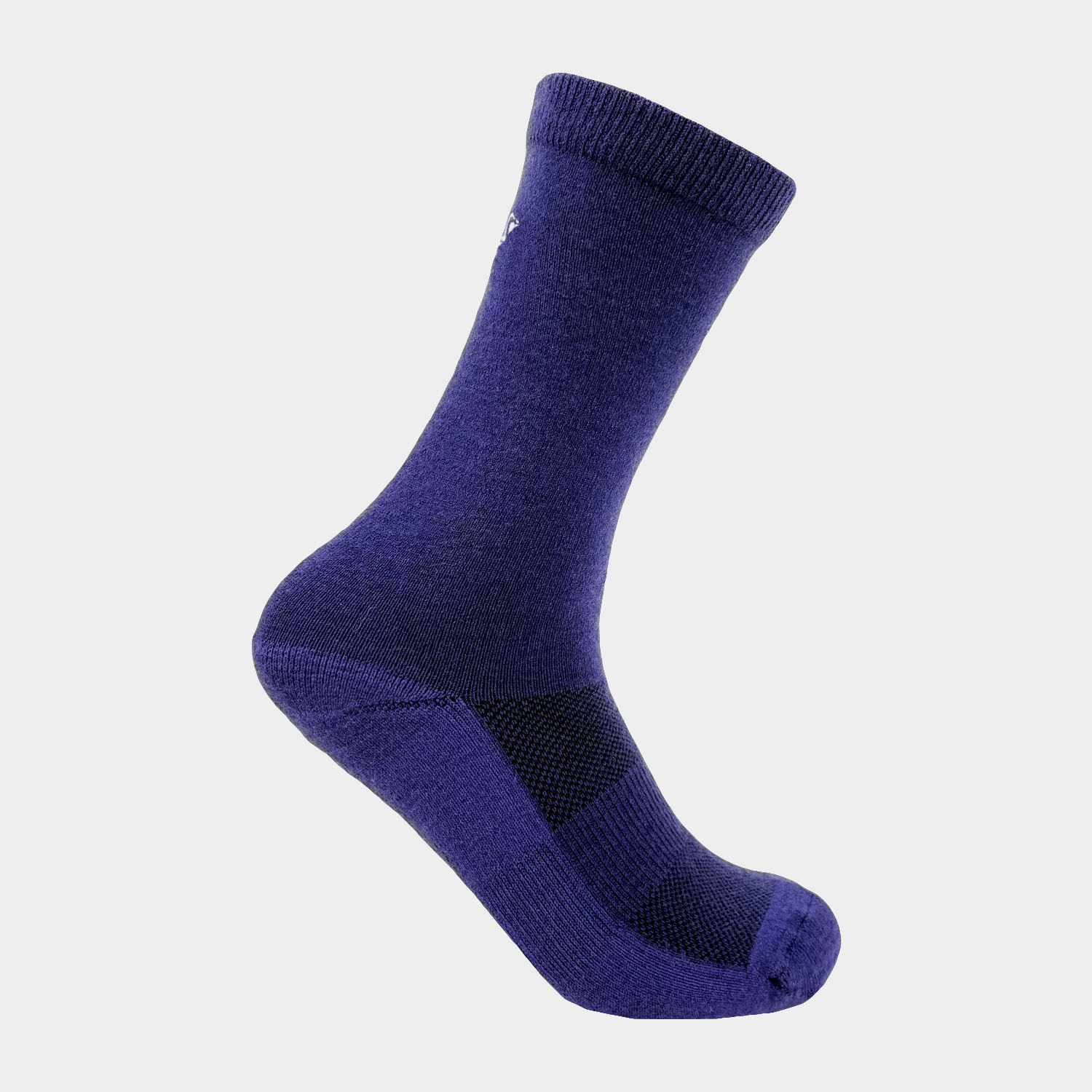
Customisation on alpaca toe socks can extend beyond the fibre blend to cover sock height, colour combinations, knitted patterns, logo placement, labels, and retail packaging. However, complex patterns and multiple colour changes may affect machine programming, sampling requirements, and production costs, so visual decisions should be assessed alongside technical feasibility. For brands building a broader collection, Sockcn’s alpaca wool crew socks provide a reference for an existing alpaca-blend product and its available branding options.

How is custom manufacturing planned?
Clear process discipline turns the design brief into a repeatable product, and for alpaca toe socks the main priorities are confirming material availability, validating the specialised construction, and establishing production requirements before any bulk order is placed.
Develop and approve samples
Before manufacturing begins at scale, the brand and the supplier should confirm the yarn composition, the dimensions, the colour references, the toe construction, and the finishing details. Sample evaluation should cover the hand feel, the fit, the elasticity, the workmanship, and the consistency with the approved specifications rather than relying on appearance alone. Any necessary adjustments can then be made during development, which reduces the risk of discovering fit or construction problems after bulk production has started.
Confirm MOQ and budget
Both the alpaca yarn selection and the five-toe construction can make alpaca toe socks more demanding to develop than a basic sock, so brands should plan for a higher minimum order quantity. For custom alpaca toe socks, 300 pairs works as the initial planning MOQ, and the final quantity is confirmed against the yarn, the colour count, the design complexity, and the production requirements. An accurate quotation should account for material costs, sampling, customisation, packaging, and order volume, which lets buyers assess the project against their target retail price and expected demand.
Select a suitable manufacturing partner
Capable suppliers can discuss both alpaca-blend development and five-toe construction instead of treating an alpaca toe sock project as a simple material substitution. Buyers should ask any prospective alpaca toe sock manufacturer about yarn sourcing, sample approval, available customisation, quality-control procedures, and the ability to reproduce the approved design consistently across the order. Sockcn supports OEM projects and private label alpaca socks, and brands can review its guide to choosing an alpaca socks wholesale supplier for additional sourcing considerations.
FAQ
Q1. Are alpaca toe socks suitable for outdoor use?
Yes. Alpaca toe socks can suit outdoor and cold-weather use when the fiber blend, fabric weight, fit, and durability match the intended activity. Reinforced areas may help improve wear resistance, and samples should be tested with suitable footwear.
Q2. Can alpaca toe socks be made with custom logos and colours?
Yes. Brands can customize colors, patterns, logos, sizing, sock height, labels, and packaging, depending on the construction and manufacturer’s capabilities. Confirm the available options during sampling.
Q3. What is the MOQ for custom alpaca toe socks?
The initial MOQ is around 300 pairs, but the final minimum depends on yarn availability, color choices, design complexity, and other specifications. Request a project-specific quote before confirming your order.
Conclusion
Developing a successful alpaca toe sock collection requires the right balance of fiber quality, fit, durability, and customization. Sockcn works with brands to evaluate material options, refine product specifications, and confirm manufacturing feasibility, with an initial MOQ of around 300 pairs for planning.
Related Resources
These related Sockcn articles go deeper on alpaca materials, toe sock development, and supplier selection.
→ Are Alpaca Socks Itchy? Everything You Need to Know
→ Alpaca Socks Pros and Cons: Are They Worth It?
→ How to Build a Toe Socks Brand from Scratch