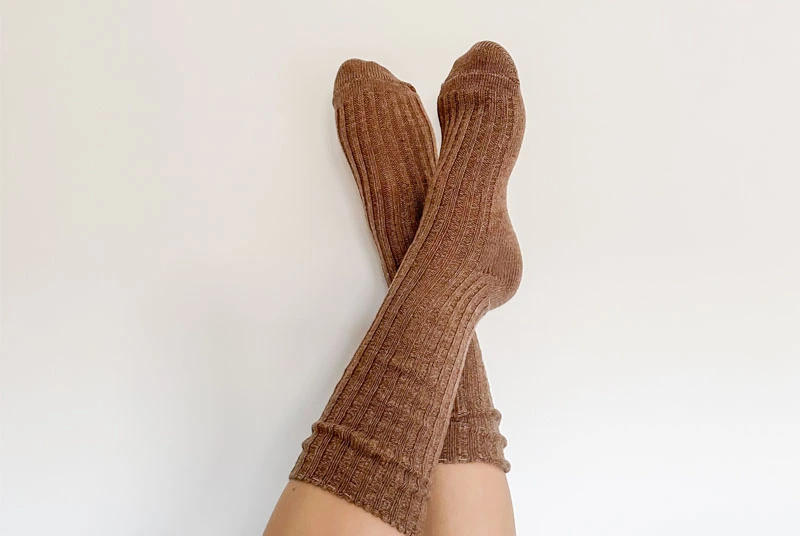
Finding the right alpaca socks wholesale supplier is about more than comparing prices or minimum order quantities. Whether you are a retailer, private label brand, outdoor product supplier, or wholesaler, choosing the right partner depends on your specific product and business needs.
A reliable supplier should offer products that meet your market requirements while providing consistent alpaca fiber sourcing, reliable product quality, relevant manufacturing experience, and flexible customization options. Product styles and colors, material sourcing and certifications, MOQ, sample policies, production lead times, and private label services are also important factors to consider.
This guide will help you evaluate an alpaca socks wholesale supplier and find a partner that is better suited for long-term cooperation.
Quick Overview
When evaluating an alpaca socks wholesale supplier, focus on seven key areas: product requirements, alpaca fiber sourcing, product quality, manufacturing experience, MOQ and lead times, private label and customization capabilities, and sample development. For custom projects, also check whether the supplier can analyze a reference sock, develop samples, make revisions, and support the product through to bulk production. The best supplier is not necessarily the one with the lowest price or largest product range, but the one whose capabilities match your product requirements and long-term business needs.
Check Whether the Supplier Can Meet Your Product Requirements
Before comparing prices, minimum order quantities, or lead times, make sure the supplier can produce alpaca socks that match your business and product needs. Different target markets and customers may have very different requirements for sock styles, functions, and designs.
For example, retailers may prioritize a wider selection of styles and colors, while private label brands may need more customization options. Outdoor brands may place greater emphasis on warmth, durability, cushioning, and performance.
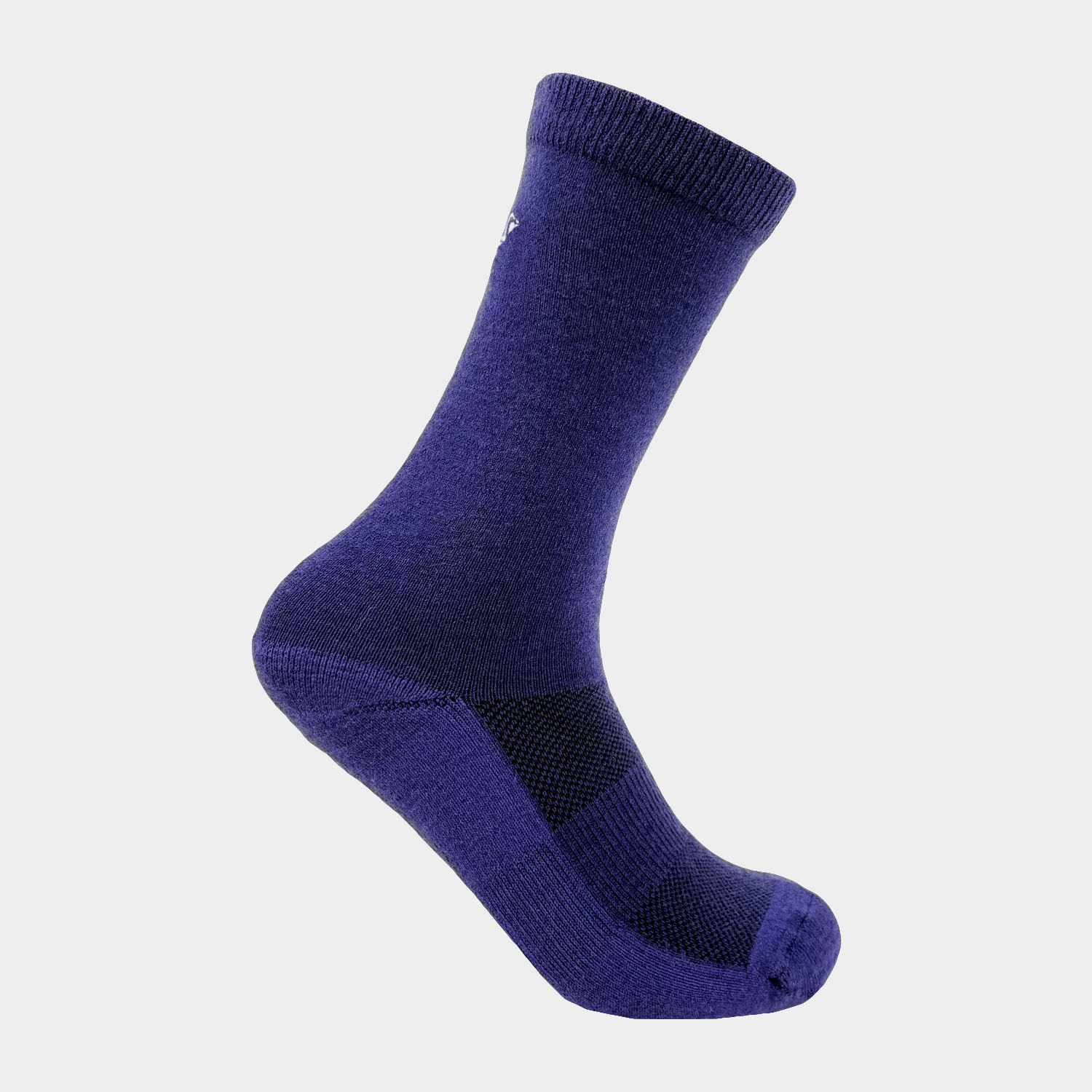
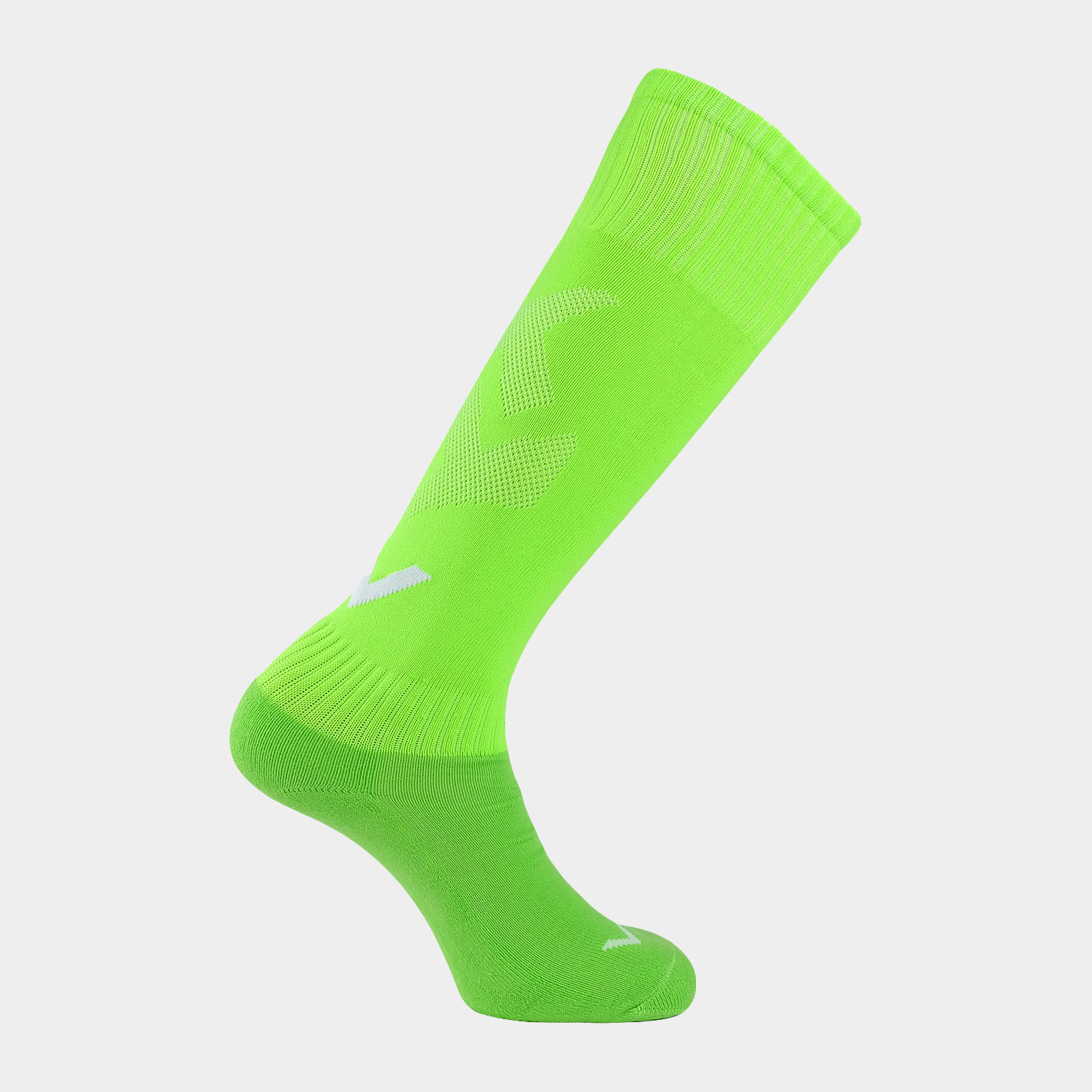
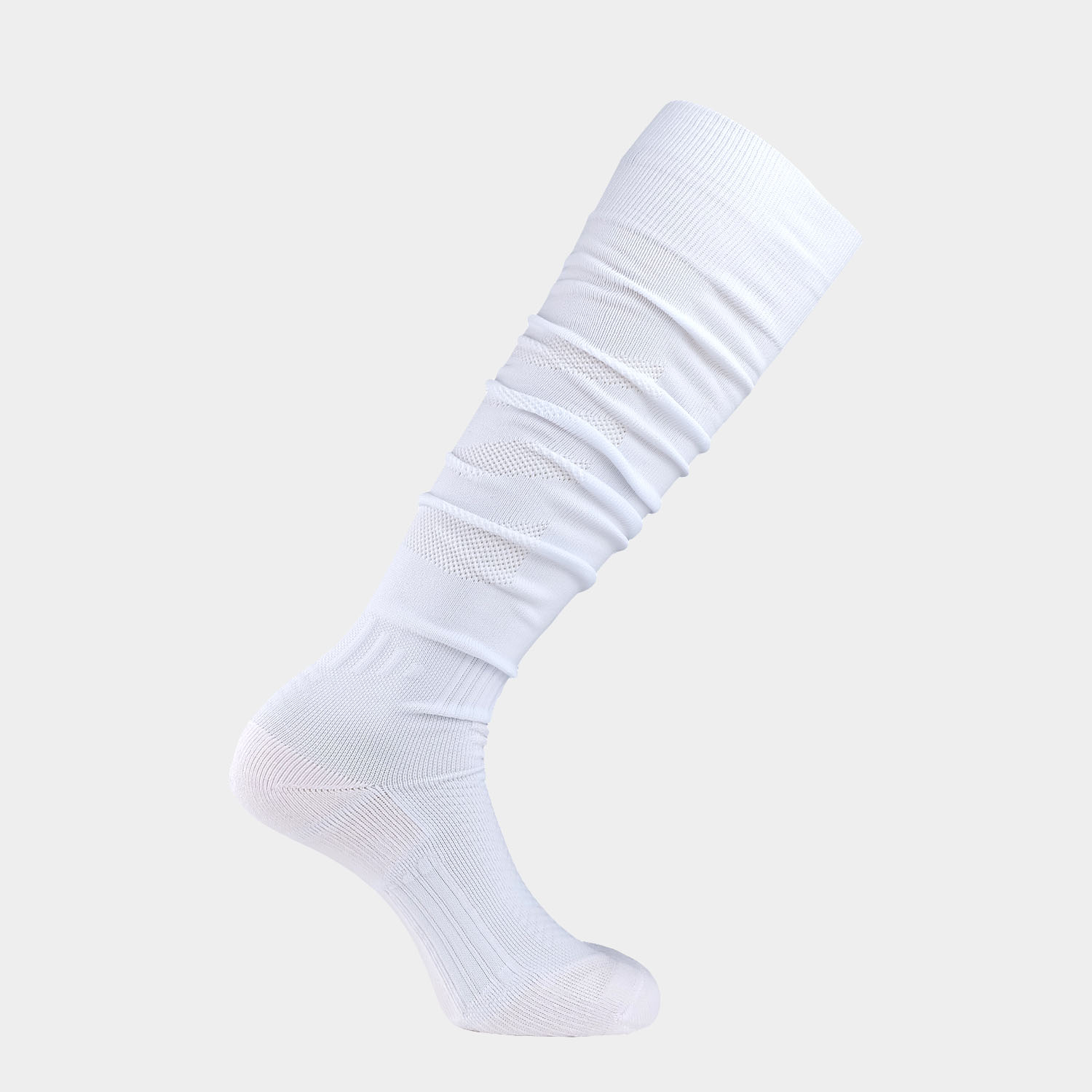
Consider whether the supplier can produce different types of wholesale alpaca socks, such as:
- Everyday and casual alpaca socks
- Warm and winter alpaca socks
- Hiking and outdoor alpaca socks
- Thick or cushioned alpaca socks
- Performance-focused alpaca socks
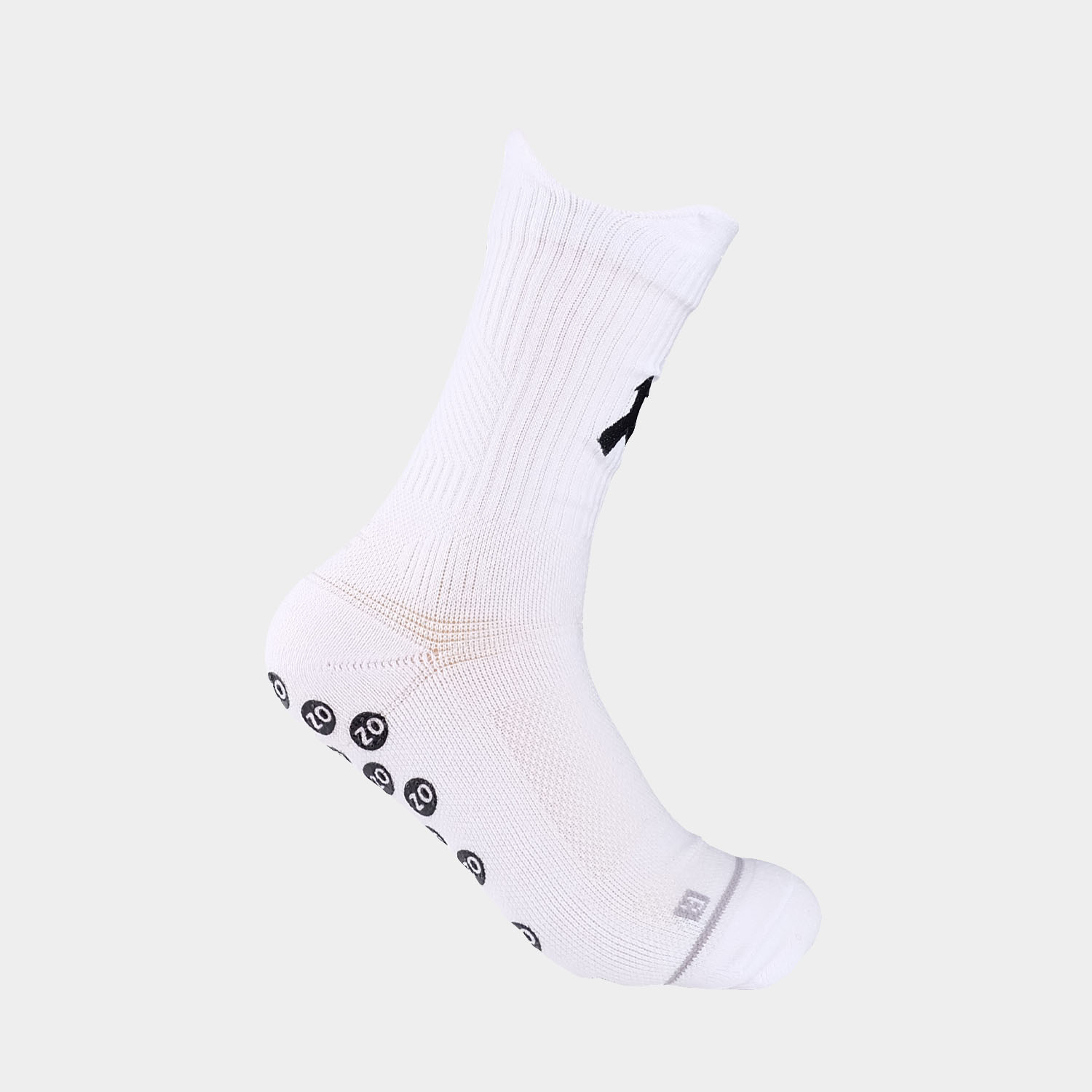
If you plan to develop your own product line, also check whether the supplier can support different colors, patterns, and custom designs.
The goal is not to find the supplier with the largest product range, but one whose capabilities match your target market and product positioning.
Check Where the Alpaca Fiber Comes From
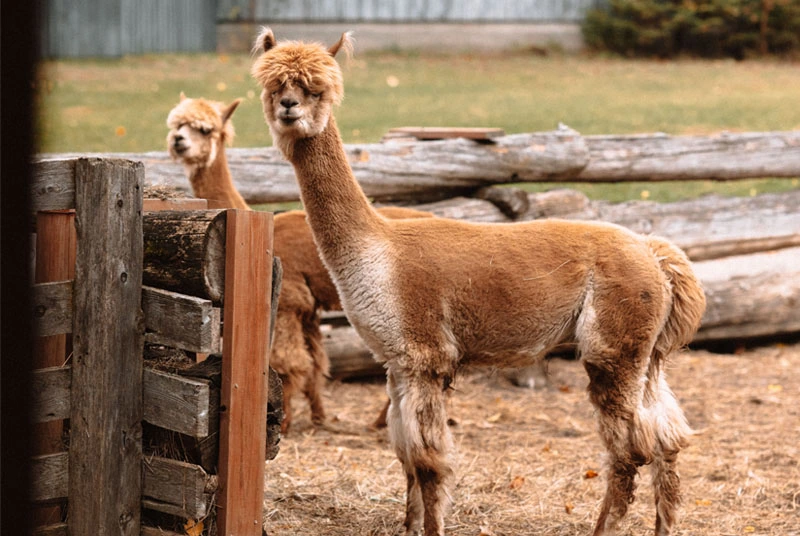
The origin of alpaca fiber can affect material quality, supply stability, and how your products are positioned in the market. When sourcing alpaca socks, it is important to look beyond the product label and understand where the fiber comes from and how it is sourced.
Peru is widely recognized as one of the world’s leading sources of alpaca fiber, with a long-established alpaca farming and fiber industry. Many high-quality alpaca products use fiber sourced from Peru. When evaluating a supplier, ask about the specific origin of the fiber and whether the supply chain offers a reasonable level of traceability. For brands that value sustainability and responsible sourcing, it is also worth understanding whether the fiber comes from a supply chain that follows appropriate animal welfare and responsible sourcing practices.
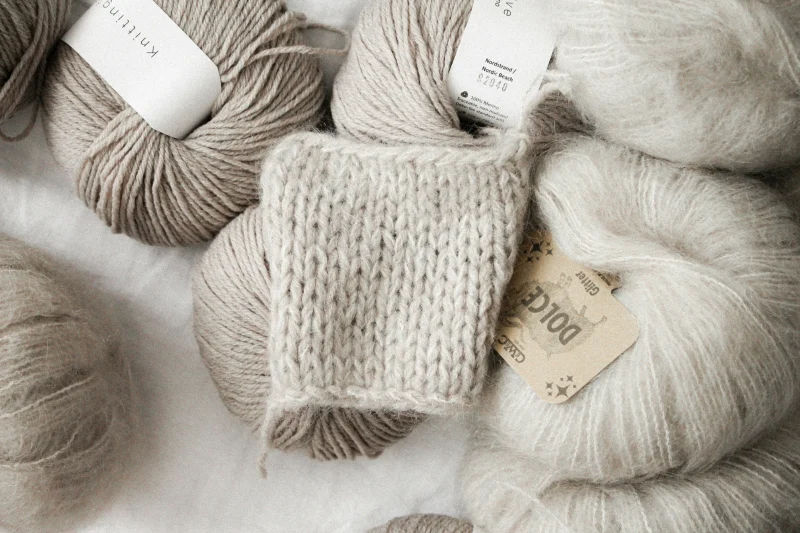
If you are looking for an alpaca knit socks wholesaler in China, you should also ask how the supplier sources its alpaca yarn and whether it can provide clear information about the material used in production.
You should also confirm the actual percentage of alpaca fiber used in the socks and whether it is blended with wool, nylon, or other materials. A reliable supplier should be able to clearly explain the fiber composition and provide relevant material information, test reports, or certifications, such as OEKO-TEX® STANDARD 100, where applicable.
Evaluate the Quality of the Alpaca Socks
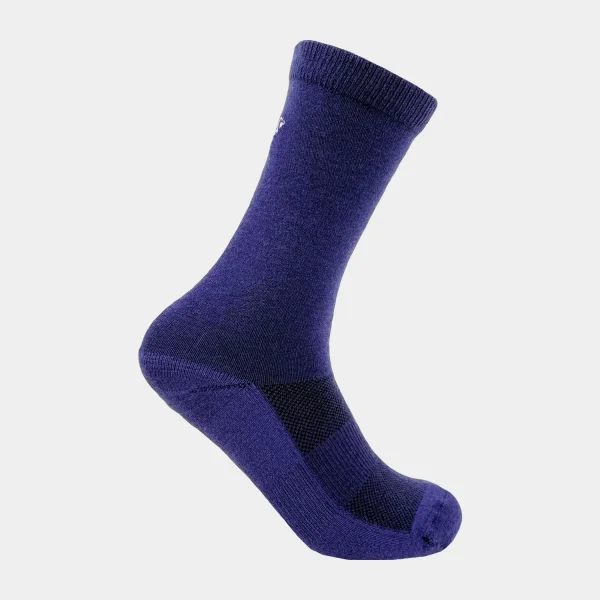
When evaluating product quality, look beyond the alpaca fiber content and consider how the socks are constructed and designed for their intended use.
- Yarn blend: Alpaca fiber is often blended with other materials to improve durability, elasticity, and shape retention. A reliable supplier should be able to explain which fiber blends are suitable for different types of socks.
- Sock construction: Check the knit density, thickness, cuff elasticity, and whether high-wear areas such as the heel and toe are reinforced.
- Comfort and performance: Consider the warmth, cushioning, breathability, and overall comfort required for your target market. For example, hiking and outdoor socks may require greater cushioning and abrasion resistance.
- Durability: Ask about pilling, shrinkage, abrasion resistance, and how well the socks maintain their shape after repeated wear and washing.
Quality requirements can also vary by product type. Everyday alpaca socks may focus more on softness and comfort, while outdoor or performance-focused socks need to balance warmth with durability, support, and long-term performance.
Look for Real Alpaca Sock Manufacturing Experience
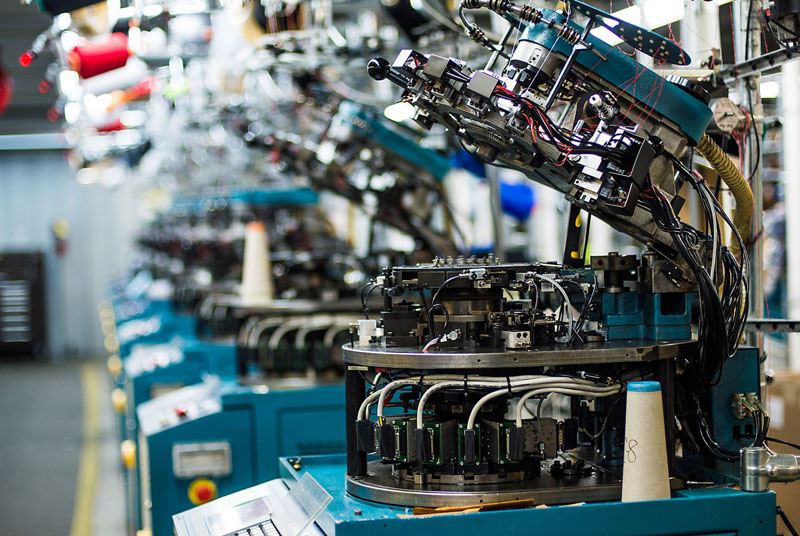
Not every sock manufacturer has hands-on experience producing alpaca socks. Developing alpaca socks involves more than simply replacing the yarn used in a regular sock with alpaca yarn. A supplier should understand the characteristics of alpaca fiber and how different yarn blends and sock constructions can affect the performance of the final product.
Experience With Alpaca Yarn and Sock Construction
An experienced supplier should understand how to blend alpaca yarn with other materials and balance warmth, softness, durability, and elasticity based on the intended use of the product.
Different types of alpaca socks also require different constructions. Everyday alpaca socks may focus more on softness and comfort, while hiking or outdoor socks may require a thicker construction, cushioning zones, and reinforced heels and toes for better durability.
Rather than simply producing an existing design, a capable supplier should be able to recommend suitable yarn blends, sock thickness, knit structures, and functional features based on your target market and product requirements.
Previous Alpaca Sock Projects and Case Studies
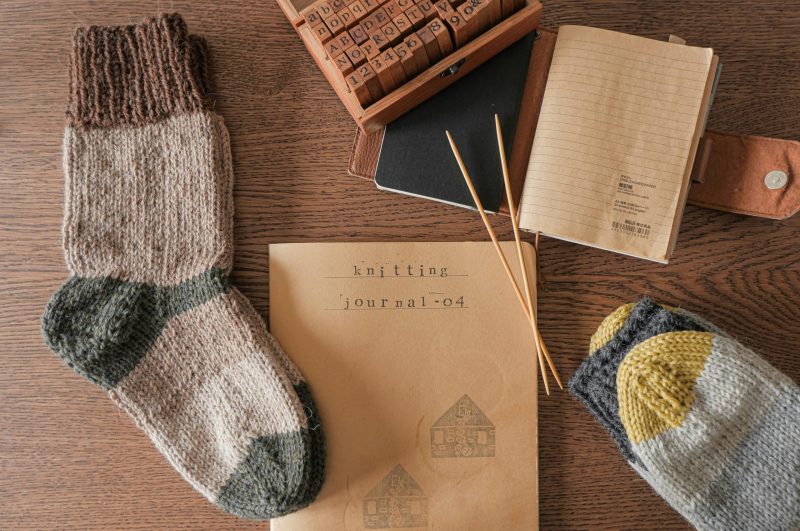
In addition to asking about a supplier’s experience, one of the most direct ways to evaluate their capabilities is to review previous alpaca sock projects. Beyond finished product photos, ask whether the supplier can show custom projects or examples of the actual product development process, from customer requirements and initial samples to revisions and final production.
Real project experience is more convincing than simply claiming to have years of manufacturing experience. It can also give you a clearer picture of whether the supplier has the capability to develop and produce alpaca socks that meet your specific requirements.
When comparing alpaca socks manufacturers, reviewing actual projects can also help you determine whether their experience is relevant to the type of products you plan to develop.
Check the MOQ, Sample Policy, and Lead Times
Minimum order quantities, sample policies, and production lead times can directly affect your purchasing costs and product development plans, so it is important to clarify these terms before working with a supplier. Alpaca socks often involve more specialized yarns and production requirements, which can result in higher MOQs than standard socks.
When checking a supplier’s MOQ, find out whether it is calculated per style, color, or design, and whether more complex products have different requirements. For brands testing new products or entering the market, a suitable MOQ can help reduce inventory and purchasing risks.
For example, our MOQ is 100 pairs for standard alpaca sock styles, while more complex performance styles with specialized construction or functional features typically require a minimum order of 300 pairs.
The sample policy is also worth confirming in advance. In addition to sample costs, ask how long samples take and whether custom products can be revised after the initial sample. For our existing styles, samples can typically be provided within 3 days, while custom-developed styles usually require around 7 days for sample development.
Finally, ask about bulk production time after sample approval and whether the socks supplier can provide a clear production and delivery schedule. This can help you better plan product launches, inventory replenishment, and purchasing cycles.
Review Private Label and Customization Options
The level of customization can vary significantly between suppliers. Some may only allow you to change colors or add a logo to an existing style, while suppliers with stronger product development capabilities may offer a wider range of customization options, such as:
- Custom logos and brand names
- Sock colors and patterns
- Alpaca yarn blends and other material options
- Sock length, thickness, and construction
- Functional features such as cushioning and reinforcement
- Labels, packaging, and other branding elements
Color options are also worth checking. Ask how many alpaca yarn colors the supplier offers, whether a color card is available, and whether they can support custom color combinations based on your brand requirements.
If you plan to build a long-term private label product line, also consider whether the supplier can provide ongoing support as your product needs develop, such as developing new styles, adjusting product construction, or improving existing designs.
The goal is not to find the supplier with the most customization options, but one that can provide the capabilities that match your brand positioning and product plans.
Can the Supplier Develop Socks Based on a Reference Product
Many buyers do not have a complete product specification or tech pack. Instead, they may provide an existing sock, product photos, a product link, or a style number as a reference and want to develop a similar product.
The key question is not simply whether the supplier can copy the appearance, but whether they can analyze the reference product and turn it into a manufacturable sock.
What Can You Provide as a Reference
Reference materials may include:
- A physical sock sample
- Product photos
- A product link
- A product or style number
- A tech pack or existing product specifications
- Specific details you want to change or improve
How Does the Supplier Analyze the Reference Sock
A supplier should be able to analyze the key factors that affect product quality and performance, rather than simply copying the appearance. These may include:
- Materials and yarns used
- Fiber composition
- Sock thickness and knit structure
- Cushioning zones
- Heel and toe construction and reinforcement
- Cuff design and elasticity
- Support, compression, or other functional features
Based on this analysis, the supplier can determine suitable materials, production methods, and sock construction for the development process.
Can the Supplier Match or Improve the Original Product
The goal does not always have to be an exact copy of the original product. What matters is whether the supplier understands the key characteristics and performance requirements of the reference sock and can select suitable materials and construction methods based on actual production requirements.
Depending on your target market, budget, and product positioning, the supplier may also recommend adjustments to the material blend, sock construction, or functional features to achieve similar performance or improve comfort and durability.
Sample Development and Revisions
A reliable supplier should be able to develop an initial sample based on the reference product and your requirements, then make further adjustments to the materials, construction, colors, or other details based on your feedback.
An experienced OEM socks factory should be able to support this development process from the initial reference product through sample revisions and final production.
A typical development process may look like this:
Reference Product → Product Analysis → Development Plan → Initial Sample → Customer Feedback → Revisions → Sample Approval → Bulk Production
Alpaca Socks Wholesale Supplier Checklist
Before choosing an alpaca socks wholesale supplier, check whether they can:
- ☐ Produce the types of alpaca socks you need
- ☐ Clearly explain where their alpaca fiber comes from
- ☐ Provide clear fiber composition and relevant certifications
- ☐ Meet your quality and performance requirements
- ☐ Demonstrate real alpaca sock manufacturing experience
- ☐ Offer suitable MOQs, sample options, and lead times
- ☐ Support private label and product customization
- ☐ Show previous alpaca sock projects or customer cases
- ☐ Analyze and develop socks based on a reference product
Conclusion
Choosing the right alpaca socks wholesale supplier goes beyond comparing prices and MOQs. Look for a supplier that can provide reliable alpaca fiber sourcing, consistent product quality, proven manufacturing experience, and customization capabilities that match your product requirements.
If you are developing your own alpaca sock line, a supplier with strong product development capabilities can also help turn your ideas or reference products into production-ready socks.
Looking for an alpaca socks wholesale supplier?
Whether you need a standard alpaca sock style or want to develop a custom product based on your own design or reference sample, our team can support you from sample development to bulk production.