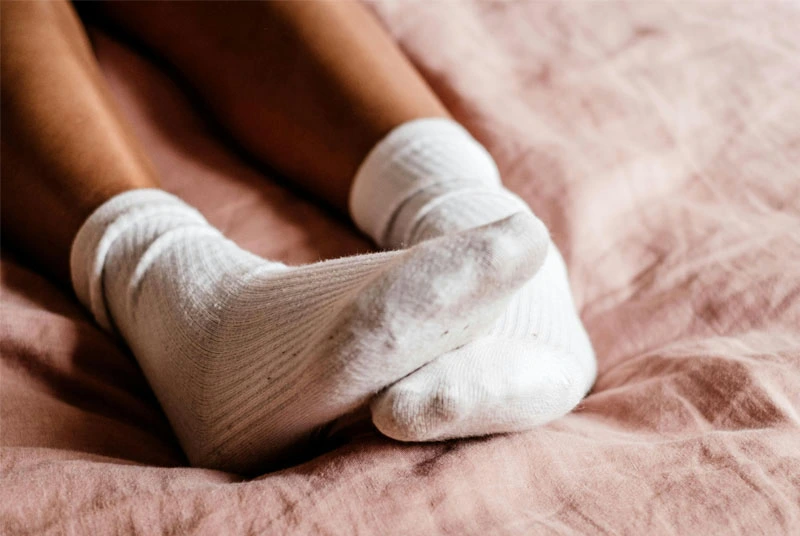
If you are currently wearing cotton socks and struggling with sweaty feet, you might be wondering: should you switch?
The answer is: most likely, yes.
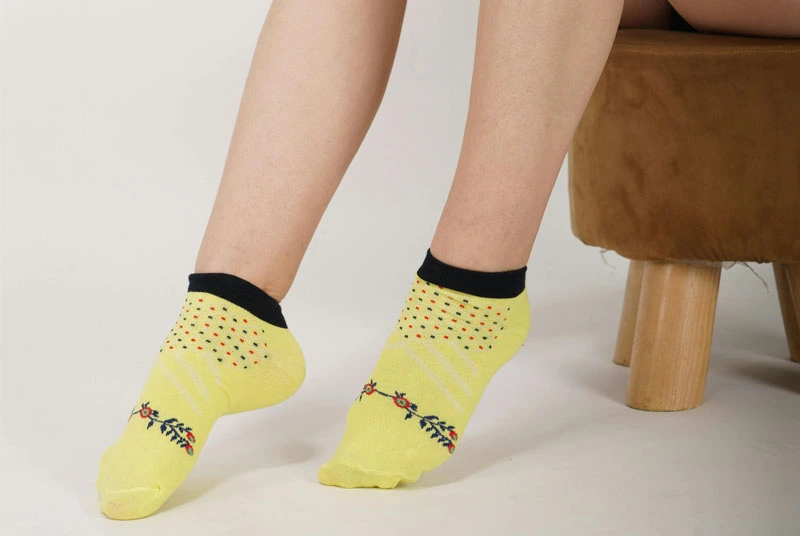
Cotton socks are a common everyday choice for many people—soft, skin-friendly, and affordable. But for sweaty feet, cotton may actually be one of the worst options.
In this article, we’ll explain why cotton “absorbs sweat but doesn’t release it,” why it can make your feet smell worse and more prone to blisters, and in what situations you can still wear cotton socks.
Quick Answer: Are Cotton Socks a Good Choice?
For sweaty feet, cotton socks are usually not a good choice.
Cotton does absorb moisture well—but that is exactly the problem. It acts like a sponge, soaking up sweat but unable to release it quickly. Once wet, cotton socks stay damp for a long time, leaving your feet constantly surrounded by moisture.
Key problems:
- Absorbs moisture but does not wick it away
- Dries slowly and stays damp for long periods
- Easily breeds bacteria, leading to odor
- Increased friction when wet, causing blisters
If you have sweaty feet, switching to merino wool, bamboo, or performance synthetic socks will significantly improve dryness and comfort.

Why Cotton Feels Absorbent but Traps Moisture
Many people assume “cotton absorbs sweat” is a good thing. But from a scientific perspective, absorbency doesn’t equal moisture-wicking ability. These two concepts need to be distinguished.
The Structure of Cotton Fibers
Cotton is a natural plant fiber. Its structure resembles a hollow tube with tiny grooves on the surface. This structure allows cotton fibers to quickly absorb moisture—which is why cotton towels and cotton underwear are so absorbent.
But here’s the problem: once cotton fibers absorb moisture, that water gets trapped between and inside the fibers, and releases very slowly.
- Absorption: Cotton quickly pulls sweat away from the skin’s surface
- Trapping: Moisture gets locked into the fiber structure and can’t evaporate quickly
Comparison with Wool
Feature | Cotton | Merino Wool |
Moisture Absorption | Water enters between fibers, fibers swell | Water enters the fiber core, surface stays dry |
Drying Speed | Slow | Moderate to Fast |
Feel When Wet | Wet, heavy, clammy | Relatively dry, lightweight |
Effect on Skin | Prolonged contact with moisture | Moisture is isolated, skin stays dry |
Simply put: cotton “absorbs but traps” moisture, while wool “absorbs but releases” it. For sweaty feet, the latter is clearly better. For a deeper look at wool, bamboo, and synthetic options, read our What Are the Best Socks for Sweaty Feet: 2026 Guide.
The Real Problem: Sweat Retention & Odor Build-Up
The biggest problem cotton socks cause for sweaty feet is not that they “fail to absorb sweat”—on the contrary, they absorb it well—but that they cannot dry quickly after absorbing it.
In contrast, moisture-wicking socks for sweaty feet are designed to move moisture away from the skin and dry much faster.
The chain reaction caused by retained moisture
- Skin stays soaked for long periods
When cotton socks become saturated with sweat, they remain damp for a long time. Your feet are essentially soaked in wet fabric, causing the skin to become soft and wrinkled (commonly known as “waterlogged”). Medically, this is referred to as maceration. - Rapid bacterial growth
Sweat itself has no odor. The smell comes from bacteria breaking down sweat and dead skin cells. A warm, moist environment is ideal for bacterial growth. Cotton socks that stay wet for long periods allow bacteria to multiply rapidly, which is why sweaty feet in cotton socks tend to smell worse. - Increased risk of fungal infections
The same moist environment is also ideal for fungi. Athlete’s foot (tinea pedis) is closely linked to prolonged moisture exposure. - Increased friction and blisters
Wet cotton socks increase friction against the skin. Combined with softened skin due to maceration, this makes blisters more likely during walking or physical activity.

Why don’t synthetic or wool socks cause the same problem?
Materials like merino wool or Coolmax either quickly move moisture away (synthetics) or absorb moisture into the fiber core while keeping the surface dry (wool). They prevent your feet from staying soaked, effectively breaking the cycle of odor and fungal growth.
When Cotton Socks Might Still Work
Although cotton socks are not ideal for sweaty feet, they are not completely unusable. In the following situations, cotton socks can still be acceptable:
Low-intensity, short-duration activities
If you are resting at home, going out briefly, or sitting in an office (and your feet do not sweat heavily), cotton socks can be sufficient.
Judgment tip: At the end of the day, do your feet feel damp when you take your socks off? If yes, it’s time to switch materials.
Dry, cool environments
In dry seasons like fall or winter, lower humidity reduces the moisture retention problem. Cotton socks may dry faster in naturally dry environments.
Blended fabrics
Not all “cotton socks” are 100% cotton. Many athletic socks are blends of cotton with polyester or nylon.
- Cotton content 50–70%: Moisture performance improves if enough synthetic fiber is blended
- Cotton content above 80%: Still behaves like pure cotton and is not suitable for sweaty feet
Recommendation: If you prefer cotton, choose blends with no more than 60% cotton and pair them with breathable shoes.
Paired with breathable shoes
If you wear cotton socks together with mesh sneakers or breathable leather shoes—and keep your shoes dry (rotate them, use shoe trees)—you can reduce moisture problems.
Better Alternatives to Cotton for Sweaty Feet
If you decide to move away from cotton, here are better options:
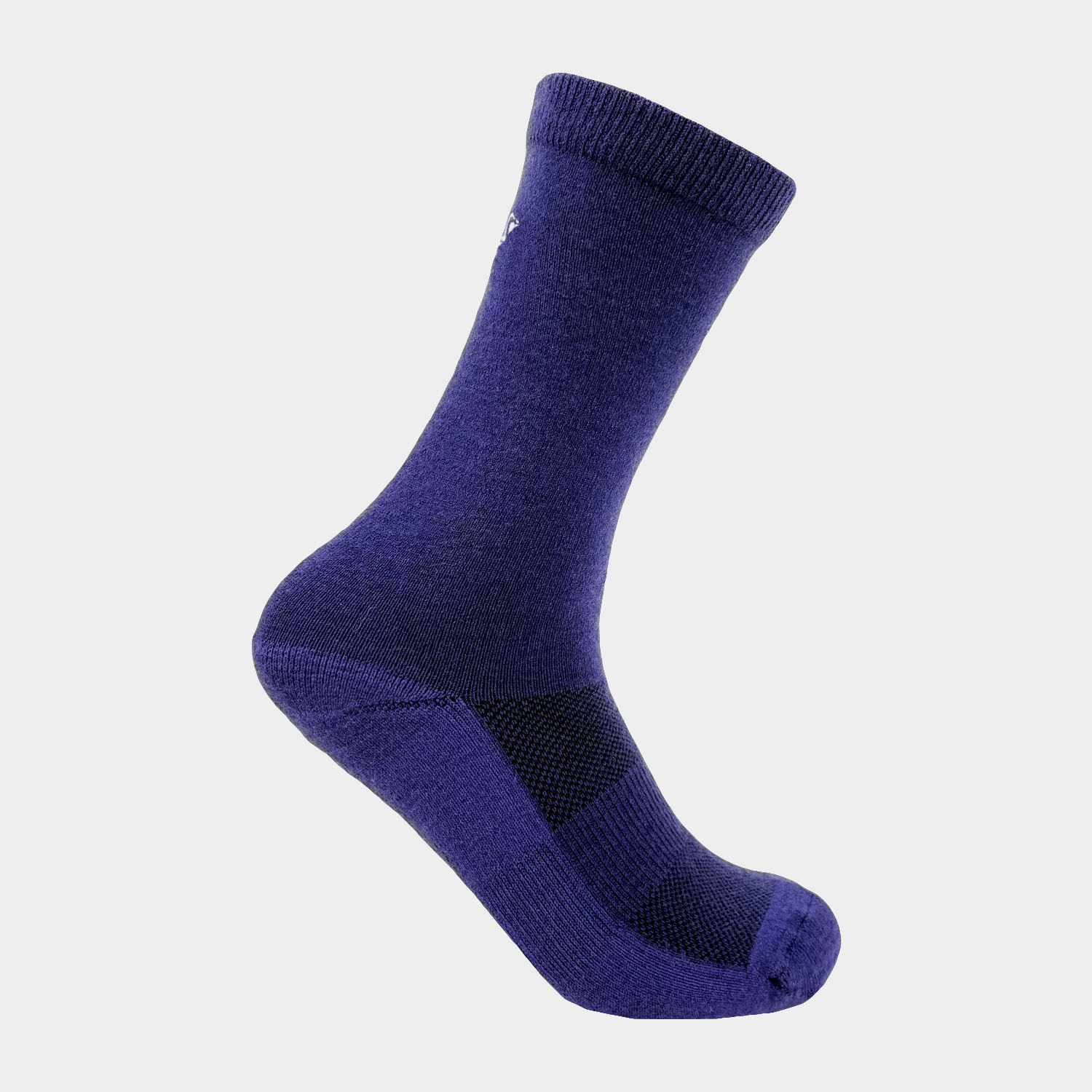
Merino Wool Socks (Best All-Around)
Benefits: Moisture-wicking, odor-resistant, temperature-regulating, soft
Best for: All-day wear, work, hiking, daily use
Note: Higher price point; choose blends with nylon for durability
Bamboo Socks (Soft & Eco-Friendly)
Benefits: Breathable, naturally antibacterial, soft and gentle on skin
Best for: Casual wear, lounging, sensitive skin
Note: Durability is slightly lower; choose blends with nylon
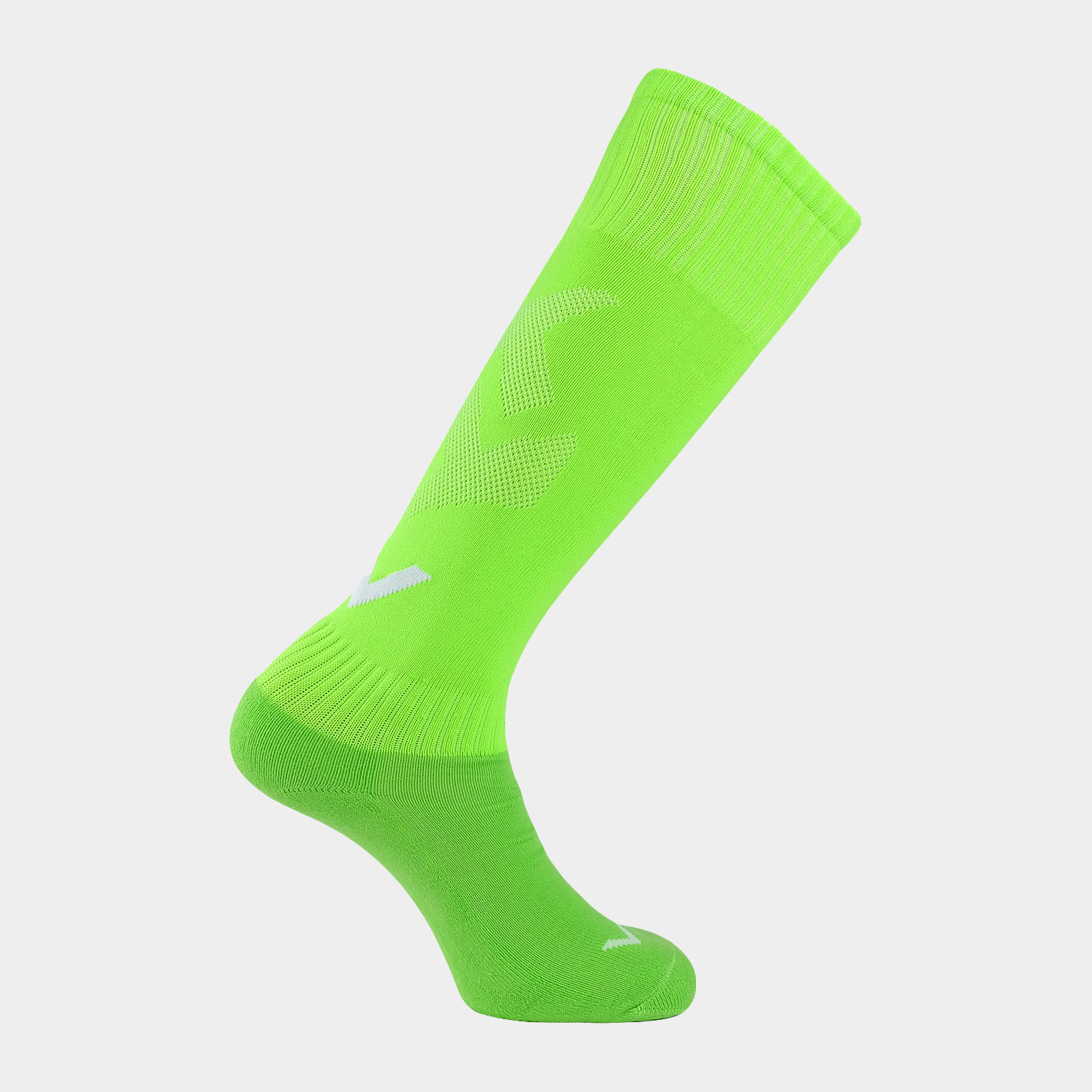
Coolmax or Performance Synthetic Socks (Sport Performance)
Benefits: Fast-drying, durable, affordable
Best for: Running, gym workouts, high-intensity sports
Note: Synthetics can trap odor; look for anti-microbial treatments
Quick Material Comparison
Feature | Cotton | Merino Wool | Bamboo | Coolmax/Synthetic |
Moisture Wicking | Poor | Excellent | Good | Excellent |
Drying Speed | Slow | Moderate to Fast | Moderate | Very Fast |
Odor Control | Poor | Excellent | Good | Fair (needs treatment) |
Comfort | Soft initially | Soft, non-itchy | Very soft | Varies by quality |
Price | Low | Medium to High | Medium | Medium |
Final Verdict: Should You Stop Wearing Cotton Socks?
If your feet sweat frequently, the answer is: yes, it’s recommended to reduce or stop wearing 100% cotton socks.
The biggest problem with cotton socks is not that they “don’t absorb sweat”—they actually absorb very well—but that they cannot release that moisture effectively. Prolonged dampness can lead to:
- Increased foot odor
- Higher risk of blisters
- Greater likelihood of fungal infections such as athlete’s foot
When can you still wear them?
- If you sweat very little
- For short periods in dry and cool environments
- When choosing cotton-synthetic blends (cotton content below 60%)
- When paired with breathable shoes
If you want to truly improve sweaty feet, switching to merino wool, bamboo, or performance synthetic socks is one of the most cost-effective and impactful changes you can make.
Your feet will feel drier, odor will be reduced, and overall comfort will improve significantly.