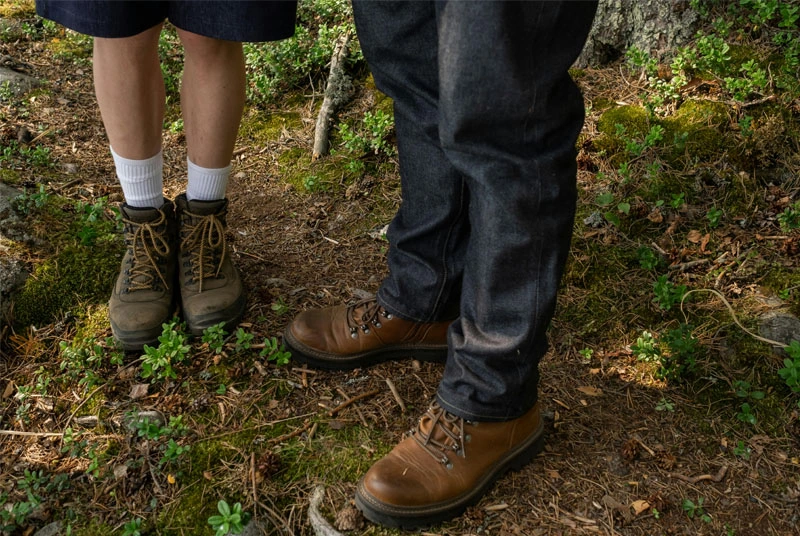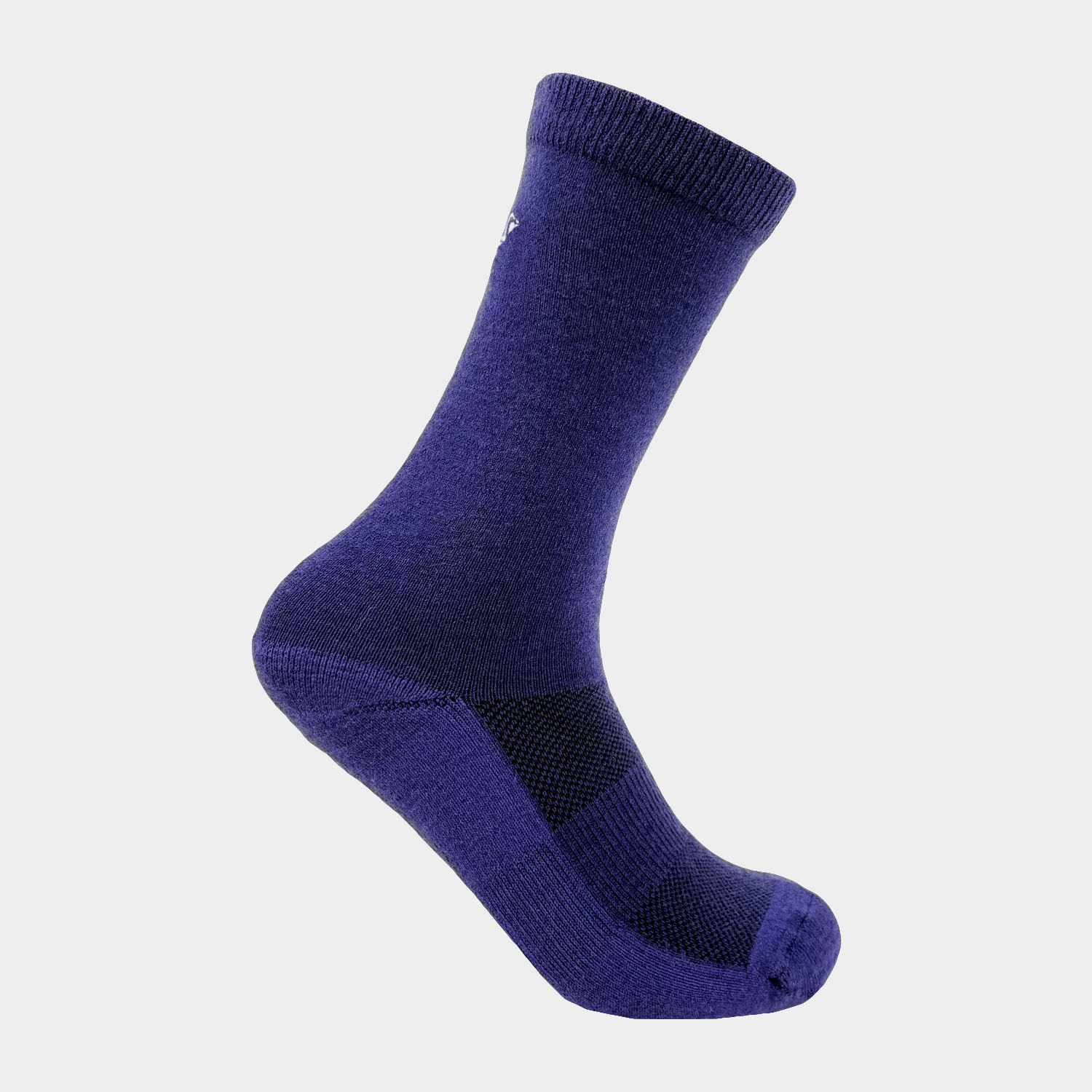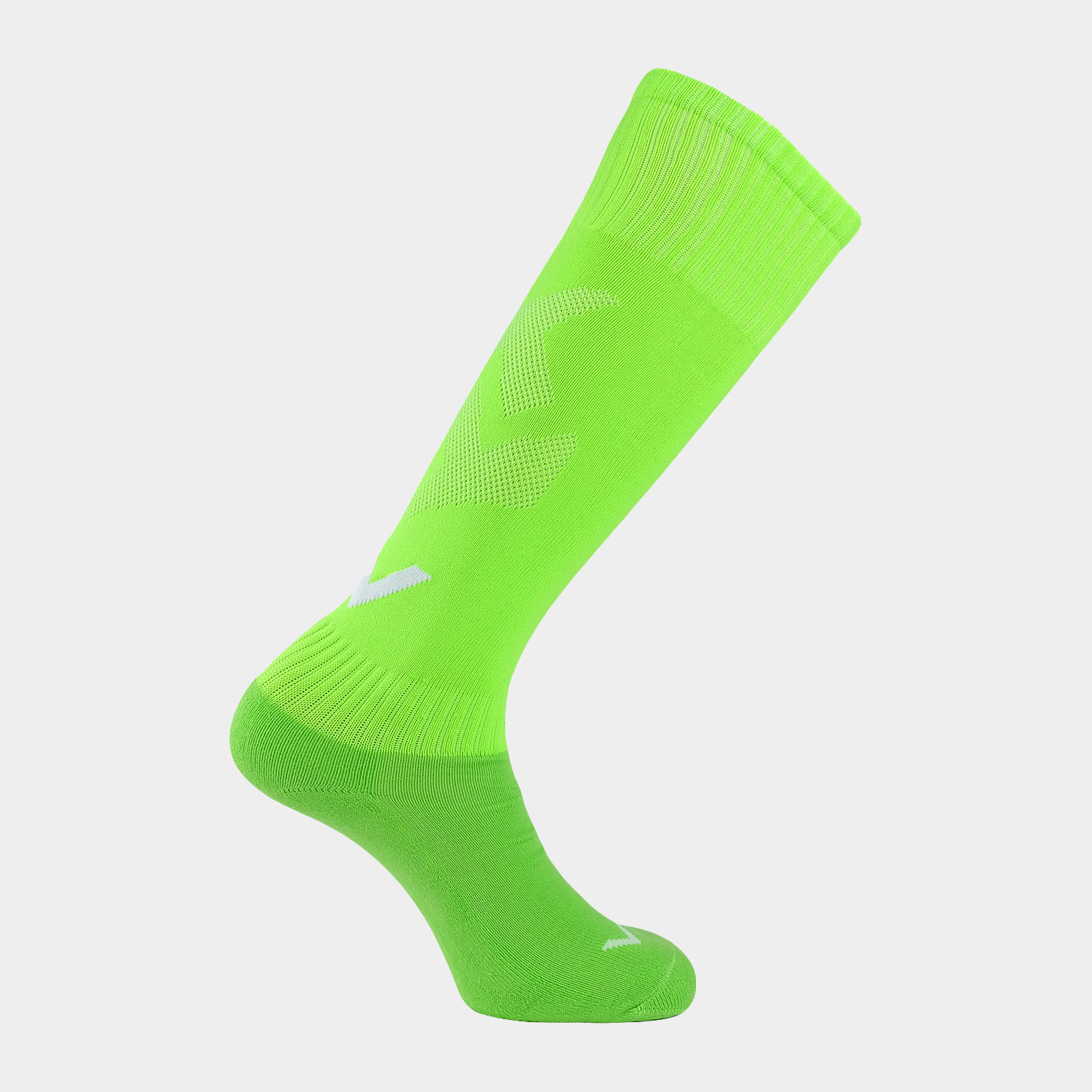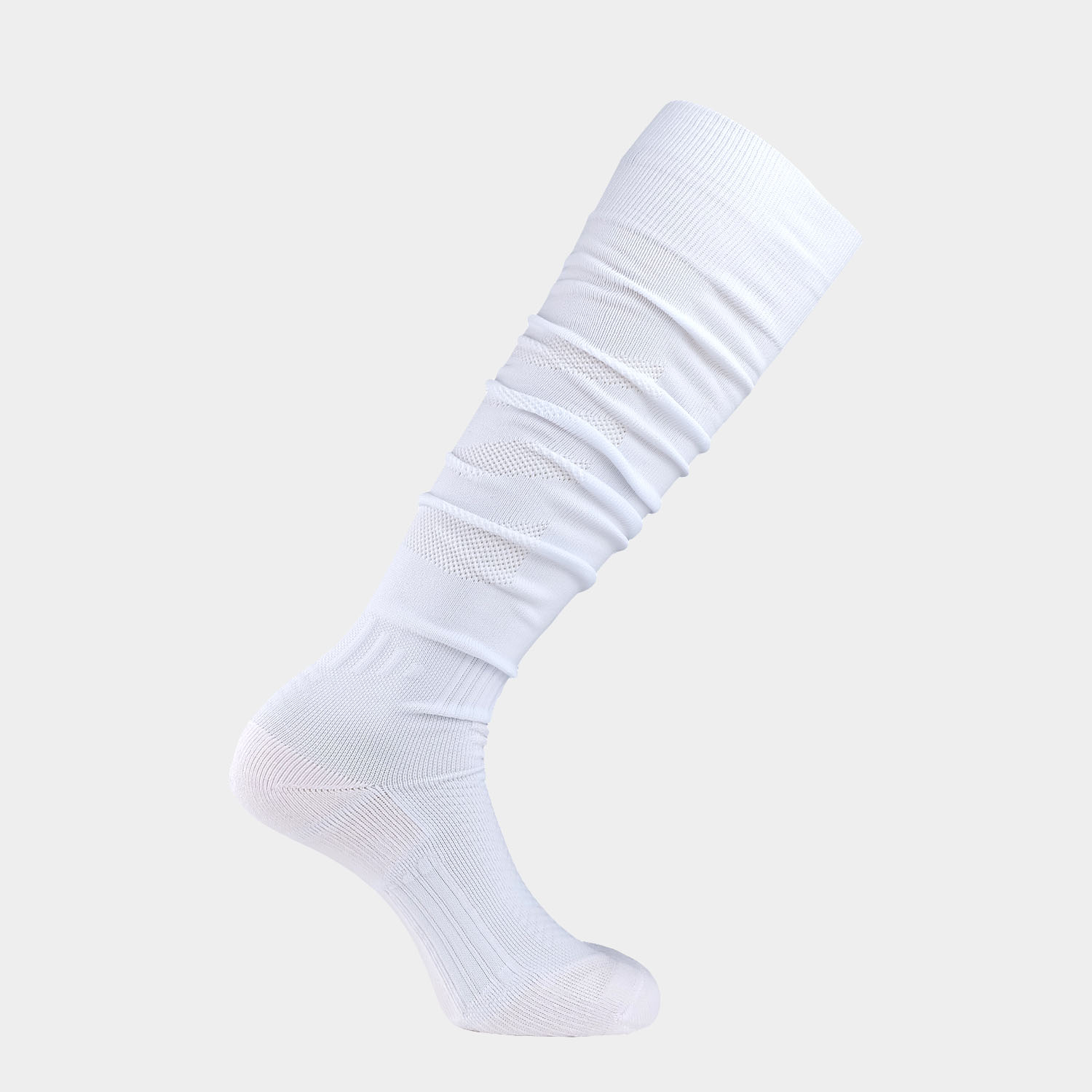
In the realm of luxury natural materials, alpaca socks are quietly earning a new reputation for both value and quality. Merino wool socks have been reigning as the performance socks of choice for many years, but a new wave of choice consumers is coming. Both brands and consumers are beginning to be aware of the particular qualities of alpaca socks, not only making it a wool alternative, but as an alternative premium that rivals in unique and challenging applications. In this post, we’ll examine the continued growth of alpaca wool socks, how they measure up against traditional wool socks, and why they can be seen as the next big thing for outdoor brands looking to be a little different in 2019. You’re not looking for a winner in alpaca vs wool, simply different strengths to give you a more focused product plan.
Rising Interest in Alpaca Socks
The growing curiosity around alpaca socks is driven by two powerful market currents.
Natural fiber demand
Today’s consumer is more educated and purposeful in their buying decisions, and the best and brightest fashion brands understand this and are sourcing materials that are high performing and sustainably and ethically sourced. Alpaca socks fit right in to this story. Alpaca, who are widely considered to be more “eco-friendly” than sheep, don’t uproot terrain like sheep do and in fact, they need less water. This built-in sustainability narrative, along with the fiber’s luxury status, makes alpaca socks a compelling solution to the need for responsible, natural alternatives to standard wool socks.
Lifestyle and outdoor influence
High-performance outdoor gear meets everyday lifestyle wear has proven to be a perfect combination for alpaca wool socks. Outdoor lovers, who are constantly chasing the best gear, have been early converts raving about alpacas warmth-to-weight ratio for cold weather activities. This performance validation has trickled down to the broader lifestyle consumer who wants to take advantage of these technical benefits – exceptional comfort, temperature management, and natural feel – to everyday luxury, travel, and home comfort.

Alpaca vs Wool: A Shift in Material Perception
The comparison between alpaca vs wool, particularly merino, reveals a nuanced shift in how we perceive material excellence.
Comfort and hand feel
This is also usually the first and most deifning difference. High quality alpaca wool socks have a reputation for blissful silky softness that is often considered better than finest merino trust me – I have tried both! The reason for this is that alpaca fibers are smoother and do not have the scales and lanolin which may be responsible for the faintest prickly feeling that some wool socks can induce. To the sensitive-skinned or the everyday seeker of supreme snuggly comfort, alpaca socks are a profoundly luxurious treat.
Thermal and moisture performance
Next up, alpaca wool socks show us what they’re made of. Alpaca fibers are hollow and stack together to create small air pockets that hold heat, making them more insulating than sheep’s wool of comparable thickness. At the same time, the fibers also possess hydrophilic properties, which move moisture away from the skin. Importantly, alpaca fiber can absorb a great deal of moisture vapour without feeling wet or thermal insulating properties, a big plus in unpredictable weather. When it comes to alpaca vs wool for extreme cold and dynamic moisture management, alpaca definitely wins.
Where Alpaca Socks Fit Best
Knowing the best use cases is half the battle for getting alpaca wool socks right.
- Extreme Cold & Static Work: They’ve long been industry leaders for cold-weather activities that demand maximum warmth at a minimum weight and bulk, including alpine skiing, ice fishing and winter camping.
- Dry Cold Environments: They excel at insulation in dry, cold environment.
- Luxury and Comfort Focus: For high-end casual clothing, travel socks or gifts, the superior softness and thermal regulation of alpaca socks bring a tangible luxury feel.
- Sensitive Skin Segment: A natural fiber alternative for those who feel traditional wool socks can be a bit irritating.

Why Brands Are Exploring Alpaca Socks
Progressive brands — and retailers — are adding alpaca wool socks to their collections for strategic reasons that had nothing to do with a straightforward material swap.
Product differentiation and storytelling
Product differentiation and storytelling In a competitive market, alpaca socks offer a strong point of differentiation. The narrative is strong: It comes from the high Andes, is rare and ethically raised, and combines luxury with performance. This means brands can take a premium pricing position and engage consumers on an emotional level that far surpasses normal wool socks.
Expanding material options without replacing wool
The best brands aren’t giving up on wool—they are diversifying their material offerings. A brand can meet more customer needs and preferences by offering premium merino wool socks as well as specialized alpaca wool socks. It allows for very specific product targeting – merino for active, multi-day moisture management; alpaca for maximum cold weather warmth and luxury comfort. This strategy both adds depth to the brand and broadens its appeal.
Production Considerations for Alpaca Socks
Successfully manufacturing alpaca wool socks requires specific expertise and adjustments.
Fiber blending and performance balance
Pure alpaca fiber, though very warm and soft, may be a little less resilient and durable than wool for use in high-impact activities. Hence, professional blending is a must. The vast majority of high performance alpaca wool socks combine alpaca with a bit of merino wool (moisture management and resilience), nylon (durability and structure) and a little spandex (fit and recovery). The trick is to manage these ingredients to complement alpaca rather than detract from it while increasing the practical performance for sock-specific requirements.
Manufacturing and scalability factors
Alpaca fiber may be finer and need to be spun with a different tension or the gauge on the knitting machine adjusted with respect to that of regular wool. Expertise: Factories that know how to work with luxury natural fibers are a must. In addition, global production of alpaca fiber is increasing but is still a smaller, more niche supply chain than merino wool. Brands need to work with suppliers that have safe, traceable sources and can deliver consistent quality and scalable supply for production runs
Alpaca and Wool as Complementary Materials
The story isn’t should be alpacas versus wool as competitors, but instead alpacas and wool as the complementary components within a brand’s material toolkit. Versatile and all-round, Merino wool is the tried and trusted secret weapon for the majority of active situations, striking an unbeatable balance between performance, durability, and value. Alpaca wool socks are the specialist – the one to head to if you want to plan for extreme cold, get maximum softness, and find a truly unique product proposition. A more premium brand range might include rugged merino wool socks for hiking, streamlined merino blend socks for running, and luxurious alpaca socks for skiing or high-end lifestyle ranges.
Conclusion
The rise of alpaca wool socks marks an increase in consumer expectations and the advancement of brand innovation. This is not a fleeting trend but a meaningful addition to the established hierarchy of high-performance fibers, fulfilling the clear demands of people for exceptional warmth, ultimate softness, and rich and sustainable narratives.
For brands, the opportunity lies in recognizing that alpaca wool socks occupy a unique and highly valuable niche market. By understanding their specific advantages, ideal application scenarios, and production details, brands can wisely incorporate alpaca wool socks into their product lines. This move demonstrates a commitment to material innovation, meets the demands of discerning customer groups, and creates a distinct differentiation advantage – while also allowing traditional wool socks to continue to thrive in their own way. The future of high-end socks is not about choosing one over the other, but about fully grasping the possibilities of various natural fibers.