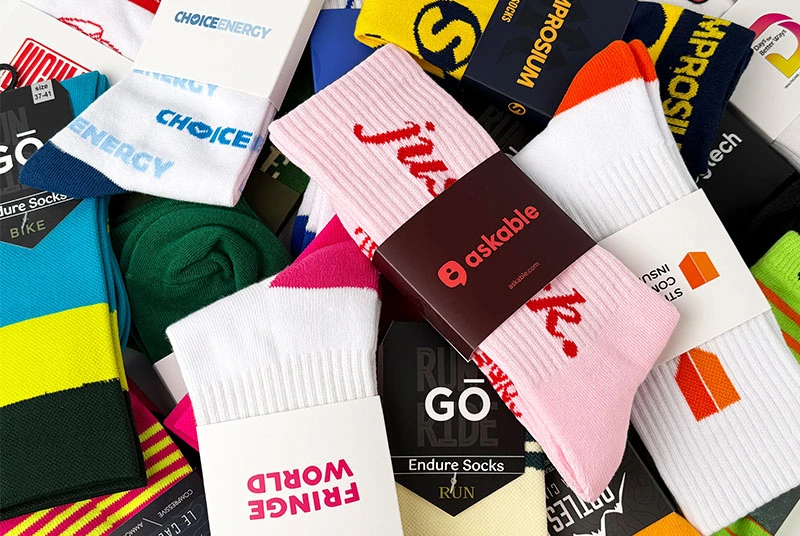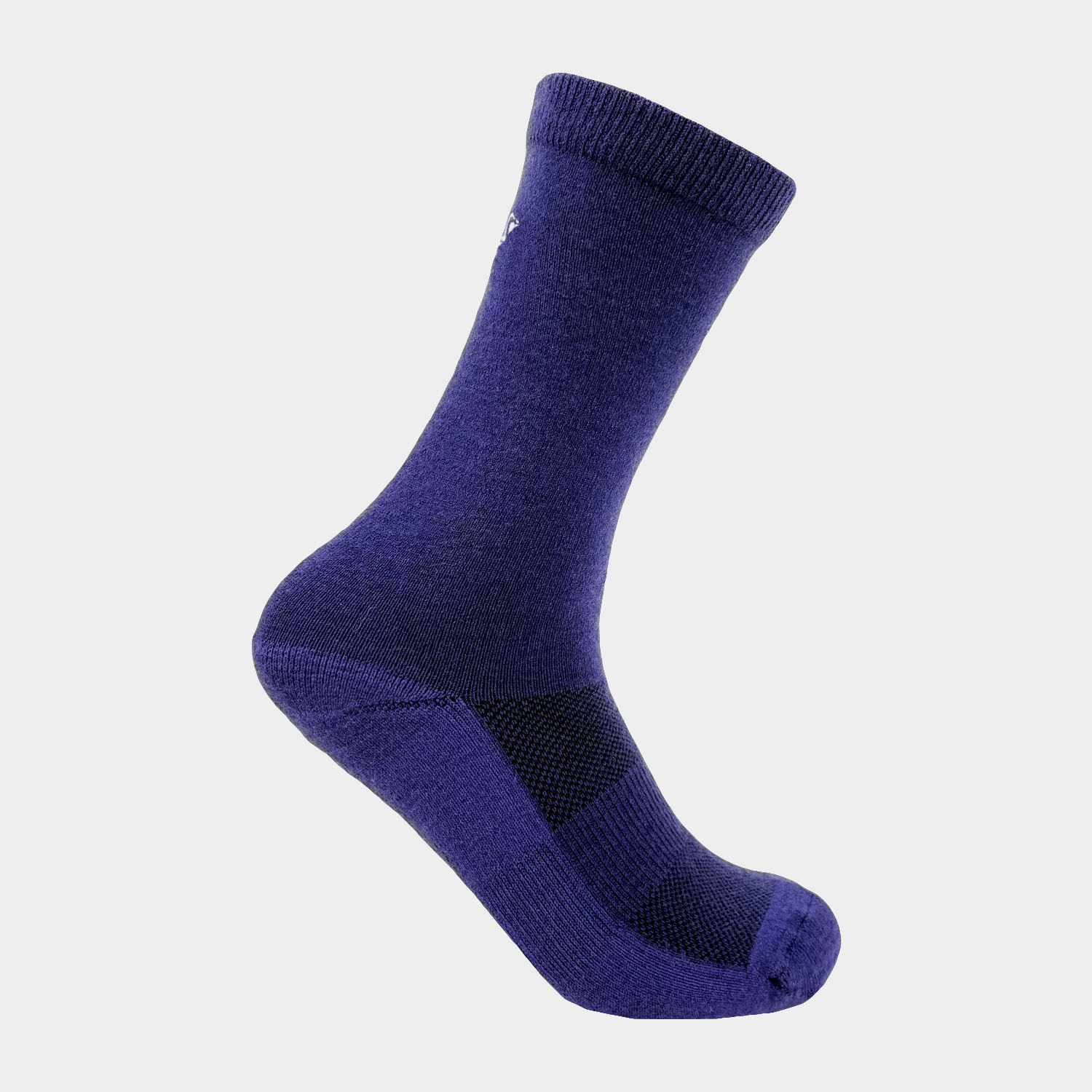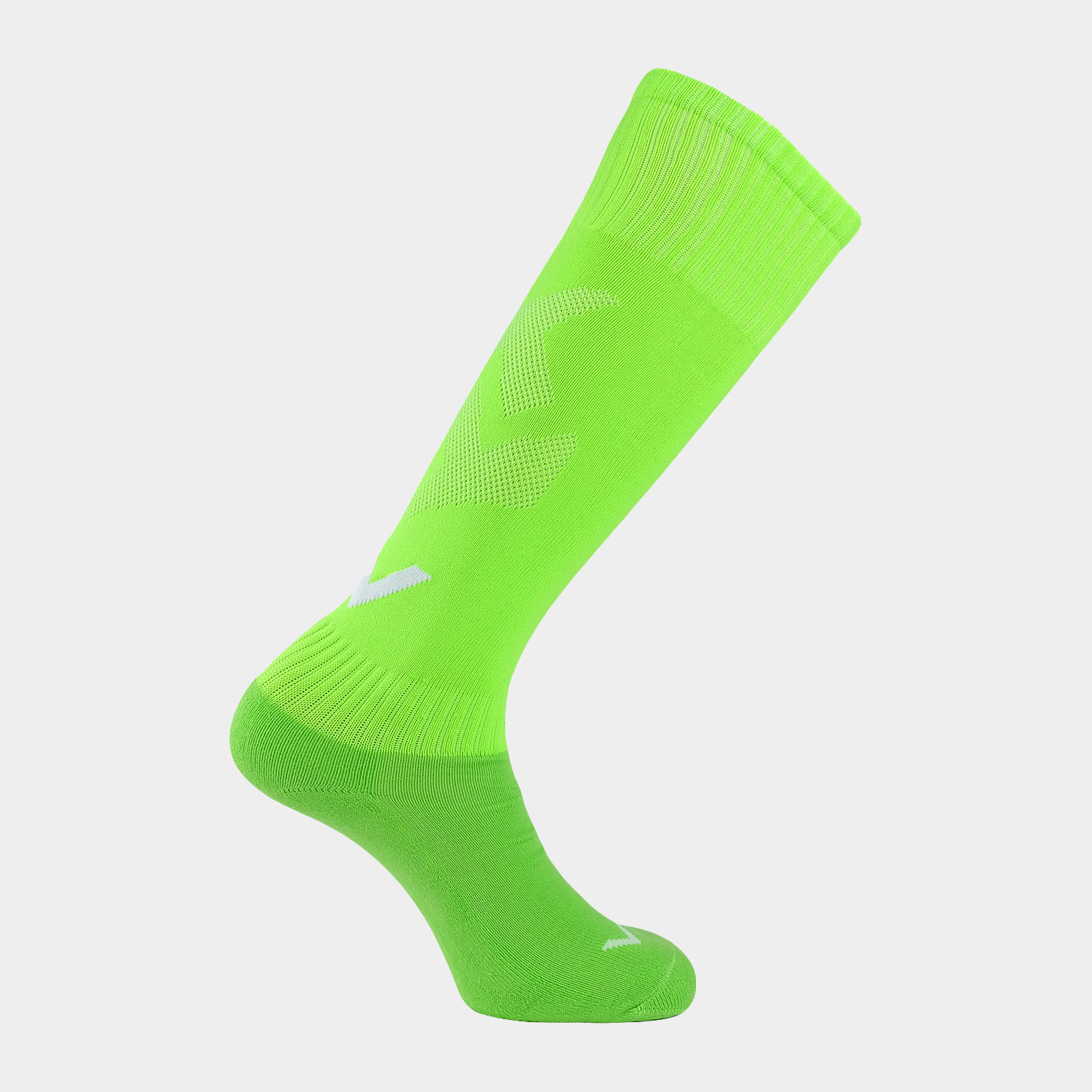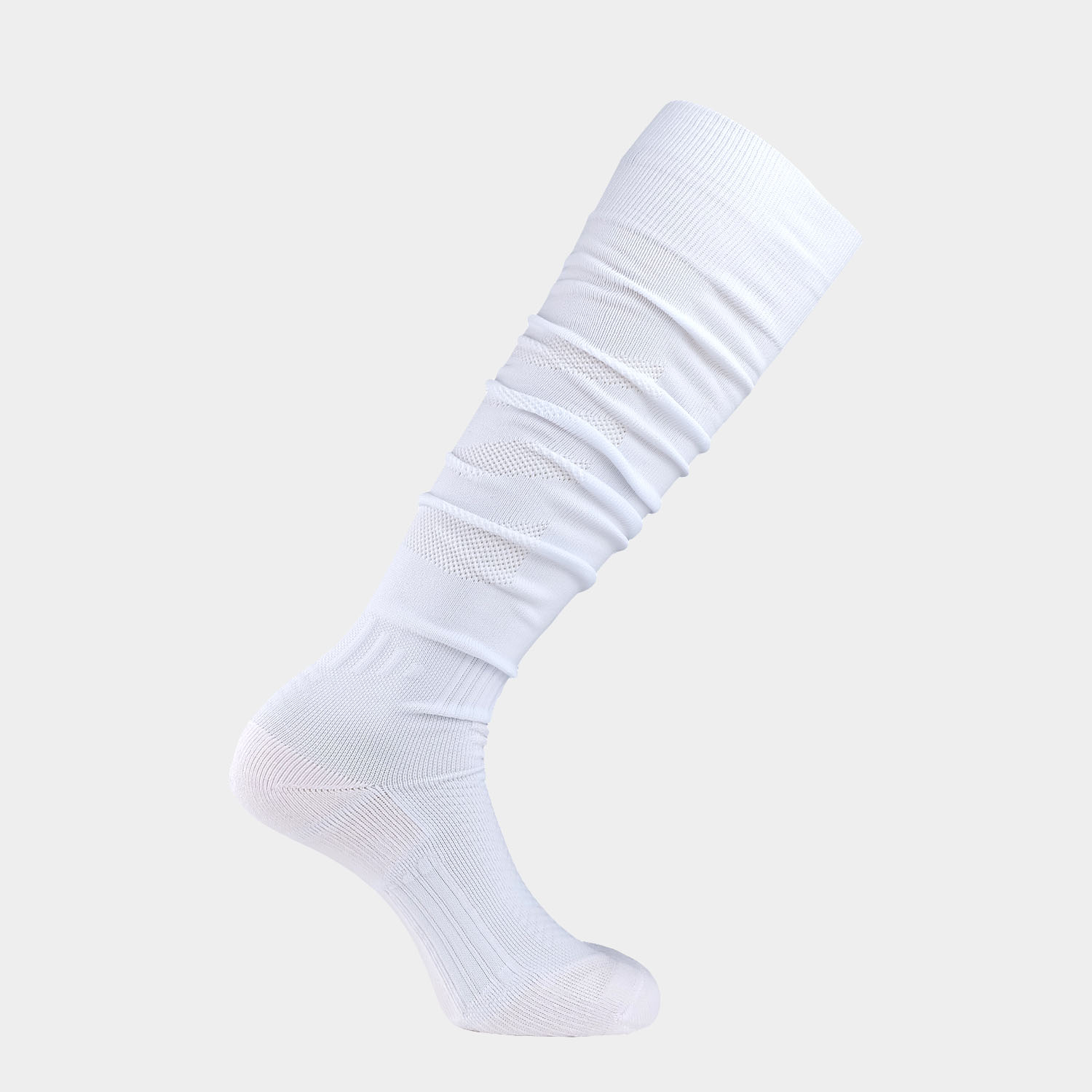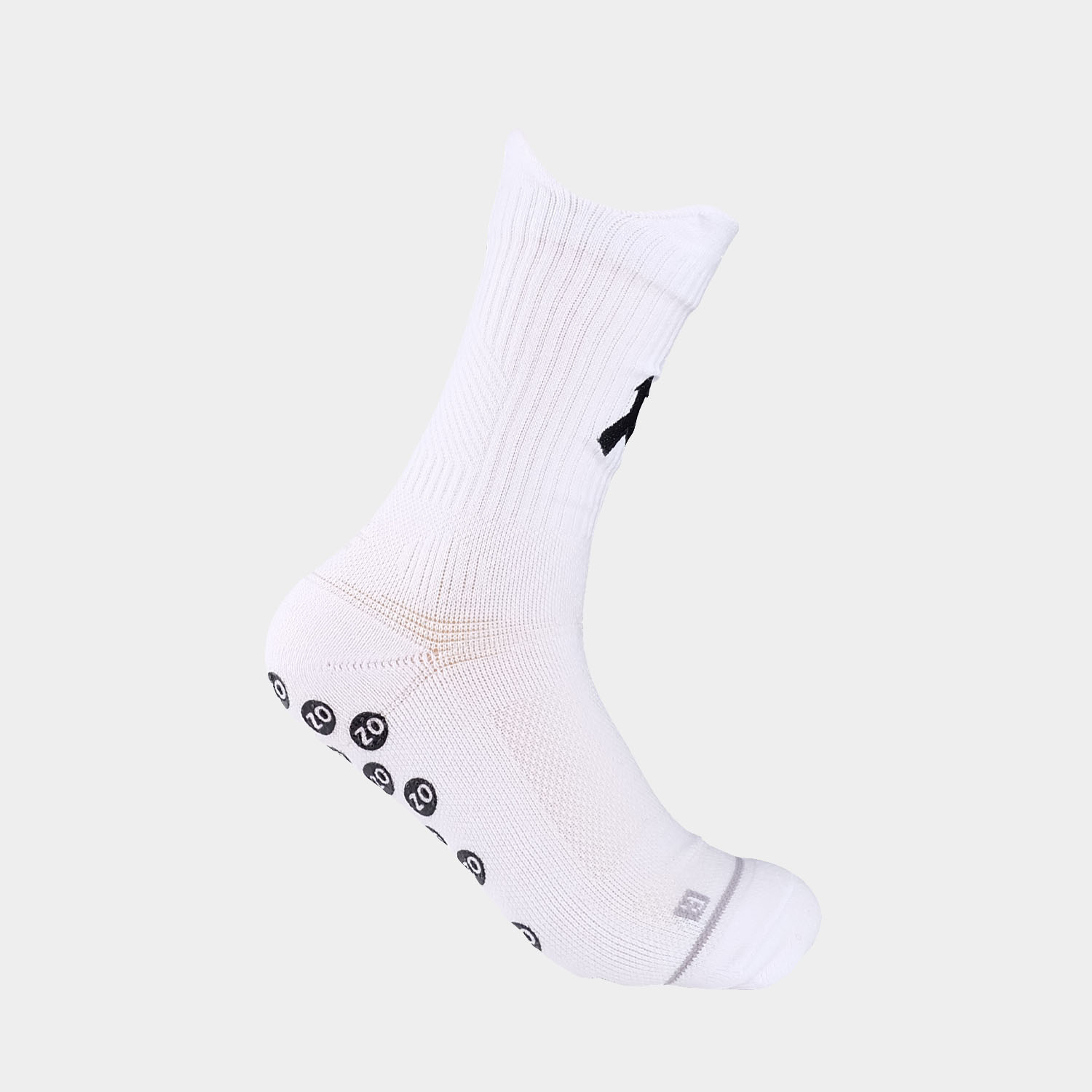

For all types of the clothing industry, we can observe that whether it is retail or wholesale, their inventory is never counted in single digits. Reviewing the history and current situation of some wool sock brands, it is easy to see that few products offer the blend of performance, comfort, and customer loyalty that Merino wool socks do. For enterprises such as professional outdoor goods stores and daily clothing retailers, merely having a few pairs of socks on hand is not sufficient to capture this market demand and make profits from it. The key to unlocking profitability, ensuring consistent customer satisfaction, and building a resilient supply chain lies in mastering the art of the bulk order. Therefore, being able to purchase bulk merino wool socks is very meaningful and worth learning.
Today, let’s explore all the key points from the initial planning to the final delivery, in order to ensure that your bulk merino wool socks ordering process is as smooth and profitable as possible.
Why Order Wool Socks in Bulk
Before delving into the logistics issues, it is necessary to clearly define the advantages of bulk purchasing.
Cost Savings for Retailers
The most immediate and compelling reason to order in bulk is the significant reduction in cost per unit. Manufacturers will offer the more favorable price for bulk merino wool socks order, because it maximizes their production efficiency, reduces their per-unit administrative overhead, and guarantees a larger sale. These savings can be passed on to you. This lower cost will increase your company’s profit margin and the value for money of your products, thereby making your products more attractive to cost-conscious consumers.
Continuous Supply and Adequacy
For retailers, the most damaging thing to their reputation is to put up a “out of stock” sign on popular products. In particular, for the best-selling Merino wool socks the sales number is normally very big. When you buy Merino wool in bulk, you can rest assured you have enough product to last you through the next season, and you won’t have to tell customers again. This will help to build a good level of trust between yourselves and your customers and they will be more than happy to repurchase and even share it with their friends. Knowing that they can always find their favorite merino socks in your store means they have become your lifelong customers and will be your best advertising targets.
Building Strong Supplier Relationships
Your relationship with your supplier should be a partnership, not just a transaction. Consistently placing bulk merino wool orders indicate that you are a serious, reliable client. This usually ensures you receive better service, such as having priority processing rights during the peak demand period at the end of the year, and also includes some other more favorable terms. A strong relationship can lead to perks like first access to new designs, collaborative marketing opportunities, and more flexibility should you need to adjust an order down the line. Suppliers invest in clients who invest in them.
Planning Your Bulk Order
Success in bulk ordering is 90% preparation. Rushing into a large purchase without a solid plan is a recipe for overstock, cash flow problems, and logistical problems.
Setting Order Quantities
Determining the appropriate quantity requires scientific calculations. Firstly, it is necessary to analyze the best-selling products and their quantities for each season in the past. This can be achieved by using time series analysis to determine the styles, sizes, etc. that need to be stocked in the future. But then you also have to factor in things like organic growth, adopting new marketing techniques or seasonal trends. The sales of merino wool socks will rise with the arrival of winter, the commencement of various hiking activities, and some winter festivals. Certainly this can’t be just speculation; you need to forecast the demand as accurately as you can using data.
Negotiating Pricing
For bulk merino wool socks orders, the final contract price is usually not determined based on the initial offer. This indicates that during the price negotiation process, you need to make thorough preparations. First of all, you must clearly understand the prices of similar products and consider your budget to determine the target cost per unit. This will enable you to set a clear bottom line during the negotiation. Then, inquire about the tiered pricing situation – that is, the cost will decrease accordingly as the order quantity increases. Additionally, other terms besides the unit price should also be discussed. Sometimes, you can negotiate for better payment terms (such as changing to a 30-day payment period, etc.), lower transportation costs, or receive discounts in future orders. Your goal is to reach a mutually beneficial agreement.
Managing Inventory Needs
A bulk order is useless if it leads to a warehouse full of unsold, single-style socks. A critical part of planning is your SKU assortment. A diverse and well-thought-out assortment prevents this. Balance your order across:
- Styles: Offer a mix of hiking, casual, and running socks.
- Weights: Include lightweight, midweight, and heavyweight options for different activities and climates.
- Sizes: Ensure a balanced size run to meet the needs of all your customers.
- Colors: Invest in core, neutral colors that always sell, and supplement with seasonal or trending colors to attract attention.
Effective inventory management from the planning stage ensures your capital is tied up in sell-able goods, not dead stock.
Choosing the Right Supplier for Bulk Orders
The partner you choose for your bulk Merino wool socks can make or break your venture.
Factory Direct vs Distributor
There are two main ways to source, each with its own set of advantages and disadvantages.
- Direct sales from the factory: Buying from the manufacturer is the cheapest way and is most suitable for customized (such as custom logo, unique material, and exclusive design). But this way is frequently involved high MOQ and longer lead time and you should also deal with international logistics and quality assurance.
- Distributors/Wholesalers: Distributors act as intermediaries. They purchase in large quantities from the factory and then sell smaller batches of products to retailers. This does result in a lower order quantity and they often maintain local inventory, enabling faster delivery times. However, the cost per unit is slightly higher, and the possibility of personalized customization is very limited.
Therefore, for the development of an enterprise brand, it is more recommended to purchase directly from the manufacturer. This not only allows for maintaining the unique design and positioning of the enterprise’s unique concept, but also enables cost reduction when purchasing in large quantities and maintaining the brand’s cost-effectiveness, etc.
Checking Certifications
When it comes to a natural fiber like Merino wool, the certifications are what tell you that it’s quality, ethical, and authentic. Don’t do business with a vendor who can’t show you evidence of related certifications. Some key ones to check out include:
- Responsible Wool Standard (RWS): The wool originates from farms that meet the basic standards of humane animal treatment and land management.
- OEKO-TEX Standard 100: The textiles are certified to be free from harmful substances and safe for human skin.
- ISO Certifications: These are certifications for quality management system which means the manufacturer has a strong quality assurance system.
These certifications will protect your brand and help you tell a compelling marketing story to those ethically-conscience customers.
Comparing Delivery Times
In the market today, speed and reliability are what you trade. A supplier with a higher price but who can be relied upon to deliver on time is often a preferable option to a cheaper one that is not reliable. Stranded shipments may cause you to lose entire critical selling seasons, with the resulting sales reductions and revenue losses. Ask potential providers for expected production and shipping times before you buy. Get all of this in writing — and ask about their contingency plans if there are logistical hold ups. A vendor who can be open about their process is a vendor you can rely on.
Avoiding Common Bulk Ordering Mistakes
Even with a firm strategy, traps lie in wait for the unsuspecting merchant. Here are some of the most common blunders made in bulk ordering.
Overestimating or Underestimating Demand
Both of these mistakes are very expensive. Overestimating demand causes too much working capital to become tied up in inventory that goes unsold (and may eventually have to be sold at a loss). Underestimating demand results in stockouts and lost sales? no won customers either. The cure is robust data analysis—also in the planning phase.
How to try best to solve this problem?
- Use your Point-of-Sale (POS) data, track market trends, and when in doubt, be slightly conservative. You can always place a replenishment order, whereas you’re stuck with dead stock.
- Time series analysis: By analyzing historical sales data, seasonal sales patterns can be identified. For instance, a certain brand, through time series analysis, discovered that the sales of winter coats were the highest from October to January of the following year, thereby accurately adjusting inventory.
- Inventory warning mechanism: Set threshold values for indicators such as inventory turnover rate and shortage rate, and combine with bullet charts to monitor inventory status in real time. For example, when the inventory turnover days exceed 30 days, the replenishment process will be automatically triggered.
Ignoring Quality Control
In an order, you cannot guarantee that every pair of socks will be flawless. Moreover, for merino wool, different production times and batches will vary. For instance, different production times and specific colors will result in subtle differences when dyeing due to the influence of temperature. Different seasons will also affect the elasticity of the yarn itself, so the quality of each production batch may vary.
Therefore, when introducing any new style or new supplier, it is necessary to request the provision of samples before shipment. For very large orders, it might be a wise choice to invest in setting up a third-party inspection service at the factory in addition to the factory’s own full inspection. They will randomly select a portion of samples from the production batch to check for defects in areas such as the stitching, size, consistency of the blend ratio, and overall workmanship. Compared to the losses caused by receiving defective batches, the cost of inspection is negligible.
Poor Logistics Planning
The path your socks take from the supplier’s door to your warehouse is no different. Neglecting to plan for logistics can lead to unexpected expenses and delays. Considerations include:
- Incoterms: Know who owns the goods at each step of the journey (e.g. FOB, EXW, DAP). Misinterpreting these terms may come with shock bills.
- Shipping Method: Choose between air freight (faster, more costly) or sea freight (slower, more economical for bulk) according to your schedule and budget.
- Import Duties and Taxes: Know these fees in advance so they don’t catch you off guard when your shipment arrives.
- Warehouse Space: Ensure you have adequate, organized space to receive and store the large shipment.
With a trusted freight forwarder can make this whole process easier.
Conclusion
Purchasing Merino wool socks in bulk is a very effective method that can, if done correctly, bring substantial growth to your business. It’s a complex operation that involves more than just purchasing a large number of socks. It calls for a strategy based on solid numbers, a supplier selection made with trust and verification, and an attentive eye on the usual traps of stock management and logistics.
By applying the principles described in this guide—buying for cost savings, sourcing for stability, partnering for strength, planning for success, choosing the right vendor, and avoiding the worst pitfalls—you’ll find that your bulk buying beast will become a streamlined, profitable, and repeatable business activity.Your shelves are packed with quality, popular product, your customers keep coming back, and your bottom line rewards the deftness of your approach.