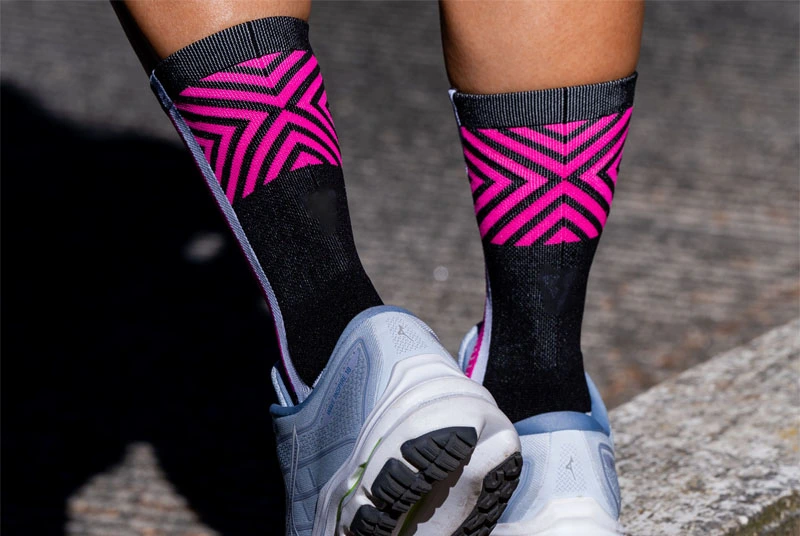

Developing custom wool socks starts with more than choosing a design or logo. Before production begins, brands should define their product goals, select the right wool materials, and understand the key decisions that affect performance, cost, and quality. This guide covers what you should know before developing custom wool socks.
Why Retailers Prefer Customized Wool Socks
When many brands first begin developing custom wool socks, they often ask, “What kind of wool should we use?” or “What should the wool content be?” But in fact, before selecting materials, the first step is to define the product’s objectives. Different use cases have different performance requirements for wool socks. For example, brands developing hiking socks will prioritize durability and shock absorption, while those developing running socks will focus on breathability and moisture-wicking, and brands creating socks for everyday winter wear will emphasize warmth and comfort.
Only by first defining the product’s target market, usage scenarios, and brand positioning can subsequent material selection, structural design, and cost control proceed in a unified direction, thereby avoiding repeated revisions during the development process.
Choose the Right Wool Material
Material is one of the key factors influencing the performance, cost, and market positioning of custom wool socks. For most brands, the wool content of socks must be determined based on the product’s intended use, in order to strike the right balance between comfort, durability, warmth, and budget.
Taking sheep’s wool as an example, different types of wool have distinct characteristics. Merino wool fibers are finer and softer, offering excellent temperature regulation and moisture-wicking properties, making them commonly used in high-end outdoor and athletic socks; standard sheep’s wool, on the other hand, provides good warmth at a relatively lower cost and is better suited for mass-market products. To further enhance abrasion resistance, elasticity, and product lifespan, most custom wool socks are blended with materials such as nylon, polyester, or spandex, rather than being made from 100% wool.
Therefore, when developing products, rather than pursuing a higher wool content, it is better to select the most appropriate material solution based on the product’s positioning and intended use. Only when materials, performance, and budget are properly aligned can custom wool socks be created that truly meet market demands.
Balance Performance, Durability, and Cost
When developing custom wool socks, it is rare to find a solution that delivers optimal performance, maximum durability, and the lowest cost all at once. Most product development involves striking a balance between different requirements rather than simply pursuing a single metric.
For example, increasing the wool content typically enhances comfort, warmth, and natural moisture-wicking properties, but it may also reduce abrasion resistance and increase material costs. Adding an appropriate amount of synthetic fibers, such as nylon, can improve the socks’ durability and lifespan, but too high a proportion may compromise the natural feel of the wool product. Similarly, while increasing the pile thickness provides better cushioning and warmth, it also increases the product’s weight, reduces breathability, and raises production costs.
Therefore, when developing products, brands should set priorities based on their target market, usage scenarios, and budget. Only by striking a reasonable balance between performance, durability, and cost can they develop products that truly meet market demands—rather than wool socks that excel in one aspect but fail to meet overall business objectives.
What Can Actually Be Customized?
When many brands first develop custom wool socks, they tend to think that customization mainly involves changing colors, adding logos, or incorporating patterns. In reality, these are only part of a brand’s presentation; what truly impacts a product’s competitiveness is often the sock’s construction and functional design.
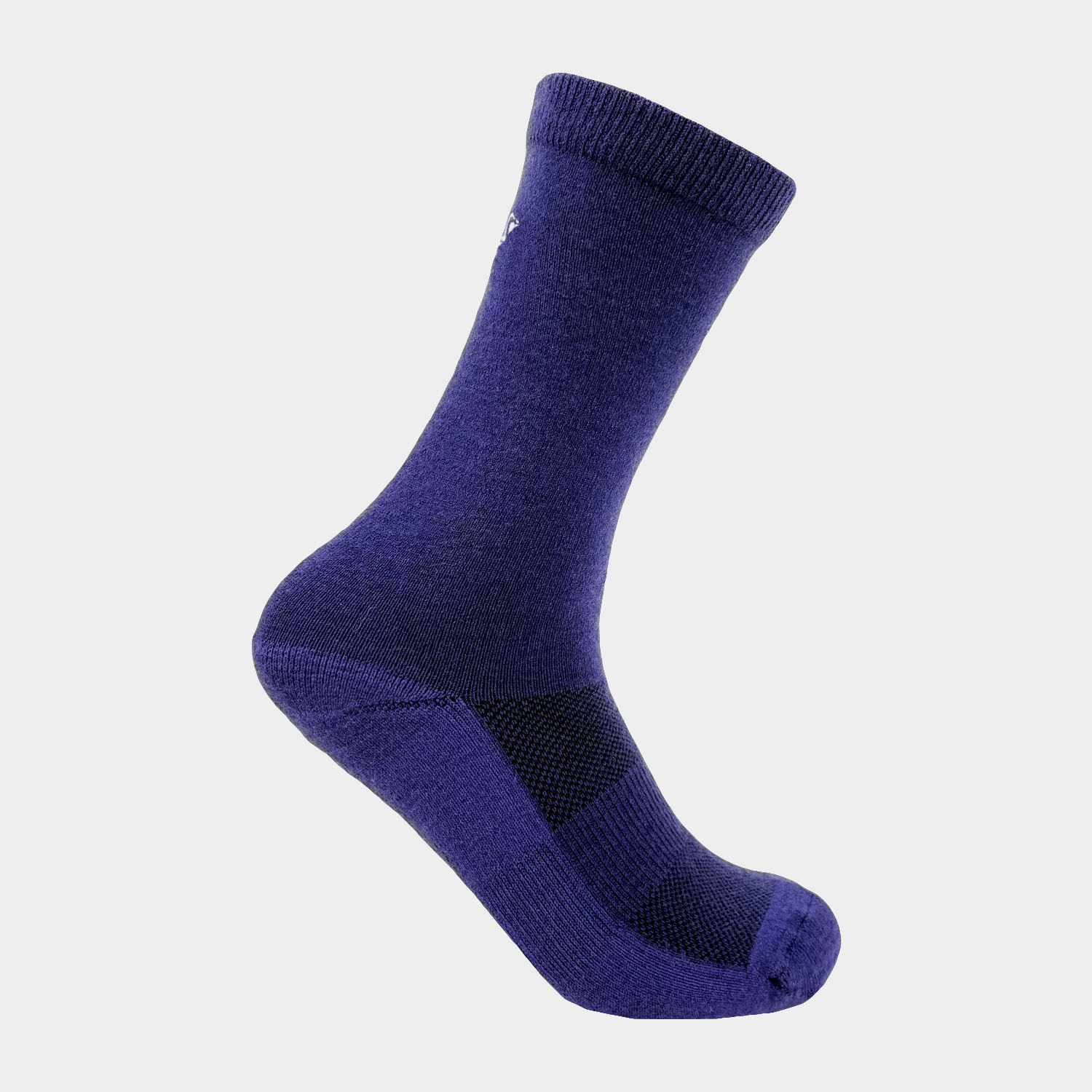
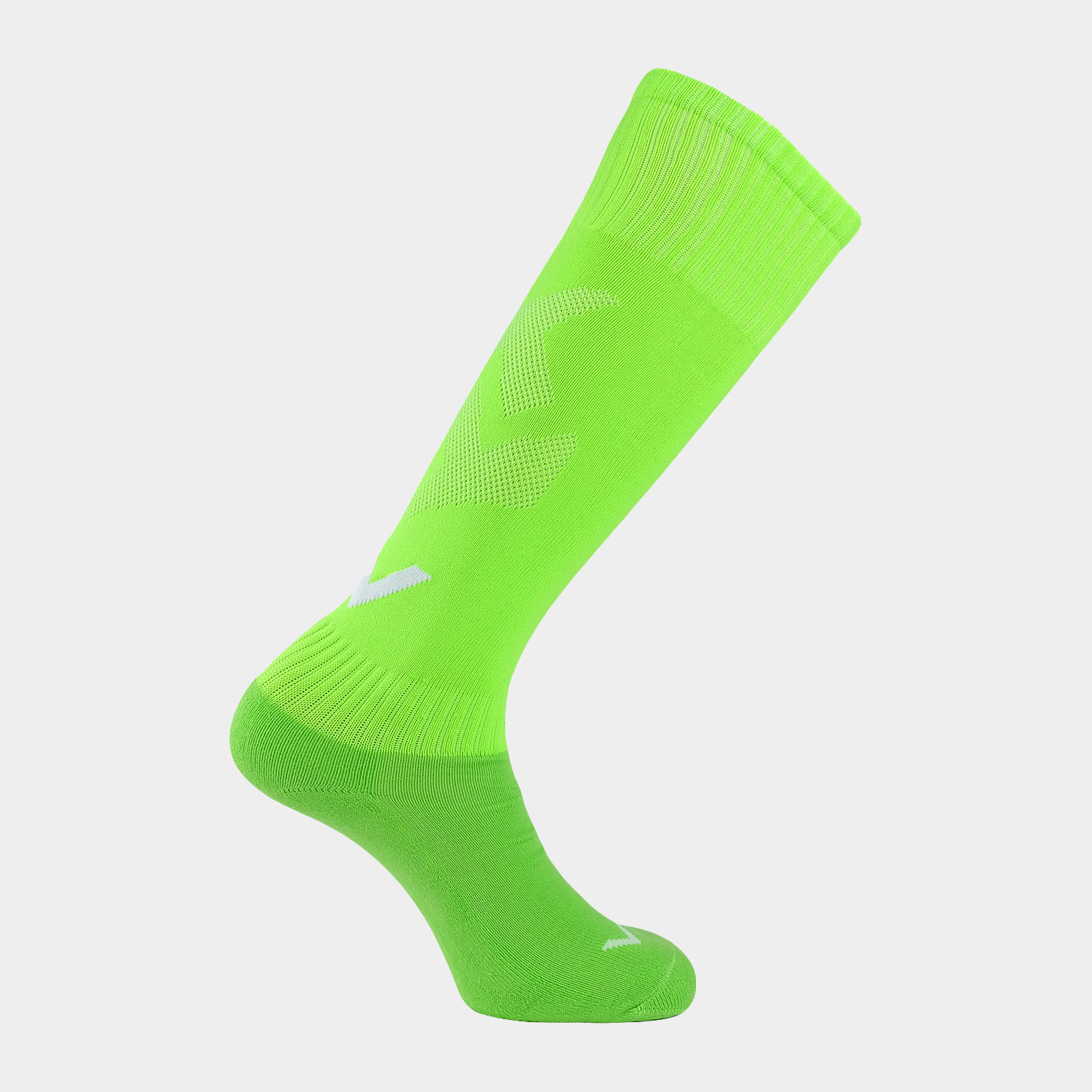
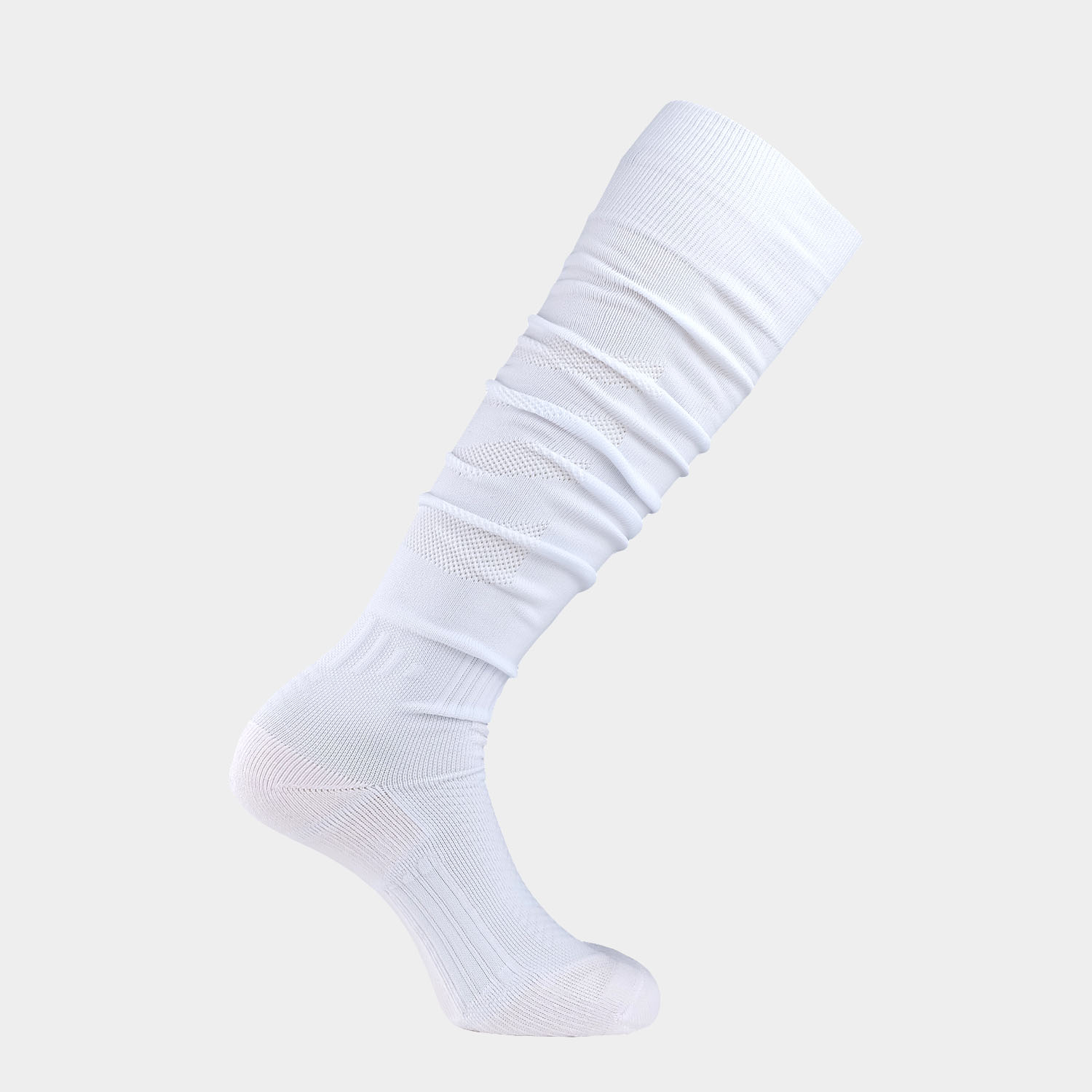
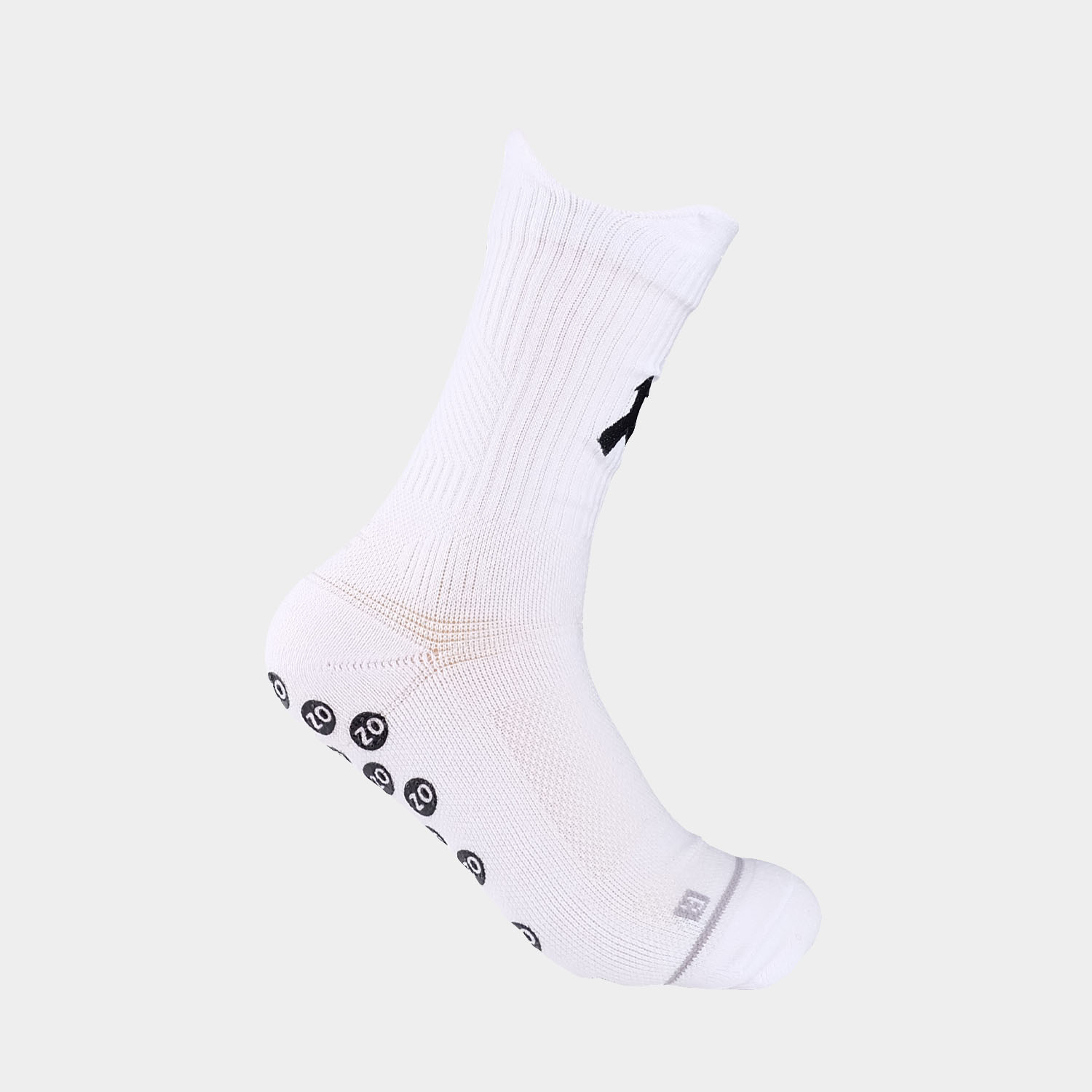
Beyond visual design, brands can customize sock length, cushioning zones, compression support, toe-seam construction, heel structure, and knitting techniques for different areas based on product positioning to meet the needs of various sports scenarios and consumer groups. For example, hiking socks typically feature enhanced cushioning in the sole and heel areas, while running socks prioritize breathable zones and a snug fit. Different structural designs not only affect the wearing experience but also impact product costs and manufacturing processes.
Only after completing the product structural design and integrating it with the brand’s colors, logo, patterns, and packaging can a truly distinctive custom wool socks product be created. For buyers, customization means not only differentiating the brand’s visual identity but, more importantly, creating products that meet the needs of the target market.
Before You Contact a Manufacturer
Before contacting a wool sock manufacturer, taking a moment to clarify your product requirements will make communication more efficient and help the manufacturer provide more accurate material recommendations, quotes, and development proposals.
Before sending an inquiry, we recommend confirming the following key questions:
- What is the primary use case for the product? (e.g., hiking, running, skiing, or everyday wear)
- What is the target consumer group and product positioning?
- What core performance features do you hope to achieve? (e.g., warmth, breathability, durability, shock absorption, or compression support)
- Do you already have preliminary design drafts, a logo, or packaging concepts?
- What are your estimated purchase quantity and target budget?
It’s okay if you don’t have all the answers yet. The clearer you are about your product requirements, the easier it will be to establish effective communication with the manufacturer and receive development recommendations that better align with your project goals.
Related Resources
→ Merino Wool Vs. Regular Wool: Key Differences for Your Business
→ Best Material for Socks: Sockcn Expert Advice
→ Merino Wool Socks: The Comprehensive Guide
→ Merino Wool vs Alpaca: Best Choice for Custom Socks
→ How Retailers Choose a Custom Wool Socks Manufacturer
Explore more guides on sock materials, performance requirements, and manufacturing considerations.
Conclusion
Just like the saying goes, a good beginning is half done, it can’t be too careful to begin your own custom socks. But it is also important to give yourself a chance to make your ideal socks and turn it into a big hit.