According to 2024 Statista data, 40% of American consumers prefer ankle socks over other styles for daily wear. This volume makes them a crucial inventory item for B2B buyers in the athleisure and corporate gift markets. For brand owners, ankle socks represent a high-turnover staple with consistent year-round demand.
However, success in this market depends on quality, not just branding. This article explains the market value, key manufacturing specs, and production steps to help you turn your design into premium wholesale ankle socks.
Why Custom Ankle Socks are Popular for Brands
Ankle socks strike a practical balance between invisibility and bulk, making them the most versatile choice for modern lifestyles. For brands, this cut offers high retention value because it fits seamlessly into both athletic regimens and daily fashion. They are a safe, high-frequency investment for any B2B marketing plan.
High Demand in Sports and Streetwear Markets
Performance drives this market. Users expect moisture control and arch support even in promotional items, regardless of the activity level. A branded sock that holds up during a workout validates the company’s commitment to quality and instantly elevates brand perception.
Perfect Brand Integration with Sneaker Culture
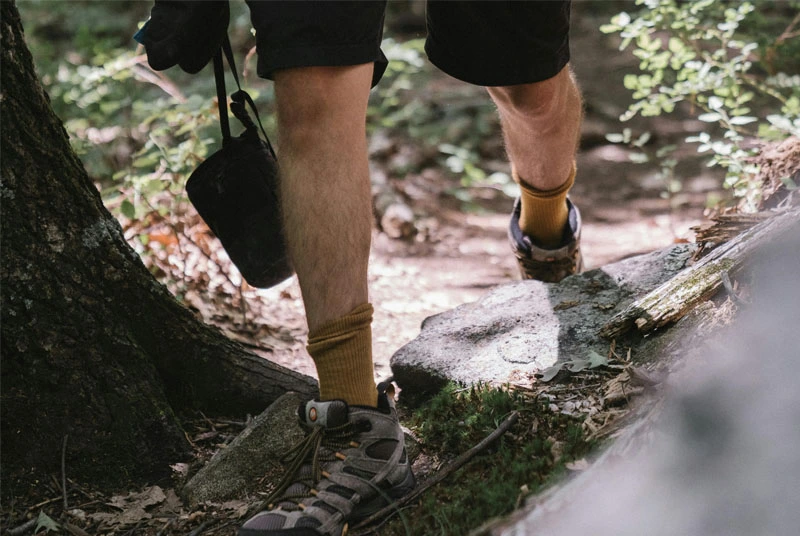
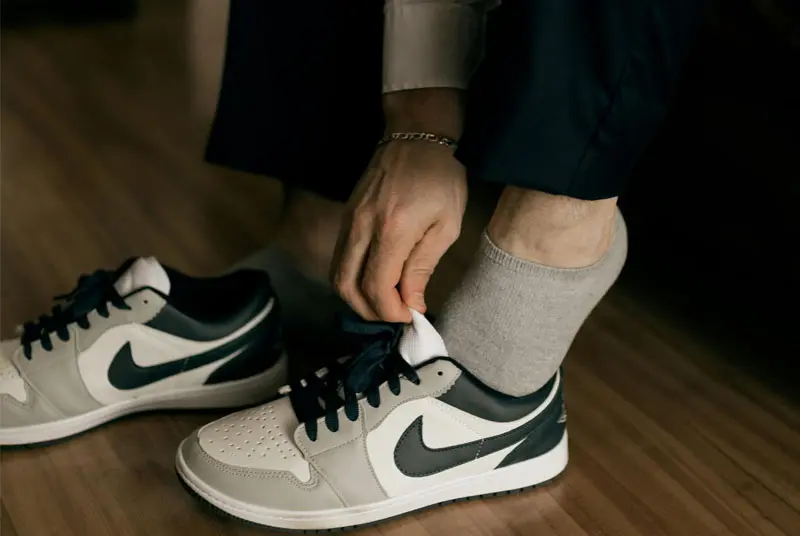
The low key aesthetic rules the US footwear scene. Ankle socks provide essential comfort without overshadowing the sneaker, keeping the visual focus on the shoe. This allows for subtle logo placement on the heel tab, ensuring the brand fits organically into the consumer’s personal style.

Key Factors for Customizing Your Ankle Socks
While design attracts attention, product quality directly reflects brand reputation. A well-constructed sock builds customer loyalty, while a poorly made one is quickly discarded. B2B buyers must define specific manufacturing parameters early to ensure the final product meets market standards.
Material and Yarn Selection
Fabric choice determines both comfort and function. Combed cotton remains the standard for casual wear due to its softness and breathability. For athletic applications, synthetic blends like polyester or nylon are superior because they offer necessary moisture-wicking properties. Additionally, the correct percentage of Spandex is required to maintain elasticity and shape retention after multiple washes.
Functional Design and Construction
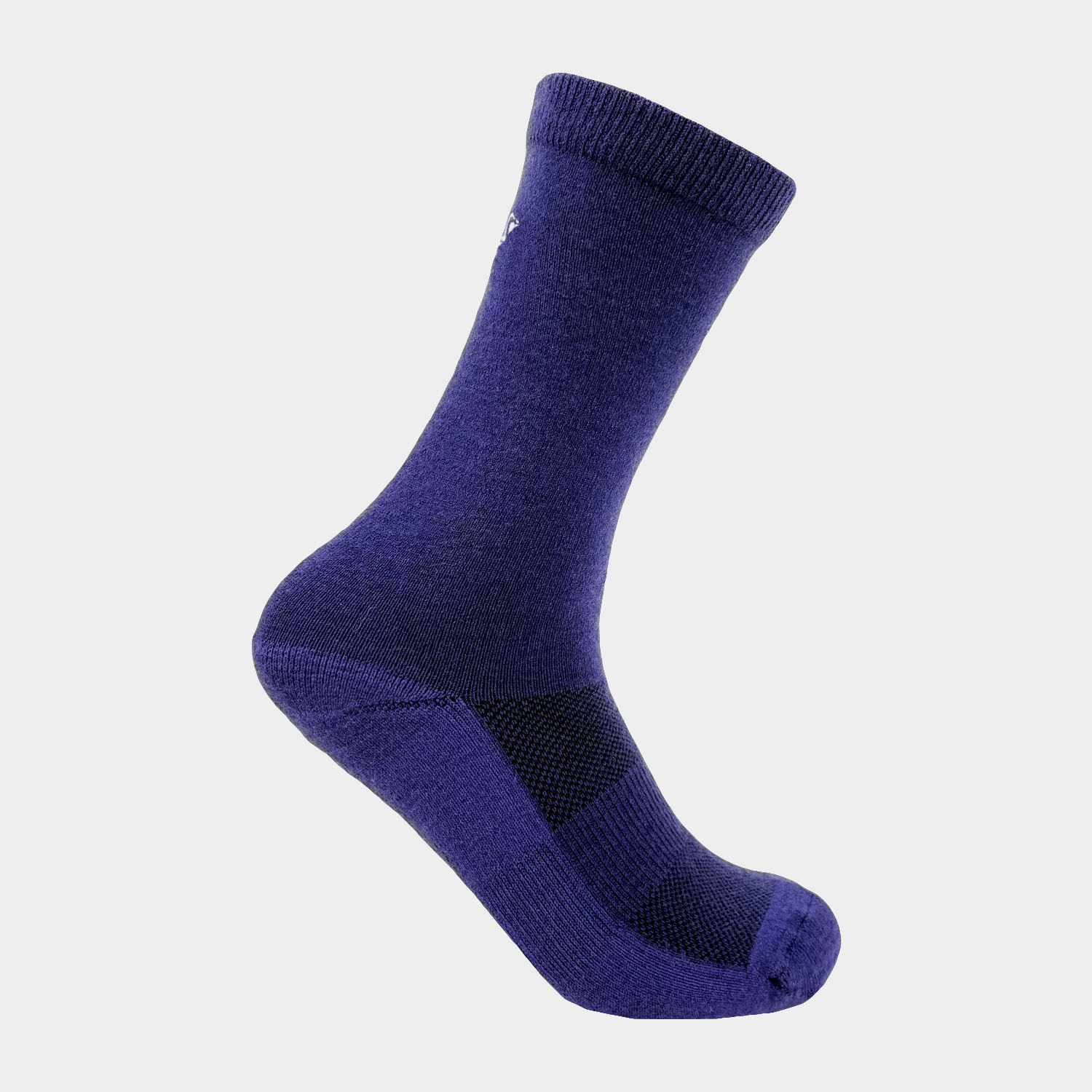
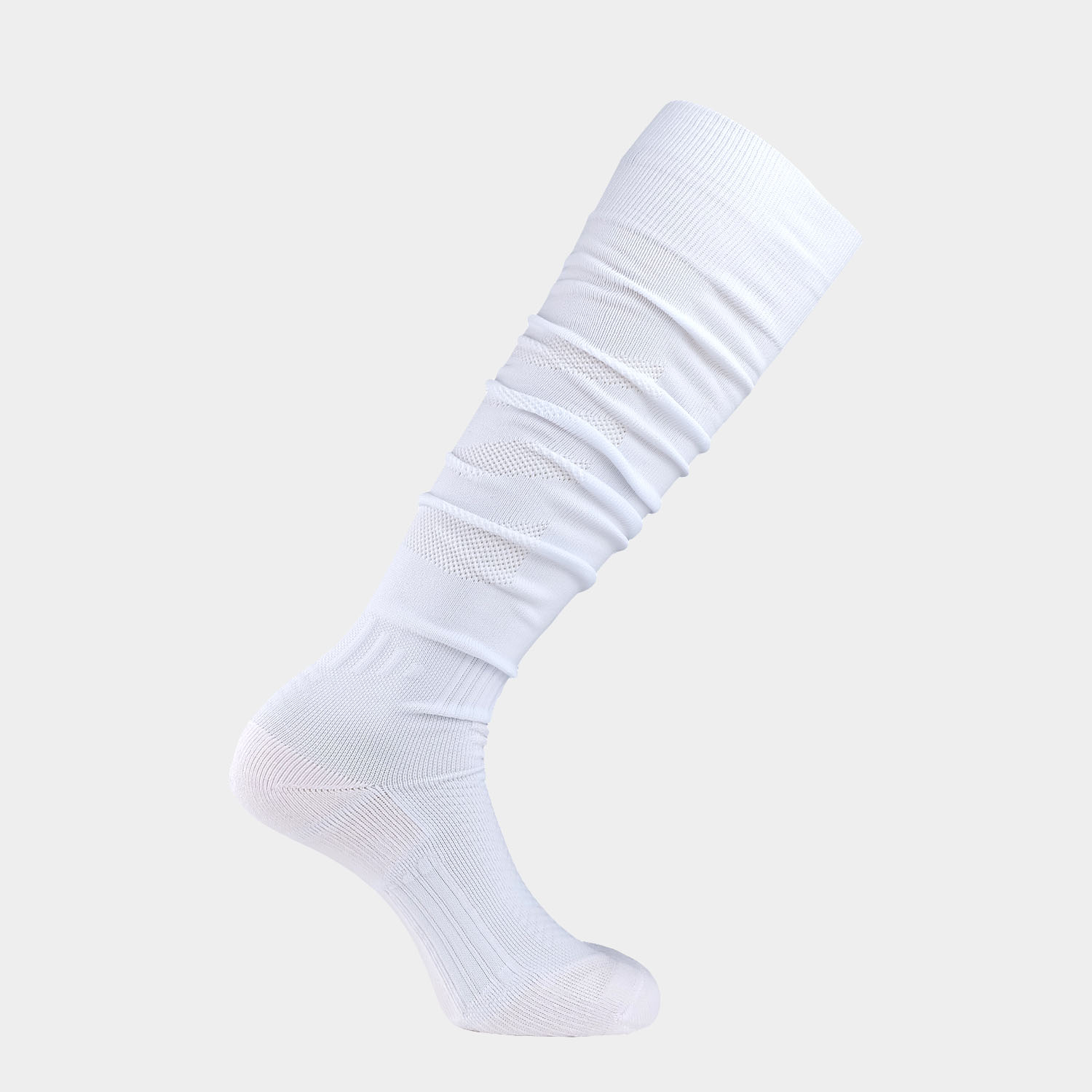
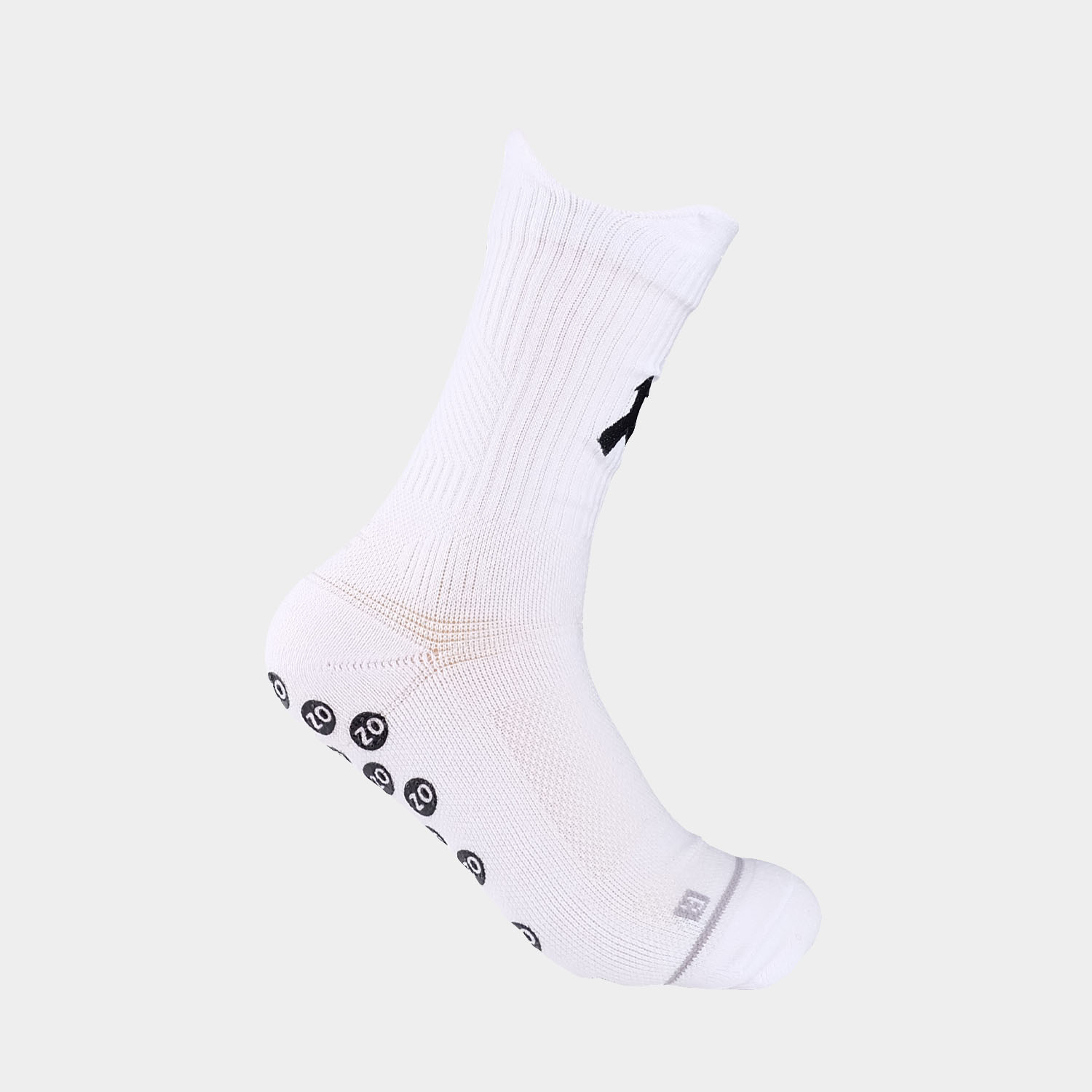
Ankle socks require specific structural features to stay in place. Essential elements include elastic arch support and a reinforced Y-heel stitch, which prevents the sock from slipping inside the shoe. A cushioned sole enhances comfort, while a raised heel tab adds both protection and a premium aesthetic. These technical details differentiate a high-quality product from generic promotional merchandise.
Needle Counts and Sizing Standards
The needle count defines the knit density and the resolution of your design. While a 144-needle count suits thicker, retro-style socks, a 168 or 200 needle count is essential for intricate logos and a refined texture. Sizing compliance is equally critical. Manufacturers must strictly follow US sizing charts, as standard Asian sizes are often too small for the American consumer base.
MOQ and Production Lead Times
Balancing inventory volume with flexibility is crucial. Emerging brands often seek low MOQs to test market response with minimal risk. Established companies, however, prioritize production scalability and reliable delivery schedules. It is vital to confirm the complete turnaround time, covering sampling, mass production, and shipping, to ensure stock arrives before your campaign launch.

The 6-Steps to Customize and Produce Your Ankle Socks
Strict deadlines demand a predictable process. A defined workflow prevents delays and ensures the final product arrives on time. The following are the standard steps for producing customized socks efficiently.
Step 1: Inquiry and Quote
Speed and accuracy are vital for budget planning. Buyers should reach out to a dedicated account manager with specific requirements, including quantity, material preferences, and design concepts. A responsive manufacturer typically provides a comprehensive quote and solution within 24 hours, allowing for quick decision-making without administrative bottlenecks.
Step 2: Design and Mockups
Digital proofs serve as the first line of defense against errors. The design team converts logos and artwork into production-ready mockups to visualize placement and scale on the sock. Look for suppliers offering unlimited revisions to ensure the visual identity meets exact standards before any machine runs.
Step 3: Sampling and Prototyping
Never skip physical verification. A tangible sample allows for testing hand-feel, fit, and knitting density. Producing a prototype for approval mitigates the risk of bulk errors, bridging the gap between a digital concept and the final wearable product.
Step 4: Order and Mass Production
Formal production begins upon contract signing and deposit receipt. Once paperwork is finalized, the order enters the manufacturing queue immediately. Professional factories utilize premium materials and automated knitting technology, maintaining strict quality control protocols throughout the process to ensure consistency.
Step 5: Quality Control and Final Approval
Quality assurance must happen at every stage. Inspections during and after knitting catch issues like loose threads or color variance. For significant orders, requesting a pre-production sample for final approval before the bulk shipment leaves the factory floor is a recommended best practice.
Step 6: Shipping and After-Sales Support
Reliable logistics ensure campaigns launch on time. After final packaging, orders are shipped globally with complete tracking transparency. Service should extend beyond delivery, with manufacturers available to handle feedback and facilitate streamlined reordering for future inventory needs.
Customization Steps Table
The following table shows the main task and result for each step.
Step | Process | Main Task | Output |
1 | Inquiry | Discuss requirements | Quote Solution |
2 | Design | Visual proofing | Sock Design |
3 | Sampling | Verification | Real Sample |
4 | Production | Bulk knitting | Mass Production |
5 | QC | Final check | Approved Goods |
6 | Shipping | Logistics | Global Delivery |
Sockcn: Reliable Manufacturing for Your Brand

To complete this detailed process requires a reliable partner. Sockcn brings over 20 years of manufacturing experience to your supply chain. We support global retailers by delivering scalable production that maintains strict quality standards.
Full Customization and Branding
We provide a complete solution from design to final packaging. Full material control allows for specific performance needs using premium blends like Merino wool or CoolMax. Free design support and custom labels produce retail-ready items immediately, simplifying the supply chain.
Professional In-House Manufacturing
Factory-direct sourcing protects profit margins. Internal management of every step, from yarn sourcing to knitting, guarantees clear pricing and consistent quality. The facility uses 96 to 200-needle machines to produce everything from thick hiking socks to detailed dress socks, ensuring bulk orders match samples exactly.
Certified Sustainable Standards
Compliance serves as a competitive asset. Sockcn operates a BSCI-certified factory and uses OEKO-TEX materials to guarantee product safety. For eco-conscious markets, GRS-certified recycled polyester and organic cotton options are available to meet modern sustainability goals.
FAQ
Q1. Should I Choose Ankle Socks or Crew Socks for My Brand?
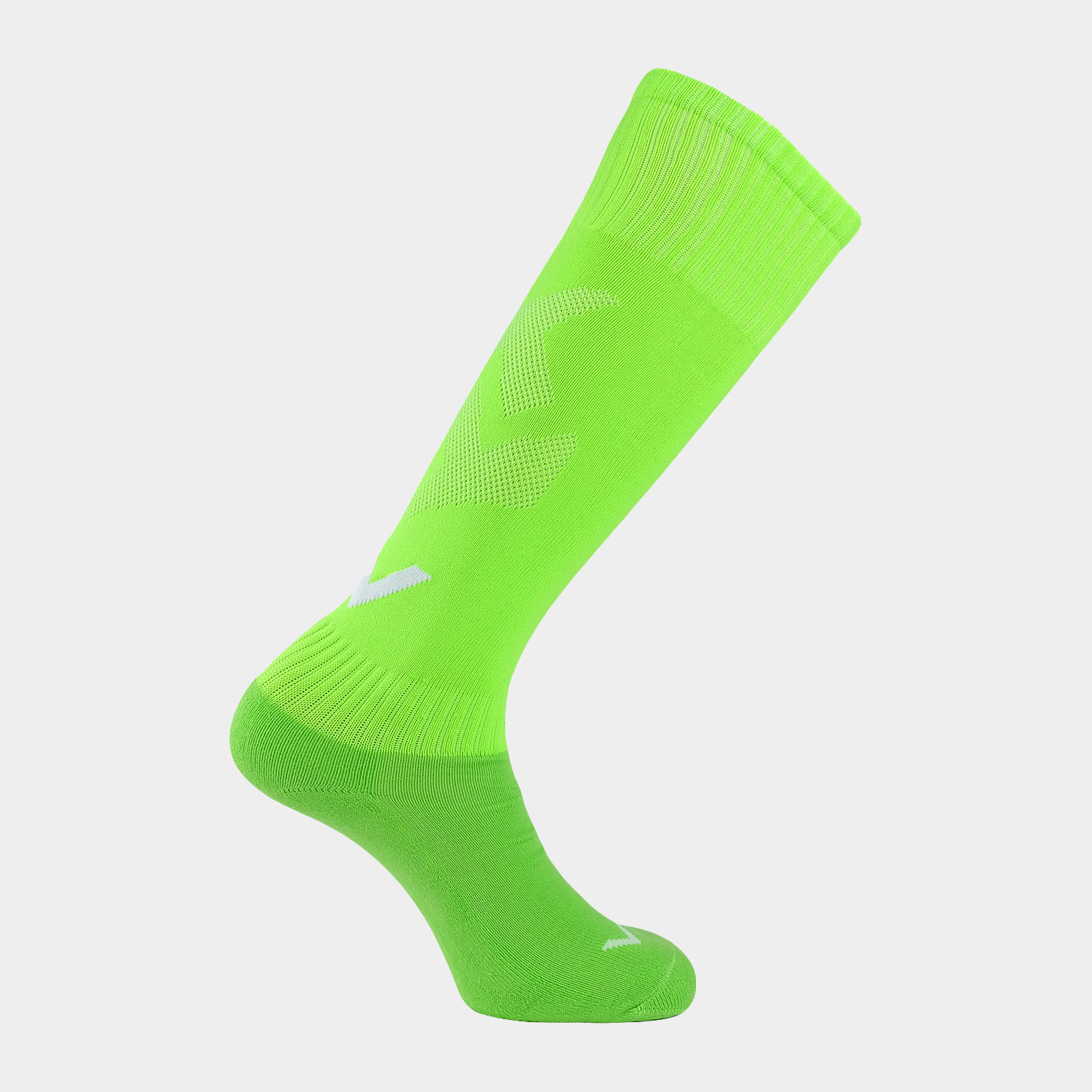
Choose ankle socks for fitness brands or summer promotions. They offer the breathability and low profile that active users prefer. Choose crew socks only if your design requires a larger vertical canvas, such as for streetwear.
Q2. What Is the Best Material for Sports Ankle Socks?
Synthetic blends like polyester or nylon are best. These materials wick sweat away to keep feet dry and prevent discomfort. If you are looking for the best socks for sweaty feet, performance synthetics are the better choice over 100% cotton, which holds moisture and becomes heavy when wet.
Q3. Where Is the Best Place to Put a Logo on Ankle Socks?
The cuff or the rear heel tab are the most effective spots. These areas stay visible above the shoe line while walking. You can place logos on the sole for a larger size, but they will be hidden inside the sneaker.
Q4. What Is the Difference Between Jacquard and Embroidery for Sock Logos?
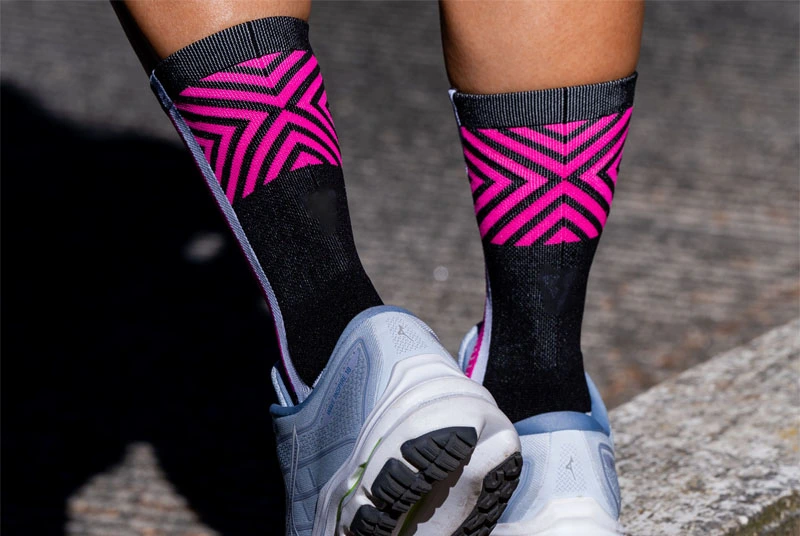
Jacquard knits the logo directly into the fabric, creating a smooth, durable finish that stretches with the sock. Embroidery stitches the design on top of the finished sock, offering a raised, premium 3D look but with less elasticity.
Conclusion
Success in the custom apparel market requires more than just a good design. It demands a reliable manufacturing partner. Whether you are launching a private label collection or sourcing high-quality corporate gifts, the right production quality ensures your brand stands out. Sockcn is ready to turn your concept into a premium finished product with speed and precision.