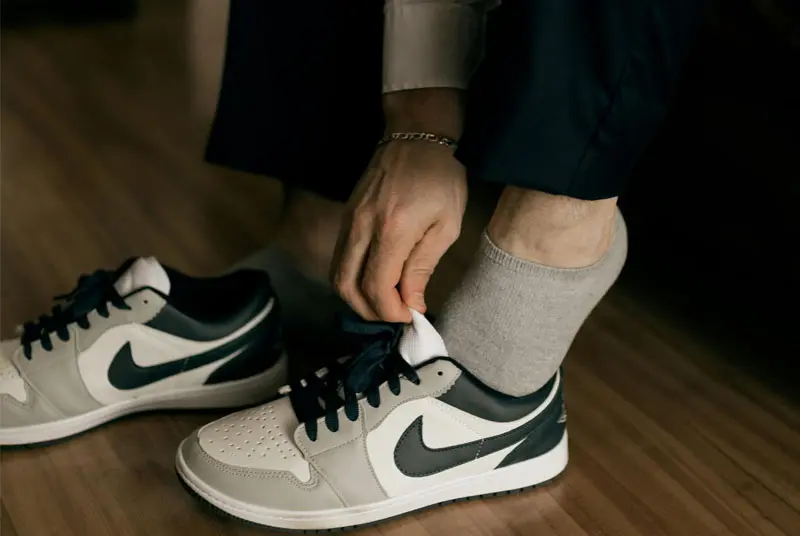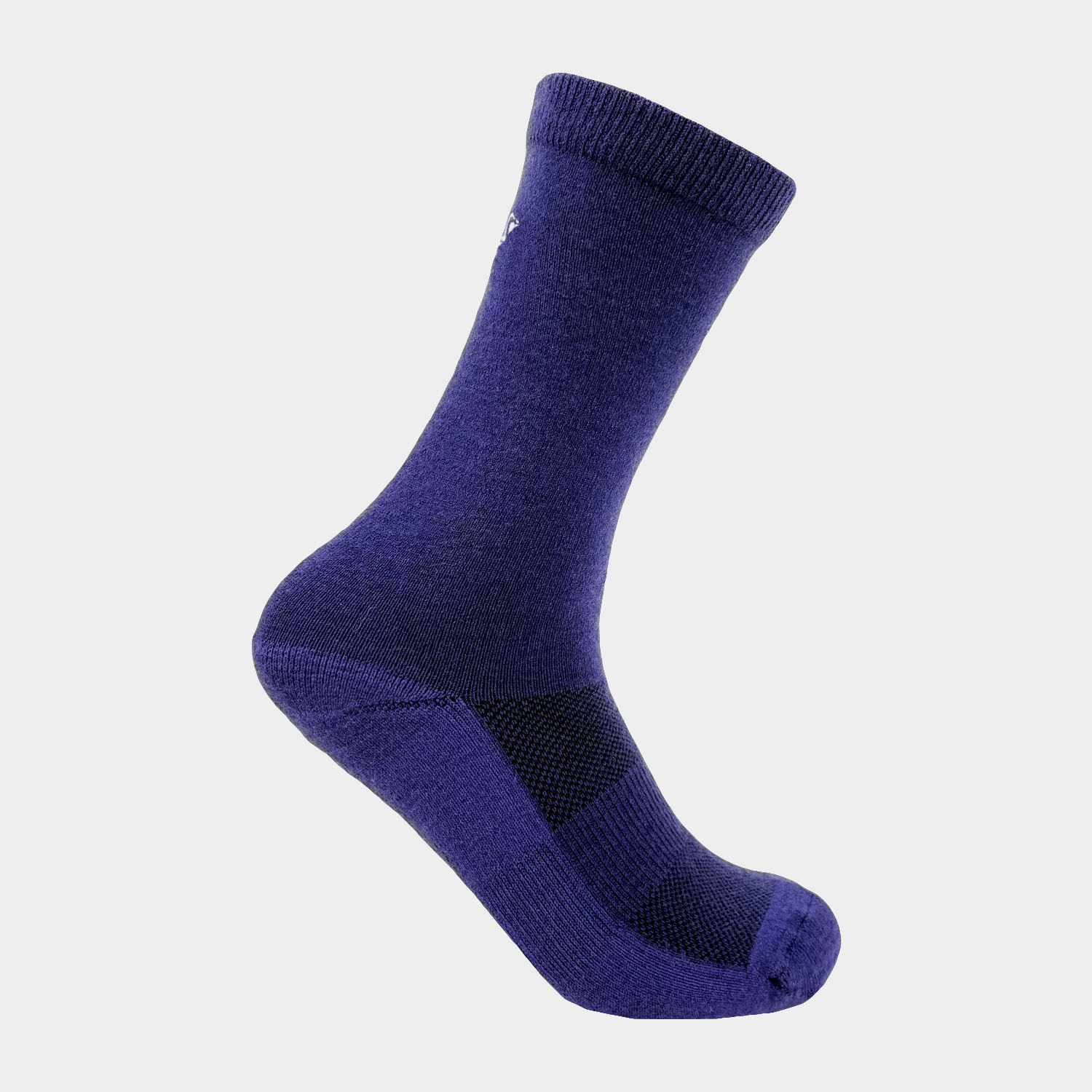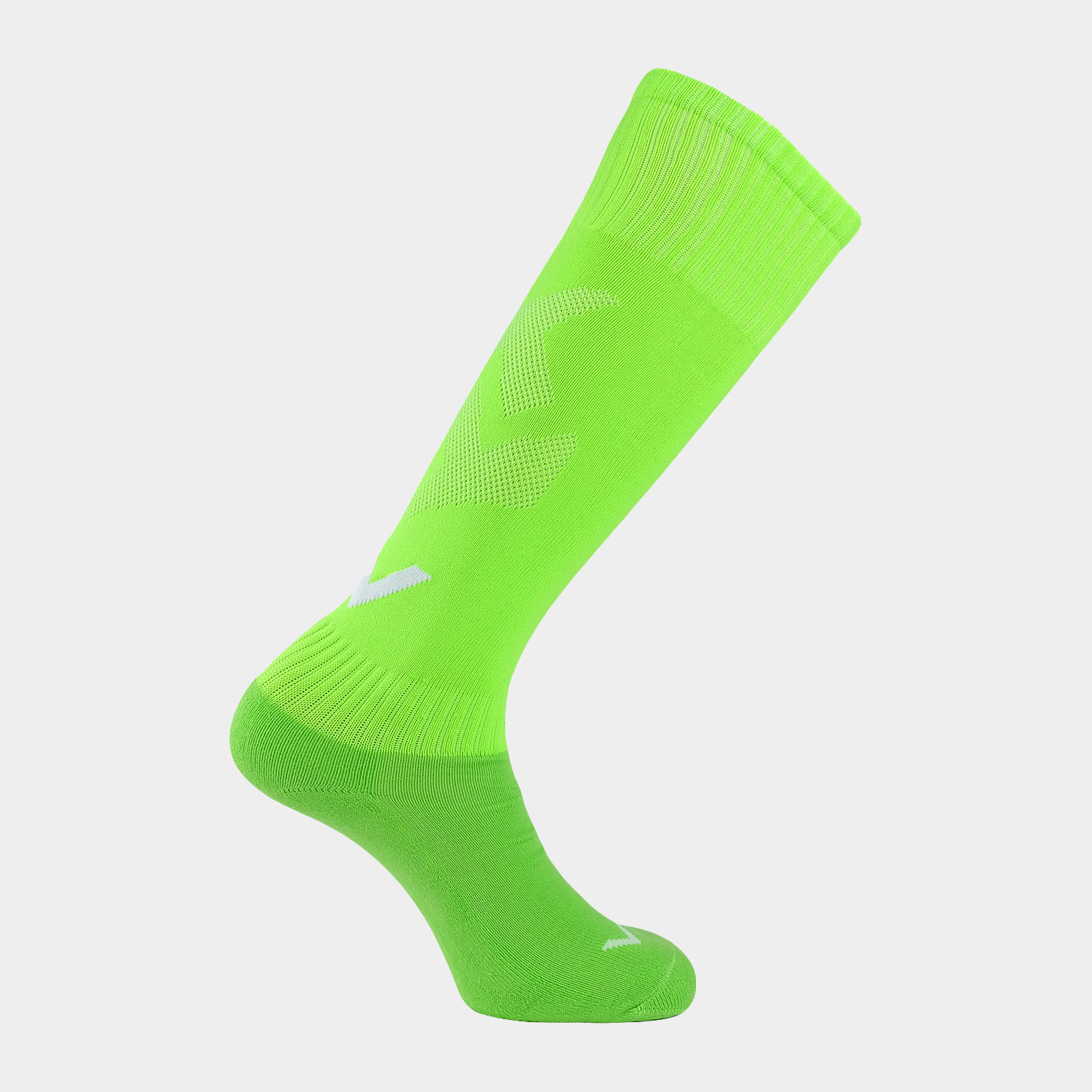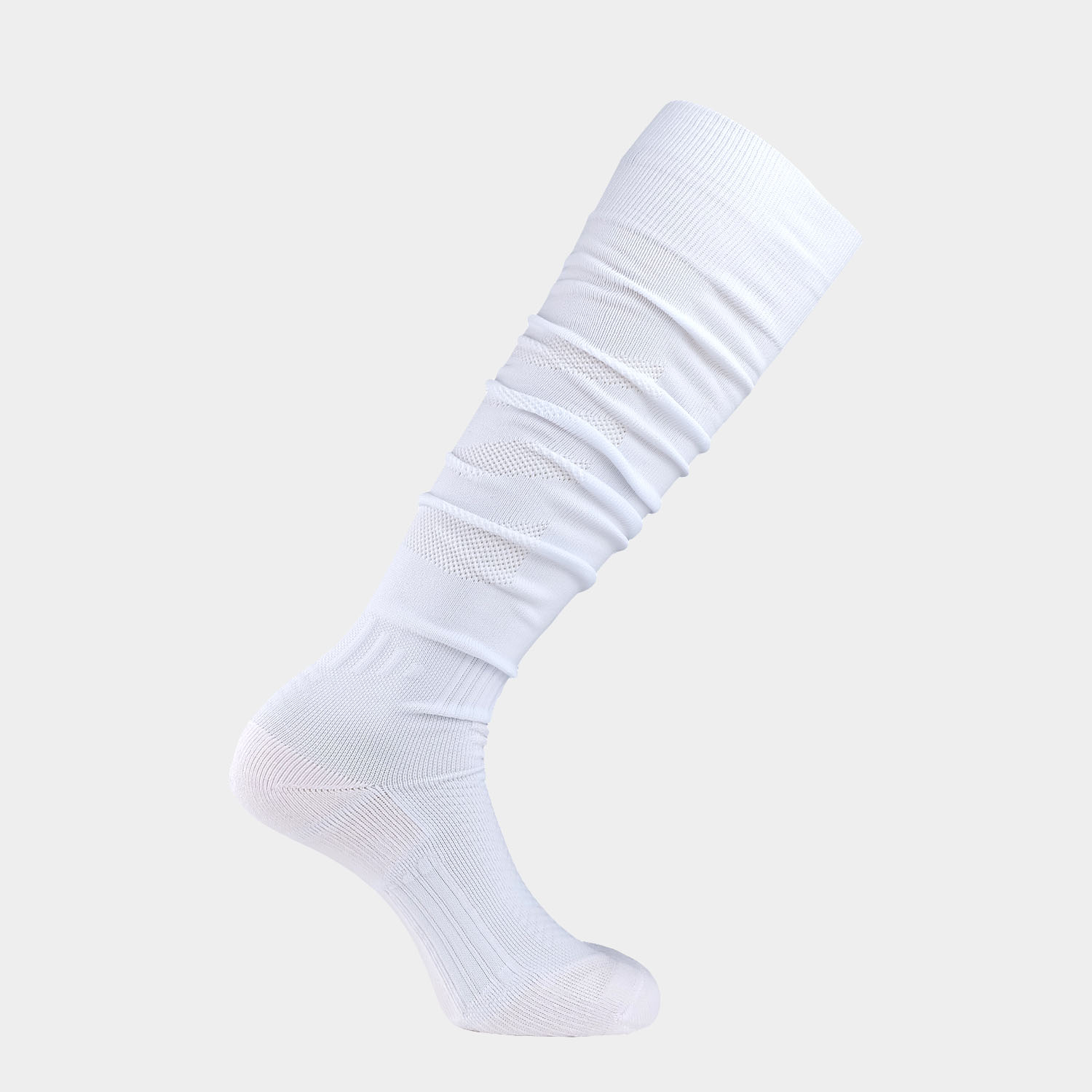
The global activewear market is projected to reach $677 billion by 2030, according to Grand View Research. This growth is fueled by a constant demand for functional gear that performs as well as it looks.
Material performance is now a key driver for brand loyalty. This article explains how moisture-wicking technology works and how to select the right fibers to keep your customers dry and comfortable.
What Is Moisture Wicking Fabric?
Moisture wicking fabric is designed to move liquid rather than store it. Unlike cotton, which absorbs water like a sponge, wicking materials use capillary action to pull sweat through microscopic channels. This keeps the fabric light and dry. It is the main difference between cheap gear and the high quality wholesale athletic socks used by top brands.

Key Benefits of Moisture Wicking Fabric Tech
Proper moisture management is what makes performance apparel reliable in the field. This efficiency results in three benefits for the user:
Keeps Cool and Dry
Dry skin stays comfortable. By removing the damp layer that traps heat, this technology ensures users stay cool during workouts and dry throughout a long day on their feet.
Reduces Odor and Bacteria
Bacteria thrive in moisture. Since wicking materials stay dry, they remain fresh much longer than standard cotton. This is a key requirement for any high-activity apparel line.
Prevents Blisters and Chafing
Damp skin is prone to injury because moisture increases friction. Wicking materials keep the skin dry and the fabric surface smooth. This is vital for performance footwear where protecting the foot is the main goal, especially when designing the best socks for sweaty feet to prevent moisture buildup.
How Moisture Wicking Technology Works
Wicking fibers use Y or X-shaped grooves instead of standard round threads. This cross-section creates more surface area to move moisture through three stages:
- Absorption: Fiber grooves pull sweat off the skin immediately.
- Transportation: Hydrophobic fibers push moisture through channels to the surface.
- Evaporation: Liquid spreads across the outer surface and dries rapidly.
What Are the Common Materials of Moisture-Wicking Fabric
Performance depends on the fiber mix. Most brands blend synthetics with natural fibers to balance drying speed and cost. The following are the main materials used in the industry today.
Polyester
Polyester is the industry standard for performance. It is affordable, durable, and dries faster than almost any other fiber. Because it is hydrophobic, it pushes moisture to the surface instead of absorbing it. This is the most common base material for athletic products.
Nylon
Nylon is the preferred choice for strength and stretch. It is more elastic and has a softer feel than polyester, making it ideal for compression gear and premium products. While it wicks moisture well, it is typically blended with other fibers to improve its drying speed and breathability.
Spandex
Spandex is the critical component for fit and recovery. Also known as Elastane, it provides the necessary stretch that keeps socks in place without slipping. It is never used alone but is blended into almost every performance product to ensure the garment holds its shape during intense movement.
Merino Wool
Merino wool is the gold standard for natural performance. Unlike traditional wool, it is soft against the skin and naturally regulates body temperature, keeping users warm in winter and cool in summer. It also has natural anti-odor properties, which justifies its premium price point in the market.
Bamboo and Modal
These fibers are the top choice for softness and comfort. Known for their silk-like feel and natural antibacterial qualities, they offer excellent breathability. They are increasingly popular for lifestyle brands that prioritize eco-friendly sourcing over raw athletic speed.
Synthetics vs. Naturals Comparison Table
Mixing fibers allows brands to optimize for comfort, production costs, and modern sustainability standards.
Fiber Category | Material | Technical Advantage | Cost |
Synthetics | Polyester | Fastest drying speed and hydrophobic nature | Budget-Friendly |
Nylon | High tensile strength and abrasion resistance | Mid-Range | |
Spandex | Superior elastic recovery and shape retention | Component-Based | |
Naturals | Merino Wool | Natural thermoregulation and odor control | Premium |
Bamboo/Modal | Exceptional softness and sustainable appeal | Mid-to-Premium |
Pick your material based on your target price and order size.
How to Choose the Right Material for Your Brand
Choosing the right moisture-wicking fabric is only one part of a much bigger material decision. In practice, brands rarely rely on a single performance feature when developing a product line.
To build a well-balanced collection, it’s important to compare a wider range of fibers based on comfort, durability, cost, and end use. For a more complete breakdown of how different materials perform across various sock types, check out our full guide on the best material for socks to help you make more informed product decisions.
Use these three categories to find the best fit for your business goals:
- Mass-Market Collections: Choose polyester-heavy blends to keep costs down. This is the most affordable way to meet quality standards for team uniforms and high-volume sports gear.
- Mid-Range Lifestyle: Mix nylon with sustainable fibers like bamboo. This blend offers a premium feel and durability at a fair price, which helps build customer loyalty in the casual clothing market.
- Premium Outdoor Lines: Use Merino wool to justify higher prices. Its natural temperature control and odor resistance help your brand stand out from cheap synthetic products in the hiking and winter markets.
How to Test the Moisture Wicking Fabric
Once you have selected your fiber blend, verifying its actual performance is vital for quality control. These quick methods help you identify high-performance fabrics without needing a lab.
The Water Drop Test
This is the fastest way to verify performance. Place a small drop of water on the inner side of the material. In a high-quality wicking fabric, the water should soak in and spread out instantly. If the water beads up or sits on the surface, the material is likely not engineered for moisture management.
Checking the Fabric Structure
Examine the weave of the fabric closely. High-performance materials usually have a textured surface or visible channels. These grooves are what physically pull the sweat away from the skin. A flat, smooth surface often indicates a basic fabric that will hold onto moisture rather than moving it.
Which Industries Use Moisture-Wicking Fabrics the Most?
These performance standards are why moisture management has moved from a niche feature to an industry-wide requirement. While the physics remain the same, the specific goals change depending on the industry.
Athletic Apparel and Uniforms
Weight control is the biggest factor here. Since a wet cotton shirt can double in weight, it directly slows down an athlete. Wicking synthetics keep the gear light so players can maintain their speed and focus during high-intensity training.
Outdoor Clothing and Outerwear
Safety is the priority in the outdoor market. Hikers who stay damp in cold weather risk a dangerous drop in body temperature once they stop moving. Brands use Merino wool and technical blends to keep skin dry and help regulate heat in unpredictable weather.
High-Performance Socks
Socks face the toughest environment because they are trapped inside shoes with almost no airflow. This lack of ventilation leads to bacteria growth and painful blisters. Specialized fiber blends pull sweat away from the skin immediately to stop the friction that causes damage during long-distance runs or hikes.
Sockcn: Best Moisture Wicking Fabric Sock Factory in China
High-performance fabrics only work if the factory knows how to knit them. Sockcn has spent over 20 years turning technical yarns into high-quality socks for brands worldwide.

Quality Materials for Every Sport
We use a mix of advanced synthetics and premium natural fibers. Our technical range includes CoolMax, polyester, nylon, and spandex for maximum durability, stretch, and breathability. For high-end lines, we source Merino wool from Australia and authentic Alpaca from Peru. All production meets international standards with OEKO-TEX, GRS, and GOTS certifications.
Professional Knitting and Design Support
Our socks feature technical details like mesh ventilation, arch support, and seamless toes. We offer free design assistance and samples to help your styles match your brand. From compression zones to targeted cushioning, our team handles every part of the build.
Reliable and Fast Custom Process

We provide factory-direct pricing by removing middlemen. Our facility handles low MOQs for new launches and large bulk orders for established lines. We manage everything from yarn sourcing to final shipping to guarantee on-time delivery.
FAQ
Q1. What Is the Difference Between Moisture-Wicking and Breathable Fabric?
Breathable fabric allows air to move through the material. Moisture-wicking fabric pulls liquid sweat away from your skin to the surface. Most high-performance gear uses both to keep you dry and cool.
Q2. Is Moisture-Wicking Fabric the Same as Waterproof?
No. Waterproof fabric is designed to block water from coming in. Moisture-wicking fabric is designed to move sweat out. They serve opposite purposes in garment construction.
Q3. Does Fabric Softener Ruin Moisture-Wicking Socks?
Yes. Fabric softeners leave a waxy coating on the fibers. This coating blocks the channels that move moisture, which stops the socks from working correctly.
Q4. Do Moisture-Wicking Fabrics Keep You Warm in Winter?
Yes. They keep you warm by keeping your skin dry. Wet skin loses heat much faster than dry skin, so moving sweat away prevents you from catching a chill in cold weather.
Q5. Can I Customize Socks with Sustainable Wicking Fibers?
Yes. Sockcn offers customization using eco-friendly materials like bamboo and recycled yarns. We provide GRS and OEKO-TEX certified options to help you build a sustainable brand.