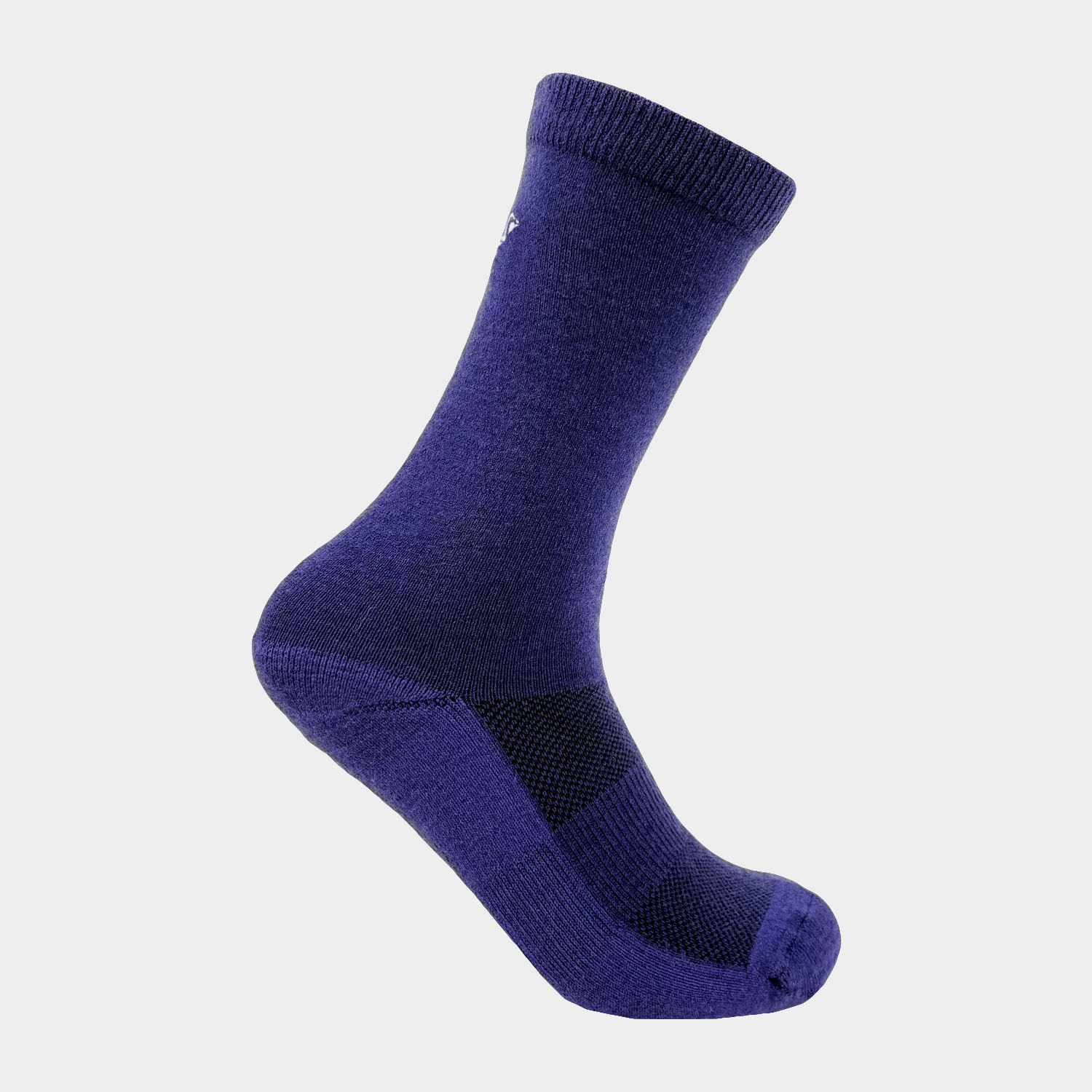

For every retailer selling winter wool socks, the worst nightmare isn’t unsold inventory—it’s selling out completely while the warehouse runs dry.
Every November, when cold snaps hit and consumer demand for wool socks surges, we receive frantic emails: “Can you rush this?” “Why is the shipping schedule delayed again?”
Many buyers assume order failures stem solely from factories being “too busy.” But as manufacturers deeply rooted in this industry, we must share a counterintuitive truth: the fate of peak-season wool sock orders is often sealed before August even arrives.
Unlike ordinary cotton or synthetic socks, the wool supply chain is exceptionally fragile. Understanding the wool socks manufacturing process is often the first step to avoiding these failures. Here are four “invisible killers” that cause bulk orders to fail during peak season.
Reason 1: The Raw Material Lag
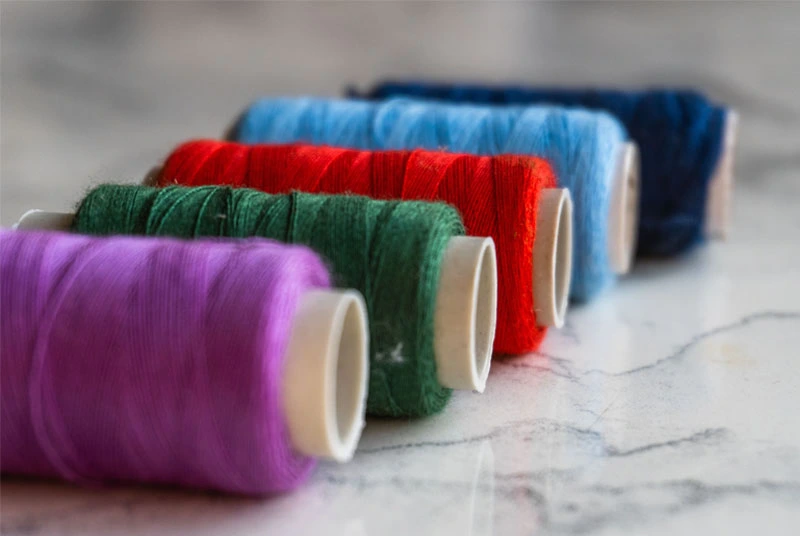
Unlike cotton yarn or synthetic fibers, wool yarn isn’t readily available from standard inventory. Especially when involving specific counts, blends, or custom colors, yarn often requires advance arrangements for dyeing and batch confirmation. Many buyers underestimate the complexity of custom wool yarn specifications, particularly during peak season.
- Specialized dyeing processes: Premium merino wool typically demands custom dyeing. During off-peak seasons, dyeing mills may complete this in just 15–20 days. But once Q3 (July–September) arrives, the situation changes rapidly.
- Peak Season Congestion: As Q3 begins, global production of winter items like sweaters, scarves, and hats enters simultaneous stockpiling phases, quickly saturating dyeing factory capacity. Wool yarn delivery times easily extend to 45 days, or even over 60 days.
- Consequences: Confirming orders in September often means yarn arrives only by late October. If yarn fails to arrive as scheduled, production cannot truly commence—even if factory equipment remains idle.

Reason 2: The “Ready-First” Rule
In manufacturing, machine capacity is finite—there are only 24 hours in a day. When capacity is tight, most factories follow a pragmatic yet rarely stated principle: ” Orders with materials already on hand get priority production.”
During peak season, if your yarn is still in transit—even if you requested a quote three months prior—factories dare not reserve machinery for you. Even with confirmed orders and approved samples, your order will likely be pushed back to the end of the production queue.
A delay at the raw material level easily triggers a domino effect: large customer orders that secured yarn in June will swiftly fill up the machines. This forces smaller or late orders into indefinite postponement—not targeting you personally, but a survival rule to prevent idle production lines.
For buyers, this often manifests as vague feedback: “Scheduling is being coordinated.” Yet in practice, priority shifts have already quietly occurred.
Reason 3: Quality Fade
When timelines are compressed, quality issues rarely emerge suddenly—they gradually intensify.
Common risks during peak-season rushes include:
- Insufficient setting: Wool socks require high-temperature steam setting to stabilize dimensions. To meet tight shipping deadlines, some production lines shorten setting times. The direct consequence? Socks shrink significantly after just one consumer wash.
- Sock-toe defects: Sock-toe stitching demands precision. Under intense overtime pressure, workers experience reduced efficiency and higher defect rates.
These issues are less about technical limits and more about whether a factory has a robust quality control process for wool socks OEM orders. Such quality flaws may evade factory inspections but escalate into return disasters once consumers receive their orders.

Reason 4: The Logistics “Perfect Storm”
Even with smooth production, peak season risks persist.
Q4 marks the global stockpiling surge for Western holidays (Thanksgiving, Christmas) and coincides with peak port congestion worldwide.
Winter shipping is most vulnerable to weather impacts. Fog, snowstorms blocking roads, or typhoons can cause vessel delays or port congestion. What typically takes 30 days in summer requires 45-50 days in winter to be safe.
When logistical uncertainties compound earlier production pressures, manageable time deviations can easily escalate into inventory shortages.
Solution: The “Safe Zone” Procurement Timeline
To avoid these pitfalls, you don’t need to find a “magical” factory—they need to adjust their timeline and approach planning bulk wool socks production more realistically.
- April – May: Complete design and sampling. At this stage, the focus isn’t on pursuing “perfect” designs, but on locking in construction, yarn specifications, and key techniques as early as possible. The sooner technical parameters are finalized, the more flexibility you’ll have later.
- June: Confirm bulk orders and pay deposits (primarily to lock in yarn prices and dyehouse schedules). This is the most critical step in the entire timeline. By confirming orders early and securing yarn colors, you avoid uncertainties caused by Q3 dyehouse congestion and gain initiative for subsequent production scheduling.
- July – August: Production phase (avoiding congestion when worker availability is optimal). Completing bulk production during periods of relatively relaxed capacity not only facilitates access to stable scheduling resources but also allows time for quality control and necessary rework, rather than being forced to compress processes during peak season.
- September – October: Arrange shipments, store goods in inventory, and calmly prepare for the first wave of cooling.
This timeline isn’t theoretical—it’s a proven approach refined through years of managing peak-season wool sock orders. Its sole objective: address uncertainties while the system still has flexibility.
Conclusion
For seasonal products like wool socks, the peak season itself isn’t the problem—risks that go unidentified and unmanaged are the real challenge.
From raw material preparation and production scheduling to quality control and winter logistics, every link in the chain becomes magnified during peak season. Once critical decisions are delayed until the system has lost its resilience, so-called “rush orders” often merely pay the price for delays and compromises.
Truly stable peak-season delivery doesn’t depend on how fast factories run, but on whether planning starts early enough and risks are addressed proactively. When materials, capacity, and timelines remain within control, the peak season can become a predictable, manageable production cycle.
For brands planning winter wool sock product lines, advance planning is the only reliable peak-season strategy.