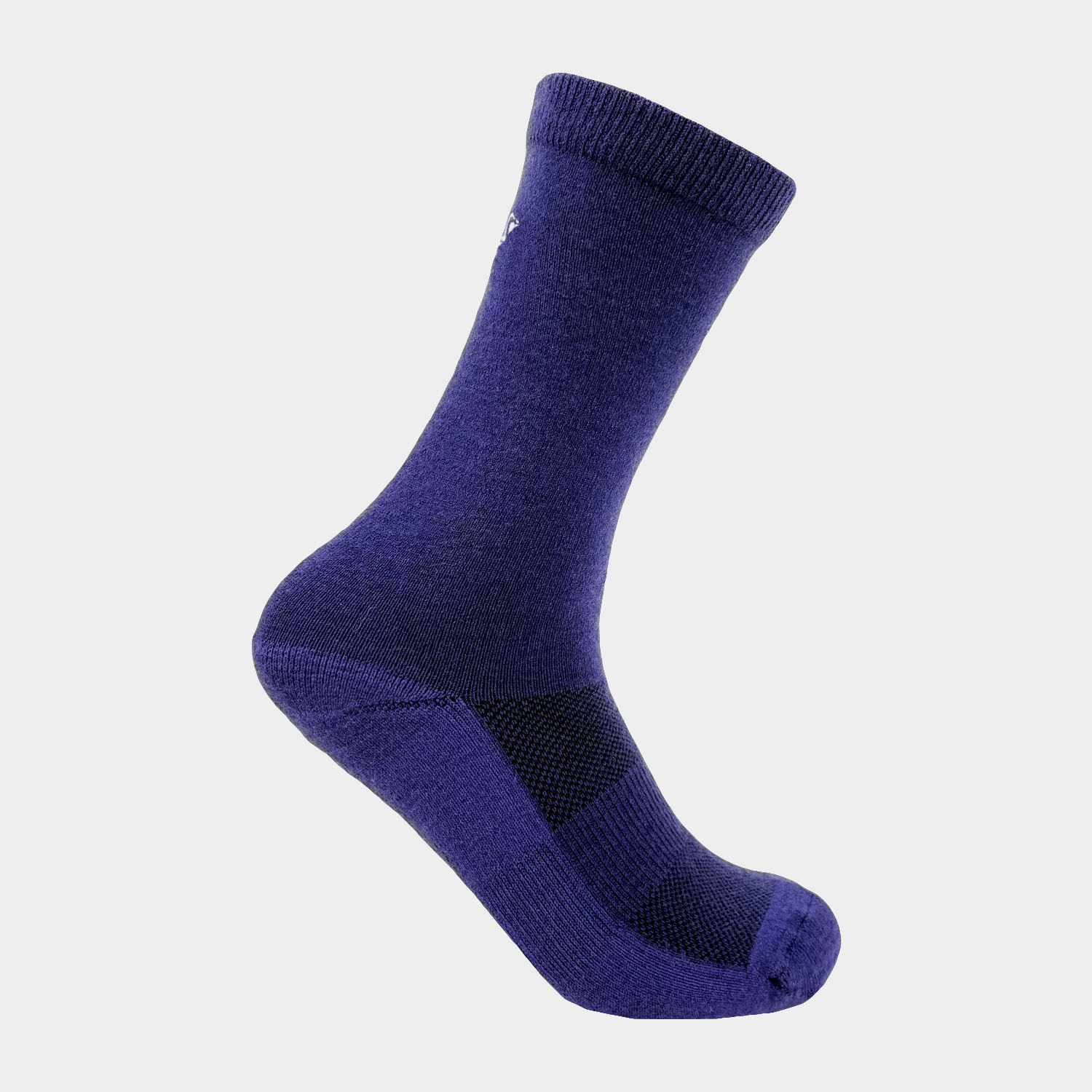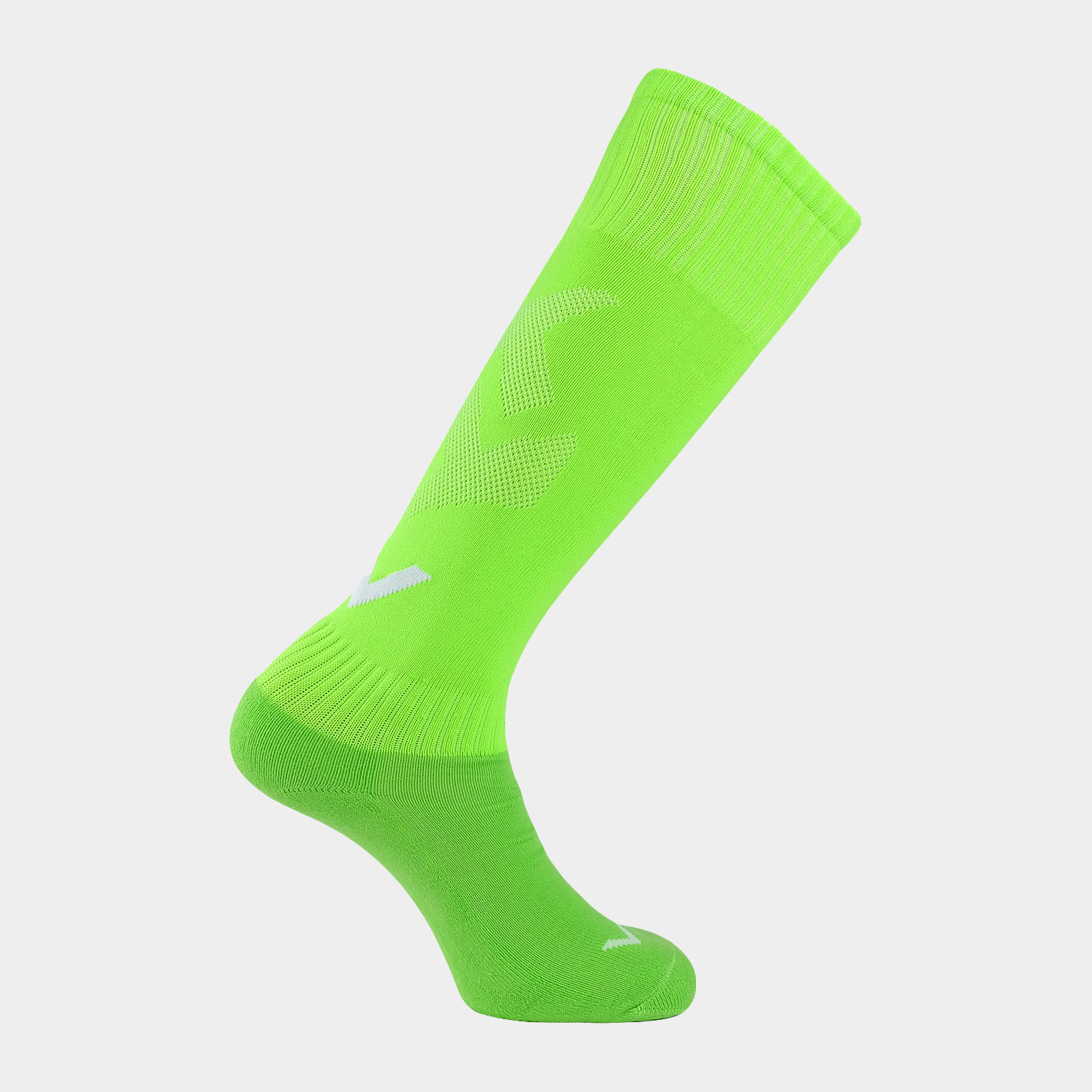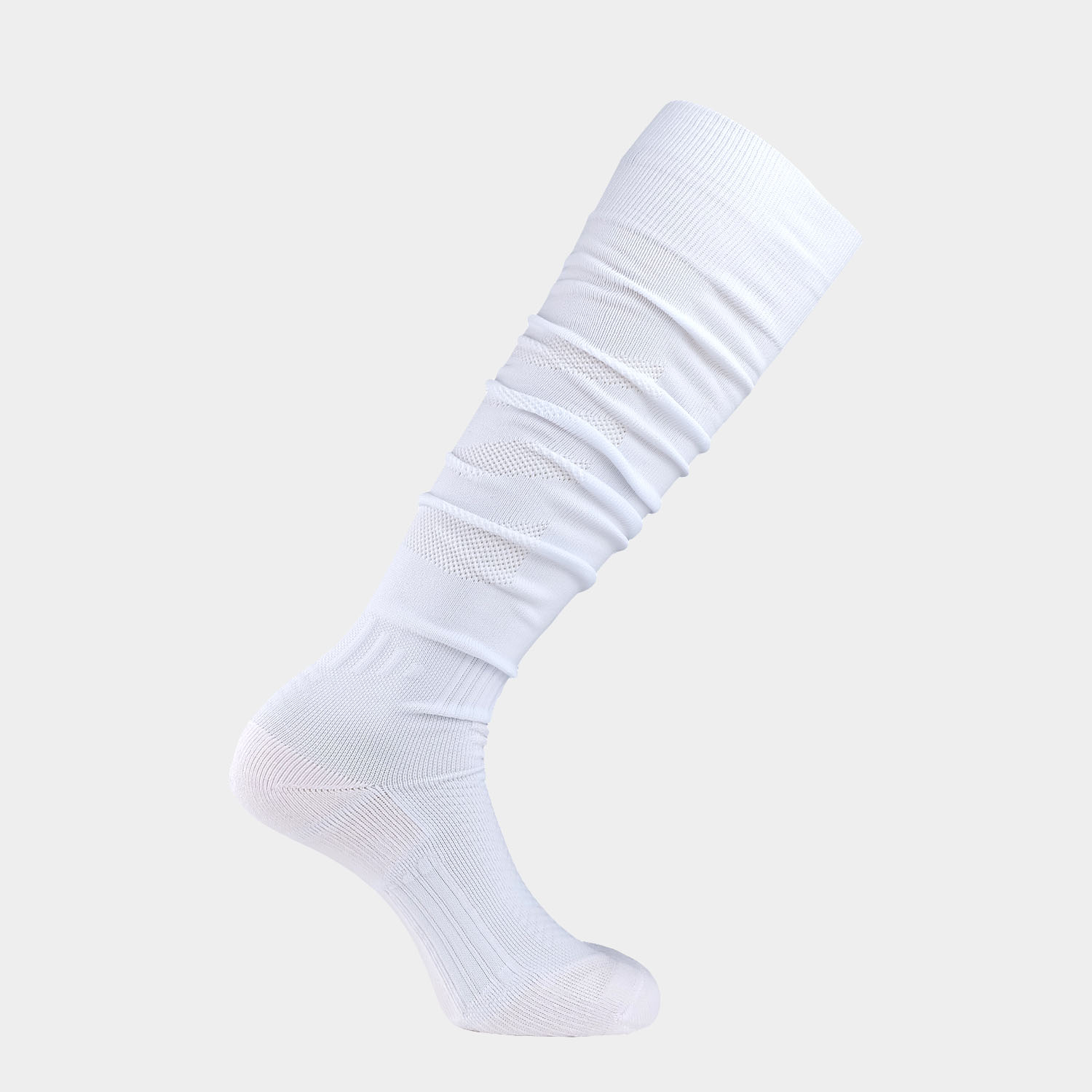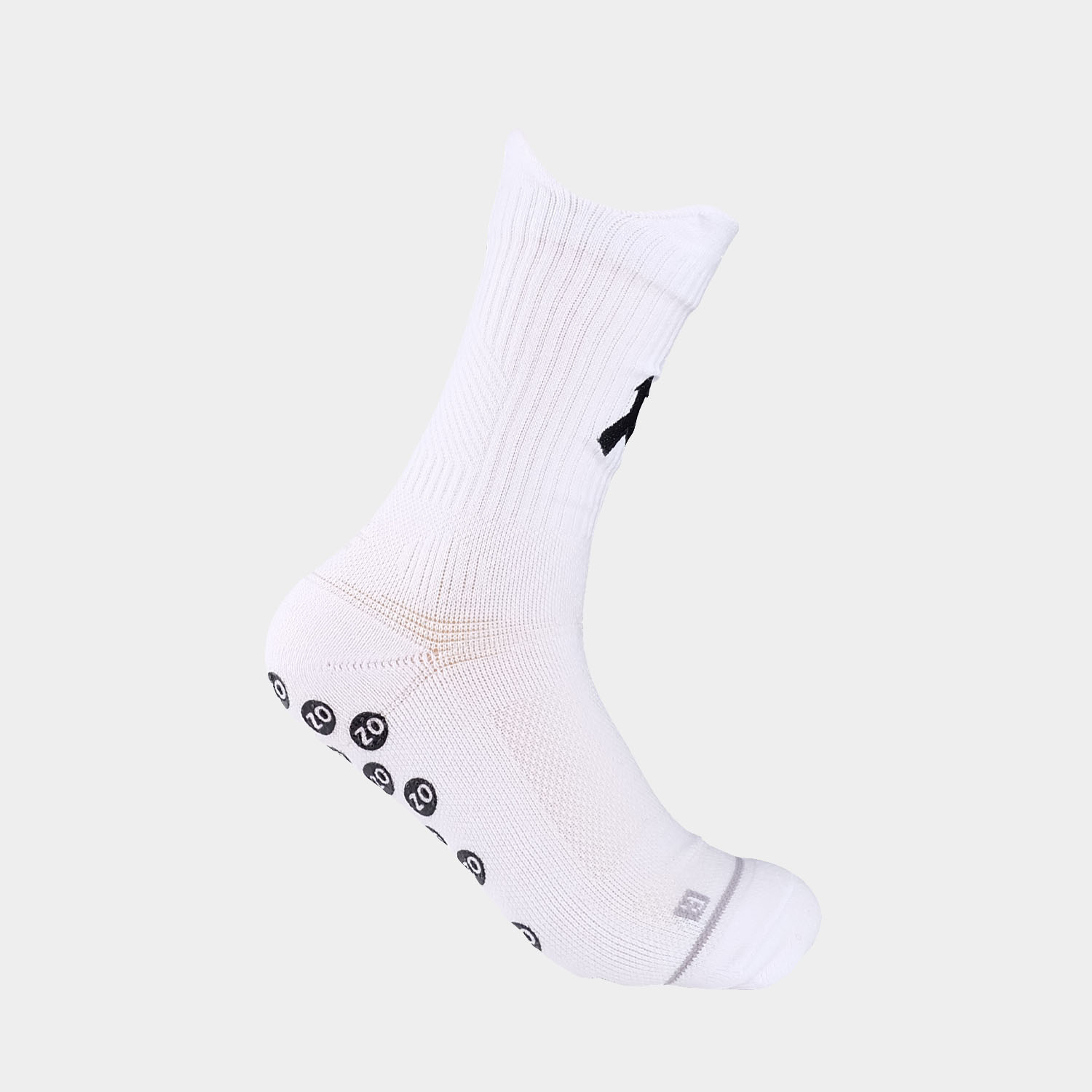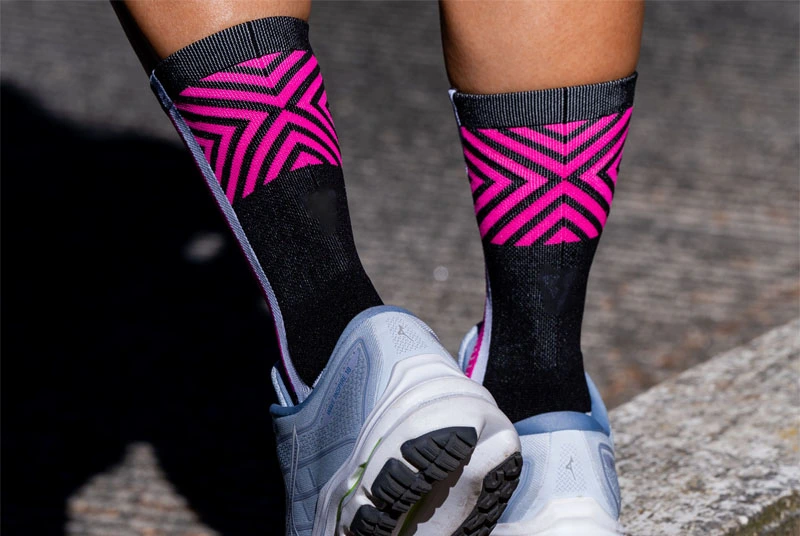

Custom compression socks do not refer to just one type of product. Based on different applications and performance requirements, custom compression socks generally fall into two categories: one uses graduated compression technology, where different areas of the sock provide varying levels of pressure for recovery, wellness, and everyday wear; the other uses targeted compression structures in performance socks, such as arch compression and support zones, to improve fit, stability, and performance during activities.
Understanding the differences between these compression sock types helps brands choose the right solution for their market needs.
Quick Overview
Custom compression socks are developed for different applications, from graduated compression products for wellness, recovery, and specialized markets to athletic compression socks for sports and performance use. This guide explains the key aspects of custom compression sock development, including compression types, materials, knitting structures, functional zones, compression levels, and how to choose a reliable OEM compression socks manufacturer for your project.
What Are Custom Compression Socks?
Custom compression socks are performance-oriented sock products developed based on the specific requirements of brands, teams, and wholesale buyers. In addition to branding elements such as colors, logos, patterns, and packaging, manufacturers can customize the compression structure, knitting techniques, material blends, and support zones to meet different product goals.
Unlike regular socks that mainly focus on comfort and everyday wear, compression socks use elastic fibers and specialized knitting structures to create targeted pressure or support in different areas of the sock, improving fit, stability, and overall wearing experience.
Depending on the design purpose and application, custom compression socks generally fall into two categories: graduated compression socks, which use different pressure levels from the ankle upward to provide structured compression support, and athletic compression socks, which incorporate features such as arch compression and targeted support zones to improve fit and stability during activities.

Types of Compression Socks
Although both products are commonly referred to as custom compression socks, they are developed for different purposes and require different manufacturing approaches. Based on their compression design and intended applications, custom compression socks can generally be divided into two main categories: Graduated Compression Socks and Athletic Compression Socks.
Type | Key Features | Typical Applications |
Graduated Compression Socks | Designed with graduated pressure, usually measured in mmHg, with higher compression around the ankle that gradually decreases upward. Product development focuses on pressure distribution, compression levels, sock length, and pressure testing requirements. | Wellness brands, recovery product brands, travel sock brands, and medical-related suppliers |
Athletic Compression Socks | Incorporate targeted compression zones within the sock knitting structure, such as arch compression and ankle support, to improve fit, reduce slipping, and enhance stability and comfort during activities. | Sports brands, running and cycling brands, sports teams, fitness programs, and corporate wellness projects |
Factory Insights:
Manufacturers specializing in athletic compression socks may not always have the expertise required for graduated compression socks. These two categories require different approaches to pressure control, knitting structures, and testing standards.
At Sockcn, we support different compression sock developments with multiple knitting configurations, including 96, 108, 144, 168, and 200 needle options. For compression sock projects, our dedicated testing laboratory provides pressure testing support during sampling and bulk production to help ensure consistent product performance.
Who Buys Custom Compression Socks?
Custom compression socks are developed for a wide range of brands and organizations, including sports brands, teams, wellness companies, and specialized product suppliers. Different buyers have different requirements depending on their target market and product positioning.
- Sports brands and performance sock companies often develop compression socks for running, cycling, training, and outdoor activities. They focus on features such as targeted compression zones, arch support, comfort, and functional materials.
- Sports teams and clubs may create custom compression socks with team colors and logos for training, competitions, and promotional use.
- Wellness and recovery brands develop compression socks for everyday comfort, travel, and recovery-focused products.
- Medical-related suppliers typically require graduated compression socks with specific pressure levels, testing requirements, and market compliance standards.
How Do Custom Compression Socks Provide Compression?
The compression of socks is not created simply by adding more elastic fibers. Instead, it is determined by a combination of yarn tension, elastic material ratio, and knitting structure design. Manufacturers adjust knitting parameters in different areas of the sock to create the desired level of compression and support where needed.
The main factors that contribute to compression performance include:
Elastic Fiber Content
The percentage, tension, and distribution of elastic yarns affect the sock’s stretch recovery and compression strength. Different product requirements require different material combinations to achieve the desired fit, support, and compression performance.
Knitting Density
Manufacturers can adjust the knitting density in specific areas, such as the arch, ankle, or support zones, to create tighter structures that provide additional compression without relying on external elastic bands.

Knitting Structure Patterns
Different knitting structures influence pressure distribution and wearing comfort. For example, ribbed structures, reinforced zones, and functional knitting patterns can help distribute compression more evenly while improving the sock’s stability and overall comfort.
Key Factors When Developing Custom Compression Socks
When developing custom compression socks, brands need to consider several key factors that influence product performance, comfort, and market positioning, including compression level, sock length, material selection, and knitting structure.
Compression Level (mmHg)
For graduated compression socks, the compression level is measured in mmHg (millimeters of mercury), which indicates the amount of pressure applied by the sock.
Compression Level | Common Applications |
8–15 mmHg | Light support products for everyday comfort, travel, and lifestyle applications |
15–20 mmHg | Recovery socks, travel compression socks, and products designed for extended standing or activity |
20–30 mmHg | Firm compression products for higher-support applications |
30+ mmHg | Specialized compression products requiring stricter pressure control and testing |
Sock Length
Sock length affects the compression coverage, wearing comfort, and product positioning. For graduated compression socks, knee-high length is the most common design, as it provides compression coverage from the ankle through the lower leg.
Common length options include:
- Knee-high compression socks – the standard choice for graduated compression products
- Shorter compression socks – designed for users who prefer less coverage or want to avoid tightness around the knee area while maintaining lower-leg compression
For example, some everyday compression sock brands use slightly shorter designs to improve comfort for daily wear while still providing consistent compression support without frequent adjustment.
Material Selection
The fiber composition affects the compression performance, stretch recovery, comfort, and durability of custom compression socks.
Common materials used in compression sock development include:
- Nylon: Provides durability, strength, and shape retention, making it a common base fiber for compression socks.
- Spandex / Elastane: Provides stretch and recovery, helping the sock maintain a secure fit and consistent compression.
- Polyester: Improves moisture management and quick-drying performance, making it suitable for active and performance-oriented products.
- Merino Wool or Bamboo Blends: Enhance softness, temperature regulation, and premium product positioning.
Brands typically select different fiber blends based on their target market, application scenario, and product requirements.
Knitting Structure & Functional Zones
Knitting structure determines how compression, support, and fit are distributed throughout the sock. Manufacturers can adjust knitting density, needle configuration, and knitting patterns to achieve the desired performance.
Common design features include:
- Compression Zones: Control pressure distribution in different areas, especially for graduated compression socks.
- Reinforced Support Zones: Improve durability and foot stability.
- Arch Compression Zones: Enhance fit and support, commonly used in athletic compression socks.
- Mesh Ventilation Zones: Improve breathability and wearing comfort.
The right knitting structure helps brands achieve a balance between compression performance, comfort, and functionality.
How to Choose a Custom Compression Socks Factory?
When choosing a custom compression socks manufacturer, brands should look beyond price and MOQ. It is also important to evaluate the manufacturer’s experience in functional sock development, compression control capabilities, and production reliability.
Unlike regular socks, compression socks require careful control of pressure distribution, elastic fiber ratio, knitting structure, and material selection. An experienced manufacturer can provide support throughout the development process, including material recommendations, structural design, and production solutions to help brands create products that meet their target market requirements.
When evaluating a supplier, brands should consider the following capabilities:
- Compression Sock Development Experience: Understanding the structural requirements of different compression sock applications and providing professional development recommendations.
- Knitting Capability and Machine Configuration: Having the equipment and technical ability to develop different knitting structures and functional zones.
- Pressure Testing Capability: Verifying compression performance during sampling and production to ensure product consistency.
- Material and Customization Options: Supporting different fiber blends, functional designs, branding elements, and custom requirements.
- OEM Production Process: Providing complete support from product development and sampling to bulk production.