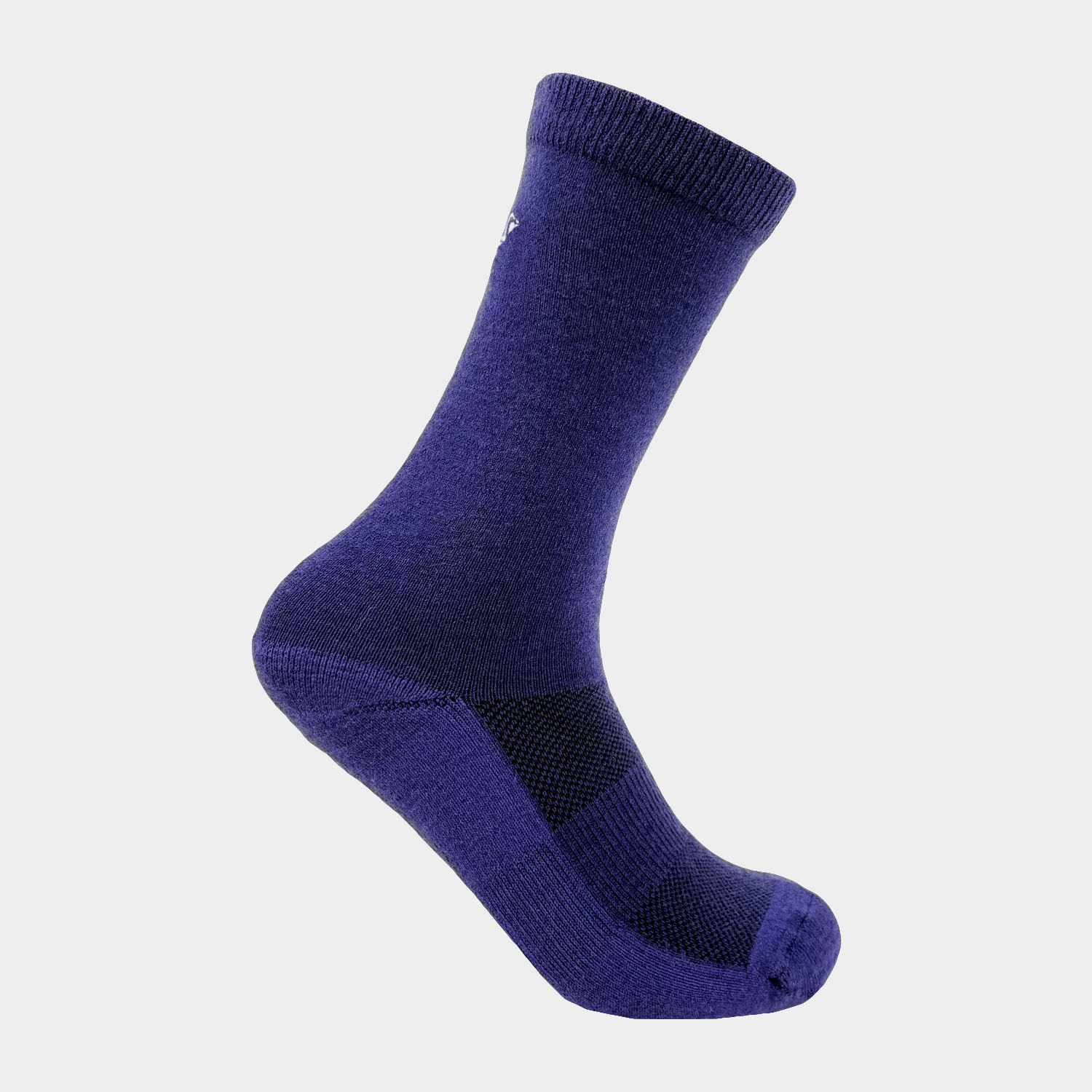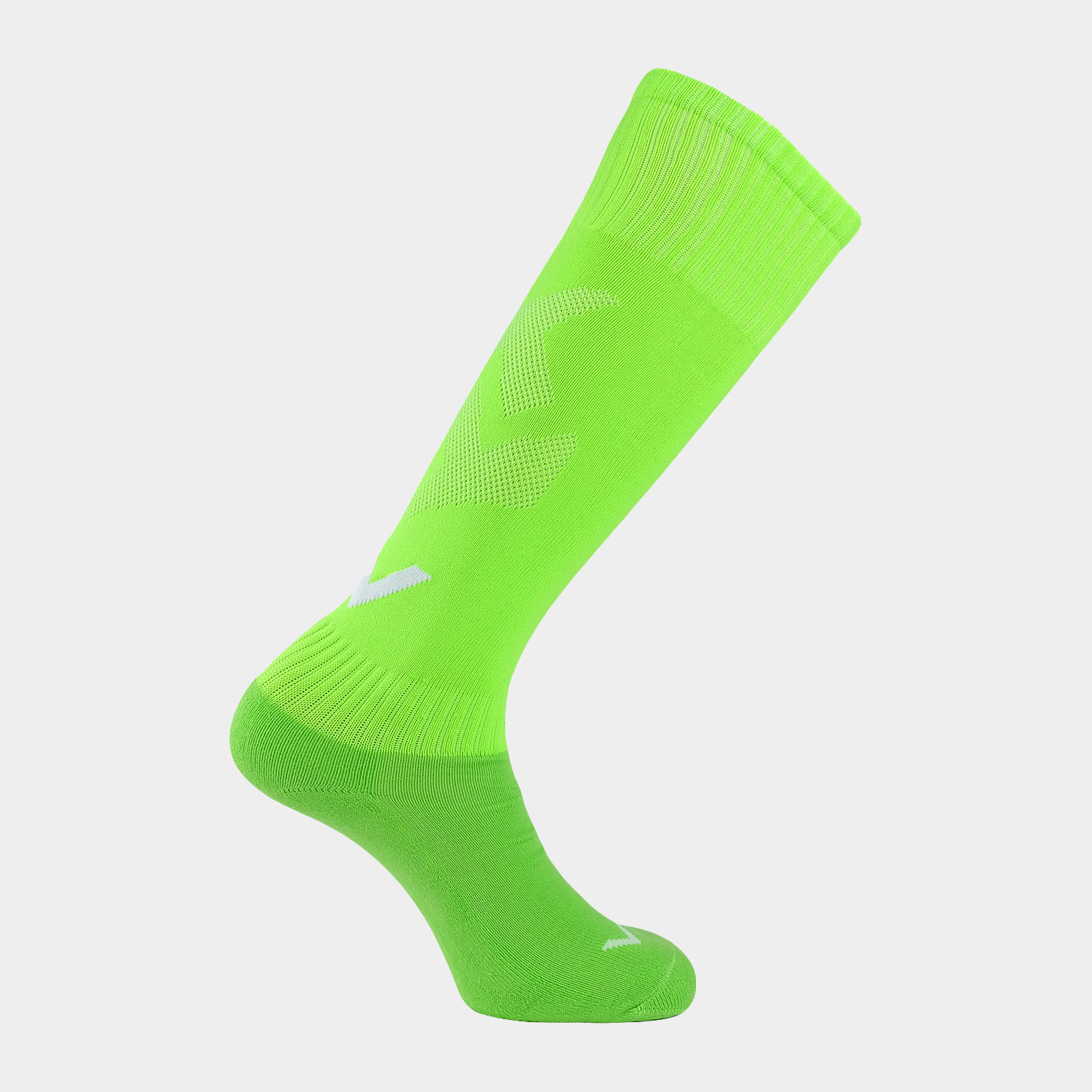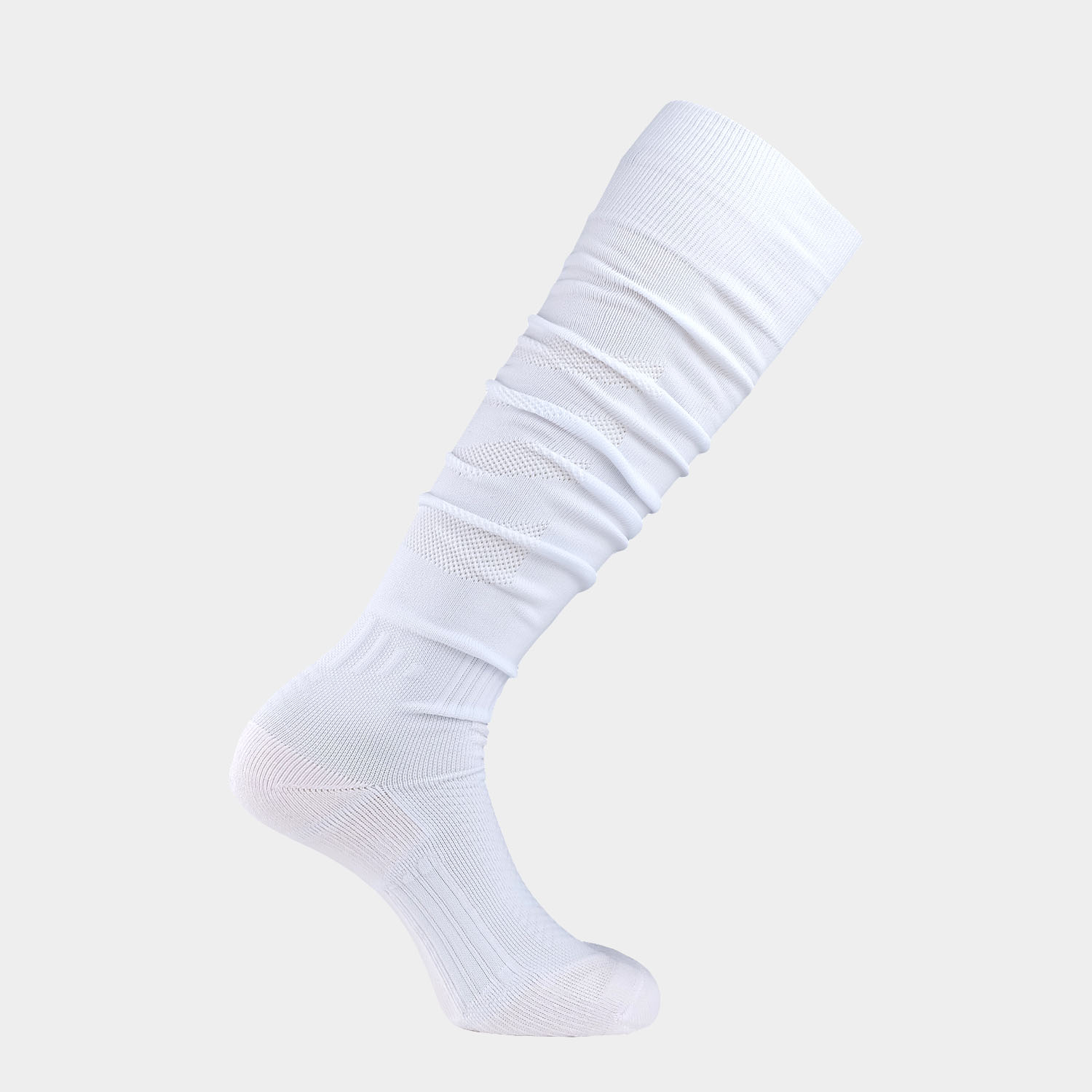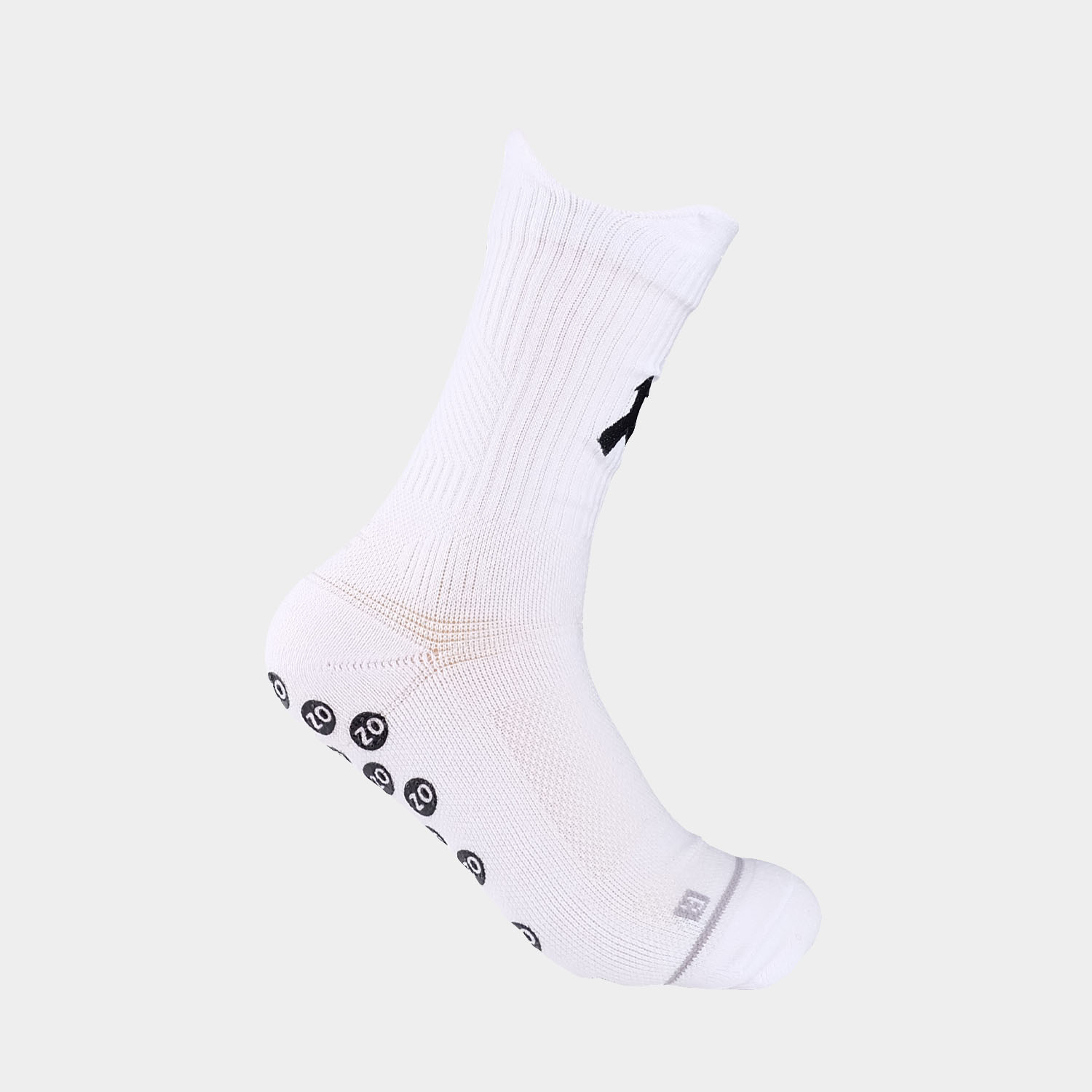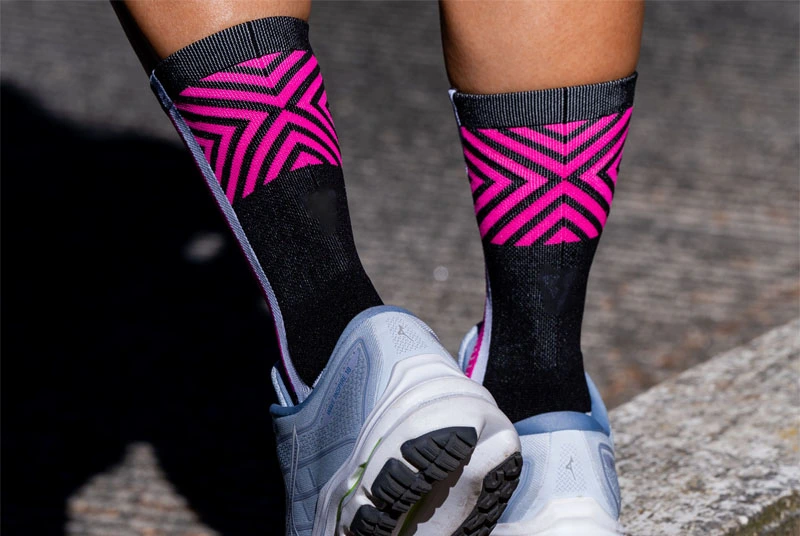

Compression socks put much higher demands on materials than ordinary socks. The fabric needs to stretch repeatedly, hold stable pressure, handle moisture, and stay supportive after long hours of wear.
That is why most compression socks rely on blended materials rather than a single fiber. Some blends work better for running. Others are built for travel, work shifts, recovery, or cold-weather use.
This guide looks at which materials actually perform well in compression socks, where different blends start failing, and why synthetic fibers still dominate most compression sock construction.
Why Compression Socks Need Different Materials Than Regular Socks
Regular socks are mainly designed for everyday comfort. Compression socks are built around controlled pressure.
That difference changes the material requirements completely.
A fabric that feels soft in casual socks may not hold stable compression after hours of wear. Compression socks need materials that can stretch repeatedly, maintain their shape, and stay supportive without quickly becoming loose around the ankle or calf.
The fit is also much tighter than ordinary socks. Heat buildup, trapped moisture, and friction become more noticeable during long flights, work shifts, or athletic use. Materials that work well in normal socks do not always perform the same way once compression is added.
This is why compression socks rely much more heavily on elastic and synthetic blends than standard everyday socks.
What Materials Are Commonly Used
Most compression socks are made from blended fabrics rather than a single material. Different fibers contribute different properties to the sock structure. Some improve stretch and recovery. Others help with durability, moisture control, or long-term wearing comfort.
The exact blend often changes depending on whether the socks are designed for travel, sports, workwear, recovery, or everyday use.

Nylon and Spandex
Nylon and spandex form the base of most compression socks on the market today.
Spandex provides the elasticity needed to create compression. It allows the sock to stretch while still applying controlled pressure around the leg. Nylon supports the structure around that stretch. It improves durability, helps the fabric recover after repeated wear, and reduces friction during movement.
This combination is one of the main reasons modern compression socks can maintain their shape after long hours of use and repeated washing.
Polyester
Polyester is often added to improve moisture management and reduce overall fabric weight. It dries quickly, performs consistently, and is relatively cost-effective for large-scale production.
Compared with many natural fibers, polyester usually feels lighter and less absorbent during long wear. Because of that, it appears frequently in athletic and everyday compression socks.
Nylon can also help move moisture, especially in thinner performance knits. In most cases, the difference is less about one fiber being “breathable” and another not. It is more about how manufacturers balance drying speed, durability, comfort, and production cost within the same blend.
Merino Wool
Merino wool is more common in premium travel, outdoor, and cold-weather compression socks.
It helps regulate temperature well and feels less clammy during extended wear. Wool blends are also popular for odor control, especially in hiking and long-flight compression styles where the socks may be worn for many hours continuously.
Most wool compression socks still combine merino with nylon and elastic fibers to improve durability and maintain compression stability.
Cotton
Cotton is softer and more familiar to many consumers, which is why it still appears in some everyday compression socks.
The downside is moisture retention. Cotton absorbs sweat more easily and dries more slowly than synthetic fibers. In compression products, higher cotton content can also reduce long-term shape recovery after repeated stretching.
For that reason, cotton is more commonly used in lighter casual compression socks rather than high-performance or medical-focused designs.
Why Most Compression Socks Use Synthetic Blends

Most compression socks rely heavily on nylon and spandex blends. The reason is simple: compression places far higher demands on fabric performance than ordinary socks.
A compression sock may stay under tension for hours at a time. The material needs to stretch repeatedly while still maintaining stable pressure around the foot and calf. If the fabric loses recovery too quickly, the compression becomes inconsistent and the sock starts feeling loose or unstable during wear.
Spandex provides the elasticity that makes compression possible. It allows the fabric to stretch while still returning to its original shape afterward. This is critical for maintaining compression over time instead of losing support after repeated use and washing.
Nylon plays a different role. It strengthens the structure around the elastic fibers, improves durability, and helps the sock handle friction during long wear. Compression socks fit tightly against the skin, so the fabric experiences more constant stress than regular everyday socks.
Using these fibers together creates a balance between stretch, recovery, and durability. That balance is one of the main reasons synthetic blends dominate modern compression sock manufacturing.
Are Cotton and Wool Compression Socks Worth It?
Natural fibers still appear in compression socks, but usually for comfort rather than compression performance itself.
Cotton Compression Socks
Cotton feels soft in regular socks. In compression socks, it is more complicated.
Once the fabric stays tight against the leg for hours, cotton tends to trap moisture and lose firmness faster than synthetic blends. The socks may feel comfortable at first, then gradually feel heavier, warmer, and less supportive during long wear.
This is one reason pure cotton compression socks are relatively uncommon.
Small amounts of cotton can still work in lighter everyday styles where softness matters more than long-term compression stability. But for travel, sports, recovery, or long shifts, cotton-heavy blends are usually not the strongest option.
Merino Wool Compression Socks
Merino wool performs differently.
It handles temperature changes well and feels less clammy during extended wear, especially in cold weather or during travel. Odor control is another reason wool blends appear in hiking and premium travel compression socks.
But wool only starts making sense in certain situations. Long flights, outdoor use, winter wear — those are the cases where the higher material cost becomes easier to justify.
For general daily compression wear, synthetic blends are still the more practical choice for most products.
Compression Sock Blends by Use
The same compression blend does not work equally well for every situation. Some products are built for long hours of sitting. Others are made for constant movement, colder environments, or daily workwear use.
In production, the blend usually changes with the actual wearing conditions.
Travel and Long Flights

Travel compression socks are often worn longer than people expect. A short flight turns into an entire airport day. Then the socks stay on during the hotel check-in, the taxi ride, sometimes even overnight.
That is why travel styles usually lean more toward comfort and moisture control than aggressive compression.
Merino wool blends work well here because they handle long wear better than many basic synthetic fabrics. Nylon and spandex still carry the compression structure underneath, but the wool helps reduce that damp, stuffy feeling that people often complain about during flights.
This is also one of the few compression categories where customers are usually more open to premium materials.
Running and Sports Recovery

Running compression socks get abused much harder.
The fabric stretches constantly, absorbs sweat, rubs against shoes, then gets washed over and over again. If the blend is too soft, the compression drops fast. If it is too thick, the socks start feeling hot halfway through a run.
Most performance styles end up using nylon-heavy synthetic blends for that reason. They hold structure better under repeated movement and usually survive washing cycles more consistently than softer natural-fiber blends.
Some brands add polyester to reduce weight and help the socks dry faster after heavy sweating, especially in thinner summer running styles.
Medical and Recovery Compression

Medical compression socks are usually built more around stability and long-wear comfort than athletic performance.
Cotton is often added to soften the feel against the skin, while nylon helps maintain structure and durability during repeated wear. Spandex still provides the stretch needed for consistent compression support.
Many medical styles also use higher needle constructions, such as 200-needle knitting, for a smoother and more refined feel during extended wear.
Cold Weather and Outdoor Use

Cold-weather compression socks are usually built thicker from the start.
Outdoor brands often increase the wool content slightly, especially for hiking, winter travel, or colder climates where warmth matters more than lightweight performance. But once compression is involved, the structure still depends heavily on synthetic support underneath.
Pure wool sounds appealing on paper. In reality, most fully wool compression socks lose stability too quickly once they go through repeated stretching and washing.
That is why even premium outdoor compression socks still rely heavily on nylon and elastic blends behind the scenes.
Common Material Problems in Compression Socks
A compression sock can feel supportive on the first wear and still turn into a bad product a few weeks later. Most problems people complain about are not caused by the compression level alone. The material blend usually plays a much bigger role than many buyers expect.
Sliding down is one of the most common complaints. The socks start tight in the morning, then gradually loosen around the calf after hours of wear. In many cases, the issue is not “insufficient compression.” The fabric simply cannot maintain stable recovery after repeated stretching.
Heat buildup is another common problem, especially in cheaper cotton-heavy blends or overly thick constructions. Compression socks already sit tightly against the skin, so once moisture gets trapped inside the fabric, the socks start feeling heavy, damp, and uncomfortable much faster than ordinary socks.
Some products also lose compression surprisingly quickly after washing. The socks may still look fine visually, but the support becomes noticeably weaker after repeated wear cycles. This usually shows up faster in lower-quality elastic blends or unstable fabric structures.
Then there is irritation. Sometimes it comes from rough yarns or stiff knitting. Sometimes the fabric simply traps too much moisture and friction during long wear. Compression socks are much less forgiving than normal socks once the fit becomes tight against the skin for an entire day.
This is why compression sock materials are usually judged by long-term performance rather than first-touch softness alone.
Conclusion
The best compression sock materials are usually blends, not single fibers.
Different use cases place different demands on the fabric, but long-term compression performance still depends heavily on stability, recovery, and durability. That is why synthetic blends continue to dominate most compression sock construction, even in products that include natural fibers like cotton or merino wool.
For brands and buyers, the real challenge is not choosing the “perfect” material. It is finding the right balance for the intended use.
Related Resources
→ Best Material for Running Socks: What Actually Matters
→ Why Nylon Is Essential For Durable Socks
→ Cotton Socks Vs Polyester Socks: Which is Better?
→ Best Sock Material for Sweaty Feet: What Actually Works?
→ Sock Material Guide: How to Choose the Best Material for Any Use
Explore more guides on sock materials, performance requirements, and manufacturing considerations.