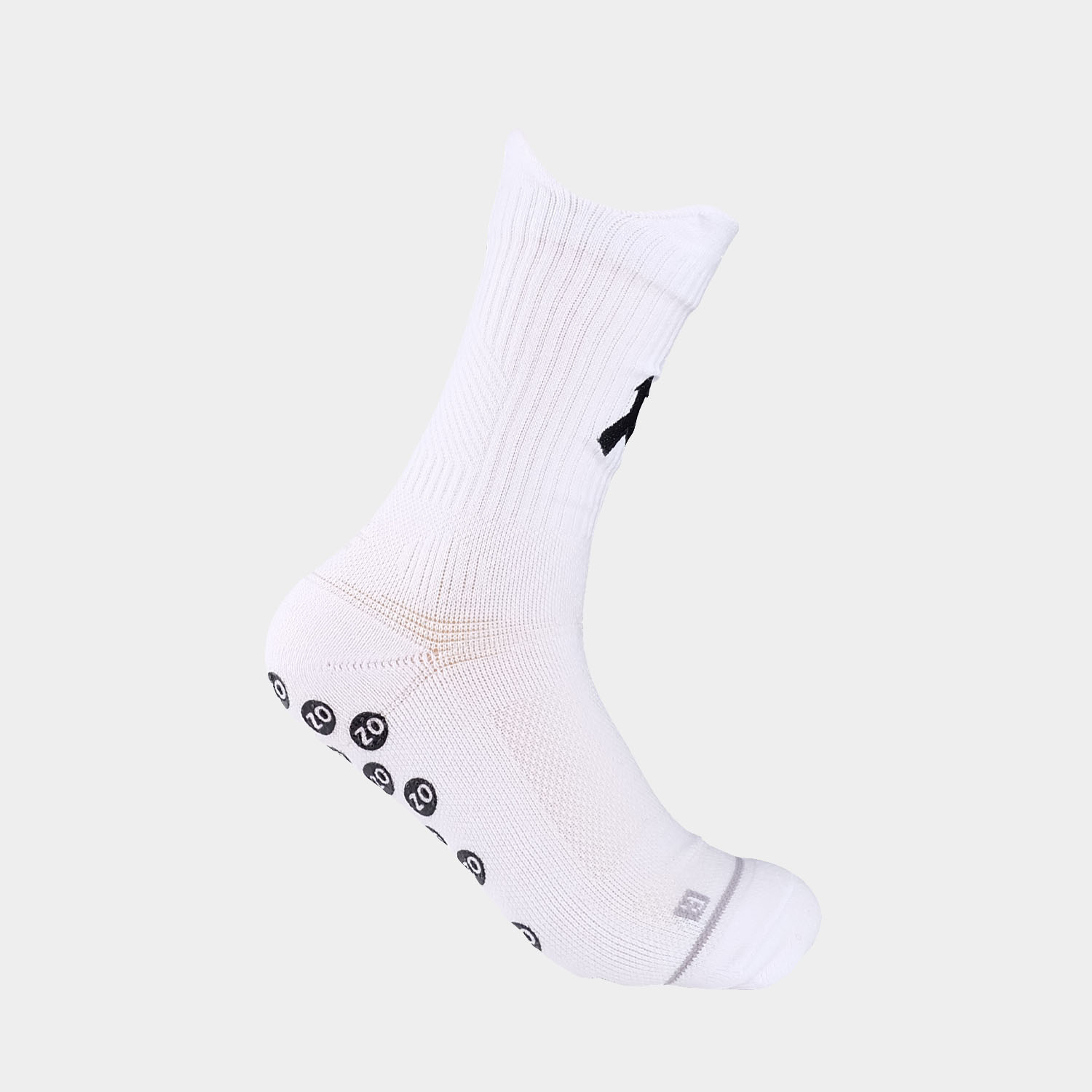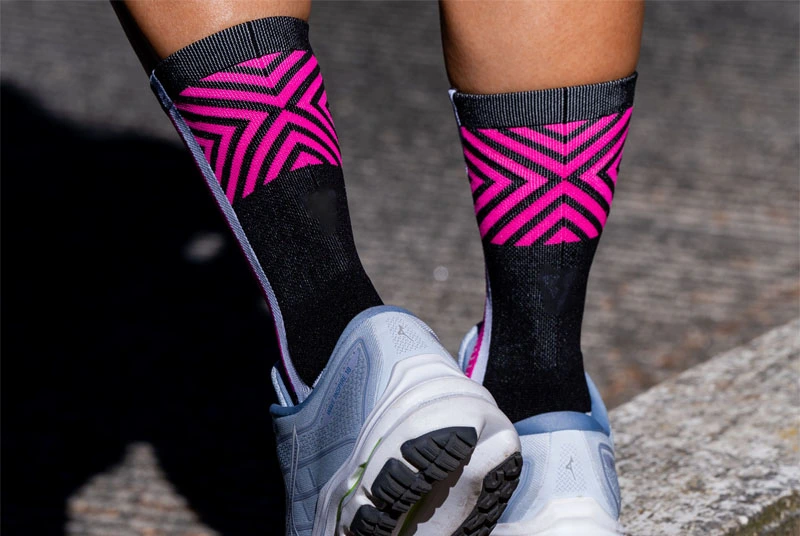

As the performance sock market continues to evolve, brands are looking for materials that offer both functionality and product differentiation. Alpaca compression socks, also known as alpaca wool compression socks, combine compression technology with the natural benefits of alpaca fiber, including lightweight warmth, moisture management, and softness. This guide explores the benefits, applications, and key sourcing considerations for developing alpaca compression socks.
Quick Overview
- Alpaca compression socks combinecompression technology with the natural advantages of alpaca fiber, offering lightweight warmth, softness, and moisture management for premium functional sock applications.
- Brands are exploring alpaca compression socks as a way to create differentiated products in growing markets such as outdoor, travel, sports recovery, and wellness.
- The right alpaca compression socks manufacturer should provide both alpaca fiber expertise and compression sock production capabilities, including yarn selection, pressure testing, and quality control.
- Alpaca and merino wool compression socks serve different market positions, with alpaca offering a unique premium fiber story for brands seeking product differentiation.
- Custom alpaca compression socks development requires the right balance of material selection, sock construction, compression performance, and manufacturing experience.
What Are Alpaca Compression Socks?
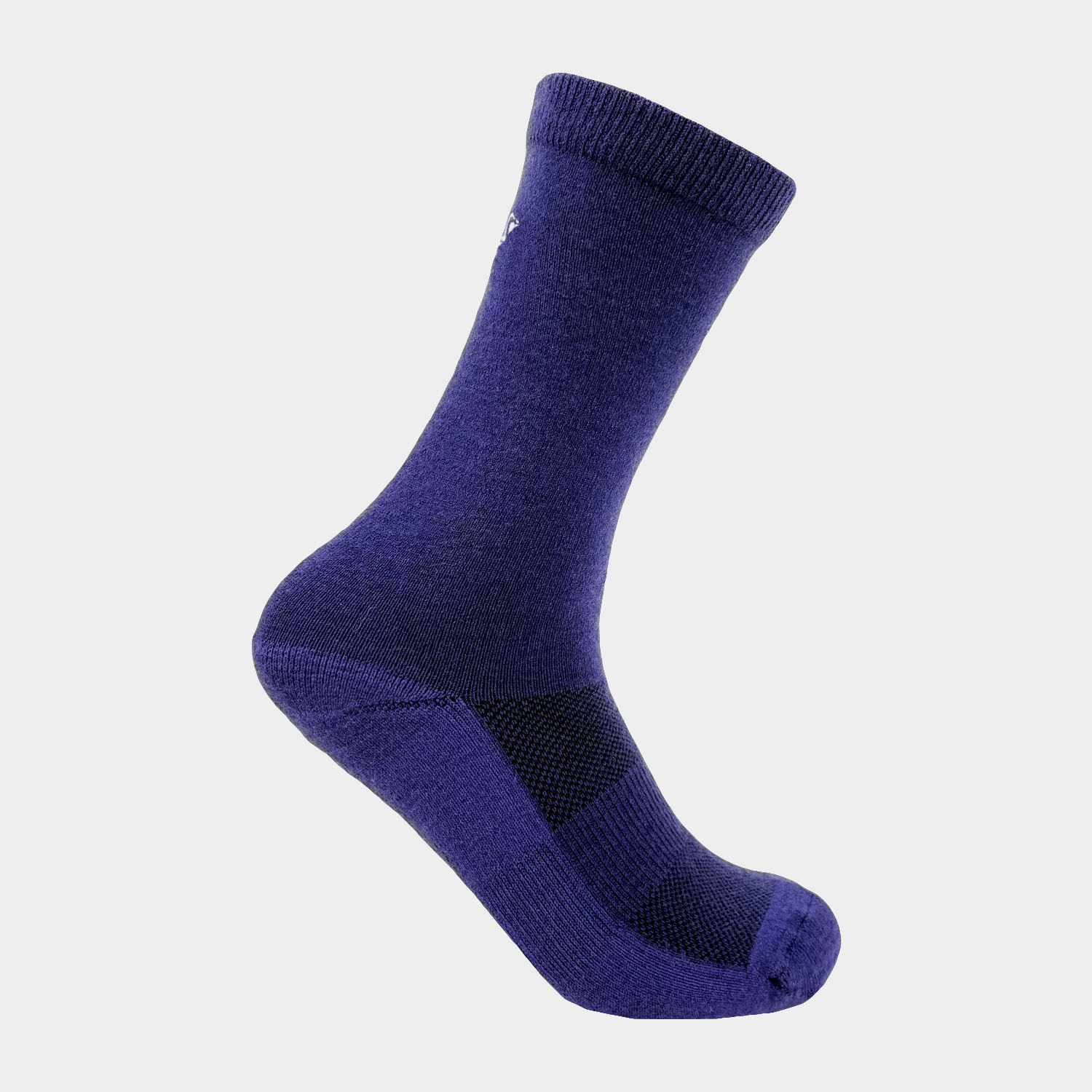
Alpaca compression socks are functional socks that combine alpaca fiber with compression technology. By applying targeted pressure through different areas of the sock, they provide enhanced support and comfort while utilizing the natural benefits of alpaca fiber, including lightweight warmth, moisture management, and softness.
Compared with traditional compression socks that often use synthetic fibers or merino wool, compression socks made from alpaca wool offer brands a more premium and differentiated material option for developing high-performance sock collections.
Why Are Brands Exploring Alpaca Compression Socks?
As consumers increasingly look for functional products with better comfort, performance, and material quality, the market is shifting from basic functionality toward premium experiences. The growing demand for natural fibers, sustainable materials, and high-end outdoor products creates new opportunities for value-added products like alpaca compression socks.
At the same time, compression socks are expanding beyond traditional athletic uses into areas such as travel, sports recovery, and everyday wellness. For brands evaluating whether alpaca compression socks are worth it, the opportunity is not about competing in a crowded mass market, but about creating a differentiated product with a premium fiber story and positioning opportunities in outdoor,wellness, and luxury functional sock categories.

Why Is Alpaca Fiber Suitable for Compression Socks?
The key alpaca compression socks benefits come from the combination of compression technology and the natural advantages of alpaca fiber. Compression socks need to balance support, comfort, and long-wear performance, and the natural properties of alpaca fiber make it a suitable material for this category.
First, alpaca fiber provides lightweight warmth without adding excessive bulk, making it suitable for outdoor activities, travel, and everyday wear. Its natural moisture management and breathability also help reduce discomfort caused by sweat and humidity during extended use.
In addition, alpaca fiber is known for its softness and premium feel, which can enhance the overall wearing experience. These benefits of alpaca socks make alpaca an attractive material choice for brands developing high-end functional sock collections beyond traditional synthetic or wool-based options.
How Do Compression Socks Work?
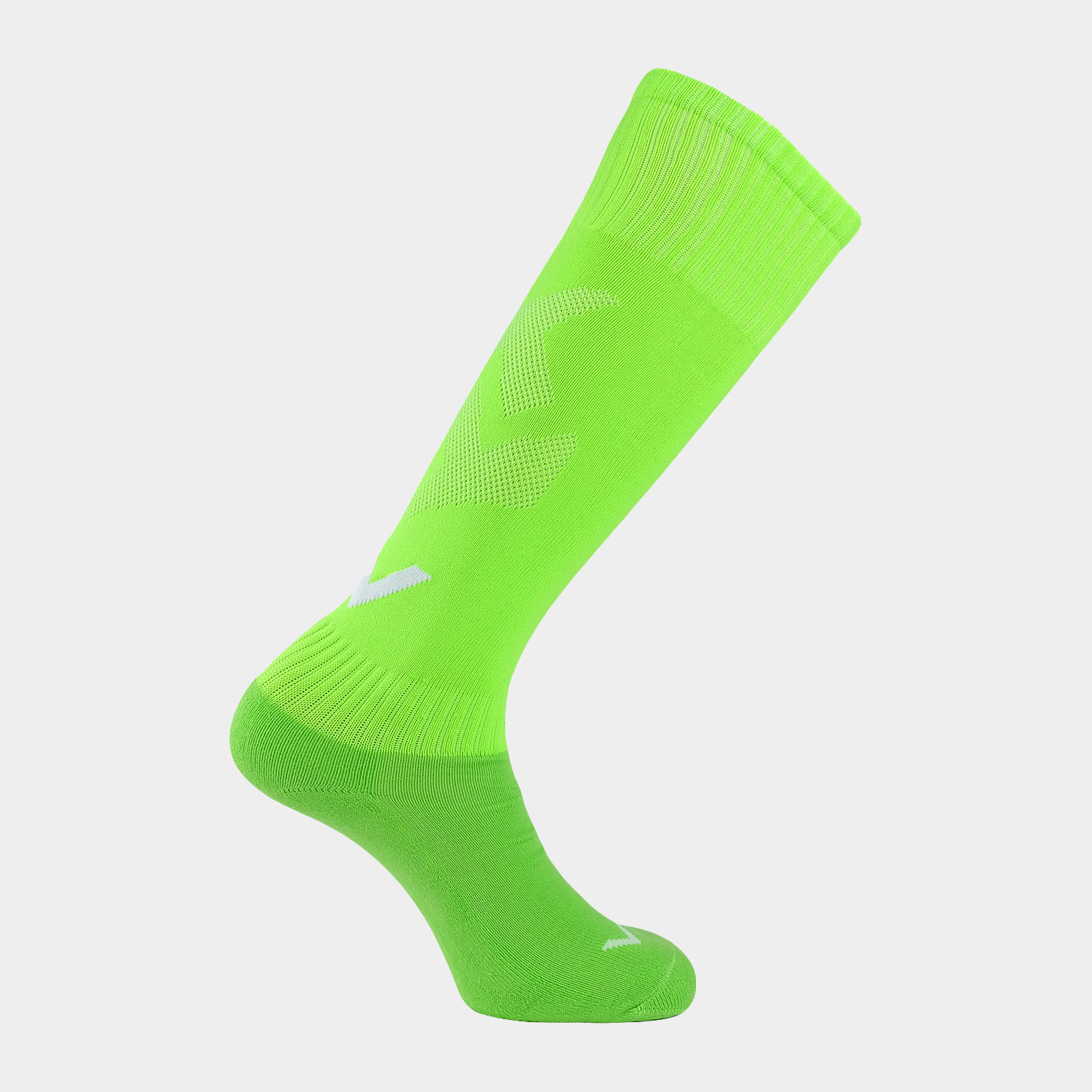
Compression socks provide graduated compression by applying different levels of pressure across different areas of the sock. Typically, the pressure is tighter around the ankle and gradually decreases toward the upper part of the leg. This design helps improve support, enhance the fit, and provide greater comfort during extended periods of wear.
Compared with regular socks, compression socks offer additional functional benefits, making them suitable for applications such as sports recovery, long-distance travel, outdoor activities, and everyday wellness.
For brands, compression technology creates a clear functional selling point for sock products. When combined with alpaca fiber, it can further enhance comfort and premium positioning, helping brands develop more differentiated performance sock collections.

Applications of Alpaca Compression Socks
With the combination of compression technology and the natural benefits of alpaca fiber, alpaca compression socks can serve a variety of functional and lifestyle applications.
Outdoor & Hiking
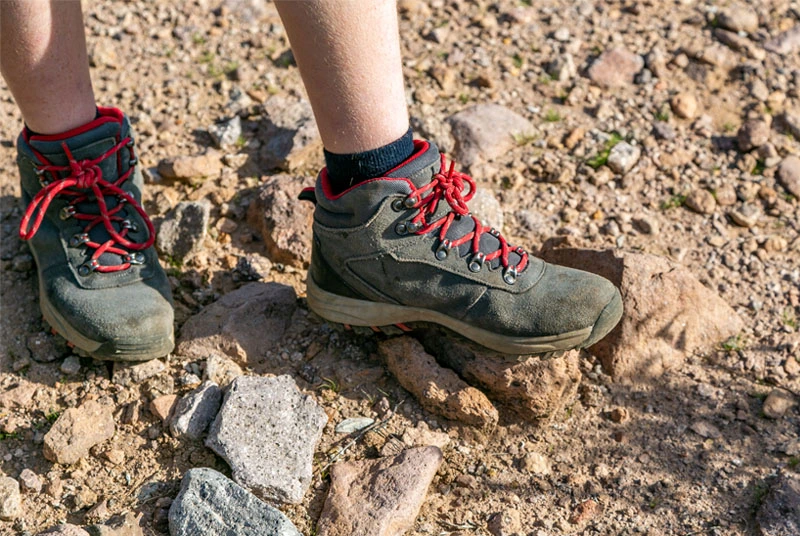
For hiking, trekking, and outdoor activities, socks need to provide warmth, moisture management, and long-lasting comfort. Alpaca compression socks offer outdoor brands an opportunity to develop premium performance socks with both functional and material advantages.
For different customer needs, brands can also explore product variations such as alpaca compression socks wide calf designs, providing improved fit and comfort options for different users.
Travel & Everyday Wear
Long-distance travel and daily activities often require socks that provide lasting comfort and support. The combination of compression features and alpaca fiber softness makes alpaca compression socks suitable for travel socks and everyday functional wear.
Sports Recovery & Performance
Compression socks are widely used in sports recovery applications. By incorporating alpaca fiber, brands can create recovery-oriented products that combine performance benefits with a premium material story.
Wellness & Lifestyle Market
As consumers increasingly focus on comfort, wellness, and high-quality lifestyle products, functional socks are expanding into broader everyday markets, creating new opportunities for brands to develop differentiated sock collections.
What Should Brands Consider When Sourcing Alpaca Compression Socks?

Developing alpaca compression socks requires more than just high-quality alpaca fiber. Brands need a manufacturing partner with expertise in alpaca sock production as well as experience in compression sock manufacturing. Compared with regular alpaca socks, compression socks require greater attention to yarn selection, elasticity control, knitting structure, and pressure performance testing.
Alpaca Fiber Quality & Supply Capability
A stable alpaca yarn supply is essential for maintaining consistent product quality. When selecting a supplier, brands should consider whether the manufacturer has experience producing alpaca socks, reliable yarn sourcing channels, and proper quality control processes.
An experienced alpaca sock manufacturer can provide different fiber blend solutions based on product requirements, helping brands achieve the right balance between softness, durability, comfort, and performance.
Compression Technology & Pressure Testing Capability
Compression socks require precise control of elasticity and pressure distribution to ensure consistent performance. A qualified manufacturer should have experience producing compression socks and the ability to verify product performance through professional pressure testing.
Factory Insights
Our factory can provide different knitting configurations, including 96, 108, 144, 168, and 200 needles, depending on product requirements. For compression sock projects, we have a dedicated laboratory for pressure testing and provide free pressure testing during the sampling and mass production stages to help ensure product consistency.
Sock Construction & Durability Performance
For functional socks, material selection and construction need to work together. While alpaca fiber provides softness, warmth, and a premium feel, adding materials such as nylon and elastane can improve elasticity, abrasion resistance, and overall product lifespan.
Our wool sock products have been professionally tested for durability, achieving up to 100,000 abrasion cycles, helping meet the performance requirements of outdoor, sports, and long-wear applications.
When developing custom alpaca compression socks, choosing a manufacturer with both alpaca expertise and compression sock capabilities can help brands reduce development risks and create market-ready products.
Alpaca vs Merino Wool Compression Socks: What’s the Difference?
Both alpaca fiber and merino wool are premium natural fibers commonly used in high-performance socks. They offer excellent warmth, comfort, and moisture management, but they provide different advantages for brands depending on their product positioning and target market.
Comparison | Alpaca Compression Socks | Merino Wool Compression Socks |
Warmth | Offers excellent warmth-to-weight performance with a lightweight feel | Provides excellent warmth and has strong market recognition |
Comfort | Known for its softness and premium feel, suitable for high-end positioning | Soft, breathable, and widely used in performance socks |
Market Positioning | More differentiated and suitable for premium niche product lines | A mature category with broader consumer awareness |
Brand Opportunity | Ideal for brands seeking a unique natural fiber story and premium positioning | Suitable for established premium performance sock markets |
For brands looking to create differentiated functional sock collections, alpaca compression socks offer an alternative to traditional merino wool options. By combining compression technology with the unique properties of alpaca fiber, brands can explore opportunities in premium outdoor, wellness, and specialty performance sock markets.
Custom Alpaca Compression Socks Manufacturing
Developing successful alpaca compression socks requires a manufacturer with both alpaca fiber expertise and functional sock production capabilities. From yarn selection and sock construction to pressure testing and mass production, each step plays an important role in ensuring product comfort, performance, and consistency.
As an experienced sock manufacturer, we provide customized alpaca compression sock solutions based on brand requirements, including:
- Alpaca fiber blend recommendations and yarn selection
- Different compression levels and sock construction options
- Custom colors, logos, packaging, and product development support
- Sampling, performance testing, and quality control during production
With stable supply chain management, professional manufacturing capabilities, and experience in producing functional socks, we help brands develop premium alpaca compression socks for outdoor, sports, travel, and wellness markets.
If you are looking for a reliable custom alpaca compression socks manufacturer, contact us to discuss your product development needs.
FAQ
Are alpaca compression socks good?
Yes. Alpaca compression socks combine the support of compression technology with the softness, warmth, and moisture management of alpaca fiber, making them a premium option for functional sock applications.
Are alpaca compression socks good for you?
Alpaca compression socks can be a good choice for users who need comfortable support and temperature regulation. The right option depends on the intended use and suitable compression level
What are the best alpaca compression socks?
The best alpaca compression socks should balance alpaca fiber quality, compression performance, durability, and overall comfort for the intended application.
Related Resources
→ Wholesale Compression Socks for Running: The Definitive Guide for Buyers
→ Merino Wool vs Alpaca: Best Choice for Custom Socks
→ Why Alpaca Socks Are Gaining Attention Beyond Wool
→ Custom Hiking Socks: A Complete Guide for Outdoor Brands
→ Best Material for Compression Socks: What Actually Works Best?