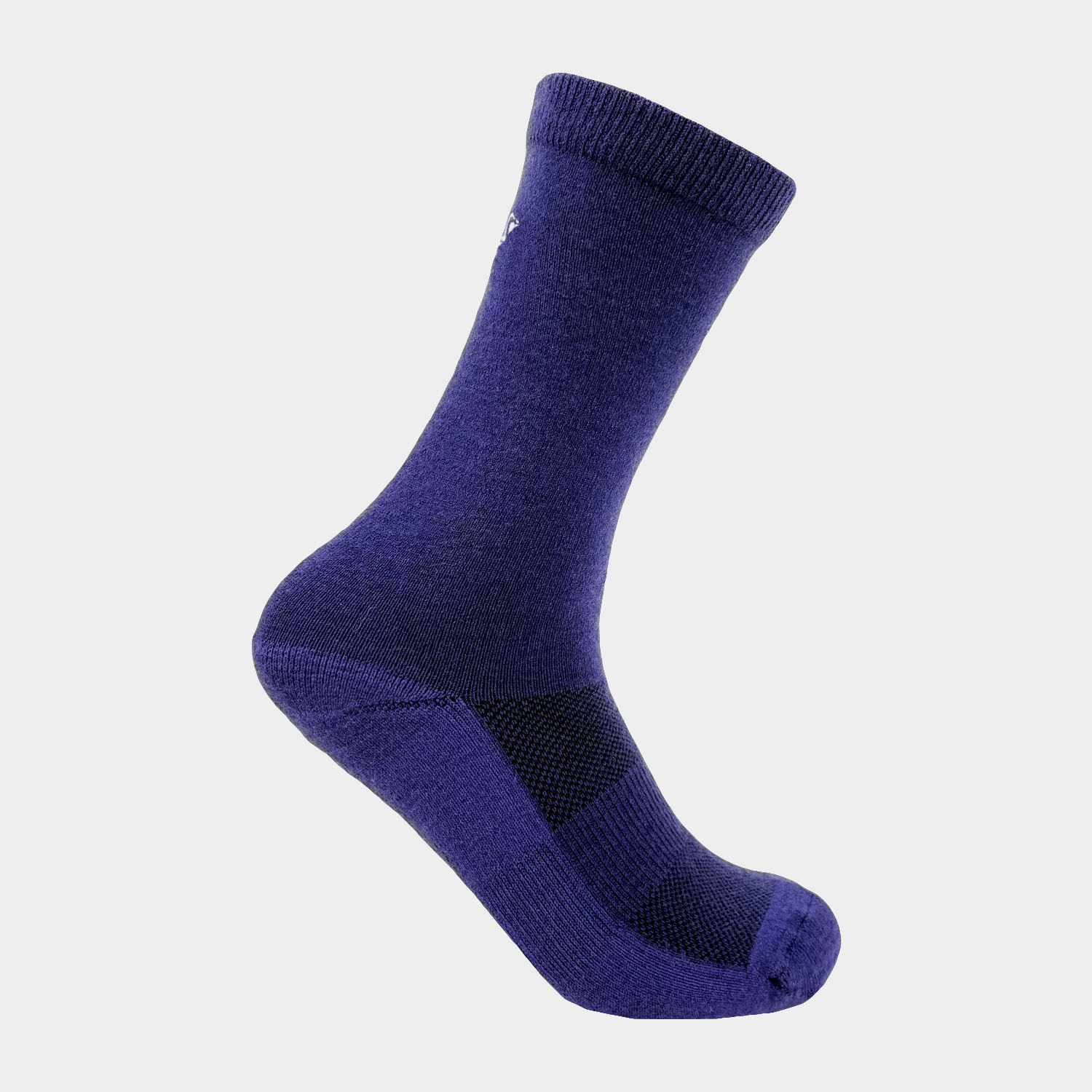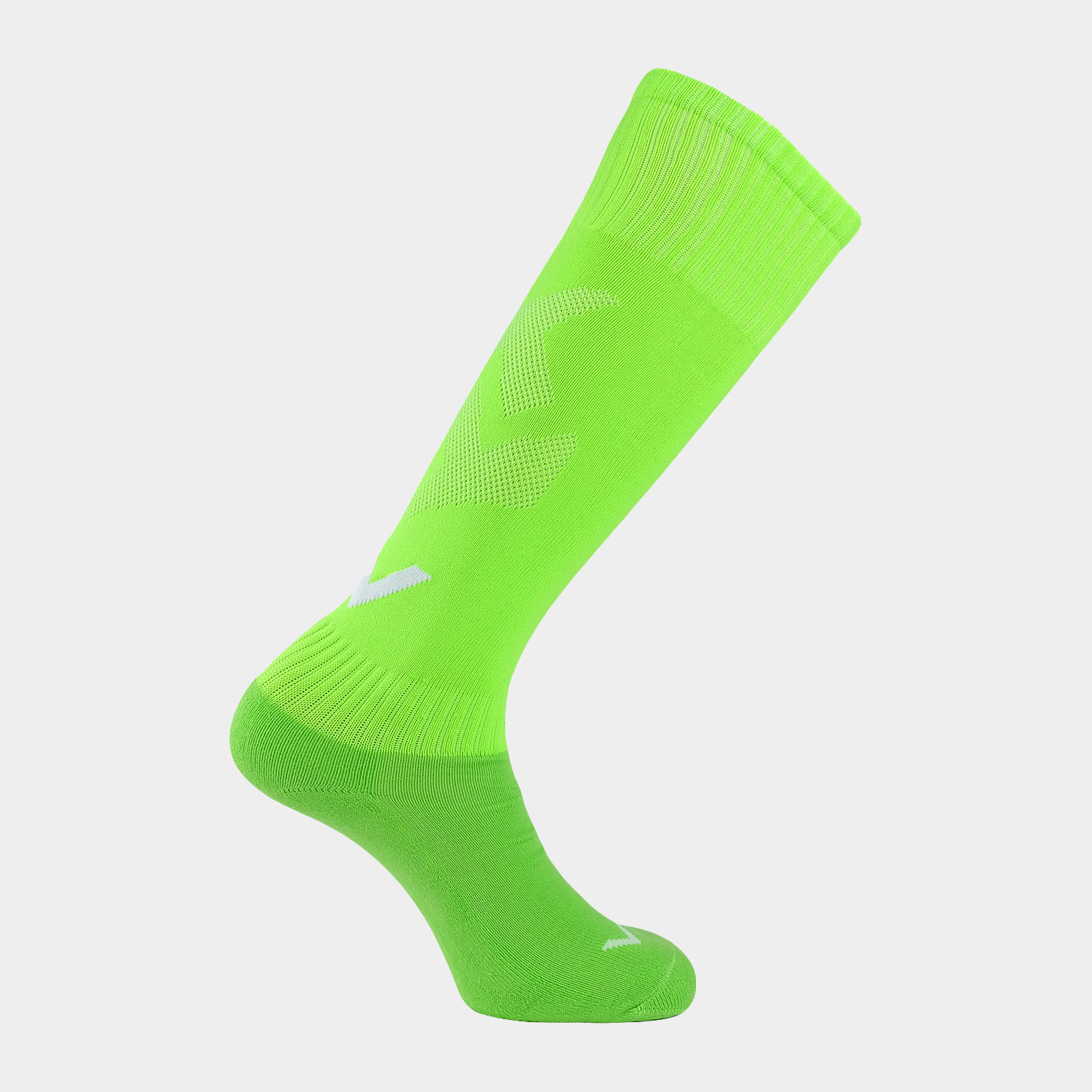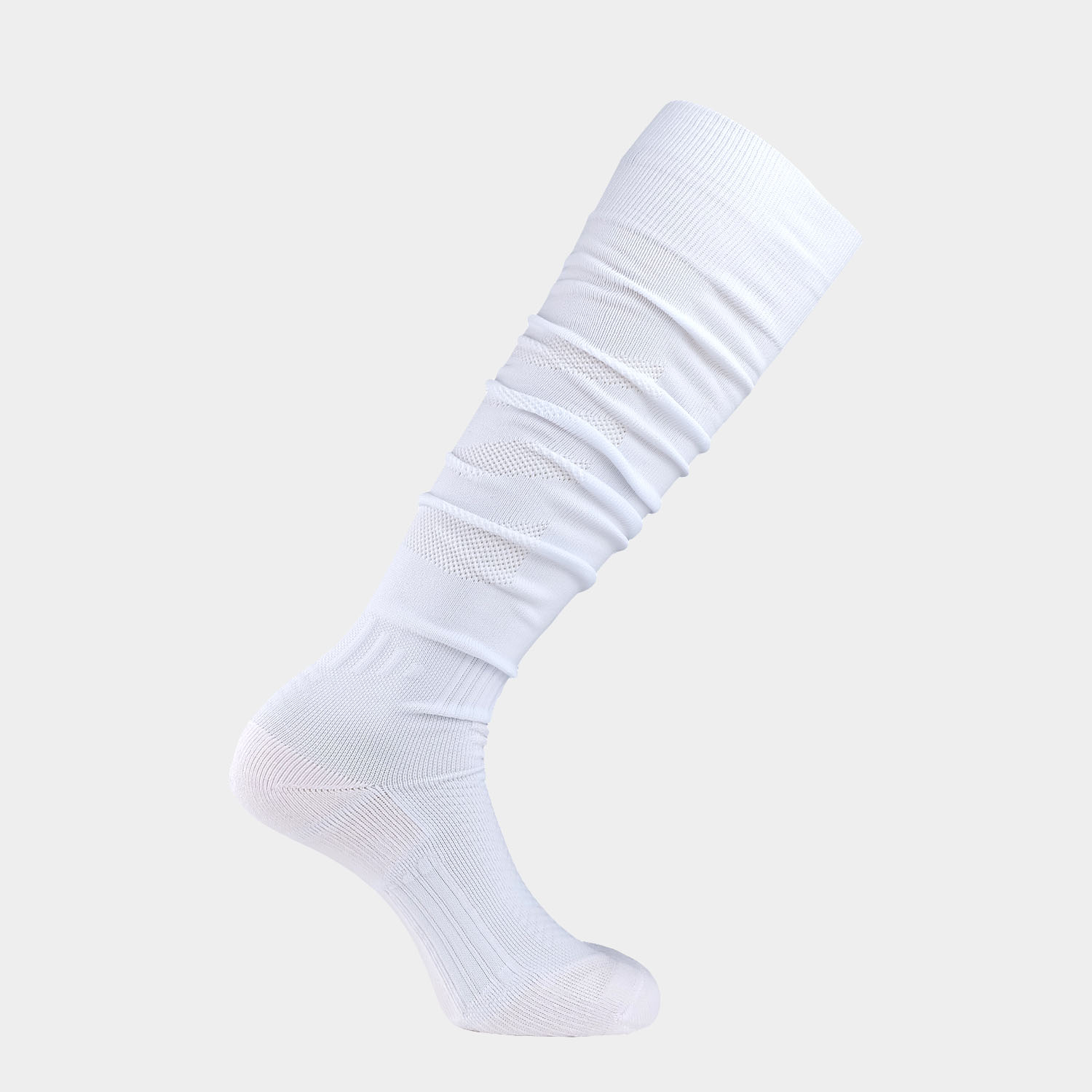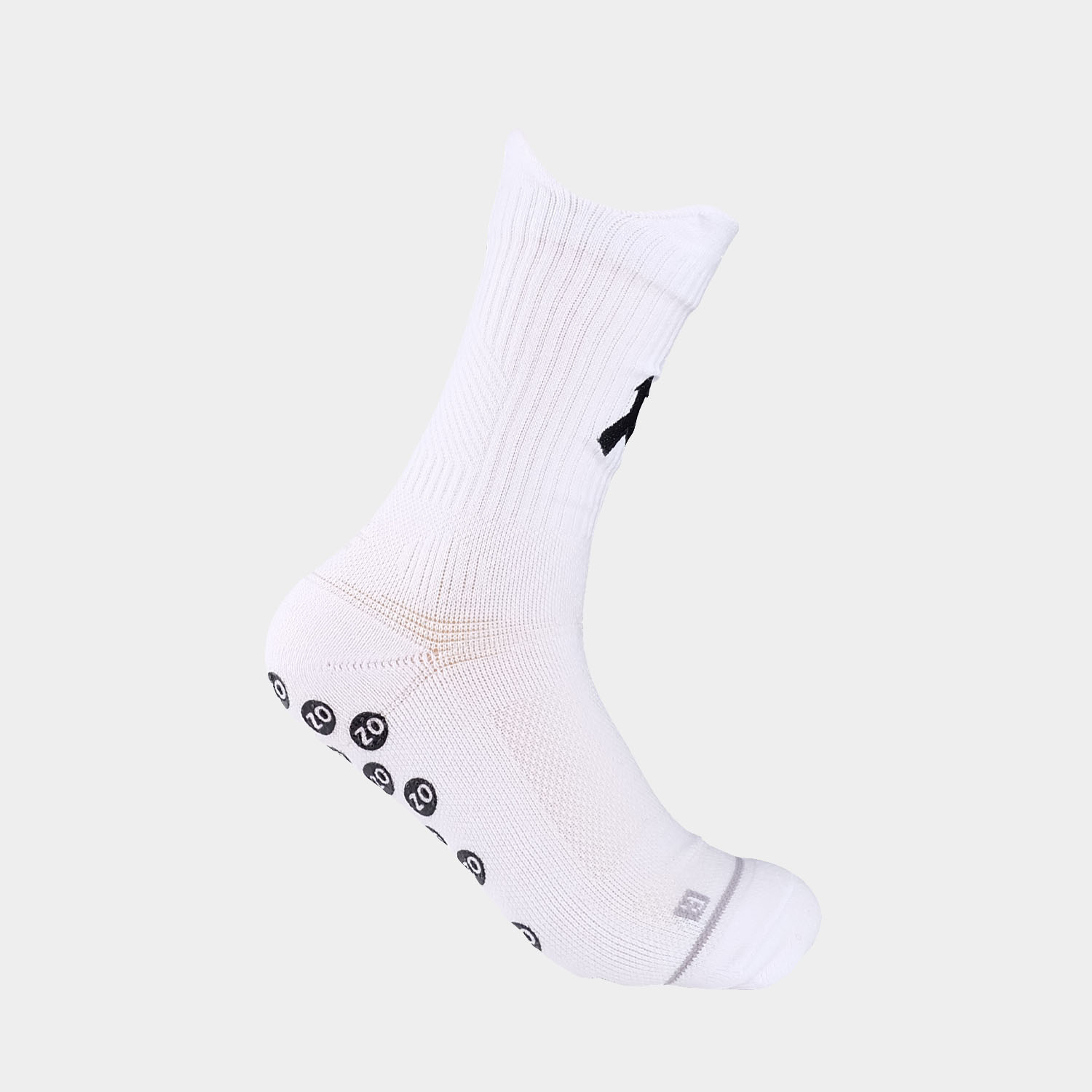
A few years ago, cycling socks were just another piece of sports clothing. Now they are made for specific riding conditions, tight shoe fit, temperature control, and hours of repeated pedaling. Road racing, weekend group rides, and city commuting have all pushed sock design in different directions.
What makes cycling socks different from regular athletic socks? How do materials change performance? And why does cycling culture keep influencing sock design? This article answers those questions.
What Is Special About Cycling Socks?
Cycling socks work in a different environment than regular sports socks. Your foot stays inside a tight cycling shoe for hours. You repeat the same pedaling motion thousands of times. Heat builds up. Pressure stays around the forefoot. Airflow is limited inside the shoe.
This is why cycling socks are usually thinner and more fitted than regular athletic socks. Thick cushioning is not the main goal. Moisture management matters more. So does ventilation and fit precision. A bulky sock can create pressure points. It can also feel unstable inside a tight cycling shoe.
Many cycling socks use mesh ventilation zones. They also use lightweight synthetic blends. These help sweat evaporate faster on hot rides. Light compression around the arch or ankle keeps the sock in place. You don’t get extra bulk, but the sock stays put during pedaling.
Cycling culture has also changed sock design. High cuff socks became popular for coverage and fit. But they also became part of cycling identity and team style. Today, cycling socks are made for comfort, fit consistency, and long rides.

Best Materials for Cycling Socks
Most cycling socks use blended materials. One single fiber is rarely enough. Different materials handle moisture, fit, durability, and temperature control. The best material also depends on weather and how hard you ride.
Polyester for Moisture Management
Polyester is one of the most common materials in cycling socks. Cycling creates constant heat inside tight shoes. Sweat and heat build up around your foot during long rides. This is even more noticeable in warm weather or on an indoor trainer where airflow is low.
Lightweight polyester yarns help moisture evaporate faster. The sock feels drier and lighter over time. This is why many road cycling socks use thin synthetic fabrics instead of thick cushioned ones. In performance cycling, managing heat and moisture matters more than adding softness or padding.
Polyester also works well with mesh ventilation zones. Together, they improve airflow. The sock stays lightweight and close fitting inside narrow cycling shoes.
Nylon for Durability and Structure
Cycling socks are often thin. But they still need to be durable. They face repeated friction inside performance shoes. Nylon is often added around the heel and toe. It improves abrasion resistance and reduces wear on long rides.
Nylon also helps lightweight socks keep their shape. Without enough structure, thin cycling socks can lose fit over time. They may start bunching inside the shoe after repeated use.
Merino Wool for Cold Weather Cycling
Merino wool is common in winter cycling socks. It provides warmth without making the sock too thick. Cold weather riding still makes you sweat, especially on climbs or long efforts. Insulation alone is not enough.
Merino wool balances warmth and moisture control at the same time. That is why you see it in winter road cycling, gravel riding, and cold weather commuting. Many winter cycling socks use merino blends instead of pure wool. This improves durability and fit stability.
Elastane for Stretch and Fit
Elastane is used in smaller amounts. But it still plays an important role. It keeps cycling socks fitted and stable during pedaling. A small amount of stretch helps the sock stay close to your foot. It does this without adding bulk inside tight cycling shoes.
Why Do Cyclists Wear High Socks?
High socks are now a common part of cycling clothing. People often connect them with cycling style. But the preference for higher cuffs also came from practical needs and performance focused design.
Protection and Stability
Higher cycling socks give you more coverage around the ankle and lower leg. This can reduce friction from your shoes. It also protects your skin from the sun on long rides. Some riders like the more secure feeling of a taller close fitting sock. This is especially true during repetitive pedaling.
In cooler conditions, higher socks provide a small amount of warmth. You don’t need thicker materials to get this. Road cyclists especially like this approach. They prefer lightweight layers over bulky gear.
Cycling Style and Identity
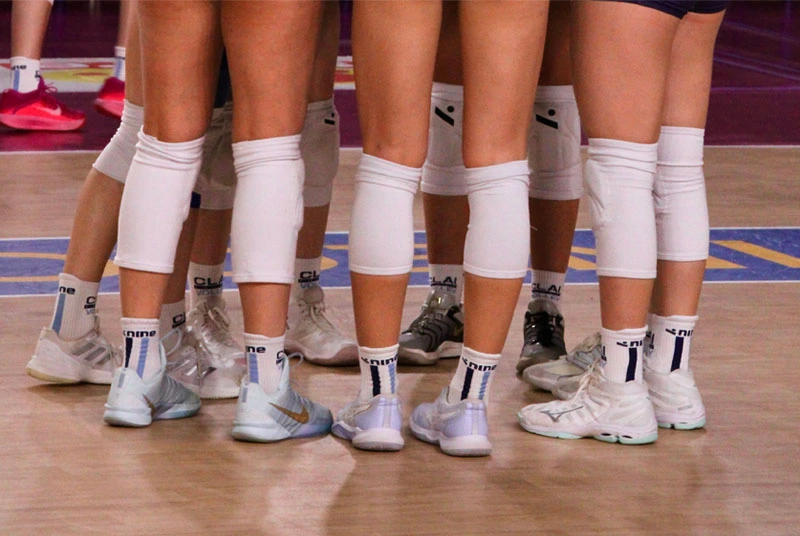
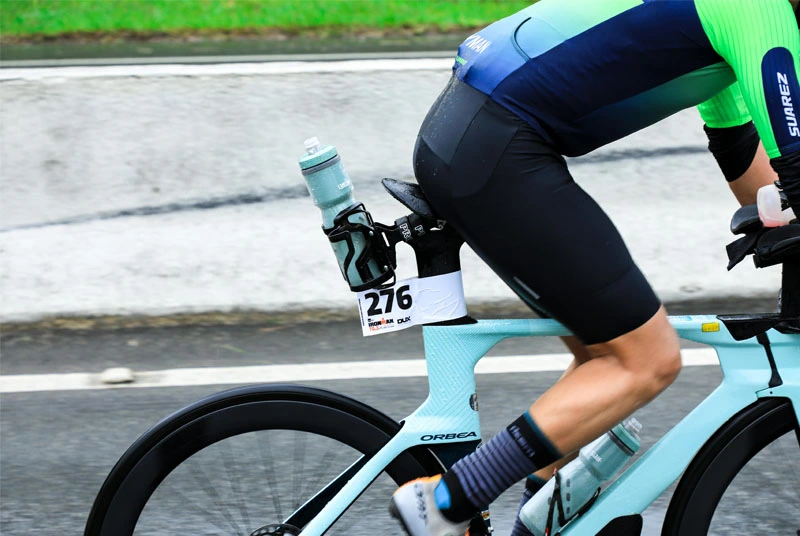
Over time, high cuff socks became part of cycling culture and visual identity. Professional racing helped make them popular. So did club kits and coordinated clothing. Taller cycling socks are now a recognizable style in the sport.
Today, sock height is often part of the overall riding look. This is especially true in road cycling communities and team environments. Many custom cycling socks are made for performance. But they are also made to match club branding, race kits, and modern cycling aesthetics.

Best Cycling Socks for Different Riding Conditions
Different riding environments create different needs. Temperature, riding intensity, and shoe fit all affect which materials and designs work best.
Best Road Cycling Socks
Road cycling socks are lightweight and thin. Breathability is a priority. Most designs focus on ventilation, moisture management, and a close fit inside narrow cycling shoes. Compression style arch support and mesh knit zones appear often in performance road cycling socks.
Best Winter Cycling Socks
Winter cycling socks focus on insulation and moisture balance. Merino wool blends are a common choice. They add warmth without making the sock too bulky inside a tight cycling shoe. Many winter models run higher than summer socks. The extra coverage helps in cold conditions.
Best Cycling Socks for Hot Weather
Hot weather cycling socks reduce heat buildup on long rides. Thin polyester blends and lightweight construction keep the foot cooler. Mesh ventilation zones improve airflow. Most summer cycling socks use very little cushioning. Heavy padding traps heat, so minimal cushioning works better in warm weather.
Urban Commuting and Everyday Cycling
Commuting socks focus on versatility rather than race performance. Softer materials or slightly more cushioning make them more comfortable for daily use. These socks work both on the bike and during regular activities off the bike.
Custom Cycling Socks for Clubs and Brands
Custom cycling socks are widely used by cycling clubs, event organizers, and apparel brands. Visual identity is one reason. But many custom projects also focus on fit, material selection, and riding specific performance.
Team Identity and Event Socks
Cycling clubs and events often use custom socks as part of coordinated riding kits. Matching socks create a more consistent team appearance during races, group rides, and cycling events. High cuff designs are especially common. They fit modern cycling aesthetics and leave more visible space for branding.
Material and Design Customization
Custom cycling socks can be adjusted in several ways. Yarn selection, knit structure, cuff height, compression zones, and ventilation placement are all variable. Different combinations suit different needs. Some socks are made for hot weather. Others are built for winter cycling, racing, or everyday commuting.
Logo integration and color matching are also part of design customization. Patterned knitting can align with club or brand identity.
Performance Requirements for Custom Cycling Socks
Performance focused custom cycling socks prioritize moisture management, lightweight construction, and fit stability inside tight cycling shoes. Thin socks still need enough durability around high friction areas. Long distance riding and repeated washing both demand stronger construction around the heel and toe.
Many cycling brands prefer blended material constructions. A good blend balances ventilation, stretch, and structural support without adding extra bulk.
Conclusion
Cycling socks have become more specialized as the sport has grown. Different riding conditions now affect how they are made. Material choice, ventilation, fit, and compression structure all vary by use case.
For cycling brands and clubs, custom socks are no longer just accessories. They support rider comfort, team identity, and modern cycling clothing design.
Brands or clubs developing custom cycling socks should choose materials and construction carefully. The right choices affect long term performance and product quality.