Made-to-order volleyball socks have to do more than match a team uniform, because they need to stay secure through quick lateral movements and jumps, remain comfortable across training and matches, and reproduce team colours and logos consistently across an entire order. Sports brands, clubs, schools, and distributors all face the same balancing act when developing them, since design preferences have to be weighed against construction, material selection, and manufacturing requirements. This guide explains the main options for custom volleyball socks and shows how a design concept becomes a production-ready product.
Choose the right style for custom volleyball socks
Height and construction affect both the appearance of a team uniform and how the socks perform during play, which is why these choices deserve attention before colours or graphics are considered. Playing environment, footwear, kneepads, and the preferences of the intended users should all inform that decision.
Sock length options
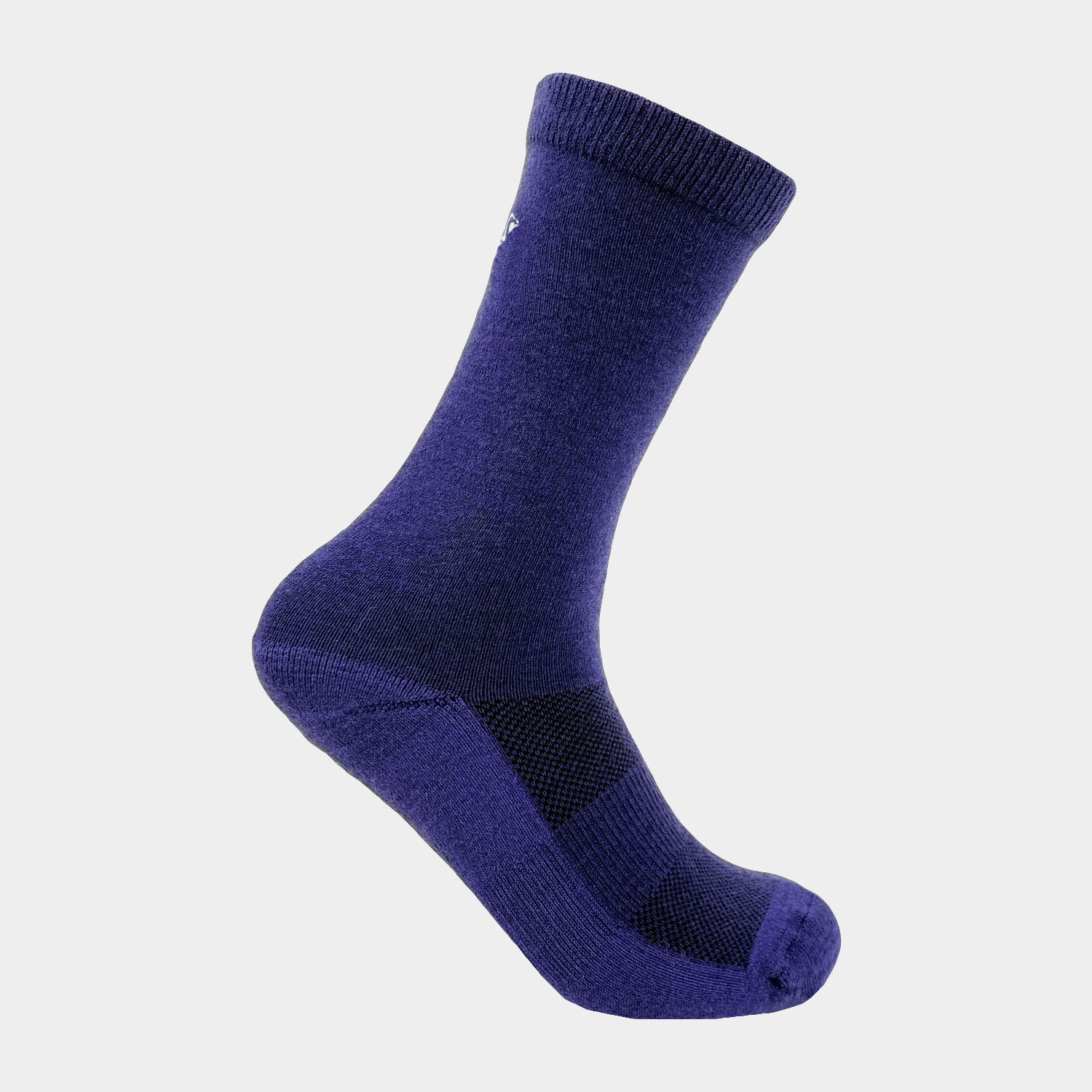
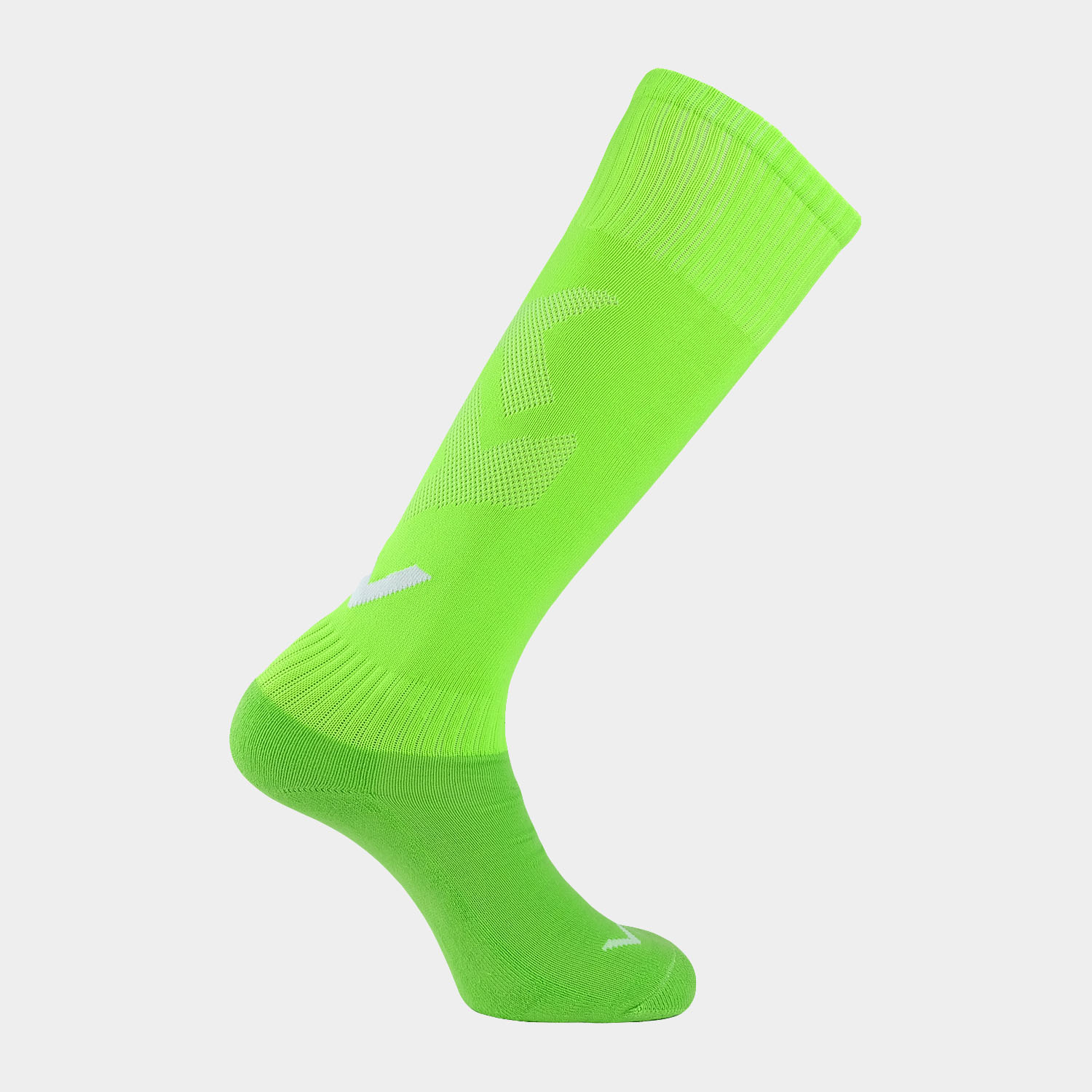
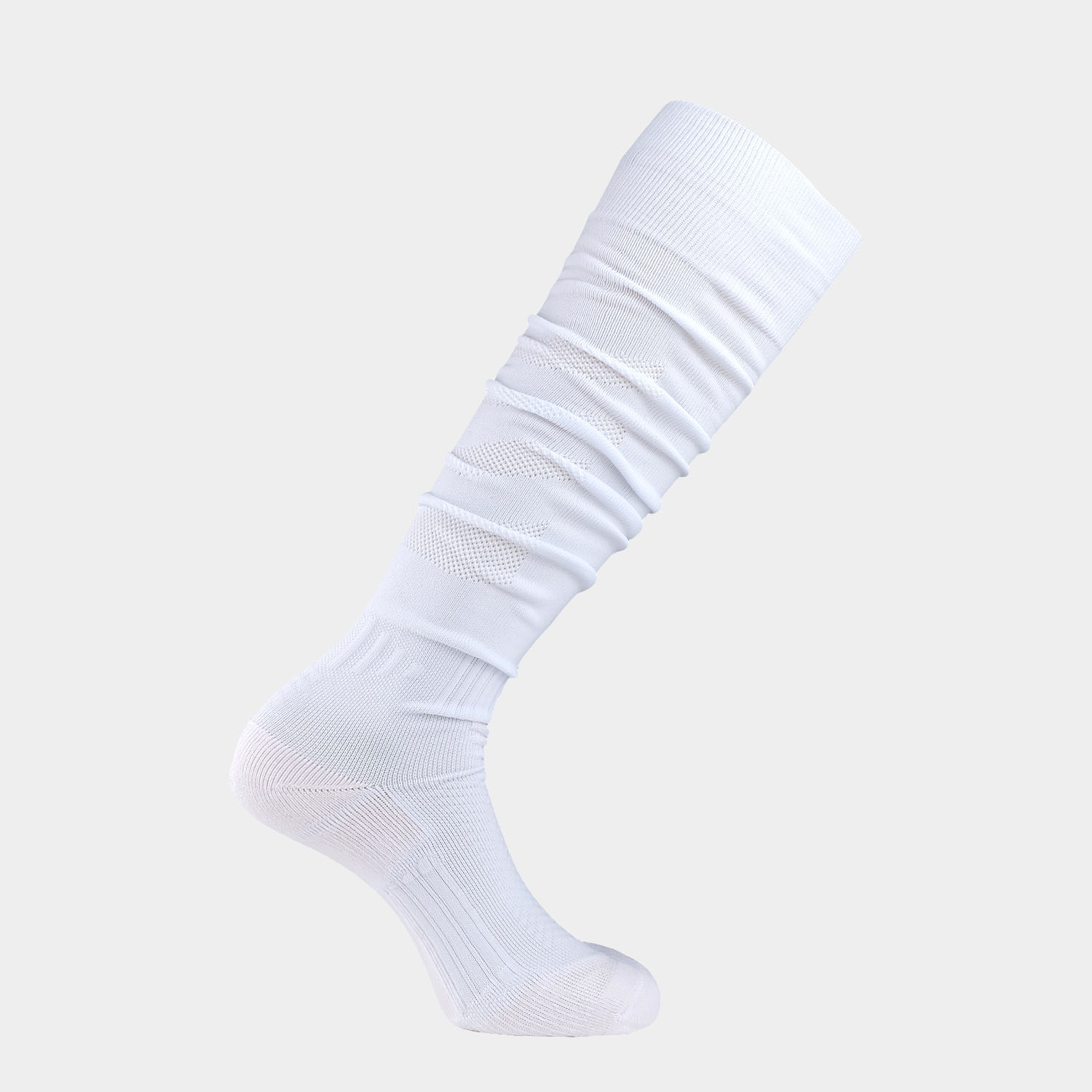
Crew socks offer a versatile option for teams that prefer a shorter athletic style, while knee-high socks provide more visible space for team graphics and may coordinate better with certain uniforms and kneepads. Neither option is automatically better for every volleyball programme, since coverage, fit, player preference, and the overall uniform design all shape the right choice.
| Design consideration | Crew socks | Knee-high socks |
|---|---|---|
| Coverage | From the lower leg to mid-calf | Extends toward the knee |
| Design area | Smaller printable area | More room for vertical graphics |
| Styling | A shorter, versatile athletic look | A traditional, more prominent team look |
| Main fit concern | Keeping the sock from slipping or bunching | Holding a secure fit without excess tightness |
Match construction to the playing environment
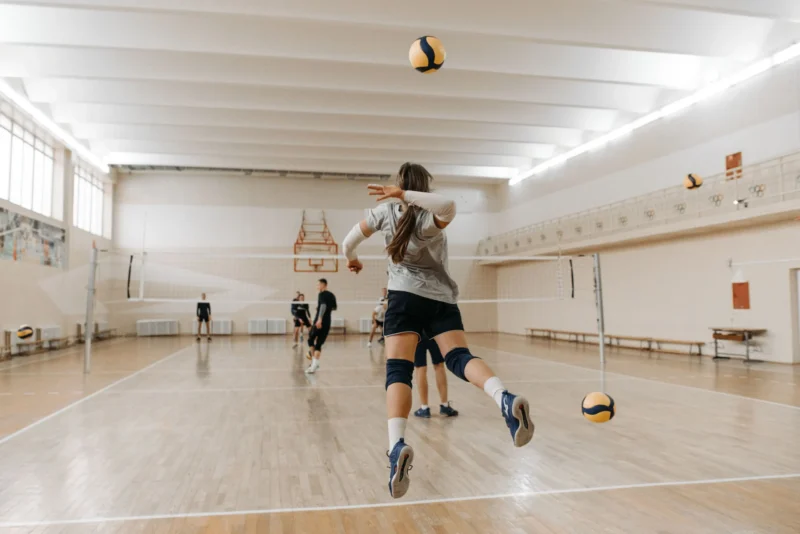
Indoor volleyball involves repeated jumping, landing, and rapid direction changes, so fit stability and cushioning deserve particular attention. Outdoor programmes may prioritise lightweight construction and moisture management depending on the playing surface and weather. Sockcn’s custom athletic socks collection gives teams a starting point for discussing performance-oriented constructions with a manufacturer.

Fibre blends and performance
Material selection for custom volleyball socks influences comfort, durability, stretch, and overall product cost, and a yarn should be judged by the complete blend rather than its name alone. Intended use and construction also belong in that evaluation, because the same fibre can behave differently in a different knit.
Select a suitable fibre blend
Polyester is commonly used in performance socks because it supports moisture management and quick drying, while nylon can contribute abrasion resistance and durability. Elastane, also known as spandex, helps the sock stretch and recover its shape after wear, which matters for a sock that has to stay in place. Cotton blends may appeal to buyers who prioritise a familiar, soft hand feel, although moisture retention deserves consideration in demanding sports use. Composition should follow the target market, budget, and desired performance rather than a default formula.
Build in cushioning and support where needed
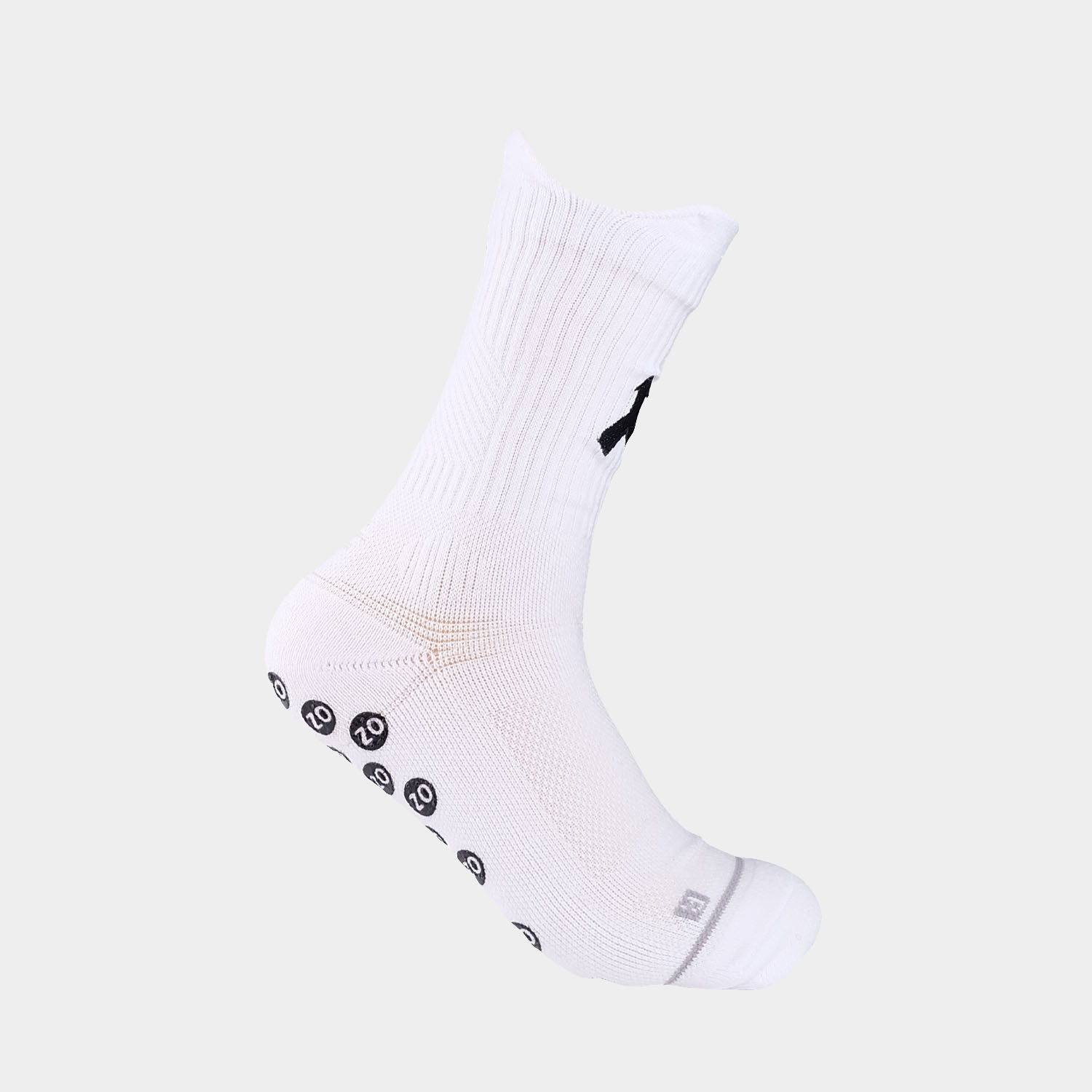
Cushioning can improve underfoot comfort during repeated jumps and landings, while reinforced heel and toe areas help address common wear points. Arch-support structures and a well-designed cuff can also contribute to a more secure fit around the midfoot and ankle. These features should be specified according to the product’s intended use rather than added indiscriminately, because extra thickness and construction complexity can affect fit inside athletic shoes.
Consider breathability and fit together
Mesh knit zones may help improve airflow, but ventilation is only one part of the design. A sock must also maintain appropriate stretch, heel positioning, and cuff tension without creating uncomfortable pressure. Teams developing several sizes should request a size chart and test samples across representative sizes instead of relying on a single fit check.
Colours, logos, and graphics

Visual consistency across custom volleyball socks is often just as important as physical performance, and a design has to look clear when worn, complement the uniform, and remain feasible to reproduce. Every decoration method imposes its own limits, so the artwork should be assessed with the chosen process in mind.
Coordinate team colours
Start with one dominant colour for the sock body, then use secondary colours for stripes, cuffs, heels, toes, or accent graphics. High contrast helps logos and numbers remain visible from a distance, while too many equally prominent colours can make the design feel crowded. Pantone references or physical colour samples should be provided where accuracy matters, and the closest achievable yarn colours are confirmed during sampling.
Include numbers, names, and pattern details
Knitted jacquard designs integrate graphics into the sock structure and can work well for team names, simple logos, and repeating patterns. Printing may suit certain detailed or multicolour designs, depending on the material and production method. Very small lettering, fine lines, and detailed crests may need simplification to remain legible on a curved, stretched surface, so ask the manufacturer what will survive knitting. The custom team socks design guide from Sockcn explains how artwork, sport-specific construction, and production feasibility work together.
Include numbers, names, and pattern details
Stripes, mascots, initials, player numbers, and short team mottos can make a design more distinctive. Shared designs are generally easier to manage and reorder than individually customised pairs for regular team orders. If personalisation is required, establish which details vary by player and how they will be organised in the order specification before approving the artwork.
Sampling and manufacturing
Digital mock-ups can communicate the design concept for custom volleyball socks, but they cannot fully demonstrate how the finished sock will fit or how the graphics will look on knitted fabric. Reviewing a physical sample gives brands and teams an opportunity to check those details before committing to bulk production.
Prepare a complete product brief
Provide the manufacturer with the team logo, colour references, preferred sock height, size range, estimated quantity, and any performance requirements. Reference images or an existing sock can help explain the intended construction, particularly when a particular cuff or heel shape matters. Where the brief includes cushioning, mesh zones, or reinforced areas, their locations should be identified clearly so the development team can assess feasibility and cost.
Review the sample before bulk production
Evaluate the actual fit, stretch recovery, cuff tension, cushioning, colour accuracy, logo placement, and workmanship against the approved brief, rather than judging the sample on appearance alone. Trying the sample with the intended athletic footwear helps confirm whether the sock stays in place without excessive bunching. Any required revisions should be recorded, and the final sample approved before production begins. An example of a customisable crew construction with functional knit zones and branding options appears in Sockcn’s engineered knit crew socks
Confirm MOQ, lead time, and quality standards
Minimum order quantities and production timelines depend on the design, materials, quantity, and customisation requirements. Confirmation of the MOQ for each design or colour, the sample schedule, the bulk production lead time, and the agreed delivery date should be requested before the order is placed. Quotations should also specify the approved materials, sizing, logo method, packaging, and quality requirements, so both parties work from the same production brief.

FAQ
Q1. Which details can be customised on volleyball socks?
Brands can customise sock height, materials, colours, logos, patterns, cushioning, labels, and packaging. Player names and numbers may also be available.
Q2. What material works best for custom volleyball socks?
Polyester, nylon, and elastane blends offer a balance of moisture management, durability, and stretch. The best choice depends on performance needs and budget.
Q3. Can schools and clubs order custom volleyball socks?
Yes. Share the estimated quantity, size breakdown, artwork, and delivery date to confirm production requirements.
Q4. Should a sample be approved before bulk ordering?
Yes! Check fit, construction, colours, and logo placement before approving the sample for bulk production.
Conclusion
Successful custom volleyball socks bring together team identity, fit, performance features, and a production-ready design, and defining those requirements before sampling helps teams weigh construction, customisation, cost, and delivery. Sockcn, a sock manufacturer serving brands and wholesale buyers, supports that work from material selection and artwork review through sample approval and bulk production, so a design concept, target quantity, size range, and delivery date are enough to start the discussion.
Related Resources
These resources can help you prepare a more complete product brief and understand the broader custom sock development process.
→ Finding the Best Custom Sports Socks for Your Athletic Team
→ Custom Football Socks: Bulk Solutions for Teams and Clubs
→ Sock Material Guide: How to Choose the Best Material for Any Use
→ Custom Running Socks: The Complete Guide for Brands, Clubs & Retailers