Yes. Wearing compression socks while walking reduces leg fatigue and swelling. According to the Cleveland Clinic, the pressure from compression socks helps push blood back up to the heart. This circulation prevents fluid buildup and keeps your ankles from aching during long walks.
Getting results requires more than just picking a tight sock. You need the right compression level, breathable materials, and proper wear habits. Understanding how graduated pressure works, its actual benefits, and how to choose the right pair keeps your legs feeling light throughout your walk.
5 Key Benefits of Wearing Compression Socks While Walking
The pressure from compression fabrics changes how your legs handle physical stress. These adjustments improve your endurance and protect your long-term vein health.
Enhanced Circulation and Oxygen Delivery
Compression socks push oxygen-rich blood to your leg muscles faster. This circulation delays muscle exhaustion. The steady oxygen supply keeps your stride strong, preventing your legs from feeling heavy halfway through a route.
Accelerated Lactic Acid Removal
Fast walking builds up lactic acid, creating a tight burn in your calves. The compression fabric flushes this acid out of your muscle tissue. Clearing the buildup means less burning during your walk and less stiffness the next morning.
Enhancing Muscle Stability and Support
Pounding the pavement sends shockwaves up your legs. The fabric holds your calf muscles in place, absorbing the impact of each step. Limiting this muscle vibration reduces fatigue and lowers your risk of shin splints.
Prevention of Lower Limb Swelling
Long walks often leave you with swollen feet and ankles. The graduated squeeze blocks fluid from settling in your lower legs. Keeping the swelling down ensures your shoes won’t pinch or cause blisters during the final miles.
Protection Against Varicose Veins and DVT
Allowing blood to pool in your lower legs stretches the vein walls. This strain causes bulging varicose veins and increases the risk of deep vein thrombosis (DVT). The upward pressure helps weak vein valves push blood back up, lowering the risk of clots.

Who Should Wear Compression Socks While Walking?
Anyone walking benefits from less leg fatigue. The upward pressure becomes essential when age, long miles, or prolonged sitting force blood to pool in the calves.
Distance Walkers and Hikers
Compression socks prevent shin splints and calf fatigue on long trails. The tight fabric stabilizes muscles to absorb the constant shock of uneven ground. This firm support speeds up recovery after a hard hike.
Travelers and Tour Groups
Compression socks prevent heavy, swollen feet on walking tours. Long flights and car rides cause blood to pool in the lower legs. The socks force circulation to keep moving during transit, keeping legs light before the sightseeing even begins.
Office Workers
Graduated pressure protects inactive calves from sudden weekend cramps. Sitting at a desk all week slows circulation, leaving tight muscles unprepared for a long walk. The compression forces blood upward to safely support the sudden activity.
Pregnant Women
Mild compression stops painful ankle swelling and lowers varicose vein risks. Added weight puts heavy pressure on leg veins, forcing fluid to settle in the ankles. The upward squeeze pushes this fluid back up the calf.
Seniors and Older Adults
Compression wear acts as an external pump for comfortable daily walks. Aging vein walls stretch and weaken, allowing blood to pool in the lower legs. The steady pressure forces that trapped blood back toward the heart.
How to Choose the Best Walking Compression Socks?
Wearing the wrong compression socks causes more pain than relief. Finding the right pair requires the correct pressure, exact measurements, protective padding, and proper length.
Select the Right Compression Level (mmHg)
A 15-20 mmHg level provides the ideal pressure for daily walking. This range reduces leg fatigue without feeling uncomfortably tight. Only choose a firmer 20-30 mmHg grade if a doctor recommends it for severe swelling or vein conditions.
Measure for the Perfect Fit
Relying on shoe size often leads to a poor fit. Measure your ankle and the widest part of your calf. Take these measurements first thing in the morning before leg swelling begins. Sizing by calf width ensures the pressure hits the right muscle zones.
Seek Reinforced Heel and Toe Padding
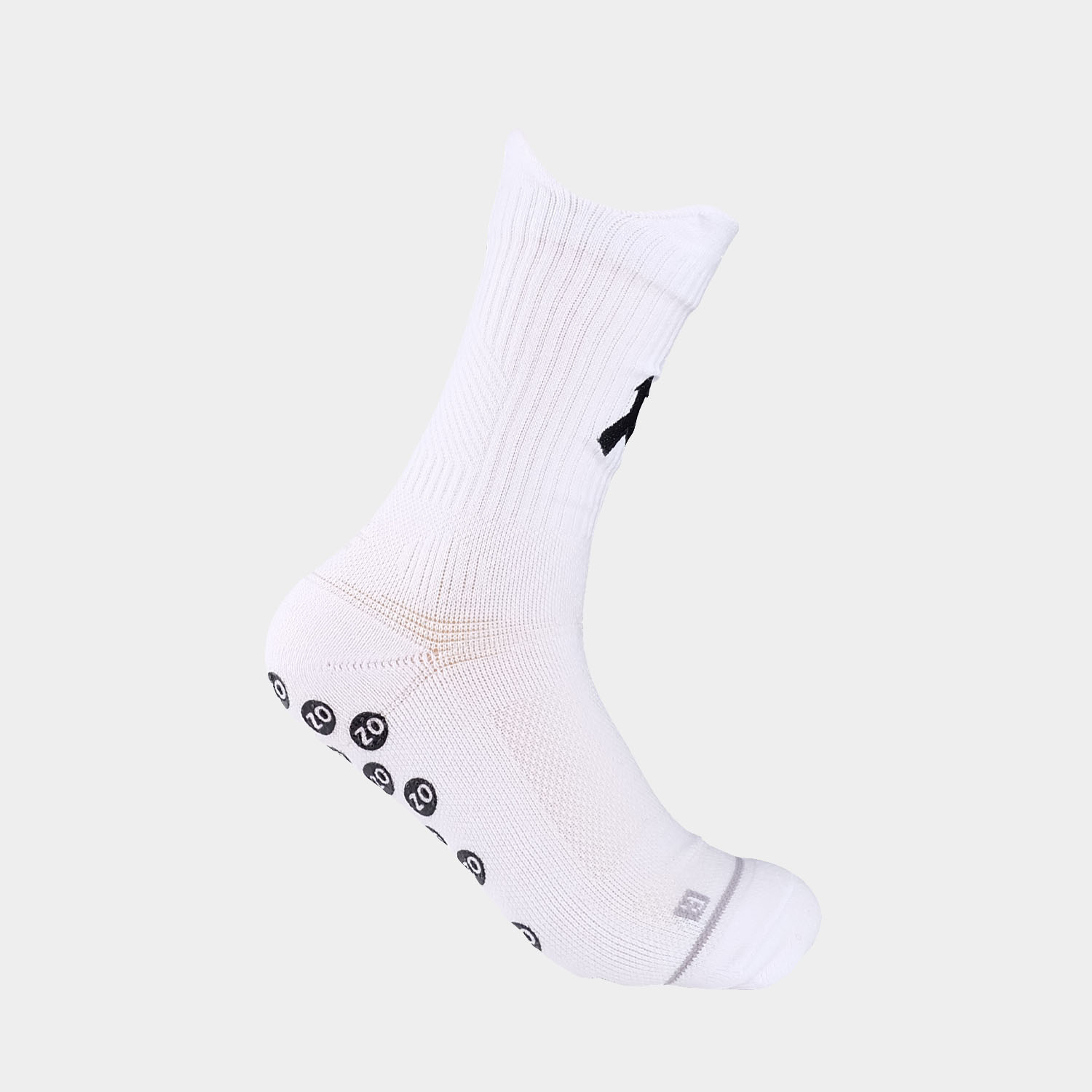
Walking creates heavy friction at the heel and toe. Extra padding in these strike zones prevents the fabric from rubbing your skin raw, making it essential for preventing blisters when running.
Choose Breathable and Moisture-Wicking Fabrics
Trapped sweat causes skin irritation, so avoid 100% cotton, which holds moisture against your skin. Instead, choose moisture-wicking fabrics like nylon, spandex, or merino wool blends to stay dry and blister-free.
Pick the Appropriate Sock Length
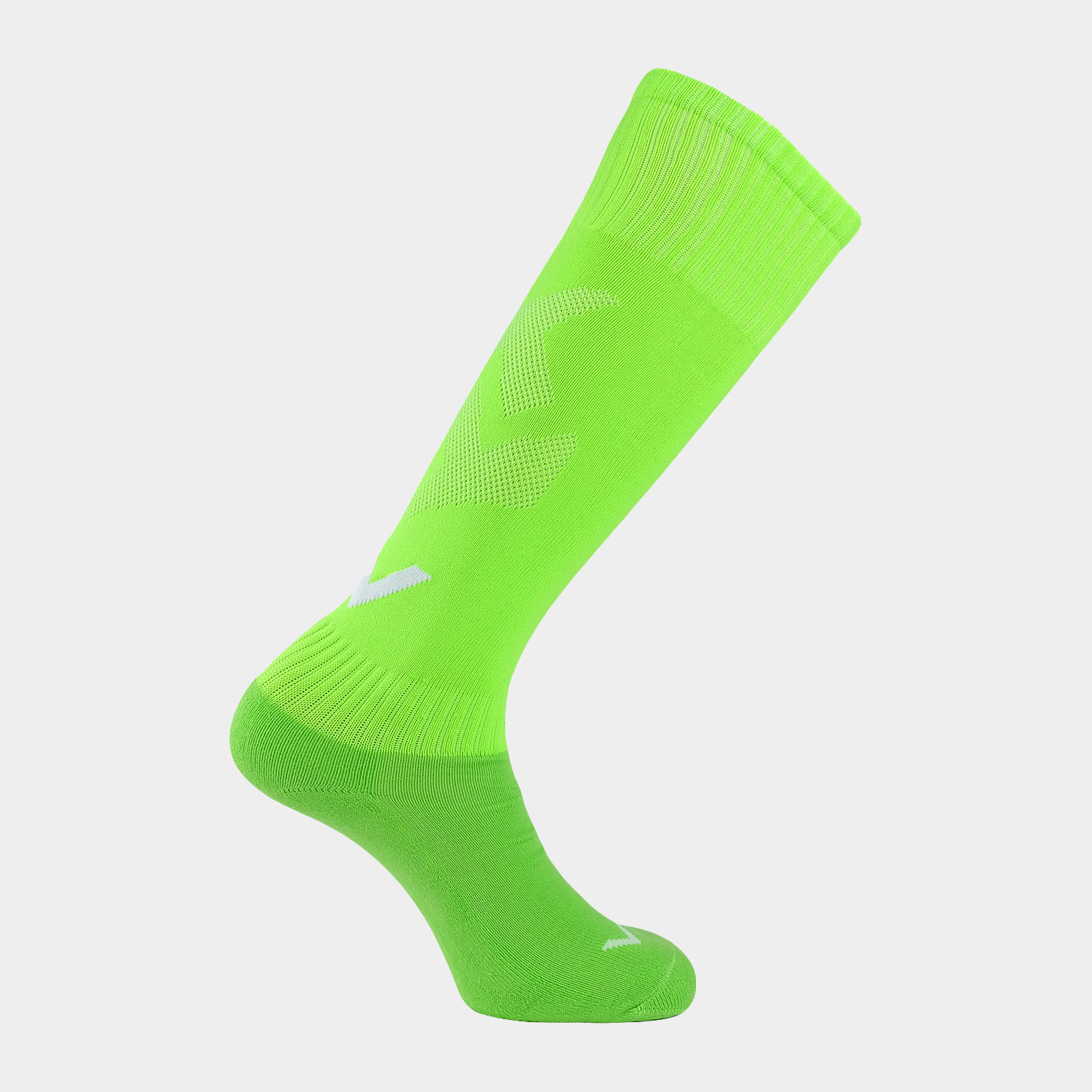
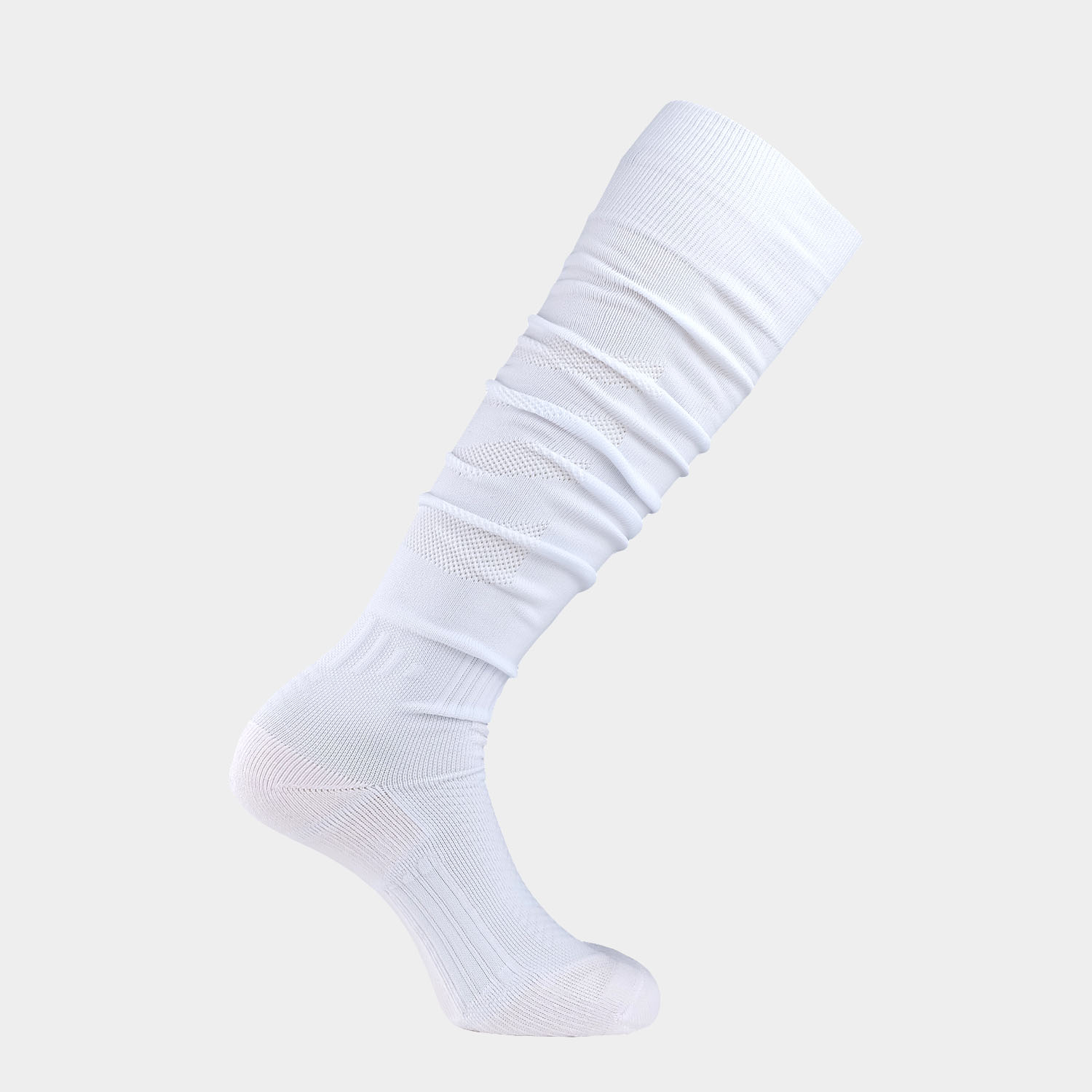
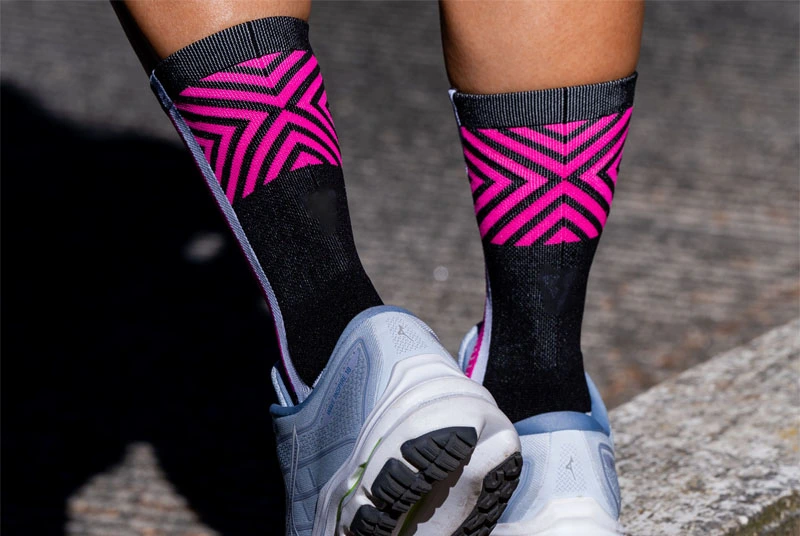
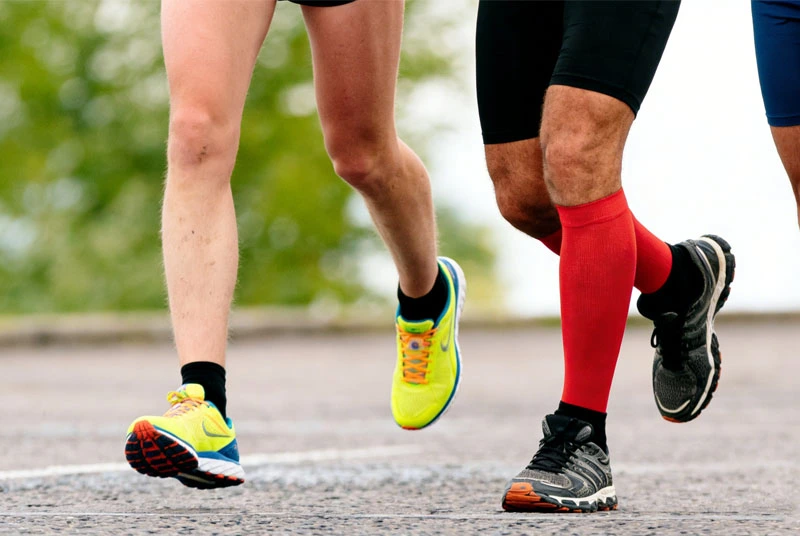
Knee-high designs deliver the actual circulatory benefits. Covering the full calf allows the pressure to push blood up the leg. Ankle or crew lengths only squeeze the foot and fail to prevent calf fatigue.

4 Tips and Precautions for Walking with Compression Socks
Improper wear and care restrict circulation and ruin the fabric. Follow these daily habits for timing, application, safety, and washing.
Managing Wear Time and Duration
Put the socks on before a walk and remove them a few hours later. Never wear them to bed. Lying flat removes the downward pull of gravity. Wearing tight fabric while resting restricts normal circulation.
Applying Proper Donning Techniques
Rolling compression socks like regular cotton socks makes them difficult to pull over the heel. Turn the upper half inside out down to the heel pocket. Slip the foot in, then unroll the fabric up the calf. Smooth out all wrinkles. Bunched material forms tight rings that pinch the skin and block blood flow.
Spotting Health Risks and Warning Signs
Remove the socks immediately if your toes tingle, go numb, or turn cold. People with peripheral artery disease (PAD) or severe neuropathy must avoid compression wear. The external squeeze restricts arterial blood flow, worsening leg pain and nerve damage.
Maintaining Elasticity Through Proper Care
Heat destroys spandex fibers. Wash the socks in cold water after every walk to clear out sweat and body oils. Always lay them flat to air dry. A hot dryer melts the elastic and ruins the graduated pressure.
FAQ
Q1. Should You Wear Compression Socks if You Have Neuropathy?
No. People with neuropathy should avoid compression socks. The fabric hides blisters or injuries because nerve damage blocks pain signals. Compression also restricts blood flow to damaged nerves. Consult a doctor before use with any nerve condition.
Q2. What Are the Signs You Shouldn't Wear Compression Socks?
Remove the socks immediately if toes turn pale, purple, or cold. Numbness, tingling, or throbbing in the calves signal the fabric is cutting off blood supply.
Q3. Is It More Beneficial to Wear Them During or Only After My Walk?
Both together offer the best results. Wearing the socks during a walk prevents fluid buildup and fatigue. Leaving them on for two hours afterward flushes lactic acid to facilitate recovery.
Q4. How to Choose a Reliable OEM Partner for Compression Socks?
Directly from the Sockcn factory in China. OEM orders receive factory-direct pricing. The facility has 20 years of experience producing bulk runs on fast delivery schedules. All manufacturing meets OEKO-TEX and BSCI standards.
Q5. Can I Customize Compression Socks for My Own Brand or Walking Event?
Yes. You select material blends like CoolMax or Merino wool. We adjust compression zones, add arch support, and weave logos into the fabric. We offer free design assistance and low minimum order quantities (MOQs) through our custom socks manufacturing services.
Conclusion
Compression socks prevent blood pooling and muscle fatigue. Success depends on a 15 to 20 mmHg rating and calf measurements. Wash the socks in cold water and lay them flat to dry. Correct fit and care prevent swelling and protect lasting vein health.