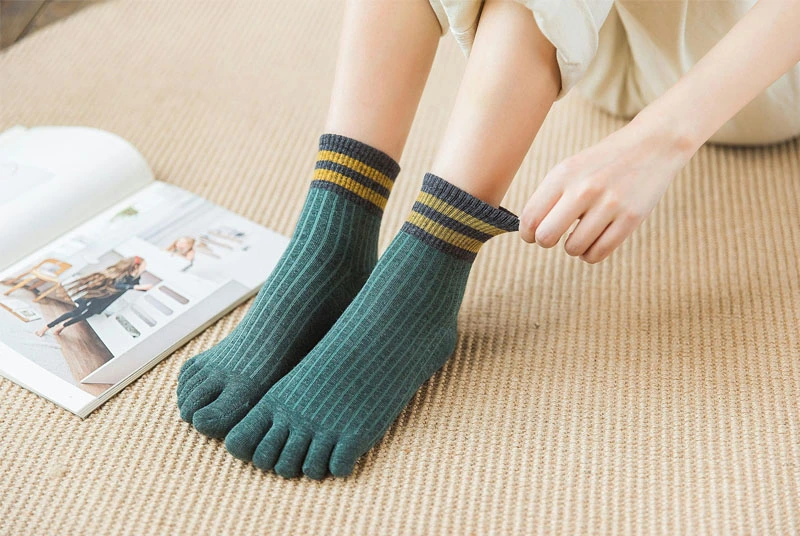
Yes, toe socks improve foot health by stopping the friction that causes blisters. According to data from the Journal of Athletic Training, friction blisters disrupt workouts for up to 40% of active adults.
The right pair also prevents fungal infections, supports natural toe alignment, and improves balance during workouts. From blister prevention to better balance, the benefits of toe socks come down to one simple fix: keeping each toe moving independently.
5 Key Benefits of Wearing Toe Socks
Toe socks improve foot health by fixing the main design flaw of traditional tube socks: toe compression. Wrapping each toe independently lets the foot move, sweat, and balance naturally.
Effective Blister Prevention
Toe socks stop friction blisters by wrapping each toe in its own protective layer. Standard tube socks force bare skin to rub together during movement, causing painful sores.
Adding a fabric barrier blocks that direct friction before a blister even forms. Runners can find a detailed guide on how to prevent blisters when running for a broader look at sock choice and footwear fit.
Improved Toe Alignment and Splay
Regular socks squeeze toes together, slowly altering your gait over time. Separate slots let each toe expand and splay naturally on impact, relieving joint pressure and supporting a healthier stride.
Superior Moisture Management
Trapped moisture between bare toes breeds bacteria and athlete’s foot. The fabric around each toe pulls that sweat away from the skin, keeping the foot cooler and preventing fungal infections. Merino wool sourced from Australia and New Zealand consistently outperforms synthetic blends for moisture control, which is why it remains the material of choice in sustainable sock manufacturing.
Enhanced Tactile Feedback and Balance
Separating the toes improves balance by letting your feet feel the ground, giving each toe a better grip on the insole. That grip helps your body adjust to weight shifts, adding stability to workouts and daily walking.
Reduced Risk of Common Foot Issues
Toe separation lowers the risk of developing corns, calluses, and skin ulcers. Stopping the direct rubbing prevents the hard skin buildup that causes these painful spots. The individual fabric sleeves also protect sensitive areas from tight shoe pressure.
What Are the Different Types of Toe Socks?
Toe sock designs target specific physical pain points. Different fabrics and cuts prevent everything from marathon blisters to studio floor slips.
Performance Running Toe Socks
Performance toe socks stop blisters during long distance runs by using thin synthetic threads. These materials pull sweat away fast during intense exercise. The slim design fits inside tight sneakers without adding bulk.
Hiking and Trail Toe Socks
Hiking toe socks cushion feet on rough terrain with thick wool blends. That heavy padding absorbs trail shock while keeping toes warm. The fabric also blocks dirt and sand from scratching your skin inside stiff boots. The added padding prevents foot pain during long descents.
No-Show Toe Socks
No-Show Toe Socks stay invisible inside casual sneakers or loafers. The low-cut profile provides full toe separation without showing fabric above the shoe line. These socks work well for office wear or gym routines.
Yoga and Pilates Grip Socks
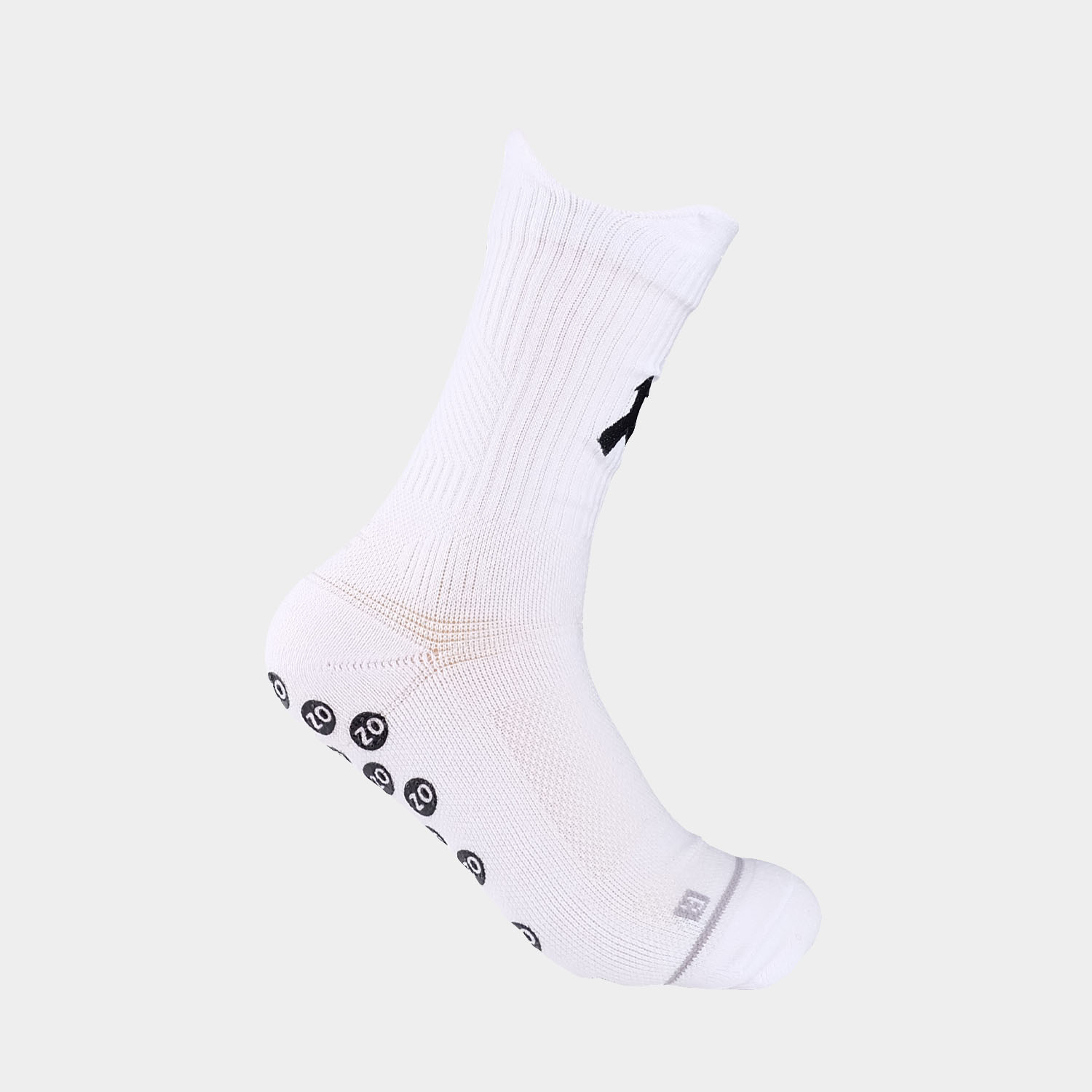
Studio toe socks prevent slipping on smooth wood floors with silicone grip dots. Separating your toes allows for a natural barefoot grip during difficult poses. That sticky sole adds stability while keeping your feet off shared mats.
Different Types of Toe Socks Comparison Table
Each toe sock type solves a different problem, so the right choice depends on where and how you move.
Toe Sock Type | Activity | Material and Design | Benefits |
Performance Running | Marathon training, daily runs | Thin synthetic threads | Stops friction blisters and pulls sweat away fast. |
Hiking and Trail | Rough terrain, backpacking | Thick wool blends | Absorbs heavy boot impact and blocks trail dirt. |
No-Show | Casual wear, office shoes | Hidden low-cut profile | Separates bare toes invisibly inside daily sneakers. |
Yoga and Pilates Grip | Studio workouts, barre | Silicone sole dots | Prevents dangerous slipping on smooth wood floors. |
Match your toe socks to your workout. Different materials and cuts solve specific problems for runners, hikers, and studio athletes.
Who Should Wear Toe Socks?
Shoppers deciding between options often find the comparison of seamless toe socks vs regular socks useful before committing to a style.
Long Distance Runners and Trail Hikers
Runners and hikers wear toe socks to prevent friction blisters by wrapping each toe in a protective layer, stopping the skin-on-skin rubbing that ruins training schedules.
Fitness and Studio Athletes
Studio athletes rely on toe socks to maintain physical balance on smooth floors. Uncrowding the toes allows the foot to splay naturally. That active spread creates a wider, more stable base for demanding Yoga or Pilates poses.
Bunion and Foot Deformity Sufferers
Toe socks provide daily relief for bunions and overlapping toes by removing constant joint compression. Individual fabric sleeves gently space the toes apart. Toe separation stops skin irritation and encourages a healthier resting alignment.
Hyperhidrosis and Sweaty Feet Patients
Toe socks pull sweat away from the skin to stop foot odor and athlete’s foot. Surrounding each toe with absorbent material stops bacteria from breeding in trapped moisture. That direct absorption keeps the foot dry and cools the inside of the shoe.
How to Choose the Right Pair of Toe Socks?

Choose your toe socks by matching the fabric, size, thickness, and cuff length directly to your daily shoes. The right combination stops friction blisters, fabric bunching, and painful toe compression.
Select the Best Material
Synthetic blends and Merino wool prevent sweaty feet by pulling moisture directly away from the skin. Quick-drying active fabrics prevent the damp friction responsible for painful blisters. Pure cotton simply traps sweat and worsens foot odor.
For a reliable source, Sockcn offers OEKO-TEX certified toe socks built with performance fabrics for direct skin contact.
Determine the Exact Foot Size
Exact sizing stops loose fabric from bunching up under your toes. A precise fit keeps excess material from rubbing against your bare skin. Oversized socks create new pressure points inside your shoes. A tight pair pulls painfully against the sensitive skin between your toes.
Consider the Proper Sock Thickness
Matching sock thickness to your footwear prevents tight shoe compression. Thin synthetic liners slide easily into narrow running sneakers. Thick wool padding absorbs heavy impact inside stiff hiking boots. The wrong fabric weight alters your shoe’s interior volume and forcefully squeezes your toes together.
Choose the Ideal Cuff Length
The right cuff length protects your bare ankles from shoe friction. Crew cuts block trail debris from scratching your lower leg during hikes. No-show styles sit securely below the ankle bone for indoor workouts. Aligning the sock height with your shoe collar stops the stiff heel counter from cutting into your skin.
FAQ
Q1. Are Toe Socks Good for Running?
Yes. Wrapping each toe stops bare skin from rubbing together inside sweaty sneakers. The individual toe wrapping prevents the friction blisters that ruin long runs.
Q2. Do Toe Socks Help with Bunions?
Yes, toe socks relieve daily bunion pain by gently spacing the toes apart and removing constant joint pressure, but cannot reverse bone deformities.
Q3. How Long Does It Take to Get Used to Toe Socks?
Most people adjust to toe socks after just one or two wears. That initial strange sensation between your toes disappears within a few hours of walking or working out.
Conclusion
Toe socks improve foot health by separating the toes to stop skin friction and joint compression. That protective barrier prevents workout blisters, absorbs trapped sweat, and restores natural balance. These physical benefits depend on matching the proper fabric and sock length to your shoes.