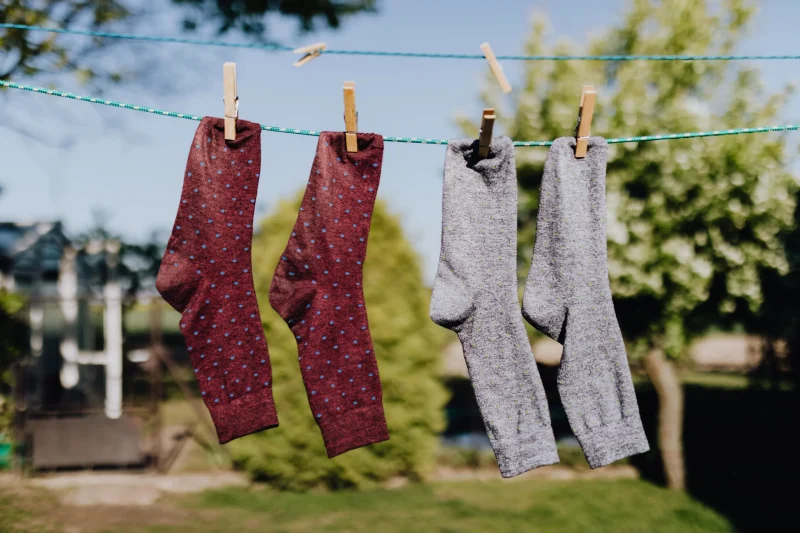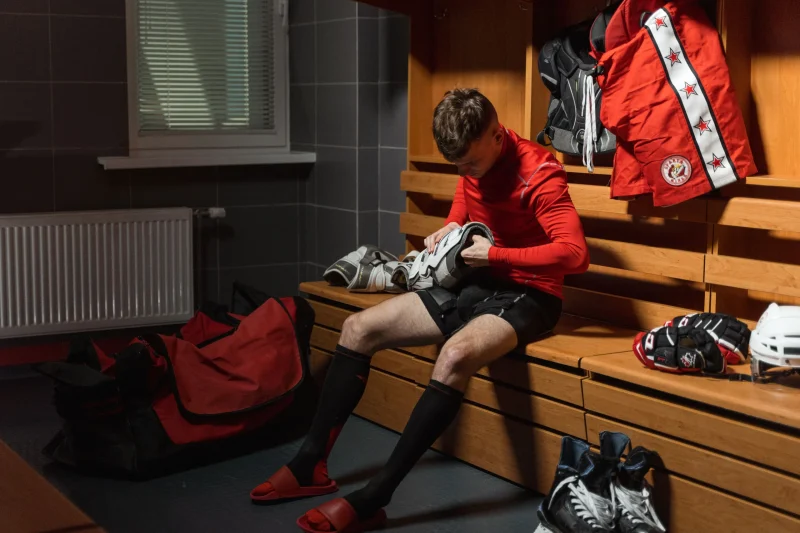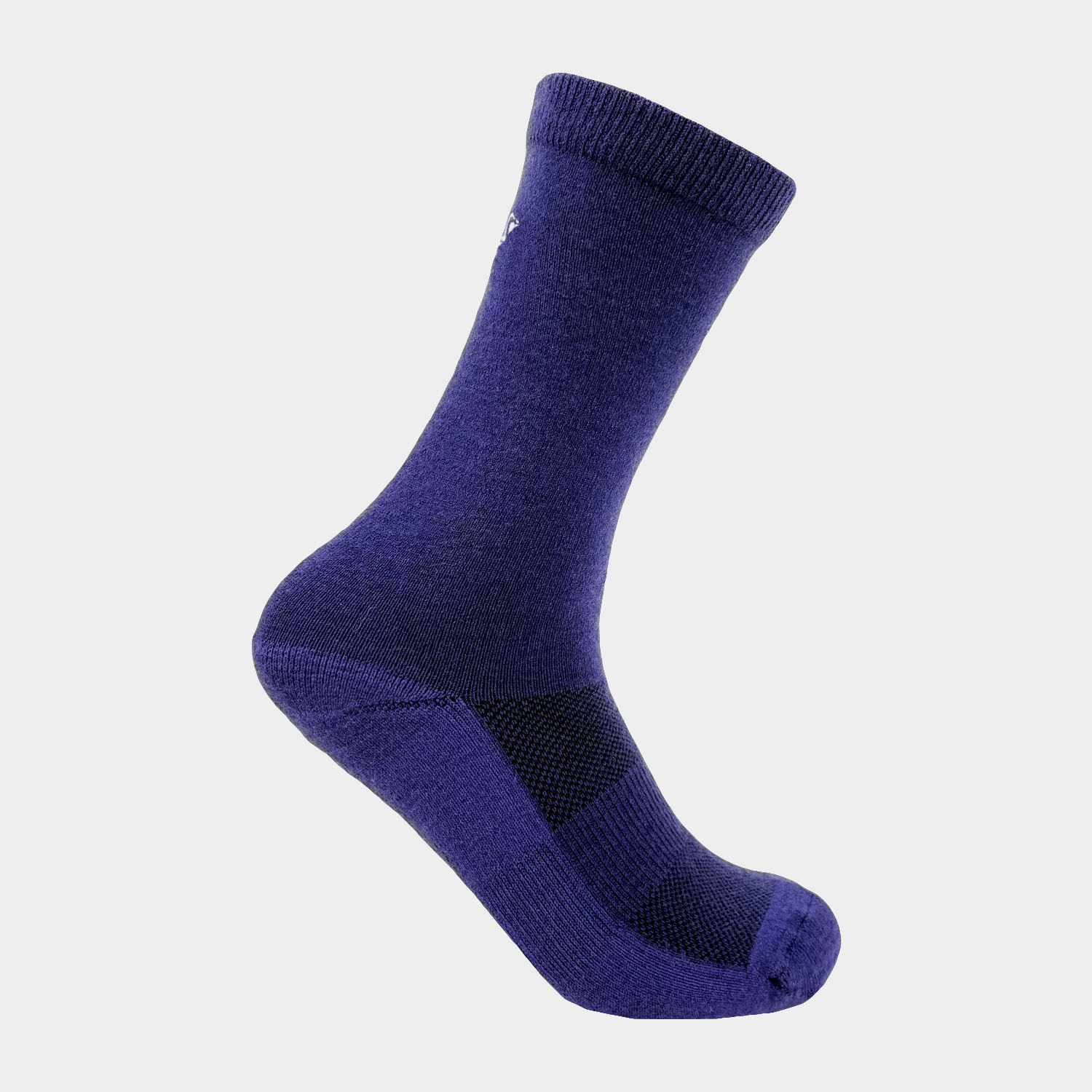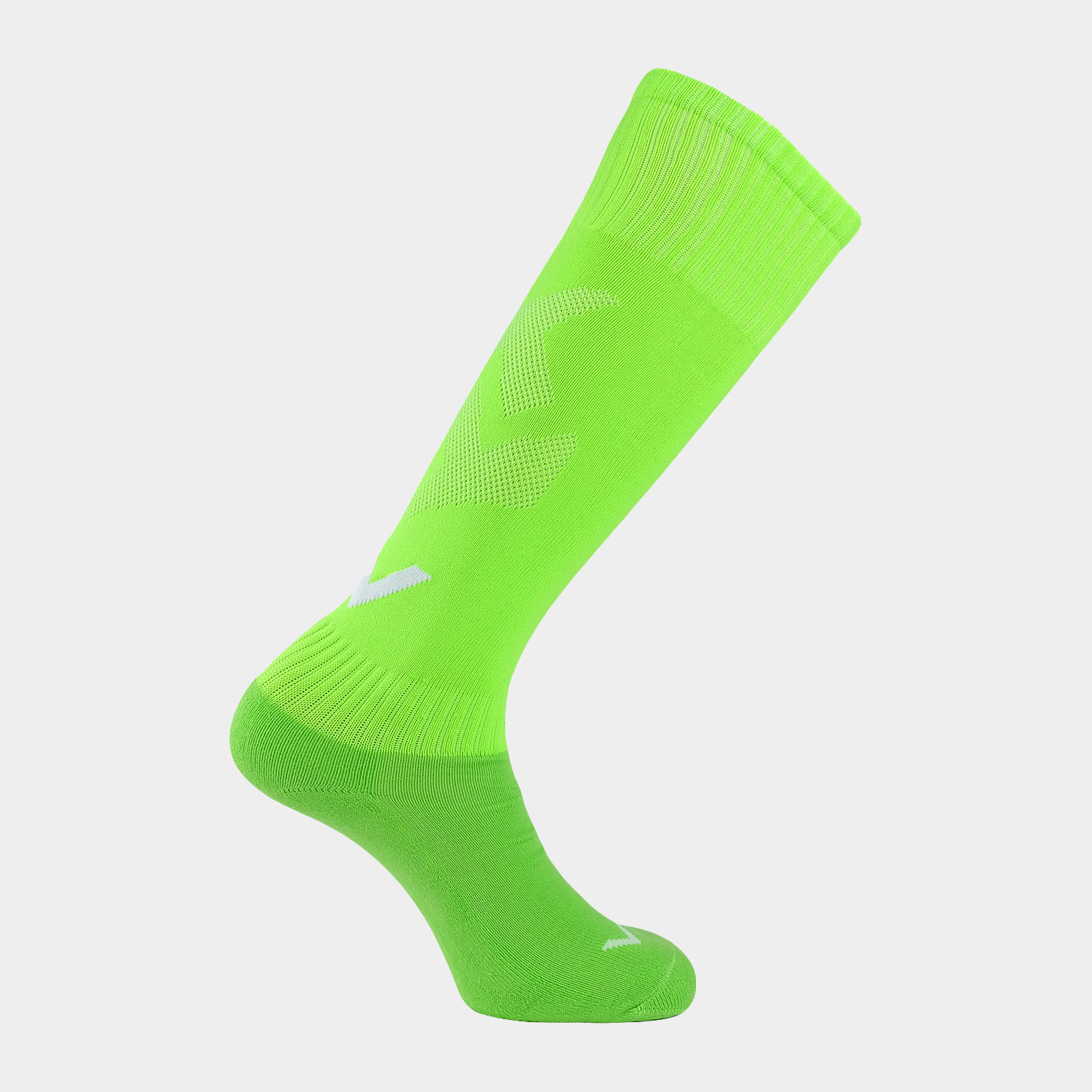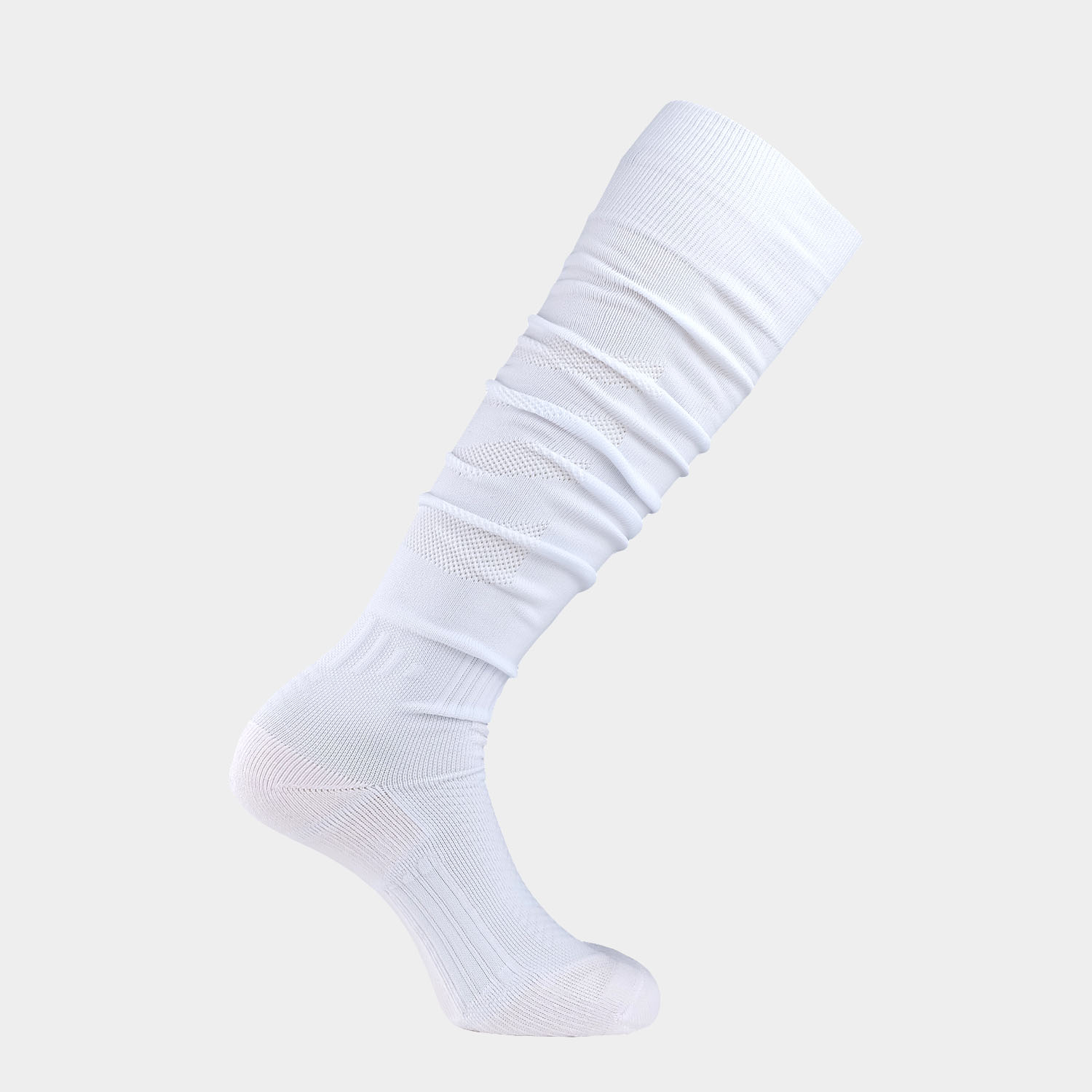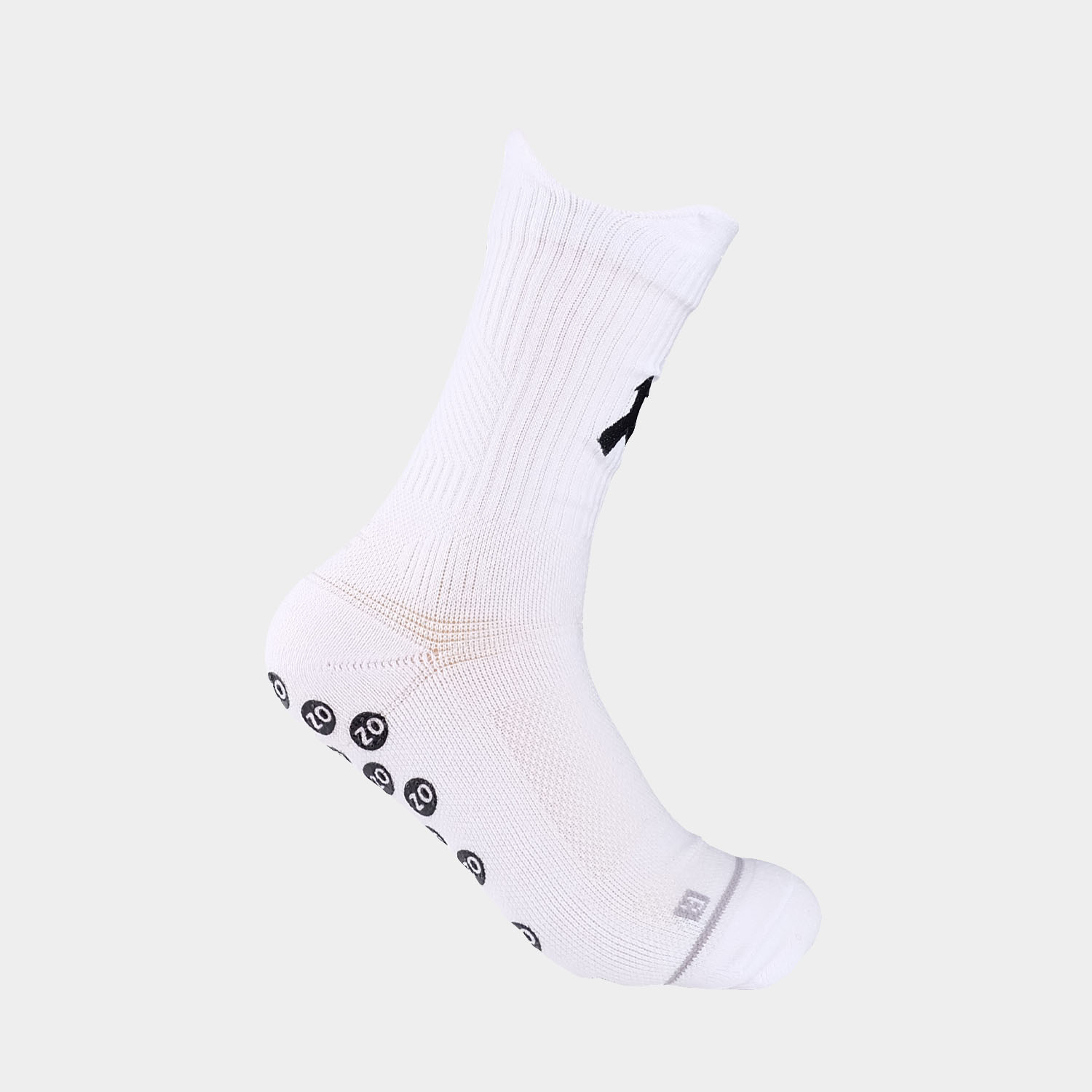

For running socks, quality control goes beyond appearance and basic workmanship. Brands need to check how a factory controls materials, performance, and consistency from sampling through bulk production.
Quick Overview
When choosing a running socks factory, brands should evaluate more than the final appearance of the product. Key quality control areas include:
- Material inspection: Verify fiber composition, yarn quality, certifications, and material traceability.
- Sample evaluation: Check fit, construction, comfort, and performance before bulk production.
- Laboratory testing: Verify shrinkage, abrasion resistance, colorfastness, fiber composition, and compression performance when required.
- Production quality control: Ensure the factory performs inspections throughout knitting, production, and final packaging.
- Factory capability: Review production capacity, MOQ, lead time, and relevant certifications.
What Quality Control Means for Running Socks
Quality control for ordinary socks usually focuses on appearance, sizing, and basic workmanship, such as color consistency, correct logo placement, and visible defects. For running socks, however, these are only the basic requirements.
Running socks need to deliver consistent performance during activity, so brands should also pay attention to moisture management, fit, durability, material performance, and functional construction. For example, whether the toe seam causes irritation, whether the arch feels too tight, whether the socks shrink after washing, and whether the elasticity remains consistent can all directly affect the wearer’s experience.

Check the Materials First
Running sock performance starts with the yarn. Before approving samples, brands should verify the fiber composition, yarn quality, and batch consistency instead of looking only at the appearance of the finished socks.
Key areas to check:
- Fiber composition: Confirm that the actual fiber content matches the tech pack and product label.
- Yarn consistency: Make sure yarn thickness, strength, and performance remain consistent across batches.
- Color consistency: Make sure yarn colors remain consistent between batches to avoid color differences in bulk production.
- Material traceability: Understand the yarn source and supplier so the material can be traced when needed.
For products with higher material safety or sustainability requirements, brands can ask the factory for relevant certifications or test documents, such as OEKO-TEX® Standard 100, third-party laboratory test reports from Intertek or similar testing organizations, and applicable RWS / RAS certifications.
For high-performance natural fibers such as Merino wool and alpaca, don’t rely on the factory’s claims alone. Ask to see the relevant material documentation or certifications to confirm that the materials used match the product specifications.
Test the Running Sock Sample Before Production
Don’t judge a sample by appearance alone. Before mass production, brands should check the sample against the tech pack for size, construction, color, and overall fit.
For running socks, it’s also worth wearing the sample for a full day to check:
- Seam irritation: Does the toe seam or other stitching cause friction or discomfort?
- Arch tightness: Does the arch feel too tight or restrictive after extended wear?
- Heel fit: Does the sock stay in place while walking or running?
- Toe fit: Is there enough room without squeezing or rubbing?
- Moisture-wicking feel: Does the sock stay relatively dry during activity?
- Long-term comfort: Does it remain comfortable after several hours of wear?
A sock that looks perfect on the table may feel completely different after several hours inside a running shoe.

Ask for the Right Lab Tests
For running socks, laboratory testing helps brands verify product performance instead of relying only on appearance checks.
Common tests include:
- Shrinkage after washing: Confirm that the sock size and shape remain stable after washing.
- Abrasion resistance: Evaluate how well the socks perform under repeated friction and long-term wear.
- Colorfastness: Check whether colors remain stable after washing, rubbing, or exposure to sweat.
- Fiber composition: Verify that the actual material content meets the product requirements.
For compression running socks, brands should also verify the actual compression level and pressure distribution to ensure they meet the intended specifications.
Different types of running socks require different testing priorities. Brands should choose suitable tests based on the materials, construction, and performance requirements of the product.
Factory Capability:
For performance socks with compression requirements, Sockcn can provide pressure testing support during both sampling and bulk production to help verify product performance. We also use different knitting configurations, including 96, 108, 144, 168, and 200 needles, depending on the required fit, structure, and performance needs of each running sock design.
Check Quality During Production
Quality control should not rely only on final inspection. For running socks, a reliable factory should conduct in-process checks during bulk production to ensure that the final products remain consistent with the approved sample.
Key areas to check include:
- Knitting consistency: Check stitch density, sock construction, and dimensions during production to ensure they meet the design requirements.
- Elasticity control: Make sure areas such as the cuff and sock body maintain consistent stretch and recovery.
- Construction accuracy: Verify that the heel, toe, and other functional areas are produced according to the specifications.
- Defect inspection: Identify issues such as broken yarns, missing stitches, or knitting defects before they move to the next stage.
During final inspection, the factory should also check:
- Pairing and sizing: Ensure left and right socks are correctly matched and sizes are accurate.
- Appearance quality: Check color, knitting quality, and overall appearance.
- Defect rate control: Confirm that product quality meets the agreed standards.
- Packaging accuracy: Verify labels, packaging methods, and carton quantities.
Continuous quality checks throughout production are an essential part of sports socks factory quality assurance, helping brands reduce the risk of differences between approved samples and bulk production.
Check the Factory's Capacity
Before placing an order, brands should also understand whether a factory has the capacity to support their production needs.
Ask the factory:
- What’s your monthly capacity?
- What’s the MOQ per design?
- What’s your usual lead time?
- Can you scale repeat orders?
- How do you handle peak season?
A reliable running socks factory should be clear about what it specializes in instead of claiming it can produce every type of sock equally well.

Verify Certifications and Factory Compliance
For many brands, especially those selling in North America and Europe, certifications and compliance are important parts of supplier evaluation.
Brands can check:
- Material certifications: Such as RWS (Responsible Wool Standard), RAS (Responsible Alpaca Standard), GOTS, and GRS, depending on the materials and product requirements.
- Product safety certifications: Such as OEKO-TEX® Standard 100 and relevant third-party test reports.
- Factory certifications and audits: Such as ISO 9001, BSCI, or Sedex when required.
A reliable running socks factory should be able to provide valid documentation and clearly explain what each certification covers.
FAQ
What quality tests should running socks go through?
Running socks should be tested for areas such as shrinkage after washing, abrasion resistance, colorfastness, fiber composition, and compression performance for compression running socks.
How do you check the quality of running socks?
Running sock quality should be checked through material inspection, sample evaluation, lab testing, in-line production checks, and final inspection to ensure consistency from development to bulk production.
What certifications should a running socks factory have?
Depending on the materials and market requirements, brands may check certifications such as OEKO-TEX® Standard 100, RWS, RAS, GOTS, GRS, and relevant factory certifications or audit reports.
What should I ask a running socks manufacturer before placing an order?
Brands should ask about materials, sample process, testing capabilities, MOQ, production lead time, quality control procedures, and the factory’s experience with similar products.
Should I use third-party inspection for running socks?
Third-party inspection can provide additional quality assurance, especially for large orders or new suppliers, by verifying product quality before shipment.
Testing Running Socks Line? Start at 100 Pairs.
Sockcn's pre-production samples run on the same yarns, machines, and settings as bulk orders, giving buyers a reliable reference before committing to scale. RWS-certified merino blends and in-house pressure testing are standard across all sampling stages.