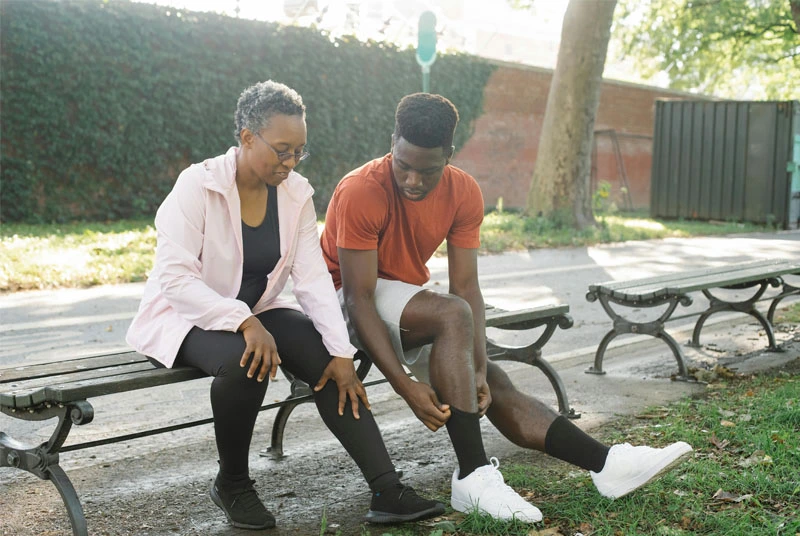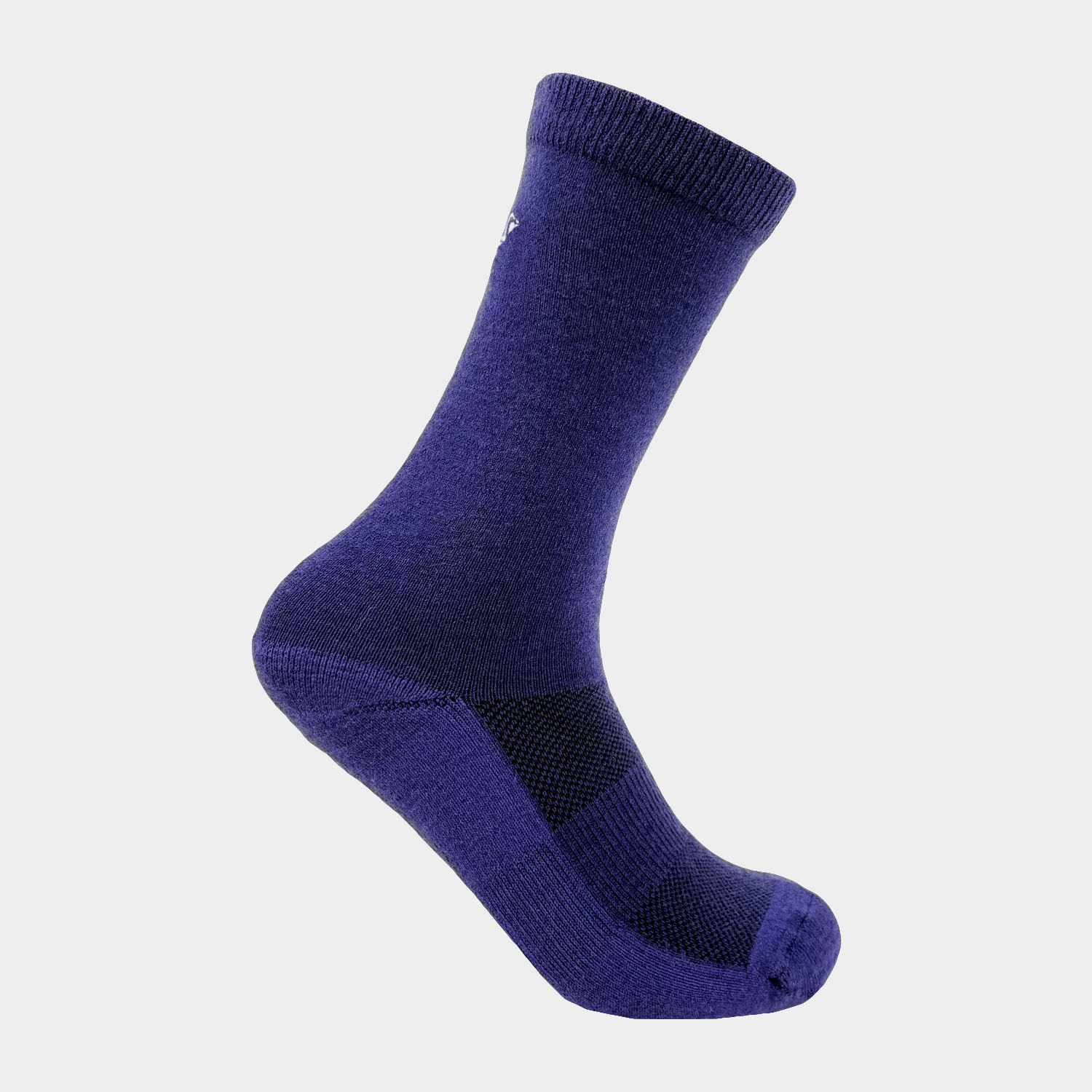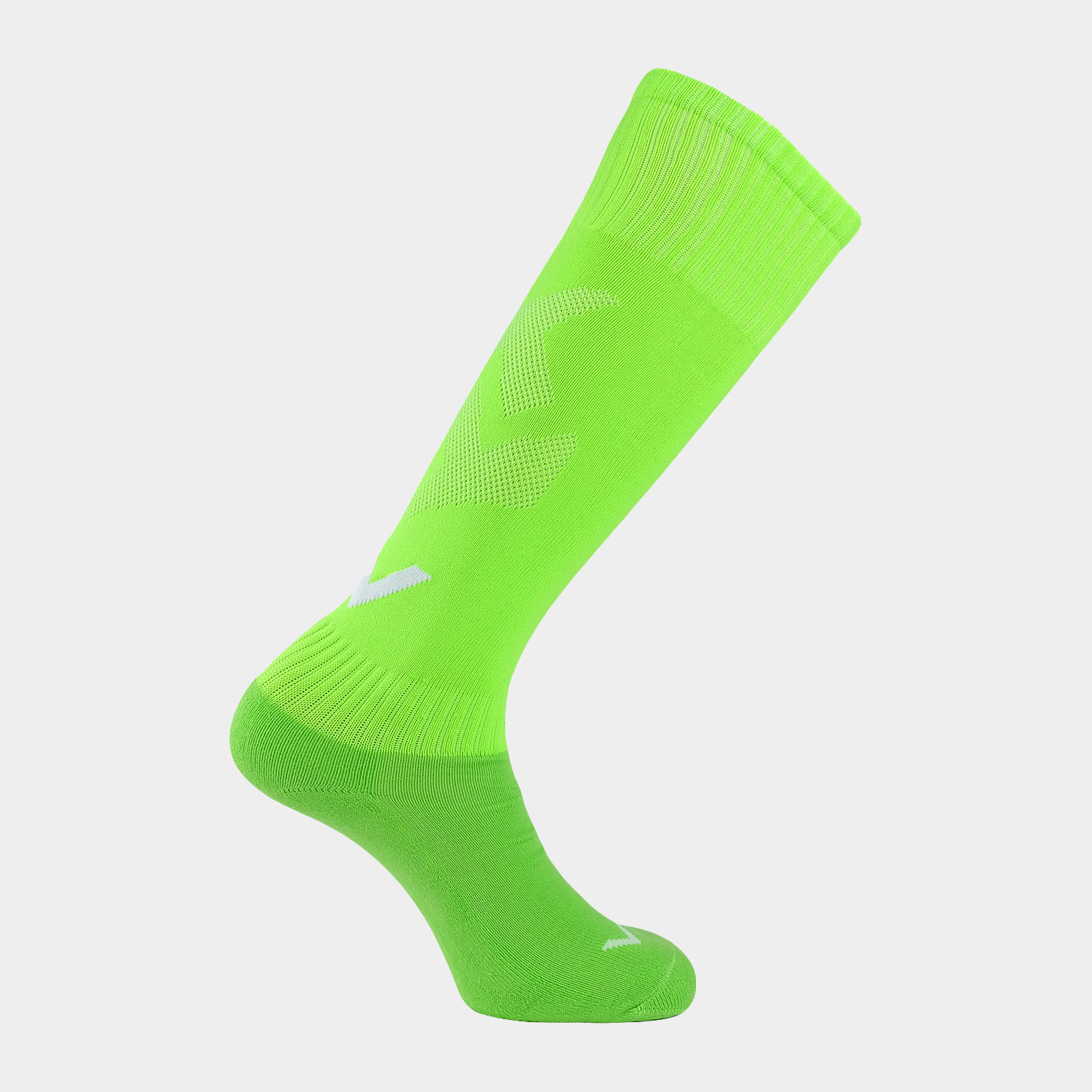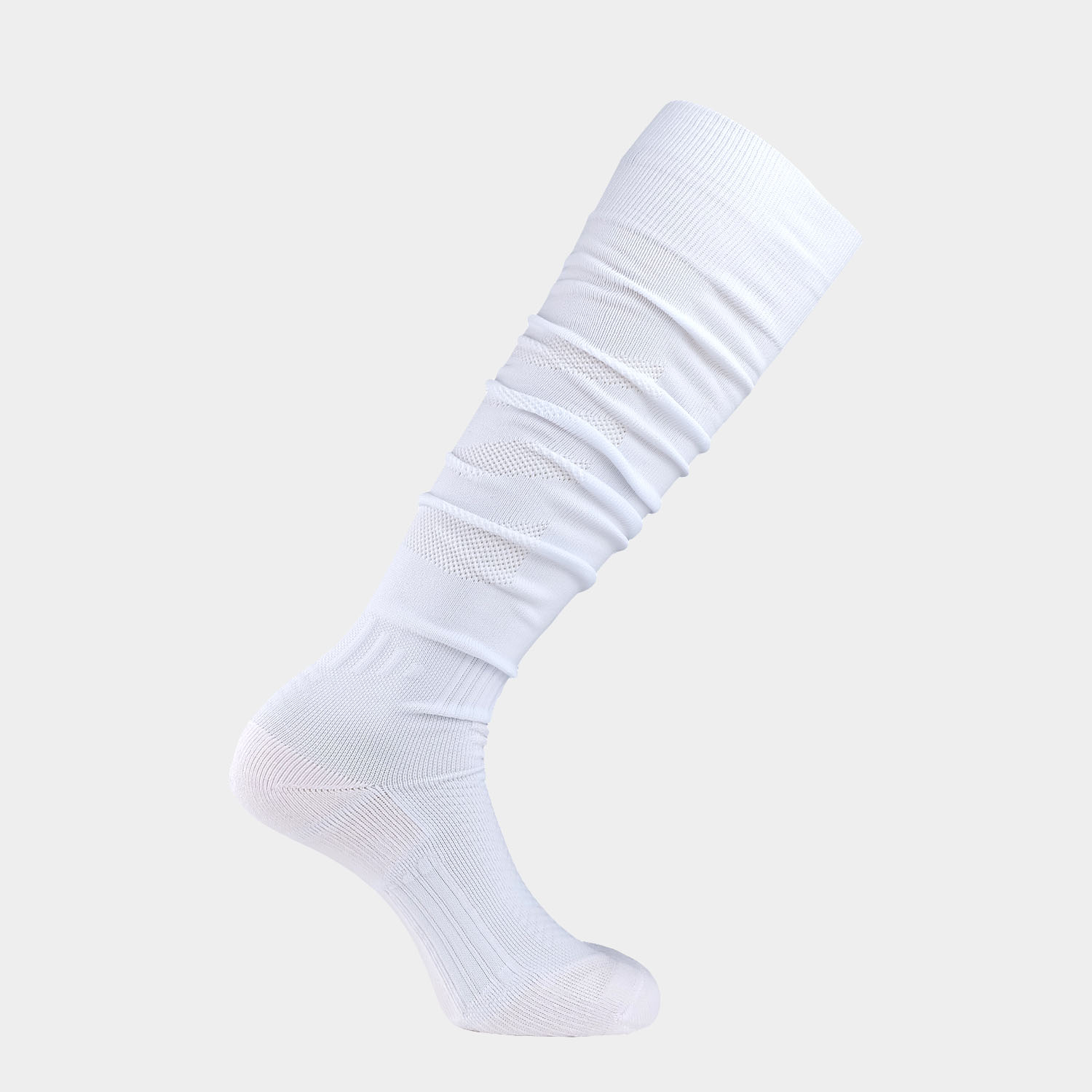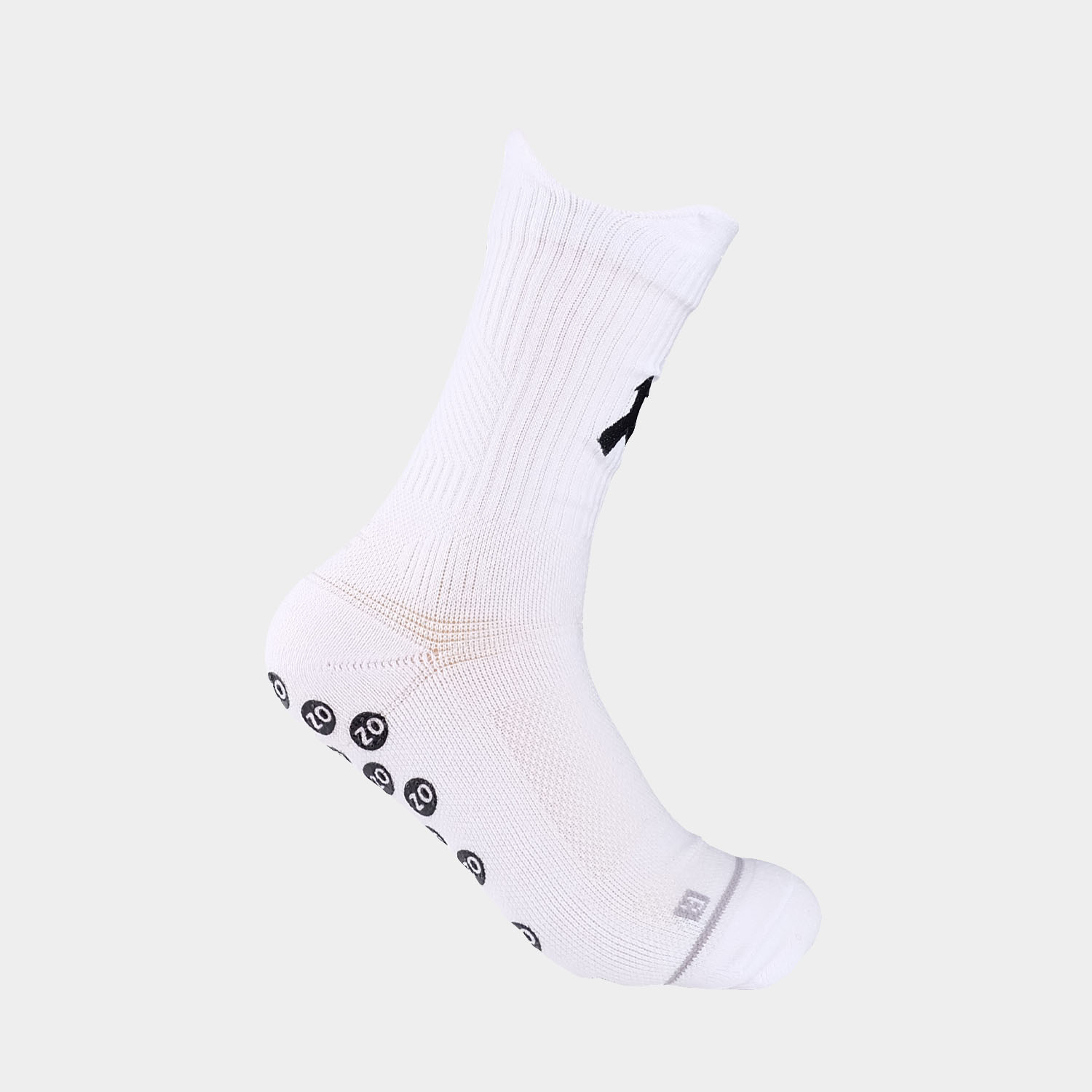

No show socks are low-cut socks engineered to stay invisible below the shoe line. These socks prevent the slipping, bunching, and odor problems that come with going sockless.
These socks cover the heel, sole, and toes while leaving the top of the foot exposed. This cut sits below the rim of any low-cut shoe, so no fabric peeks out when standing, walking, or sitting. Unlike ankle socks, which still show a band of fabric above the shoe line, a properly designed no show sock disappears completely.
Business professionals pair these socks with loafers for a clean, sockless look at the office. Athletes rely on them inside training shoes to absorb sweat and prevent blisters. Casual wearers choose them with canvas sneakers and slip-ons during warm months. The challenge is making a sock that stays invisible while also staying on the foot.
How No Show Socks Work
Staying in place depends on two construction elements. The heel cup wraps around the back of the foot to anchor the sock. The elastic banding across the midfoot prevents the sock from sliding forward during steps.
Why No Show Socks Keep Slipping
Slipping ranks as the most common complaint about no show socks.
Silicone Grip Strips and Heel Tab Design
Silicone grip strips run along the inside of the heel cup, creating friction between the sock and the shoe to hold the sock in place during movement. Cheap no show socks use a thin silicone line that peels away after a few washes. Quality no show socks use a thicker silicone coating that withstands hundreds of wash cycles without breaking down.
A Y-shaped heel panel follows the natural curve of the heel bone, giving the grip strip a better surface to hold. A flat heel panel gaps away from the bone, loosening the grip regardless of how much silicone is applied.
Knit Structure and Elastic Banding
Ribbed knitting creates elasticity that lets the sock conform to foot shape and spring back after each step. Plain knit socks lack this recovery, so they stretch out permanently after a few wears.
Elastic banding across the arch and midfoot locks the sock to the foot. This banding prevents forward sliding, which is the motion that causes bunching under the toes. The best no show socks use a medium-weight knit that holds its shape without adding bulk or creating pressure points.

Choosing the Right Material for No Show Socks
Material choice shapes how the sock feels, how long it lasts, and when to wear it.
Cotton and Combed Cotton Blends
Cotton is the most common material for no show socks. This fiber breathes well and feels soft against the skin, which makes it comfortable for everyday wear in moderate climates. Pure cotton absorbs moisture but does not release it quickly, so feet that sweat will feel damp after a few hours.
Combed cotton removes short fibers from the yarn during processing, producing a softer hand feel and increased durability. A typical combed cotton no show sock blend is 80% combed cotton, 15% nylon, and 5% spandex.
Merino Wool and Performance Fibers
Merino wool no show socks handle temperature and moisture better than cotton. Sockcn sources this fiber directly from Australia and New Zealand. Merino wool regulates body heat in both warm and cold conditions and absorbs up to 30% of its weight in moisture without feeling wet, which makes this material a strong choice for people who deal with sweaty feet. The fiber structure also inhibits bacterial growth, so merino no show socks stay fresh longer between washes.
Standard merino no show socks use a 70% merino wool and 30% nylon blend. Performance versions may incorporate polyester or CoolMax fibers to accelerate moisture wicking during athletic activities.
Synthetic and Blended Fabrics
Polyester wicks moisture away from the skin and dries faster than cotton or wool. Nylon resists abrasion and holds its shape through repeated stretching. These two fibers often appear together in no show socks designed for athletic use and high-volume retail. CoolMax and similar technical fabrics use a four-channel fiber cross-section that pulls moisture away from the skin surface for faster evaporation.
Blended fabrics combine the strengths of multiple fibers. Combed cotton with nylon and spandex balances comfort and durability. Polyester with cotton improves hand feel while keeping the moisture-wicking benefits. Each blend targets a specific use case, so the best choice depends on the end wearer’s needs.
Matching No Show Socks to the Right Footwear
No show socks are not a universal fit across shoe types. The sock profile must match the shoe cut to stay hidden and anchored.
Loafers and Dress Shoes
Loafers and dress shoes have low-cut openings that expose the top of the foot. This design requires the lowest possible sock profile. The sock edge needs a clean, flat finish because a rolled edge creates a visible ridge. Laser-cut or bonded edges sit flush against the skin and disappear under the shoe line. Grip quality matters more with loafers because smooth leather insoles offer less friction than canvas or mesh.
Boat Shoes and Moccasins
Boat shoes have leather insoles that get slick with sweat during summer wear. No show socks for boat shoes need strong silicone grip and moisture-wicking material. Cotton or cotton-blend no show socks work well here because the breathability matches the shoe’s warm-weather purpose.
Moccasins have soft suede interiors that create different friction levels than smooth leather. A thin-profile no show sock with elastic arch banding prevents the sock from sliding forward inside the looser moccasin structure.
Athletic Sneakers
Athletic sneakers have higher openings that give the sock more room to extend up the midfoot. This extra coverage improves grip during physical activity. Targeted cushioning at the heel and forefoot absorbs shock from repetitive foot strikes. No show socks for these shoes should use moisture-wicking fibers like polyester, CoolMax, or merino wool blends to match the shoe’s airflow.
Canvas Shoes
Canvas shoes like low-top Converse and Vans have flat insoles with minimal arch support. The smooth cotton interior lets socks slide forward with every step. No show socks with a built-in arch band solve this problem by locking the sock to the midfoot against the flat insole.
Picking the Right Size for No Show Socks
No show socks follow standard sock sizing. A medium typically covers US men’s sizes 7 to 11. A too-small sock lifts the silicone grip away from the skin. A too-large sock bunches in the toe box, creating wrinkles that press against the foot.
When a foot falls between two sizes, choosing the closer specific size performs better than defaulting to a one-size option. Youth sizes serve children and teenagers, while extended sizes cover adults with feet above the standard large range.

Sourcing No Show Socks in Bulk
Working with a custom sock manufacturer like Sockcn, minimum order quantities start at 100 pairs for standard cotton blends and 300 pairs for custom designs. Factory-direct pricing cuts per-pair cost by 30 to 50 percent versus retail. Customization covers material blends, Pantone-matched colors, logo placement, and packaging. Samples in 5 to 7 days. Bulk production in 2 to 4 weeks.
Certifications like OEKO-TEX Standard 100, GOTS, GRS, RWS, and BSCI verify material safety, organic sourcing, recycled content, animal welfare, and ethical manufacturing. Merino wool is sourced from Australia and New Zealand, and alpaca fiber comes from Peru. Durability testing covers abrasion resistance up to 100,000 rubs, colorfastness, and dimensional stability.
FAQ
Q1. How Do You Wash No Show Socks Without Ruining the Grip?
Wash no show socks inside out in cold water on a gentle cycle. Air dry instead of using a dryer because heat breaks down the silicone grip strips faster than detergent does. Merino wool pairs need extra care, so follow a dedicated guide for washing merino wool socks to preserve both the fiber and the grip.
Q2. Are No Show Socks Bad for Your Feet?
No show socks protect feet better than going barefoot inside shoes. Barefoot wear causes blisters from friction and slipping inside sneakers and creates conditions for athlete’s foot. The only risk is wearing a size too tight, which can restrict toe circulation.
Q3. How Long Do No Show Socks Last?
A quality pair lasts 6 to 12 months with regular wear. The silicone grip strip is usually the first part to wear out. Air drying instead of machine drying extends the lifespan of both the grip and the knit.
Q4. Do No Show Socks Help with Sweaty Feet?
Merino wool no show socks handle sweaty feet best because this fiber absorbs up to 30% of its weight in moisture without feeling wet. Cotton traps moisture and feels damp faster during warm weather.
Q5. Can You Wear No Show Socks to a Wedding or Formal Event?
No show socks work with formal loafers and oxfords when the goal is a sockless look. Choose the lowest profile with a laser-cut edge so no fabric shows above the shoe line, and pick dark colors that blend with the shoe interior.