Last Updated: September 14, 2026
Choosing a custom wool socks manufacturer involves more than comparing prices, samples, and minimum order quantities. Wool socks require specific knowledge of yarn selection, material blends, product construction, and durability requirements that may not apply to ordinary cotton or synthetic socks.
The right manufacturer should understand your product requirements, recommend suitable materials, support development and sampling, and maintain consistent quality from the first sample to bulk production.
When comparing suppliers, retailers should focus on four areas: wool expertise, manufacturing capability, product development, and quality control.
Why Wool Socks Are Different to Manufacture
A factory may have years of experience producing socks without having extensive experience developing wool products. The difference begins with the material.
Wool socks can require additional decisions about:
- Yarn type and quality
- Wool blend ratios
- Material availability
- Reinforcement
- Knitting structure
- Finishing and shrinkage control
- Durability requirements
These decisions can affect the final product before production even begins.
For example, a lightweight everyday wool sock may require a very different material and construction approach from a hiking, ski, or running sock.
For this reason, retailers should not only ask:
Can this factory make socks?
They should ask:
Can this factory explain how it would develop my wool socks?

Does the Manufacturer Really Understand Wool
The first step is determining whether the manufacturer has practical experience working with wool materials, including the yarns and blends commonly used in merino wool socks.
A knowledgeable supplier should be able to explain why different yarns and blends perform differently and recommend materials based on the intended use of the socks.
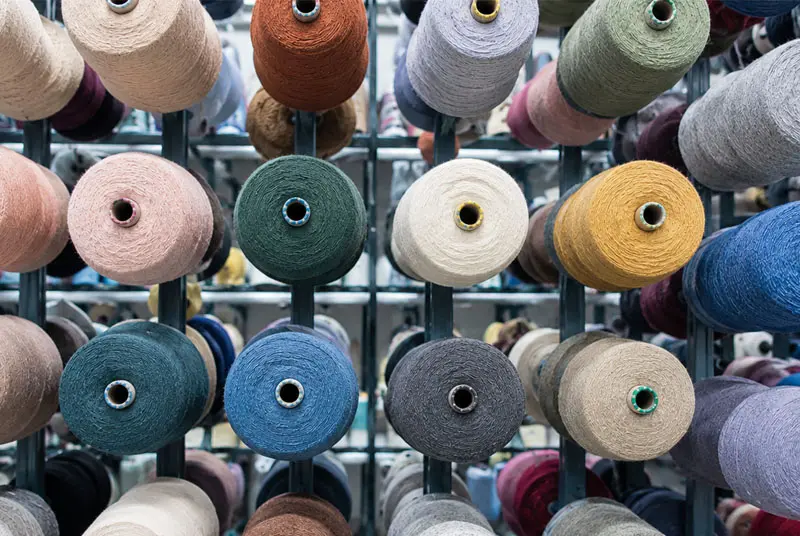
Not All Wool Yarns Perform the Same
Not all wool yarns have the same characteristics.
Yarn quality and construction can affect:
- Softness
- Durability
- Elasticity
- Cost
- Product lifespan
For example, some readily available yarns may help reduce development time and material costs, while higher-specification yarns may provide greater control over product performance.
The manufacturer should be able to explain the differences between the available options rather than simply recommending the same material for every project. This is one reason why merino wool blend socks can vary significantly in feel, durability, and performance even when the overall wool percentage appears similar.
Stock Wool Yarn or Custom Yarn
One of the first material decisions in a custom wool socks project is whether to use existing stock yarn or develop a more customized yarn solution.
Stock Wool Yarn
Stock yarn is already available from suppliers and is commonly used for small- to medium-sized custom projects.
It may offer:
- Faster sourcing
- Shorter development cycles
- Lower development costs
- More accessible order requirements
However, brands may have fewer options when it comes to specific fiber characteristics, blend ratios, or other material specifications.
Custom Yarn
Custom yarn development can provide greater flexibility for projects with specific material or performance requirements.
Depending on the project, brands may have more control over:
- Fiber specifications
- Blend ratios
- Yarn construction
- Product positioning
However, custom development may require additional time, investment, and order volume.
A manufacturer should help retailers understand which option is appropriate for the project rather than automatically recommending one solution.
How Sockcn Approaches Wool Sourcing
For custom wool sock projects, Sockcn evaluates yarn based on factors such as fiber fineness, yarn construction, elasticity, and color consistency. Where a project requires specific wool specifications, the team can work with yarn suppliers to identify suitable materials and maintain consistency across production batches.
The Material Should Match the Product
Material recommendations should begin with the intended use of the socks.
Before recommending a wool blend or construction, an experienced manufacturer should ask questions such as:
- Who will wear the socks?
- How will they be used?
- Is comfort or durability the priority?
- Will the socks be used for outdoor activities?
- Are they designed for everyday wear?
- Is the project focused on performance, retail, or promotional use?
Different applications may require different material and construction approaches.
For example, merino wool hiking socks may require additional durability and cushioning, while merino wool running socks may prioritize fit, lightweight construction, and performance.
A factory that recommends the same material solution before understanding the product requirements may be using a standardized approach rather than developing the product around the intended use.

Beyond Materials: What Else Should You Look For
Understanding wool is important, but it is only part of the decision.
The supplier also needs to support the project from development through bulk production. This includes production capacity, order requirements, and the ability to provide realistic delivery timelines.
Can the Factory Grow With Your Business
Production capacity should match both your current requirements and your future growth plans.
Consider:
- Current order volume
- Expected repeat orders
- Seasonal demand
- Future expansion
- Production scheduling flexibility
The largest factory is not always the best choice.
The goal is to find a manufacturer whose production capabilities match the scale of your business.
MOQ Is About More Than the Number
MOQ affects product development, inventory planning, unit costs, and business risk.
However, buyers should look beyond the number itself.
Ask why the MOQ is set at that level.
It may be influenced by:
- Material sourcing
- Yarn availability
- Customization requirements
- Machine setup
- Production efficiency
- Packaging requirements
For wool socks, the level of customization may also influence the MOQ.
A project using existing materials and standard construction may have different requirements from one involving customized yarn or highly specific product development.
Before comparing suppliers, make sure you understand what level of customization is included in the proposed MOQ.
Lead Time Is More Than Just Production Time
A realistic production schedule involves more than knitting time.
Depending on the project, the process may include:
- Material sourcing
- Product development
- Sampling
- Sample approval
- Production scheduling
- Bulk production
- Quality inspection
- Packaging and shipping
For wool socks, yarn availability can affect the overall timeline.
A reliable manufacturer should provide a clear explanation of the production schedule rather than simply promising the fastest delivery time.
What Happens Between the First Sample and Bulk Production
The development process is often where the quality of a manufacturing partner becomes most visible.
A supplier may be able to produce a basic sample, but a strong manufacturing partner should also be able to support product development and maintain consistency during bulk production.
Sampling Is Part of Product Development
A sample is more than a physical product. It is an opportunity to identify potential issues before bulk production.
During development, manufacturers may provide feedback on:
- Material selection
- Wool blends
- Sock structure
- Cushioning
- Reinforcement
- Design feasibility
- Production limitations
When evaluating suppliers, consider whether they simply manufacture your specifications or actively provide technical feedback during development.
For custom wool socks, early feedback can help prevent problems with comfort, fit, durability, or production feasibility.

Keeping Bulk Production Consistent
Quality control should not begin only after the finished socks are packed.
Buyers should understand how the manufacturer manages consistency throughout production.
Important areas may include:
- Material inspection
- Yarn consistency
- Knitting quality
- Size and shape control
- Color consistency
- Finishing
- Final inspection
One of the most important questions to ask is:
How do you ensure that bulk production remains consistent with the approved sample?
A manufacturer should be able to explain this process clearly.
A Factory Example
For example, Sockcn carries out quality checks at multiple stages, from incoming yarn inspection through knitting, stitching, finishing, shaping, and final packing. Depending on the product requirements, additional checks may include abrasion resistance, shrinkage, tear resistance, and color fastness.
For high-wear products, such as hiking or outdoor wool socks, buyers may also want to ask whether the manufacturer conducts abrasion testing on areas such as the heel and toe.
Questions Worth Asking Before Choosing a Manufacturer
When comparing custom wool socks manufacturers, the following questions can help you understand how the supplier approaches materials, development, and production.
What to Evaluate | Questions to Ask |
Wool Experience | What types of wool or wool-blend socks have you produced? |
Yarn Knowledge | What yarn options do you recommend for this product, and why? |
Material Recommendation | How would the material change based on the intended use of the socks? |
Yarn Sourcing | Are you using existing stock yarn or sourcing materials specifically for this project? |
MOQ | What customization is included at this MOQ? |
Sampling | Can I review and revise a physical sample before bulk production? |
Product Development | Can you provide technical feedback on materials and construction? |
Production Capacity | Can you support future repeat orders or increased volume? |
Quality Control | What quality checks are performed during production? |
Batch Consistency | How do you ensure bulk production matches the approved sample? |
Lead Time | What factors affect the production timeline? |
A strong manufacturer should be able to provide clear and specific answers rather than general promises.
Testing a Merino Wool Sock Line? Start at 100 Pairs.
Sockcn's pre-production samples run on the same yarns, machines, and settings as bulk orders, giving buyers a reliable reference before committing to scale. RWS-certified merino blends and in-house pressure testing are standard across all sampling stages.
Three Red Flags When Choosing a Wool Socks Manufacturer
Not every issue appears in a quotation or sample. Sometimes, the way a manufacturer answers your questions tells you more about their capabilities than their sales presentation.
They Recommend Materials Before Asking About Product Use
Different wool socks require different material and construction approaches.
If a manufacturer immediately recommends a standard wool blend without asking how the socks will be used, they may be relying on a standardized formula rather than evaluating the product requirements.

They Promise Everything Without Explaining Limitations
Custom product development involves material, production, and scheduling requirements.
Be cautious if a supplier promises extremely low costs, fast delivery, extensive customization, and high performance without explaining how these requirements will be achieved.
A knowledgeable manufacturer should provide clear information about the production process and project requirements.
The MOQ Is Low but the Customization Scope Is Unclear
Low MOQs can be valuable, especially for new brands. However, buyers should clarify exactly what is included.
Ask whether the project uses:
- Existing materials
- Existing colors
- Standard sock structures
- Limited customization
The important question is not simply:
What is the MOQ?
It is:
What level of customization does this MOQ support?
A Practical Example
example, Sockcn supports custom sock orders starting from 100 pairs, while the exact material, construction, and customization requirements may affect the project specifications and pricing. Buyers should confirm what is included at the quoted MOQ before placing an order.
Choosing the Right Manufacturing Partner
Before contacting suppliers, retailers should first define their product requirements.
Consider:
- Who will wear the socks?
- How will they be used?
- What level of performance is required?
- What type of wool or material characteristics are important?
- How much customization is needed?
- What order volume do you expect?
Once these requirements are clear, it becomes much easier to evaluate manufacturers.
The right supplier should be able to understand your product, recommend suitable materials, support development, and provide realistic information about production and quality.
Choosing a custom wool socks manufacturer is not simply about finding a factory that can make socks. It is about finding a manufacturing partner that can help turn your product requirements into a consistent, scalable product.