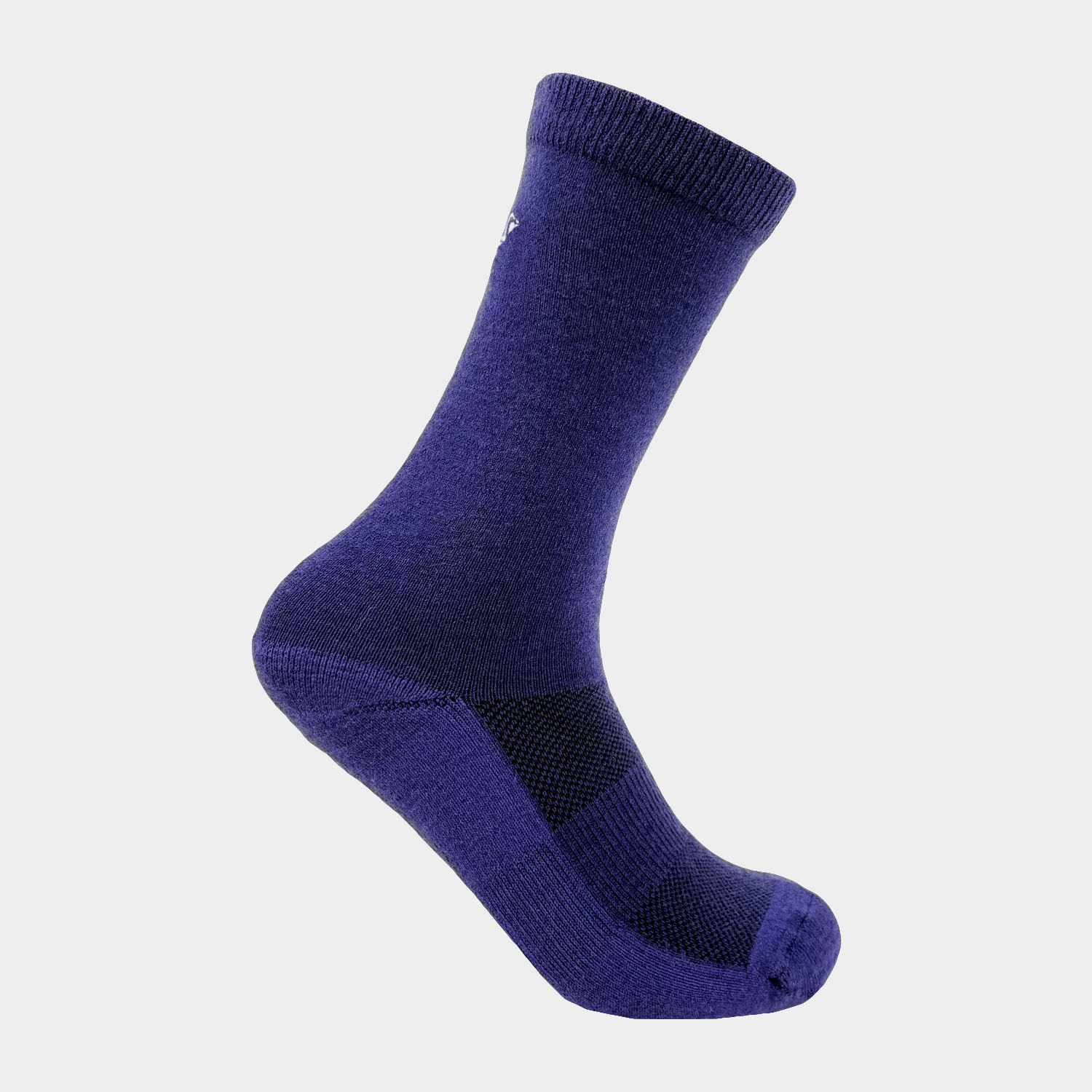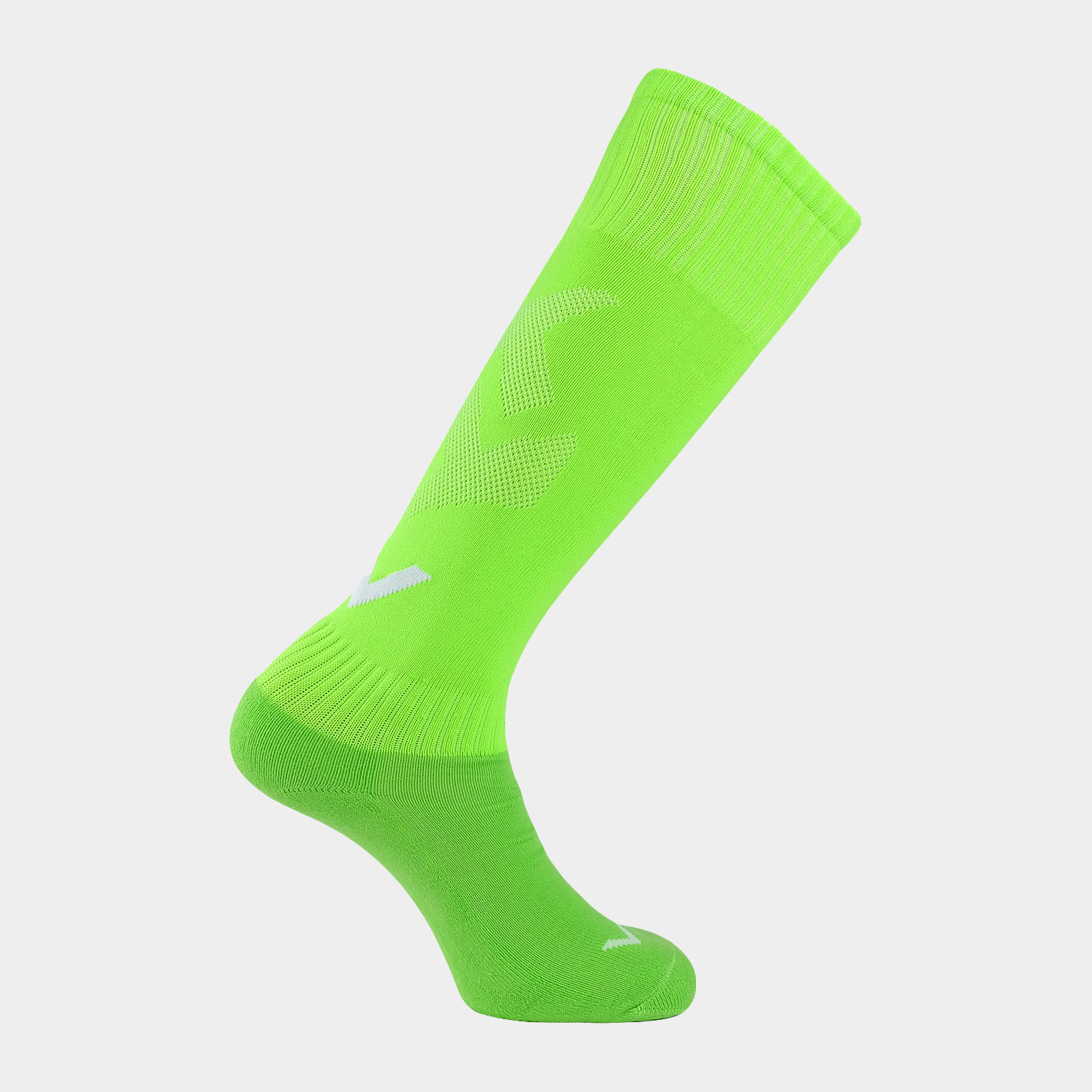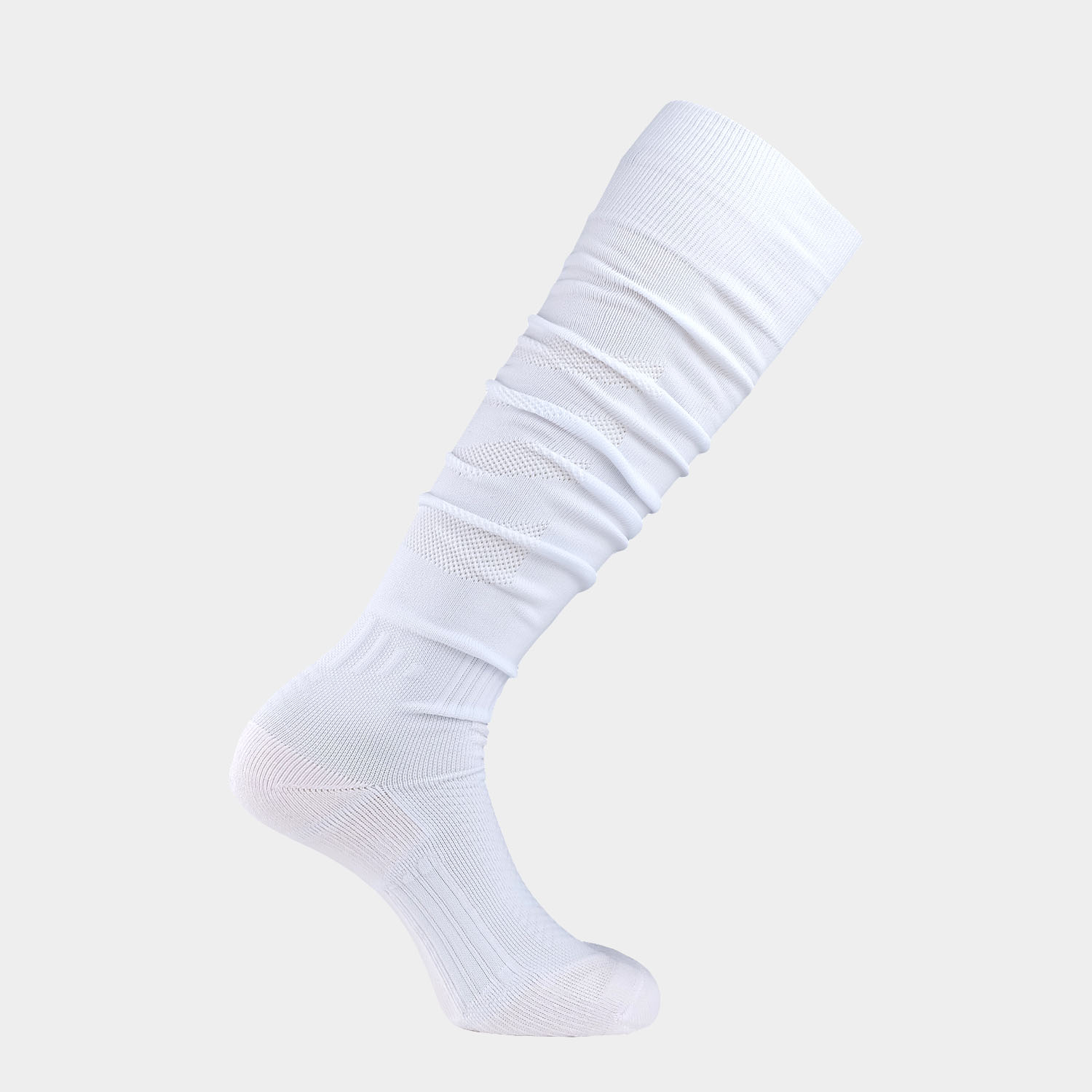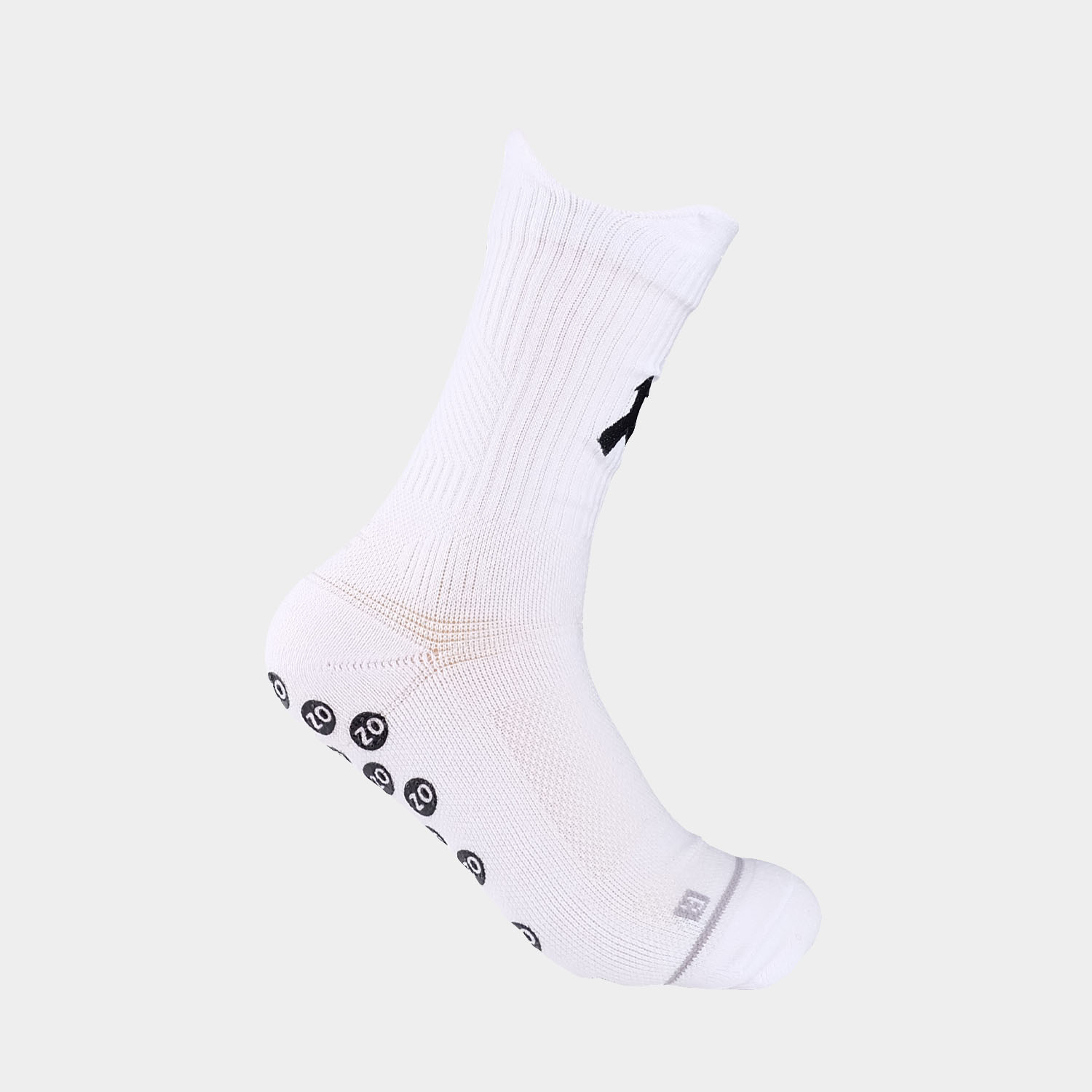

Wool prices are climbing again, but the bigger shift is happening inside product planning. For many custom sock brands, materials that once sat comfortably in the “premium but stable” category now come with more sourcing pressure, tighter margins, and less flexibility during development.
That change is starting to affect how wool sock collections are built for 2026 — from yarn selection and blend ratios to MOQ decisions and seasonal production timing.
What We’re Seeing in the Wool Market
The biggest changes are happening in fine merino yarns used for premium and performance sock programs. Compared to last year, pricing conversations are coming up much earlier in development — sometimes before sock structures or color layouts are even finalized.
We’ve also noticed that yarn suppliers are adjusting quotes more frequently than before. In the past, pricing for wool programs could stay relatively stable through sampling and production. Recently, that window feels shorter, especially for finer merino blends and smaller custom runs.
Another shift is the gap between “raw wool” discussions and actual production costs. A wool market headline may suggest pricing has softened, but that doesn’t always translate to lower yarn costs at the factory level once spinning, dyeing, and sourcing timelines are factored in.
Alpaca is starting to appear in more development conversations as well — not necessarily as a replacement for merino, but as a premium alternative for brands looking at softness, warmth, or differentiation in winter collections.
Implications for Custom Sock Manufacturing

The pressure from wool pricing doesn’t stay at the sourcing level for long. Once it reaches development and production, even stable sock programs start behaving differently — especially in categories built around fine merino yarns or higher wool content.
Cost Impact on Production
We’ve seen fine merino programs come in noticeably higher than the same constructions produced a year ago, even before changing packaging, cushioning, or knitting complexity. On styles with heavier wool content, the increase becomes harder to absorb once order volume scales across multiple seasonal runs.
That shift affects more than quoting. Some designs that previously sat comfortably inside a target price range now move into a different category entirely after yarn confirmation. Brands developing winter collections or outdoor lines are usually the first to feel it.
The pressure is even sharper on smaller custom programs. A wool-heavy sock with multiple color yarns, custom packaging, and lower quantities leaves much less room to balance cost increases elsewhere in production.
Insider Note
We’ve seen per-pair costs rise 8–12% on heavy merino designs compared to last year, even without changing construction.
MOQ and Production Planning
MOQ conversations are happening earlier now. Not because factories suddenly want larger orders, but because fine wool yarns are becoming less forgiving in smaller runs.
We’ve seen situations where sampling yarns were available one month, then noticeably more expensive or delayed by the time production was confirmed. That creates hesitation around smaller developments, especially for seasonal launches working against fixed retail timelines.
Larger brands can usually spread those fluctuations across repeat programs. Smaller brands tend to feel them immediately. In some cases, adjusting production timing matters more than adjusting the sock design itself.
Quick Win
Bundling multiple SKUs or adjusting production sequence can reduce margin erosion on smaller runs.
Material Selection Adjustments
Material discussions are changing too. A year ago, many brands approached merino as a straightforward premium upgrade. Now the conversation is more layered — how much merino is actually needed, where performance matters most, and whether certain zones can shift into blended constructions without changing the feel of the sock too dramatically.
We’re also seeing more interest in controlled blends rather than fully wool-based builds. Not necessarily to cheapen the product, but to stabilize development costs while keeping the softness, temperature regulation, or outdoor positioning associated with wool socks.
Alpaca enters the discussion differently. Usually not as a direct replacement, but as a niche material for brands trying to separate winter collections from the increasingly crowded merino space.
Impact on Brand Procurement Decisions
When wool prices shift, hesitation can be costly. Brands that act early and structure decisions strategically gain a tangible advantage over competitors scrambling to adjust mid-season.
Budgeting and Pricing Strategy
Revisit unit costs immediately after any yarn quote change. Allocate a buffer for fine merino and alpaca content — even small increases can erode margin quickly on high-volume orders. Consider adjusting your retail or wholesale pricing tiers in advance rather than reacting after production, and lock in budgets for seasonal programs based on updated material assumptions.
Order Timing and Planning
Revisit unit costs immediately after any yarn quote change. Allocate a buffer for fine merino and alpaca content —
Move procurement discussions forward. Confirm sampling and initial yarn allocations early to avoid last-minute cost spikes. Prioritize orders for key seasonal lines and secure production slots as soon as feasible. For smaller brands, bundling multiple SKU orders can stabilize costs and reduce the risk of delays.
Alternative Materials Considerations
Explore blends and targeted substitutions strategically. Use partial alpaca or polyester blends where performance needs are lower, keeping the overall feel consistent while controlling cost. Define which zones in the sock require premium fibers and which can safely incorporate blends. Document these decisions for repeat orders to ensure consistency across the season.
Expert Tip
Use targeted blends strategically — maintain softness and warmth without inflating material costs.
Forecast & Recommendations for 2026

The brands likely to struggle most in 2026 are not necessarily the ones buying the highest-grade wool. They’re the ones treating wool programs the same way they did two or three years ago.
What we’re seeing now is less about one temporary price spike and more about reduced flexibility across the entire development cycle. Yarn quotes move faster. Sampling windows feel tighter. And once production calendars begin filling for fall and winter programs, premium wool yarns become much harder to adjust late in the process.
For brands building around merino, it may no longer make sense to push every style toward maximum wool content. In many cases, a well-balanced blend delivers a more commercially sustainable product than a 100% merino construction that forces repeated price adjustments during the season.
Another shift we expect to continue: fewer speculative developments. Brands are becoming more selective about which wool concepts move into sampling, especially for smaller seasonal launches. The “develop first, figure out pricing later” approach is getting riskier.
The companies handling this best right now are usually doing two things early: securing yarn direction sooner and simplifying decision-making during development. Not necessarily cheaper products — just fewer late-stage changes once wool programs are already moving toward production.
Conclusion
Wool prices may continue shifting through 2026, but the bigger challenge is adapting product development and sourcing decisions before those shifts start affecting margins, timelines, and launch plans.
As one of China’s largest custom sock manufacturers, we work closely with brands developing merino, alpaca, and wool-blend sock programs across outdoor, winter, and performance categories. Material selection, yarn sourcing, and production planning have all become more connected than they were just a few seasons ago.
If you’re planning a wool sock collection for 2026, send us your specifications or target price range. We can help evaluate material options, estimate production impact, and recommend practical solutions before development moves too far downstream.