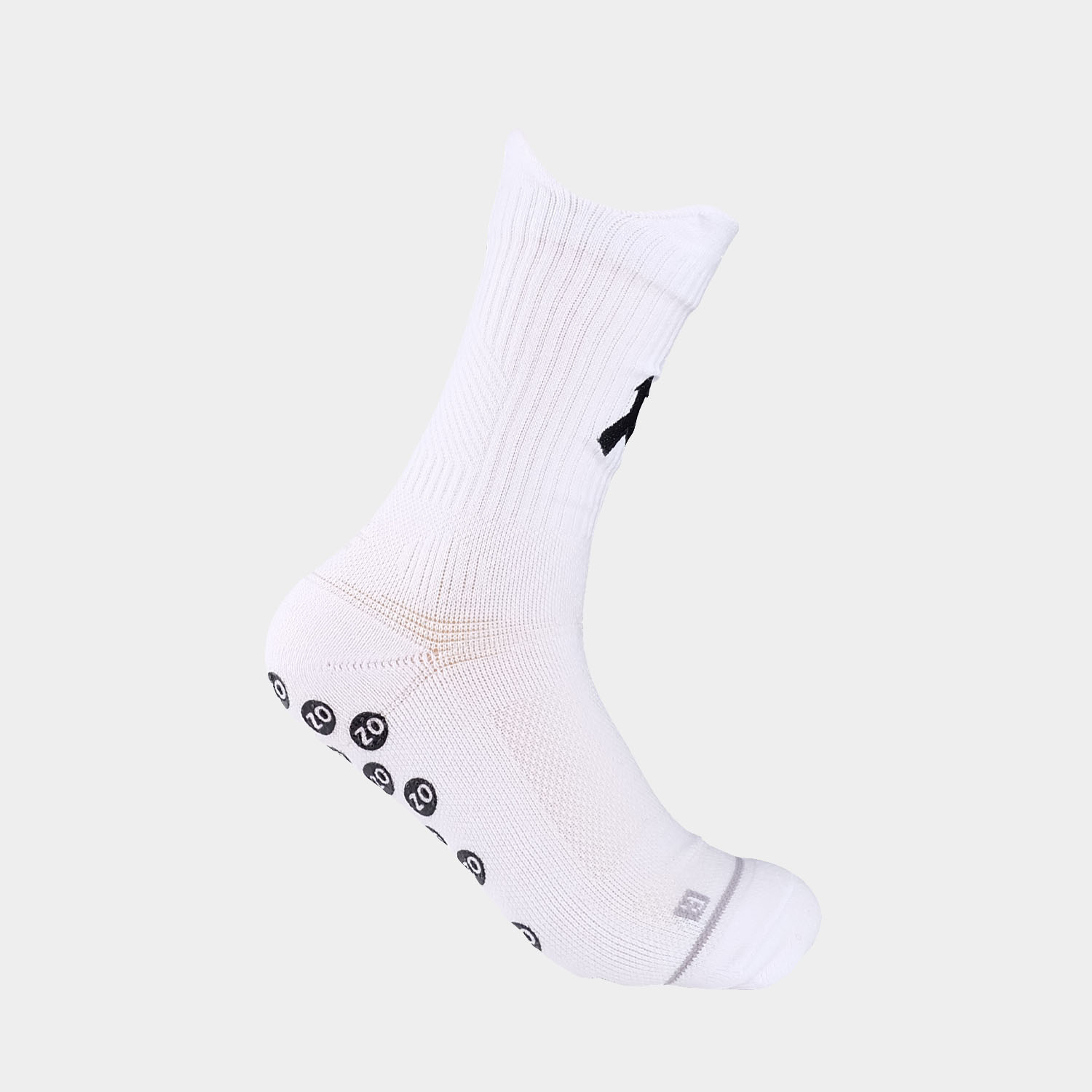
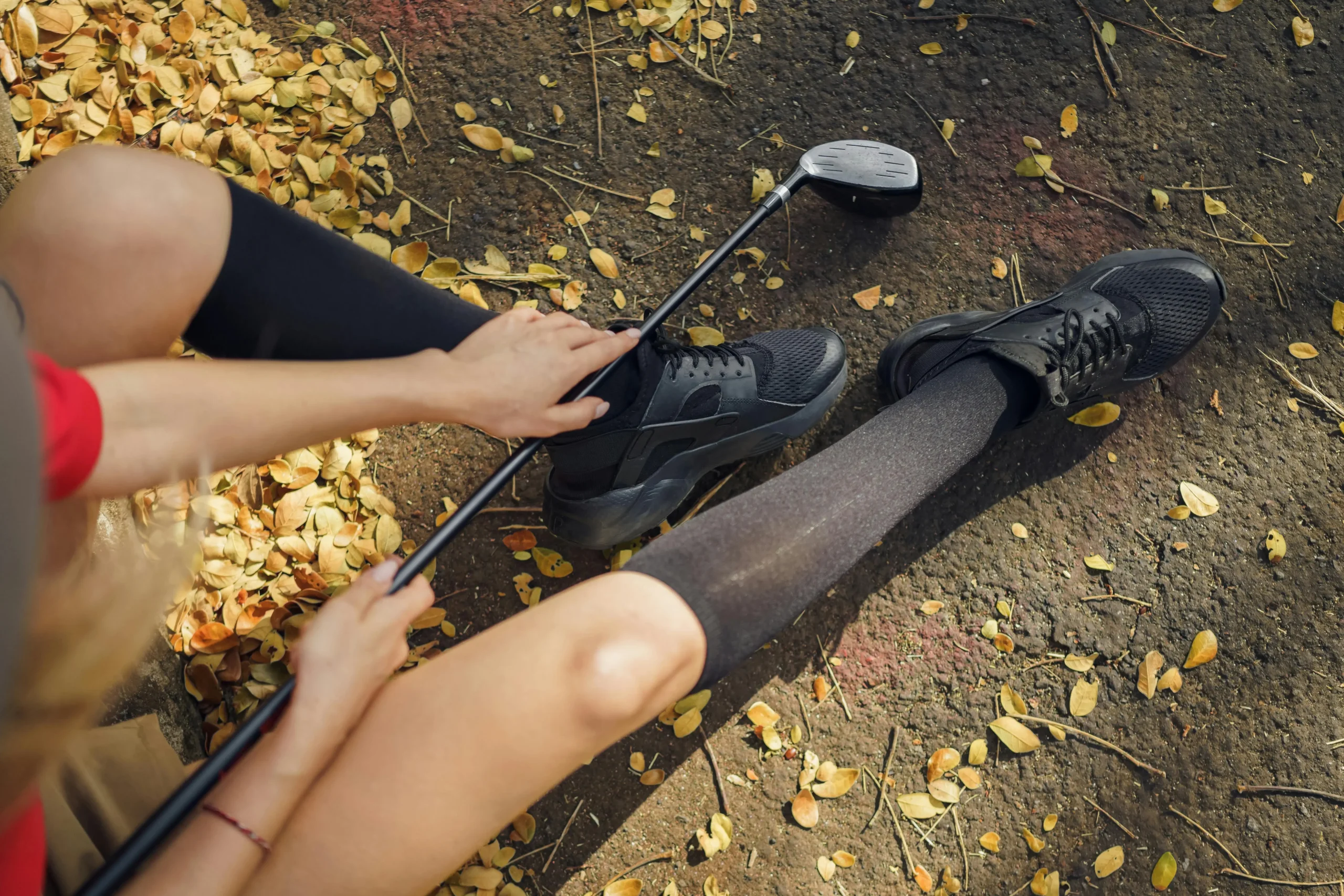
Compression socks for standing all day should match pressure level, calf fit, fabric recovery, and shift conditions. A good work sock should feel firm at the ankle, stay smooth through the calf, and support lower-leg comfort without painful pressure.
For workwear buyers, comfort is only one part of the order. The bigger question is whether the sock keeps the same compression after sampling, bulk production, washing, and daily wear.
Are Compression Socks Good for Standing All Day at Work?
Compression socks may help standing workers manage tired legs, ankle swelling, and lower-leg fluid buildup. Medical compression works by applying pressure to the lower legs, which can support blood flow and reduce pooling in the feet, ankles, and calves.
A loose sock loses support. An overly tight sock can leave marks, create discomfort, and make workers stop wearing it before the shift ends.
Leg swelling from long standing
Standing for hours can increase ankle and calf swelling when fluid collects in the lower legs. This problem often appears near the end of a shift, especially in healthcare, retail, warehouse, factory, and service jobs. Compression socks apply controlled pressure around the lower leg, which may help reduce fluid buildup when workers keep moving during the day.
Graduated compression and blood flow support
Graduated compression socks are tightest at the ankle and gradually reduce pressure up the leg. This pressure pattern fits standing work because fluid often collects around the foot, ankle, and lower calf.
A proper gradient supports upward blood flow instead of squeezing the calf unevenly. Poorly graded pressure can make the sock feel tight without giving useful support.
Situations where compression socks may not fit
Compression socks are not right for every worker or every health condition. Workers with pain, numbness, tingling, wounds, skin irritation, or circulation concerns should ask a healthcare provider before regular use.
Uniform programs should avoid one pressure level for every worker. A safer program needs clear size charts, multiple pressure options, calf circumference ranges, and basic use guidance. Workers with diabetes or circulation concerns may also need to compare diabetic socks vs compression socks before choosing a daily work sock.
What Compression Level Is Best for Standing All Day?
The best compression level for standing all day depends on shift length, swelling level, comfort tolerance, and medical guidance. Compression pressure is measured in mmHg, or millimeters of mercury.
Compression level | Best for | Buyer note |
8-15 mmHg | Light support, first-time wearers, office staff, front-desk workers, and moderate standing | Easier for large teams to accept, but may not support heavier swelling or long industrial shifts. |
15-20 mmHg | Common workday support for nurses, retail staff, service workers, and standing jobs | Often the most practical range for uniform programs, but calf grading still affects comfort. |
20-30 mmHg | Firmer support for workers who need stronger pressure | Requires better size control, clearer use instructions, and more conservative product claims. |
Pressure accuracy for bulk orders
Pressure accuracy matters most when a sample moves into bulk production. One approved sample is not enough if the full order includes several sizes, colors, or logo designs. B2B buyers should check whether pressure testing covers each size, whether testing happens during sampling and bulk production, and whether the sock keeps its compression feel after washing.
Sockcn has its own lab and supports free pressure-standard testing during sampling and bulk production. This helps buyers confirm whether compression socks match the required pressure range before shipment.
How Should Compression Socks Fit for Standing Jobs?
Compression socks for standing jobs should feel firm, smooth, and wearable through a full shift. The sock should not slide down, bunch behind the knee, dig into the calf, or leave painful cuff marks.
Fit should be based on foot, ankle, and calf measurements. For team orders, calf grading matters more than shoe size alone.
Snug but comfortable fit
A work compression sock should feel snug without sharp pressure. The heel should sit in place, the ankle should feel supported, and the fabric should lie flat against the skin. If the sock twists, wrinkles, or bunches, pressure becomes uneven and may create discomfort during long standing shifts.

Stay-up cuffs without painful pressure
The cuff should hold the sock up without cutting into the calf. A weak cuff slides down during walking, while a harsh cuff leaves red marks and makes workers remove the sock early. A wider and softer stay-up band often works better than a narrow tight band, especially for workers with larger calves.
Size grading for different calf widths
Calf-width grading is essential for workplace compression socks because two workers may wear the same shoe size but need different calf widths. Bulk buyers should request size charts that include calf circumference. This detail helps reduce fit complaints, return risk, and discomfort across large teams.
Knee-high and crew-length options
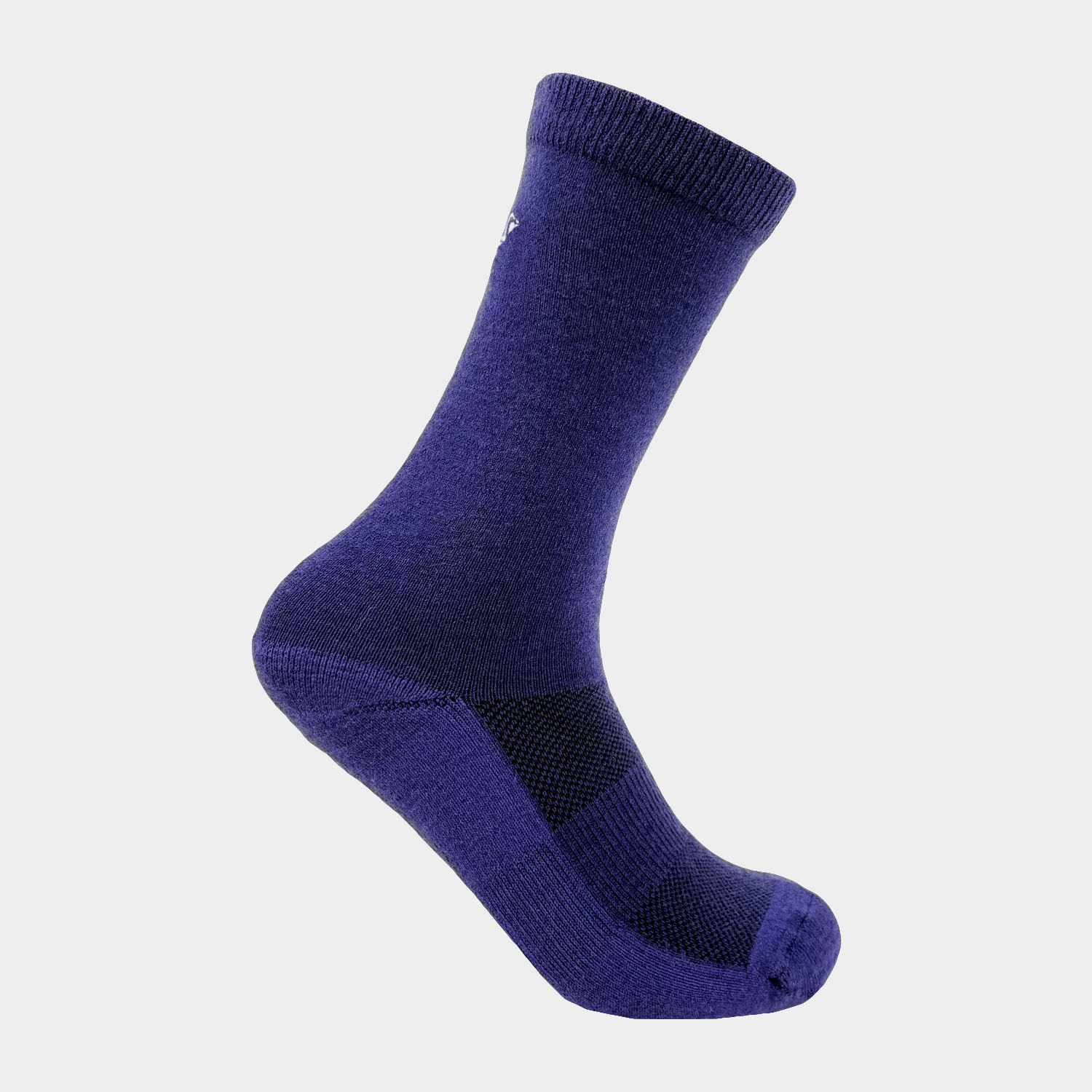
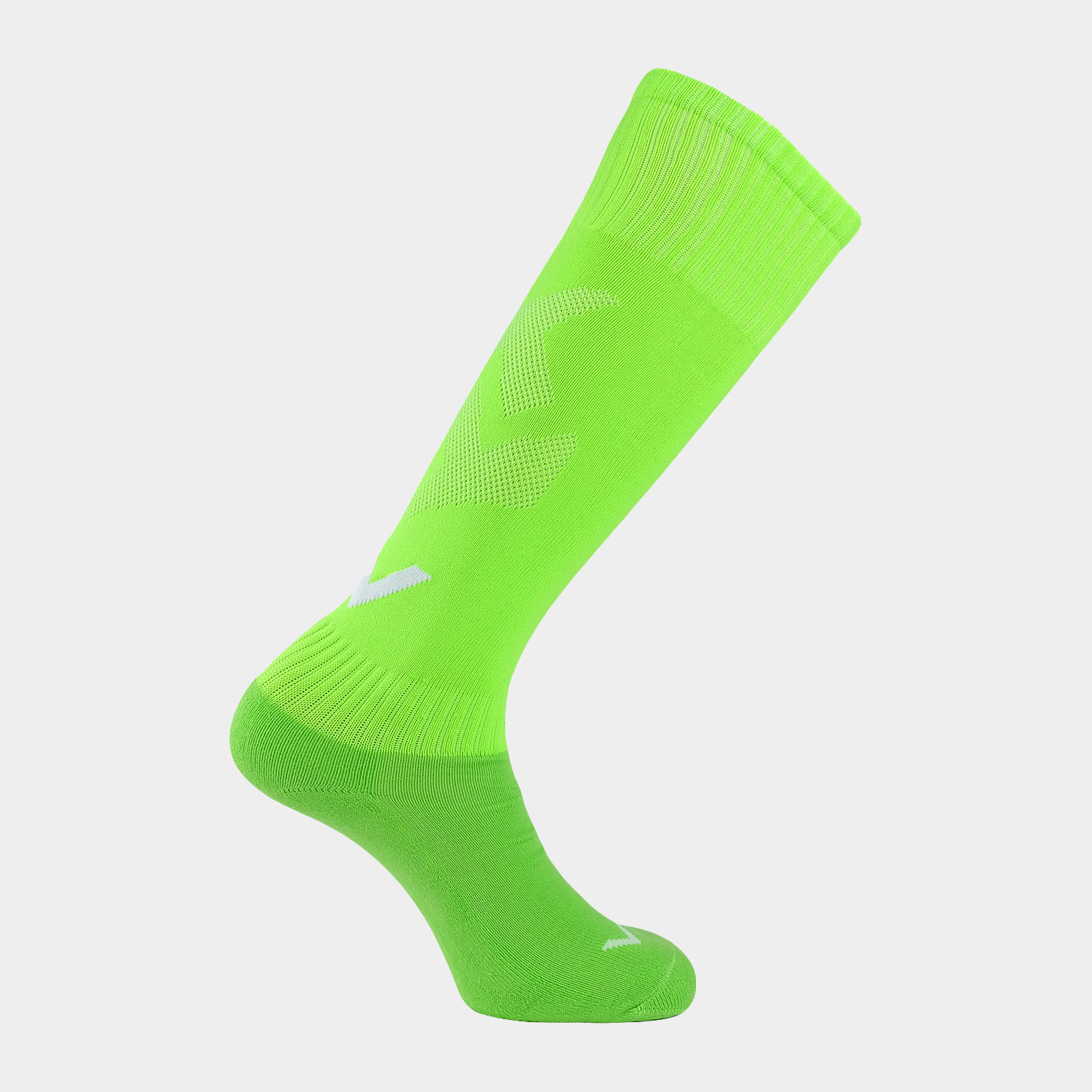
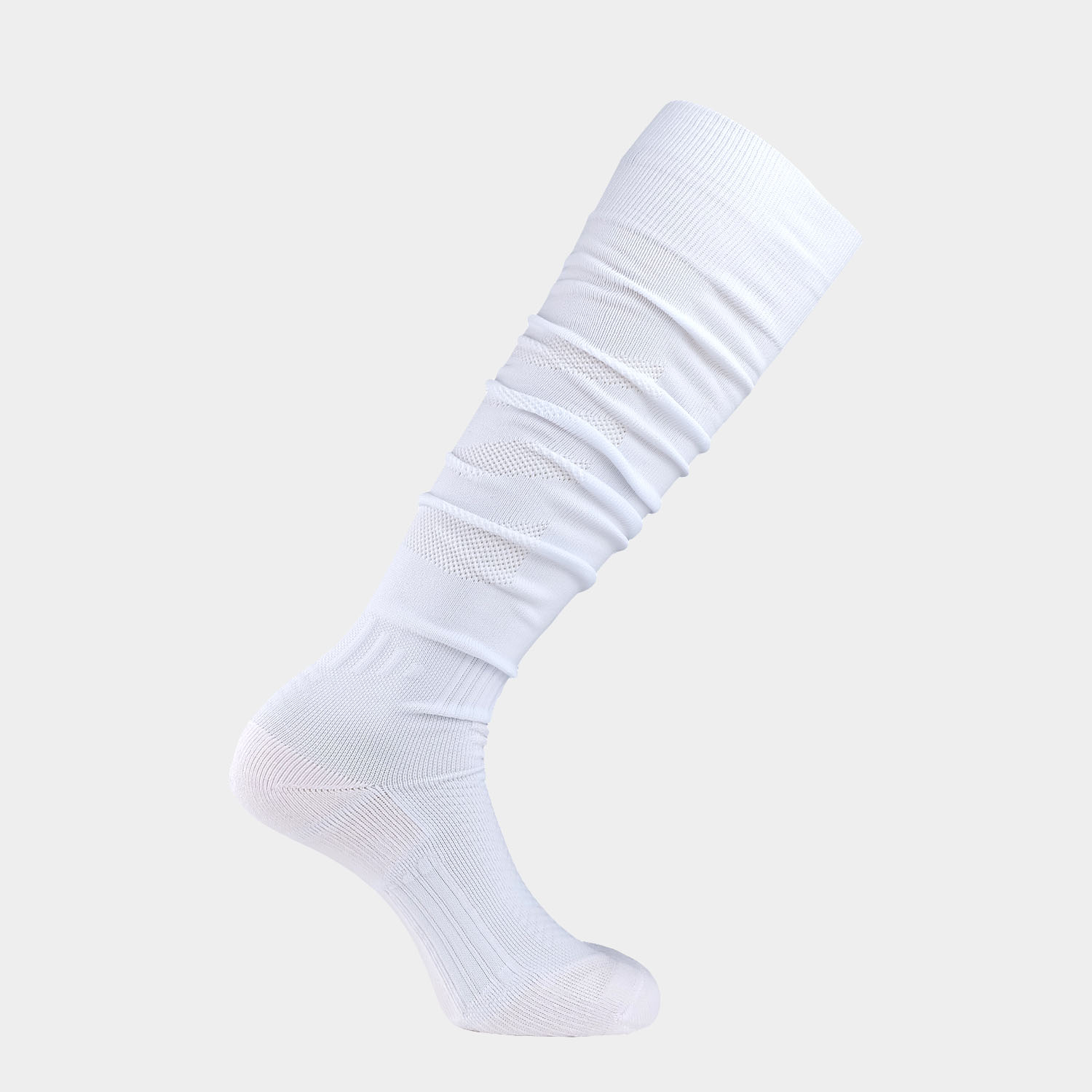
Knee-high compression socks usually give better lower-leg coverage for standing jobs because they cover the ankle and calf area where swelling often appears. Crew-length compression socks may work for light support, warmer climates, or casual uniform programs. Knee-high socks are usually the stronger option when the buying goal is ankle and calf support.
What Materials Work Best for Work Compression Socks?
Work compression socks need yarns that hold pressure, manage sweat, and recover after washing. Material choice affects stretch recovery, skin feel, odor control, drying speed, and abrasion resistance.
Most work compression socks use blended yarns. One fiber rarely gives enough compression stability, comfort, and durability at the same time.
Nylon and spandex compression stability
Nylon and spandex help compression socks keep stretch, pressure, and shape. Nylon adds strength and abrasion resistance, while spandex helps the sock recover after stretching over the foot and calf.
Cotton blend softness for daily wear
Cotton blends improve softness and skin comfort for daily work use. This material can feel more familiar for workers who dislike a slick synthetic feel. Cotton alone is not ideal for compression stability, so a stronger blend with nylon and spandex usually performs better for support, shape retention, and longer wear.
Merino wool odor control
Merino wool blends help with odor control and temperature comfort, especially for workers who spend long shifts in closed shoes. This material can suit healthcare workers, travel staff, outdoor teams, and warehouse workers who need socks to feel fresher through the day.
For buyers comparing merino wool socks for odor control, the main value is moisture handling and temperature balance. For compression socks, merino should still be blended with stronger recovery yarns because pressure control depends on stretch stability.
Bamboo blend comfort for sensitive skin
Bamboo blends can improve softness for workers with sensitive skin. This option may suit hospitality, front-desk, retail, and light-duty workwear programs where skin feel affects daily use. Bamboo blend socks still need stretch recovery and wash testing. Softness alone does not prove compression stability.
A quick bamboo vs cotton socks comparison can help buyers judge softness, breathability, and daily-wear comfort before choosing a work sock material.
Who Should Wear Compression Socks for Standing All Day?
Compression socks may suit workers who spend long hours standing, walking, or moving between stations. The main value is lower-leg support during long shifts. Workers with medical conditions should follow professional advice before regular use.
Nurses and healthcare workers
Nurses and healthcare workers often need compression socks for long shifts on hard floors. Breathable yarns, smooth toe seams, reinforced heels, and accurate calf sizing can help the sock stay comfortable through repeated standing, walking, and bending.
Retail and service workers
Retail and service workers need compression socks that stay comfortable while they stand in one place. Cashiers, servers, hotel staff, and store associates often deal with tired feet and swollen ankles after long shifts, so softer cuffs and breathable materials matter.
Warehouse and factory workers
Warehouse and factory workers need compression socks with stronger durability. These jobs often involve concrete floors, safety shoes, repeated walking, and heat buildup inside footwear, so reinforced heel and toe areas and moisture control are important.
Office and front-desk workers
Office and front-desk workers may benefit from light to medium compression during long sitting and standing periods. A lighter compression range can be easier to wear daily while still offering lower-leg support during long hours at a fixed station.
What Should B2B Buyers Check Before Ordering Work Compression Socks?
B2B buyers should check pressure accuracy, size grading, durability, wash performance, and customization before ordering custom compression socks. A good sample is only the starting point. Bulk consistency decides whether the product works in real workplace use.
A practical pre-order check should cover:
- Claimed mmHg range
- Pressure test method
- Calf circumference chart
- Reinforced heel and toe structure
- Wash resistance
- Logo and color impact on stretch
- Packaging and private-label needs
- Compression standard verification

Compression standard verification
Compression standard verification helps buyers confirm that the sock matches the claimed mmHg range. Buyers should ask whether pressure testing covers each size and whether the supplier can repeat the same pressure result in bulk production.
Pressure consistency in bulk production
Pressure consistency protects buyers from batch-to-batch complaints. A medium size and an XL size should both match their intended pressure range after proper grading.
This issue becomes more important when an order includes several colors, logos, or private-label versions because yarn tension, pattern changes, and finishing can affect stretch and feel.
Reinforced heel and toe durability
Reinforced heel and toe areas help work compression socks handle daily friction. Standing workers often wear safety shoes, clogs, sneakers, or uniform shoes for long hours, and these zones usually wear out first.
Wash resistance and shape retention
Wash resistance decides whether compression socks stay useful after repeated cleaning. Buyers should check whether the sock keeps its size, cuff hold, and compression feel after wash testing. A sock that stretches out quickly creates poor value for uniform programs.
Custom sizing for uniform programs
Custom sizing helps large teams avoid poor fit across different calf shapes. Standard small, medium, and large sizing may not cover every worker group. For hospitals, factories, retail chains, and hospitality teams, custom size grading can reduce discomfort and improve daily use.
What Should B2B Buyers Check Before Ordering Work Compression Socks?
Sockcn supports custom work compression socks through pressure testing, material selection, color matching, logo options, private labels, and sampling support. This helps workwear buyers move from product idea to approved sample with clearer control over fit and compression.
For uniform programs, the sock must do more than look on-brand. It needs to match pressure expectations, hold up to repeated washing, and stay wearable through long shifts.
In-house pressure testing support
Sockcn has its own lab and offers free pressure-standard testing during sampling and bulk production. This helps buyers check whether custom compression socks match the intended mmHg range before large orders move forward.
Pressure testing gives buyers clearer proof than hand feel alone, especially for private-label compression socks, workwear programs, and repeat orders.
Material selection for long work shifts
Sockcn helps buyers choose yarn blends based on shift length, footwear type, climate, and worker comfort needs.
Common workwear choices include:
- Nylon and spandex for pressure stability
- Cotton blends for softer daily wear
- Merino wool blends for odor control
- Bamboo blends for a softer skin feel
Custom colors, logos, and private labels
Sockcn supports custom colors, logos, and private-label compression socks for workwear buyers. This option suits brands, uniform suppliers, healthcare distributors, and corporate buyers.
Buyers should confirm pressure, fit, and wash results after changing color, logo, yarn, or packaging details.
Fast sampling with in-stock materials
Sockcn can support faster sampling when materials are in stock. Existing quality samples can be prepared quickly, while custom designs using in-stock materials can move through sampling faster than fully new material development. This process helps buyers compare pressure levels, fabric blends, cuff structures, and logo options before bulk production.
FAQ
Q1. Can you wear compression socks all day at work?
Yes, many workers can wear compression socks during the active part of a workday if the socks fit correctly and feel comfortable. Workers should remove the socks if pain, numbness, tingling, skin irritation, or unusual discomfort appears.
Q2. What mmHg compression is best for standing all day?
15-20 mmHg is often a practical daily range for standing jobs, while 8-15 mmHg may suit lighter support and first-time wearers. Workers who need firmer support may consider 20-30 mmHg, but fit, calf size, and health status should guide the final choice.
Q3. Are compression socks good for nurses, retail workers, and standing jobs?
Compression socks may help nurses, retail workers, and other standing workers manage tired legs and lower-leg swelling during long shifts. The sock still needs the right fit, cuff design, and material.
Q4. Should compression socks be knee-high for standing jobs?
Knee-high compression socks are usually better when the goal is ankle and calf support. Crew-length options may suit lighter support, warmer weather, or casual workwear, but knee-high coverage gives buyers more complete lower-leg support.
Q5. Why do compression socks feel too tight?
Compression socks may feel too tight when the pressure level is too high, the calf size is wrong, or the cuff is too narrow. Wrinkles, bunching, and poor heel placement can also create uneven pressure.