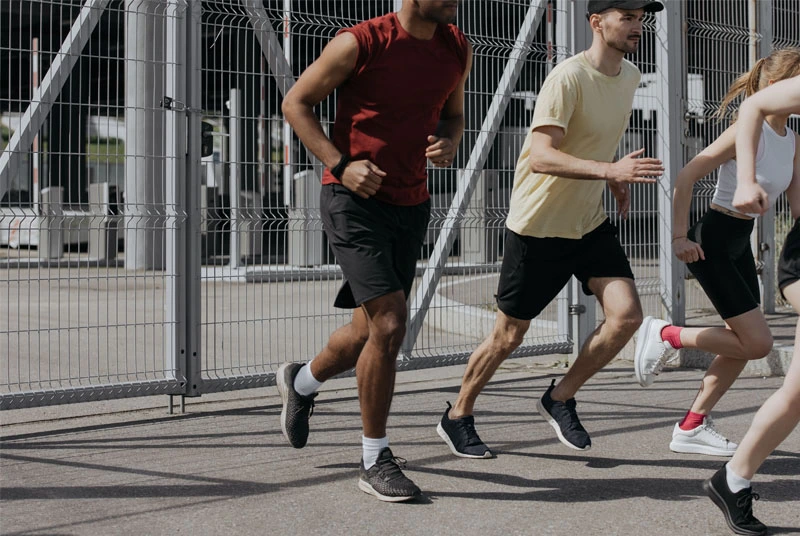
Not all running socks are built the same. For sports brands and wholesale buyers, performance details often matter more than appearance alone.
From moisture control to cushioning and compression support, the right features can directly affect comfort, durability, and repeat purchases. Here are the key features buyers pay the most attention to when sourcing wholesale running socks.
Why Performance Features Matter in Running Socks
Running socks sit in a strange category. They look simple, but buyers usually pay attention to them only after something goes wrong.
Feet overheat. Socks slide down during runs. Cushioning flattens too quickly. Blisters start showing up in product reviews. That is usually when performance details become part of the conversation.
For sports brands, these features are no longer treated as “premium extras.” Moisture control, targeted cushioning, and compression support have quietly become part of the baseline expectation in many running collections — especially for products aimed at regular runners instead of occasional gym use.
And buyers are comparing more than appearance now. Two running socks may look nearly identical in product photos, yet perform very differently after repeated training and washing. In many cases, small construction details end up affecting customer retention more than most people expect.
Buyer Perspective Table
Feature | Why Buyers Care | Common Problem |
Moisture-Wicking | Helps manage sweat during training | Cheap fabrics trap heat |
Cushioning | Reduces impact discomfort | Thick socks can feel bulky |
Arch Compression | Improves fit stability | Compression may loosen after washing |
Mesh Ventilation | Improves airflow | Some mesh zones are mostly decorative |
Seamless Toe | Reduces friction during long runs | Rough seams cause irritation |
Durability | Affects repeat purchase satisfaction | Cushioning and elasticity may fade too quickly |
1. Moisture-Wicking Fabrics
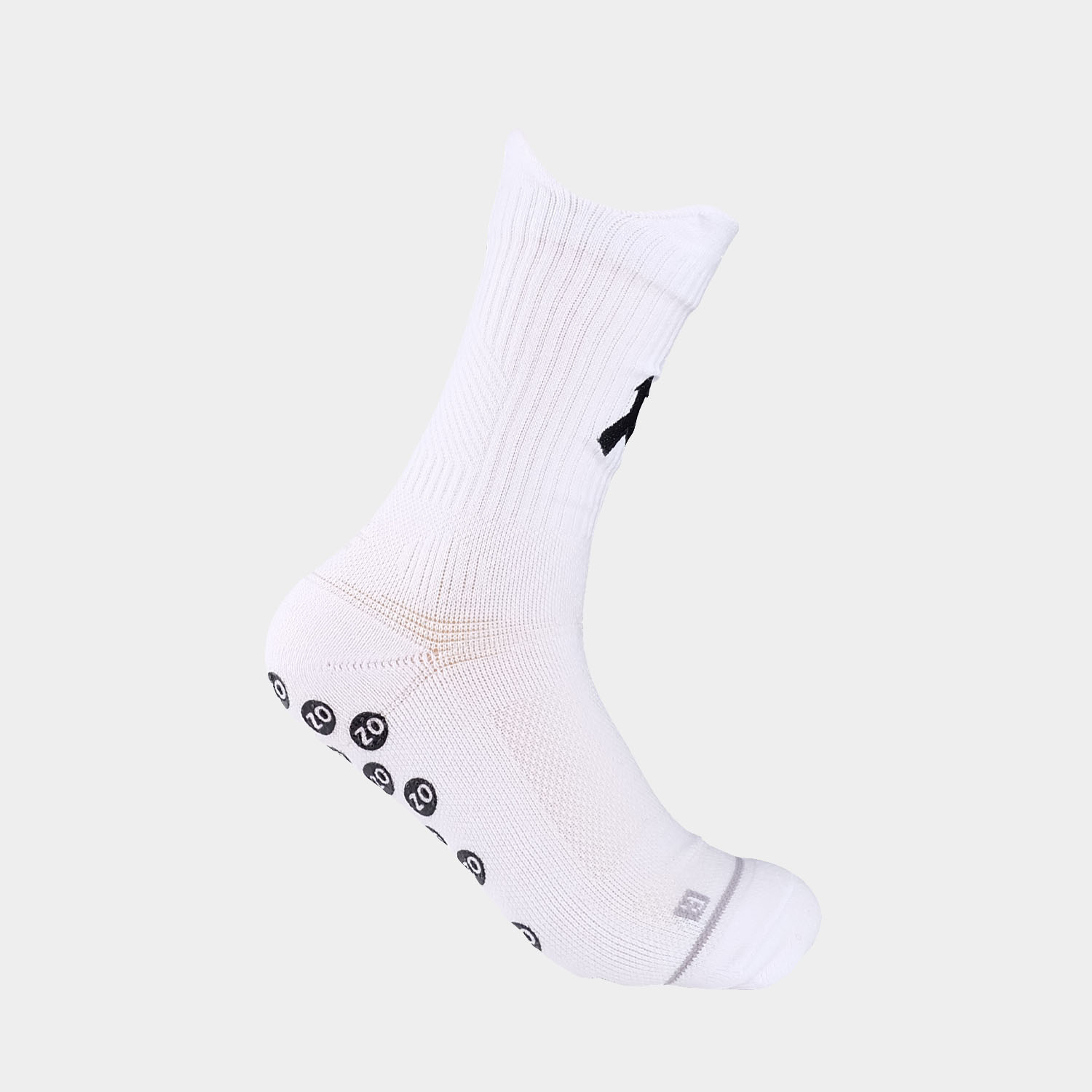
Moisture management is usually one of the first things buyers ask about in running socks — and for good reason. Once socks start holding sweat instead of moving it away from the skin, comfort drops fast during training. The problem is not just heat. Damp fabric increases friction inside the shoe, which is where a lot of blister complaints begin.
This is also where lower-cost running socks tend to expose their weaknesses. Some fabrics feel soft at first but become heavy after longer runs, especially in warmer conditions. Others lose their shape after repeated washing, which affects both fit and breathability over time.
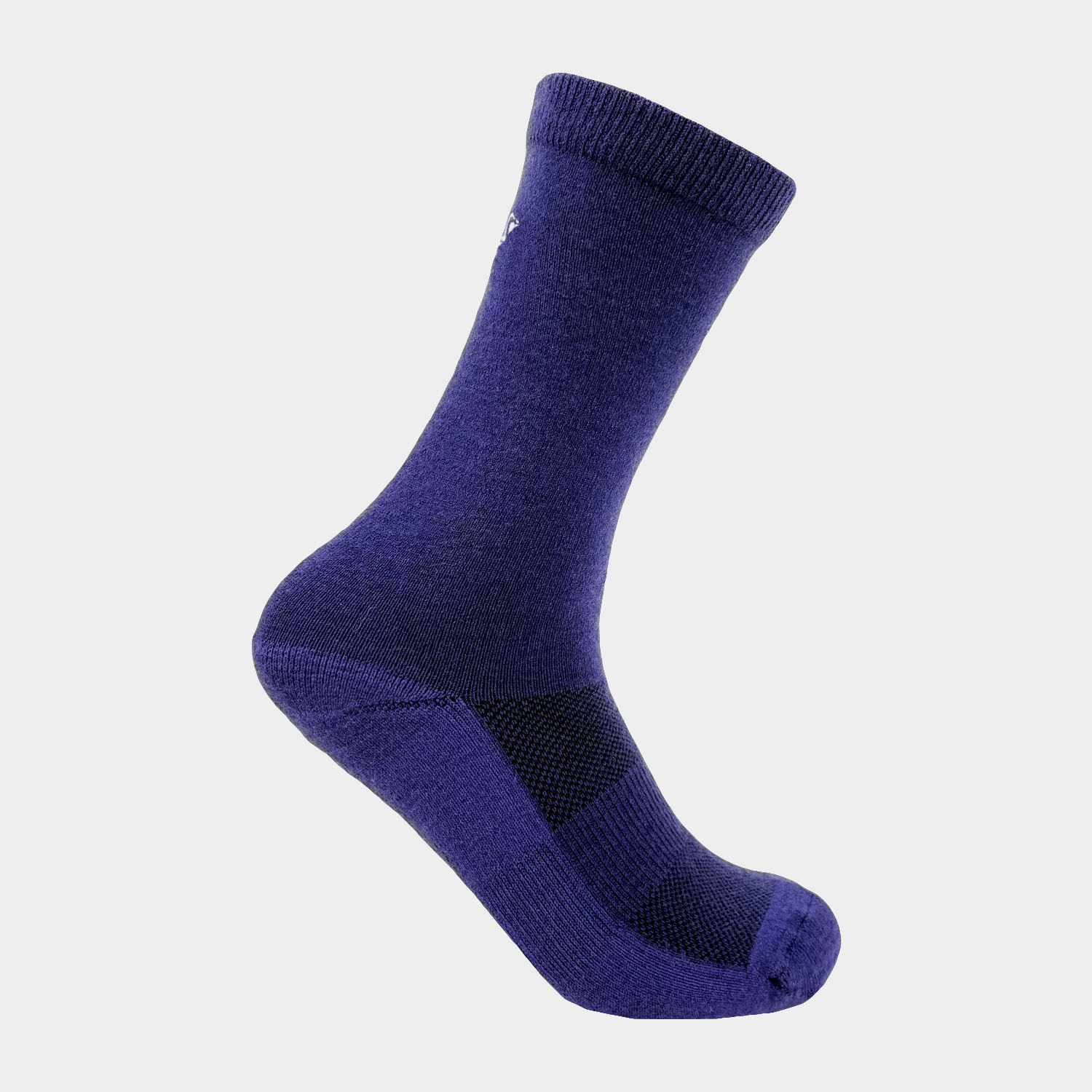
Most wholesale running socks today use synthetic blends for moisture control, often combining polyester, nylon, and spandex. The best material for running socks usually depends on factors like climate, cushioning preference, and intended use. Performance-focused collections may also include materials like Coolmax or merino wool blends depending on the target market and price range.
But material names alone do not tell the full story.
Yarn quality, knitting density, and ventilation structure all influence how the sock actually performs during movement. Two socks can use similar fabric compositions and still feel completely different on the run.
Buyers who overlook this often end up comparing products only by price — until customer feedback starts pointing out issues like overheating, slow drying, or discomfort after extended wear.

2. Cushioning in High-Impact Areas
A lot of running socks advertise cushioning. The difference is where the cushioning is placed, how dense it feels after repeated runs, and whether it still performs after months of washing.
For most runners, the pressure points are predictable. Heel strike. Forefoot push-off. Long road runs that slowly wear down the same areas again and again. Good running socks are usually designed around those impact zones rather than adding thickness everywhere.
Too much padding creates its own problems anyway. Socks become bulky inside the shoe, airflow drops, and the fit starts feeling less stable during movement. Some buyers entering the athletic sock market assume “thicker” automatically feels more premium, but experienced running brands tend to look for balance instead of maximum cushioning.
This becomes more noticeable in higher-mileage products.
Cheaper terry constructions often flatten faster than expected, especially in entry-level bulk production. At first the socks still look fine. The issue shows up later, when customers start noticing the loss of support during training or after repeated washing cycles.
That is why many buyers pay attention to cushioning structure itself — not just the feature list on the packaging.
3. Arch Compression Support
Not every runner actively looks for arch compression when buying socks, but many notice when it is missing. A sock that gradually shifts inside the shoe can become distracting surprisingly fast, especially during longer runs or higher-intensity training sessions.
That is part of why compression support has become common in performance-focused running socks over the last few years. The goal is usually not aggressive tightness. Most brands are simply trying to create a more secure fit through the midfoot area so the sock moves less during motion.
The difference often feels subtle at first. Better constructions tend to hold the foot more naturally, while weaker compression zones start loosening after repeated wear and washing. In bulk production, this is one of those details that may not fully show up during initial sampling but becomes more obvious later through customer feedback and repeat order performance.
Some brands also use arch compression as a way to position certain collections slightly more premium, particularly in technical running lines where fit and stability are part of the product story.
4. Breathable Mesh Ventilation Zones
Breathability is already expected in most modern running socks, especially in lightweight and warm-weather collections. That is why mesh ventilation zones are now common across both entry-level and premium products.
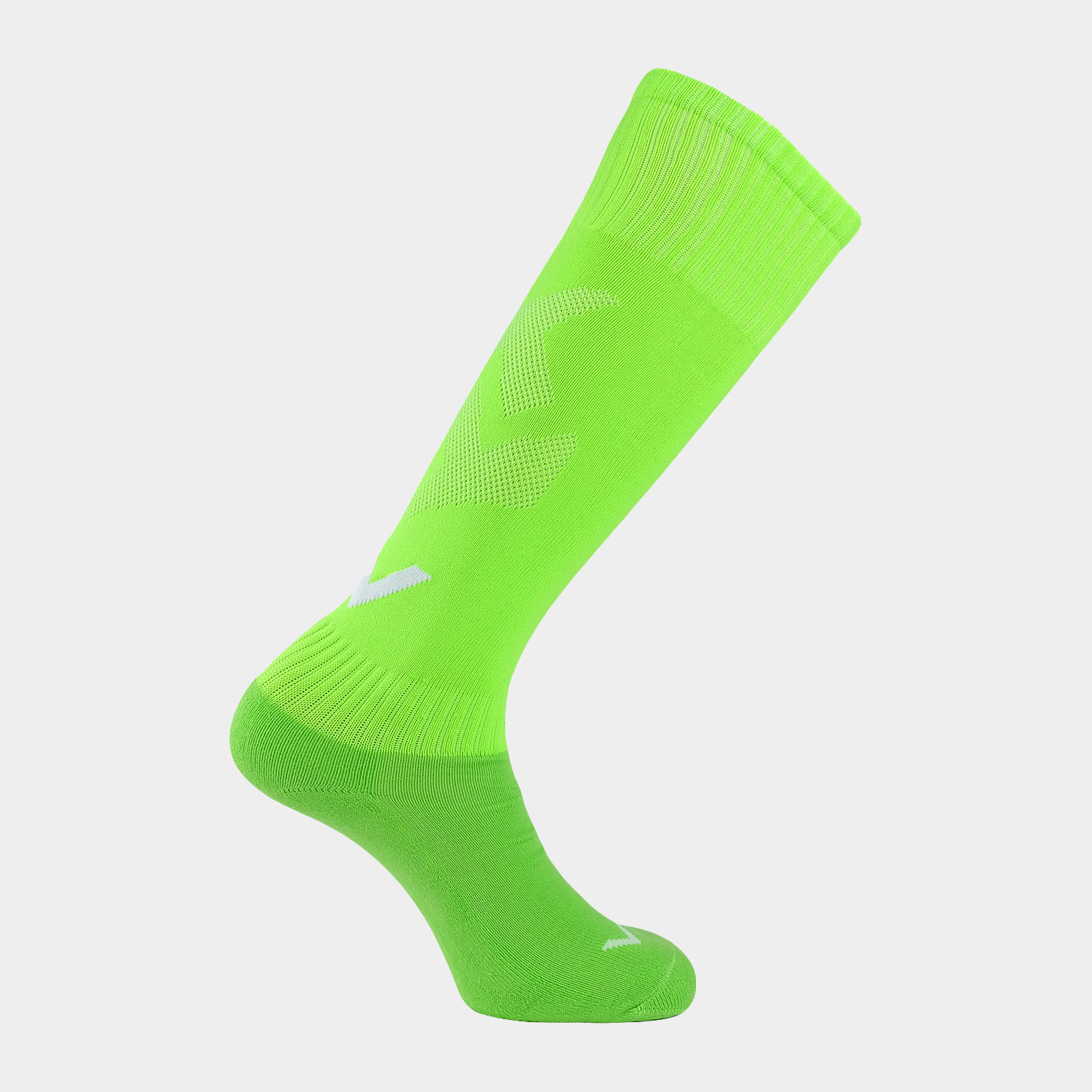
The placement matters more than the feature name itself. Most ventilation panels are built around the top of the foot or instep area, where heat tends to build up during runs. Some structures improve airflow noticeably. Others are mostly visual design elements with limited performance impact.
For buyers, mesh zones are usually not the main selling point on their own. But when combined with good moisture management and proper fit, they contribute to a sock feeling lighter and more comfortable over longer distances.

5. Seamless Toe Construction
Toe seams are a surprisingly common complaint in running socks once mileage increases. What feels fine during short wear can become irritating over longer runs, especially when friction builds up around the toes.
That is why seamless toe construction has gradually become standard in many performance-oriented running sock collections. The difference is usually subtle at first, but experienced runners tend to notice it quickly during repetitive training.
For brands positioning themselves toward serious runners rather than casual sportswear buyers, this detail is often expected rather than treated as a premium extra.
6. Durability for Repeated Training
Durability usually becomes important after the sale, which is part of why newer buyers sometimes underestimate it. A running sock can look great during sampling and still develop problems a few months later once customers start wearing and washing it regularly.
Heel and toe areas tend to wear out first, especially in higher-mileage running products. In lower-quality constructions, elasticity fades faster, cushioning loses recovery, and thinner yarn areas begin breaking down earlier than expected.
For many sports brands, durability is less about making socks last forever and more about avoiding the point where customers feel the product aged too quickly for the price. That expectation changes depending on the market, but repeated washing performance is something experienced buyers usually pay attention to very closely.
How Sports Brands Choose a Wholesale Running Sock Manufacturer
Performance features matter, but most sports brands are evaluating more than the sock itself when choosing a manufacturing partner. Consistency, communication, and long-term production stability usually become just as important after the first few orders.
Some buyers focus heavily on sampling quality at the beginning. Others pay closer attention to how factories handle material consistency, sizing accuracy, or repeat production across different batches. In running socks especially, small construction changes can noticeably affect fit and performance.
A clean-looking sample is easy. Maintaining the same feel and structure across bulk production is where many suppliers start separating themselves.
MOQ flexibility also matters more than many newer brands expect. Especially for brands sourcing bulk running socks for retail collections or seasonal launches. Established companies may order large seasonal volumes, while smaller running brands often need lower MOQs to test new collections before scaling.
And in many cases, the supplier relationship becomes part of the product quality itself. A factory that understands performance construction, yarn behavior, and athletic fit requirements tends to make development much smoother as collections expand over time.
FAQ
What materials are best for running socks?
Polyester and nylon blends are the most common for running socks because they dry faster and hold their shape better during training. Merino wool blends are often used in more premium collections for temperature control and softness.
Avoid cotton for serious running products — it tends to hold sweat instead of moving moisture away from the skin.
Are compression running socks better?
For most running brands, light to moderate compression is the most common choice. It helps improve fit stability without making the socks feel overly tight during training.
Heavy compression is usually more common in recovery-focused products rather than everyday running socks.
What is the MOQ for custom running socks?
The standard MOQ for many custom running sock projects starts around 100 pairs, depending on the design and material requirements.
More complex constructions or specialty yarns may require higher minimums.
Can wholesale running socks include custom packaging?
Yes. Common packaging options include poly bags, hang hooks, header cards, belly bands, paper sleeves, drawer-style gift boxes, and multi-pair packaging sets for retail or ecommerce collections.
How long does production take for custom athletic socks?
Sample development usually takes around 5–7 days, while bulk production commonly takes 2–4 weeks depending on order volume, materials, and packaging requirements.
Sourcing wool socks in bulk is not complicated. As long as you choose the right suppliers and pay attention to product quality and price, you can get high-quality wool socks at an advantageous price, significantly expanding the influence of your brand.SOCKCN is committed to be your trusted long-term socks partner, providing efficient supply chain, customized service and excellent price-performance ratio.