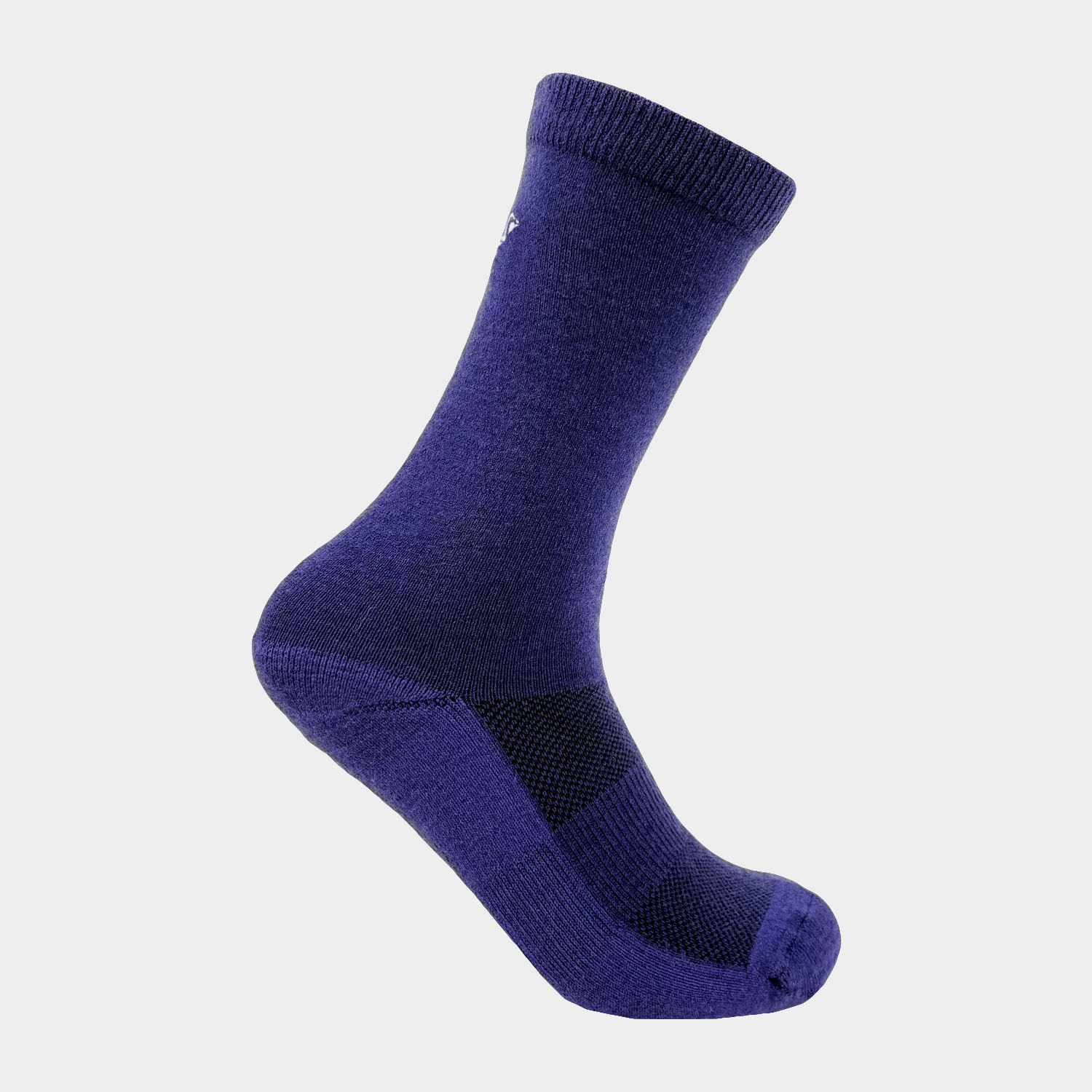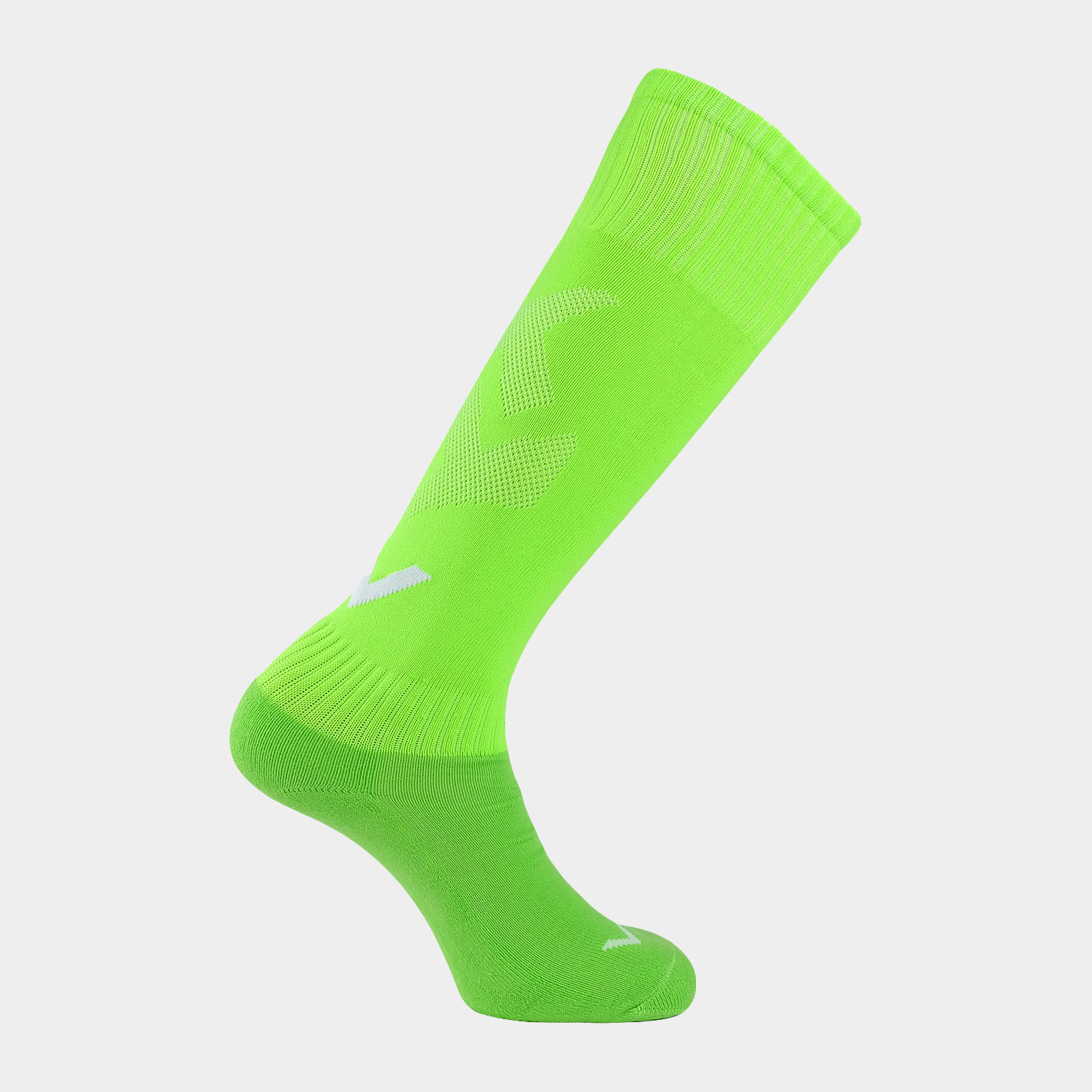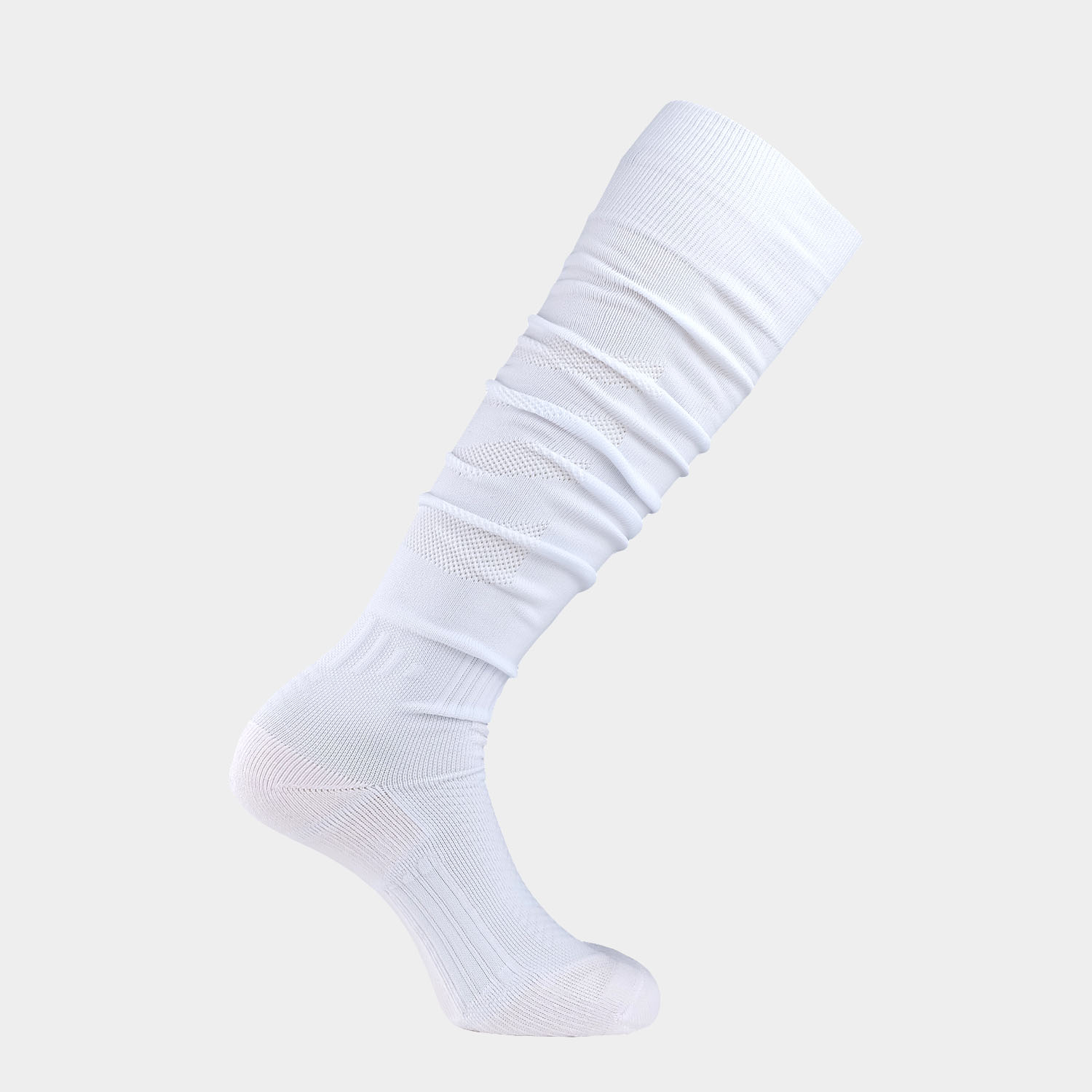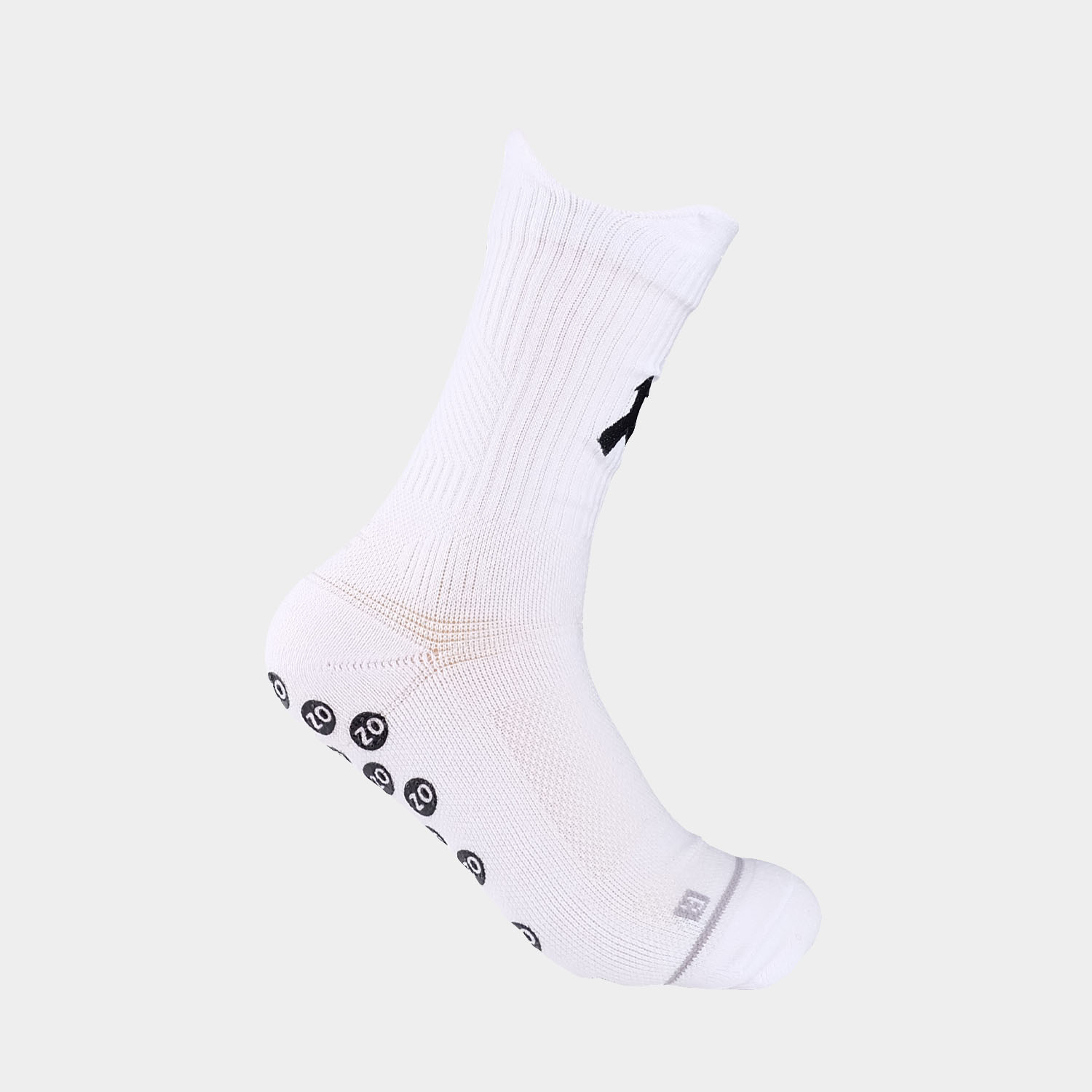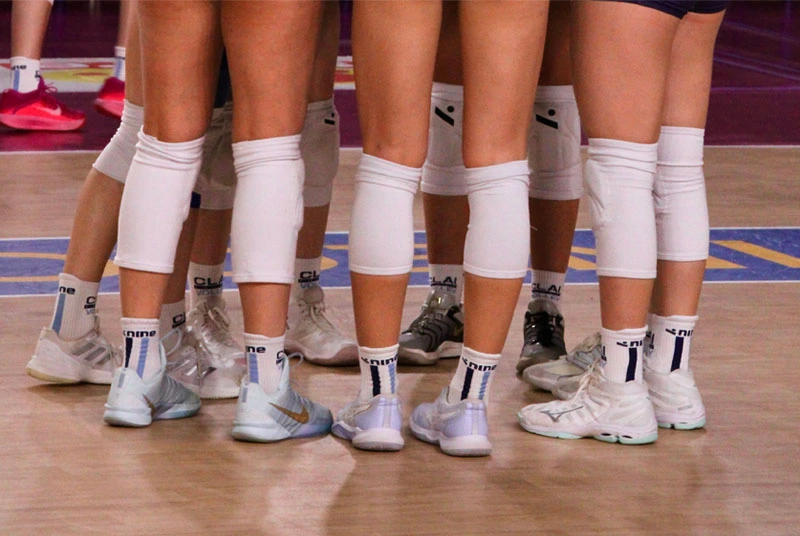

You may have encountered the annoyance of socks wearing thin on the heels or getting misshapen after just a few washes. Frankly, the secret to tough, comfortable, dependable socks isn’t mysterious—it’s often woven from tiny, durable fibers called nylon.
Natural fibers such as cotton and wool are preferred for the comfort but these products do not have the toughness for daily use. Synthetic polymer, nylon has transformed the fabric industry as it provides fabrics with high levels of strength and durability. In socks, nylon is more than just a bonus feature— it’s what makes regular socks into rugged, high-performance tool kits.
So let’s take a closer look at why this fabric is so important for socks that last.
What Nylon Brings to Socks
Strength and resistance to wear and tear
Nylon is an extremely strong fiber, to begin with. Its molecular makeup results in long chain like filaments that provide the product with superior abrasion resistance. In socks, the heel, ball of the foot, and toe are the three major high-friction areas. Under this relentless rubbing, pure cotton or wool fibers can fray and break down fairly easily. Nylon serves as a reinforcing framework, blended with other fibers capturing most of the strain. This greatly reduces thinning, and is the primary protection from that dreaded hole in the toe or ball of the foot.
Elasticity and maintaining shape
Do some of your socks feel loose and slouchy after a few wears? Nylon is also very elastic and resilient. This allows for the socks to be stretched while moving your foot and will return to it’s original shape, use after use. This stretchability makes for a tight, secure fit that doesn’t sag or fall down into your shoe, so you get comfort and performance all day long.
Smooth texture for comfort and reduced friction
Instead of feeling itchy, high-quality synthetics such as nylon are fine and smooth. When combined with other fibers, this smoothness results in a softer inner texture that is less abrasive on your skin. Less friction means not only greater comfort but also fewer blisters and hot spots, a critical factor for athletes and anyone on their feet all day.
Nylon vs Other Materials
Cotton-only socks: pros and cons
Pros: The soft, breathable, absorbent qualities of cotton are comfortable for casual, low-intensity activity.
Cons: The only fatal flaw is that it’s not as durable. Cotton fibers are fairly weak and non-elastic. They disintegrate with friction, they readily lose their shape, and they hold moisture, which can lead to a wet, cold situation that deteriorates the textile and that can also be a source of odour. A 100% cotton sock is a great way to ensure that comfort is short-lived.
Wool or synthetic blends: how nylon enhances them
This is where nylon shines as an all-around performer. Merino wool is great for temperature regulation and odor resistance, but it can be fragile. A 10-20% nylon content strengthens a wool sock’s construction, allowing the wool to perform its climate control magic without disintegrating. Inherent in synthetic technical blends (think polyester or acrylic), yarns such as nylon bring a vital element of abrasion resistance and shape memory to other synthetics solutions that may be lacking, making for a true performance textile.
Nylon blends and their ideal percentages
The magic is in the blend. There’s no perfect percentage that fits everything, but there are ranges that make sense for various goals:
- Dress/Casual Socks: 5-15% nylon for subtle reinforcement without changing the feelof cotton or fine wool.
- Athletic & Hiking Socks: 15-25% nylon is standard. This offers robust durability in high-stress areas while blending with moisture-wicking fibers like polyester or CoolMax.
- Work & Heavy-Duty Socks: May contain 25% or more nylon, and can also be combined with additional sturdy fabrics like Cordura for shock hands down to deflect even greater abrasion.
Practical Benefits of Nylon in Daily Wear
Longer lifespan and reduced holes
The most immediate advantage is plain and simple: socks with nylon endure longer. By strengthening the inherent vulnerable areas, nylon can extend the life of a sock by months or even years, making it a more sustainable and cost-effective option over time.
Better performance for sports and active use
For those who run, hike, or hit the gym, the combination of strength, elasticity, and low friction that nylon offers is essential. It holds the sock firmly in place, reduces fabric wear caused by repetitive movement, and collaborates with other fibers to wick moisture away from your skin and help prevent blisters so you can concentrate on your sport.
Maintaining fit and cushioning over time
The cushioning in sports or work socks isn’t just a matter of bulk, it’s a matter of geometry. Nylon allows the cushioning pads (usually terry loops or specialized yarns) to keep their shape and loft. Without nylon, these pads can compress, move around or wear out quickly, leaving your feet without the support and protection you had envisioned.
Choosing Best Durable Socks with Nylon
While nylon plays a critical role in improving durability and performance, it is rarely used alone. In most cases, the overall quality of a sock depends on how different fibers are combined.
If you’re comparing multiple materials and want a broader understanding beyond nylon, check out our complete guide on the best material for socks to explore how cotton, wool, and synthetics work together in different applications.
Check blend percentages and labels
Always read the label. Check the fabric content for nylon. For day-to-day use, 5-10% is a good minimum. Go up a level or two for hard use.
Select based on activity and wear
Match the sock to the task. A lightweight casual sock requires less nylon than a hiking sock. Think about where you most often wear out your socks — if it’s the heel, go for a blend with reinforced heel tabs that include nylon.
Common misconceptions about nylon in socks
- “Nylon makes feet sweatier.”Alone, nylon isn’t particularly breathable. But in a blend, its job is strength, not moisture transport. Modern moisture-wicking synthetics like polyester or treated wool in the blend handle breathability.
- “It’s not as comfortable as natural fibers.”When finely spun and properly blended, nylon adds durability without sacrificing softness. The comfort comes from the blend’s overall design.
- “All synthetics are the same.”Nylon, polyester, spandex, and acrylic all have different properties. Nylon’s superpower is specifically its exceptional strength and abrasion resistance.
Sockcn for Durable, Customizable Socks
If you are looking for tough high-performance socks for your brand, team or retail, it is crucial to get a trustworthy sock manufacturer partner. That’s where Sockcn shines.
B2B options and bulk orders
Sockcn caters to B2B and bulk order customers, offering a one-stop solution for enterprises, sports teams, event organizers, retailers, etc. To manage from designing to delivering. Whether you need 500 pairs to 50,000 pairs, we have the scalable production to meet your needs.
High-quality nylon blends for long-lasting socks
With a background in science durability, Sockcn applies those concepts to the use of the best nylon blends in the construction. They skillfully blend nylon with high-grade cotton, merino wool, bamboo and performance polyester to craft socks that are not only custom branded but are made to endure real wear, making certain your logo or design looks great wash after wash.
Custom designs for teams, brands, or retail
From business logos and team colors to complex retail layouts, Sockcn’s customization is all-encompassing. They partner with you to bring your vision to life on a hard-wearing fabric, with an array of knitting techniques, heel/toe colors, and packaging solutions. This way you can provide a promotional product or consumer item that is truly useful, well-made, and long-lasting.
Conclusion
Nylon is the secret winner in your sock drawer. It’s the invisible armor that battles wear and tear, the memory that holds socks close, and the silky operator that makes life on your feet more comfortable. While natural fibers provide essential qualities like softness and breathability, it is nylon that provides the backbone of durability, transforming a simple sock into a reliable piece of functional apparel.
Selecting socks with an appropriate nylon content is a commitment to comfort, performance, and durability. And when you’re ready to bring that durability into creative, custom designs for your organization or brand, working with a trusted partner like Sockcn will help you get a product that truly represents you and that stands up to the test of time—step after outstanding step.
So the next time you’re in the market for socks, have a glance at the label. That little amount of nylon could be the most important ingredient for making sure your feet stay comfortably covered over the long haul.
Related Resources
→ Best Material for Running Socks: What Actually Matters
→ Cotton Socks Vs Polyester Socks: Which is Better?
→ The Ultimate Sock Material Guide: How to Choose the Best Material for Any Use
→ Best Material for Compression Socks: What Actually Works Best?
→ How We Engineer the Most Durable Socks to Reach 100K+ Abrasion Cycles
Explore more guides on sock materials, performance requirements, and manufacturing considerations.