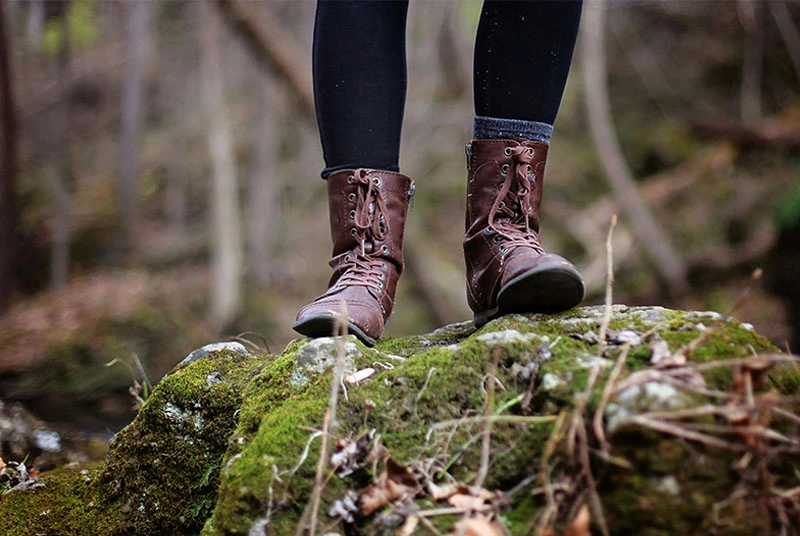

The hunting gear market is undergoing a massive shift. Your customers are likely already buying technical apparel from brands like Sitka Gear and First Lite. These companies have taught hunters that performance fabrics are worth the investment. Hunters are no longer satisfied with generic cotton or bulk wool because they now understand the value of technical layering.
For you, this premiumization trend is a specific opportunity to increase ticket sizes. Stocking high-performance alpaca socks is not just a nice addition. It is a strategic move to capture the same customers who are spending hundreds of dollars on jackets and boots. They expect their socks to match that level of quality.
Why Alpaca Wool is the Best Choice for Hunters
For a retailer, the value of alpaca wool lies in performance metrics that create a compelling sales pitch. While Merino wool has long held the market share, alpaca is rapidly becoming the preferred upgrade for technical hunting gear due to its unique structural properties.
Superior Thermoregulation
Alpaca fiber is medullated, meaning it has a hollow core that functions like a natural insulator. Unlike solid sheep’s wool fibers, this hollow core traps pockets of warm air close to the skin while remaining lightweight. For a hunter sitting stationary in a tree stand for hours in freezing temperatures, this high warmth to weight ratio is a critical selling point.
Hydrophobic Moisture Management
This is the biggest differentiator. While Merino wool is hygroscopic and absorbs water, alpaca fiber is naturally hydrophobic. It repels water and wicks sweat away from the foot almost instantly. This prevents the dangerous damp chill that occurs when sweat cools down inside a boot, which is a primary cause of blisters.
Stealth and Scent Control
For bowhunters and close-range trackers, scent suppression is non-negotiable. Alpaca fiber contains no lanolin and possesses natural antimicrobial properties. This allows hunters to wear the same pair for multiple days in the field without generating detectable odors. This feature justifies a premium price point to serious outdoorsmen.
Key Features to Look for in Alpaca Hunting Socks
Construction quality determines whether a product sells or returns. Don’t risk your reputation on generic manufacturing. Demand these three specific features from your supplier to ensure commercial success.
Thickness and Cushion Levels
Relying on a single weight for your entire inventory is a mistake that will cost you sales. Thickness provides warmth, but cushion provides impact protection. A complete sock program needs to address both.
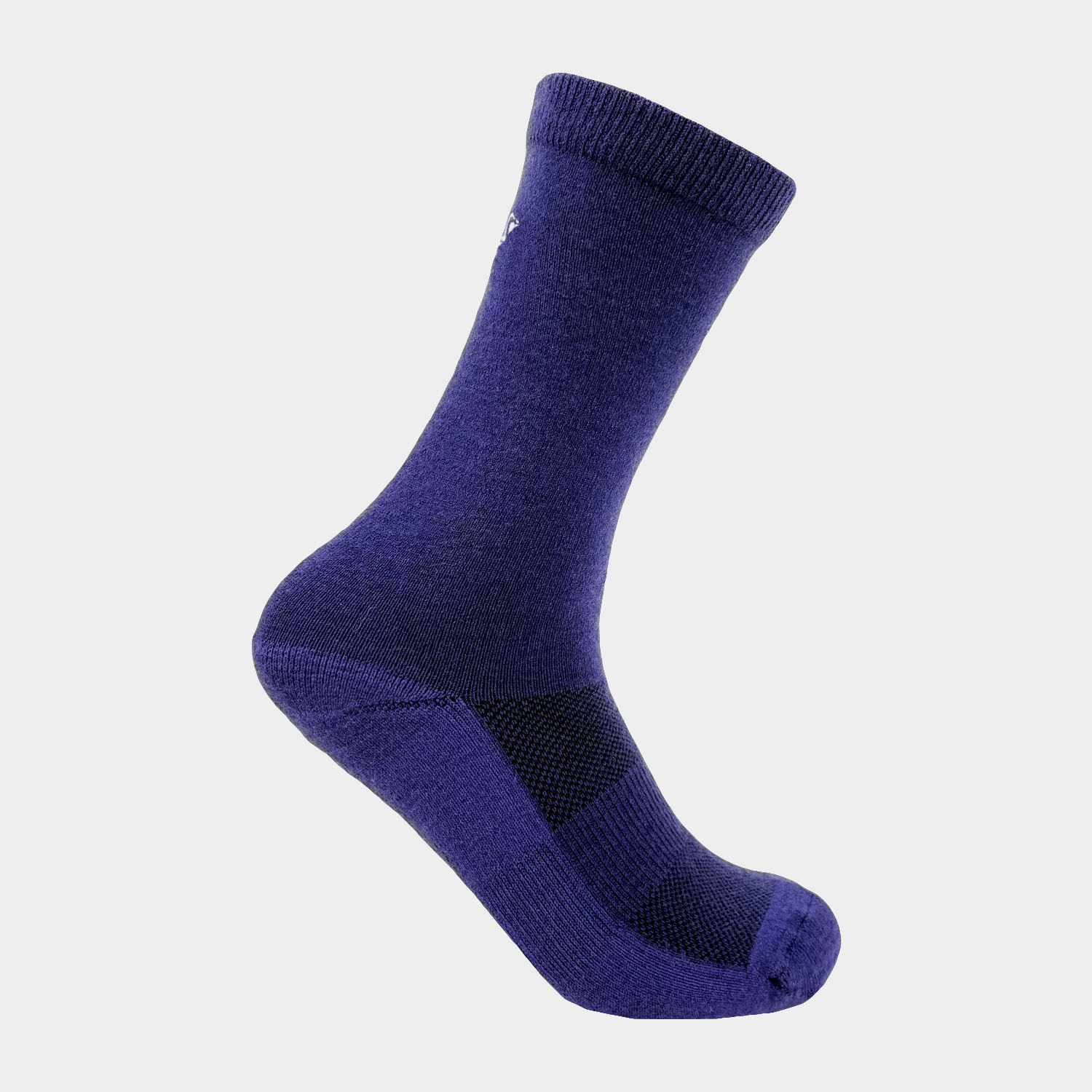
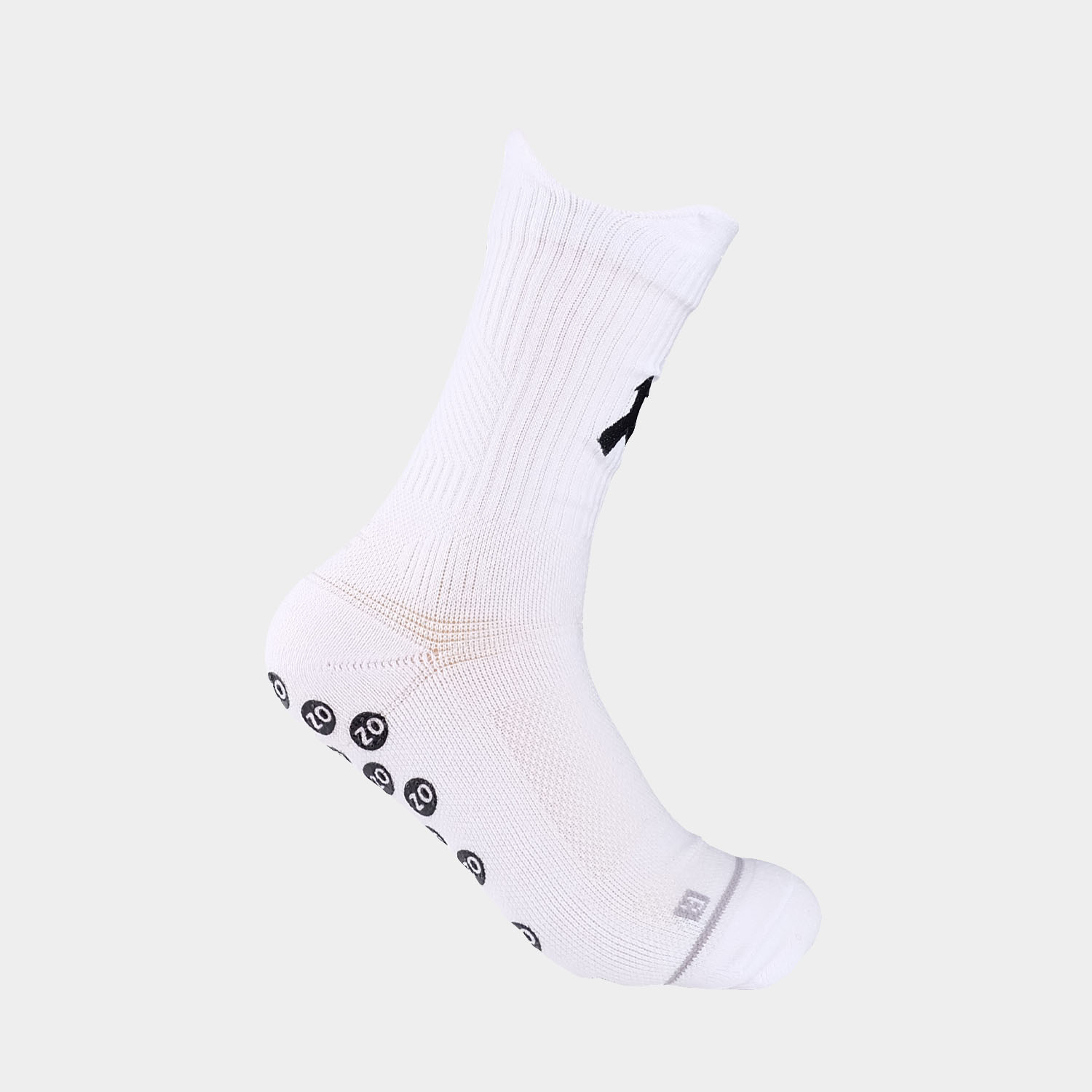
Active hunters covering miles of rugged terrain need midweight socks with targeted cushioning. This design isolates padding to the heel and ball of the foot so it absorbs shock without making the boot feel tight during a long hike.
On the other side of the spectrum, late-season hunters need the full terry cushioning found in heavyweight options. This internal loop construction creates loft to trap dead air. It also wraps the entire leg in padding to protect against boot pressure during long hours in a tree stand. Carrying both options ensures you can outfit a customer for opening day as well as the mid-winter freeze.
Reinforced High-Wear Areas
Pure alpaca offers superior loft and hypoallergenic warmth, but it requires structural support for rugged use. To ensure longevity, prioritize the industry-standard tri-blend: Alpaca, Nylon, and Spandex.
In this specific formula, the nylon acts as a skeleton, reinforcing the yarn to drastically increase tensile strength in high-wear zones. The spandex dictates the fit, providing the elasticity needed for the sock to map the foot intimately and recover its shape. This combination allows you to deliver the premium thermal performance of alpaca while guaranteeing the commercial durability your customers expect.
Secure, Blister-Free Fit
Blisters are the most common reason hunters abandon a sock brand. A sock that slips or bunches inside a boot creates friction points that destroy feet. This is often a design failure, not a user error.
Focus your sourcing on socks that feature integrated arch support and ribbed ankle cuffs. This compression ensures the sock stays locked in place regardless of the terrain. When you sell a sock that guarantees a blister-free experience, you are building long-term trust. A customer who finishes a hunt with healthy feet is a customer who returns to your store to buy their next pair.
Choosing the Right Alpaca Socks for Every Hunting Style
Matching the physical demands of a hunt to the correct sock weight is the easiest way to ensure customer satisfaction. An incorrect recommendation leads to cold feet or blisters, which reflects poorly on your store reputation. You should use these three specific categories to segment your inventory effectively.
Best for Stationary Hunting
Tree stand and ground blind hunters face the toughest thermal challenges. Without physical movement to generate body heat, their circulation slows down significantly. For these customers, you need to inventory heavyweight alpaca socks with full density padding.
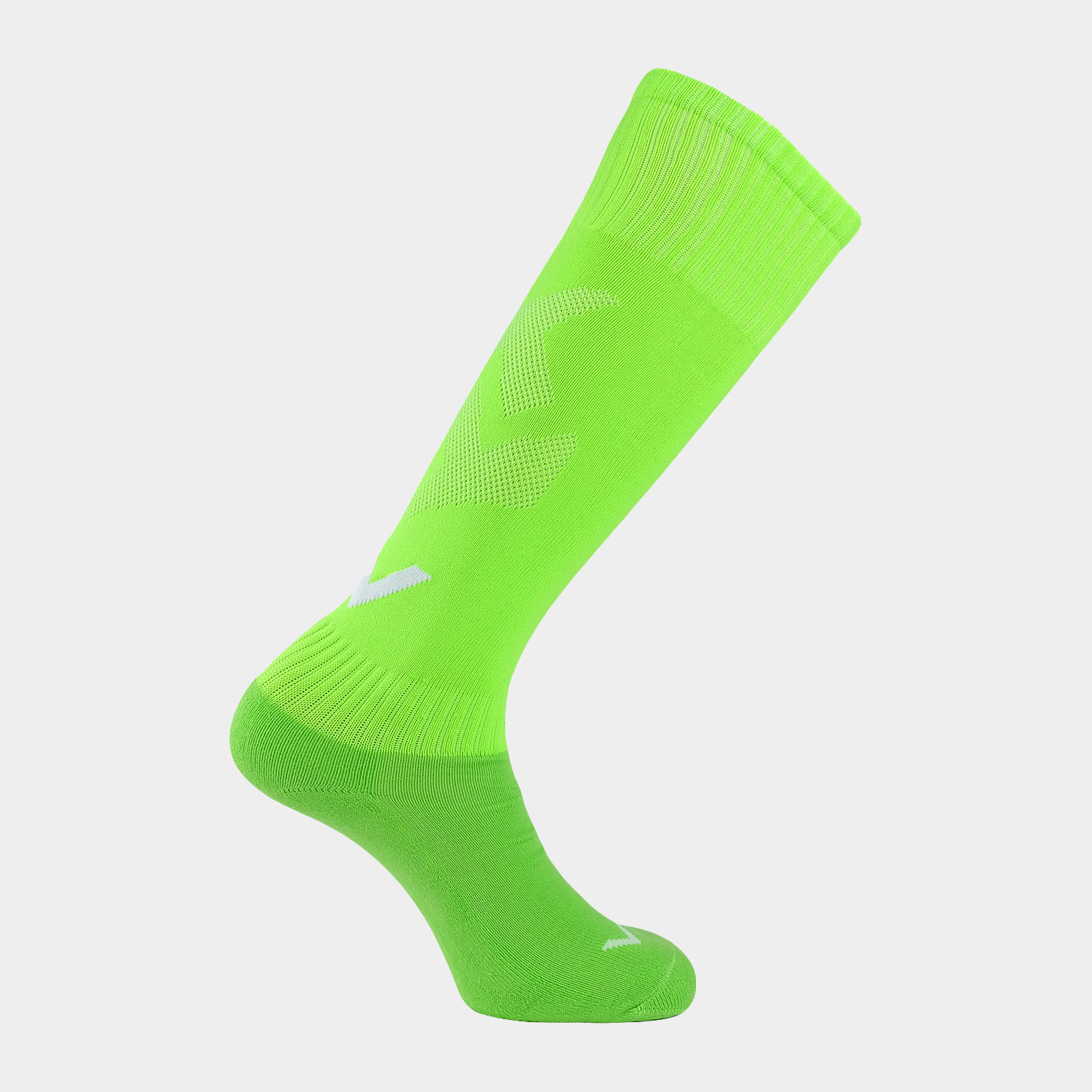
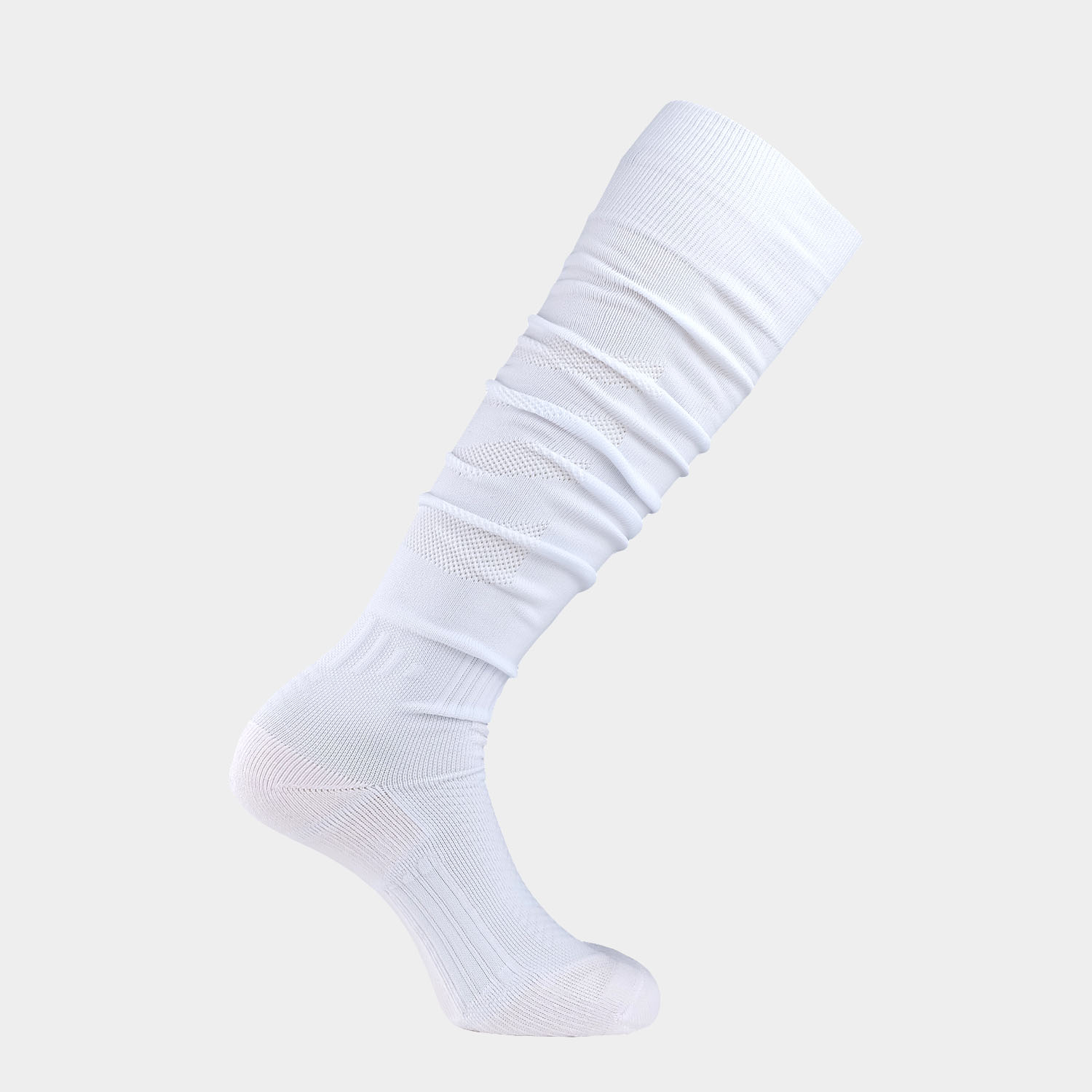
Over the calf socks are essential here to bridge the gap between the boot top and the base layer. The goal is creating a specific dead air barrier that retains warmth during long periods of stillness. You should position these SKUs as technical gear for late season whitetail or waterfowl hunters who demand maximum heat retention.
Best for Active Stalking
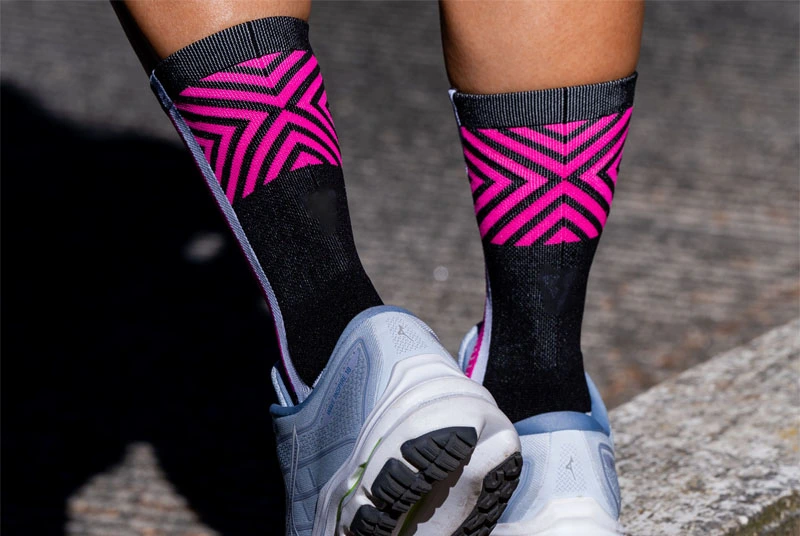
Hunters engaged in spot and stalk tactics generate significant body heat. Selling a heavyweight sock in this scenario is a mistake that often results in sweating followed by freezing. Instead, you should recommend midweight or lightweight performance socks with mesh ventilation zones. These designs prioritize moisture transmission.
The hollow alpaca fiber wicks sweat away instantly to keep feet dry and prevent friction blisters after miles of rugged terrain. This category is the ideal recommendation for western elk hunters or pheasant trackers who need an agile fit inside a technical mountain boot.
Versatile All-Season Options
Many customers simply want a single solution for everything. For early season whitetail or spring turkey hunts, a standard midweight crew sock is the best inventory choice. It offers enough cushion for a morning hike but breathes well enough for rising afternoon temperatures. This serves as a high turnover item for your store.
It is the safest recommendation for hunters facing fluctuating weather conditions. The material balances thermal regulation with breathability effectively for days that start cool and end warm.
Why Stock Sockcn’s Alpaca Socks for Your Business?
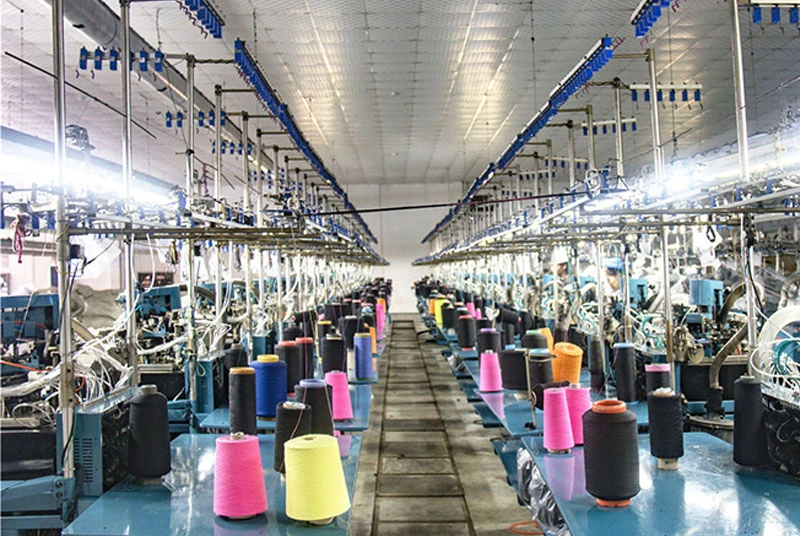
Choosing a reliable manufacturer is just as important as selecting the right fiber. Sockcn brings over 20 years of OEM experience to the table, supporting hunting outfitters, outdoor retailers, and private label brands with consistent, high-quality production.

Sustainable and Ethical Sourcing
We source our Alpaca fiber exclusively from authentic Peruvian herds to ensure genuine thermal performance. Our manufacturing is equally responsible. Our facility is BSCI and OEKO-TEX certified. This allows you to market products with transparency to eco conscious customers.
Performance Knitting Technology
From 96N heavyweight thermal socks to 200N fine liners, we engineer designs to your exact specs. Our in-house lab validates every batch with free compression testing and seamless toe precision, ensuring a technical fit that generic mills cannot replicate.
Field-Tested Durability
We rigorously test our Alpaca-Nylon-Spandex blends to withstand over 100,000 abrasion cycles. Unlike factories that outsource, our full vertical integration from knitting to packaging guarantees consistent, commercial-grade quality in every pair.
FAQ
Q1. Why should I choose alpaca over merino for my outdoor inventory?
Stocking alpaca creates market differentiation. While Merino is now a commodity found in big box stores, alpaca is a premium upgrade that justifies higher price points. Adding this tier increases your average order value and attracts serious hunters actively seeking performance beyond standard wool.
Q2. Do you offer private labeling or custom designs for hunting brands?
Yes, we specialize in OEM production. You maintain full control over the design, including exact Pantone shades, material blends, and woven logos. Our expert team even provides free design assistance to ensure your concepts are retail ready.
Q3. What are the MOQs for wholesale orders?
We offer low MOQs to minimize your inventory risk. This allows you to place small trial orders and test market response before committing to high volume bulk production.