
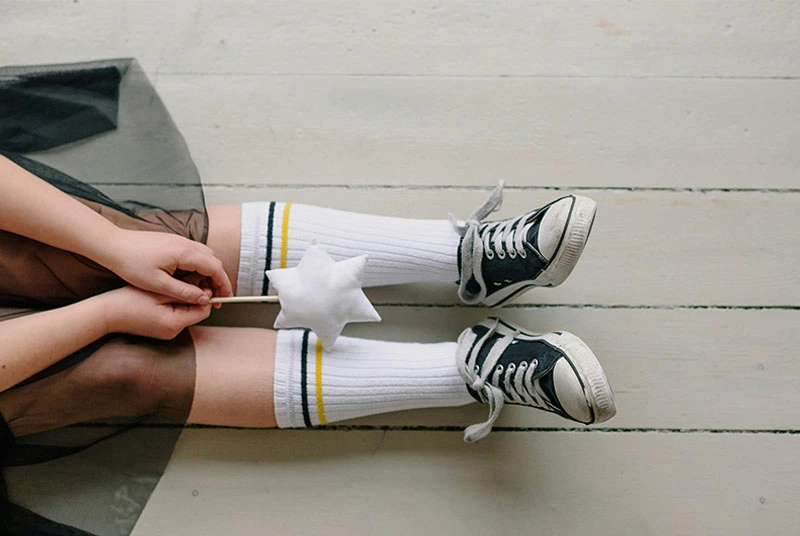
According to Grand View Research, the global socks market is projected to exceed $73 billion by 2033. Capturing this value requires precision. Sock height is now a dealbreaker. Even premium fabric won't save a product with the wrong silhouette. Nailing the exact rise is essential for both wearer comfort and commercial success. To achieve this precision, this article covers standard sock heights and their specific functions. It details how short, medium, and long cuts match different footwear and weather conditions. The content also highlights custom manufacturing options for brands looking to develop unique product lines. Why Sock Length Matters? There are standard lengths designed for every shoe and activity. Comfort is the main consideration. If the length is wrong for the activity, it hurts. Low socks in hiking boots cause rubbing and blisters. High socks in the summer make feet hot and sweaty. The right sock simply needs to protect the skin and keep the temperature down. Appearance is equally important. The length changes the style. Suits need long socks to hide the leg when you sit down. Loafers need hidden socks for a clean look. If the sock doesn't match the shoe, the outfit looks wrong. What are the Different Types of Socks Length? Sock lengths are commonly described by rise in product specifications. This measures the distance from the heel point to the top of the cuff. Understanding these cut points helps ensure the product matches the intended footwear. Short Lengths Short lengths sit below or directly at the ankle bone. No-Show Socks: Designed to hide completely inside the shoe and sit below the ankle bone to create a barefoot look. Ankle Socks: Specifically cover the ankle bone to provide enough fabric to stop the heel from rubbing against the shoe collar. Medium Lengths Medium lengths extend from above the ankle bone up to the lower to mid calf. Quarter Socks: Extend past the ankle but stop below the calf to guard the skin against friction from high-top sneakers. Crew Socks: A common standard where the cuff hits the lower to mid calf, typically 6 to 8 inches above the heel. Long Lengths Long lengths cover most of the calf or reach just below the knee. Boot socks: Built thicker than a standard crew and often made at crew height or higher to clear boot collars and cushion against stiff leather. Mid-Calf Socks: Rise higher than standard crew socks to provide extra warmth and a smoother transition to trousers. Over the calf socks: Reach just below the knee and are commonly preferred for formal wear to ensure no bare leg is exposed. Comparison Table for Different Sock Lengths To provide a clear overview, the following table compares common sock heights by rise and the area of the leg they cover Length Category Sock Type Typical Rise and Placement Short Lengths No-Show Sits below the ankle bone for a "barefoot" look Ankle Covers the ankle bone to prevent heel rubbing Medium Lengths Quarter Extends past the ankle but stops below the calf Crew Hits the mid-calf (typically 6 - 8 inches above the heel) Long Lengths Boot Socks Often thicker and commonly made at crew height or higher to clear boot collars Mid-Calf Rises above standard crew for a smoother trouser transition Over-the-Calf Reaches just below the knee to ensure full coverage How to Choose the Right Sock Length for Your Needs? Choosing the wrong length can lead to blisters, slipping, or a ruined aesthetic. To avoid these issues, select a comfortable length based on friction protection, temperature needs, and the intended look. Consider Activity and Purpose Specific activities require different levels of coverage and friction protection. Runners often prefer ankle socks to keep weight down. For court sports or gym training, quarter socks offer the right balance of protection and mobility. Hikers require crew height to shield legs from debris, while business settings demand over-the-calf styles to remain professional. Match Sock Length to Footwear Footwear height is the primary guide for sock length. The sock should cover the areas where the shoe collar may rub to help prevent friction against the skin. Low-top sneakers pair naturally with no-shows or ankle cuts. Mid-top sneakers need at least a quarter length. Heavy work boots demand specialized boot socks or thick crews to fully block friction. Account for Season and Weather Temperature and exposure determine the necessary coverage. Summer calls for low cuts to help skin breathe and reduce sweat. Winter requires crew or mid-calf lengths to seal the heat in. The goal is to minimize exposed skin between the trouser hem and the shoe when coverage is needed. Choose the Perfect Length from Sockcn’s Collection Finding the right supplier means having access to every size and style. Sockcn provides the full range of options needed to build a competitive inventory for any market. All Industry Standards Available We produce every rise from invisible liners to over-the-calf socks. Our factory maintains ready-to-use patterns for all standard lengths. Whether you need discrete no-shows for loafers or heavy-duty boot socks, our production lines can switch to your required specifications immediately. Custom Height and Functional Design Customized Socks fulfill specific brand visions through adjustable rises and engineered cushioning at high-pressure zones. We offer free pressure testing to verify that every order maintains its grip and shape without slipping. Professional Support for Your Brand Our team identifies which lengths sell best in your specific region. We eliminate guesswork by providing free samples that use the exact yarn and needle counts of your final order. This ensures the fit and quality of the mass production match your approved prototype perfectly. FAQ Q1. How Do Quarter Socks Differ From Crew Socks? Quarter vs crew socks comes down to height and coverage. Quarter socks end just above the ankle. Crew socks reach the mid calf. Quarter socks suit athletic shoes, while crew socks help protect against boot collars. Q2. What’s the Difference Between Crew Socks and Ankle Socks? Crew socks cover the calf. Ankle socks stop at
Organic Cotton Vs Cotton: What is the Difference?
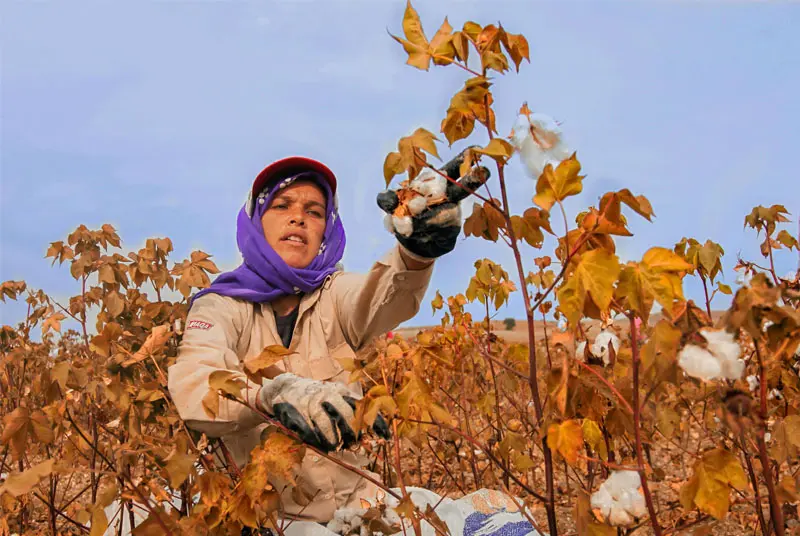
According to the Organic Trade Association, U.S. organic cotton demand is hitting record highs as brands replace conventional materials with sustainable options. This change affects both professional sourcing and personal shopping. Companies must now balance production costs, while consumers look for better quality and safer materials. This article compares both fibers across farming, manufacturing, and durability. Use this information to find the right cotton for your brand or your own wardrobe. What is Organic Cotton? Organic cotton is natural fiber grown from non-GMO seeds without synthetic pesticides or fertilizers. It is a regulated material that utilizes biological pest control and crop rotation rather than toxic chemicals. This process delivers a cleaner raw material for your production line, free from the chemical residues found in industrial cotton. What is Conventional Cotton? Conventional cotton is an industrial fiber grown from GMO seeds using synthetic fertilizers and pesticides. It is the global textile standard, optimized for high-volume production and maximum yield. This material offers mass-market scalability and the lowest upfront cost. However, it lacks the strict environmental certifications and traceability found in organic alternatives. What's the Difference Between Organic Cotton and Cotton? Organic cotton is defined by purity and strength, while conventional cotton is built for speed and volume. The core differences lie in chemical load, water efficiency, and fiber integrity. Environmental Impact and Sustainability Water management and soil health largely determine cotton’s ecological impact and sustainability. Organic: Uses 91% less water (Textile Exchange data) by relying on rainfall. Natural crop rotation keeps soil healthy and productive for decades. Conventional: Drains local water tables through intensive irrigation. Relies on synthetic fertilizers that create toxic runoff and degrade soil quality. Quality, Durability, and Feel Harvesting methods directly dictate the physical strength, pilling resistance, and total lifespan of the yarn. Organic: Avoids harsh chemicals to keep fibers strong and intact. This creates a resilient yarn that resists pilling and maintains its shape after repeated industrial washes. Conventional: Machine-harvested, which snaps and weakens the strands. Short, damaged fibers lead to fraying, thinning, and a significantly shorter product lifecycle. Organic Cotton vs Cotton Comparison Table To keep it simple, here is a side-by-side look at how these fibers actually perform. Feature Organic Cotton Conventional Cotton Water 91% less (Rain-fed) Heavy (Irrigated) Chemicals GOTS Certified (Zero Toxins) High Pesticides/Dyes Fiber Intact (Chemical-free) Broken (Machine-picked) Durability High (Resists pilling) Low (Prone to fraying) How to Choose the Right Fabric for Your Needs? The best choice depends on what the product needs to do. It really comes down to whether the focus is on lasting quality or getting the lowest price per piece. Choose Organic Cotton for Sustainability and High Quality Organic cotton is the move for premium brands seeking quality and supply chain traceability. This fabric is the standard for sensitive items like baby gear or high-end organic cotton socks. The long fibers don't pill and they stay soft after many washes, which helps support a better retail markup. Choose Regular Cotton for Cost-Efficiency and Mass Production Regular cotton is the better choice for high-volume sales and tight budgets. It is the practical pick for basic clothing and bulk orders of standard cotton socks. This option keeps production moving fast and keeps costs as low as possible for big giveaways or budget lines. How to Maintain Organic Cotton and Conventional Cotton? Proper care keeps fabrics fresh for longer. The washing method depends on whether the cotton is organic or conventional. For Organic Cotton Organic fibers need gentle handling to stay soft. Use cold water and a slow cycle to protect the natural threads. Skip harsh bleaches and strong detergents that break down the fabric. For businesses, teaching these steps keeps organic cotton socks and apparel in top shape for years. For Conventional Cotton Conventional cotton handles regular washing and high heat with ease. This fabric holds up well in the tumble dryer and stays strong through frequent cycles. Color-safe soap prevents fading during daily wear. Items like standard cotton socks can go straight into the dryer without shrinking concerns. FAQ Q1. Is Organic Cotton Healthier? Yes, it is hypoallergenic and safer for skin because it lacks toxic chemical residues. No harsh pesticides or dyes are used during production. This prevents the irritation and allergies often caused by standard cotton. Q2. Why Does Organic Cotton Cost More? It costs more due to manual labor and lower crop yields. Farming without chemicals requires weeding by hand, which takes much longer. Added certification fees and smaller harvests also push the price up. Q3. Are 100% Cotton and Organic Cotton the Same? No, they are completely different standards. “100% cotton” only describes the fiber type, not how it was grown. Organic cotton must be grown and processed without any synthetic chemicals. Q4. What Is the Difference Between Wool and Cotton? The main difference is Performance. Wool wicks sweat for premium outdoor lines, while cotton offers breathable softness for high-volume collections. See how both perform in our wool socks vs cotton socks guide. Yes, it is hypoallergenic and safer for skin because it lacks toxic chemical residues. No harsh pesticides or dyes are used during production. This prevents the irritation and allergies often caused by standard cotton. It costs more due to manual labor and lower crop yields. Farming without chemicals requires weeding by hand, which takes much longer. Added certification fees and smaller harvests also push the price up. No, they are completely different standards. "100% cotton" only describes the fiber type, not how it was grown. Organic cotton must be grown and processed without any synthetic chemicals. The main difference is Performance. Wool wicks sweat for premium outdoor lines, while cotton offers breathable softness for high-volume collections. See how both perform in our wool socks vs cotton socks guide. Conclusion Choosing the right cotton sets the standard for comfort, durability, and credibility across your product line. If you’re developing a cotton or organic cotton sock line, Sockcn can help you review options and move from comparison to sourcing.

What Are Diabetic Socks and How to Choose?
Diabetic socks are specialized, seamless, and non-binding footwear designed to protect sensitive feet and support healthy circulation. According to the CDC, diabetes is the leading cause of non-traumatic lower-limb amputations in the U.S., a staggering reality that turns specialized footwear into a medical necessity. For many, a simple pair of diabetic socks is the first line of defense against infections and circulation issues that lead to serious complications. Foot health depends on matching the right sock design to specific medical needs. This article clarifies the differences between diabetic and compression options to find the safest features. It focuses on risk levels, breathability, and proper maintenance to help both wholesalers and patients pick footwear that prevents injuries and improves circulation. Key Features of Diabetic Socks Diabetic socks focus on three goals: better blood flow, less friction, and dry skin. Standard socks often squeeze the legs and trap moisture, which causes risks for sensitive feet. These specific designs solve the problems that regular socks ignore. Key Cushioning Zones Pressure is the primary cause of foot ulcers. Quality diabetic socks use targeted padding at the heel and the ball of the foot to absorb shock. This extra layer protects the skin from rubbing against the shoe, lowering the risk of blisters before they start. For active users or those standing for long shifts, this cushioning is a critical safety requirement. Non-Constricting Top Band Tight elastic restricts blood flow and leaves painful indentations. Diabetic socks feature a loose-knit top that stays up without squeezing the leg. This promotes healthy circulation, which is essential for reducing swelling and speeding up wound recovery. Moisture-Wicking and Breathable Wet skin causes sores and infections. Basic cotton is a hazard because it traps sweat and stays damp. These socks use fabrics that move moisture away from the skin. Mesh parts also let air flow through to keep feet dry and cool. Seamless Toe Closure and Flat Toe Seams The thick seam on a standard sock is a hidden hazard. For someone with neuropathy, this ridge can rub against the toes for hours unnoticed, eventually causing an open sore. A seamless toe effectively removes this pressure point, providing a smooth interior that protects the most vulnerable parts of the foot. Diabetic Socks vs Compression Socks: A Side-by-Side Comparison Table Choosing the right pair depends on whether you need to prevent injury or manage circulation. The following table breaks down the core differences. Feature Diabetic Socks Compression Socks Primary Purpose Skin protection and ulcer prevention Improved circulation and fluid management Material Padded, moisture-wicking yarns High-stretch, elasticized fabrics Fit Non-binding and loose Tight with graduated pressure Best Use Neuropathy or sensitive feet Edema, varicose veins, or leg fatigue Key Benefit Minimal friction and no constriction Moves blood back toward the heart Diabetic socks focus on non-constricting protection. They serve as a smooth barrier against blisters and infections without squeezing the leg. This design is essential for those with neuropathy who cannot feel minor irritations. By minimizing friction and keeping feet dry, these socks can help prevent small sores from turning into major health issues. Compression socks move blood and reduce swelling through graduated pressure. While diabetic socks focus on skin protection, athletic versions support the feet during exercise. To order in bulk, check wholesale compression socks for running for professional manufacturing details. This helps buyers find the right support for active patients and sports markets. How to Choose the Best Diabetic Socks? Selection is a matter of risk management. Every design feature should solve a specific medical challenge rather than just providing a layer of fabric. Focus on these four standards to ensure genuine protection. Match the Sock to Your Foot Risk Level Protection needs vary by medical history. Patients with active neuropathy or past ulcers require dense cushioning and specialized fibers. Early-stage patients often prefer lightweight, breathable options for daily circulation. Wholesalers should stock both types to cover the full range of patient needs. Choose a Non-Binding, Seamless Design Constriction and friction cause most diabetic foot injuries. A loose-knit top must stay up without squeezing the leg or leaving indentations. Similarly, a seamless toe is non-negotiable. Removing the internal ridge prevents the sores and blisters that often go unnoticed in numb feet. Look for Moisture Control and Breathability Wet skin is fragile and prone to infection. Basic cotton is a hazard because it traps sweat against the foot and stays damp. Choose moisture-wicking yarns like bamboo or polyester blends to pull sweat away for fast evaporation. Dry feet are the first line of defense against bacterial and fungal growth. Select the Right Cushioning and Size Proper padding is useless if the sock shifts or bunches. Extra thickness at the heel and ball of the foot must absorb impact and reduce pressure. However, the size must be exact. If the sock is too large, it creates new pressure points; if too small, it restricts blood flow. A precise fit keeps the protection exactly where it belongs. How to Care for Diabetic Socks? Proper care keeps socks functional. Poor washing can compromise the protection, turning them into standard, ineffective socks. Use Mild Detergents and Warm Water Mild soap and warm water keep the fabric soft. Bleach and strong cleaners break the fibers that manage moisture. A mesh laundry bag prevents stretching during the wash to keep the socks effective for longer. Air Dry to Maintain Shape Air drying preserves the fit. High heat damages the stretch and can make the band tight enough to restrict blood flow. The lowest heat setting is the safest approach if a dryer is necessary to prevent shrinking. Replace Socks Regularly Replace worn socks immediately to maintain safety. Thin padding or holes mean the fabric no longer effectively reduces friction. New pairs every few months keep feet safe from blisters and sores. FAQ Q1. Are Diabetic Socks Suitable for Swollen Legs? Yes. The loose-knit top stretches over swelling without leaving deep marks or cutting off circulation. This design manages mild edema without the pain caused by
Tube Socks vs Crew Socks: Key Difference and How to Choose
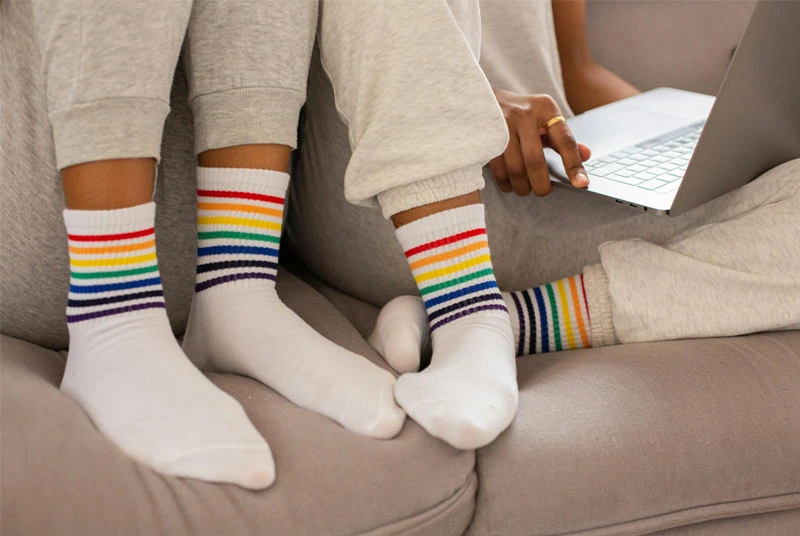
Tube socks and crew socks may look similar, but they work in different ways in daily use and sports. The main difference is how they are made. Tube socks use a straight design with no heel. Crew socks follow the shape of the foot and have a heel pocket. So crew socks are often the better choice in most situations. They give more comfort and more stability. Many performance styles, such as running socks, use structured support to improve stability during movement. Tube socks still work for casual use and flexible sizing. This guide compares tube socks and crew socks in fit, performance, and use cases. What Are Tube Socks? Tube socks are simple socks made as a straight fabric tube. They do not have a defined heel and they do not have a left or right side. The shape is the same from top to bottom, and the sock uses stretch to fit different foot sizes. Because there is no shaping, the sock does not follow the natural curve of the foot. What Are Crew Socks? Crew socks are widely used for daily wear. They are also used in sports, work, and outdoor settings. Crew socks have a shaped heel and a structured foot form. This creates a curve that matches the foot. Most crew socks also have elastic zones to support the arch and keep the sock in place. Because of this structure, the sock fits more closely than simple designs. What’s the difference between Tube Socks and Crew Socks? The main difference is how they are built. One is a simple fabric cylinder and the other follows the actual shape of the foot. Tube Socks vs Crew Socks Comparison Table To help you make a quick comparison, here is a summary of the technical specifications discussed above: Feature Tube Socks Crew Socks Heel Shape Straight Cylinder Knitted L Shape Sizing One Size Fits Most Specific Size Ranges Primary Use Retro Fashion and Casual Sports and Performance Fit Security Moderate High Durability Standard High with Reinforced Zones The Fundamental Construction The main difference comes from how the socks are made. Tube socks are made as a straight fabric tube with no heel. The shape is the same, and the sock only takes form when worn. There is no fixed position for different parts of the foot. Crew socks have a shaped heel pocket and a structured foot form. This creates a fixed layout. Each part of the sock stays in place during use. Fit and Comfort Fit depends on how the sock matches the foot. Tube socks use stretch to fit different sizes. This feels flexible at first, but the fit is not precise. The fabric can move or bunch inside the shoe over time. Crew socks use their structure to stay in place. The heel acts as an anchor. This reduces movement and helps the sock follow the foot. The result is a more stable fit. Athletic Performance Performance shows the difference more clearly. Tube socks can use many materials, such as polyester, nylon, wool, and other fibers. There is no strict limit on materials. But there is no fixed heel, so it is hard to control where each material goes. Most tube socks use the same structure across the whole sock. Crew socks allow more advanced design. The shaped heel creates fixed zones. So different materials can be placed in different areas. For example, manufacturers can add cushioning under the foot and use breathable structures on the top. They can also use stronger yarns in high-friction zones. This type of design is common in performance products such as running socks and other functional socks. So crew socks are better for sports and high activity. They give better support and better moisture control and better durability. Durability Durability depends on how the sock handles friction. Tube socks wear unevenly over time. There is no fixed heel, so the fabric stretches and rubs in different areas. So it can wear faster in high-contact zones. Crew socks often last longer. The heel and toe stay in fixed positions, so stronger yarns can be used in those areas. This helps reduce wear and extend the life of the sock. Which Is Better: Tube Socks or Crew Socks? Crew socks are often the better choice for most situations. They provide better fit, support, and stability. This makes them more reliable for daily use and activity. Tube socks still have value in some cases. They work well for casual wear and flexible sizing. They are also a good choice when cost matters. The best choice depends on how you use the socks. For Sports Crew socks are the standard choice in most sports. They provide better fit and stability during movement. This matters for running, hiking, and high-intensity training. Tube socks were widely used in the past. They were common in sports from the 1960s to the 1980s. Today, they are less common in competitive use. They are still used in training or for a retro look. Some modern designs combine both styles. These socks look like tube socks but include a shaped heel. This hybrid design balances style and performance. For Sweaty Feet For sweaty feet, crew socks are often the better choice. The structure keeps the sock in place and reduces friction during long wear. Crew socks also allow better material placement. This makes it easier to use moisture-wicking fibers in high-sweat areas and improve airflow. Tube socks can use similar materials. But because there is no fixed structure, it is harder to control moisture in specific areas. If moisture control is important, it helps to choose the right material and design. You can explore more in guides such as best moisture-wicking socks for sweaty feet and best socks for sweaty feet. For Casual Wear For casual wear, both styles can work well. The choice depends on style and preference. Tube socks are often used for a relaxed or retro look. Their simple shape and flexible sizing make them easy

Compression Socks for Hiking: Benefits, Materials, and How to Choose
According to the 2024 Outdoor Industry Association report, the US outdoor participant base has reached a record 175.8 million, with hiking remaining a dominant activity. This growth fuels specific demand for specialized endurance gear. Hikers are moving beyond basic cotton, seeking technical solutions to minimize swelling and prevent blisters. For retailers, this consumer shift transforms compression legwear from a niche accessory into a core inventory essential. Hiking compression socks are performance tools that extend endurance. They boost circulation to stop swelling and eliminate friction to prevent blisters. However, effectiveness depends on selecting the correct pressure rating and materials. This article explains these key benefits and how to choose the right pair for the trail. Benefits of Compression Socks for Hiking Hikers choose compression gear to extend endurance. Unlike standard socks that focus strictly on cushioning, compression socks act as active performance tools to solve physical problems on the trail. Improved Circulation and Reduced Swelling Compression stops the "heavy leg" feeling. Gravity naturally pulls fluid down to the ankles during long hikes. By applying graduated pressure that is strongest at the ankle, these socks fight gravity and assist veins in pushing blood back to the heart. This active pumping prevents the swelling and puffiness typical of high-mileage days. Muscle Stabilization and Fatigue Reduction Stabilizing the calf saves energy. Every step on hard ground sends shockwaves through the leg causing muscles to vibrate. This constant oscillation drains energy and accelerates fatigue. Compression socks lock muscle tissue in place to minimize this wasted movement. Enhanced Protection and Blister Prevention A locked-in fit is the key blister defense. Blisters usually form when loose socks slip or bunch up against the skin. Compression socks fit like a second skin and refuse to move, ensuring friction occurs between the shoe and sock rather than on the foot. Hiking Compression Socks vs Regular Hiking Socks Retailers must distinguish between passive comfort and active support. While standard socks cushion the foot, compression socks serve a functional purpose to maintain leg health. Built for Different Goals The design philosophy splits into cushioning versus circulation. Hiking Socks: Prioritize impact absorption. They use thick wool loops to insulate and soften the step. Compression Socks: Prioritize blood flow. The goal is to squeeze leg muscles to delay fatigue rather than just keeping the foot warm. Feel Different in the Boot Fit dictates the difference between a plush feel and a performance grip. Hiking Socks: Feel roomy and soft but can stretch or shift during the day, potentially causing bunching. Compression Socks: Grip like a second skin. This tight, elasticated fit eliminates fabric wrinkles, ensuring zero friction between the foot and the boot. Best for Different Trail Needs Usage depends entirely on activity intensity. Hiking Socks: Best for casual use. Ideal for short day hikes, campsites, or sleeping where a relaxed fit is preferred. Compression Socks: Best for endurance. Essential for high-mileage treks, high altitude, and recovery travel where leg swelling is a guaranteed risk. For retailers who also need guidance on non-compression options, see best hiking socks: a retailer’s Sourcing Guide. How to Choose Compression Socks for Hiking? Selecting the right gear requires analyzing three key technical variables. Retailers must guide customers based on trail intensity and physiological needs rather than just aesthetics. Pick the Right Compression Level Pressure rating defines the use case. Most casual hikers benefit from 15-20 mmHg, while endurance trekkers require 20-30 mmHg. To guarantee this precision, Sockcn offers free in-house lab testing on all samples and bulk orders, ensuring every pair meets strict professional standards. Choose the Right Materials and Knit Features A hybrid fiber blend is critical for longevity. The ideal hiking sock combines Merino wool for odor control with high-denier Nylon for durability in high-friction zones. Except for the yarn, check the construction details. Seamless toe closures are mandatory to eliminate the bulky seams that cause blisters, while mesh ventilation panels on the top of the foot are essential for regulating heat during high-output climbs. Match Sizing and Sock Height to Your Boots Gear compatibility prevents injury. The sock cuff must always rise higher than the boot collar to prevent chafing, making knee-high models the safest choice for standard hiking boots. Crew height serves as a lighter option for low-cut trail runners. Crucially, size must be determined by calf circumference, not just foot length. Ignoring calf width risks creating a tourniquet effect that blocks the very circulation the sock is meant to improve. When to Wear Compression Socks for Hiking? Effective use depends on timing. While everyday wear is possible, the technology delivers the highest value in three specific high-stress scenarios. Long Mileage and Hot Weather Heat drives swelling. High temperatures cause blood vessels to expand while gravity pulls fluid down to the ankles. Compression physically restricts this expansion, keeping legs light and agile even during peak summer heat. Long Descents and Heavy Packs Downhill braking damages muscle. Descending steep trails sends shockwaves through the calves, a stress intensified by heavy backpacks. Compression socks clamp the muscle tissue to stop this vibration, preventing the fatigue that leads to stumbles. After Hikes and During Long Travel Days Recovery happens in transit. Sitting in a car or plane immediately after a hike allows blood to pool and stiffen the legs. Wearing fresh compression socks during the ride home forces circulation to continue, flushing out soreness for the next day. 2026 U.S. Market Trends for Hiking Compression Socks Market success in 2026 relies on specificity. Retailers must shift from generic activewear to precise, solution-based selling. Sharper Audience Targeting Generic marketing fails. 2026 demands specific messaging for specific goals. Targeting "blister prevention" for thru-hikers versus "recovery" for casual travelers drives significantly higher conversion than selling a single solution for everyone. More Inclusive Sizing and Better Fit Options Standard sizing limits revenue. The "Wide Calf" category is exploding. Brands that expand size charts to fit larger legs capture a high-spending market that refuses to buy gear that pinches or rolls down. Performance Materials Plus Content-Driven Sales Education validates the
Best Hunting Socks: Material Selection Guide for Wholesale Buyers
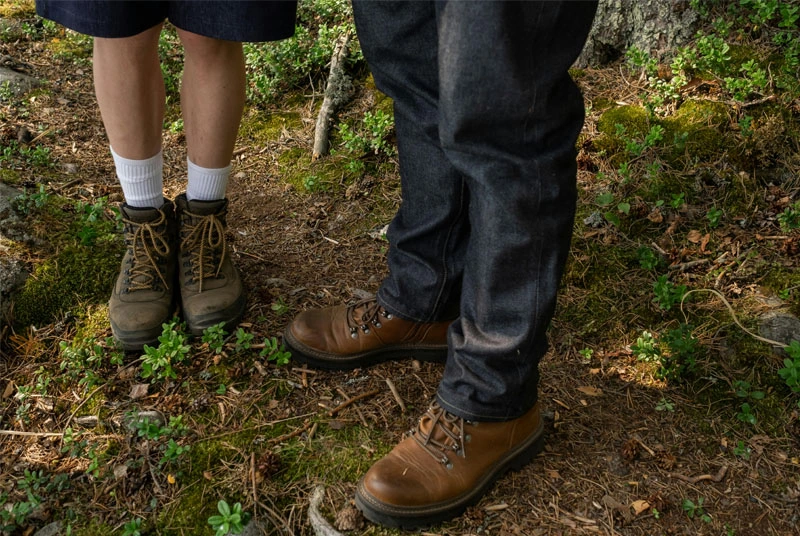
According to the U.S. Fish and Wildlife Service’s 2022 National Survey, 14.4 million Americans hunted in 2022, and people spent about $394 billion on hunting, fishing, and wildlife-related activities. That demand makes small gear like socks a real sales driver. For wholesale buyers, the right materials reduce returns and build repeat orders. This guide helps buyers choose hunting sock materials that perform and sell. It covers what matters in the field: warmth, moisture control, friction, odor, and durability. It also shows which fibers work best, how blends change performance, and how to match materials to cold, wet, or high-activity hunts. Use it to set a clear spec and reduce returns. What Performance Should Hunting Socks Materials Deliver? For wholesale buyers, sock materials must solve four problems inside a boot: steady warmth, fast moisture control, lower friction to prevent blisters, and odor control with abrasion resistance. If one fails, comfort drops fast. Reviews decline and returns rise. Thermal Regulation Materials should keep feet warm during long sits. They should also breathe during movement. The goal is stable warmth, not just a thicker sock. Insulation should match the weather range and activity level. Moisture Management Moisture ruins comfort fast. Wet socks turn cold, and cold feet end hunts early. Good materials pull sweat off skin and help it dry faster. Drier feet also lower blister risk. Comfort and Skin Protection Comfort depends on fit and low friction. The material should feel smooth in a boot and stay in place. Cushion matters most where boots hit hardest. Less rubbing and better dryness help prevent blisters. Odor Control and In-Boot Durability Odor builds when socks stay damp during long wear. Better materials slow odor buildup. Socks should also resist boot abrasion at the heel, toe, and forefoot. Strong fibers and balanced blends reduce early failures and protect margin. What Fibers and Blends Work Best for Hunting Socks? The best hunting socks are rarely made from a single fiber. Most top-selling hunting socks use a base fiber for comfort, then add synthetics and elastane for durability and fit. It adds polyester for wicking and dry time, nylon for high-wear zones, and elastane to keep the fit locked in. The right mix depends on season, boot type, and price tier. Merino Wool as the Base Fiber Merino is the most common base fiber in premium hunting socks. For next-to-skin comfort, we recommend specifying 18.5 to 23.5-micron wool. This range ensures the sock is itch-free while maintaining enough fiber thickness for durability. It feels soft, stays warm when damp, and manages odor better than most options. A standard Golden Ratio for a durable hunting sock is typically 60-70% Merino, 25-30% Nylon, and 3-5% Elastane. This mix pairs the warmth of wool with the abrasion resistance of nylon. Synthetics for Performance Synthetics cover two weak spots in natural fibers: dry time and abrasion. Polyester improves wicking and dries faster. Nylon adds strength where boots rub the most, usually the heel, toe, and forefoot. Reinforcement often matters more than thickness because boots wear through contact points first. Value Options for Entry-Level Programs Acrylic blends work for entry-level and value lines. They offer excellent loft and a high warmth-to-cost ratio. While they lack the premium moisture management of wool, acrylic is hydrophobic and dries reasonably well. It is the ideal choice for budget-friendly programs or dry-condition gear. Adding nylon and using a tighter knit helps slow wear in this tier. Fit and Recovery Elastane is used in small amounts, but it changes fit a lot. It helps socks stay up, keeps cushion in place, and reduces bunching in the boot. Weak recovery leads to slippage and hot spots. A modest elastane add improves fit without changing the main fiber mix. Material Performance Comparison Table Use this quick comparison to align fiber choices with your target conditions and price tier. Material Strengths Limitations Best for Typical Use in Blends Merino wool Warmth when damp, comfort, odor control, breathes well Higher cost, needs reinforcement for abrasion Premium and mid-tier hunting socks Base fiber for feel and thermal balance Polyester Wicking and faster drying, stable in wash Odor can build without treatments or blending High-output hunts, early season Moisture management and dry time Nylon Strong abrasion resistance, long wear life Less soft against skin if overused Heel/toe durability, rough boot interiors Reinforcement in key zones Acrylic Lower cost, warm feel, easy to scale Odor retention, weaker moisture comfort Entry-level programs, value packs Budget base fiber with nylon/elastane support Elastane Better fit, recovery, stays in place Too much can feel tight in some knits All tiers where fit matters Small percent for hold and shape Next, apply these fiber strengths to cold, wet, high-activity, and low-activity hunts. How to Choose the Right Materials by Condition? Start with the conditions, then choose the fiber mix. Cold causes heat loss. Wet causes cold plus rubbing. High activity creates sweat fast. Low activity creates cold soak. The best hunting socks pick a fiber mix that targets the main problem first. Merino Insulation for Cold Conditions Cold hunts need warmth that holds when socks get damp. Merino is a strong base because it still insulates and stays comfortable. For late season and long sits, choose Merino-led blends with more cushion. Add nylon for wear points, since thicker socks take more boot abuse. Synthetic Quick Drying for Wet Conditions Wet hunts punish slow drying. Polyester helps socks dry faster after sweat, rain, or snow. Nylon matters more in wet boots because friction goes up. For wet conditions, prioritize dry time and durability over maximum thickness. Moisture Wicking for High Activity High activity means sweat, even in cold air. Materials must move moisture off skin fast. Merino works better with synthetics that boost wicking and dry time. Fit also matters, because loose socks increase friction and hot spots. Heat Retention for Low Activity Low activity means less heat and more cold soak. Materials should hold warmth during long sits. Merino-heavy blends and higher cushion help retain heat. Too much
Custom Ankle Socks: Finding the Right Manufacturer for Your Brand
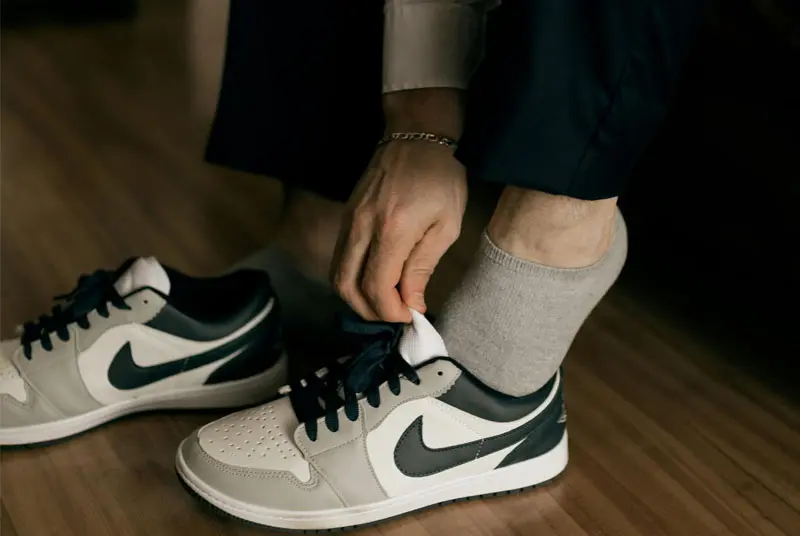
According to 2024 Statista data, 40% of American consumers prefer ankle socks over other styles for daily wear. This volume makes them a crucial inventory item for B2B buyers in the athleisure and corporate gift markets. For brand owners, ankle socks represent a high-turnover staple with consistent year-round demand. However, success in this market depends on quality, not just branding. This article explains the market value, key manufacturing specs, and production steps to help you turn your design into premium wholesale ankle socks. Why Custom Ankle Socks are Popular for Brands Ankle socks strike a practical balance between invisibility and bulk, making them the most versatile choice for modern lifestyles. For brands, this cut offers high retention value because it fits seamlessly into both athletic regimens and daily fashion. They are a safe, high-frequency investment for any B2B marketing plan. High Demand in Sports and Streetwear Markets Performance drives this market. Users expect moisture control and arch support even in promotional items, regardless of the activity level. A branded sock that holds up during a workout validates the company’s commitment to quality and instantly elevates brand perception. Perfect Brand Integration with Sneaker Culture The low key aesthetic rules the US footwear scene. Ankle socks provide essential comfort without overshadowing the sneaker, keeping the visual focus on the shoe. This allows for subtle logo placement on the heel tab, ensuring the brand fits organically into the consumer’s personal style. Key Factors for Customizing Your Ankle Socks While design attracts attention, product quality directly reflects brand reputation. A well-constructed sock builds customer loyalty, while a poorly made one is quickly discarded. B2B buyers must define specific manufacturing parameters early to ensure the final product meets market standards. Material and Yarn Selection Fabric choice determines both comfort and function. Combed cotton remains the standard for casual wear due to its softness and breathability. For athletic applications, synthetic blends like polyester or nylon are superior because they offer necessary moisture-wicking properties. Additionally, the correct percentage of Spandex is required to maintain elasticity and shape retention after multiple washes. Functional Design and Construction Ankle socks require specific structural features to stay in place. Essential elements include elastic arch support and a reinforced Y-heel stitch, which prevents the sock from slipping inside the shoe. A cushioned sole enhances comfort, while a raised heel tab adds both protection and a premium aesthetic. These technical details differentiate a high-quality product from generic promotional merchandise. Needle Counts and Sizing Standards The needle count defines the knit density and the resolution of your design. While a 144-needle count suits thicker, retro-style socks, a 168 or 200 needle count is essential for intricate logos and a refined texture. Sizing compliance is equally critical. Manufacturers must strictly follow US sizing charts, as standard Asian sizes are often too small for the American consumer base. MOQ and Production Lead Times Balancing inventory volume with flexibility is crucial. Emerging brands often seek low MOQs to test market response with minimal risk. Established companies, however, prioritize production scalability and reliable delivery schedules. It is vital to confirm the complete turnaround time, covering sampling, mass production, and shipping, to ensure stock arrives before your campaign launch. The 6-Steps to Customize and Produce Your Ankle Socks Strict deadlines demand a predictable process. A defined workflow prevents delays and ensures the final product arrives on time. The following are the standard steps for producing customized socks efficiently. Step 1: Inquiry and Quote Speed and accuracy are vital for budget planning. Buyers should reach out to a dedicated account manager with specific requirements, including quantity, material preferences, and design concepts. A responsive manufacturer typically provides a comprehensive quote and solution within 24 hours, allowing for quick decision-making without administrative bottlenecks. Step 2: Design and Mockups Digital proofs serve as the first line of defense against errors. The design team converts logos and artwork into production-ready mockups to visualize placement and scale on the sock. Look for suppliers offering unlimited revisions to ensure the visual identity meets exact standards before any machine runs. Step 3: Sampling and Prototyping Never skip physical verification. A tangible sample allows for testing hand-feel, fit, and knitting density. Producing a prototype for approval mitigates the risk of bulk errors, bridging the gap between a digital concept and the final wearable product. Step 4: Order and Mass Production Formal production begins upon contract signing and deposit receipt. Once paperwork is finalized, the order enters the manufacturing queue immediately. Professional factories utilize premium materials and automated knitting technology, maintaining strict quality control protocols throughout the process to ensure consistency. Step 5: Quality Control and Final Approval Quality assurance must happen at every stage. Inspections during and after knitting catch issues like loose threads or color variance. For significant orders, requesting a pre-production sample for final approval before the bulk shipment leaves the factory floor is a recommended best practice. Step 6: Shipping and After-Sales Support Reliable logistics ensure campaigns launch on time. After final packaging, orders are shipped globally with complete tracking transparency. Service should extend beyond delivery, with manufacturers available to handle feedback and facilitate streamlined reordering for future inventory needs. Customization Steps Table The following table shows the main task and result for each step. Step Process Main Task Output 1 Inquiry Discuss requirements Quote Solution 2 Design Visual proofing Sock Design 3 Sampling Verification Real Sample 4 Production Bulk knitting Mass Production 5 QC Final check Approved Goods 6 Shipping Logistics Global Delivery Sockcn: Reliable Manufacturing for Your Brand To complete this detailed process requires a reliable partner. Sockcn brings over 20 years of manufacturing experience to your supply chain. We support global retailers by delivering scalable production that maintains strict quality standards. Full Customization and Branding We provide a complete solution from design to final packaging. Full material control allows for specific performance needs using premium blends like Merino wool or CoolMax. Free design support and custom labels produce retail-ready items immediately, simplifying the supply chain. Professional In-House Manufacturing Factory-direct sourcing protects
Moisture Wicking Fabric: Materials, Benefits, and Uses
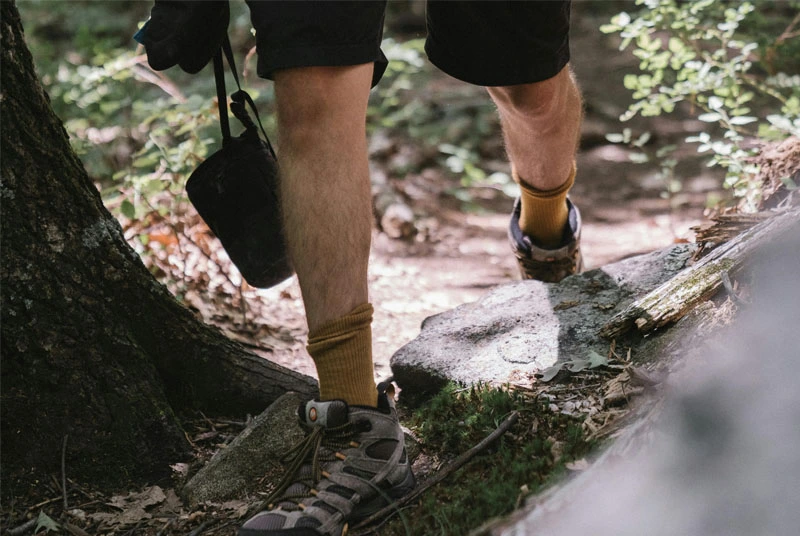
The global activewear market is projected to reach $677 billion by 2030, according to Grand View Research. This growth is fueled by a constant demand for functional gear that performs as well as it looks. Material performance is now a key driver for brand loyalty. This article explains how moisture-wicking technology works and how to select the right fibers to keep your customers dry and comfortable. What Is Moisture Wicking Fabric? Moisture wicking fabric is designed to move liquid rather than store it. Unlike cotton, which absorbs water like a sponge, wicking materials use capillary action to pull sweat through microscopic channels. This keeps the fabric light and dry. It is the main difference between cheap gear and the high quality wholesale athletic socks used by top brands. Key Benefits of Moisture Wicking Fabric Tech Proper moisture management is what makes performance apparel reliable in the field. This efficiency results in three benefits for the user: Keeps Cool and Dry Dry skin stays comfortable. By removing the damp layer that traps heat, this technology ensures users stay cool during workouts and dry throughout a long day on their feet. Reduces Odor and Bacteria Bacteria thrive in moisture. Since wicking materials stay dry, they remain fresh much longer than standard cotton. This is a key requirement for any high-activity apparel line. Prevents Blisters and Chafing Damp skin is prone to injury because moisture increases friction. Wicking materials keep the skin dry and the fabric surface smooth. This is vital for performance footwear where protecting the foot is the main goal, especially when designing the best socks for sweaty feet to prevent moisture buildup. How Moisture Wicking Technology Works Wicking fibers use Y or X-shaped grooves instead of standard round threads. This cross-section creates more surface area to move moisture through three stages: Absorption: Fiber grooves pull sweat off the skin immediately. Transportation: Hydrophobic fibers push moisture through channels to the surface. Evaporation: Liquid spreads across the outer surface and dries rapidly. What Are the Common Materials of Moisture-Wicking Fabric Performance depends on the fiber mix. Most brands blend synthetics with natural fibers to balance drying speed and cost. The following are the main materials used in the industry today. Polyester Polyester is the industry standard for performance. It is affordable, durable, and dries faster than almost any other fiber. Because it is hydrophobic, it pushes moisture to the surface instead of absorbing it. This is the most common base material for athletic products. Nylon Nylon is the preferred choice for strength and stretch. It is more elastic and has a softer feel than polyester, making it ideal for compression gear and premium products. While it wicks moisture well, it is typically blended with other fibers to improve its drying speed and breathability. Spandex Spandex is the critical component for fit and recovery. Also known as Elastane, it provides the necessary stretch that keeps socks in place without slipping. It is never used alone but is blended into almost every performance product to ensure the garment holds its shape during intense movement. Merino Wool Merino wool is the gold standard for natural performance. Unlike traditional wool, it is soft against the skin and naturally regulates body temperature, keeping users warm in winter and cool in summer. It also has natural anti-odor properties, which justifies its premium price point in the market. Bamboo and Modal These fibers are the top choice for softness and comfort. Known for their silk-like feel and natural antibacterial qualities, they offer excellent breathability. They are increasingly popular for lifestyle brands that prioritize eco-friendly sourcing over raw athletic speed. Synthetics vs. Naturals Comparison Table Mixing fibers allows brands to optimize for comfort, production costs, and modern sustainability standards. Fiber Category Material Technical Advantage Cost Synthetics Polyester Fastest drying speed and hydrophobic nature Budget-Friendly Nylon High tensile strength and abrasion resistance Mid-Range Spandex Superior elastic recovery and shape retention Component-Based Naturals Merino Wool Natural thermoregulation and odor control Premium Bamboo/Modal Exceptional softness and sustainable appeal Mid-to-Premium Pick your material based on your target price and order size. How to Choose the Right Material for Your Brand Choosing the right moisture-wicking fabric is only one part of a much bigger material decision. In practice, brands rarely rely on a single performance feature when developing a product line. To build a well-balanced collection, it's important to compare a wider range of fibers based on comfort, durability, cost, and end use. For a more complete breakdown of how different materials perform across various sock types, check out our full guide on the best material for socks to help you make more informed product decisions. Use these three categories to find the best fit for your business goals: Mass-Market Collections: Choose polyester-heavy blends to keep costs down. This is the most affordable way to meet quality standards for team uniforms and high-volume sports gear. Mid-Range Lifestyle: Mix nylon with sustainable fibers like bamboo. This blend offers a premium feel and durability at a fair price, which helps build customer loyalty in the casual clothing market. Premium Outdoor Lines: Use Merino wool to justify higher prices. Its natural temperature control and odor resistance help your brand stand out from cheap synthetic products in the hiking and winter markets. How to Test the Moisture Wicking Fabric Once you have selected your fiber blend, verifying its actual performance is vital for quality control. These quick methods help you identify high-performance fabrics without needing a lab. The Water Drop Test This is the fastest way to verify performance. Place a small drop of water on the inner side of the material. In a high-quality wicking fabric, the water should soak in and spread out instantly. If the water beads up or sits on the surface, the material is likely not engineered for moisture management. Checking the Fabric Structure Examine the weave of the fabric closely. High-performance materials usually have a textured surface or visible channels. These grooves are what physically pull the sweat away from the skin. A
Custom Pilates Socks: Tips, Process and Supplier
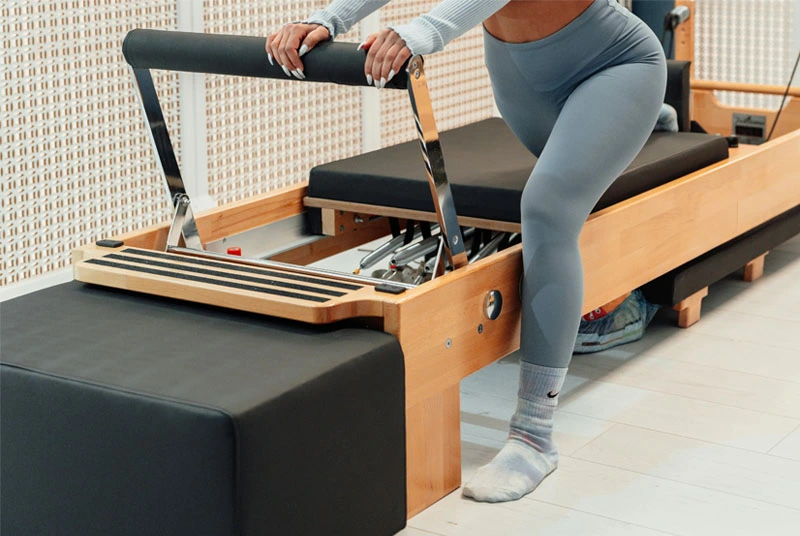
As a custom sock manufacturer serving fitness studios and brands in 25+ countries, Sockcn helps businesses develop custom Pilates grip socks for retail, member programs and branded merchandise. Beyond logo customization, high-quality Pilates socks require the right grip technology, materials, and construction to deliver comfort, safety, and durability. This guide explains what studios and brands should consider when creating custom Pilates socks. Quick Preview Custom Pilates socks are more than branded workout accessories. For studios and fitness brands, the right product should combine reliable grip, comfortable construction, durable materials, and branding that fits the studio’s identity. When developing custom Pilates socks, the key decisions are usually: Grip:Full-sole or targeted grip, depending on the training environment. Materials:Choose the right blend based on comfort, durability, and frequency of use. Construction:Details such as arch support, seamless toes, and sock height affect daily wear. Customization:Logo placement, colors, packaging, and other details turn a functional sock into a branded product. Manufacturing:A capable supplier should be able to develop the product around your actual use case—not simply reproduce a logo. Why Are More Pilates Studios Choosing Custom Grip Socks? As Pilates continues to grow worldwide, more studios are looking for ways to improve member experience while building stronger brand connections. Custom Pilates socks are no longer just functional workout accessories. They have become a valuable extension of studio services, helping businesses enhance customer experience, promote their brand, and create additional retail opportunities. Improve Safety, Hygiene and Studio Experience Many Pilates classes require clients to train barefoot or wear grip socks for Pilates for better stability and control. Especially in reformer Pilates, reliable grip performance plays an important role in helping users feel secure during different movements. High-quality Pilates socks with grip should provide effective non-slip performance, comfortable fit, and long-lasting durability. For studios, choosing the right grip socks can improve the overall class experience while demonstrating a higher level of professionalism to members. Create a New Revenue Stream Through Studio Merchandise Custom Pilates socks can become a valuable part of a studio’s merchandise offering. With customized logos, colors, and designs, studios can use branded socks for: Retail sales New member welcome kits Studio events and promotions For studios ordering Pilates socks in bulk, branded products can create a stronger connection with customers while opening up an additional revenue opportunity. Strengthen Studio Branding Personalized Pilates socks allow studios to bring their brand identity into members’ everyday fitness routines. Logo placement, signature colors, and unique designs help create a consistent brand experience. When members wear branded socks during classes or share workout photos online, these products can naturally increase brand visibility and strengthen community engagement. What Defines a High-Quality Custom Pilates Sock? In real studio environments, Pilates socks need to handle long training sessions, frequent use, repeated washing, and movement-related friction. Brands should evaluate grip performance, materials, construction, and manufacturing quality to ensure long-term performance. Grip Technology: The Core of Pilates Grip Socks Many Pilates classes require members to train barefoot or wear Pilates grip socks for better stability. Especially in reformer Pilates, barre, and balance-focused workouts, reliable grip performance helps reduce foot slipping and improves movement control. The key to a high-quality grip sock is not simply adding more silicone. It requires the right balance between: Grip strength Flexibility Comfort Durability Too little grip coverage may not provide enough stability, while excessive grip coverage can reduce flexibility and affect the natural feel of the sock. Professional manufacturers need to develop suitable grip solutions based on different training environments and user needs. Silicone Grip Quality: What Studios Should Check Before Ordering For Pilates studios, silicone grip quality directly impacts user experience and product performance. When evaluating suppliers, studios should pay attention to: Adhesion Durability High-quality silicone grip should maintain strong adhesion after repeated use and washing. Studios should test: Whether the silicone peels off after washing Whether cracks appear over time Whether grip performance decreases after repeated use Some low-quality grip socks may perform well when new, but the silicone can start peeling after several washes, eventually affecting the brand experience. Grip Elasticity and Comfort A good grip system needs to provide stability while allowing natural foot movement. Silicone that is too hard may restrict flexibility, while silicone that is too soft or lacks adhesion may not provide enough traction. Therefore, a well-designed grip system should balance stability, flexibility, and comfort. Real Manufacturing ExperienceA Pilates brand approached Sockcn after experiencing silicone grip issues with their previous supplier. Through sample adjustments and performance testing, Sockcn improved grip quality and wearing comfort, helping the customer expand from a 200-pair trial order to three designs totaling 600 pairs. Full Sole Grip vs Targeted Grip Design Different Pilates studios may have different requirements for grip design. Full Sole Grip Targeted Grip Coverage Full coverage from heel to toe Focuses on key contact areas Stability Higher Medium to high Flexibility Slightly lower More flexible Best For Reformer Pilates, high-intensity training General Pilates, yoga, daily studio use Cost Higher More flexible Full Sole Grip Full sole grip covers the entire sole area, including the heel, forefoot, and arch, providing maximum stability and traction. It is ideal for reformer Pilates grip socks and high-intensity training where foot control is especially important. Targeted Grip Targeted grip focuses on key contact areas such as the heel, forefoot, and toe, offering a better balance between grip, flexibility, and comfort. It is suitable for studios looking for a lighter and more versatile option. Choosing Materials and Sock Structure Material Selection Cotton blends are suitable for most daily Pilates classes, offering softness, breathability, and comfortable wear, making them a cost-effective choice for many studios. Cotton bamboo blends are a better option for premium wellness brands that focus on a higher-end experience, providing a softer feel and improved moisture management. For Pilates socks for reformer classes or high-frequency usage environments, nylon blends offer better durability and shape retention, making them suitable for products that require long-term performance. Sock Structure Beyond materials, sock construction also affects the overall wearing experience. Features such as arch support help keep the sock stable and
Best Basketball Socks: A Growth Guide for Brands and Retailers
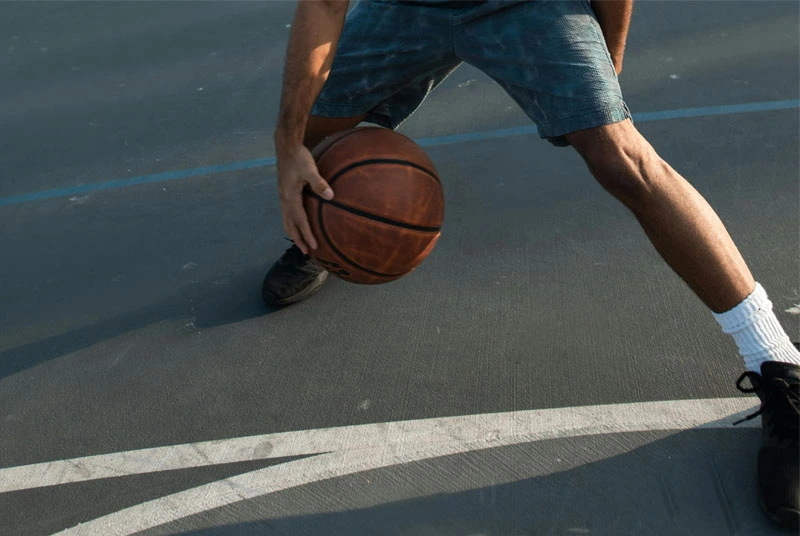
The global basketball apparel market reached a value of $6.3 billion in 2024 according to Zion Market Research. High performance socks are a major driver of this growth. Players today demand professional grade gear, not generic basics. For retailers, this is the perfect moment to trade low margin bulk packs for profitable performance wear. In this article, we explain the difference between basic inventory and high-profit performance gear. You will learn which features actually reduce returns, why material choice matters, and how to select a manufacturer that delivers results. What Defines the Best Basketball Sock? Capturing a share of this multibillion dollar market requires more than just cheap products. The best basketball sock is defined by its ability to protect the foot under extreme stress while maintaining its shape over a long season. Retailers know that inventory which fails to address specific player pain points like impact, sweat, and blisters will simply sit on the shelf. Targeted Padding for High Impact Basketball is a high impact sport where players land with up to five times their body weight. To handle this stress, premium socks require cushioning with varied density. This involves placing thicker terry loops in the heel and forefoot to absorb shock, while the rest of the foot remains standard thickness to avoid unnecessary bulk. Brands that ignore zonal cushioning often see higher return rates because the product fails to protect the joints of the athlete. Breathable Fabrics for Maximum Freshness Cotton is the enemy of performance because it absorbs sweat and holds it against the skin, leading to friction and blisters. A successful sock line must use synthetic blends like Polyester, Nylon, and Spandex. These hydrophobic materials pull moisture away from the foot and push it to the surface where it evaporates. In this category, selling performance means selling moisture management. Ergonomic Support and All Day Comfort A sock that slides down during play is useless. Premium basketball socks feature arch compression bands that keep the fabric locked in place. Many top tier brands also offer specific Left and Right anatomical fits to eliminate bunching near the toes. Details like these ensure the padding sits exactly where needed, turning a one time buyer into a loyal repeat customer. Which Materials Are Best for a Premium Private Label? Achieving these ergonomic features relies entirely on the foundation of the sock: the yarn. The difference between a bargain bin item and a premium product usually comes down to yarn selection. For private label brands, choosing the right material mix is the most cost effective way to build a reputation for quality. The goal is to balance durability, cost, and performance. High-Performance Synthetics Nylon is the backbone of durability in athletic wear. It withstands the friction of quick cuts and jumps better than any natural fiber. When paired with Spandex, it provides the necessary elasticity to keep the sock secure against the leg. This combination ensures the product retains its shape after dozens of wash cycles, which is a key metric for customer satisfaction. Functional Tech Fibers Antimicrobial yarns are a major selling point for modern consumers. These fibers are often treated with silver or copper ions to prevent the growth of bacteria that cause bad smells. Adding this feature allows brands to market their socks as hygienic and advanced. It is a simple upgrade that adds significant perceived value without drastically increasing manufacturing costs. Premium Natural Blends While pure cotton is poor for sports, a strategic blend offers the best of both worlds. Using combed cotton provides a soft hand feel that customers love when they touch the product in the store. By reinforcing it with Nylon and Spandex, you maintain that comfort without sacrificing moisture management. This hybrid approach works exceptionally well for lifestyle basketball socks that cross over into casual wear. How Custom Features Drive Your Brand Growth Materials provide the foundation, but customizations close the sale. By offering customized socks in bulk, your brand can add unique features that separate you from generic competitors and justify a higher retail price. Here are three upgrades that build customer loyalty. Anti-Slip Grip Technology Grip is the most valuable upgrade for basketball socks. Adding silicone pads to the sole prevents the foot from sliding inside the shoe. This improves stability and reduces blisters during play. Players are willing to pay a premium for "grip socks" because they feel the performance difference immediately. Woven Logos Woven logos look professional and last longer. Unlike printed designs that fade or crack, Jacquard weaving knits your brand directly into the fabric structure. The logo stays sharp and vibrant even after many washes. This ensures your product looks premium for its entire lifespan. Unique Style and Aesthetics Visual appeal drives sales in the basketball market. Modern manufacturing allows for gradient colors, complex patterns, or even reflective yarns. These details attract younger players who value style as much as function. Good design turns a basic sock into a fashion essential. However, advanced features demand precise manufacturing. Poor execution leads to defects, making a specialized technical partner essential for your brand. Best Basketball Socks Supplier: Sockcn Sockcn is a leading manufacturer in China with over 20 years of experience. We partner with global brands to deliver premium quality and innovative design. We eliminate middlemen to provide factory direct value. Professional Custom Design and OEM Manufacturing We deliver complete OEM solutions compatible with the latest market trends. From applying precise silicone grip patterns to knitting high-definition Jacquard logos, we execute complex specifications to realize your vision. Our manufacturing quality is robust enough to support brands offering Unconditionally Guaranteed for Life policies. In-House Laboratory and Precision Testing Our in-house laboratory verifies technical standards for every order. We provide free compression testing during sampling and bulk production to ensure professional pressure values. This guarantees every pair meets strict performance metrics before shipping. Flexible MOQs and Fast Turnaround We offer low MOQs to help you launch new lines without heavy inventory risks. Our efficient production lines handle both small trial