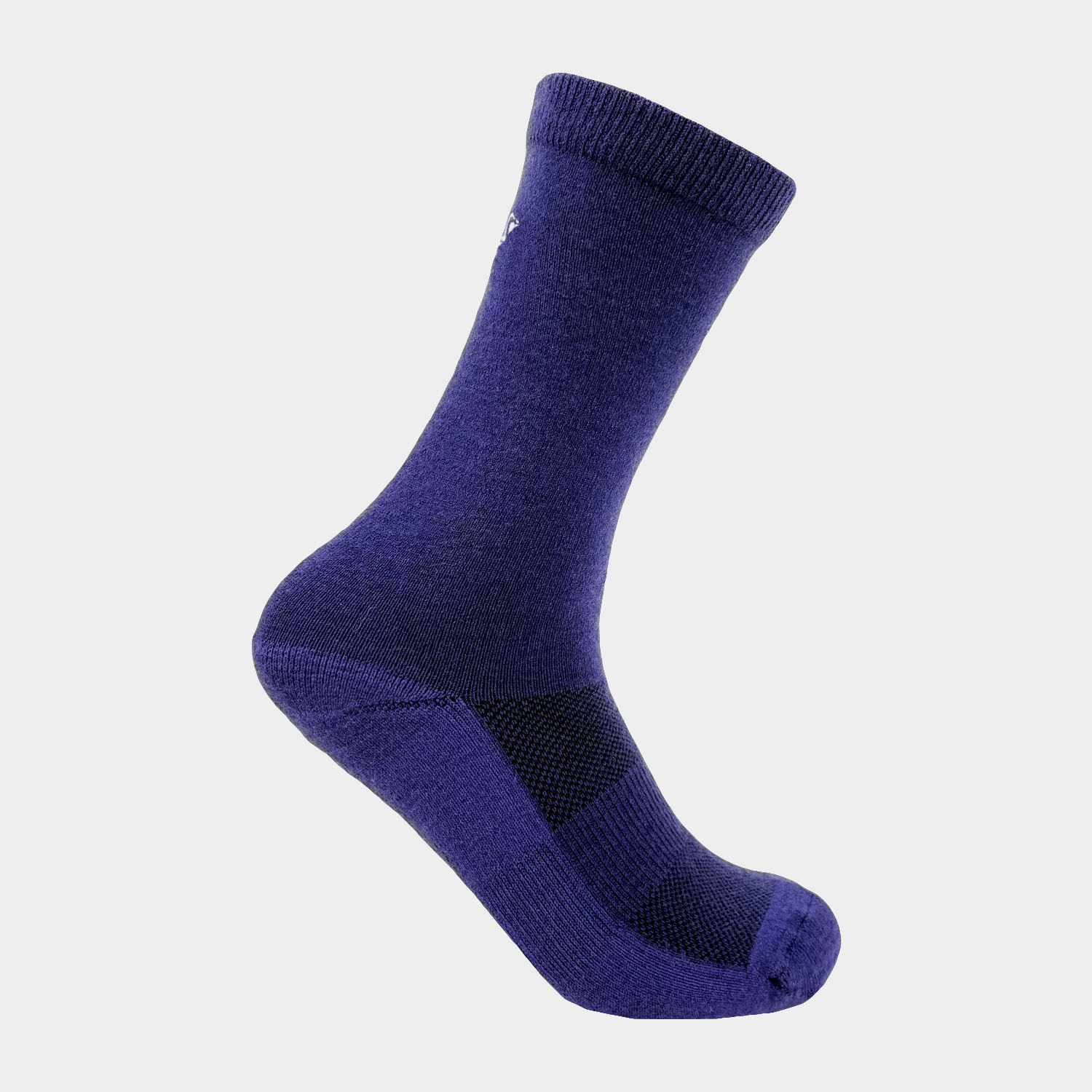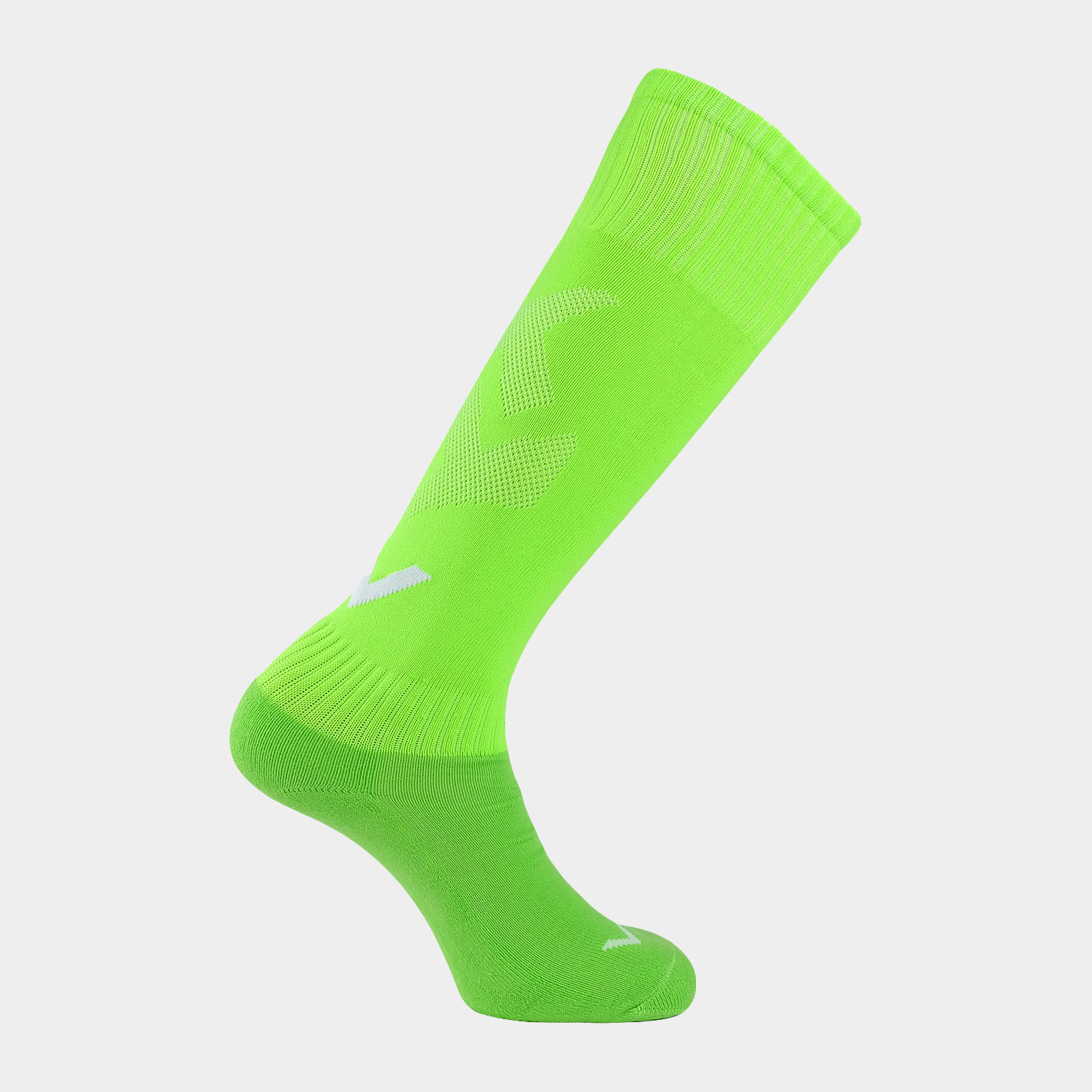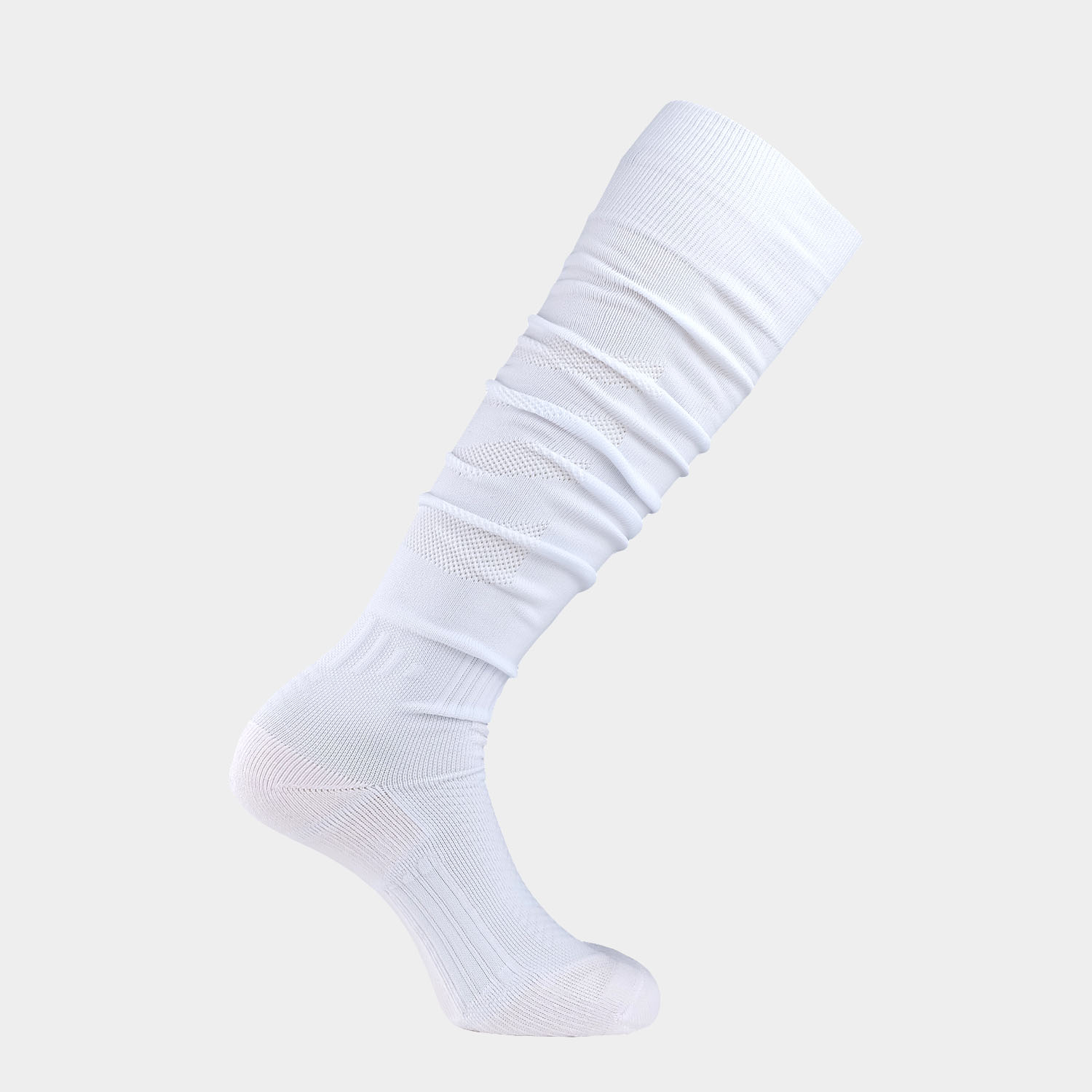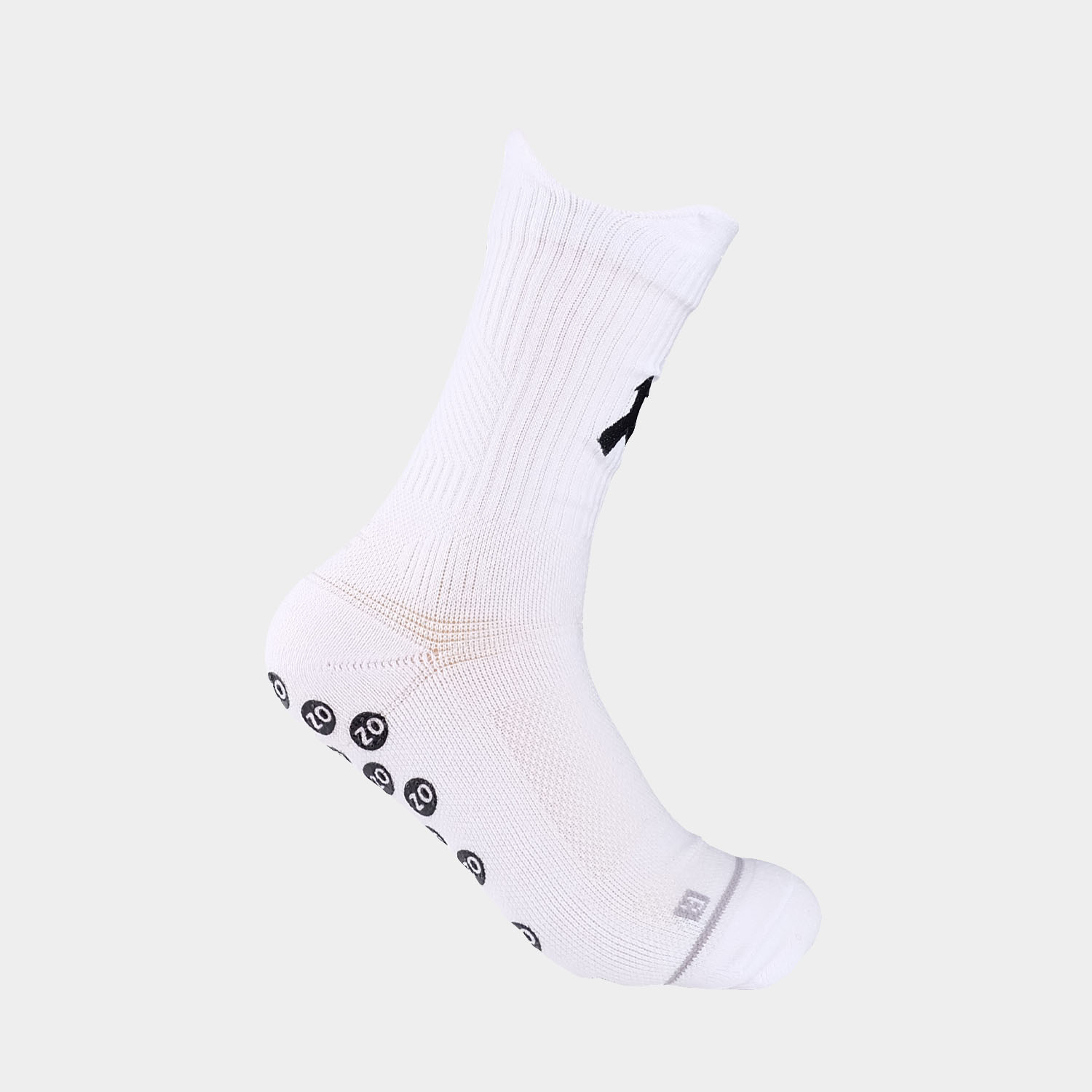

Alongside the merino wool socks, a new star in socks has risen on supermarket shelves and e-commerce sales charts. It is alpaca wool socks. This winter, alpaca wool socks will gradually generate own market with it’s high-end features. For retailers, alpaca wool socks are not just a winter staple but also a powerful tool to boost unit prices and establish a premium brand image. However, how to identify the “star socks” that not only ensure repeat purchases from customers but also deliver substantial profits? Today, I’d like to share some conventional insights on the distinctiveness of alpaca wool socks, the alpaca wool socks sourcing, and the establishment of alpaca wool sock brands.
Why Retailers Are Choosing Alpaca Wool Socks
Firstly let’s see what is alpaca wool? What is the magic of alpaca wool socks? And Why we choose alpaca wool socks?
Luxury Appeal of Alpaca Fiber
Alpaca wool is a luxury fiber. Its scarcity and outstanding features give the products greater value. Compared with ordinary socks made of other materials, alpaca wool socks have a higher unit price and profit margin.
In the highly competitive sock market, the luxury characteristics of alpaca wool can make your brand stand out. It is not an ordinary product that can be found everywhere, which can effectively prevent excessive homogenization of competition. It attracts customers who pursue quality.
Meanwhile, due to its high-end nature, it is also an excellent choice for gifts. It is high-quality, practical, innovative, and can effectively boost sales during festivals or gift seasons.
Comfort and Performance Benefits
Alpaca wool does not contain the lanolin found in regular wool, making the socks softer, more comfortable and less likely to irritate the skin. For customers who find that regular wool socks irritate their skin, this is a decisive reason for making a purchase.
Alpaca wool fibers can effectively block cold air, providing much better warmth than cotton socks or even ordinary wool socks. Moreover, while providing warmth, these socks are extremely lightweight and do not cause any weight burden.
The strength of alpaca wool fibers is higher than that of normal wool, which means alpaca wool socks are more durable. Although the unit price is higher, they have a longer usage life. In the long run, it is a more economical choice.
Growing Demand in Premium Markets
More and more people are focusing on the quality of their lives and are willing to pay a premium for superior performance and sustainability. Alpaca wool socks offer a great option for them. The sales success of HOLLOW brand alpaca wool socks is sufficient evidence of this.
Also, more and more consumers are paying attention to the environmental background of products. Alpaca wool is a natural material, which aligns with this theme and can win the favor of customers with strong environmental awareness.
The popularity of sports such as hiking, cycling and running has led people to pay more attention to clothing and accessories that can provide a better experience. Socks is also the case. The demand for Alpaca wool socks is expected to increase significantly.
Sourcing Alpaca Wool Socks
After a basic understanding of alpaca wool socks, you may want to explore how alpaca compares with other materials in different use cases. To make a more informed sourcing decision, it’s helpful to review a broader guide on choosing the right sock materials.
Direct from Manufacturers vs Distributors
In order to quickly see the advantages and disadvantages of these two buying methods, I have listed a picture below to help to make the right choice

If you are a small scale selling store or just begin to sell the socks, you may need just like twenty or fifty pairs to test the market. It’s better to buy the stock socks from the distributors. The MOQ is ok and delivery is fast. But the problem is the price you get is not good enough and many stores may have the exactly same socks.
If you are an online website that sells to the whole country or even many countries or a big brand already, it’s better for you to import from the manufacturers directly. The price is better and you can gain high profit. And you can custom as per your unique logo and design. And you can select the package and other accessories as well. Just one thing that you need to plan your selling schedule in advance as the production time is one to two months. And you may have communication time and language difference with the manufacturers in other countries.
Verifying Material Authenticity
As a high-profit product, there is a wide range of quality in the market. How to identify and ultimately sell high-quality alpaca wool socks is a crucial issue.
1.Hand touch
Alpaca wool is hailed as the fibers of God. It has a soft and smooth texture, with almost no itchy sensation. Hold the sock tightly with your hand and then release it – it will return quickly.
2.Visual sense
Alpaca wool fibers are long, making it look more fluffy than ordinary wool. The surface of alpaca wool socks has a soft luster, which is not harsh.
3.Burning test
Taking a small amount of fibers from the inside of the sock or the excess thread, holding them with tweezers, and light them with a lighter. The real alpaca wool does not have a strong unpleasant smell when burning. The ashes formed after burning are crispy and will crumble when squeezed. Moreover, they are difficult to reignite once removed from the flame and will extinguish by themselves.
If the burning socks have a pungent chemical or plastic burnt smell, and after burning they form hard black balls that are difficult to crush, melt and drip during the burning process, it is very likely that they are fake.
Certifications and Standards to Check
1.Standard
RAS certificate is able to be applied for the alpaca wool yarn.
Standard certification | Type | Management organization | Focus | Main Content |
RAS | International voluntary certification | Textile Exchange | Animal welfare,land management,alpaca wool traceability | 1. Supplier requirement: The entire supply chain from the farm to the final product requires certification. 2. Animal welfare:Covering requirements such as nutrition,living environment,and health management 3. Wool percentage: Certification can only be applied for when the certified contect in the product is ≥5% |
2.Standard
SGS lab is able to test the alpaca wool percentage and show the percentage on the test report.
Wholesale Considerations
After the final samples in your hand and confirmation, an initial inventory is coming soon I think.
Pricing and MOQ Negotiation
No matter you are a small scale store or a super brand, pricing and MOQ is always the issue in your mind. For different scale brands in different stages, the MOQ needed is different. And surely the price is different as well.
For alpaca wool socks, the below is a general reference.
300 – 500 pairs, a testing quantity to gauge the market demand response. Price is higher than normal level.
500-1000pairs, Initial inventory reserve of the brand. Price is lower than the testing but higher than the normal level.
2500-5000pairs, Regular inventory replenishment. Price is the normal bulk order price.
Shipping and Delivery Options
The below shipping ways for your reference.
Shipping way | Shipping time | Description |
Express | 7-10days for most countries | Samples, small parcel |
Air shipment | 13-18days for most countries | High value, urgent inventory |
Sea shipment | Depending on the detail address | Large quantity |
Truck shipment | Depending on the detail address | Large quantity |
Rail transport | Depending on the detail address | Large quantity |
The below delivery options for your reference.
EXW: Pick up the goods from the supplier’s warehouse by buyer.
DAP: The supplier is responsible for delivering the goods to your warehouse, but not for the taxes.
DDP: The supplier is responsible for everything, including taxes, and will deliver the goods directly to your warhouse.
FOB: The supplier is responsible for transporting the goods to the port of departure and loading them onto the vessel. All subsequent expenses (shipping fees, insurance fees, destination port charges) will be born by the buyer.
CIF: The supplier is responsible for transporting the goods to the port of departure and loading them onto the vessel. Suppliers will be responsible for the shipping fees and insurance fees.
Packaging and Branding Options
General package for socks
Header card + Hook
Header card.

Wrapper band

Gift box

Building a Retail Strategy with Alpaca Wool Socks
Positioning in Luxury Segments
Top-quality natural fiber socks specially designed for those who pursue ultimate comfort, quality of life and sustainable consumption.
Marketing Alpaca Socks to Target Customers
1.High-end outdoor enthusiasts (mountaineers, skiers, hikers, cyclist): They have stringent requirements for product performance, including warmth retention, moisture wicking, light weight, and odor prevention.
2.Consumers who pursue a high – quality lifestyle: They focus on the daily wearing experience, seek a combination of understated elegance and luxury, and require comfortable clothing for commuting and office wear.
3.Advocates of environmental protection and sustainability: They are concerned about the product origin, animal welfare, and material sources.
4.Gift buyers: They need to present a unique,practical, and thoughtful gift.
Balancing Inventory and Demand
1.General ruleof alpaca wool demand: Demand is high in autumn and winter, while it declines in spring and summer. Inventory should be adjusted according to this pattern. Generally, the inventory level in autumn and winter should be at least three times that in spring and autumn.
2.Due to the characteristics of alpaca wool, the production timeis long. Two months should be reserved for procurement and production.
3.Test replenishment: Conduct a small – scale inventory test in advance to gauge the market demand response. Decide whether to significantly increase the inventory based on the sales volume
Conclusion
From what the above we talked about today, I hope you have gained a certain understanding and your own ideas on alpaca wool socks. Now, when you faced the competition of alpaca wool socks in the market and the samples of alpaca wool socks, you have gained a tool already to help to make the smart decision.
When your supplier not only provides products, but also answers all your questions about product quality, supply chain, and retail chain, you have found a suitable partner. We are always committed to becoming such a partner