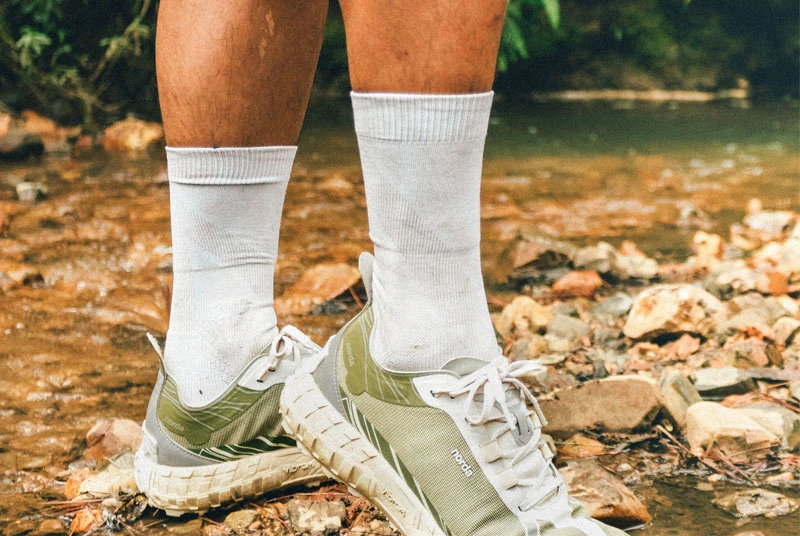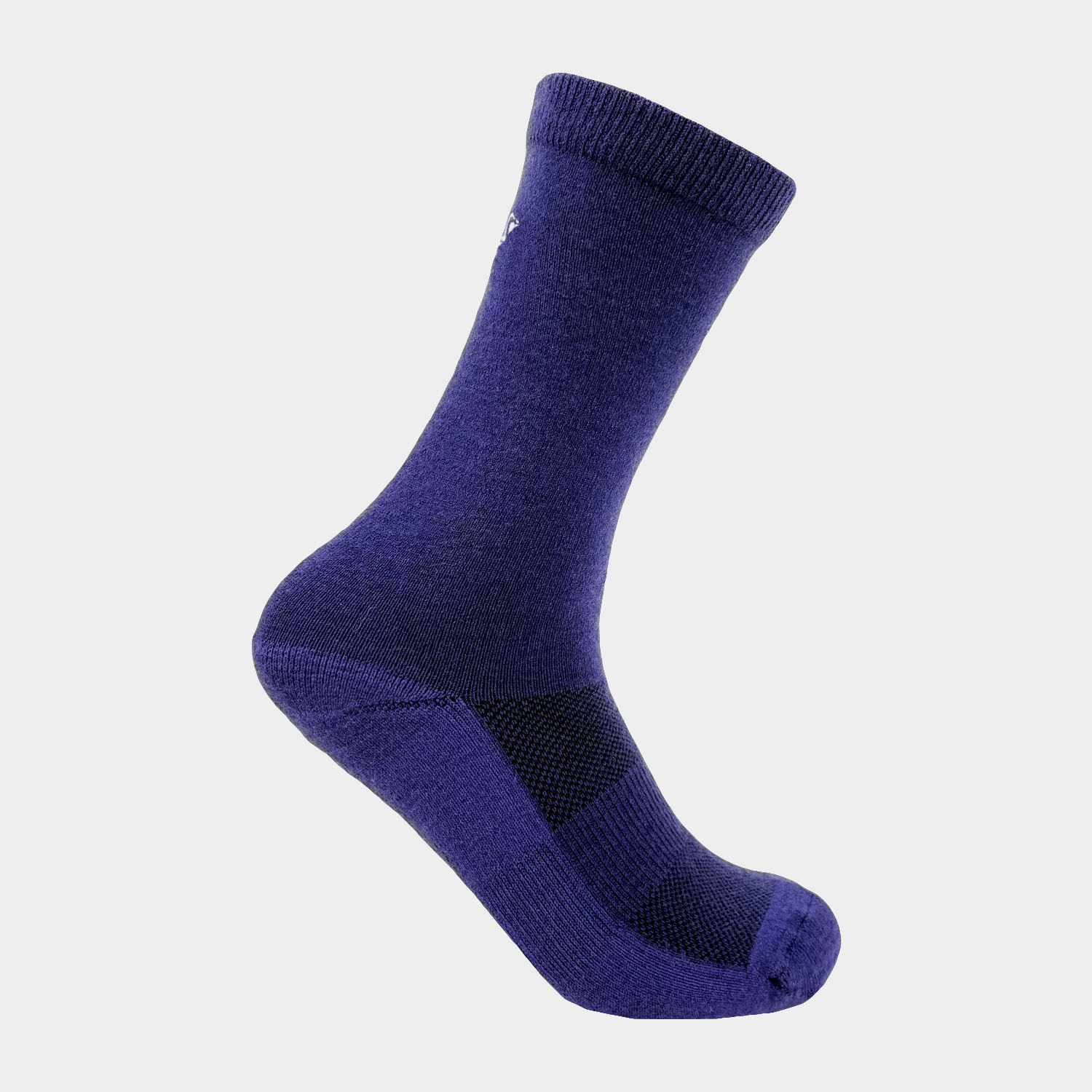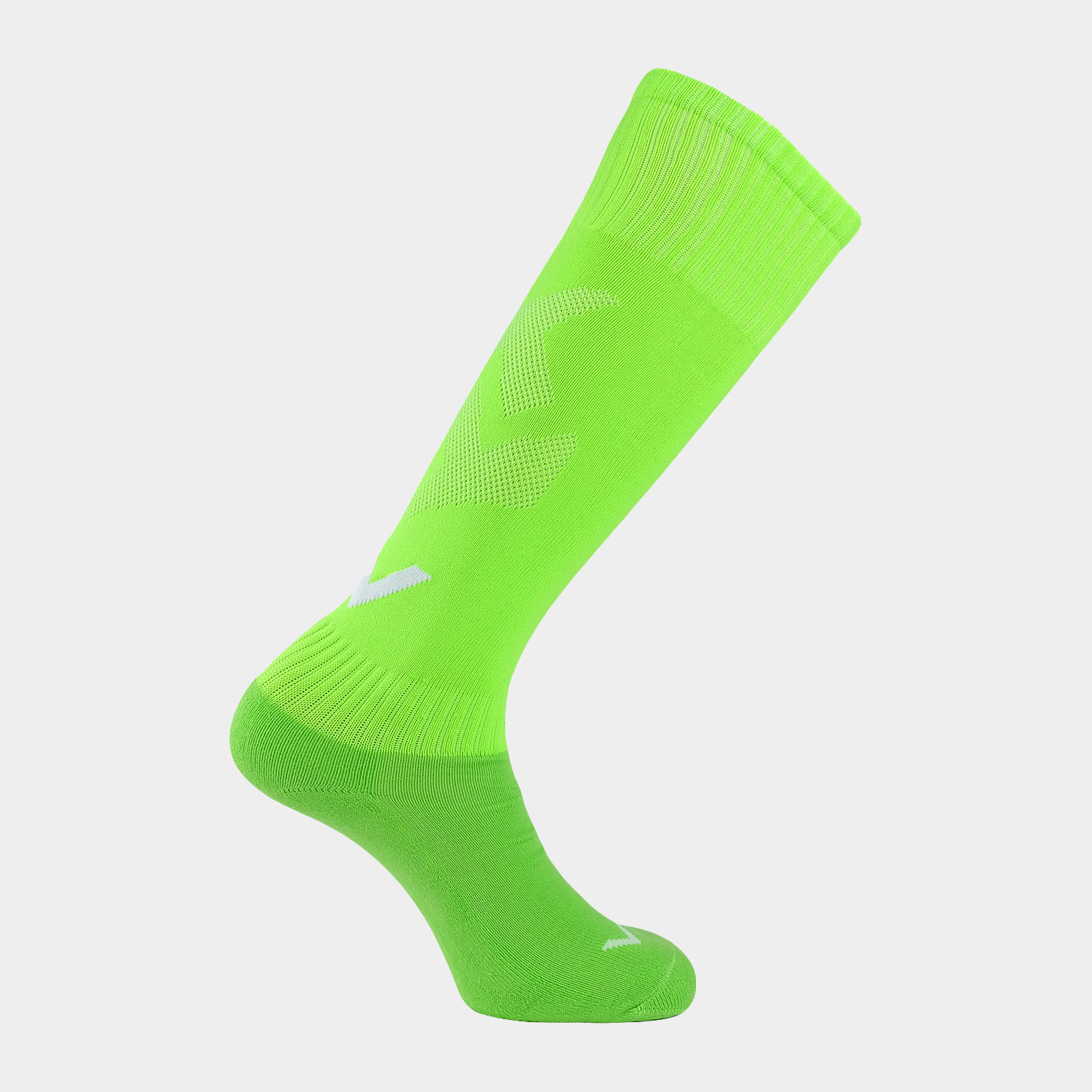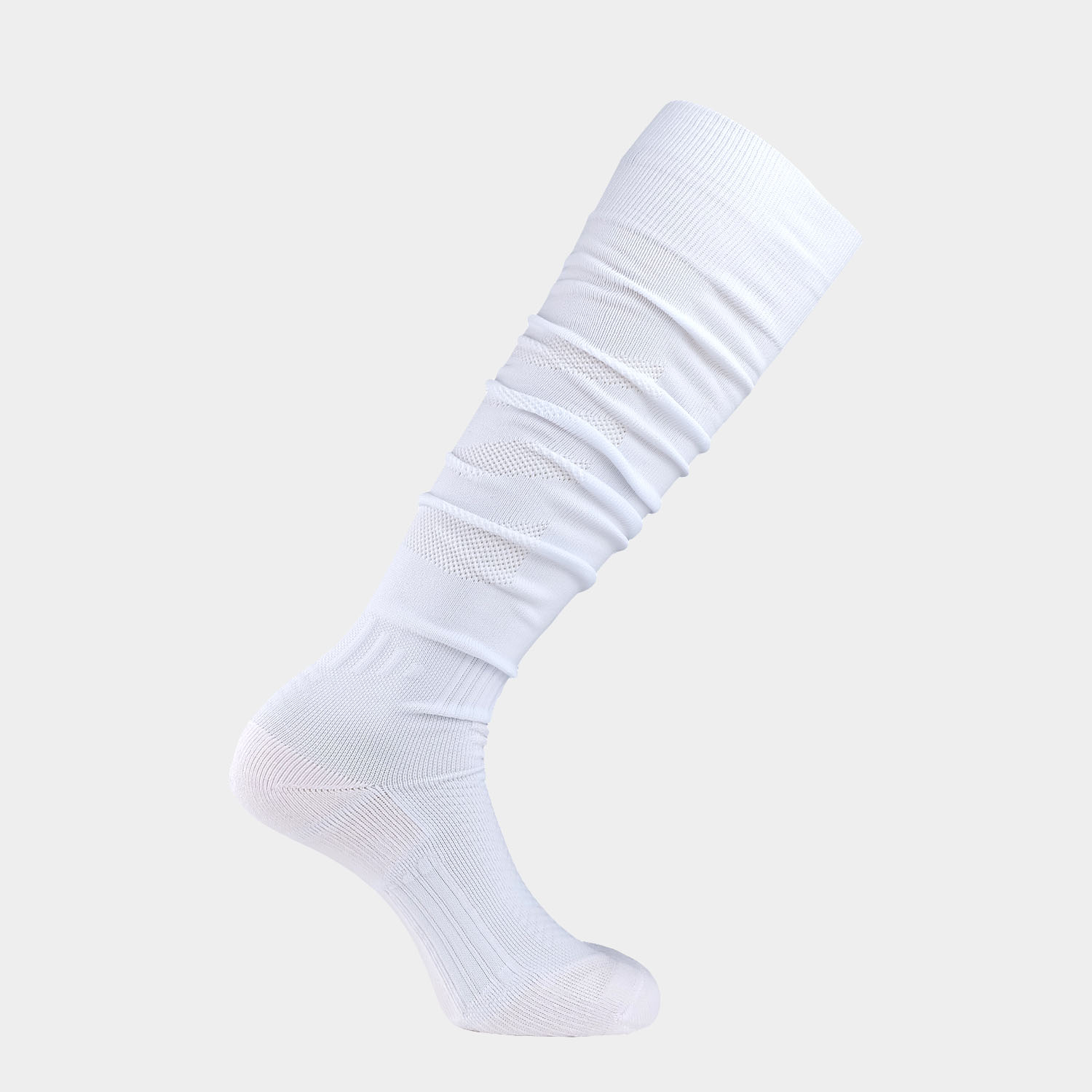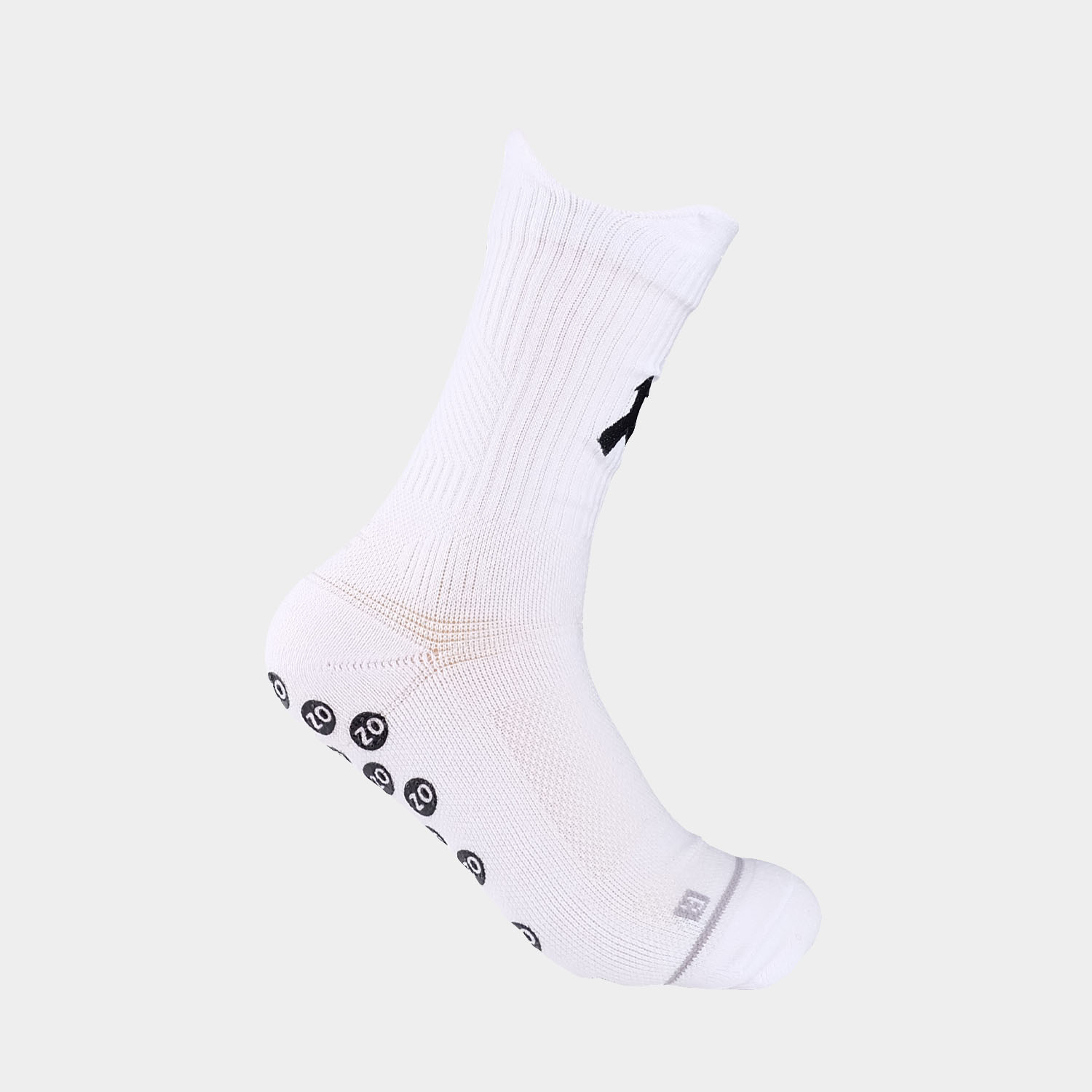
Alpaca socks are becoming increasingly popular among outdoor brands, gift retailers, and private-label sellers. However, developing a successful alpaca sock line involves more than creating a design. Fiber selection, blend ratios, MOQ requirements, sample testing, production planning, and branding decisions all play a critical role.
This guide, written from the perspective of brand buyers, provides a comprehensive overview of the development process for custom alpaca socks, helping you plan and launch a popular alpaca product more efficiently.
Is Custom Alpaca Socks the Right Product for Your Brand?
In our day-to-day collaborations, we’ve found that different clients have vastly varying levels of understanding regarding alpaca wool socks. Some brands already have well-established product plans, a thorough understanding of alpaca fiber characteristics and their target consumer base, and may even specify the desired percentage of alpaca wool content. These clients typically focus more on product performance, cost control, and how different fiber blends affect the final market positioning.
There are also clients who own alpaca farms or have long been involved in the alpaca industry and are very familiar with the raw materials. However, when developing sock products, they still require manufacturers to provide professional advice tailored to different usage scenarios. For example, everyday casual socks, outdoor hiking socks, and winter thermal socks often have different requirements regarding alpaca wool content and structural design.
There are also brands venturing into alpaca wool socks for the first time. They may originally have operated in outdoor apparel, hunting gear, or winter accessories and hope to expand their product lines by starting with a relatively accessible entry point like socks. These clients typically focus more on the product development process, sample testing, material selection, and subsequent mass production planning, requiring the factory to provide more technical support and project guidance.
Manufacturer Insight:No matter what stage you’re at, an experienced alpaca wool sock manufacturer can not only handle production but also help you develop appropriate material solutions and product development strategies based on your market positioning, budget, and intended applications—transforming your ideas into truly competitive products.

Understanding Alpaca Materials Before You Start
Before developing custom alpaca wool socks, one of the most important decisions isn’t the color, pattern, or packaging—it’s determining the appropriate alpaca wool content and fiber blend.
When many brands first explore alpaca wool socks, they assume that the higher the alpaca wool content, the better, and even believe that 100% alpaca wool represents the highest quality. However, alpaca wool socks have their own limitations. For products like socks—which are subject to frequent wear, stretching, and friction—the fiber blend is often more important than simply pursuing a high alpaca wool content.
Therefore, understanding the performance differences resulting from various alpaca wool blends is a crucial foundation for developing a successful product before moving into the design and prototyping stages.
100% Alpaca vs Alpaca Blend Socks
Although “100% Alpaca Socks” sounds very appealing, pure alpaca wool is actually not an ideal choice for socks.
It lacks the natural crimp and elasticity found in wool. This means that pure alpaca socks are more prone to sagging, slipping down, and losing their shape after prolonged wear. Community discussions and the experiences of fiber enthusiasts often mention that pure alpaca products tend to stretch over time due to a lack of “memory,” so sample testing is typically required to verify the performance of different blends before actual production.
This is why the vast majority of high-quality alpaca wool socks on the market use a blended construction. Nylon, spandex, acrylic, or other auxiliary fibers are typically added to enhance the socks’ elasticity, abrasion resistance, and shape retention. In the context of socks, these auxiliary fibers are not included to reduce costs, but rather to ensure the product maintains a comfortable fit and durability over the long term.
Furthermore, the heel and toe areas are where socks experience the most wear and tear. Even though alpaca wool itself offers excellent thermal insulation, more resilient fibers are still needed to reinforce the structural strength. A well-designed blend not only preserves the benefits of alpaca wool but also strikes a better balance between warmth, comfort, durability, and ease of care.

What Alpaca Content Is Most Common?
Looking at the mainstream products on the market, a alpaca wool content of 40% to 60% is typically the most common choice.
Socks made from a blend containing approximately 40% alpaca wool are mostly used for everyday wear, casual occasions, or light exercise. These products retain alpaca wool’s excellent moisture-wicking, thermal insulation, and odor-resistant properties, while also balancing cost and durability.
Blends containing around 60% alpaca wool are considered by many brands to be the ideal balance between warmth and durability. For hiking, winter outdoor activities, hunting, and casual wear in cold environments, this ratio typically offers a good balance of comfort, warmth, and longevity, making it the preferred choice for many brands when developing alpaca wool socks.
When the alpaca wool content exceeds 70%, the product is typically positioned for high-end thermal collections or use in extremely cold environments. These socks offer superior warmth and a softer feel, but they also place higher demands on fiber structure design, manufacturing processes, and post-purchase care.
Material Decision Insight: We do not recommend relying on a fixed alpaca content ratio for all products. Instead, fiber blends should be evaluated based on product positioning, target users, usage scenarios, and budget.
For example, hiking, skiing, and hunting socks may require different alpaca content levels even within the same product line.
In most cases, sample testing is essential before bulk production to evaluate comfort, durability, and performance across different blend ratios.
From Idea to Finished Socks: The Development Process
Whether it’s an established brand launching a new line of alpaca wool socks or a new brand entering this market for the first time, the process from concept to final mass production typically involves the following key stages. While the specifics may vary from project to project, the overall development process remains largely the same. For buyers, understanding these key milestones helps them plan their budgets, development cycles, and time-to-market more effectively.
Design & Material Selection
Product development typically begins with defining design requirements and material specifications. Customers may provide design drafts, reference samples, or product concepts, while manufacturers recommend appropriate sock constructions and material blends based on the target market, intended use, and budget. For example, even for alpaca wool socks, the recommended alpaca wool content, cushioning structure, and functional design often vary depending on the intended use—such as hiking, skiing, hunting, or everyday casual wear.
At this stage, determining a reasonable fiber blend is particularly important, as it directly affects the product’s comfort, durability, thermal performance, and final cost.
Sampling & Approval
Before entering mass production, most projects first undergo sample development. Sample development is a critical phase. In addition to confirming that colors, patterns, and sizes meet requirements—as mentioned earlier regarding material ratios—producing samples for testing is essential to verify the material ratios and actual wear performance, thereby ensuring the final product meets expectations.
For alpaca wool socks, different fiber ratios can result in completely different textures, elasticity, and warmth, making sample testing an indispensable part of the product development process. This is also a key point that nearly every buyer must confirm when a client submits a request. Many brands make one or two rounds of adjustments based on the results of sample testing to ensure the final product aligns with market positioning and customer expectations before proceeding to full-scale production.
Bulk Production
Once the samples are approved, the project enters the mass production phase. During this phase, the factory will manufacture the products according to the final approved designs and technical specifications, and complete the subsequent quality inspection, packaging, and shipping processes. For seasonal products, such as winter outdoor socks, ski socks, or hunting socks, brands typically plan their production schedules well in advance to ensure the products are successfully launched before the peak sales season.
Partnering with experienced manufacturers can help brands manage the entire development process more efficiently, reduce trial-and-error costs, and ensure a smooth transition from the concept stage to final mass production.
MOQ, Pricing and Lead Time Explained
For most brands, MOQ , product cost, and lead time are typically among the top concerns when developing alpaca wool socks.
Although the development process for alpaca wool socks is similar to that of standard custom socks, their MOQ and cost structure often differ from those of standard cotton or polyester socks due to the unique characteristics of the raw materials, production processes, and supply chain.
MOQ
For most custom sock projects, our standard MOQ starts at 100 pairs. Custom alpaca socks typically require a higher MOQ of 300 pairs due to the unique characteristics of both the material and production process.
Alpaca fiber is a specialty natural material with a more limited supply than cotton, wool, or synthetic yarns. In addition, alpaca sock production often requires custom yarn blends and minimum purchases from yarn suppliers, making small production runs less practical.
Manufacturing is another important factor. Producing alpaca socks requires machine setup, yarn changes, testing, and sample verification. Whether the order is 100 pairs or 1,000 pairs, much of this preparation work remains the same. With very small quantities, these fixed costs are spread across fewer units, resulting in significantly higher production costs per pair.
High-quality alpaca socks also rely on carefully engineered blends of alpaca fiber, nylon, spandex, and other performance materials to achieve the right balance of warmth, durability, and elasticity. Developing and validating these blends adds additional complexity compared to standard sock production.
For these reasons, a 300-pair MOQ is typically the most practical balance between product development, manufacturing efficiency, and cost control.
Pricing
The price of alpaca wool socks is influenced by several factors, including the alpaca wool content and the product’s design. Generally speaking, the higher the alpaca wool content, the higher the raw material cost. For example, socks made from a blend containing about 40% alpaca wool will certainly cost differently from those with a high alpaca wool content of 70% or more.
In addition to the fiber blend, the following factors also affect the final price:
- Sock length and design
- Area and thickness of the terry cushioning section
- Complexity of custom patterns
- Packaging and brand customization requirements
- Order quantity
For new product development projects, we typically recommend that clients finalize their material specifications and target market before requesting a quote, as the cost structure can vary significantly depending on the product’s positioning.
Lead Time
For custom alpaca wool sock projects, the development cycle is divided into the sample phase and the mass production phase.
Sample development is primarily used to verify material composition, sizing, color, and overall wearability. Depending on the complexity of the design and the availability of materials, the sample phase typically takes several weeks. Once the samples are approved, the project enters the mass production phase. The specific production timeline is influenced by order volume, raw material availability, and seasonal production schedules.
Planning & Lead Time Insight: For brands planning to launch alpaca wool socks in the fall and winter season, it is important to start product development early to allow sufficient time for sampling, material testing, and revisions before production.
This is especially critical for first-time alpaca sock projects, as additional iterations are often required to validate material blends, fit, and overall product performance before final approval.
Private Label and Custom Branding Options
The product itself is only the first step in building a brand; what truly sets a product apart in the market is often its brand image and packaging experience. Therefore, when developing custom alpaca wool socks, in addition to the materials and structural design of the socks, the brand customization plan is also a key consideration in the procurement process.
Branding Models Explained:
“Custom Socks” focuses on product-level customization such as colors, patterns, materials, and functional design.
“White Label” typically refers to applying a brand logo to existing designs with minimal product modification.
“Private Label” offers full customization flexibility, covering both product development and branding, making it suitable for brands building long-term product lines.
Logo
The brand logo can be directly woven into the sock design, ensuring the product reflects brand recognition both when worn and on display.
Label
In addition to the sock design itself, clients can customize brand labels, size labels, and care instructions based on their target market and regulatory requirements, making the product better suited for retail channels.
Hang Tag
Custom hang tags not only display the brand logo but also convey product selling points, material information, and the brand story. For high-value-added products like alpaca wool socks, professional hang tag design helps consumers better understand the product’s value, thereby enhancing its premium pricing potential.
Packaging
Depending on the sales channel and market positioning, brands can choose from options such as custom paper cards, color boxes, eco-friendly packaging bags, or gift packaging.
Private Label Development Insight: Whether starting from basic logo customization or full private label development, an experienced manufacturer should be able to provide flexible solutions based on brand positioning, target market, and budget.
How to Choose the Right Alpaca Socks Manufacturer
Since alpaca socks are a relatively specialized niche product, not all sock factories have extensive development experience. Therefore, when selecting a partner, in addition to comparing prices, you should focus more on the manufacturer’s capabilities in materials, product development, and production management.
Expertise in Alpaca Materials
The core competitive advantage of alpaca wool socks lies in the material itself, so it is crucial that the manufacturer has relevant experience with alpaca fiber.
In actual projects, different brands often have completely different product requirements. Some clients already know exactly what percentage of alpaca wool they want to use, such as blends with 50%, 60%, or even higher alpaca content; some clients, while familiar with alpaca raw materials, do not understand how different blends affect sock performance; and still others are developing alpaca wool socks for the first time and need guidance starting with material selection.
An experienced manufacturer can not only provide production services but also recommend suitable fiber solutions based on product positioning, usage scenarios, and budget, helping brands strike a balance between warmth, comfort, durability, and cost.
Product Development Support
An excellent manufacturer should be able to participate in product development, not merely execute production tasks. For brands entering the alpaca wool sock market for the first time, the journey from design concept to final product often involves multiple stages, including material selection, sample development, testing and validation, and product optimization. Throughout this process, the technical advice and project support provided by the manufacturer can help brands reduce trial-and-error costs and improve development efficiency.
Manufacturing Capacity and Quality Control
For alpaca wool socks, which involve natural fibers and specialized blending processes, material management, process control, and finished product inspection are all critical during production. A reliable manufacturer must not only possess the appropriate production equipment but also establish a comprehensive quality control system to ensure products meet brand and market requirements.
When selecting a long-term partner for alpaca wool socks, companies should consider not only price but also material expertise, product development capabilities, and consistent production quality. For businesses seeking to build long-term brand competitiveness, finding a partner that can provide end-to-end support is typically more valuable than simply seeking the lowest quote.
FAQ
Are Alpaca Socks Better Than Merino Wool?
Both natural fibers have their own advantages. Alpaca wool is generally softer, lighter, and offers excellent warmth, while merino wool has better elasticity and a more established range of applications. The final choice depends on the product positioning and target audience.
Are Alpaca Socks Worth It?
For consumers seeking natural fibers, comfort, and a premium positioning, alpaca socks generally offer high value. Their warmth, softness, and unique market positioning make them high-value-added products for many brands.
Are Alpaca Socks Good for Hiking?
Yes. Depending on the fiber blend and sock construction, alpaca socks can provide excellent warmth, moisture-wicking properties, and comfort, making them widely used for hiking and other outdoor activities.
Are Alpaca Socks Good for Cold Weather?
Alpaca fiber offers excellent thermal insulation while remaining lightweight, making it ideal for winter activities, skiing, hunting, and other outdoor pursuits in cold environments.
Are Alpaca Socks Good for Sweaty Feet?
Yes. Alpaca fiber has natural moisture-wicking properties that help keep feet dry and reduce odor buildup, making them a popular choice among many outdoor enthusiasts.
Related Resources
→ Merino Wool vs Alpaca: Best Choice for Custom Socks
→ Why Alpaca Socks Are Gaining Attention Beyond Wool
→ Best Alpaca Socks: Sourcing Guide for Retailers
→ Top 10 Custom Socks Suppliers: MOQ, OEM & Lead Time Compared
Explore more guides on sock materials, performance requirements, and manufacturing considerations.