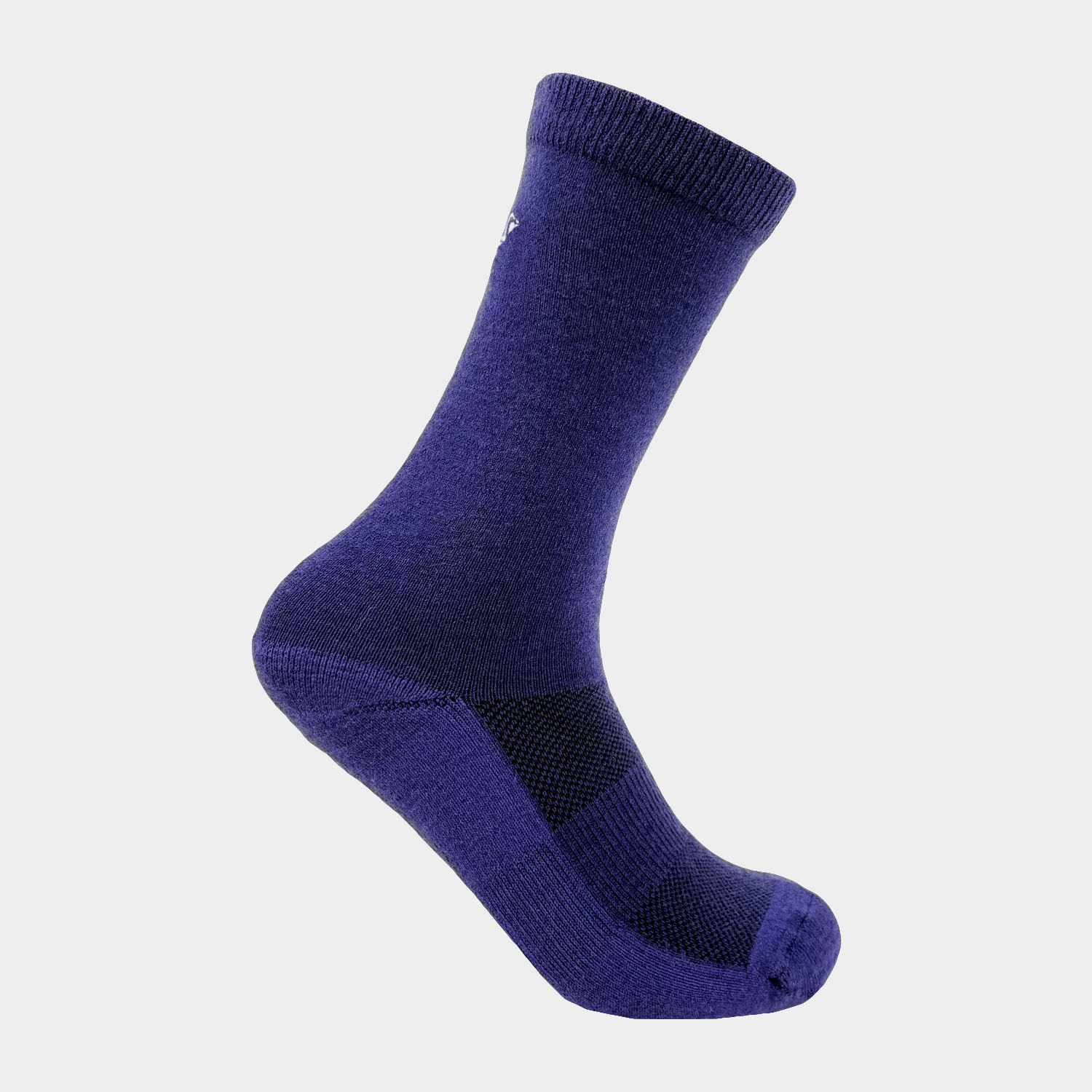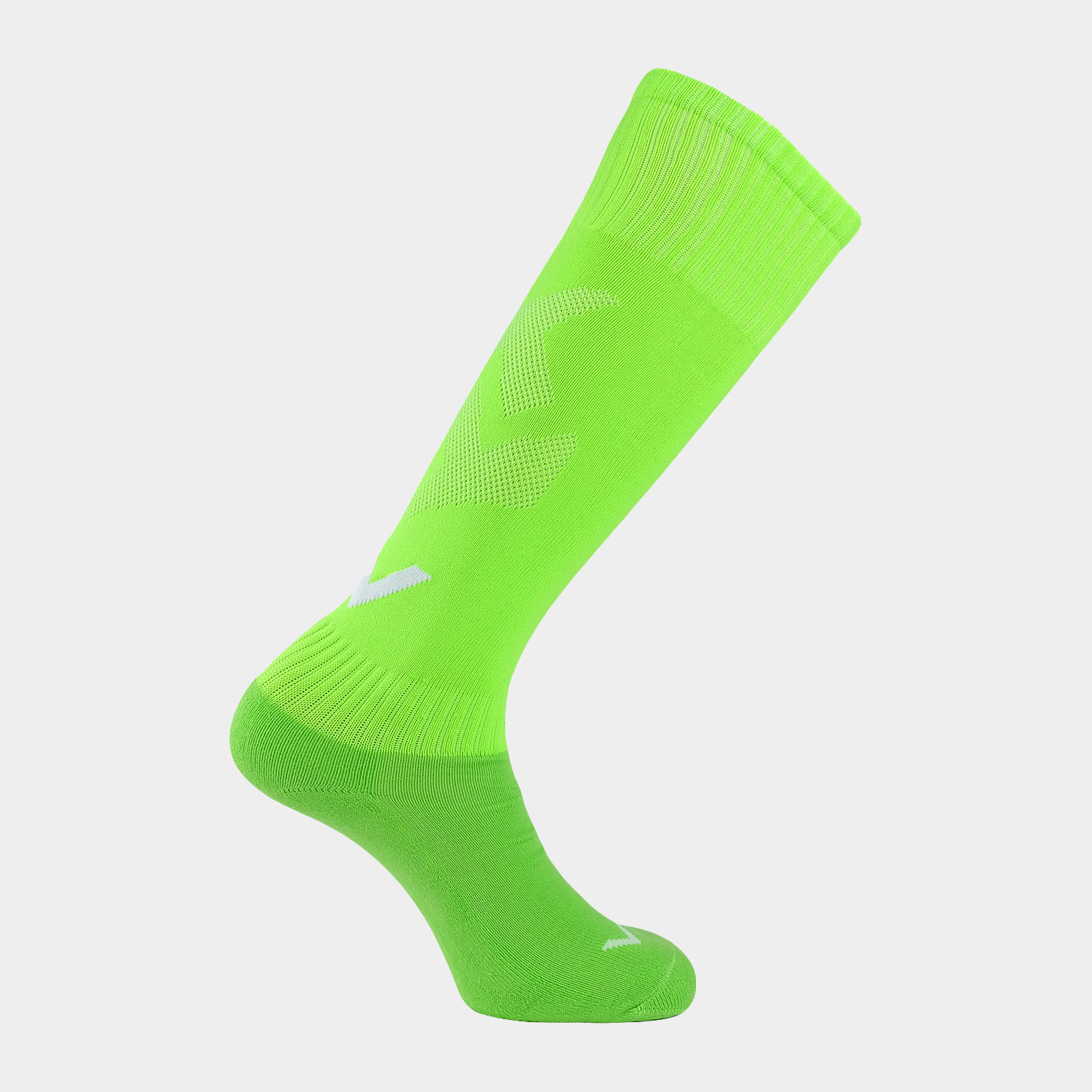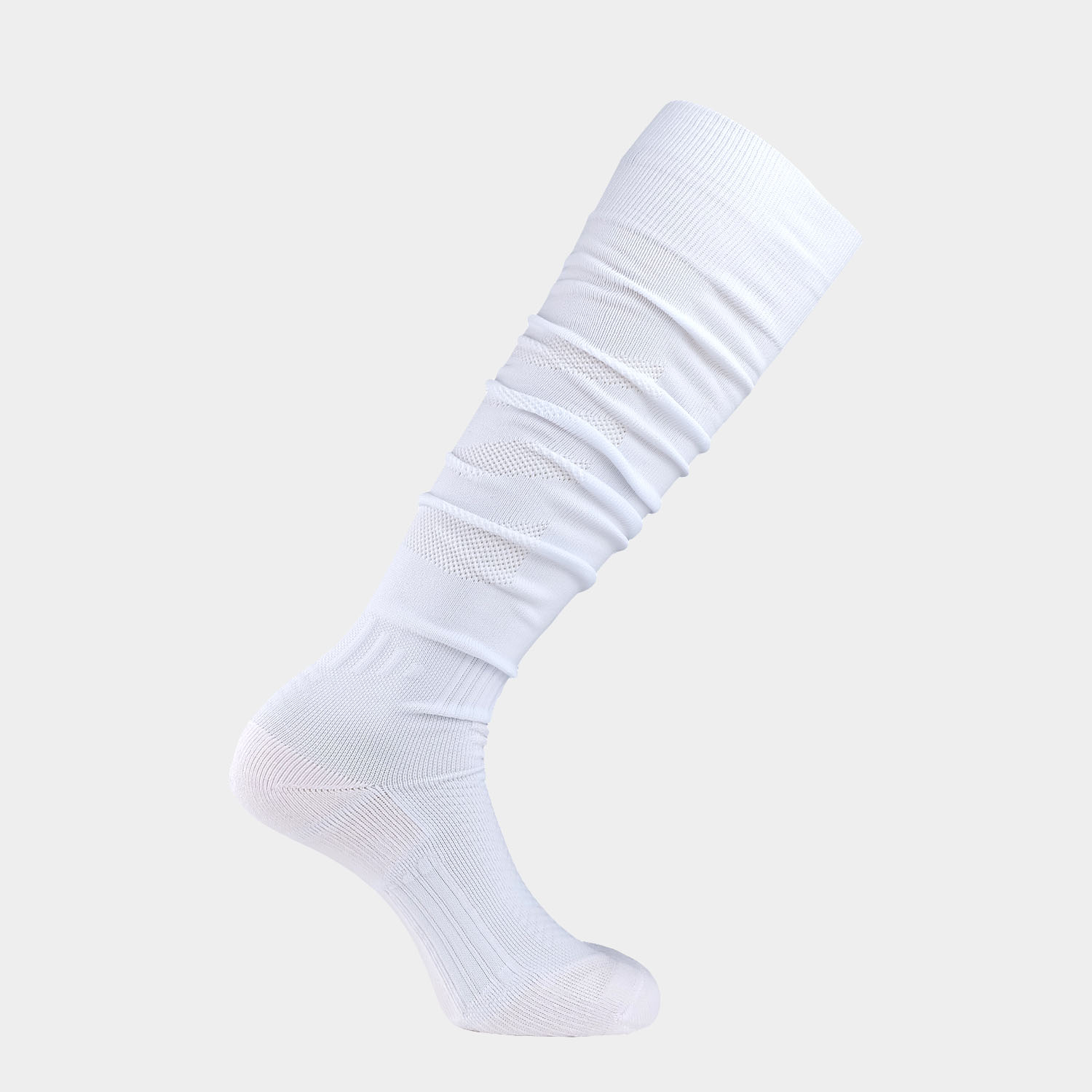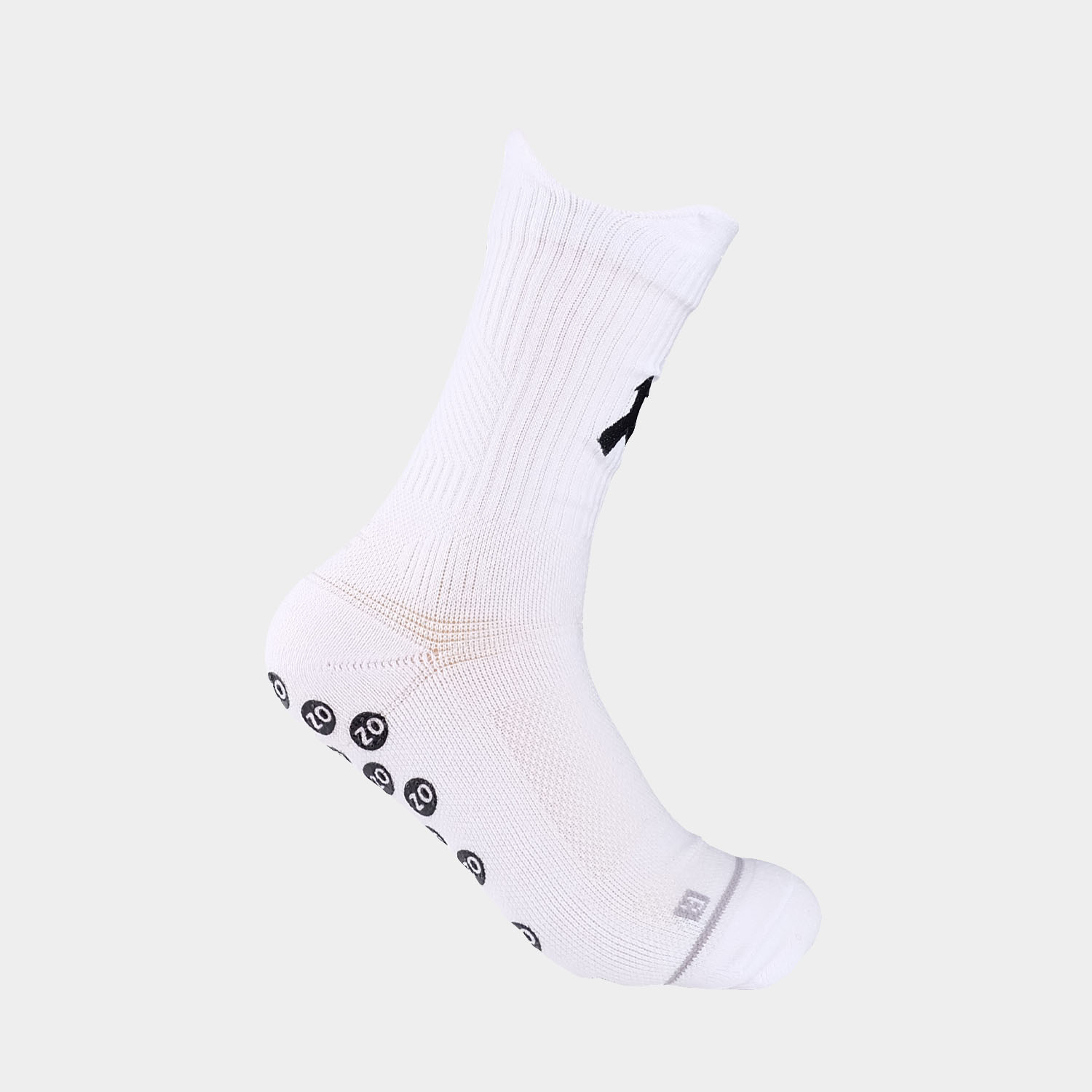

Moisture-wicking socks help reduce blister risk by moving sweat away from the skin before moisture builds up inside the shoe.
Wet skin softens faster. Once the foot stays damp, every step creates more friction between the skin, sock, and shoe lining. On long hikes, friction often starts as a hotspot, especially when the sock shifts, folds, or traps sweat under pressure.
The fiber should move moisture, the fit should stay close, and the cushioning should protect pressure zones without trapping too much heat.
How Do Moisture-Wicking Socks Reduce Blister Risk?
Moisture-wicking socks pull sweat away from the skin and move moisture toward the outer side of the fabric, where moisture can spread and dry faster.
After several miles, a drier foot surface helps reduce rubbing inside the shoe. Feet swell, shoes press harder on descents, and damp fabric starts rubbing against softened skin. Moisture-wicking hiking socks reduce one major blister trigger, but sock performance still depends on shoe fit, sock size, trail distance, and foot shape.
What Materials Make the Best Moisture-Wicking Socks for Hiking?
Material choice shapes how a hiking sock manages sweat, warmth, structure, and durability. Cotton-heavy socks are usually a poor choice for long hikes because cotton keeps moisture close to the skin.
Merino wool, technical polyester, COOLMAX, nylon, and merino synthetic blends often perform better for outdoor use. When brands compare moisture-wicking fabric options, drying speed, odor control, warmth, and shape retention usually matter more than fiber name alone. A cold-weather hiking sock needs warmth without leaving the foot damp.
Merino Wool Hiking Socks for Cool Weather and Multi-Day Hikes :
Material Type | Best For | Main Strength | Main Limit |
Merino wool | Cool weather, multi-day hikes, backpacking | Moisture control, warmth, odor resistance | Dries slower than many synthetics |
Polyester or COOLMAX | Hot trails, summer hiking, high-sweat use | Fast drying and strong moisture movement | Less warmth in cold or wet conditions |
Merino synthetic blend | All-day hiking, mixed weather, long trails | Balanced softness, drying speed, durability, and shape retention | Blend ratio needs to match season and shoe type |
Nylon reinforcement | Heel, toe, and high-wear zones | Improves strength and stretch recovery | Usually works best as part of a blend |
Cotton-heavy blend | Casual wear or light use | Soft dry hand feel | Holds moisture and is usually a poor choice for long hikes |
Merino Wool Hiking Socks for Cool Weather and Multi-Day Hikes
Merino wool hiking socks work well when the trail starts cold, warms up later, or stretches across several days. Merino manages moisture while helping the foot stay warm when the sock becomes slightly damp.
Fine merino also feels softer against the skin than coarse wool, which helps reduce irritation during repeated steps. For backpacking socks, odor control matters because daily washing is not always realistic.
Synthetic Fibers for Hot and High-Sweat Trails
On hot trails, synthetic moisture-wicking hiking socks often make more sense than heavy wool socks. Polyester and COOLMAX blends dry faster than cotton, making them practical for summer hiking, fast walking, and high-sweat outdoor use.
Thin synthetic socks may dry quickly, but merino wool usually feels warmer when the pace slows or the weather turns cold.

Merino and Synthetic Blends for All-Day Hiking
Many hiking socks work best as blends because trail conditions rarely stay consistent. Merino brings softness, warmth, and odor control, while nylon or polyester improves strength, drying speed, and stretch recovery.
For custom hiking socks, the final blend should match the season, boot type, price range, and target user. Sockcn can adjust yarn options such as merino, COOLMAX, nylon, polyester, and other functional fibers based on the sock’s intended use.
What Design Features Matter Most in Hiking Socks?
A hiking sock can use the right yarn and still fail if the structure moves badly inside the shoe.
Cushioned Hiking Socks Should Protect Pressure Zones
The heel and forefoot take the most impact on rocky trails and long descents, so cushioned hiking socks need better protection in these zones.
Full-sole cushioning can feel comfortable at first. After a few miles, extra padding can trap heat and raise sweat levels, especially in warm weather. Targeted cushioning is usually more practical because targeted padding protects pressure zones without making the whole sock feel heavy.
A lightweight trail runner does not need the same padding as a stiff hiking boot. Cushioning weight should match the footwear, trail type, and season.
Seamless Toe Hiking Socks Reduce Front-Foot Rubbing
Downhill walking pushes the foot forward. When the foot slides forward, the toes press into the front of the shoe, and any raised seam becomes easier to feel.
Seamless toe hiking socks help reduce that rubbing point, especially on long descents and multi-hour walks. A smooth toe finish also benefits running socks, travel socks, and other long-wear styles.
Arch Support Keeps Fabric From Bunching
On uneven trails, the foot rarely moves in one clean direction. The foot slides forward on descents, rolls slightly on side slopes, and presses harder through the arch during climbs.
An arch support band helps keep the sock from drifting into the forefoot. Without enough hold, extra fabric can bunch under the ball of the foot and create friction folds. The band should hold the sock in place without cutting into the foot.
Breathable Hiking Socks Need Smart Mesh Placement
Breathable hiking socks rely on mesh placement before the fabric becomes fully damp. During warm climbs, heat builds across the top of the foot, and mesh panels help release heat earlier.
Mesh placement should match the season and shoe type. A summer hiking sock may need more ventilation across the instep. A colder hiking sock may need less mesh and more insulation.
Compression Hiking Socks Need Real Pressure Testing
Light compression hiking socks can feel more stable during long climbs. For buyers comparing compression socks for hiking, the key is controlled support around the ankle and lower calf without excessive pressure.
Compression has to be controlled. Loose compression reduces support. Excessive compression can reduce comfort quickly. Pressure testing matters for socks with compression zones because support should stay consistent across sampling and bulk production.
Sockcn has its own lab and can test pressure standards during both sampling and bulk production. Pressure value checks help brands keep compression, fit, and final sock quality closer to the approved sample.
What Sock Height Works Best for Hiking?
Sock height decides how much skin is protected from shoe collar rubbing, debris, and cold air. Footwear should guide sock height because low top trail runners, mid height hiking shoes, and tall boots need different coverage.
Ankle Socks for Low Top Trail Shoes
Ankle socks work for warm day hikes with low top trail runners. Ankle socks feel cooler because the lower cut uses less fabric, but the lower cut gives less protection around the ankle and Achilles area.
If a shoe collar sits higher or rubs during descents, ankle socks may leave exposed skin in a high-friction zone.
Crew Hiking Socks for Most Hiking Boots
Crew hiking socks are often the most practical choice for most hiking boots and mid height trail shoes because crew height rises above the boot collar.
Crew-height coverage helps reduce rubbing around the lower leg and blocks small stones, dirt, and trail debris better than ankle socks. For day hikes, weekend routes, and general outdoor use, crew height is often the most versatile option.
Knee High Socks for Cold or Rough Terrain
Knee high socks add warmth, calf coverage, and light support. Knee high socks make sense for alpine routes, cold weather, backpacking, and brush-heavy trails.
On hot lowland hikes, extra fabric can trap heat and raise sweat levels. Knee high socks should be chosen for specific conditions rather than general trail use.
What Buying Mistakes Increase Blister Risk?
Blisters often start with the wrong fiber, size, or cushioning weight. A sock may feel fine indoors, then fail after heat, sweat, pressure, and repeated trail movement build up.
Choosing Too Much Cotton
Cotton-heavy socks may feel soft when dry, but cotton holds moisture against the skin during long hikes. Once the sock stays damp, the foot becomes more vulnerable to rubbing.
For outdoor use, merino wool, COOLMAX, technical polyester, nylon, and merino synthetic blends are usually stronger choices.
Wearing Socks That Are Too Large
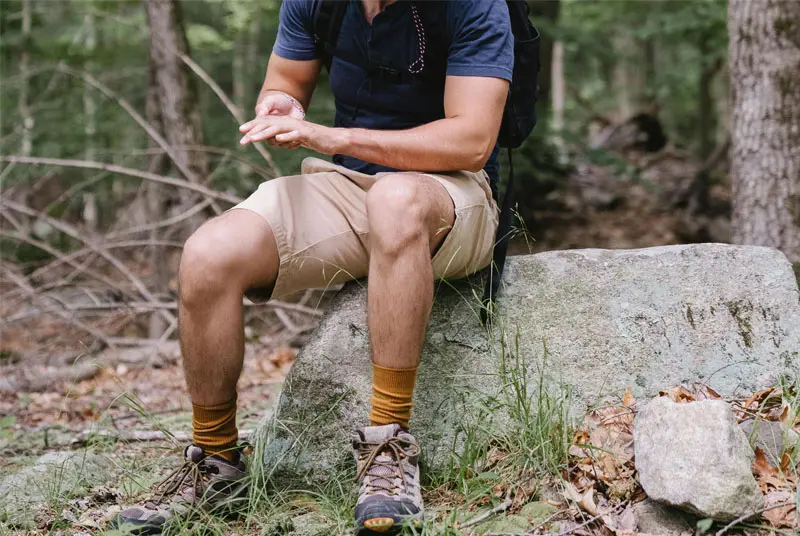
Oversized socks create folds under the foot, and fabric folds can rub like raised seams, especially under the ball of the foot.
A hiking sock should fit close to the toe box, arch, and heel without loose fabric shifting during movement. Size stability also matters during production, since a sock that fits well as a sample still needs to keep the same stretch, shrinkage control, and fit in bulk.
Using Too Much Cushioning
More padding does not always mean more comfort. Heavy cushioning can help on rocky ground, but too much fabric can make the foot hotter and wetter. Lightweight cushioning feels cooler, but thin cushioning may not protect enough on long descents.
Cushioning should protect the heel and forefoot while leaving enough space for heat to escape.
Washing With Fabric Softener
Fabric softener can coat yarn surfaces and reduce moisture movement. For moisture-wicking hiking socks, mild detergent is safer. Low heat drying or air drying can also help protect elasticity, fit, and structure.
Clear care instructions help protect wicking performance after purchase.
FAQ
Q1. What Socks Are Best for Preventing Blisters While Hiking?
The best socks for reducing hiking blisters are moisture-wicking socks with a close fit, targeted cushioning, and smooth toe construction. Merino wool, technical polyester, COOLMAX, and merino synthetic blends usually work better than cotton because these materials help keep feet drier.
Q2. Do Moisture-Wicking Socks Really Prevent Blisters?
Moisture-wicking socks help reduce blister risk, but no sock can fully prevent blisters. Blisters can still happen when shoes fit poorly, socks bunch under the foot, or one pressure point rubs for too long.
Q3. Are Merino Wool Hiking Socks Good for Sweaty Feet?
Yes, merino wool hiking socks can work well for sweaty feet because merino manages moisture and resists odor. For hot trails or very high sweat levels, a merino synthetic blend may dry faster and hold shape better.
Q4. Are Synthetic Socks Better Than Merino Wool for Hiking?
Synthetic socks are usually better for hot hikes where fast drying matters most. Merino wool hiking socks are usually better for cool weather, multi-day hikes, and odor control, while merino synthetic blends offer a balanced option for many trail conditions.
Q5. What Features Should Hiking Socks Have for Long Hikes?
Hiking socks for long hikes should have moisture-wicking yarns, targeted cushioning, arch support, seamless toe construction, breathable mesh panels, and stable sizing. If the sock includes compression zones, pressure testing also matters because support should stay controlled and comfortable.
Conclusion
Choosing the right Merino wool sock starts with matching fabric weight, cushioning level, and synthetic blend ratio to your weather, footwear, and activity level. Getting these sock details right helps manage warmth, moisture, pressure, and skin friction during daily wear or outdoor use. When sizing or material ratios are off, the fabric can bunch, sag, wear through faster, and increase blister risk.
For brands, retailers, or teams developing custom Merino wool socks, Sockcn supports material selection, design customization, sampling, and bulk production. This support helps turn fabric weight, cushioning, and blend choices into socks that better match retail or team-use requirements.