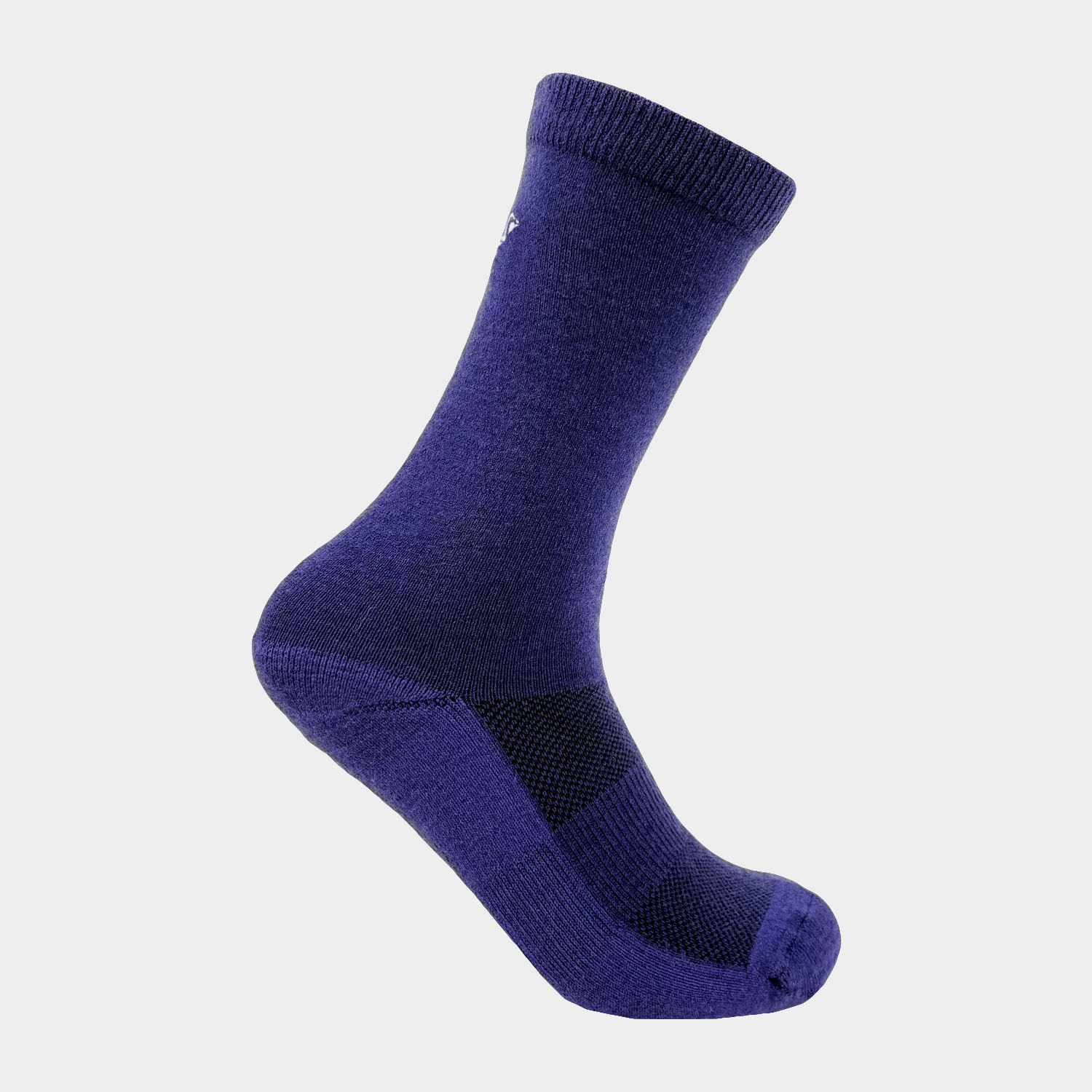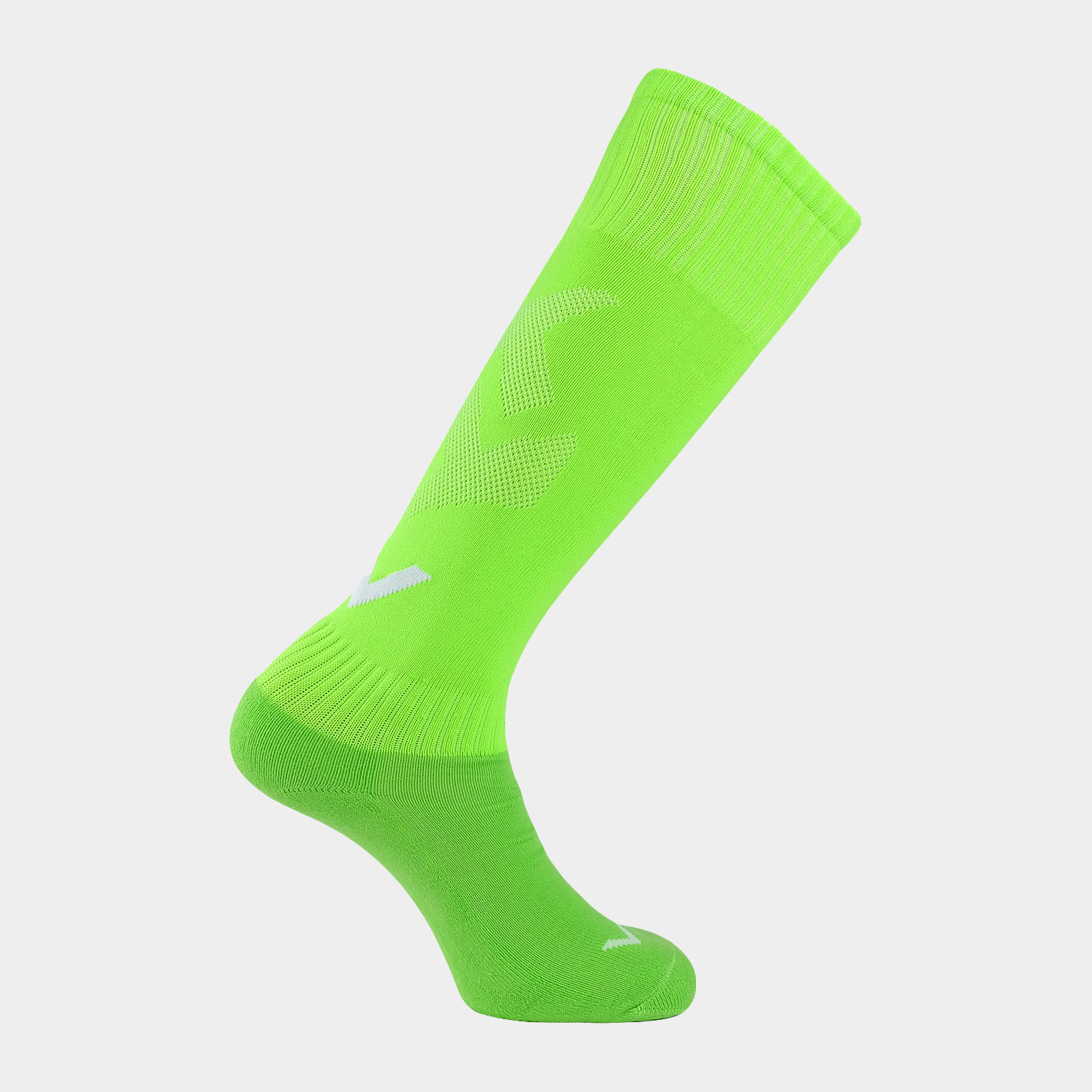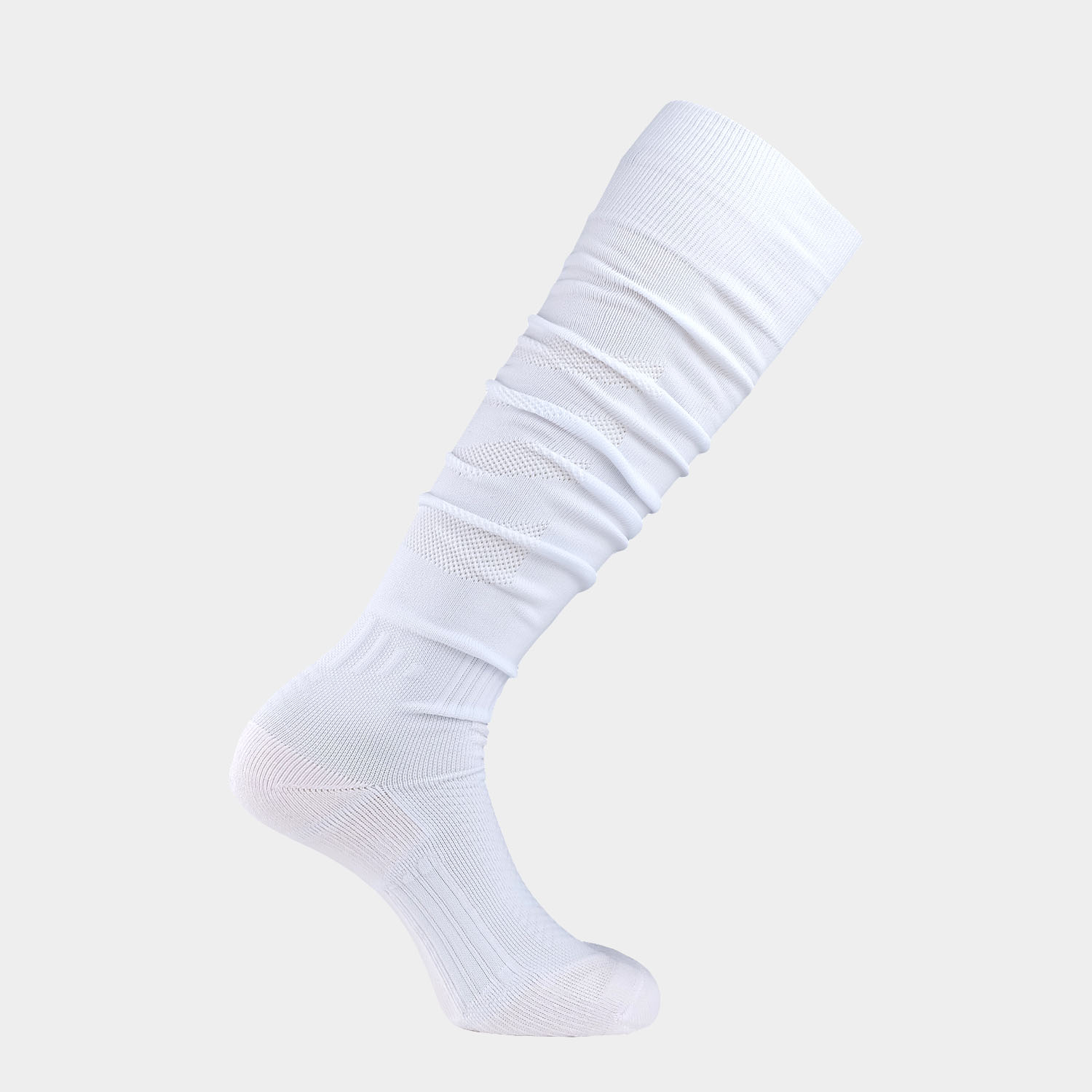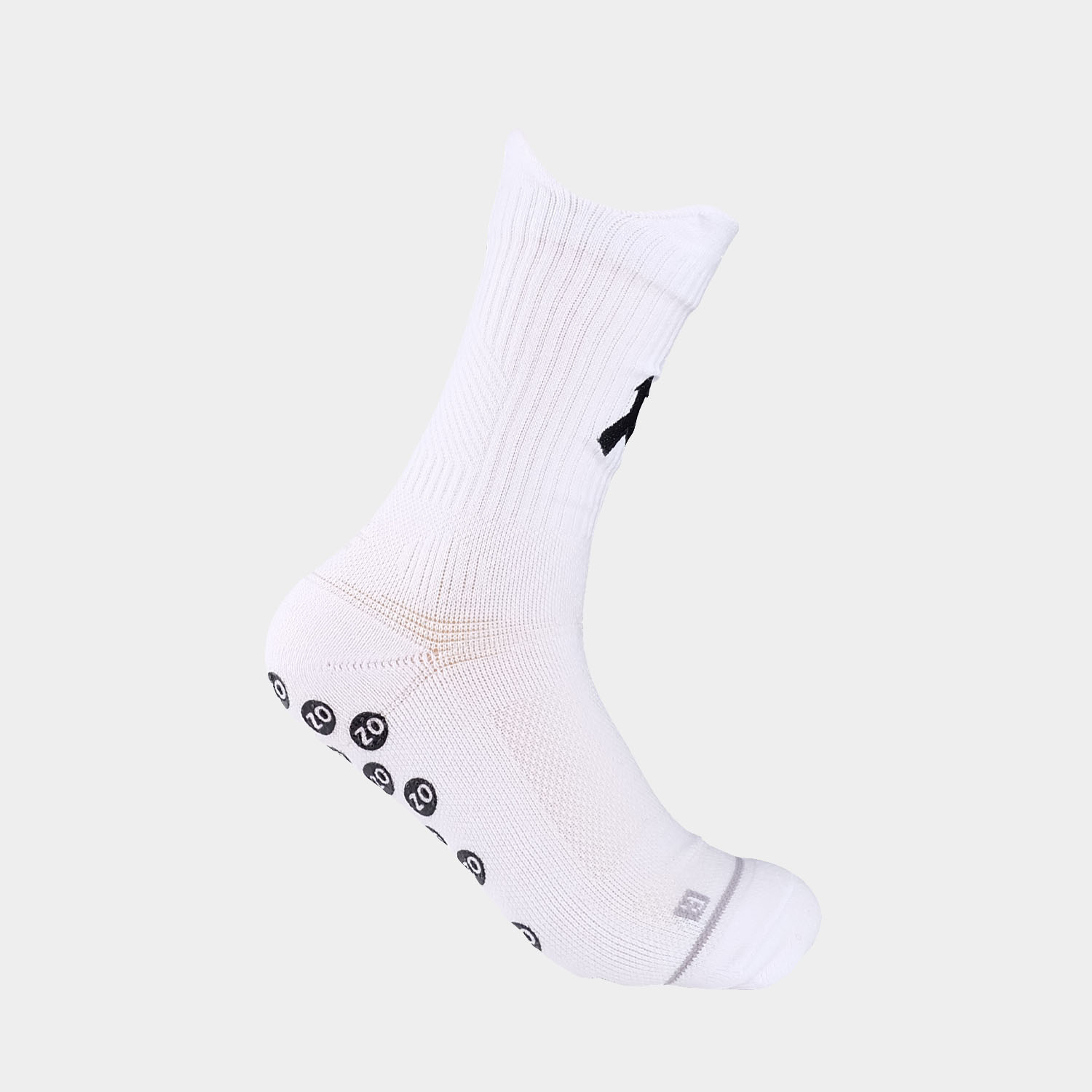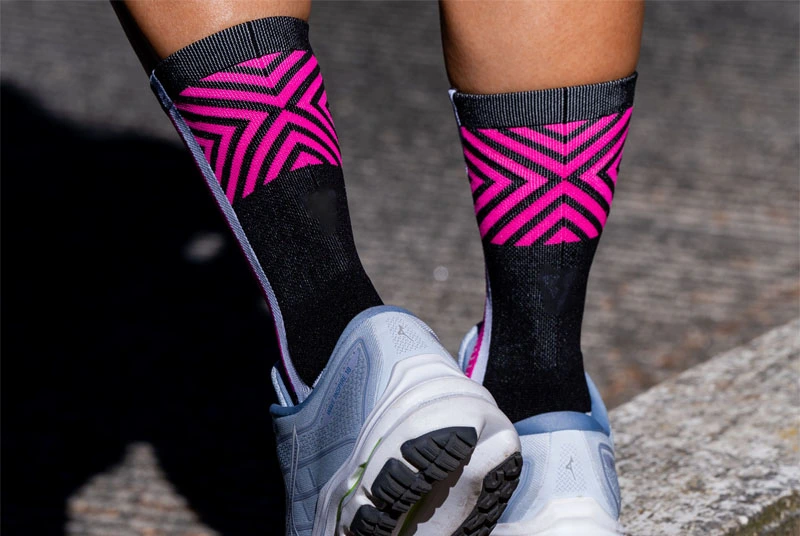
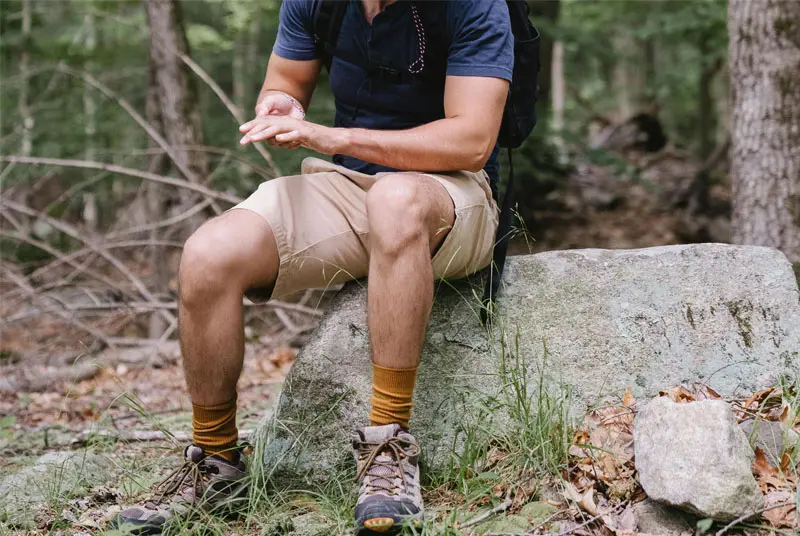
A good hiking sock does more than keep you comfortable. You walk for hours. Your feet get hot. They sweat. They rub against the inside of your shoes. All of that creates pressure. Materials that feel fine for a normal day at home often fail after a full day on the trail.
Most high-performance hiking socks use blended materials. They do not rely on a single fiber. Merino wool does one job. Nylon does another. Polyester and elastane solve different problems too. The right blend depends on the weather, the trail, how much you sweat, and how long you stay on your feet.
What Is the Best Material for Hiking Socks?
There is no single best material. But there is a best formula. That formula is a merino wool blend with 50 to 70 percent merino, 25 to 40 percent nylon, and 5 to 10 percent elastane.
Pure merino feels soft and comfortable. But it wears out fast under trail friction. Pure nylon or polyester dries quickly. But they hold odor after long wear. A blend gives you the strengths of each material. Different fibers solve different problems on the trail, which is why modern hiking socks rarely rely on a single material alone. You get most of the benefits without the usual downsides.
Why Hiking Socks Need Different Materials Than Regular Socks
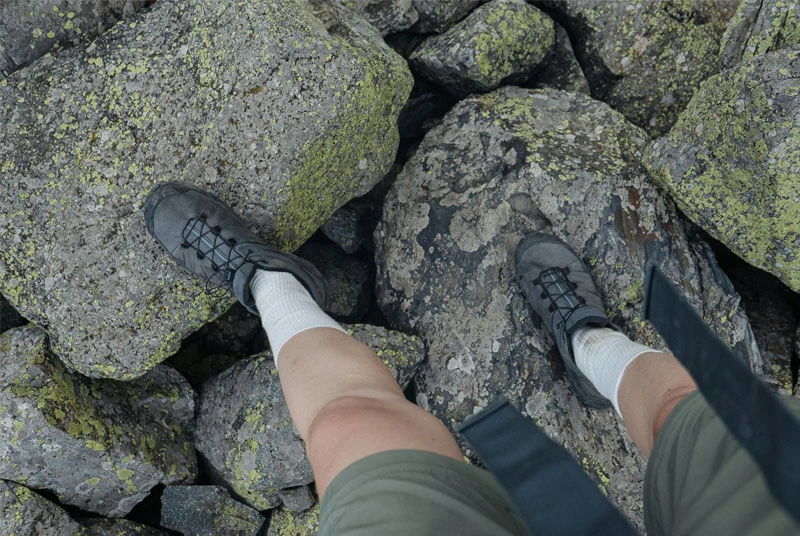
Regular socks feel fine for daily wear. But hiking changes how materials work inside your shoes. You climb for hours. You walk downhill. You sweat. The weather changes. Socks end up dealing with a lot more friction and moisture than they do on a normal day. A material that feels soft at first can become damp, unstable, or uncomfortable later on the trail.
Why Merino Wool Is So Popular in Hiking Socks
Merino wool became the standard material in many hiking socks for a reason. It stays comfortable across different trail conditions. It handles moisture better than most traditional sock materials. It handles temperature better too. That is also why merino blends are common in trail running and cold-weather running socks. And it holds up well during long wear.
Temperature Regulation on the Trail
Merino wool feels more stable than many synthetic materials when temperatures change. It stays comfortable on cool morning hikes. But it does not trap too much heat when the trail warms up later in the day.
Better Odor Resistance During Long Wear
Synthetic socks often start holding sweat odor after a few hours of hiking. Merino wool stays fresher for longer. That matters on long hikes or multi-day trekking, especially when you wear the same socks for extended periods without washing them.
Comfortable Against the Skin
Long hikes make small discomforts feel much bigger. Merino wool feels soft against the skin. It causes less irritation during extended wear. That is especially true inside heavier hiking shoes or boots, where friction builds up all day.
Materials That Usually Perform Poorly on the Trail
Some sock materials feel comfortable at first. But they become less reliable during long hikes. Problems usually show up after moisture, friction, and heat start building up inside the shoe.
Why Pure Cotton Hiking Socks Cause Problems
Cotton absorbs sweat fast. But it dries slowly once it gets damp. After a few hours on the trail, wet cotton socks feel heavier and warmer. They also feel rougher against the skin. That is one reason people link cotton socks to blisters on long hikes.
Why Extremely Thin Socks Are Not Always Better
Thin hiking socks feel cooler at first, especially in warm weather. But very thin fabrics can become unstable once moisture builds up inside the shoe. Less cushioning also means less protection on long downhill sections or rough terrain with repeated impact.
Why Sock Construction Matters as Much as Material
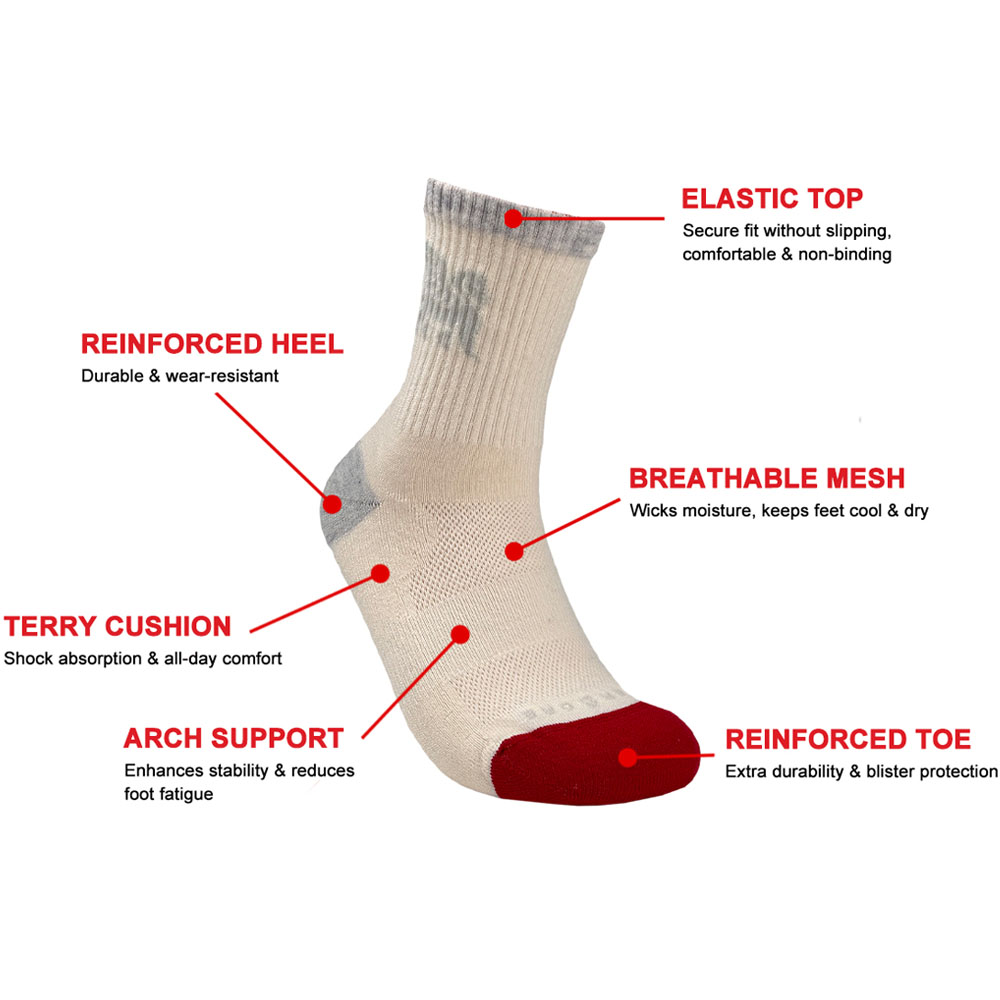
Good hiking socks are not just about the fiber. Construction changes how a sock handles heat, friction, pressure, and long hours inside a hiking shoe.
Mesh Ventilation Zones
Many hiking socks have mesh panels in high-heat areas. These panels improve airflow during long walks in warm conditions.
Cushioning Placement
Thick cushioning feels good at first. But too much padding can trap heat and moisture inside the shoe during a long hike. That is why most hiking socks do not put heavy cushioning everywhere.
Instead, cushioning goes where you need it most. That means the heel and forefoot. Those areas take the most repeated impact on the trail. The rest of the sock stays lighter. That reduces bulk and improves airflow inside the shoe.
Reinforced Heel and Toe Areas
The heel and toe take the most abuse during a hike. Downhill sections create constant friction on the heel. Steep climbs increase pressure around the toe. Those are usually the first places where hiking socks wear out.
Many hiking socks reinforce these zones with nylon or denser knitting. They do not thicken the whole sock. That improves durability without adding extra weight or trapping more heat.
Compression and Arch Support
Loose socks tend to shift around once sweat builds up inside the shoe. Small movements inside the sock can gradually increase rubbing during a long hike. Light compression and arch support keep the sock more stable. That helps on uneven terrain and long downhill sections.
Best Material Blends for Different Hiking Conditions
The best hiking sock blend depends on where you hike, how much you sweat, and how long you stay on the trail. Different conditions change how socks handle moisture, heat, cushioning, and drying speed.
Hiking Condition | Recommended Blend | Why It Works |
Hot weather hiking | 40–55% merino + nylon + polyester + 3–5% elastane | Better airflow and faster moisture release |
Cold weather hiking | 60–75% merino + nylon + 3–5% elastane | Better insulation and fit stability during long wear |
Wet trail conditions | Synthetic-heavy blends with nylon and elastane | Faster drying after water exposure |
Long-distance trekking | Merino + nylon reinforced blends with elastane | Better durability and reduced sock movement |
Sweaty feet | Lightweight merino or polyester blends with elastane | Better moisture management and more stable fit |
Related Resources
→ Best Material for Running Socks: What Actually Matters
→ Best Hunting Socks: Material Selection Tips for Wholesale Buyers
→ Merino Wool vs Alpaca: Best Choice for Custom Socks
→ Wool vs Cotton Socks: Which Is Better for Your Brand
→ Sock Material Guide: How to Choose the Best Material for Any Use
Explore more guides on sock materials, performance requirements, and manufacturing considerations.