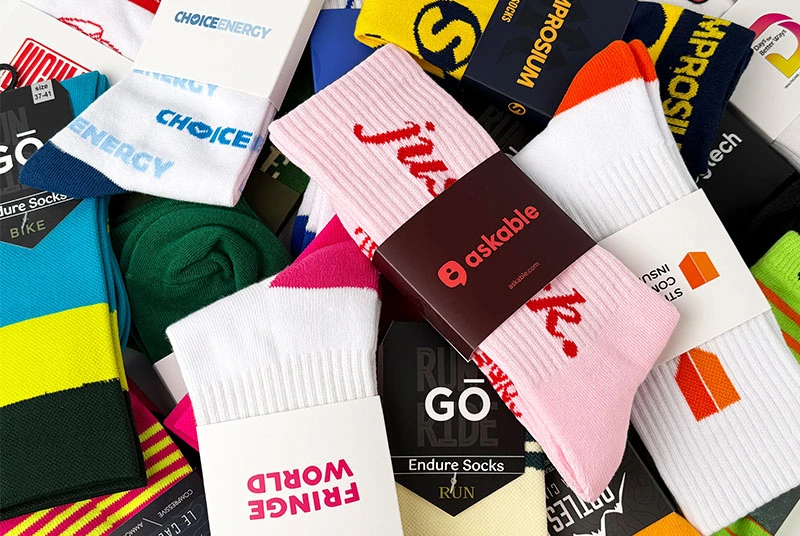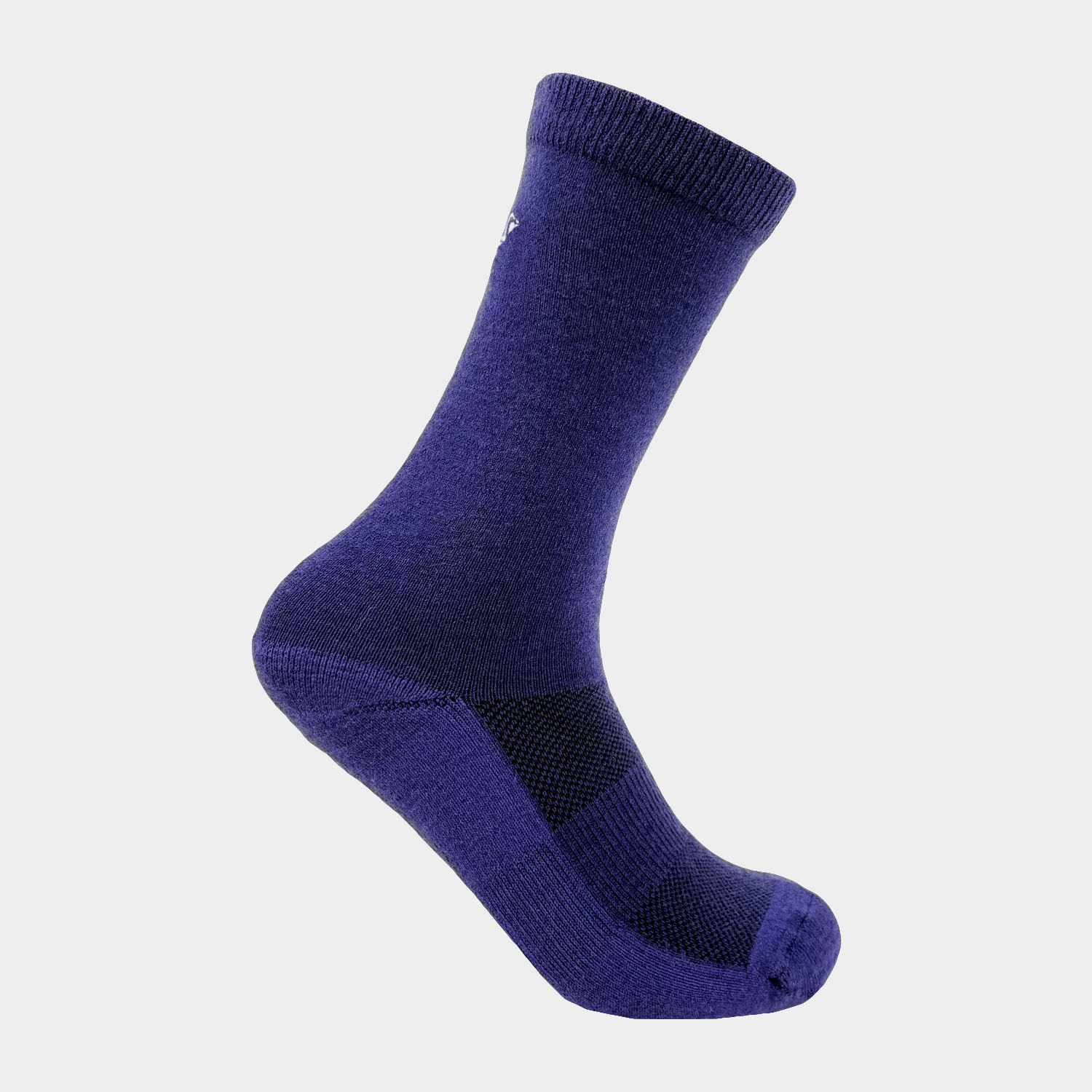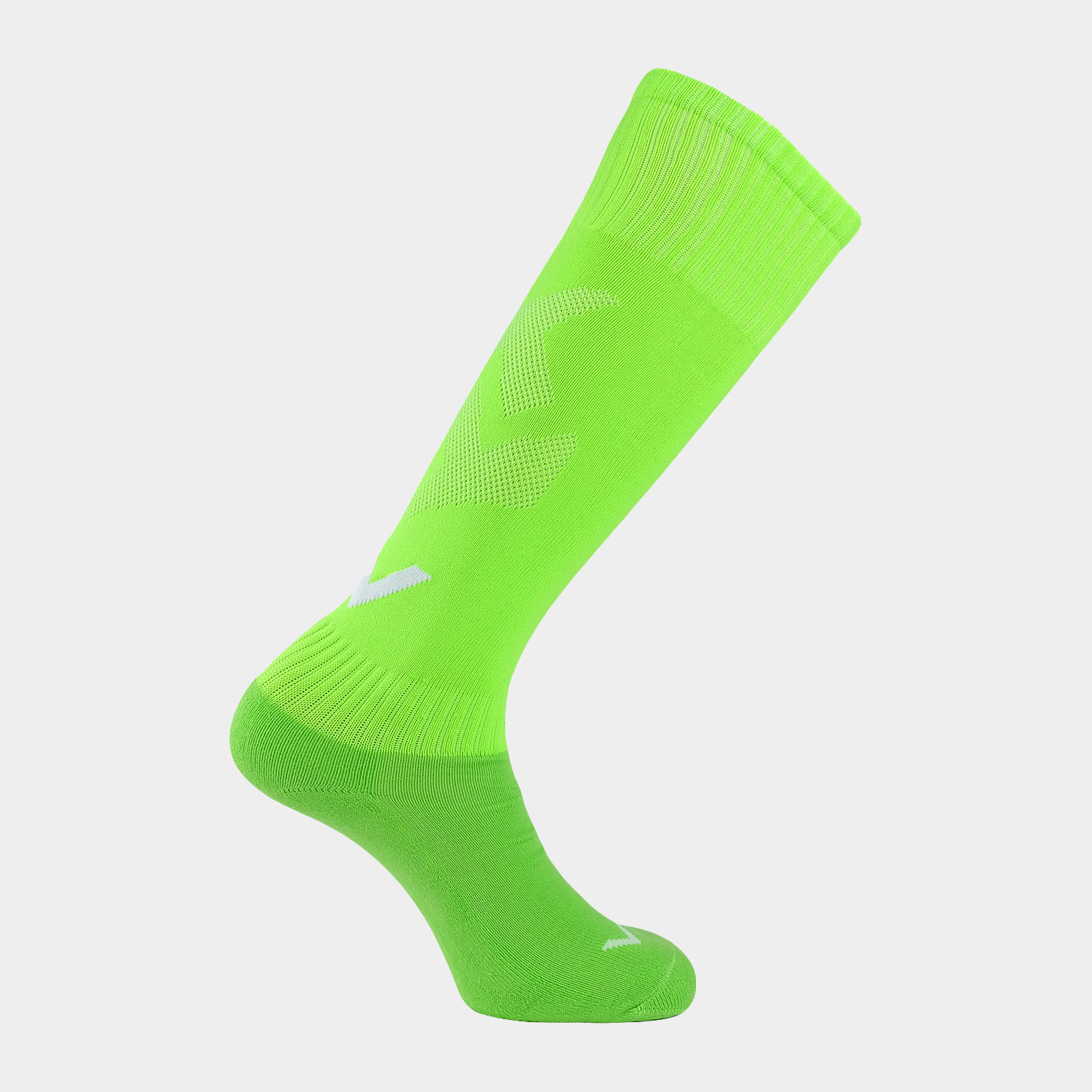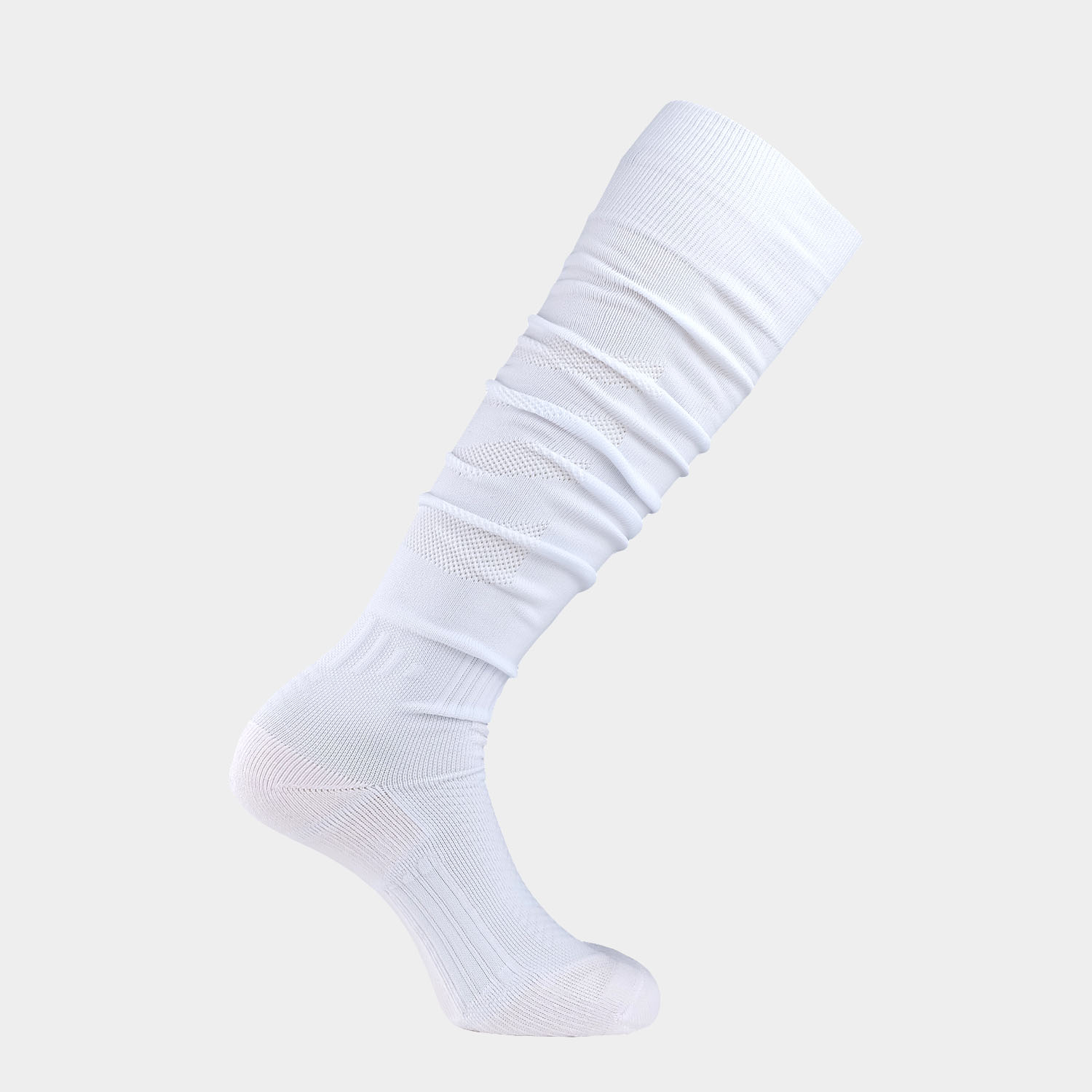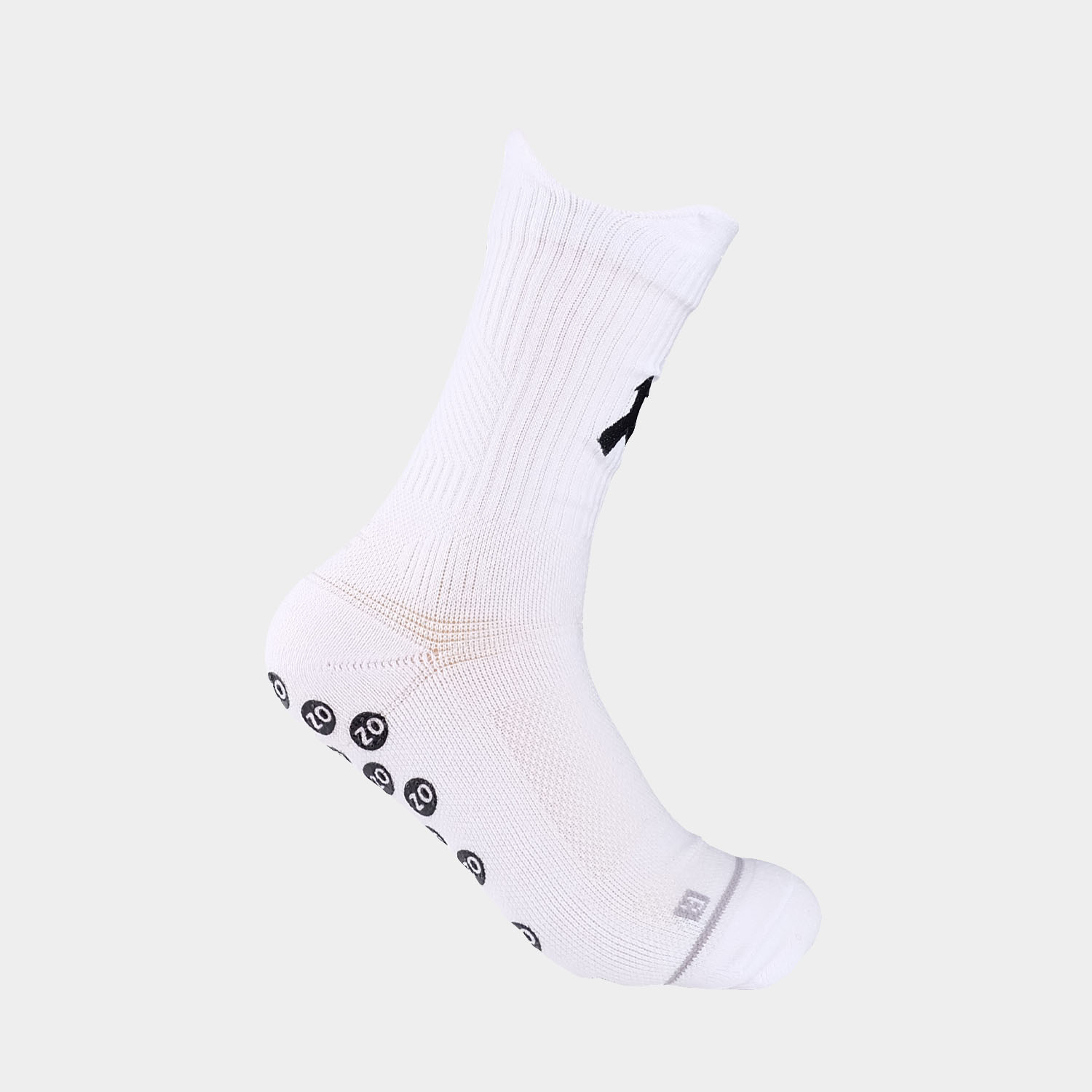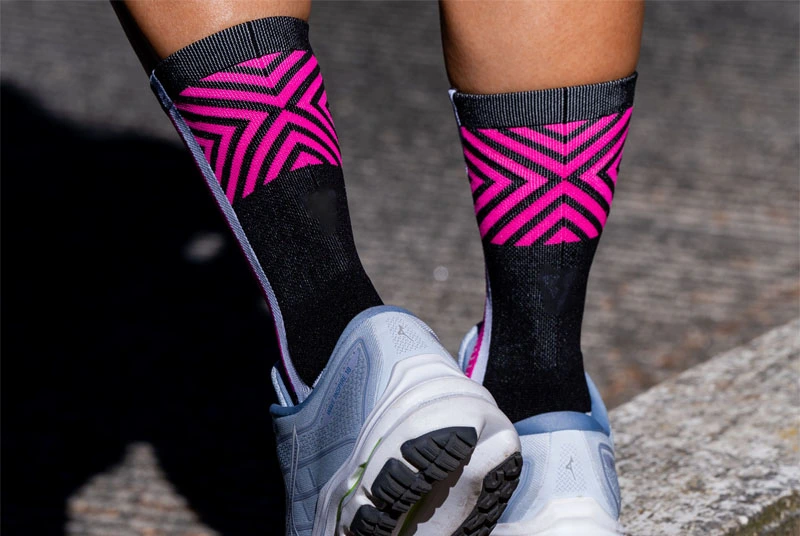

Whether it’s the morning jogging on the riverbank and the sidewalk, or the evening running on the playground or gym, you can see energetic runners everywhere. They are building their healthy and spiritual world with their vigorous and steady strides. And their running socks are just as diverse as their running steps. Some wear classic white and black brand sports socks like Adidas, some wear colorful fashionable knee-length compression socks, and some wear novel wool socks, etc. Running socks have increasingly become a major business opportunity for retailers.
Why Bulk Running Socks Are in High Demand
Growth of Sports and Fitness Markets
After the pandemic, people of all the ages have payed more attention to their health and wellness. The quantity of people that engage in a particular sport has exploded. Running, as one of the sports with the lowest entry barriers, has attracted a large number of participants.
Rising Demand for Performance Gear
Among the participants in the sports activities, there are many middle-class and young consumers who are willing to invest in professional equipment. They not only want to run, but also want to avoid getting injured. They have developed a preventive awareness regarding sports injuries and have high requirements for socks in all aspects.
On the other hand, high-performance fashion socks have also become fashion accessories that complement shoes.
Retail Opportunities in Athletic Wear
Running socks are consumable products that need to be replaced at a higher frequency than running shoes. An active runner can burn through a couple of dozen pairs of socks in a year. Because of the fatigue caused by extended activity and the erosion of sweat marks, running socks have a shorter service life than running shoes. That provides retailers with a steady customer base and continuous cash flow.
Running socks, on the other hand, are the ideal complementary product. When selling running shoes, you can also suggest a pair of running socks that matches. It helps boost sales turnover and it’s a good promotional product.
Because of the consumers wide variety of needs, the running socks can be divided further.By running intensity, there are everyday training socks, marathon socks and competition socks; According to their purposes, applicable of some types are protection socks, support socks, breathable and moisture management socks, compression socks, etc; By usage scenario, there are seasonal socks, trendy collaboration models, various theme models and so forth.
Key Criteria for High Quality Wool Socks
Breathability and Moisture-Wicking
Breathability and moisture-wicking are very important for running. This is primarily because of the following:
- Blisters resistant: On wet feet, the coefficient of friction between wet skin, socks, and shoe walls is greatly enhanced, and this is the main cause of blisters.
- Comfort and performance: Keep feet Dry for better grip and stability on your insoles, helping to prevent your feet from slipping in the shoes.
- Temperature regulation: The feet producesa great deal of heat when running. The breathability and the moisture-wicking can effectively cool down the feet and stop overheating.
- Odor resistant and health: A humid environment is a breeding ground for fungi and bacteria. Keeping dry helps maintain foot health.
The first thing to consider when achieving moisture – wicking and breathability is the material of the socks.
- Coolmax increases the surface area through a synthetic special non-circular cross-sectional structure. It quickly removes sweat through capillary action and evaporates it. This is one of the most commonly used materials for running socks.
- Merino Wool fibers are natural fibers. Wool fibers have a naturally irregular cross-section, which increases the surface area and has a sweat draining effect. Wool fibers/lambswool can suck up more than 30 % of its own weight in moisture without feeling wet.
- Nylon has less moisture-wicking ability compared to the above materials, but it is better than cotton in terms of moisture t-wicking. Moreover, nylon is extremely durable.
The next consideration for achieving breathability and moisture-wicking is the design of the sock’s structure.
- Left and right foot divided sock caps. To provide a design that fits the foot shape more closely for both left and right feet, reducing the accumulation of excess fabric and reducing the feeling of heat.
- Mesh knitting. In non-critical stress areas such as the heel and ankle of the socks, a large area of breathable mesh is used, which is like opening windows on the socks, greatly promoting air circulation.
- Seamless toe. The traditional seam at the sock cap is thick and prone to friction. The seamless technology eliminates this friction point and hotspot, improving comfort and breathability.


Cushioning and Support
Cushion refers to a padding on the socks, where the part is felt to be thicker, softer and more elastic than the non-cushion part. In running socks, the cushion is often located on the sole, heel, and toes, which are the areas that bear the main impact and friction. Here is a picture showing the cushion in different parts.
Option 1 has no cushion, Option 2 has cushion on the sole, toes and heel, which is the most common choice for running socks. And option 3 has cushion throughout the entire sock.
The main functions of the cushion are as follows:
- Energy absorption and dissipation: When the foot lands, the dense cell structure compresses and deforms, dissipating and absorbing the ground reaction force. It can alleviate the impact on the plantar fascia, joints and bones, and prevent fatigue and malaise induced by long-distance running.
- Pressure distribution: When a flat fabric is subjected to stress, the pressure is applied to a few points. The thick cushion enhances the contact between the sock and the foot sole, and makes the pressure on the sole more evenly distributed. It eliminates the concentrated pressure, and it is one of the important factors to prevent blisters and black nails.
- Better fit and stability: Most Comfortable Cushion material is Elastic and Impact Resistant. It allows the sock to fit tightly around the foot, and in so doing the foot inside the sock, and the sock inside the shoe, all have less motion. It gives the foot a “held” place, giving you more confidence in your ankle, especially when making sharp turns and speed changes.
- Filling and protection: In areas with protruding bones (heel and outer side of the ankle), the thick cushioning ring adds some filling and protection, which protects your skin from facing the hard heel cup of the running shoes and shoelace and lowers the chance of having a direct friction and clash.

Durability and Longevity
The key factors influencing the durability of running socks
Material composition
Nylon: The core material for durability. Nylon fibers are renowned for their wear resistance and strength. A pair of durable running socks typically contains 20% to 35% or even more nylon. It is like the “framework” of the socks, providing the ability to resist friction and tearing.
Polyester (COOLMAX): Offers excellent strength and quick-drying feature, and is also very durable. However, it is slightly inferior to nylon in terms of resistance to repeated friction.
Merino wool: Comfortable and antibacterial, but pure wool socks have relatively poor wear resistance. Therefore, high-performance wool running socks usually blend in nylon (for example: 65% Merino wool, 33% nylon, 2% elastic fiber) to compensate for this weakness.
Cotton: After multiple washes, it tends to become stiff and lose its elasticity, making it the “killer of lifespan” among running socks.
Fit and Design
Y-shaped heel: Designed to match the anatomical structure of the heel, it prevents socks from sliding and twisting inside the shoes. Inappropriate socks, due to excessive wrinkles and sliding, will generate additional friction and accelerate wear and tear.
Left and right foot distinction design: Provides a more precise fit and also reduces unnecessary friction and material pressure.
Correct washing and maintenance
Even the best socks will have their lifespan shortened by improper care. Therefore, we also need to provide consumers with instructions on the correct washing and care methods.
- Machine washing: It is recommended to use the gentle mode and wash in cold or warm water.
- Avoid bleach and fabric softeners: Bleach will damage the strength of the fibers, and fabric softeners will clog the pores of the functional fibers, affecting their sweat-wicking performance and elasticity.
- Dry: Natural air drying is the best choice. Avoid high-temperature drying as continuous high temperatures will damage the elastic fibers (such as Lycra/Spandex), causing the socks to lose their elasticity permanently and become loose.
How Retailers Source Bulk Running Socks
Direct from Athletic Sock Manufacturers
Importing running socks directly from the manufacturers is a very promising business model that can bring significant competitive advantages, but it also has certain drawbacks.
Advantage:
- Maximizing Profit Margin
- Highly Customizable
- Quality Control
- Technical Barriers
Disadvantage
- Compared with wholesalers, the minimum order quantity is higher.
- Long production time
- Communication Costs
- Logistics and customs costs fluctuations
Working with Distributors and Wholesalers
Buying products directly from distributors and wholesalers is also a choice for many retailers. Similarly, it has its advantages and disadvantages.
Advantages:
- Low minimum order quantity, low financial pressure
Distributors allow you to purchase in boxes or several pairs at a time, significantly reducing inventory costs and capital occupation. This is crucial for testing the market, launching new brands, or for small boutiques.
- Simple operation
Retailers do not need to handle complex international logistics and customs clearance procedures. Communication is smooth, payment is convenient, and logistics is fast.
- Faster response to market changes
From placing an order to delivering the goods, it usually only takes a few days, rather than several months for overseas imports. This enables us to quickly respond to market demands, replenish best-selling products, and keep up with seasonal trends.
Disadvantages:
- Higher product costs
This is the most critical drawback. Distributors need to add a markup to their costs in order to make a profit, so the unit price you receive will be higher than that of the original imports. And the higher purchase costs mean that your profit margin will be reduced, and the flexibility in pricing will also decrease.
- Product Homogeneity
You can only purchase the existing brands and styles provided by the distributors. You cannot customize them individually and there is no innovation. This makes your reliance on the distributors grow increasingly stronger.
- More Intense Market Competition
The same distributor will supply products to multiple retailers, resulting in all of them selling the exact same products. The competition pressure will increase, eventually leading to a price war and smaller profit margins.
Negotiating Bulk Pricing and MOQ
No matter you are a small scale store or a super brand, pricing and MOQ is always the issue in your mind. For different scale brands in different stages, the MOQ needed is different. And surely the price is different as well.
For running socks, the below is a general reference.
- 300 – 500 pairs, a testing quantity to gauge the market demand response. Price is higher than normal level.
- 500-1000pairs, Initial inventory reserve of the brand. Price is lower than the testing but higher than the normal level.
- 2500-5000pairs, Regular inventory replenishment. Price is the normal bulk order price.
Customization Options for Running Socks
Logo Placement and Branding
Customizing the brand logo on socks is the most common way of customization. The common methods of adding the logo include the following:
- Jacquard
The Jacquard logo is a kind of knitted logo. It is made together with the socks. When the socks come out of the production machine, the logo has already been knitted in.
If the jacquard logo is to be used, it means that the socks need to be re-produced. Logos cannot be added to the ready made socks.
- Embroidery
Embroidery logo can be added to the ready made socks. This is an additional process. If you like a certain style in the supplier’s inventory, you can add your own logo on the socks in an embroidery way to complete brand customization. The price is relatively high because this is the second process.
- Off-Set
Off-set can also be used to add logos to ready made socks. This is an additional process. If you like a certain style in the supplier‘s inventory, you can add your own logo to the socks using the off-set method to achieve brand customization. The price is relatively high because this is the second process.
However, for sports socks, we do not recommend using the off-set method to add the logo. This is because sports socks have a high frequency of friction and are worn frequently. The logo is prone to being damaged by friction and eventually disappears.
The following is a comparison photo showing the three different logo methods.
- Package
The last way is to customize your own brand or logo on the packaging. Compared to custom-made socks, the printing on the packaging and customization are easier to achieve.


Color and Style Variations
In a market where functionality and quality have become increasingly similar, color and style have become the most direct and intuitive way for brands to stand out. Different colors and designs can meet consumers’ individual needs, drive impulse purchases, and build brand identity.
The general strategies for determining colors and styles are as follows:
1. Color Strategy
Classic Basic Colors
Purpose: To appeal to conservative customers and provide reliable, steady sales.
Examples: Black, white, gray, navy. These versatile colors are suitable for everyday training and are less likely to show dirt.
Bright and Fun Colors
Purpose: To attract young users with a sense of individuality and fashion.
Examples: Fluorescent yellow, bright orange, electric blue, hot pink. These are often seen on competition-focused models or series emphasizing “speed.”
Seasonal Colors
Purpose: To evoke a seasonal feeling in consumers.
Examples: Fresh pink and green in spring; bright blue for summer; earthy tones in autumn; and rich red or dark green in winter.
Themed and Collaboration Colors
Purpose: To create a sense of scarcity and collectibility.
Examples: Collaborations with popular IPs (like Marvel or Disney), artists, or environmental themes, featuring special color palettes.
2. Style and Pattern Strategy
Minimalist
Features: Solid colors, minimal details (like a small logo on the ankle), and tone-on-tone textures.
Target Customer: Experienced runners who prefer understated shoes and prioritize functionality.
Sports-Trend
Features: Bold logos, branded lettering, geometric patterns, and speed lines.
Target Customer: Young consumers who blend sportswear with street fashion.
Creative & Fun
Features: Cartoon characters, humorous slogans, fruit/food patterns, camouflage, or polka dots.
Target Customer: Female runners or beginners seeking a light-hearted and enjoyable running experience.
Professional & Performance-Oriented
Features: Asymmetric left/right design, muscle-like textured lines, and zonal color blocking (e.g., different colors on the arch support).
Target Customer: Runners focused on high-level performance and a technical aesthetic.
Packaging for Sports Retail
Packaging is like a “Mobile Advertisement”. Through its unique design, packageg can capture the attention of consumers on shelves or online, conveying the brand’s philosophy and product features.
Generally, the following information needs to be included on the packaging:
- Brand logo and name
- Types of socks (such as basketball socks, football socks, running socks, hiking socks)
- Sizes
- Ingredients/materials
- Product features
- Washing instructions
Conclusion
Success in the running sock market boils down to two things: stocking socks with the performance features runners need, and choosing the right sourcing path for your business. Master this, and you’ll tap into a steady and profitable demand.