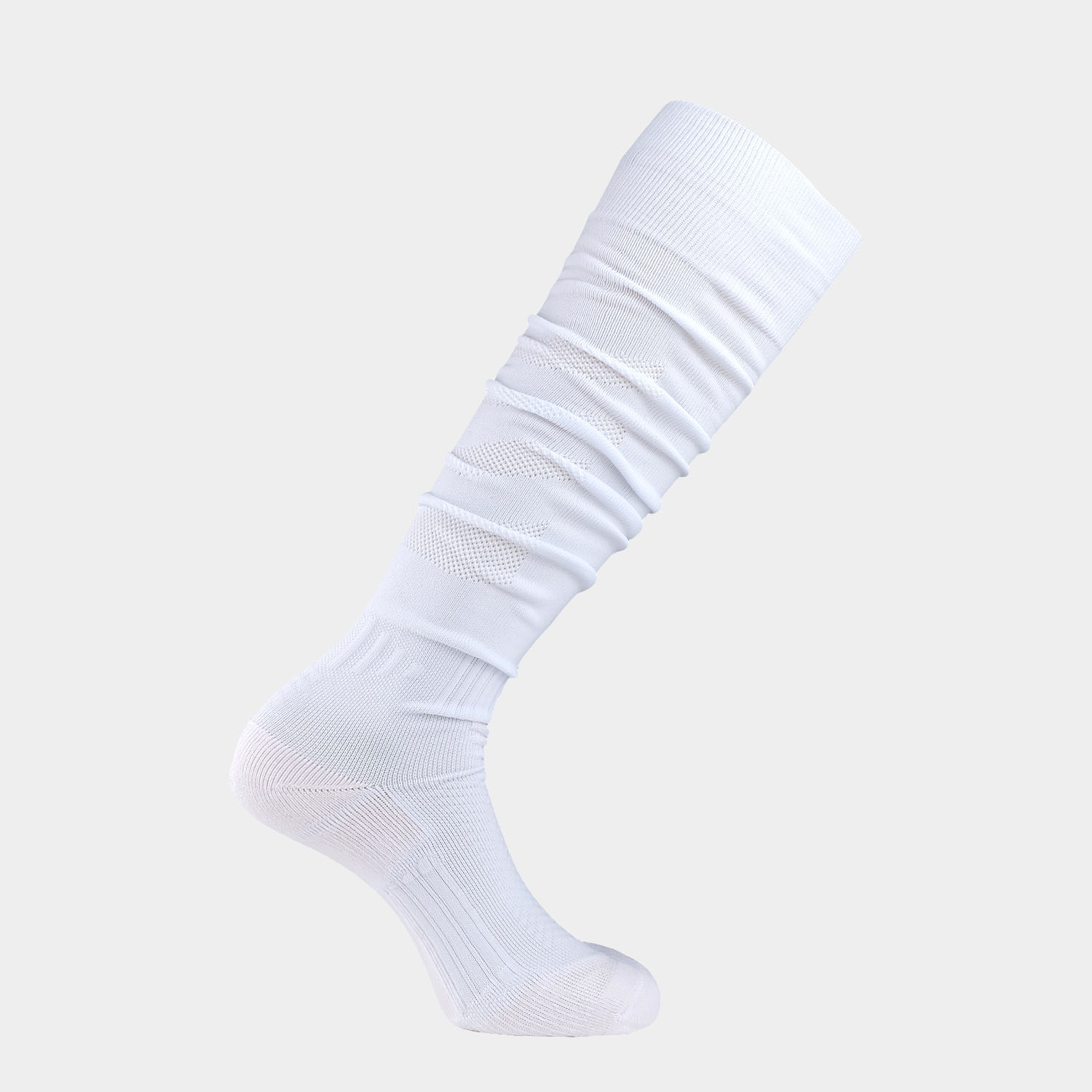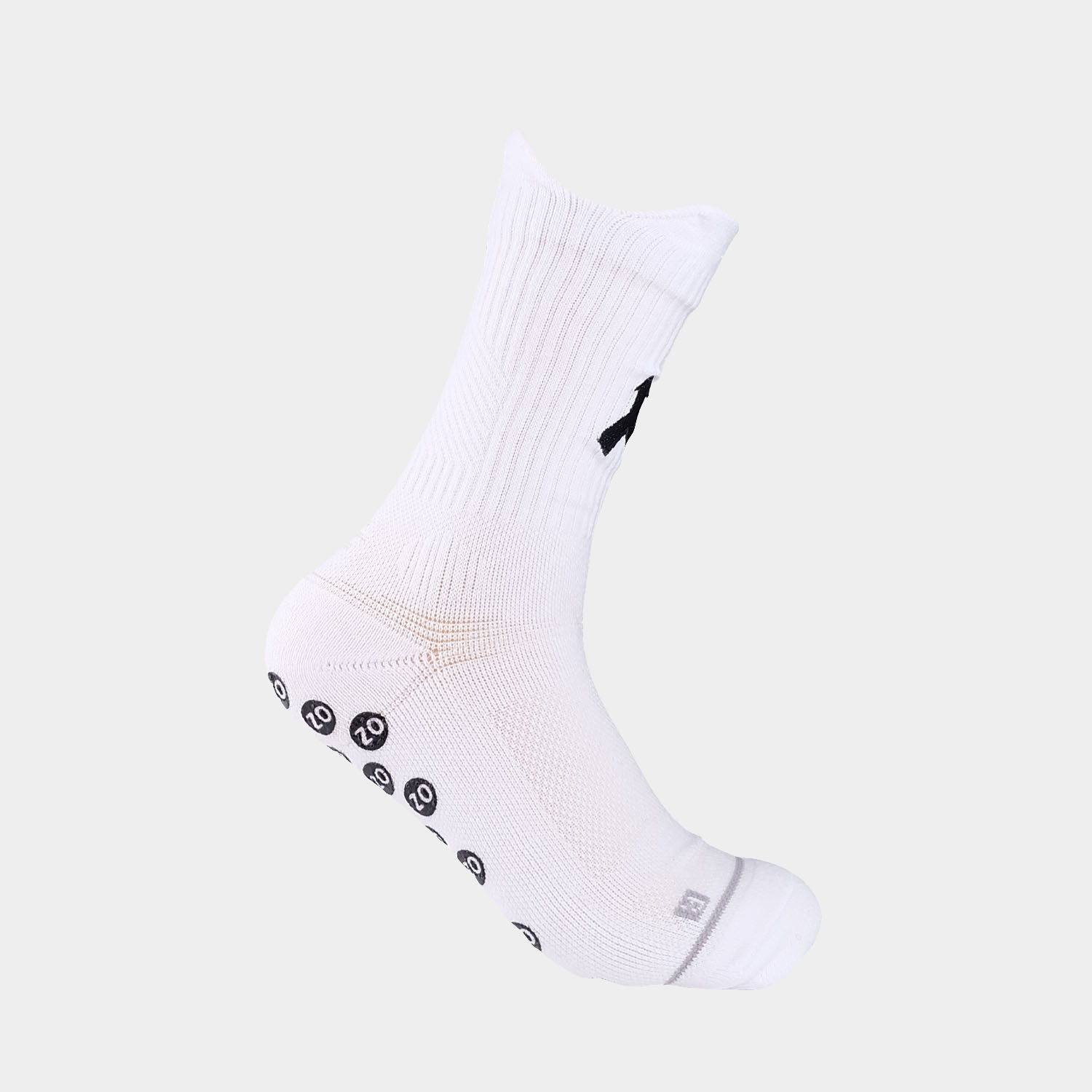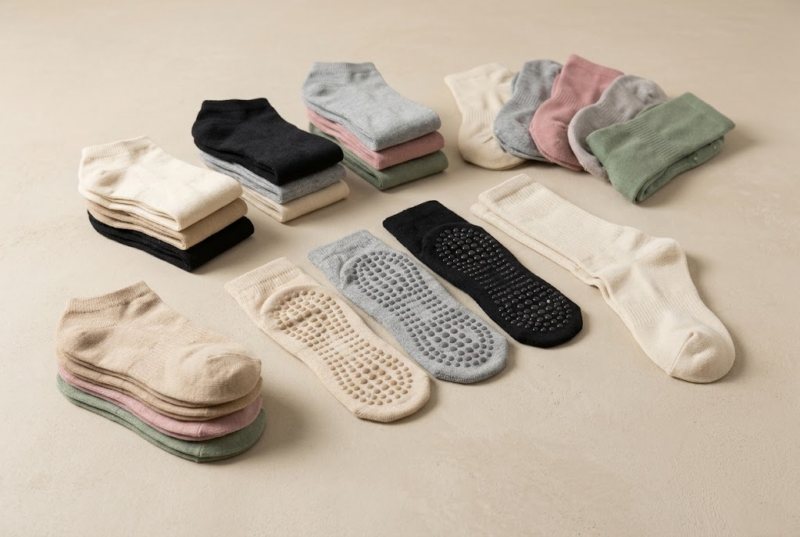
Choosing a running socks supplier in China involves more than comparing prices or browsing product catalogs. For brands, sports clubs and wholesale buyers, the right manufacturing partner needs to meet product requirements, maintain consistent quality and deliver orders on schedule. This guide explains what to look for when sourcing running socks from China.
TL;DR
When sourcing running socks from China, buyers should evaluate a factory’s actual manufacturing capabilities, experience with custom running socks, sample quality, production consistency, quality control and delivery reliability. Before placing a bulk order, clarify product specifications, confirm the sample, compare quotations based on the same requirements, and establish clear communication throughout production. Working with a suitable factory can help reduce sourcing risks and support long-term product development and repeat orders.
Define Your Running Socks Project Before Contacting Suppliers
Before searching for China running socks manufacturers, decide what you are buying. Are you looking for an existing sock with your logo, or do you need a custom-developed product?
Sourcing requirement | Typical needs |
Running brand or retailer | Product differentiation, colors, logo accuracy, performance features, consistent repeat orders |
Sports club or team | Club colors, logo placement, size options, practical order quantities |
Marathon or event organizer | Event branding, confirmed quantities, reliable delivery before the event |
Wholesaler or distributor | Competitive pricing, repeatable specifications, stable bulk supply |
These differences matter. A brand developing a new collection may have time for several rounds of product development. An event organizer working toward a race date may have much less flexibility.
Prepare a basic product brief before requesting quotations. Include the sock height, size range, material preferences, colors, logo, cushioning, mesh areas, packaging, estimated quantity, and required delivery date.
If the design is still being developed, share a reference sock or design image. A manufacturer can then identify potential production limitations before sampling begins.
How to Find and Verify Running Socks Manufacturers in China
You can find running socks suppliers through B2B platforms, search engines, factory websites, referrals, and trade exhibitions. However, a professional-looking website, product catalog, or marketplace badge does not prove that a company operates its own factory.
One of the biggest sourcing risks is believing you are dealing directly with a manufacturer when the company is actually a trading intermediary—or discovering that the production facility is different from the one presented during initial discussions.
Before placing an order, verify the following:
- Company identity: Check the registered business name and whether it matches the company handling your quotation and contract.
- Production location: Ask for the actual factory address, not just an office or sales address.
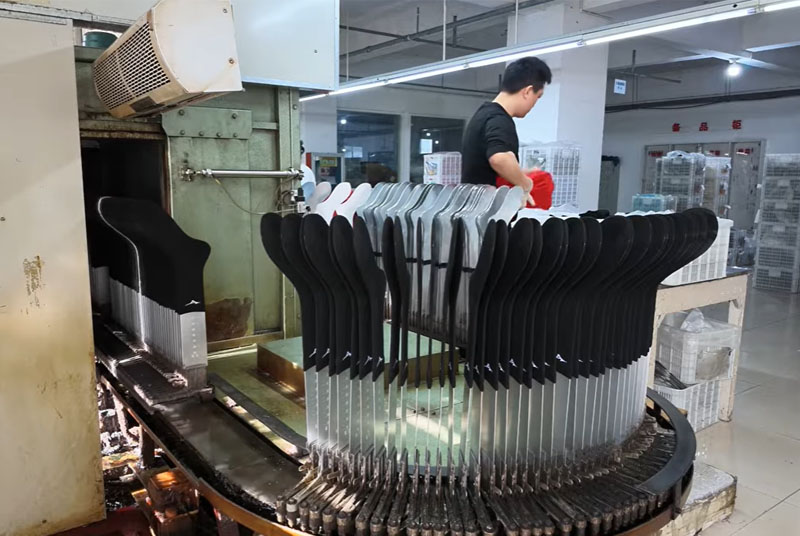
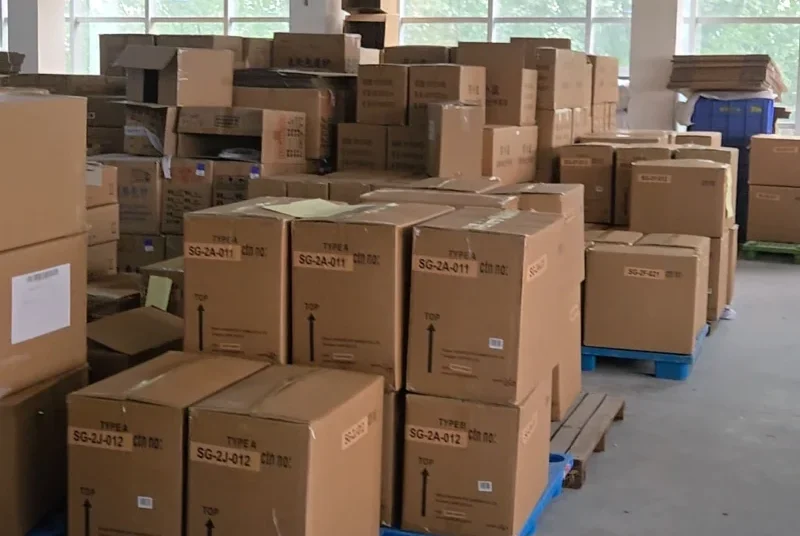
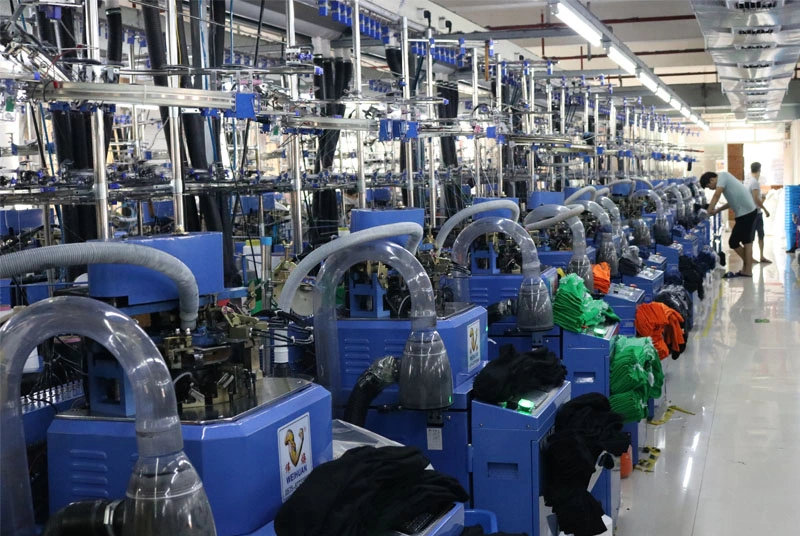
- Production evidence: Request recent videos showing knitting machines, production activities, finishing, and packing.
- Relevant experience: Ask for examples of running socks with similar structures, materials, or logo requirements.
- Production control: Clarify which processes are handled in-house and which are outsourced.
A live video factory tour or an independent factory audit can provide stronger evidence than photographs alone. During a video call, ask the supplier to show specific equipment or production areas rather than relying entirely on prepared promotional footage.

Check the Supplier's Recent Activity
A company’s website tells you what it wants buyers to know. Its recent social media activity can offer another view of its day-to-day operations.
Look for real production footage, product development, quality checks, packing, and shipment updates. Consistent and relevant posts can help you understand whether the business is actively involved in manufacturing and customer projects.
You can also visit Sockcn on Instagram and Sockcn on YouTube to see factory activities, products, and behind-the-scenes updates.
Social media is supporting evidence, not proof of factory ownership. For important orders, still verify the production site and company information directly.
For a broader assessment, see our Socks Manufacturer Evaluation Checklist, which covers manufacturing capability, quality management, and supplier reliability.
Evaluate Whether the Factory Can Actually Make Your Running Socks
Ask the factory to explain how it would manufacture your design, rather than simply confirming that it can.
Important areas to discuss include:
- Knitting construction: Can the factory produce the required structure and pattern?
- Cushioning: Can it position terry cushioning in the heel, forefoot, or other specified areas?
- Ventilation: Can it create mesh zones in the required locations?
- Fit and support: Can it develop the requested cuff, arch support, heel shape, and size range?
- Logo execution: Is jacquard, embroidery, or another application method more suitable for your artwork?
The right construction depends on the intended product. A lightweight road-running sock and a more cushioned trail-running sock may require different material combinations and knitting structures.
A capable running socks manufacturer should also be willing to explain when a design needs adjustment. If a supplier agrees to every request without discussing feasibility, that is not necessarily a good sign.
Prepare Clear Specifications Before Comparing Quotes
A vague request such as “500 pairs of custom running socks with our logo” is not enough for an accurate quotation.
Different factories may interpret the same request differently. One may quote a basic polyester sock, while another includes additional cushioning, nylon reinforcement, or customized packaging. Comparing their prices would not be meaningful.
Use a consistent product brief:
Specification | Details to confirm |
Material | Fiber types and blend percentages |
Sock style | No-show, ankle, quarter, or crew |
Size | Size range and quantity per size |
Construction | Mesh, terry cushioning, reinforcement, and toe closure |
Branding | Logo artwork, placement, size, and application method |
Colors | Yarn colors or reference color codes |
Packaging | Individual bags, paper bands, labels, and hangtags |
Quantity | Pairs per design, color, and size |
Delivery | Required arrival date and destination |
For more detail on product development, see Custom Running Socks: The Complete Guide for Brands, Clubs & Retailers.
Evaluate Samples Carefully—Do Not Assume the First Version Will Be Final
A sample is where your design becomes a physical product. It is also where problems that were not obvious in a design image can become visible.
The first sample rarely answers every question. Logo details may look different when knitted into a sock, colors may need adjustment, and the thickness or placement of cushioning may not match your expectations. Buyers should allow time and budget for possible revisions instead of planning production around the assumption that the first sample will be approved.
A useful example comes from a Canadian sports club that ordered 500 pairs of running socks in two sizes.
The original design used a jacquard logo, but the customer was not satisfied with the way some details appeared on the sample. Our team reviewed the artwork and discussed an alternative method. We changed the logo application to embroidery and made two further adjustments based on the customer’s feedback.
After receiving the order, the customer increased the quantity for a subsequent order to 2,000 pairs.
The lesson is simple: do not approve a sample just because the overall sock looks acceptable. Check the logo’s clarity, position, size, colors, fit, and construction. If a detail is wrong, resolve it before bulk production.
Once approved, keep a physical reference sample and a written specification. Both should be used as the standard for the production order.

What Affects the Cost and Delivery Time of Custom Running Socks?
The unit price depends on more than the number of pairs ordered. Material selection, knitting complexity, logo application, packaging, sampling, and inspection requirements can all affect the quotation.
When comparing China running socks factory quotes, make sure the specifications, quantities, packaging, and delivery terms are the same. A lower price may reflect a simpler construction or different material—not necessarily better purchasing value.
Delivery planning deserves the same attention.
The complete timeline may include:
- Design review and technical confirmation.
- Sample development and revisions.
- Customer approval.
- Material preparation.
- Bulk production and inspection.
- Packing and shipping.
Do not treat the factory’s estimated production time as the entire delivery timeline. If your socks are for a marathon, product launch, or fixed retail date, confirm the required arrival date first and work backward with the factory.
Case Study: 500 Pairs of Running Socks for a Marathon Event
Sockcn once worked with a customer who needed 500 pairs of running socks for a marathon event, with approximately two weeks available for sample development and production.
The original design could not be manufactured as submitted. Rather than asking the customer to start again, our team discussed which visual elements were essential and simplified the parts that presented production difficulties while retaining the main design features.
We then prepared two sample options and shared photos for the customer to review. The customer selected one option, allowing the project to move forward without unnecessary delays in design discussions.
The order was completed within the customer’s required timeframe, and the customer was satisfied with the result.
For event orders, the key lesson is to discuss the deadline and design feasibility at the beginning. A practical design adjustment made early can be more valuable than discovering a production problem when the event date is approaching.
How to Keep Bulk Production Consistent with the Approved Sample
Before production starts, confirm the approved sample, yarn specifications, colors, sizes, logo artwork, and packaging. Any changes should be recorded and approved.
During production, the factory should monitor relevant details such as knitting quality, dimensions, logo placement, and toe closure. Finished products should then be checked for appearance, measurements, pair matching, workmanship, labeling, packaging, and order quantity.
For larger or repeat orders, agree on inspection requirements and acceptable defect criteria in advance.
The approved sample should remain the reference for the bulk order. Without a clear reference, it becomes much harder to resolve disagreements about whether the finished socks match what was agreed.
Confirm Who Will Manage Your Order and Handle Problems
Manufacturing capability is important, but buyers also need to know who is responsible after the order is placed.
Before cooperation begins, clarify who will manage sample feedback, production updates, quality issues, and delivery communication. Ask how often progress will be reported and who you should contact if a problem occurs.
This matters because even a well-managed project can encounter unexpected issues. The difference is whether the factory communicates early, explains the situation, and works toward a solution—or leaves the buyer chasing updates.
For long-term cooperation, also discuss how repeat orders will be managed, including material availability, approved specifications, color consistency, and production scheduling.
Explore Sockcn Custom Running Socks to learn more about our running sock manufacturing capabilities.
FAQ
How can I verify whether a running socks supplier in China is a real factory?
Check its registered business information, actual production address, equipment, and recent production evidence. A live video tour or independent factory audit can provide additional verification. Do not rely only on website photographs or marketplace badges.
Will the bulk order look exactly like the sample?
The approved sample should be the reference for bulk production, but consistency also depends on clear specifications, material control, production checks, and final inspection. Confirm these requirements before placing the order.
How long does it take to produce custom running socks in China?
For a typical custom running socks order, the initial sample can usually be made within 3 days. After sample approval, bulk production generally takes around 15–30 days, depending on the design complexity, material availability, order quantity, and production schedule.
Keep in mind that sample revisions, if needed, may require additional time. Shipping is also separate from the production timeline, so ask the factory to confirm the estimated delivery schedule based on your order details.
What is the MOQ for custom running socks at Sockcn?
Sockcn’s standard MOQ starts from 100 pairs per design. The final arrangement depends on the product specifications and customization requirements.
Final Thoughts
Choosing a running socks supplier in China is about more than finding a factory with suitable machines or a competitive price. Buyers need evidence that the supplier can manufacture the required product, respond to sample feedback, maintain bulk consistency, meet the agreed schedule, and take responsibility throughout the project.
A clear product brief, verified production capability, an approved sample, and direct communication can reduce many common sourcing risks.
If you are planning a running sock collection, a club order, or an event project, contact Sockcn with your design, estimated quantity, and delivery deadline. Our team can review your requirements and discuss the next steps.