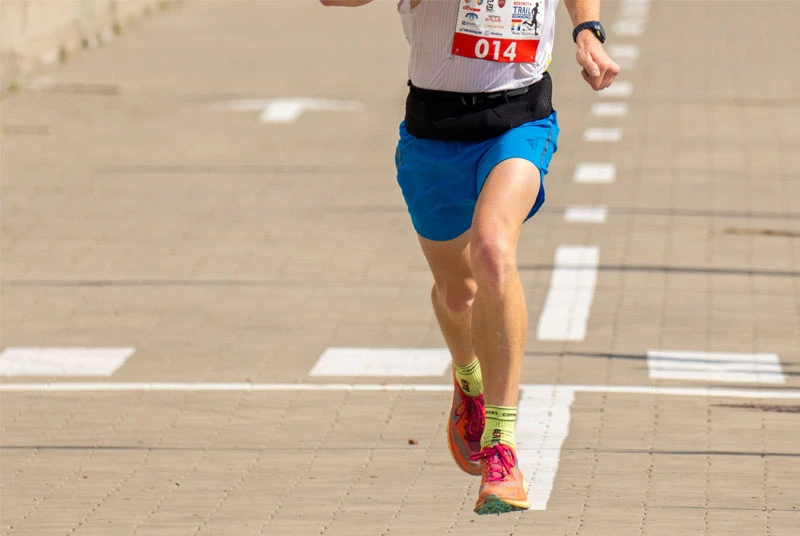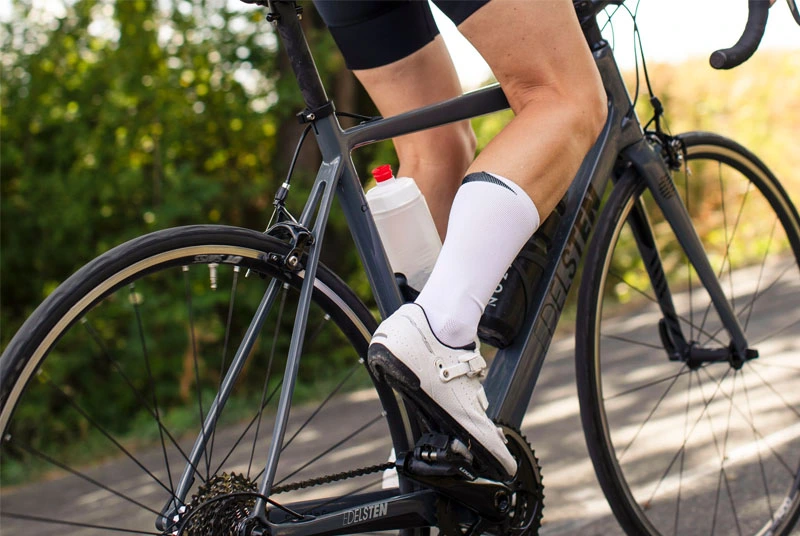
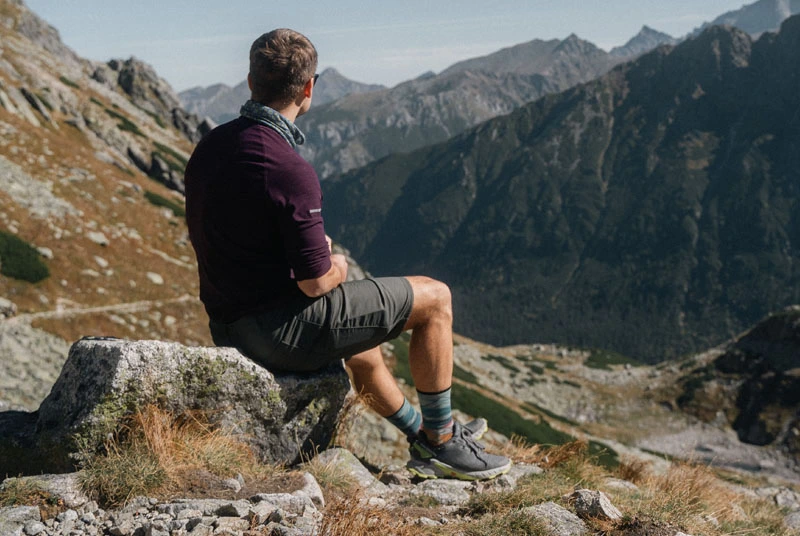
For outdoor brands, sports retailers, and private label buyers, custom hiking socks are not simply regular socks with a logo added. They are functional outdoor products that require careful consideration of materials, sock construction, and performance features during the product development process.
Quick Overview
- Custom hiking socks are functional outdoor products designed for different hiking applications. They need to provide key performance features such as moisture management, blister prevention, cushioning, durability, and long-wearing comfort.
- Common materials used for custom hiking socks include Merino wool, Alpaca wool, and various functional synthetic fiber blends.
- The cost of custom hiking socks depends on factors such as yarn composition, sock weight, construction design, functional features, and order quantity. Even a small difference in sock weight can significantly affect bulk pricing due to variations in yarn consumption and material costs.
- MOQ and lead time vary depending on materials and production requirements. For example, at Sockcn, custom hiking socks made with common materials such as cotton, bamboo fiber, and polyester start from 100 pairs per design. Merino wool hiking socks can also start from 100 pairs per design, while custom Alpaca socks require a higher MOQ, usually starting from 300 pairs per design. If using yarns already available in the factory, production can usually be completed faster. Custom yarn development or special colors may require additional development time.
- Manufacturers with extensive experience in functional sock production can help brands optimize material combinations, sock construction, and production processes, ensuring consistent product quality, performance, and end-user comfort.
What Are Custom Hiking Socks
Custom hiking socks are functional outdoor socks designed and manufactured according to the requirements of outdoor brands, retailers, or private label companies. Unlike standard hiking socks, custom hiking socks are developed not only to create brand differentiation but also to meet specific requirements related to hiking environments, wearing duration, and performance expectations.
For outdoor brands, a high-quality hiking sock is not simply a “thicker sock.” During long-distance hiking, mountain trekking, or challenging weather conditions, material selection, moisture management, cushioning, and overall fit can directly affect the user experience. For example, unsuitable socks may cause excessive moisture, increased friction, blisters, and discomfort during extended outdoor activities.
Best Materials for Custom Hiking Socks
Material selection is one of the most important aspects when developing custom hiking socks. Common materials used for custom hiking socks include:
Merino Wool Hiking Socks
Merino wool is one of the most popular materials used in premium outdoor socks. Compared with regular wool, Merino wool fibers are finer and softer, providing excellent temperature regulation while also offering moisture management and odor-control benefits.
Merino wool hiking socks are commonly used for long-distance hiking, camping, trekking, and outdoor activities where temperatures can change significantly.

Alpaca Wool Hiking Socks
Alpaca wool is a natural fiber known for its high comfort level and excellent warmth. For brands looking to create a differentiated premium outdoor product line, best alpaca socks for hiking can be an alternative option to traditional wool-based products.
The main advantages of Alpaca wool include:
- Softer feel, making it suitable for next-to-skin wear;
- Excellent warmth and insulation;
- Suitable for developing premium outdoor products with a natural material positioning.
Due to the supply availability and cost of Alpaca wool yarn, Alpaca hiking socks are more suitable for mid-to-high-end product lines. Brands should confirm material availability, MOQ, and production timeline in advance when developing these products.
Synthetic Hiking Socks
Besides natural fibers, functional synthetic fibers are also commonly used in custom hiking socks.
Examples include:
- Polyester
- Nylon
- Coolmax® and other performance fibers
These materials typically offer:
- Faster drying performance;
- Better abrasion resistance;
- More stable bulk production performance;
- Easier cost control.
For brands developing lightweight, summer hiking, or high-intensity outdoor products, synthetic fiber blends are also a common solution.
How Hiking Socks Prevent Blisters and Improve Comfort
Blisters are one of the most common foot problems during hiking. They are usually caused by a combination of moisture, continuous friction, and prolonged pressure on the feet. Developing custom hiking socks that help reduce blister risks is not simply about making socks thicker. The key is to improve the foot environment through proper material selection and functional construction.
For example:
- Moisture management: Materials such as Merino wool and synthetic fibers help control moisture levels and reduce friction caused by wet conditions.
- Friction control: Proper fit and sock construction help minimize movement between the sock and foot.
- Protection and comfort: Well-designed cushioning improves comfort during long hiking activities.

Hiking Sock Construction: Height, Cushioning and Support
A high-performance hiking sock is not created simply by adding more thickness. It needs to be designed according to the usage environment, footwear type, and activity intensity.
Sock Height: Protection Around Hiking Boots
Different sock heights are suitable for different outdoor applications. Common hiking sock heights include:
- Ankle Socks: Suitable for lightweight hiking, short-distance activities, or low-cut hiking shoes.
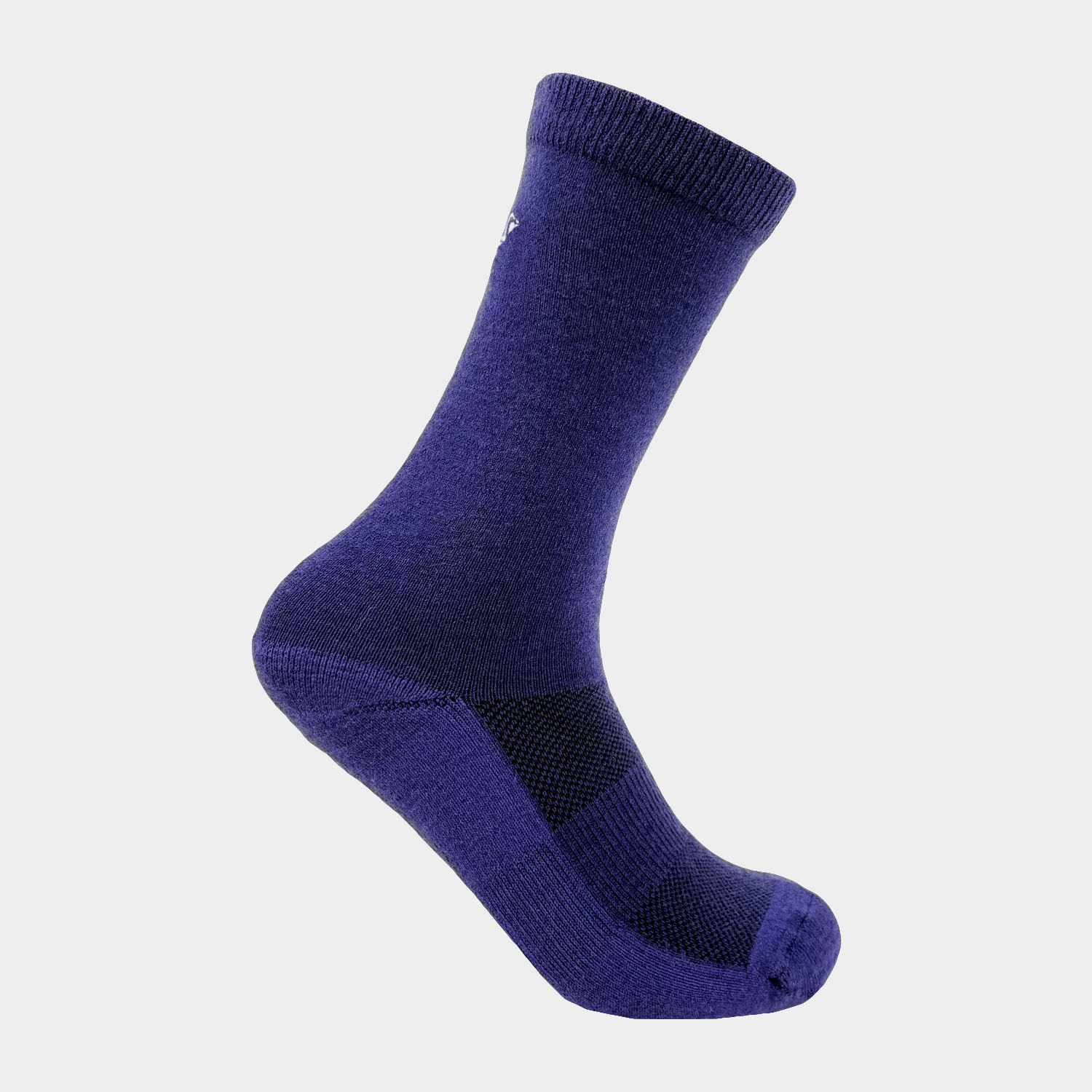
- Crew Socks: The most common hiking sock length, providing coverage around the ankle area and helping reduce friction between the skin and footwear.
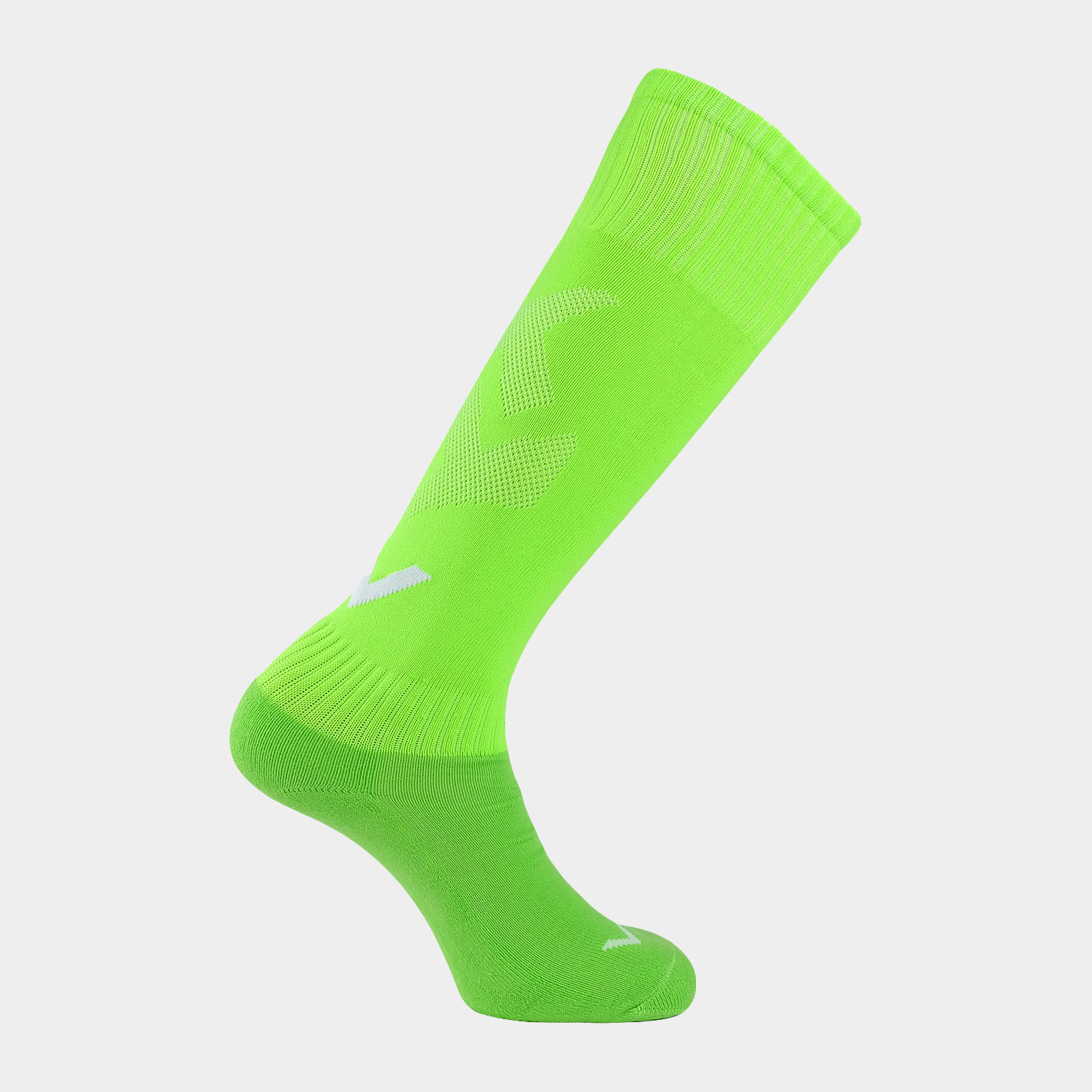
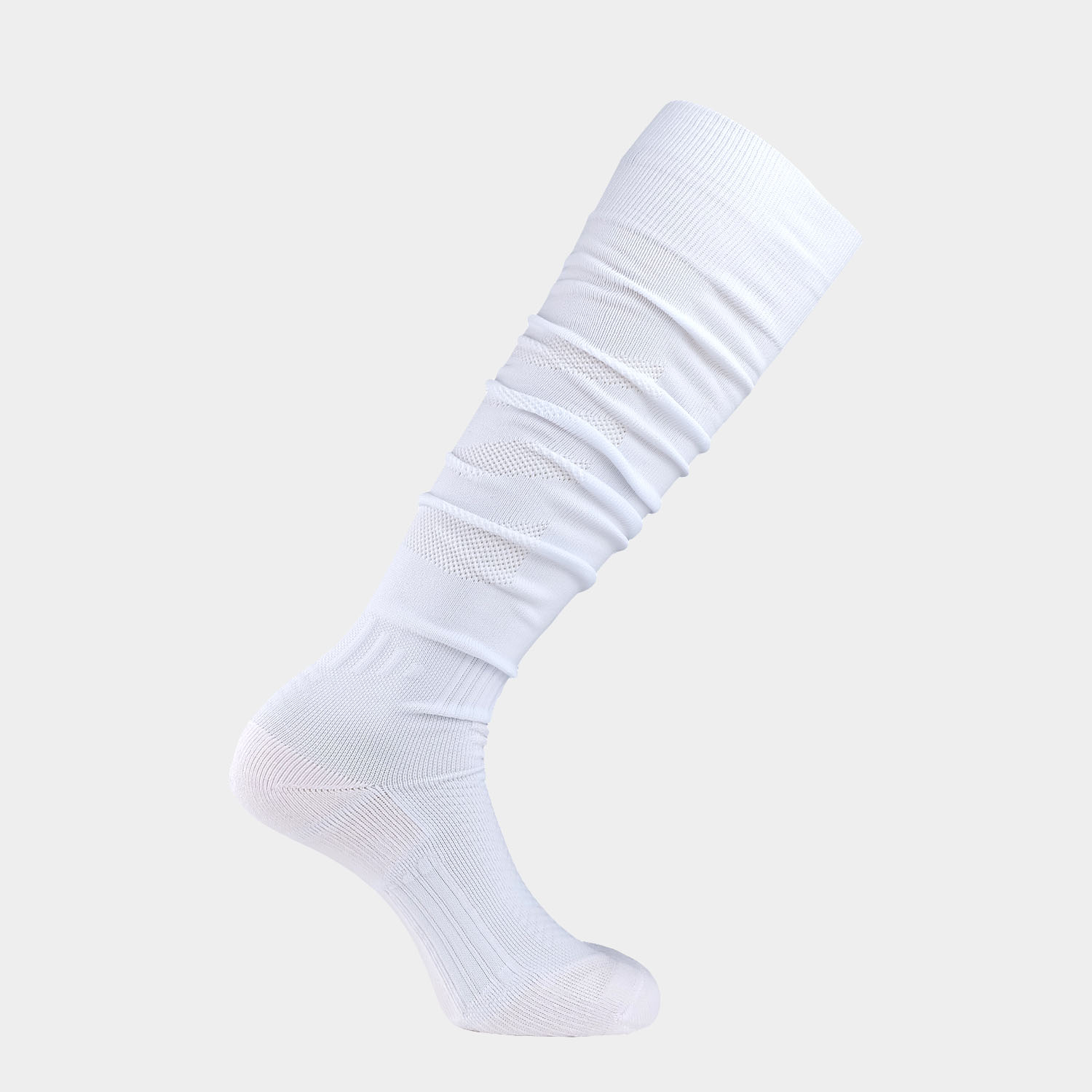
- Boot Socks: Usually designed with a higher sock height for use with hiking boots, providing better protection during challenging terrain and long-duration hiking.
Choosing the right sock height can help reduce friction from footwear and lower the risk of irritation around the ankle area.
Cushioning Level: Balancing Comfort and Performance
During long-distance hiking, the feet experience continuous impact from the ground. Therefore, many cushioned hiking socks include additional support in areas such as:
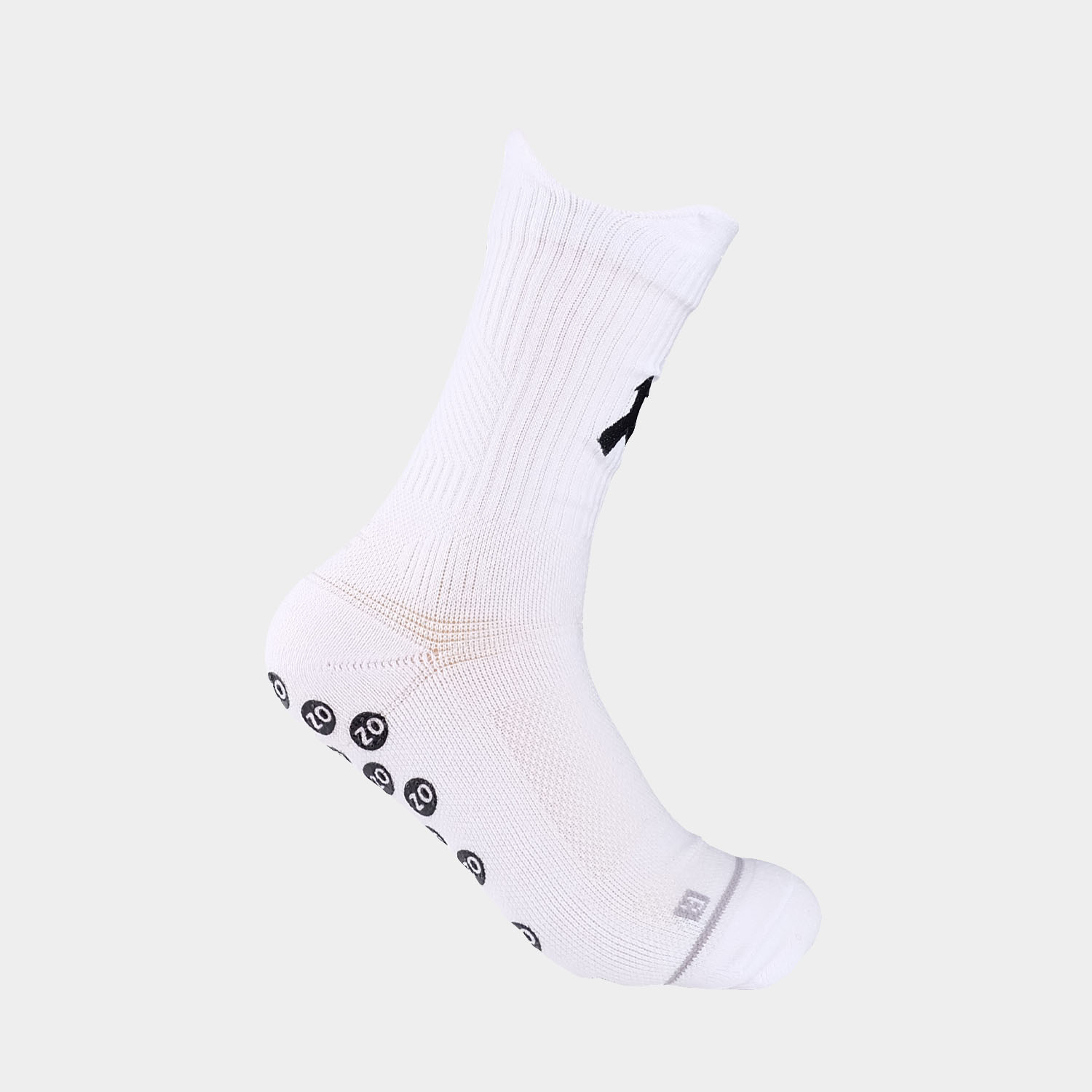
- Heel cushioning;
- Forefoot cushioning;
- High-impact zones.
Proper cushioning design can:
- Reduce pressure on the feet;
- Improve comfort during extended wear;
- Help minimize discomfort caused by friction.
However, hiking socks are not always better when they are thicker. Brands need to select different sock weights based on their target market and product positioning:
- Lightweight hiking socks: Suitable for warm weather, summer hiking, and lightweight outdoor products.
- Midweight hiking socks: Suitable for most everyday hiking and outdoor activities.
- Heavyweight hiking socks: More suitable for cold environments, winter hiking, and extended outdoor use.
Arch Support and Sock Fit
During long hiking activities, socks that cannot maintain a secure fit may cause:
- Sock movement;
- Increased localized friction;
- Reduced wearing comfort.
Therefore, many functional hiking socks include:
- Elastic arch support areas;
- Close-fitting structures;
- Targeted knitting zones.
These features help keep the sock securely positioned on the foot while improving comfort during movement.
Liner Structure and Reinforced Areas

For some premium outdoor products, brands may also consider liner structures and reinforced area designs.
Examples include:
- Seamless toe construction;
- Reinforced heel and toe areas;
- Double-layer structures or inner-and-outer layer designs.
These constructions can further reduce friction and improve durability, making them suitable for long-distance hiking and frequent outdoor use.
Custom Hiking Socks Specifications for Bulk Orders
Accurate pricing for custom hiking socks requires complete product specifications rather than only reference images or design sketches. Based on appearance alone, manufacturers cannot accurately evaluate material costs, production processes, or final pricing.
Before requesting wholesale hiking socks quotes, brands should prepare the following key specifications:
Material Composition
Brands need to define the yarn composition and percentage, such as:
- Merino wool;
- Alpaca wool;
- Cotton;
- Synthetic fiber blends.
Different material combinations directly affect product performance, MOQ, and cost.
Sock Construction Details
Sock construction parameters influence wearing experience and production solutions, including:
- Sock height (quarter, crew, boot length, etc.);
- Size range;
- Cushioning design;
- Arch support;
- Reinforced toe and heel construction.
For example, hiking socks designed for hiking boots usually require a higher sock height to reduce friction from the boot opening.
Weight and Knitting Specifications
Sock weight and knitting specifications are important factors in determining pricing.
Common references include:
- Lightweight hiking socks: approximately 40–70g per pair;
- Midweight hiking socks: approximately 70–100g per pair;
- Heavyweight winter hiking socks: 100g+ per pair.
Needle count and knitting density also affect thickness, fit, and production costs:
- High-performance hiking socks usually use 168–200 needles, while many premium outdoor socks fall within this range.
- Standard hiking socks commonly use 144–156 needles, offering a relatively looser structure with better breathability.
Design and Branding Requirements
For some premium outdoor products, brands may also consider liner structures and reinforced area designs.
Examples include:
- Seamless toe construction;
- Reinforced heel and toe areas;
- Double-layer structures or inner-and-outer layer designs.
These constructions can further reduce friction and improve durability, making them suitable for long-distance hiking and frequent outdoor use.
Order Quantity and Color Breakdown
When requesting a quotation, brands should also provide:
- Total order quantity;
- Quantity per color;
- Quantity per size.
Because MOQ is usually calculated separately by style, color, and material.
Factory insight
When looking for a custom hiking socks manufacturer, preparing a complete technical specification package can help brands receive more accurate quotations faster and reduce unnecessary modifications during development.
Custom Hiking Socks MOQ and Lead Time
The MOQ (minimum order quantity) and lead time of custom hiking socks depend on factors such as material selection, production process, and customization requirements.
Custom Hiking Socks MOQ
- For common materials such as cotton, bamboo fiber, and polyester, MOQ is usually around 100 pairs per design due to mature yarn supply and stable production processes.
- Merino wool hiking socks, as a high-performance natural fiber product, can also start from 100 pairs per design, depending on yarn availability and design requirements.
- Alpaca hiking socks usually require a higher MOQ, such as 300 pairs per design, due to the higher cost and more limited supply options of Alpaca wool yarn.
If brands choose:
- Factory stock yarns;
- Standard colors;
- Regular sock constructions;
it is usually easier to achieve a lower MOQ.
However, if the project requires:
- Special yarn development;
- Custom colors;
- Complex construction designs;
a higher order quantity may be required to balance material sourcing and production costs.
Custom Hiking Socks Lead Time
The lead time of custom hiking socks mainly depends on three stages: sample confirmation, material preparation, and bulk production.
The process usually includes:
1.Design confirmation
Confirming materials, colors, construction, sizing, and packaging requirements.
2.Sample development
Creating samples according to the design specifications and making adjustments until approval.
3.Bulk production
Starting mass production after the sample is confirmed.
Production timelines vary depending on whether the factory uses existing yarns or develops customized materials:
- Standard yarns and established designs: usually 15–25 days for production.
- Merino wool and Alpaca wool products: require early confirmation of yarn availability.
- Custom yarn development or complex designs: may require additional spinning time, often adding more than one month to the timeline.

How Brands Can Reduce Production Delays
Many production delays in custom hiking sock projects are not caused by manufacturing capacity issues, but by changes made after production preparation has started.
Adjustments to materials, colors, sock specifications, packaging, or design details can affect material preparation and production scheduling.
To reduce delays, brands should complete product confirmation before bulk production begins and communicate all requirements clearly with their manufacturing partner.
How to Choose a Custom Hiking Socks Manufacturer
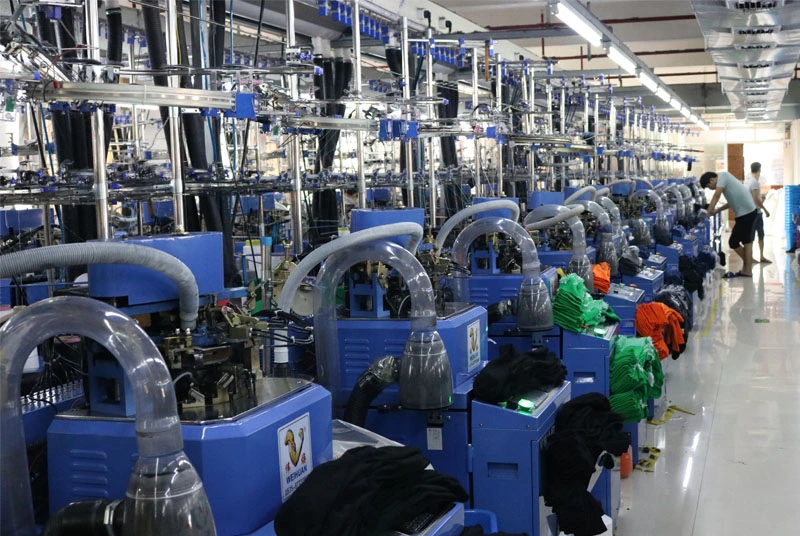
Choosing the right custom hiking socks manufacturer affects not only product quality but also supply stability, development efficiency, and long-term brand performance.
When evaluating hiking socks suppliers, brands usually consider the following factors:
- Functional sock experience: Whether the manufacturer has experience producing outdoor socks, wool socks, performance socks, and other functional products.
- Material capability: Whether the manufacturer can handle materials such as Merino wool, Alpaca wool, and functional fiber blends.
- Customization ability: Whether the supplier can support the complete customization process, from design and sampling to bulk production.
- MOQ and production flexibility: Whether the manufacturer can support different purchasing needs at different stages of brand development.
- Quality consistency: Whether the manufacturer can maintain stable quality during bulk production.
Different manufacturers have different strengths. Brands should select partners based on their product positioning, material requirements, and development goals.