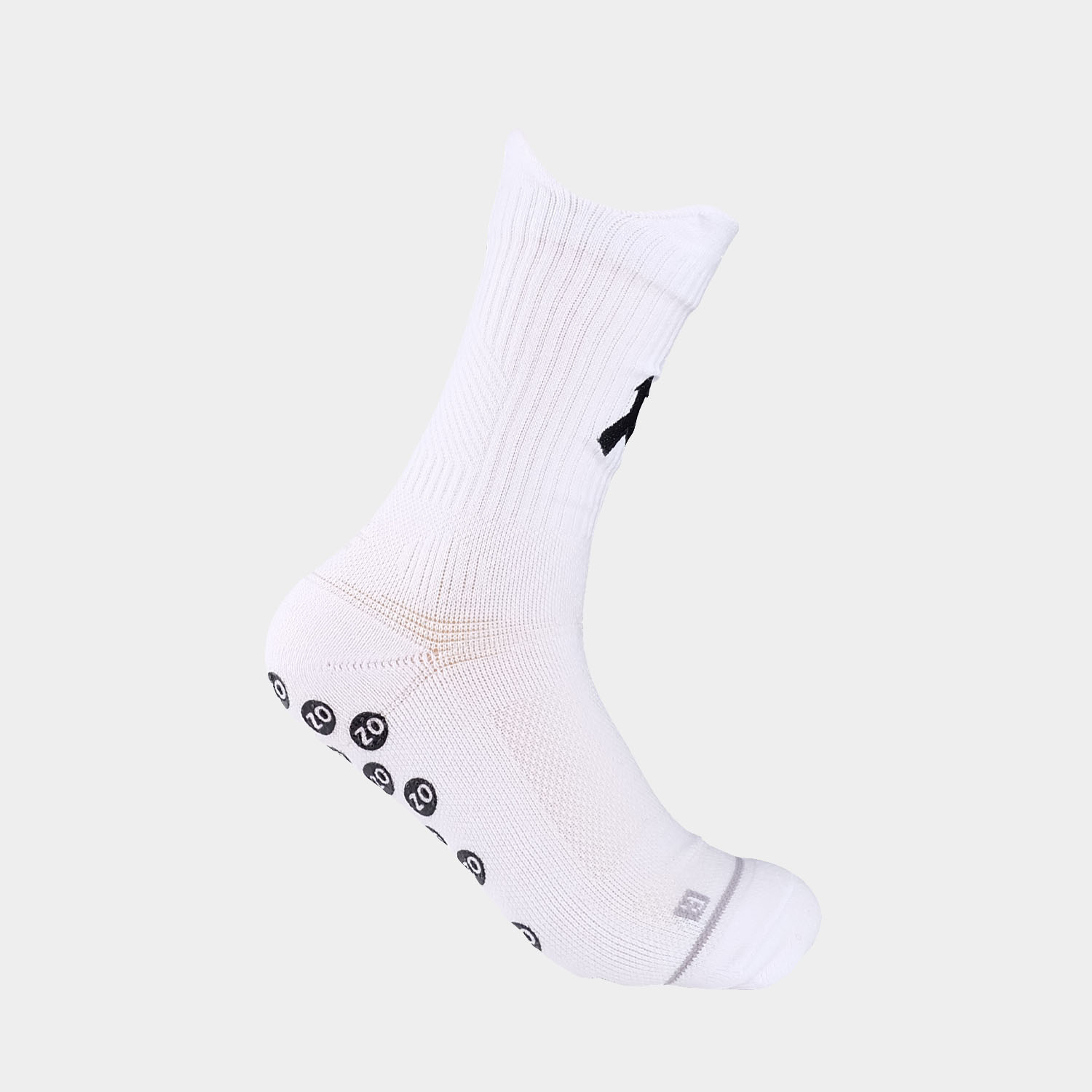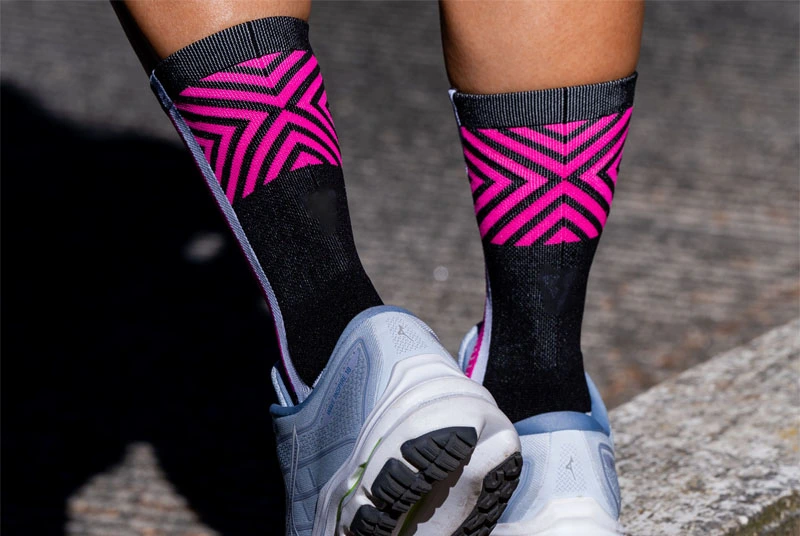
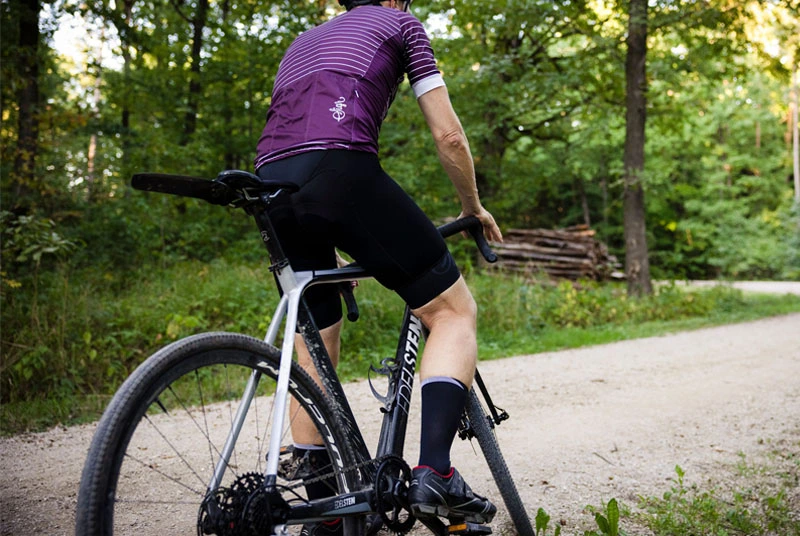
How do you choose the right pair of cycling socks? A good pair of cycling socks should be lightweight, moisture-wicking, and fit closely without bunching up inside stiff cycling shoes. In this guide, we’ll look at different riding styles, materials, sock heights, cushioning, and performance features to help you understand what makes a good pair of cycling socks and choose the one that best suits your riding needs.
Start by Choosing Socks for Your Riding Style
Not all cycling socks are designed for the same type of riding. Road cycling, racing, and indoor cycling all place different demands on breathability, fit, cushioning, and overall sock construction.
Road Cycling Socks
Road cycling usually involves long-distance rides and continuous pedaling, so lightweight, close-fitting, and quick-drying socks are generally the best choice. Since road cycling shoes typically have a narrow fit and a stiff sole, socks that are too thick can add extra bulk inside the shoe and reduce pedaling comfort.
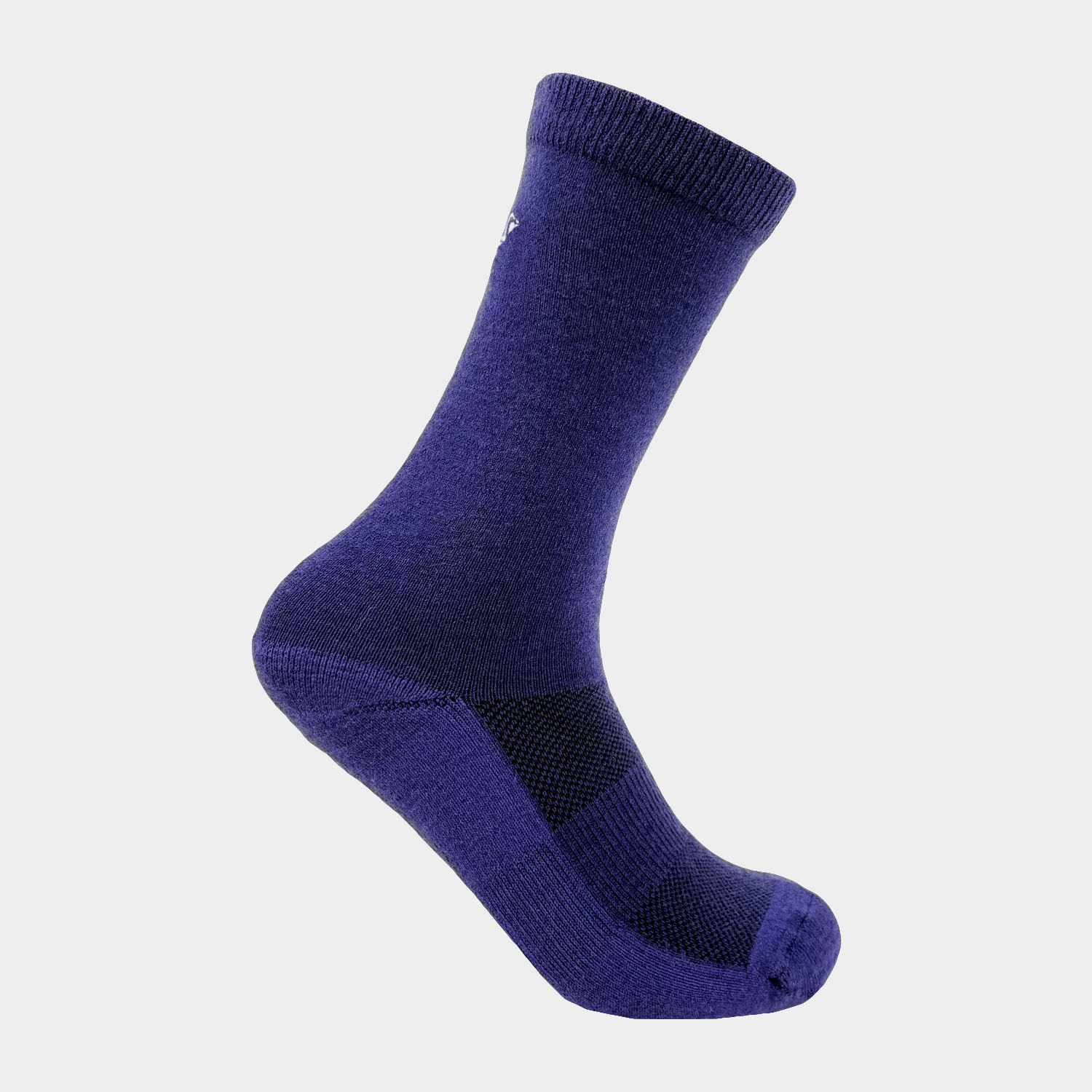
A blend of nylon and polyester with around 2–5% spandex is generally recommended to provide a good balance of durability, stretch, and moisture management. Crew socks (15–18 cm) are the most common choice for road cycling today, offering a good balance of comfort, sun protection, and overall style.
Representative Brands: Rapha, MAAP, Assos, Castelli

Cycling Race Socks
Cycling race socks place more emphasis on pedaling efficiency and aerodynamic performance. For that reason, they are usually made with an ultra-lightweight construction to reduce bulk inside the shoe and create a more direct connection between the foot and the cycling shoe.
High-gauge nylon or polyester blends with a small amount of spandex are generally recommended to provide a secure fit and fast moisture management. Most race socks come in Crew or Race Length (15–18 cm). If you compete in UCI-sanctioned races, you should also make sure the sock height complies with the current competition regulations.
Representative Brands: Rapha, Swiftwick, Castelli Fast Feet
Indoor Cycling Socks
Indoor cycling doesn’t have natural airflow to help cool your feet, so the biggest challenge is usually heat and heavy sweating rather than keeping warm.
Lightweight socks made from quick-drying synthetic fibers such as polyester, nylon, or Coolmax® are generally recommended to help sweat evaporate quickly and keep your feet dry and comfortable. In comparison, merino wool is better suited to cold outdoor conditions and is usually not the first choice for most indoor training sessions.
Representative Brands: Defeet, Rapha, Swiftwick

Factory Insight
Although cycling socks are designed for different riding conditions, there are a few construction details worth paying attention to when choosing a pair. Look for features such as seamless toe closures, arch support, mesh ventilation zones, reinforced heel and toe, and a secure elastic cuff. Together, these details help improve fit, moisture management, durability, and comfort on long rides.
Choose the Right Material
Road cycling and indoor cycling generally benefit more from quick-drying synthetic fibers. For cold weather, long-distance rides, and bikepacking, merino wool is a better choice thanks to its natural temperature-regulating properties. Bamboo, with its soft feel and good breathability, has also become increasingly popular for everyday cycling and urban commuting.
Merino Wool
Merino wool is especially well suited for cold weather, long-distance rides, and cycling in conditions with changing temperatures. It can absorb moisture while still providing excellent insulation. As your feet begin to sweat, the fibers help regulate moisture inside the shoe, reducing the chilling effect caused by dampness in cold conditions. That’s why merino wool is commonly used in socks designed for endurance cycling and bikepacking.
Synthetic Fibers
For road cycling, racing, and indoor cycling, polyester and nylon blends remain the most common choice.
Their biggest advantages are low weight, fast drying, and the ability to move moisture away from the skin to the outer layer of the fabric. This makes them especially suitable for hot weather and high-intensity riding.
Bamboo
Bamboo fibers have become increasingly popular in recent years for urban commuting, casual cycling, and summer rides. Compared with traditional cotton, bamboo offers a softer feel along with good breathability and moisture absorption, helping keep your feet comfortable. It’s also a good option for riders who wear their socks for long periods or have more sensitive skin.
Cotton
Cotton socks are generally not a good choice for cycling. Cotton absorbs sweat easily but doesn’t release moisture very quickly. When socks stay damp for a long time, they can increase friction and may lead to blisters and discomfort.
Factory Insight
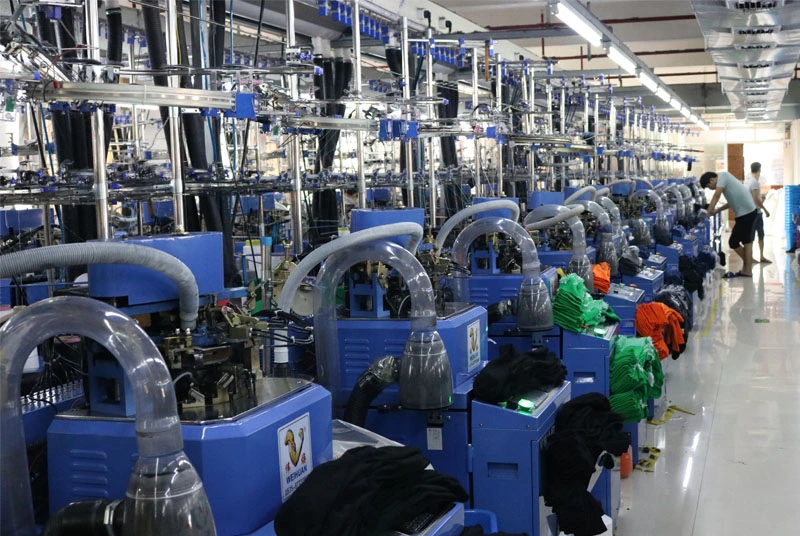
For OEM cycling socks, choosing the right material is about more than performance. It also affects color development, sampling efficiency, and production consistency. For example, we keep more than 300 commonly used bamboo yarn colors in stock, allowing many colors to go straight into sampling without additional dyeing. This helps brands confirm color options more quickly, and in many cases, the first sample can be completed in as little as one day, significantly shortening the product development cycle.
Choose the Right Height
Sock height doesn’t just affect how your socks look. It also influences comfort, protection, and the overall riding experience in different cycling conditions. For most cyclists, there isn’t one “right” sock height. The best choice depends on your riding environment, the weather, and your personal preference.
Sock Height | Approx. Length | Best For | Why It Works |
No-Show / Ankle | 5–7 cm | Indoor Cycling, Hot Weather, Casual Riding | Lightweight and highly breathable, making it ideal for warm conditions where maximum ventilation is preferred. |
Quarter / Mid Crew | 10–12 cm | Daily Road Cycling, Fitness Riding | Offers a good balance of comfort, breathability, and protection, making it suitable for everyday rides. |
Crew / Race Length | 15–18 cm | Road Cycling, Long-Distance Riding, Racing | The most popular choice among road cyclists, providing better sun protection, a secure fit, and a clean, professional look. |
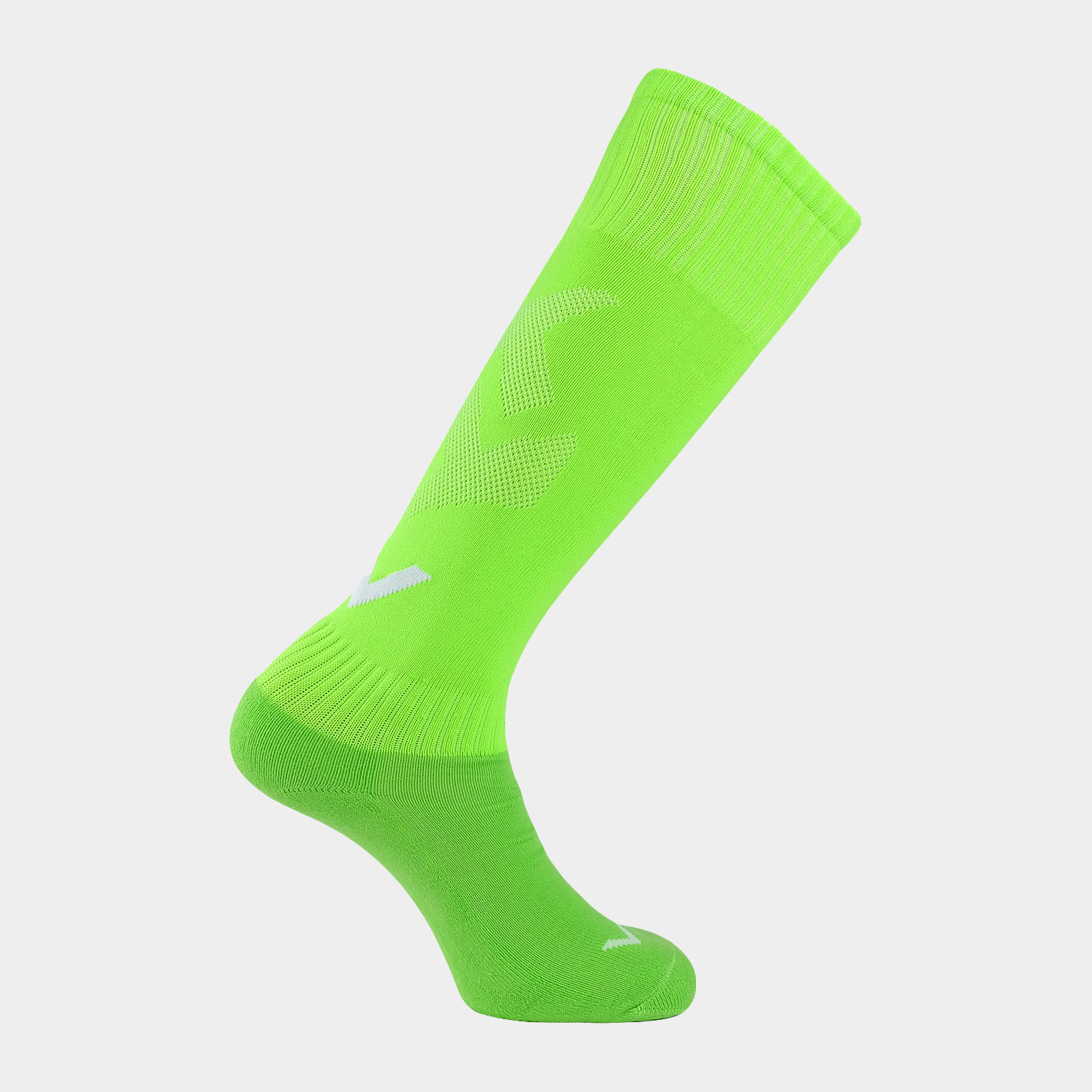
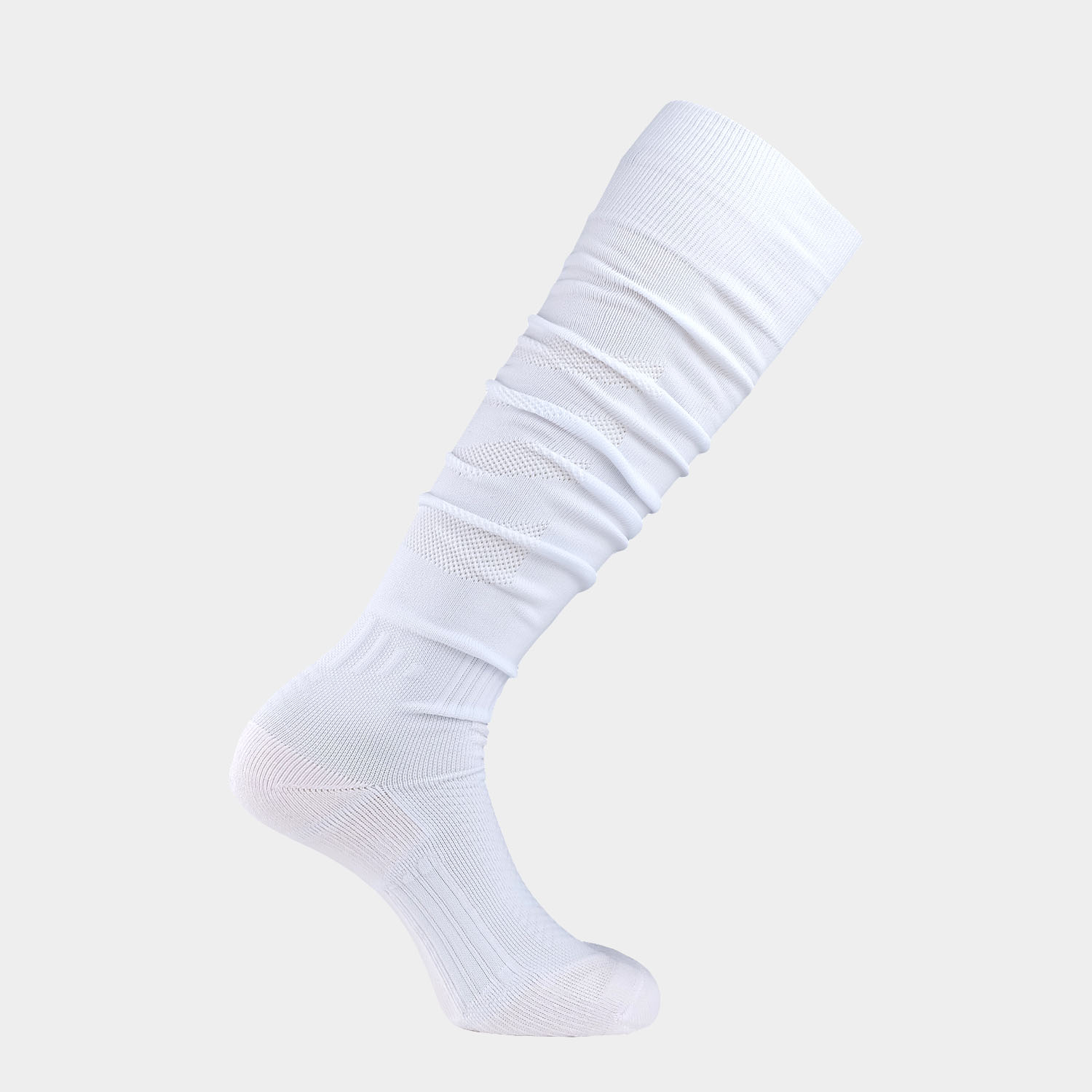
Compression Socks | Full Calf | Recovery, Endurance Training, Long Travel | Designed to promote circulation and support recovery rather than improve everyday cycling performance. |
Note: If you participate in UCI-sanctioned road races, make sure your sock height complies with the current competition regulations, as professional races have specific rules regarding sock length.
Choose the Right Cushioning
Unlike running or hiking socks, most cycling socks are not designed with thick cushioning. Since cycling shoes have stiff soles and a close-fitting design, socks that are too thick can add extra bulk inside the shoe, reduce overall fit, and even create pressure points during long rides.
For most cyclists, lightweight or targeted cushioning is generally a better choice than thick cushioning.
Cushion Level | Best For | Features |
Ultra Lightweight | Road Racing | The lightest construction available, designed to minimize bulk inside the shoe for racing and high-intensity riding. |
Light Cushion | Road Cycling, Indoor Cycling | Provides moderate comfort under the heel and forefoot while maintaining a lightweight, breathable feel. This is the most common cushioning level for cycling socks. |
Targeted Cushion | Long-Distance Riding | Adds cushioning only in high-pressure areas, such as the heel and forefoot, to improve long-distance comfort without affecting overall fit. |
What Makes a Premium Cycling Sock?
As a manufacturer, there are a few key things we pay close attention to when developing cycling socks.
A thinner sock doesn’t mean lower quality. High-performance cycling socks are usually made with a lightweight construction because cycling shoes already provide a close fit. Socks with too much cushioning can add extra bulk inside the shoe, creating pressure points around the BOA dial or lace area and reducing pedaling comfort.
Fit matters more than stretch. A good pair of cycling socks should fit like a second skin without bunching under the foot or across the top of the foot. To achieve this, manufacturers use different knitting gauges and knitting structures depending on the sock design, allowing the socks to maintain both elasticity and a secure fit over long rides.
Fiber blends perform better than a single material. Most professional cycling socks are made from a blend of nylon, polyester, merino wool, bamboo, and spandex rather than a single fiber. Different fiber combinations are used for different riding conditions to achieve the right balance of moisture management, durability, comfort, and stretch.
Sock height is about more than appearance. For road cycling, taller socks provide better sun protection and have become the standard choice for modern road cycling apparel.