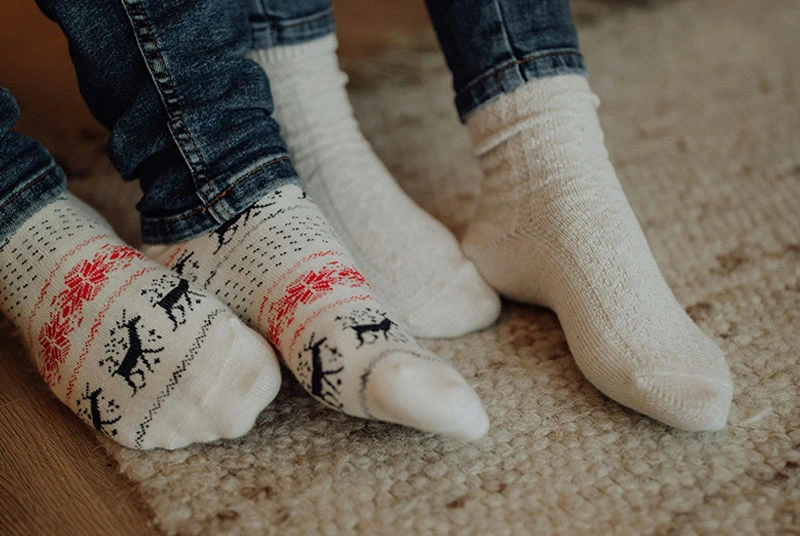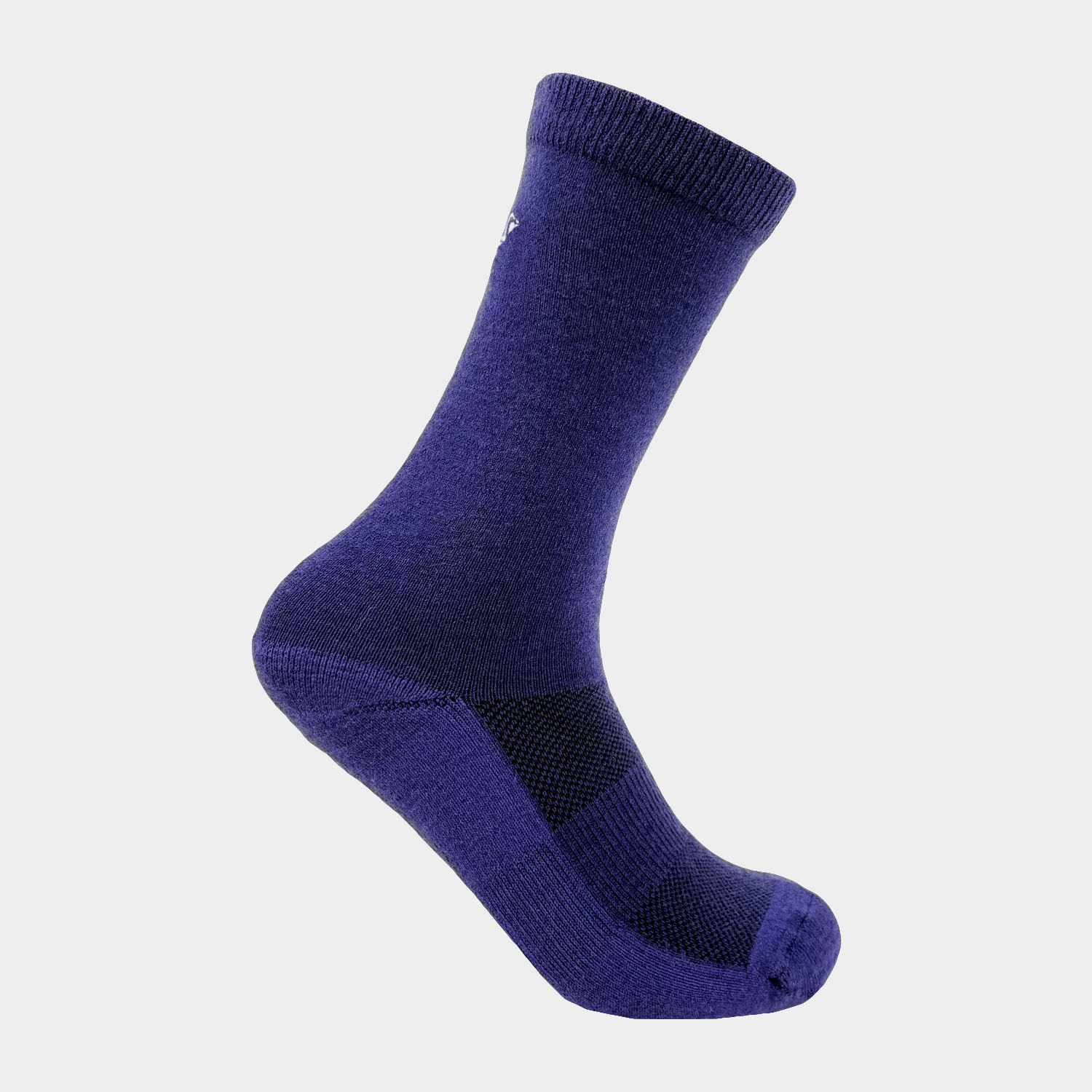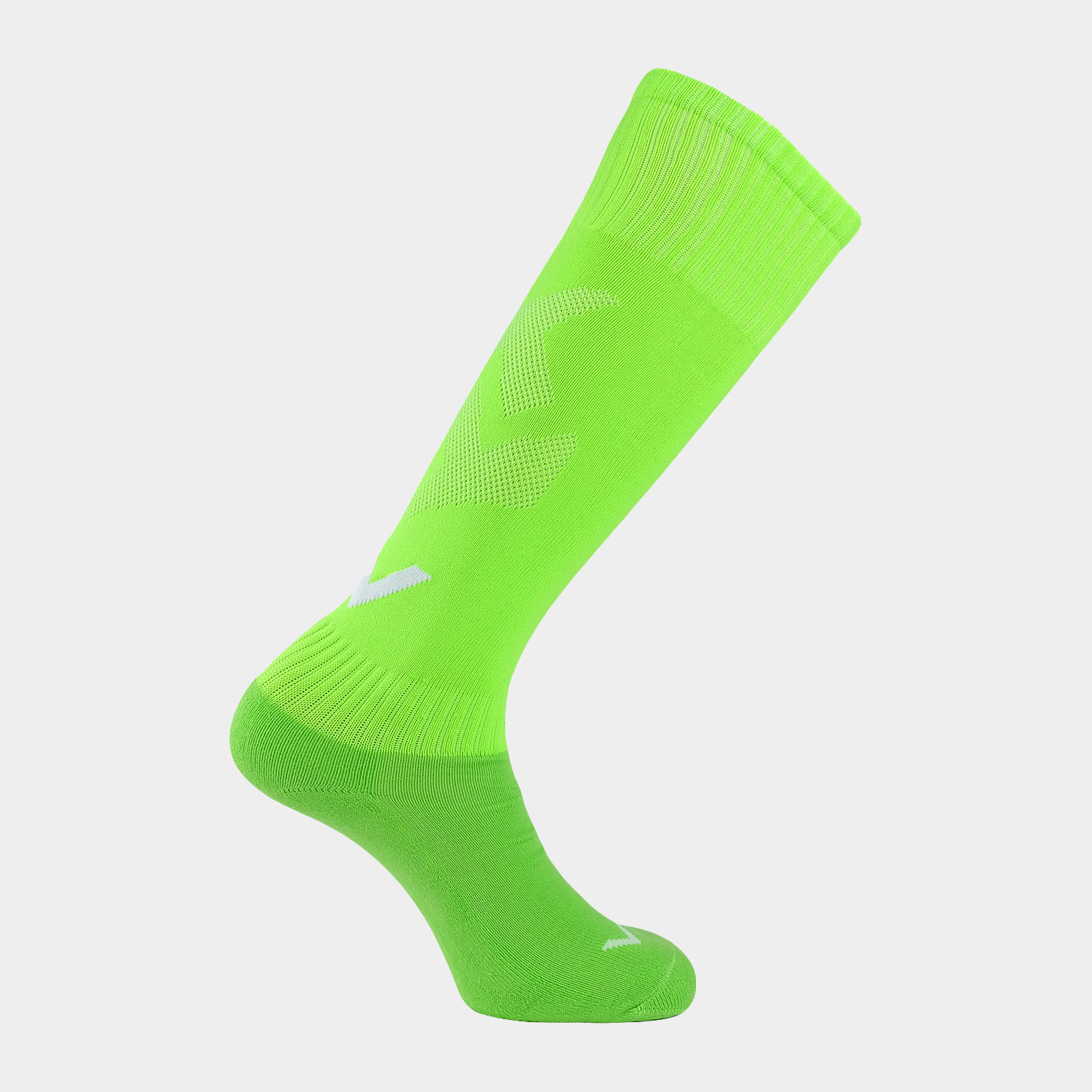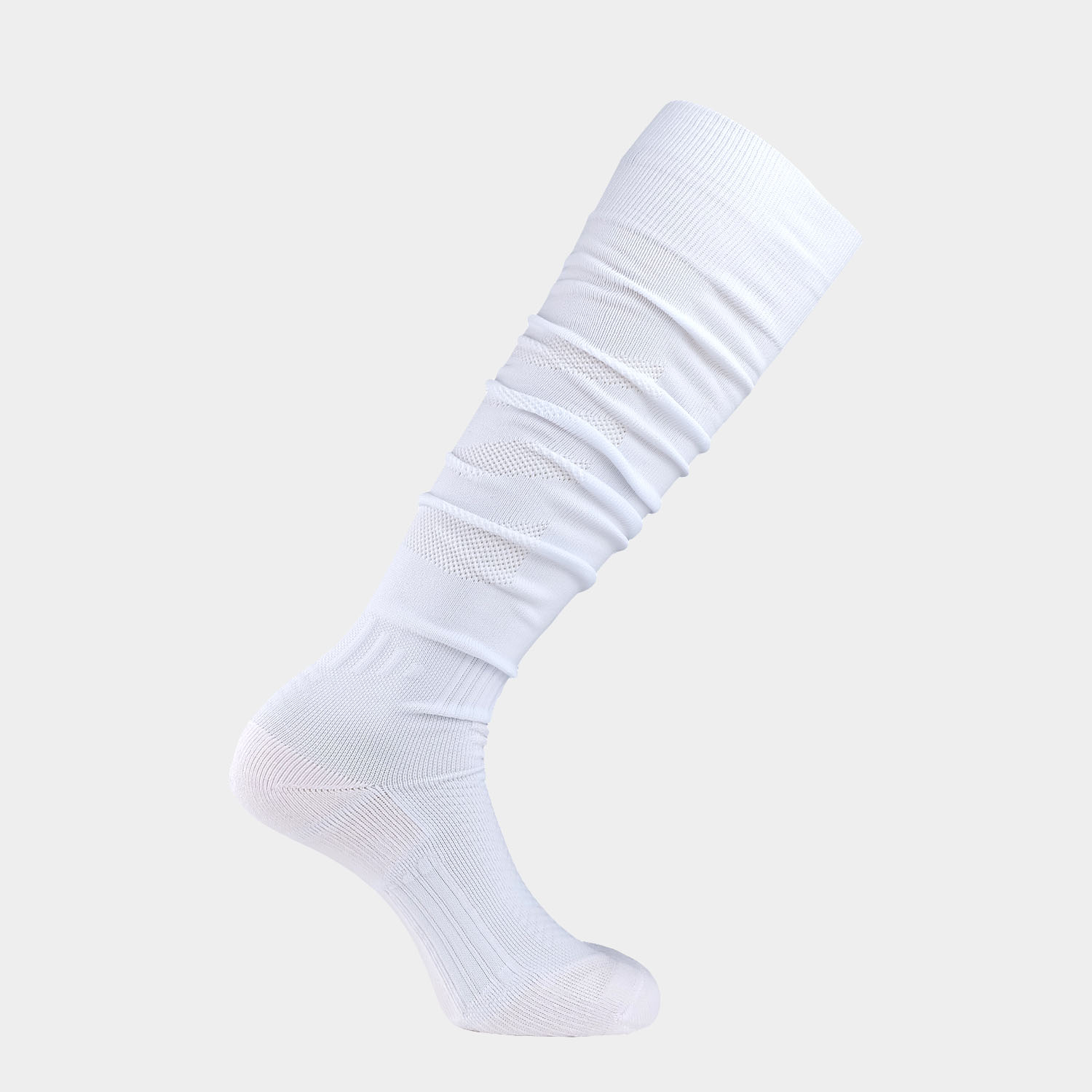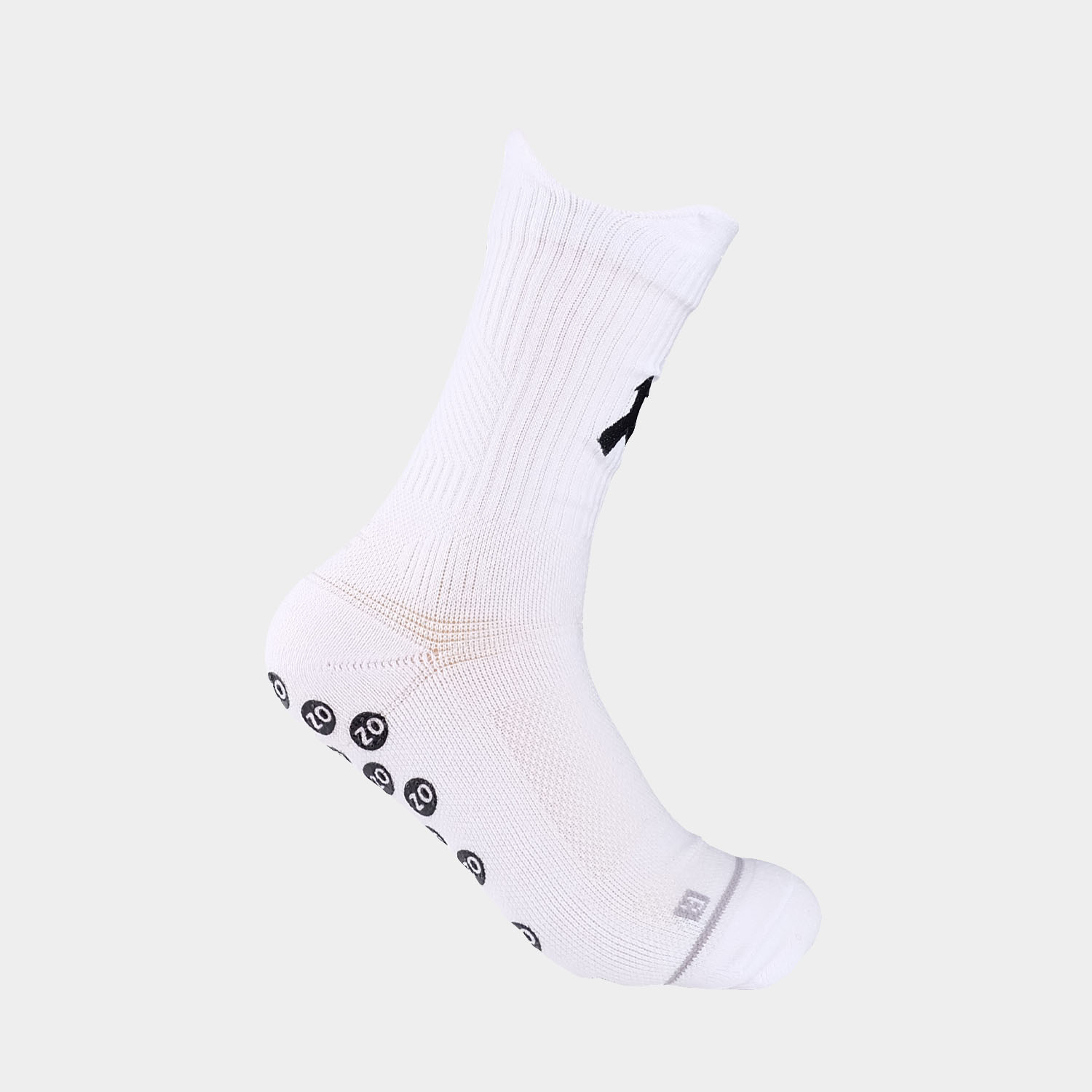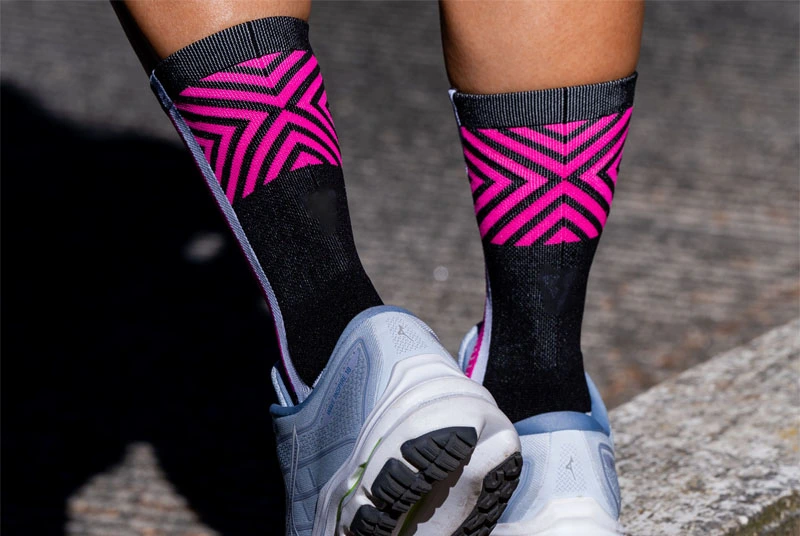
For runners, socks aren’t optional accessories—they’re necessary equipment. The thickness of socks has a big effect on the running experience; the wrong pair can undo all the benefits of the best running shoes. For the brands, this is not just a question of personal preference – the decision must take into consideration the targeted users, usage scenarios and manufacturing constraints. Science will also be interesting for brands and buyers to make business informed decisions on sock thickness.
Why Sock Thickness Matters in Running
The sock thickness, in turn, influences a few important factors: its shock absorption, the regulation of thermal conditions, moisture management and friction control. As a layer of skin between the foot and the running shoe, thin socks tend to focus on overall fit and responsiveness, giving runners the feel of the ground. Thick socks, on the other hand, use padding-like formations to absorb shock and minimize fatigue in long runs.
Thin Running Socks
Thin running socks are a product line geared toward minimal weight and maximum feel. They promote tight-fitting and foot feedback and are often worn while racing or in high intensity training. However, although the lightweight design of these products brings with it advantages, these products also have limitations.
Key Advantages of Thin Running Socks
The core strengths of thin running socks lie in their light weight and close fit.
Extra layers are removed to reduce bulk in the shoe, so socks can better hug your foot. The lighter weight construction reduces the distance between foot and ground, allowing runners to feel the surface more easily — which is important for road running that demands quick reactions, and technical trail running.
Concerning breathability, thin socks tend to promote sweating evaporation faster, so that your feet stay dry. This means that they can be used for high-intensity workouts and/or in hot conditions. And better still, they also provide unmatched compatibility with racing shoes and narrow-last running shoes.
By keeping foot crowded-free inside the shoe, they allow feet to move freely for toes with lots of room to wiggle, which in turn reduces the possibility of black toenails due to compression. That makes them an excellent option for runners with wide feet, or those who like to run with a little more room in their toe box.
Potential Limitations of Thin Construction
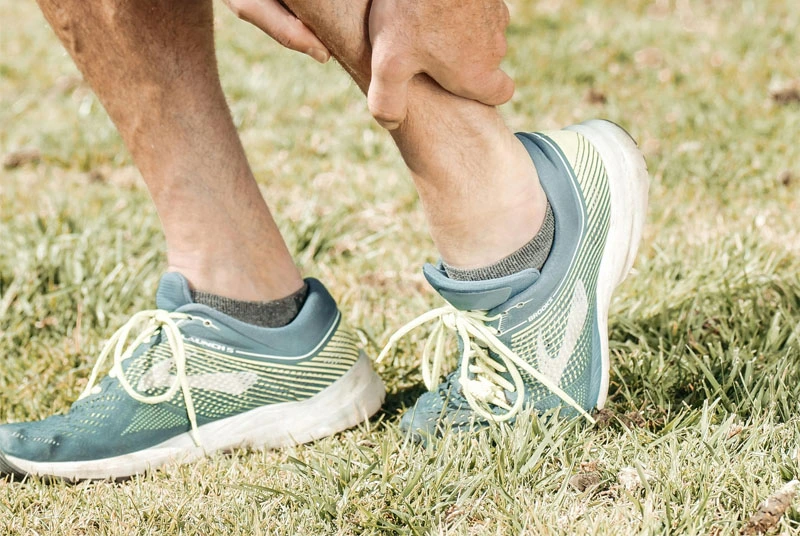
Thin socks have two main disadvantages cushioning and durability. Minimal cushioning translates to less protection when the feet take an impact. When running for long distances on roads or hard grounds, less cushioning can put more pressure on the balls of your feet and heels, which may lead to more fatigue in your soles and joints. In areas of high friction, the socks also wear out faster. If the choice of socks materials an knitting techniques is suboptimal, thin socks may also provide uneven blister protection.
Best Use Cases for Thin Running Socks
- Races and speed training
- Hot or humid climates
- Running shoes requiring ample toe box space
- Runners prioritizing lightweight feel and responsiveness
Thick Running Socks
Thick running socks focus on cushioning and protection. With a higher knit density or terry loop construction, they provide firm support and comfort for long distances or in adverse conditions. But the breathability of a shoe and the fit of space in the shoe should also be taken into account.
Key Advantages of Thick Running Socks
The main advantage of thick running socks is cushioning and protection. Reinforced knit construction, terry cloth soles in particular, decelerate the impact of hitting the ground, which prevents fatigue in the feet as well as relieve pressure on the feet, ankles, and knees. This is what makes them perfect for distance or daily high mileage training. Thick running socks deliver more padding in areas of high friction such as the heel, the forefoot, and the toes, which acts as a physical barrier and greatly diminishes the risk of blisters. Thicker socks also insulate better in the cold. In addition, the thicker material generally results in greater durability.
Potential Limitations of Thicker Cushioning
The only trade-offs with broader socks are in breathability and shoe fit. Thicker fabrics can trap heat, causing excessive sweating in warm weather. In narrower running shoes, they can also create a cramped feeling… Also, greater thickness typically translates into a higher material consumption, which the cost controllers may find difficult to handle. Too much cushioning can dull ground feel, reducing flexibility and feedback. If the running shoe itself is tight or narrow, thick socks may lead to cramping and numbing of the toes.
Best Use Cases for Thick Running Socks
- Long-distance and recovery runs
- Cold-weather training
- Running on rough terrain or high-impact surfaces
- Runners prioritizing comfort and protection

Thick vs Thin Running Socks: Key Differences
In practical product planning, thick and thin socks aren’t simply opposites of “comfort” versus “lightweight.” They exhibit systematic differences across multiple dimensions, which determine their respective user fits and usage scenarios.
Feature Dimension | Thin Running Socks | Thick Running Socks |
Cushioning & Protection | Limited cushioning, prioritizes natural ground feel | Enhanced cushioning, focuses on impact absorption |
Breathability & Heat Management | Excellent airflow, keeps feet dry | Moderate breathability, may retain more heat |
Weight & Bulk | Ultra-lightweight, minimal presence | Heavier, more noticeable on foot |
Shoe Space Occupation | Minimal volume, leaves more room inside the shoe | Takes up more internal space, may fill tighter shoes |
Temperature Regulation | Ideal for hot weather | Suitable for cool or cold conditions |
Best Shoe Pairing | Racing shoes, snug training shoes | Cushioned trainers, slightly roomier shoes |
How Thickness Influences Running Performance
Sock thickness influences both comfort and, in a more indirect manner, the performance of the runner. Running distance, pace, terrain and weather conditions influence the demand for thickness.
Distance Running and Training Load
- Short Distance/High Intensity: Thin socks with a lightweight feel and direct feedback are often preferable when the high cadence and efficiency of running promote high intensity.
- Long Distance/Endurance Runs: As distance increases, cumulative impact is the main consideration. Longer-lasting foot and leg comfort and cushioning ofthicker socks can prevent tired feet and potential injuries.
Pace, Foot Strike, and Running Style
- Forefoot/Full-foot strikers: More sock fit and stability is needed and they tend to prefer thin or medium-thickness socks.
- Heel strikers: Higher impact forces and they tend to use more cushioning elements to absorb
Terrain: Road vs Trail Considerations
- Road Running: The hard but even terrain accounts for the cushioning properties of thick socks.
- TechnicalTrail Running: Challenging, unpredictable terrain where the tactile feel of thin socks and flexibility can trump pure cushioning.
Seasonal and Climate Factors
- Summer/HumidConditions: Thin socks’ breathability and moisture-wicking abilities are most important.
- Winter/Dry Cold Conditions: Thick socks’ warmth and cushioning become critical.
For Brands: Thickness as a Product Strategy
From a brand perspective, thickness is not merely a functional parameter but a crucial tool for structuring product lines and defining market positioning. By strategically planning cushioning tiers, brands can achieve product differentiation while managing production complexity.
Aligning Thickness with Target Runner Profiles
Running socks of varying thicknesses fundamentally cater to distinct user segments. Defining target demographics helps avoid ambiguous product positioning.
- Elite/Speed Runners: Product lines should focus on ultra-thin to medium thickness, emphasizing lightweight and racing technology.
- Mainstream/Fitness Runners: Product lines should prioritize medium to thicker options, highlighting comfort, protection, and durability.
- Trail/Outdoor Runners: Offer multiple thickness options with reinforced designs in specific areas.
Entry-Level vs Performance-Focused Product Lines
Entry-level products typically emphasize comfort and durability, while performance-focused lines prioritize weight, feel, and functional details. Thickness is often a key differentiator between these categories.
- Entry-level: Offer “universal” medium thickness for cost-effective, basic protection across most scenarios.
- Professional-grade: Requires precise thickness and functional zoning (e.g., lightweight racing models, long-distance cushioning models, all-terrain trail models), supported by technical narratives (e.g., zoned cushioning, differentiated knits) to justify premium pricing.
Managing SKU Through Thickness Variations
Expanding product lines via thickness variations represents a relatively controllable SKU strategy. Compared to completely altering materials or construction, thickness adjustments are easier to scale in production.
Thickness as a Perceived Value and Pricing Factor
Thicker, more complex knits (like high-density terry loops) inherently signal “generous material use” and “premium quality” due to increased yarn consumption and longer machine production times. Leveraging this perception allows optimizing pricing structures without significantly increasing complexity.
How to Choose the Right Thickness for Your Running Sock Line
Selecting the appropriate thickness for a running sock line isn’t a simple choice between “thick” and “thin.”
It’s a comprehensive decision-making process involving usage scenarios, product positioning, cost control, and mass production stability.

Defining the Primary Use Scenario
Ask yourself: Is this sock designed for urban marathons, mountain trail running, daily fitness, or winter training? Defining the scenario is the starting point for thickness selection.
- Racing: Typically emphasizes lightweight construction and foot feedback, favoring ultra-thin or light cushioning designs.
- Training: Requires balancing comfort and responsiveness; light or medium cushioning is often more suitable.
- Endurance Runs: Prioritizes shock absorption and fatigue management, making medium cushioning structures advantageous.
Matching Thickness with Shoe Design
Sock thickness should never be chosen in isolation from the shoe itself. Running socks and shoes form a synergistic system in practice, where thickness directly impacts space utilization, snugness, and cushioning layering effects.
Mismatched thickness can cause:
- Compressed foot space leading to a cramped sensation
- Excessive cushioning layering resulting in a “spongy” feel
- Insufficient cushioning amplifying impact pressure
Therefore, product planning should include sample testing with target shoe models rather than isolated sock evaluations.
Balancing Performance, Cost, and Scalability
Thickness selection impacts not only wearability but also directly influences cost structure and production feasibility.
Thicker socks typically entail:
- Higher yarn consumption
- More complex terry loops
- Increased single/double material costs
However, this does not automatically equate to “premium” status.
Brands must assess whether the added cost aligns with target market demand and pricing potential.
Additionally, thickness variations impact production efficiency and scalability.
Excessive cushioning tiers within a product line may require frequent machine parameter adjustments, potentially reducing overall production efficiency.
Therefore, thickness selection should balance three key factors:
- Performance
- Cost Structure
- Scalable Production Capability
Validating Choices Through Sample Testing
Conducting comparative tests with different thickness versions before mass production is crucial for mitigating development risks.
It is recommended to validate at least two cushioning variants, such as:
- Thin vs Light Cushion
- Light Cushion vs Medium Cushion
Key testing areas should include:
- Foot fatigue after prolonged wear
- Spatial adaptability across different shoe silhouettes
- Structural stability after washing
- Abrasion resistance in high-friction zones
By analyzing wear-test and functional data, the optimal thickness can be rationally determined rather than relying on subjective preferences.
Conclusion
There is no single “best thickness” for running socks—only the thickness best suited to specific use cases and product positioning. Only by clearly defining target users and application scenarios, and strategically planning sock thickness, can truly competitive running sock products be created.