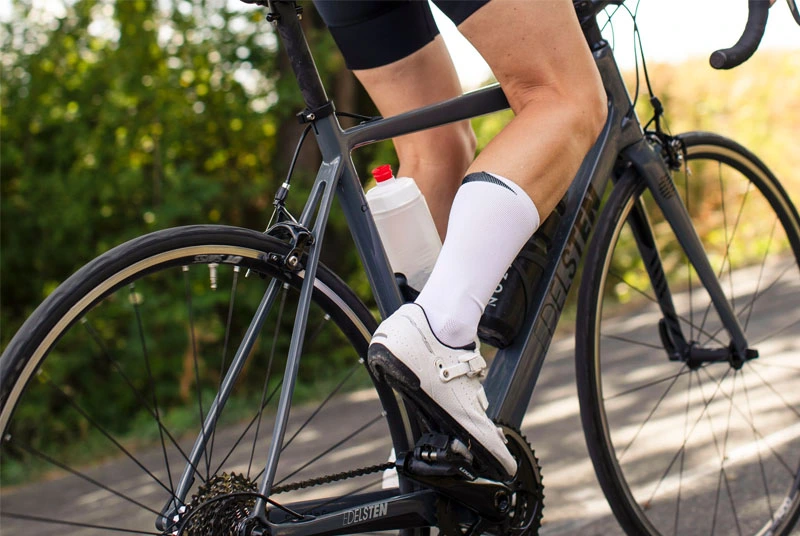
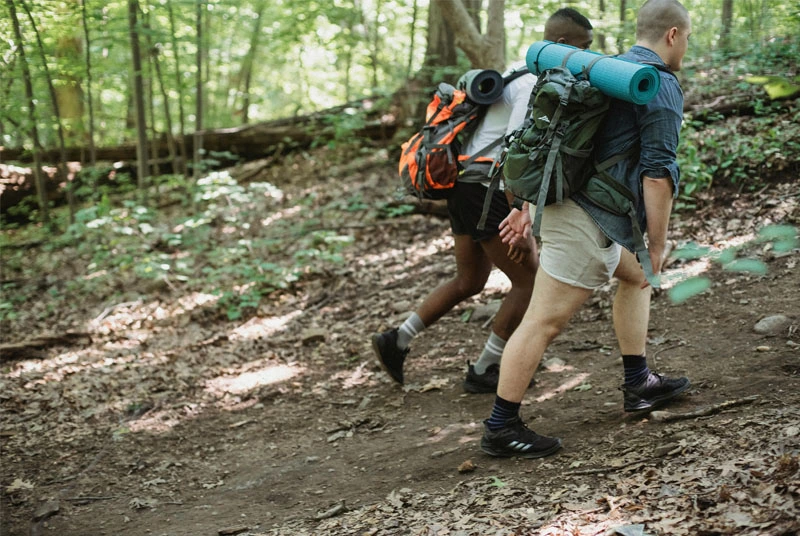
According to textile research, Merino wool absorbs up to 30% of its weight in water before feeling wet to the touch. This absorption actively pulls sweat away from the skin during physical activity. The fiber helps reduce the cold, damp feeling that builds when sweat stays against the skin.
Selecting the right pair requires matching fabric weight, cushioning density, and footwear use to your environment. Checking the synthetic blending ratio helps you avoid rapid material breakdown. Proper sizing and targeted construction prevent friction blisters while maintaining body heat outdoors.

Matching Merino Wool Weight to Weather Conditions
Fabric density directly influences thermal regulation. Some sock manufacturers measure this material weight in GSM, while retail pages use ultralight to heavyweight labels. Cross-referencing these specs with a complete Merino wool socks guide matches exact fabric density to your target climate, preventing overheating and cold exposure.
Merino Wool GSM Specification Chart:
Reviewing standard factory metrics aligns material thickness directly with your environmental temperature.
Weight Category | GSM Range | Target Climate | Core Physical Function |
Ultralight | Under 150 GSM | Summer heat | Maximizes airflow and accelerates sweat evaporation |
Midweight | 150 to 250 GSM | Autumn or spring | Balances warmth and vents excess heat |
Heavyweight | Over 250 GSM | Freezing environments | Traps body heat and creates air pocket insulation |
Wearing Ultralight Under 150 GSM for Summer Heat
Ultralight socks maximize airflow to keep feet dry in high temperatures. Factories knit these garments with minimal yarn density to accelerate sweat evaporation. If you select thicker materials during summer, the fabric traps body heat and accelerates friction blisters.
Choosing Midweight 150 to 250 GSM for Shoulder Seasons
Midweight options balance warmth and breathability for autumn or spring weather. This intermediate GSM provides insulation for cold mornings while venting excess heat during physical movement. Selecting this versatile weight protects your feet when temperatures drop suddenly.
Picking Heavyweight Over 250 GSM for Freezing Environments
Heavyweight construction traps body heat to withstand freezing conditions. Dense terry loop knitting creates thick air pockets inside the sock. This physical barrier defends your skin against cold air. If you rely on lighter weights in snow, the lack of insulation can lead to faster heat loss, numb toes, and a colder ride or hike.
Selecting Cushioning Levels for Impact Protection
Cushioning volume directly influences shock absorption, boot fit, and how much room your toes have. Sock manufacturers adjust internal yarn loops to create required padding thicknesses. Matching this padding density to your activity prevents early foot fatigue.
Footwear Compatibility and Cushioning Chart:
Adjusting internal loop density protects your joints while ensuring the fabric fits within the internal volume of your footwear.
Cushioning Level | Best Footwear Match | Manufacturing Construction | Prevented Risk |
Zero Cushioning | Tight sneakers, cycling shoes | Flat fabric surface (no internal loops) | Restricted blood circulation, toe numbness |
Targeted Zones | Trail running shoes | Loops under heel/forefoot, thin instep | Lace pressure, joint impact |
Maximum Density | Stiff mountaineering boots | Full bed terry loops | Heel blisters, arch pain |

Wearing Zero Cushioning Designs for Tight Athletic Shoes
Zero padding designs fit easily inside rigid cycling shoes or tight sneakers. Factories skip the internal looping process to maintain a flat fabric surface. If you stuff thick material into compact footwear, the extra bulk restricts blood circulation and accelerates toe numbness.
Selecting Targeted Cushioning Zones for Trail Running
Zoned padding absorbs repetitive impact on uneven terrain. Knitting machines place concentrated yarn loops directly under the heel and forefoot while leaving the instep thin for heat dissipation. This selective construction softens repeated foot strike and helps reduce lace pressure across the top of your foot.
Choosing Maximum Cushioning Density for Heavy Load Hiking
Full density padding cushions your foot against stiff mountaineering boots. Heavy loops wrap around the entire footbed and lower leg to distribute backpack weight across your stride. If you wear thin socks while carrying heavy loads, the sustained friction accelerates heel blisters and arch pain.
Verifying Synthetic Blends in Merino Wool Socks
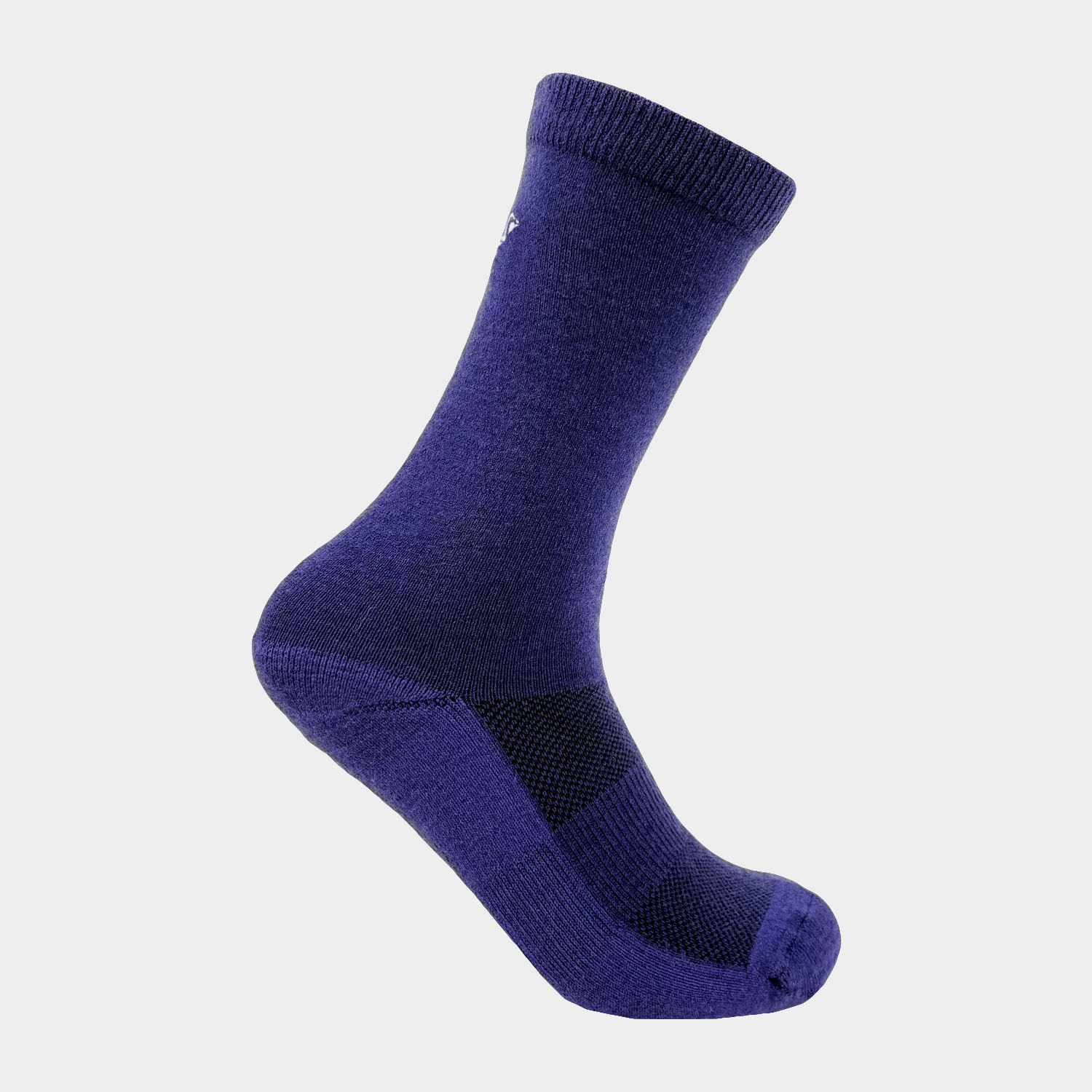
Blending synthetic yarns with pure Merino fibers prevents rapid fabric deterioration. Learning how to decode the blend protects high-friction zones against early material failure. Sock factories execute this reinforcement by wrapping nylon threads directly around natural wool strands, securing the heel, toe, and arch.
- Nylon Reinforcement: Manufacturing lines weave high tensile nylon into friction zones like the heel and toe. Knitting this synthetic fiber alongside the wool reinforces the material to prevent premature holes during outdoor movement.
- Spandex Elasticity: Elastane threads provide memory stretch across the arch and ankle. If a factory skips this elastic component, the wet fabric loses tension rapidly and generates sock sagging inside your footwear.
Ensuring Proper Fit to Prevent Blisters
Sock fit directly influences friction levels against your skin. Manufacturers program 3D knitting machines to match human foot anatomy. Securing this contour prevents the fabric from bunching and generating friction blisters.
Checking for Arch Support and Snug Compression
Arch compression secures the material against your foot. Production lines knit spandex rings into the midfoot to anchor the fabric. If you wear socks lacking this tension, the material slips inside your shoe and accelerates arch fatigue.
Finding Seamless Toes to Prevent Rubbing
Seamless toe closures flatten the fabric ridge above your toes. Factories operate linking machines to stitch the toe box flat. When you wear traditional seams, the raised thread rubs against the shoe interior and accelerates toe blisters.
Deciding Whether to Size Up or Down
Sizing down can reduce excess material if you are between sizes, but the brand size chart should still lead the decision. Merino wool naturally stretches to match your foot profile. This elasticity allows the smaller size to maintain required compression. If you buy oversized socks, the extra fabric folds over and generates friction points.
FAQ
Q1. Do Merino Wool Socks Cause Skin Itching?
Fine merino wool socks prevent standard skin itching. When these ultrafine fibers touch human skin, they bend easily instead of creating physical abrasion. This structural flexibility defends your feet against surface irritation.
Q2. How Often Should You Wash Merino Wool Socks?
Wash Merino wool socks when they carry visible dirt or smell damp after active wear. Mastering exactly how to wash wool socks preserves the natural keratin that neutralizes odor bacteria. If you run these garments through daily detergent cycles, the chemical breakdown accelerates fiber degradation.
Q3. Can You Put Merino Wool Socks in a Tumble Dryer?
Avoid putting Merino wool socks in a heated tumble dryer. High machine temperatures shrink the natural protein fibers. If you expose the fabric to this intense heat, the process damages internal spandex rings and warps the original sock shape. Air drying the material flat maintains the required compression fit.
Q4. How Long Does a Pair of Merino Wool Socks Last?
A quality pair of Merino wool socks lasts eight to twelve months under regular outdoor use. Factories blend the natural wool with nylon reinforcement to extend this timeline. If you wear unblended pure wool against rigid footwear, the sustained friction generates premature holes at the heel. Preventing this early material failure drives practica lsustainability by keeping textile waste out of landfills.
Conclusion
Choosing the right Merino wool sock starts with matching fabric weight, cushioning level, and synthetic blend ratio to your weather, footwear, and activity level. Getting these sock details right helps manage warmth, moisture, pressure, and skin friction during daily wear or outdoor use. When sizing or material ratios are off, the fabric can bunch, sag, wear through faster, and increase blister risk.
For brands, retailers, or teams developing custom Merino wool socks, Sockcn supports material selection, design customization, sampling, and bulk production. This support helps turn fabric weight, cushioning, and blend choices into socks that better match retail or team-use requirements.