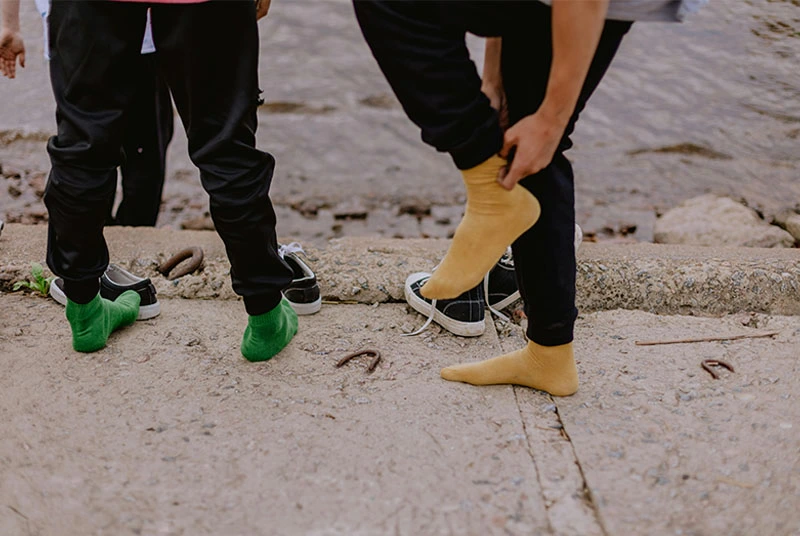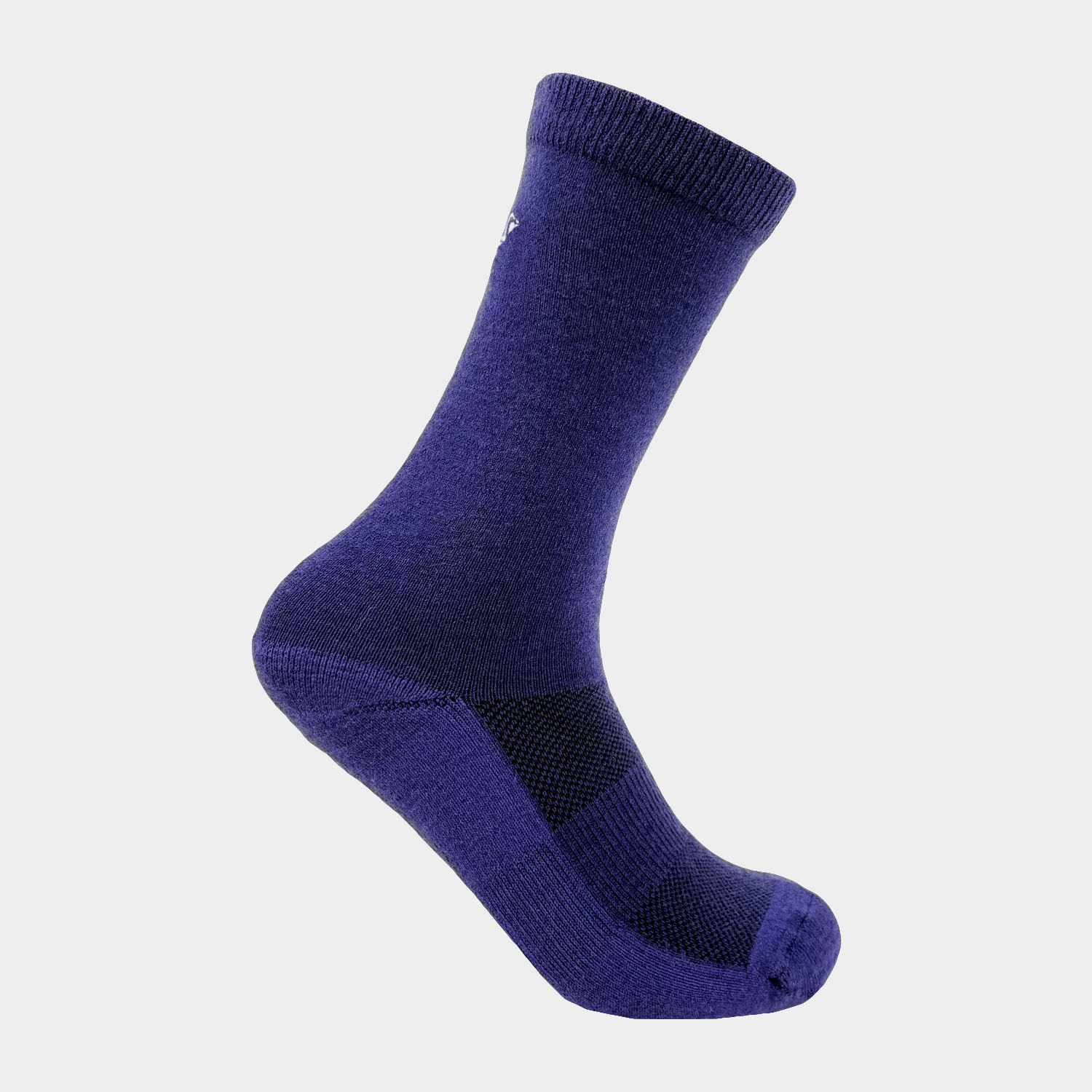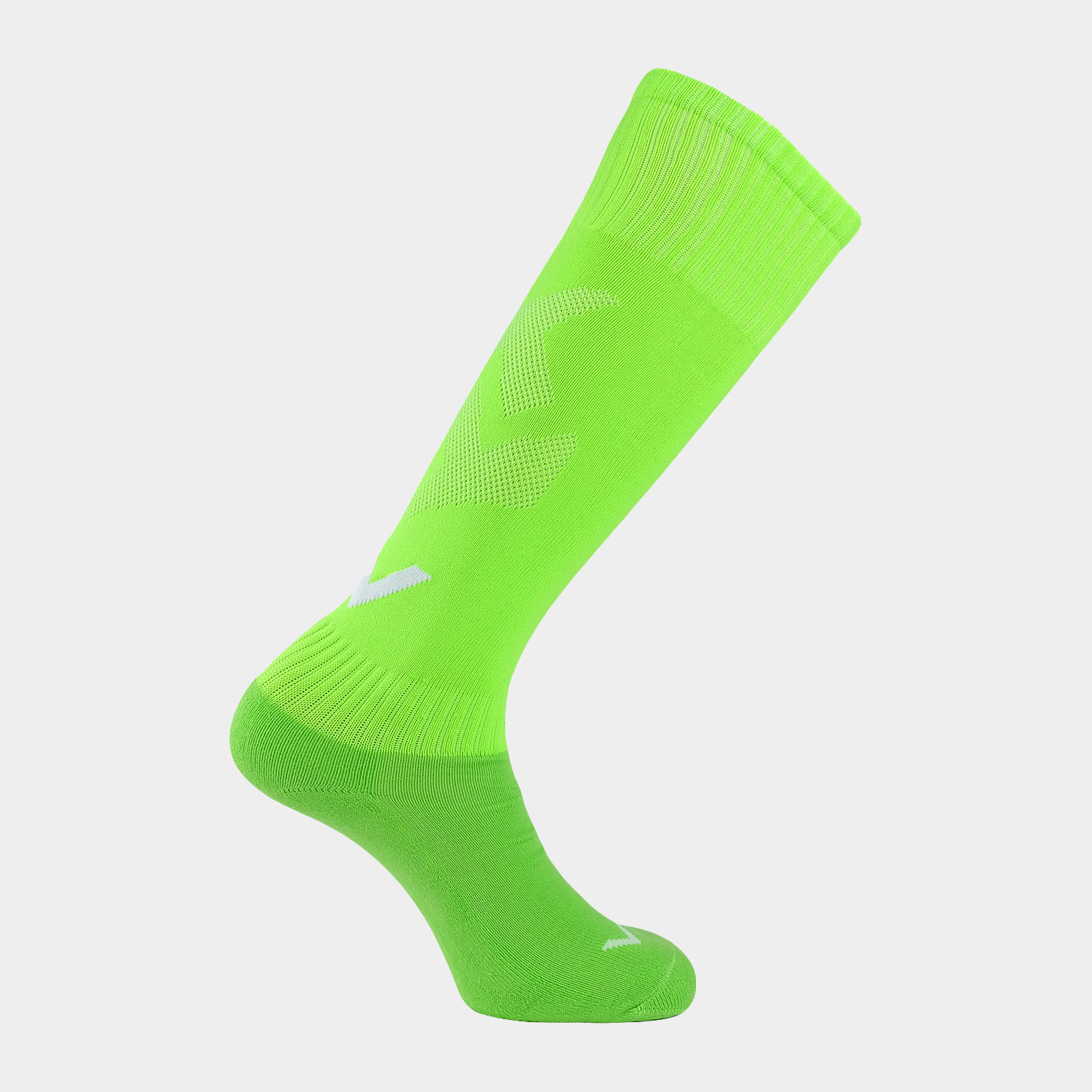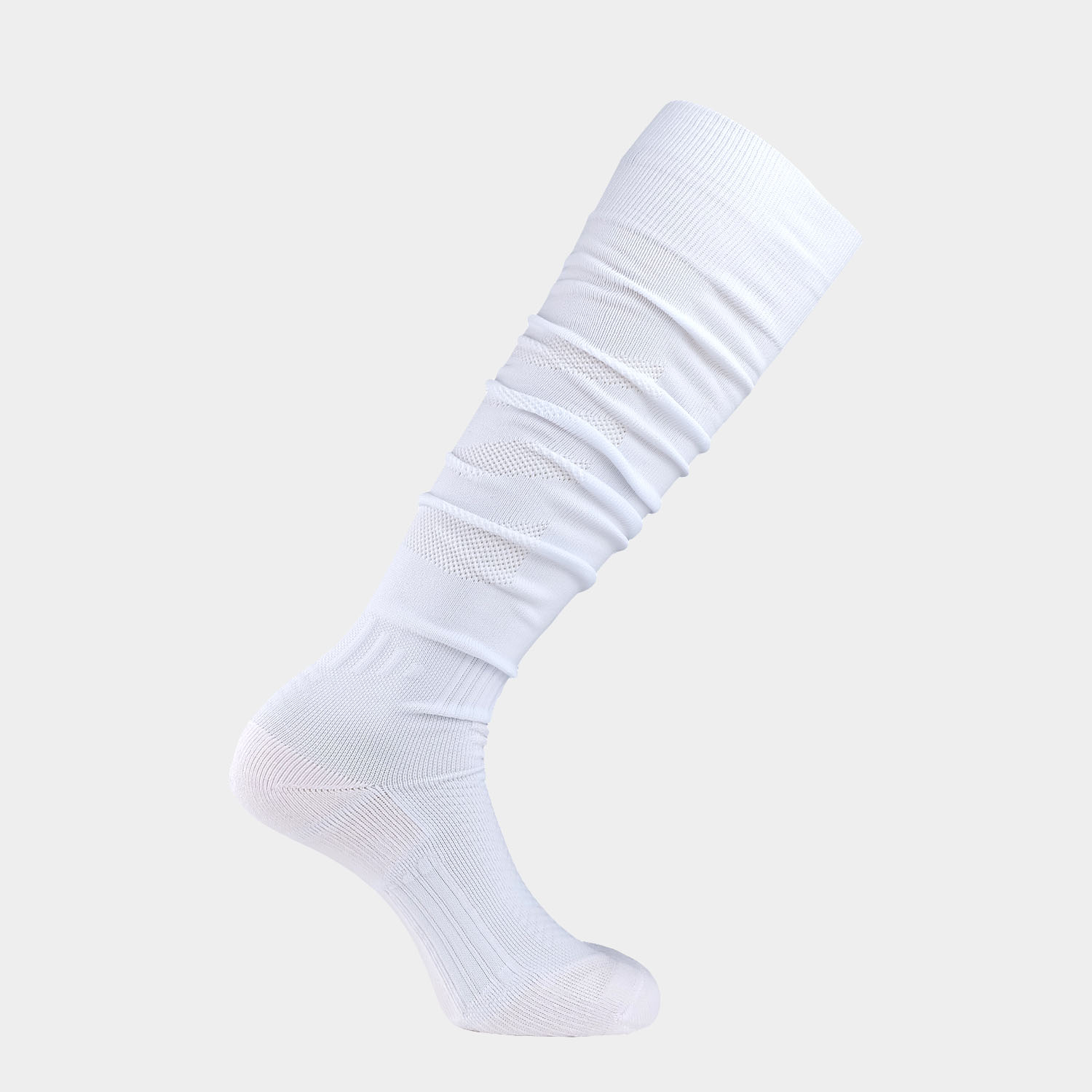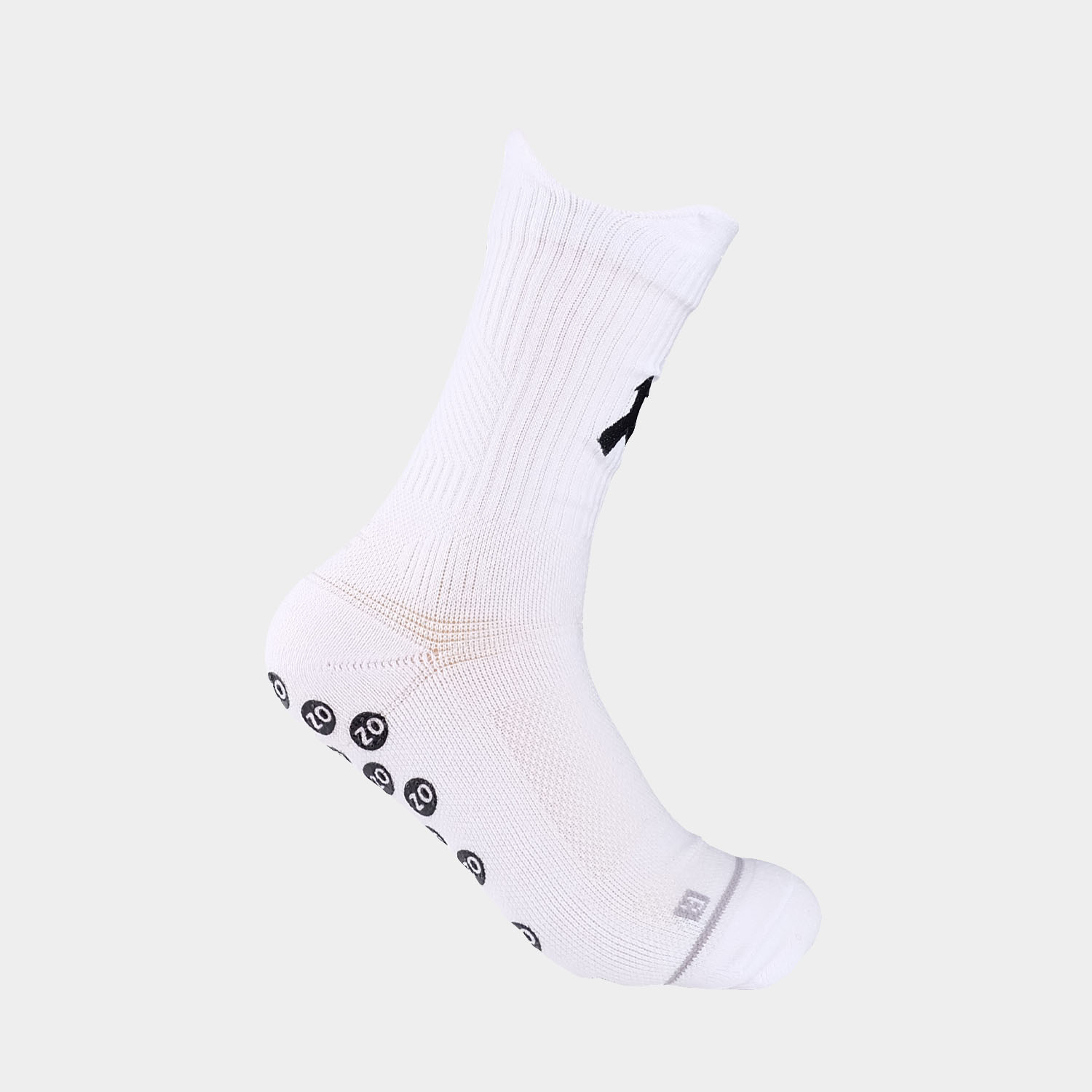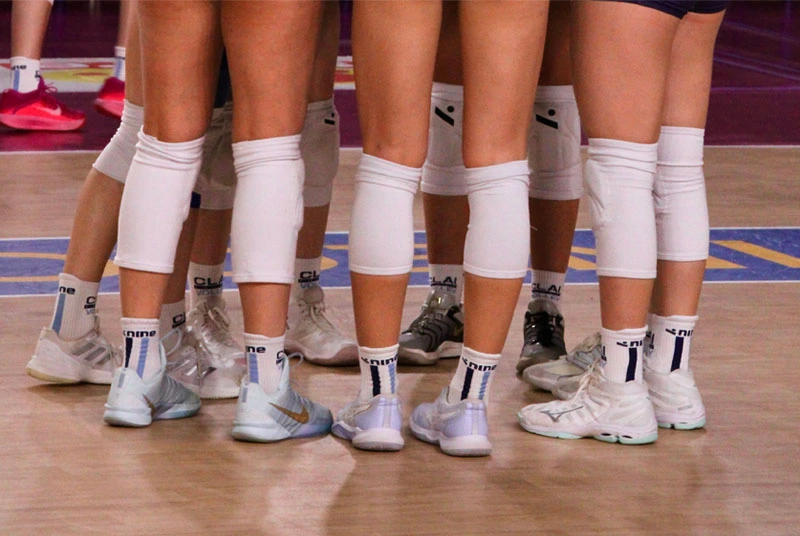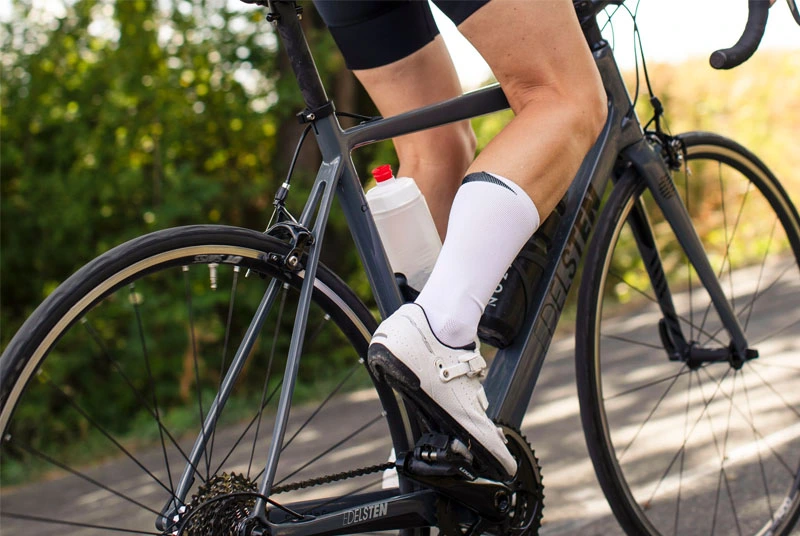

Bamboo socks feel smoother and lighter. Cotton socks feel thicker, softer, and more structured. Choose bamboo socks for warm weather, sweaty feet, and a cooler skin feel. Choose cotton socks for daily cushioning, casual shoes, and a fuller sock shape.
Most bamboo socks are made from bamboo viscose, so the fiber name is only one part of the decision. Sock thickness, knit density, yarn blend, heel reinforcement, and washing habits all affect comfort and durability.
What Are the Key Differences Between Bamboo and Cotton Socks?
Bamboo and cotton socks differ most in skin feel, airflow, moisture behavior, and wash stability.
Feature | Bamboo Socks | Cotton Socks |
Skin feel | Smooth, light, low friction | Soft, familiar, fuller |
Warm weather comfort | Usually feels cooler in thin knits | Can feel heavier when damp |
Moisture handling | Absorbs moisture and may feel less sticky | Absorbs moisture but may hold dampness longer |
Shape retention | Needs elastic support for better recovery | Can shrink with high heat |
Common use | Summer socks, light casual socks | Daily socks, crew socks, casual socks |
Skin Feel and Softness
Bamboo viscose socks often feel smooth against the skin. This lighter touch suits people who dislike rough yarn, shoe friction, or heavy socks in warm weather.
Cotton socks feel more familiar and substantial. Combed cotton feels smoother than basic cotton because shorter fibers are removed during processing. The cleaner yarn surface can reduce scratchiness and create a softer everyday feel.
Breathability and Airflow
Bamboo viscose socks usually feel more breathable when the sock uses a thin knit. This lighter structure helps reduce the trapped feeling that builds inside shoes during summer.
Cotton also allows airflow, but it absorbs moisture readily. Once cotton stays damp, the sock can feel heavier against the foot.
Wash Durability and Shape Retention
Pure natural fibers have limits. Bamboo viscose feels soft, but it may lose shape without elastic support. Combed cotton can feel more stable in many daily sock constructions, but pure cotton socks may shrink when washed or dried with high heat.
Many durable socks use nylon and spandex to improve performance. Nylon reinforces high wear areas such as the heel and toe. Spandex helps the sock recover after stretching and washing.
Are Bamboo Socks Better for Sweaty Feet and Warm Weather?
Bamboo socks can work well for sweaty feet when the sock is lightweight, smooth, and properly blended. The comfort comes from the full fabric structure, not from the bamboo label alone.
Hot Weather Breathability
Hot weather makes socks uncomfortable when heat stays trapped around the foot. Thin bamboo viscose socks often feel lighter than thick cotton socks, which can make closed shoes feel less stuffy.
This matters most in sneakers, loafers, summer shoes, and fitted shoes with limited airflow.

Daily Moisture Control
Lightweight bamboo viscose socks can absorb moisture and spread it through the knit. This may reduce the sticky feeling that appears after long hours in shoes. For broader sweat-control choices, compare the best socks for sweaty feet before choosing bamboo, cotton, or performance blends.
Sock thickness still matters. A thick bamboo sock may feel warm, while a lightweight cotton blend may feel more breathable than expected.
Odor Control and Fresh Feel Comfort
Sock odor often gets worse when sweat stays trapped inside the shoe. Bamboo socks may create a fresher feel when the fabric helps the foot stay less damp through the day.
This is moisture related odor comfort, not a guaranteed antibacterial effect. Less damp fabric can reduce the conditions that make odor more noticeable.
Are Cotton Socks Better for Everyday Wear?
Cotton socks are a strong choice for daily wear when you want cushioning, structure, and a classic sock feel. They work well with sneakers, boots, and casual shoes that need a fuller fabric.
Everyday Cushioning and Comfort
Cotton socks provide a thicker underfoot feel for walking, commuting, and casual wear. This cushioning helps reduce direct friction between the foot and the shoe.
Medium weight cotton crew socks also hold a cleaner shape than many thin bamboo socks. This makes cotton useful when the sock is part of the outfit.
Combed Cotton Softness
Combed cotton is usually better than basic cotton when softness matters. The smoother yarn surface can feel gentler against the skin and reduce rough contact during daily wear.
For sensitive skin or retail basics, material testing also matters. Buyers often look for yarns or finished products tested under standards such as OEKO-TEX. Organic cotton products may need GOTS certified materials when the sock is marketed as organic. Brands comparing certified cotton options can review organic cotton vs cotton before choosing yarns for premium or sensitive-skin sock lines.
Bamboo vs Cotton Socks for Different Use Cases
No single material works for every sock. The right choice depends on season, shoe type, sweat level, and wearing time.
Summer Sock Materials
Bamboo socks often work well for summer socks, no show socks, and lightweight low cut socks. The fabric feels smooth and light, which helps reduce heat buildup inside fitted shoes.
Cotton can still work in summer if the sock is thin and breathable. Heavy cotton socks are more likely to feel warm in humid weather.
Casual Daily Sock Materials
Cotton is practical for daily crew socks, retro socks, and medium weight lifestyle socks. The fabric has enough body to hold shape and pair well with sneakers or boots.
This fuller structure gives the foot a more padded base. For people who like a classic sock feel, cotton often feels more secure.
Active and Long Hour Wear Materials
For long hours of walking, standing, or light activity, blended socks often work better than pure bamboo or pure cotton. Natural fibers provide comfort. Nylon and spandex improve stretch, fit, and wear resistance.
This matters in high friction areas:
- Heel
- Toe
- Arch
- Ankle opening
A stronger blend helps reduce sagging, rubbing, and early wear. For brands developing custom socks, these wear zones should guide yarn choice, reinforcement, and stretch design.
How to Choose Between Bamboo and Cotton Socks
Choose based on the problem you want the sock to solve. Sweat, shoe type, climate, and wash routine matter more than the fiber name alone.

Comfort Needs and Wearing Habits
Choose bamboo socks if you want a smooth, light sock that feels less bulky inside shoes. This works well for warm weather, sensitive skin, and low friction daily comfort.
Choose cotton socks if you want cushioning and a familiar underfoot feel. This works better with casual shoes, boots, and outfits that need more sock structure.
Climate, Sweat, and Daily Activity
Warm and humid climates usually favor bamboo socks because lightweight fabric can feel less damp. People with sweaty feet may also prefer bamboo socks for daily wear.
Cooler weather and regular commuting often suit cotton socks. Cotton gives more body, which can feel comfortable when heat and moisture are not the main issue.
Material Blends and Long Term Value
Long lasting socks are rarely defined by one fiber alone. Bamboo viscose and cotton socks often perform better when they include nylon and spandex.
A good blend can improve:
- Heel and toe durability
- Stretch recovery after washing
- Fit around the arch and ankle
- Shape retention during daily wear
For custom sock projects, Sockcn can match bamboo viscose, cotton, nylon, and spandex ratios to the sock type, target hand feel, and wear area. Existing quality samples can support quick material review, while in stock materials can allow faster custom sampling. This helps brands review softness, fit, wash behavior, and heel to toe durability before bulk production.
FAQ
Q1. Are bamboo socks better than cotton socks?
Bamboo socks are better if you want a smoother, lighter, and more breathable feel. Cotton socks are better if you want more cushioning and structure. The better choice depends on weather, sweat level, shoe type, and personal preference.
Q2. Are bamboo socks good for sweaty feet?
Yes, bamboo socks can be good for sweaty feet when they use a lightweight knit. They can help the foot feel less damp in warm or humid weather. Sock thickness and fiber blend also affect moisture comfort.
Q3. Do bamboo socks shrink more than cotton socks?
Both bamboo and cotton socks can shrink if washed or dried with high heat. Bamboo viscose may lose shape more easily if the sock lacks elastic support. Blended socks with nylon or spandex usually hold shape better after repeated washing.
Q4. Are cotton socks more durable than bamboo socks?
Cotton is often more stable than bamboo viscose as a standalone sock fiber. Bamboo socks can still be durable when they use reinforced heels, reinforced toes, and blended yarns. Construction matters as much as the main material.
Q5. Can bamboo and cotton socks be blended with other fibers?
Yes, bamboo and cotton socks are often blended with nylon and spandex. Nylon improves wear resistance, while spandex helps the sock fit better and recover after stretching. For custom sock development, Sockcn can adjust the blend and sample structure so brands can test comfort, fit, and wash behavior before bulk orders.
Related Resources
→ Organic Cotton Vs Cotton: How Do They Differ?
→ Cotton Socks Vs Polyester Socks: Which is Better?
→ Best Sock Material for Sweaty Feet: What Actually Works?
→ Best Sock Material for Hot Weather: What Actually Keeps Feet Cool
→ The Ultimate Sock Material Guide: How to Choose the Best Material for Any Use
Explore more guides on sock materials, performance requirements, and manufacturing considerations.