According to the CDC’s 2024 National Diabetes Statistics Report, 38.4 million Americans live with diabetes. For these individuals, and millions more managing poor leg circulation, everyday foot care is critical. Specialty hosiery plays a massive role in daily comfort and health, but choosing the right pair can be confusing.
Mixing up diabetic socks and compression socks can lead to discomfort or even serious medical complications. This guide explains the exact differences between the two, helping wearers protect their feet and helping retailers provide the perfect clinical solutions.
What are Diabetic Socks?
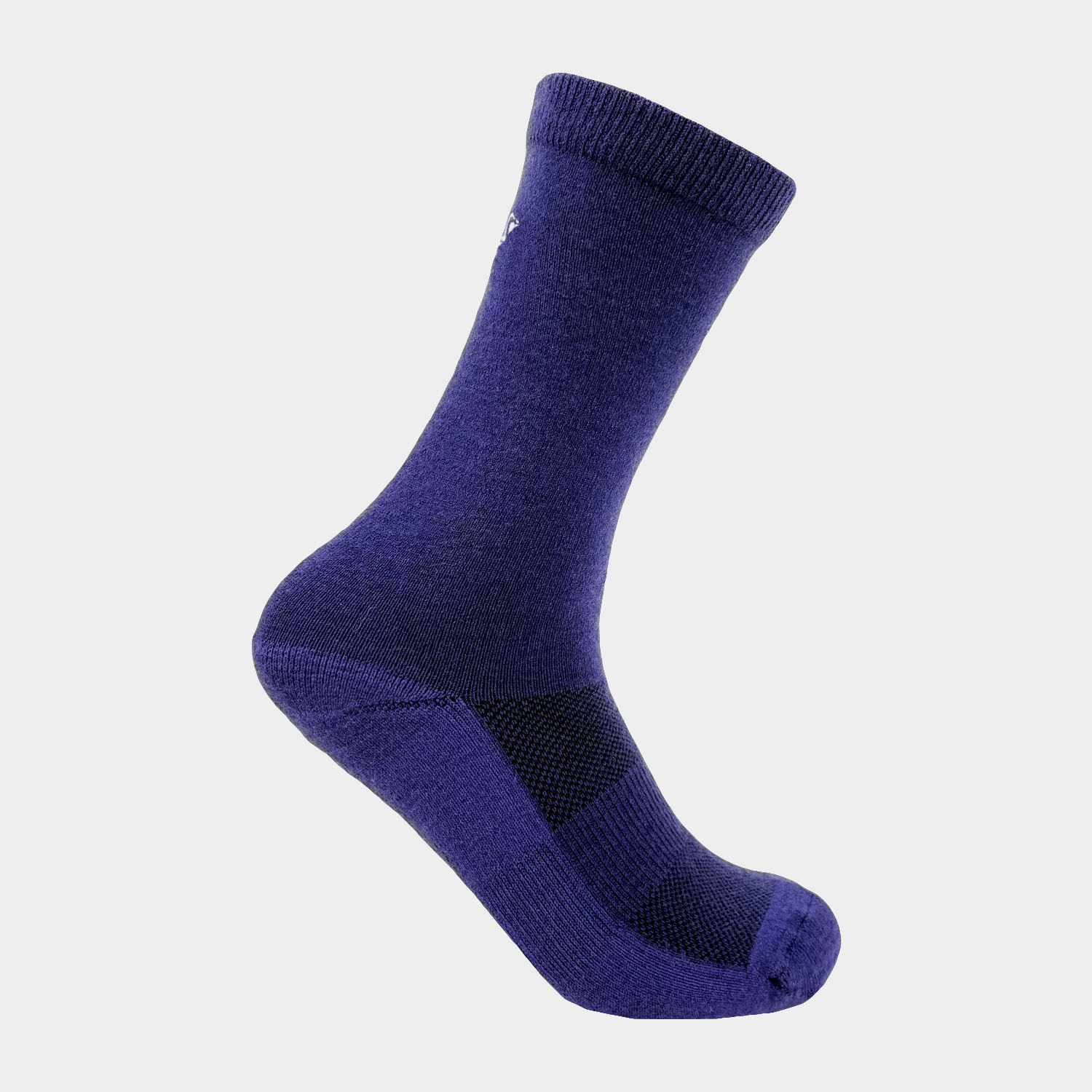
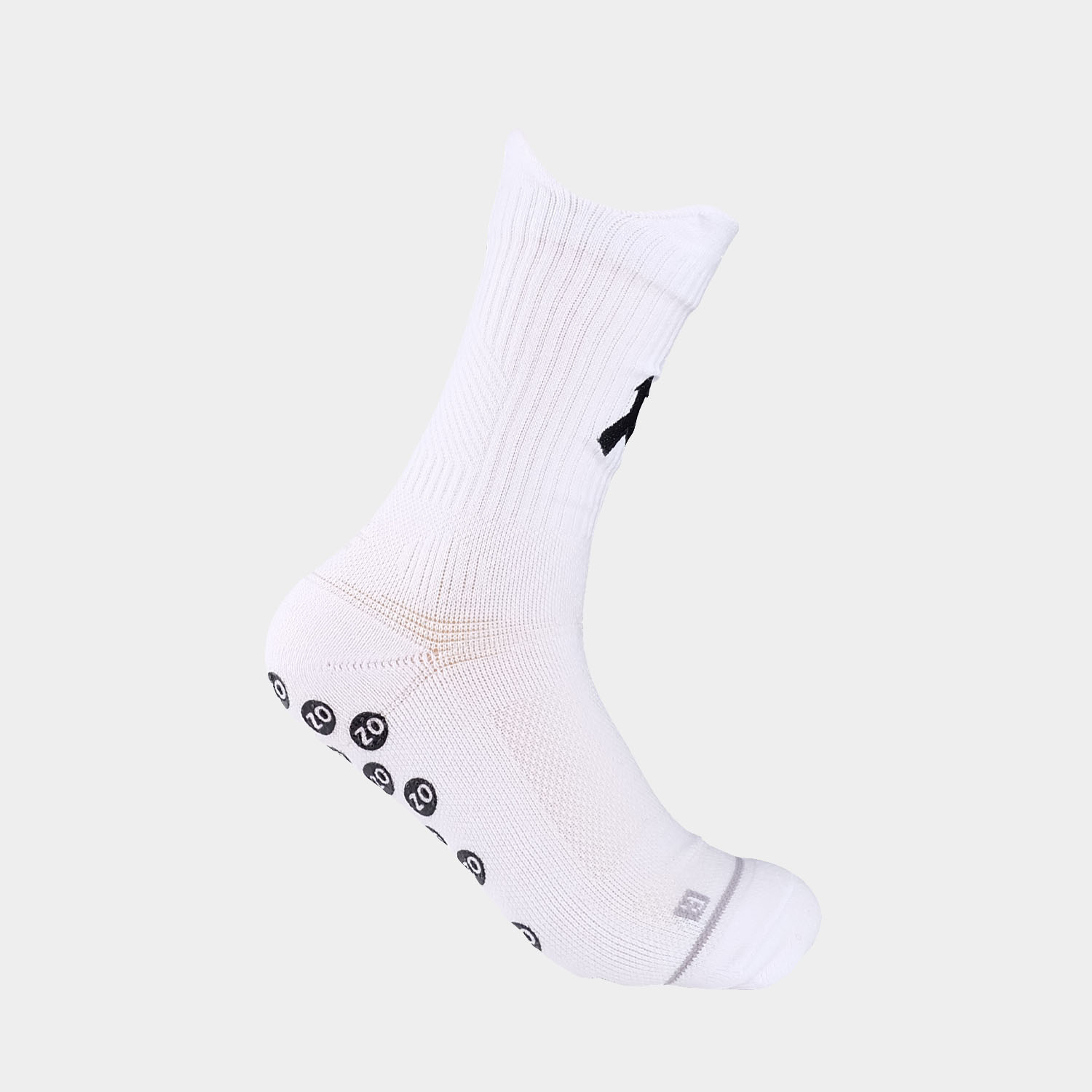
Diabetic socks are specialized garments designed to protect sensitive feet. They feature a loose, non-binding fit that keeps blood flowing naturally. Instead of squeezing the calf, these socks remove dangerous pressure points and skin friction. This gentle design prevents minor foot issues from turning into major medical complications.
Key Features of Diabetic Socks
These design features keep feet safe and dry:
- Seamless Toes: Standard socks have a thick ridge that rubs against the toes. Diabetic socks use flat, smooth seams to stop blisters and irritation.
- Non-Binding Tops: The cuffs are stretchy and loose. They stay up without digging into the calf or leaving deep marks.
- Moisture Control: Breathable fabrics pull sweat away from the skin. Keeping feet dry is essential for preventing fungal infections.
- Extra Padding: Thick cushioning across the sole protects pressure points and absorbs walking shock.
Benefits for People with Diabetes
These socks help prevent serious long-term health issues:
- Preventing Ulcers: A small blister from a rough sock can quickly become an open wound. By removing friction and moisture, these socks help keep the skin intact.
- Protecting Numb Feet: People with nerve damage often cannot feel a small cut. The thick padding acts as a physical shield against injuries the wearer might not even notice.

What are Compression Socks?
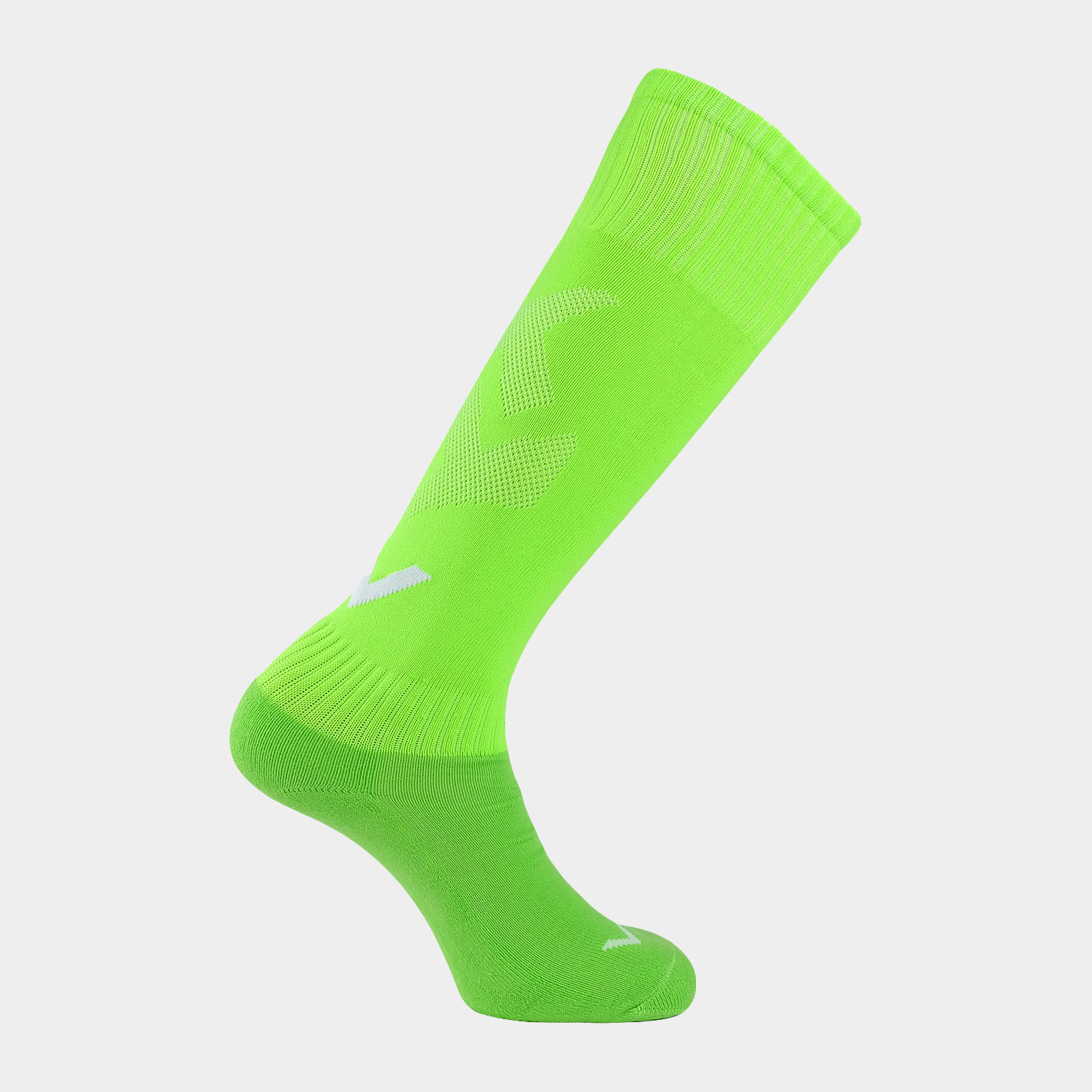
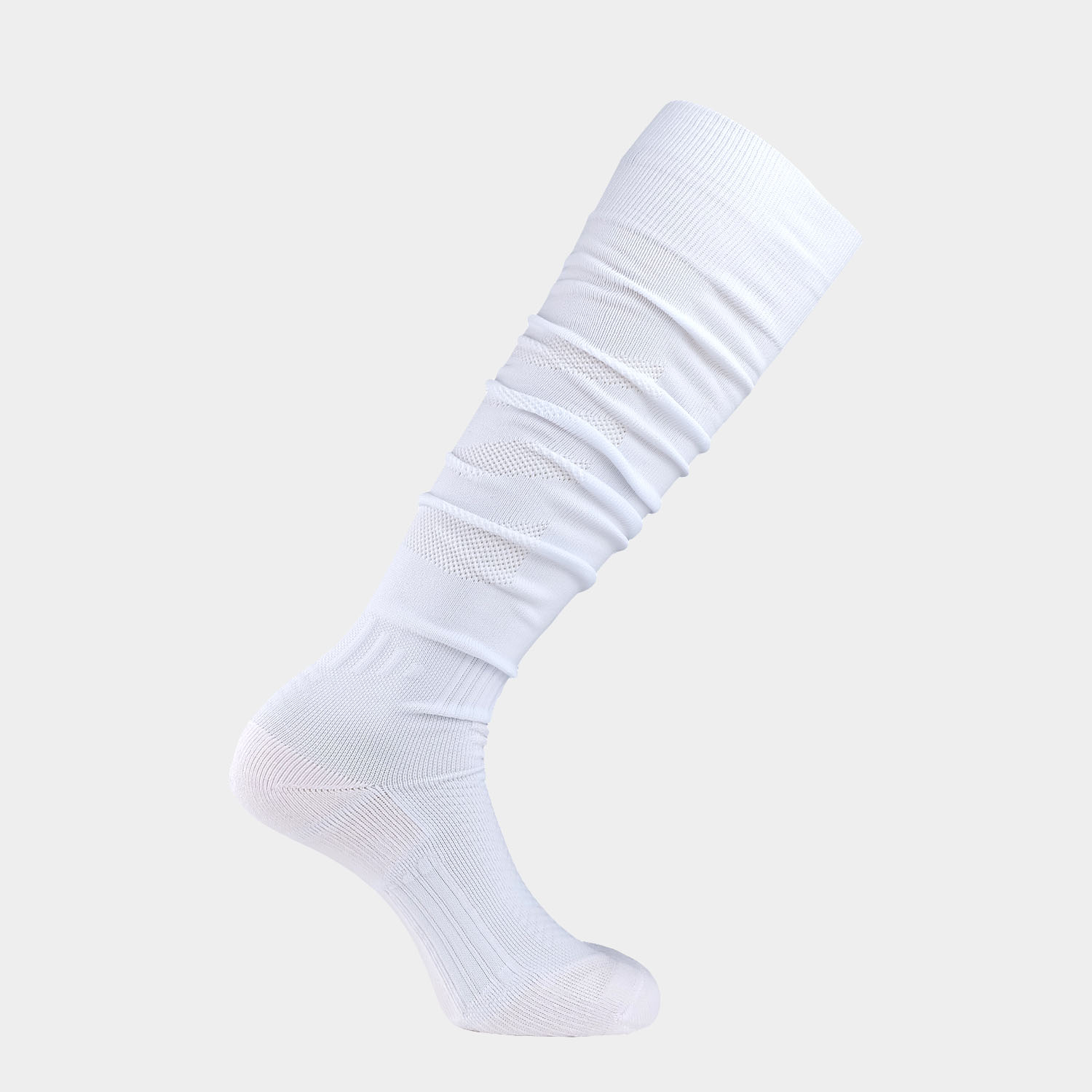
Compression socks are garments that tightly squeeze the lower legs to push blood back toward the heart. The fabric fits tightest at the ankle and gradually loosens up the calf.
Key Features of Compression Socks
Specific design details give these garments their firm, constant hold.
- Graduated Pressure: The weave squeezes the ankle the hardest and slowly loosens up the calf to keep blood moving upward.
- Form-Fitting Grip: The material hugs the leg tightly to stop the fabric from sliding down or bunching up around the ankles.
- Heavy-Duty Elastics: Strong fibers stretch just enough to pull over the heel, then snap back immediately to hold the leg securely all day.
Benefits of Compression Socks for Circulation
The continuous squeeze actively fixes common vein and blood flow problems in the lower legs.
- Preventing Blood Pooling: The tight fabric acts as a physical pump to force trapped blood back up to the heart. This stops fluid from collecting in the lower legs when sitting or standing.
- Reducing Swelling: Keeping blood moving stops excess water from leaking into surrounding tissues. This prevents heavy, aching legs and swollen ankles.
- Preventing Varicose Veins: Constant outside pressure supports weak vein valves. This keeps surface veins flat and stops the painful bulging caused by backward blood flow.

What Is the Difference Between Diabetic Socks and Compression Socks?
Diabetic socks protect the foot using a loose fit. Compression socks improve leg circulation through tight pressure.
Compression Levels
Diabetic socks provide no compression. The wide cuffs sit gently on the calf, allowing blood to flow down to the toes.
Compression socks actively squeeze the leg using specific pressure ratings measured in mmHg. Light compression starts at 15-20 mmHg, while medical grade hosiery reaches 30-40 mmHg. The tight fabric forces trapped blood back up to the heart. Wearing tight compression hosiery on a diabetic foot restricts necessary circulation and accelerates tissue damage.
Note: Consult a healthcare provider to ensure the pressure level meets your circulation requirements.
Seams and Stitching
Diabetic socks lack inner toe seams. A flat interior stops raised threads from scraping the skin, preventing minor friction blisters from turning into dangerous foot ulcers.
Compression socks use standard stitching. Fabric ridges sit safely against healthy skin but easily cut into numb or fragile feet.
Padding and Cushioning
Diabetic socks feature heavy cushioning across the sole. A thick bottom layer absorbs walking impact and acts as a physical shield against hard objects.
Compression socks lack extra sole padding. Thin material focuses entirely on gripping the ankle and calf rather than protecting the bottom of the foot.
Moisture Management
Choosing the best material for socks is key for proper moisture control, as both types of socks rely on breathable fabrics to pull sweat away from the skin.
For diabetic socks, a dry environment stops bacterial infections from attacking minor foot cuts. For compression socks, breathable threads keep tightly wrapped legs from overheating during daily wear.
Diabetic Socks vs Compression Socks Comparison Table
This table shows exactly which sock protects sensitive feet and which one pushes blood up the leg.
Feature | Diabetic Socks | Compression Socks |
Primary Purpose | Protect foot skin and nerves | Force trapped blood to the heart |
Compression Level | Zero compression; wide cuffs | Active squeeze; tight fabric |
Toe Interior | Flat and seamless | Standard raised stitching |
Sole Padding | Heavy bottom cushioning | Thin material; no extra padding |
Moisture Goal | Stop bacterial wound infections | Prevent wrapped legs from overheating |
Impact on Numb Feet | Acts as a physical shield | Can restrict blood flow and may cut into fragile skin |
How to Choose the Right Socks for Your Needs?
The choice depends entirely on whether the goal is to protect fragile skin or move trapped fluid up the leg.
Choose Diabetic Socks for Foot Protection
Diabetic socks are the right choice for individuals with diabetes, neuropathy, or generally poor foot circulation. Choose this option if you frequently lose feeling in your toes or struggle with slow-healing foot wounds. They are also the correct choice if standard sock elastics leave deep, painful rings around your calves.
Choose Compression Socks for Swelling
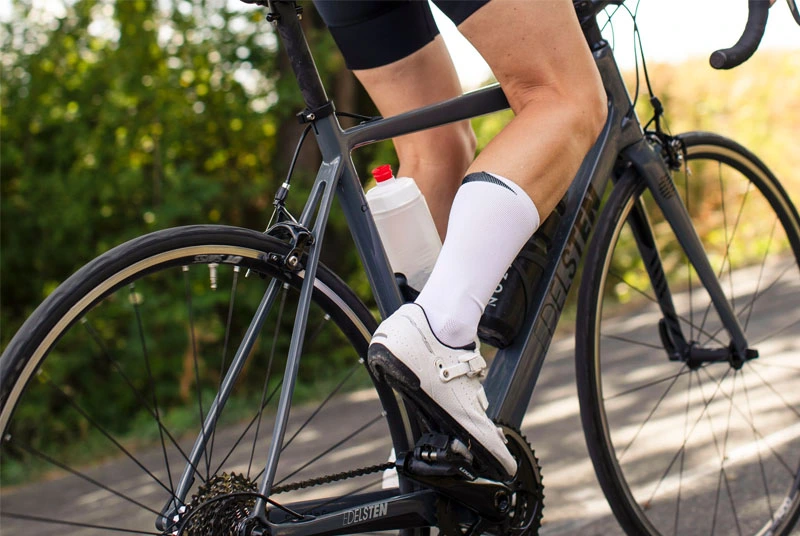
Compression socks are designed for those experiencing daily leg swelling, heavy aching calves, or visible varicose veins. They are the direct solution for nurses, flight attendants, and anyone sitting at a desk all day.
However, never choose compression hosiery if you have severe arterial disease or lack proper blood flow to your feet, as the tight squeeze will worsen these conditions.

Tips For Proper Care And Maintenance Of Both Socks
Hot water and harsh chemicals destroy elastic fibers and padding. Use cold water and air drying to preserve medical benefits.
Washing Best Practices
Wash socks inside out to clear trapped sweat and dead skin from the interior padding. Use cold water on a gentle cycle. Hot water melts compression elastics and shrinks diabetic cuffs.
Skip bleach and fabric softeners. These liquids coat threads and ruin moisture-wicking properties.
Drying Techniques
Lay wet socks flat on a towel. Air drying preserves the material’s stretch and fit. High heat bakes and breaks down spandex or nylon fibers.
Never hang wet compression hosiery by the top band. Heavy water weight stretches the fabric downward and ruins the pressure design.
Lifespan Expectations
Replace both types every three to six months. Over time, compression fabrics lose the tight grip needed to push blood upward.
Discard diabetic socks at the first sign of thinning or holes. Bare spots expose numb skin to shoe friction and blisters.
Partner with a Reliable Custom Sock Manufacturer
Expanding your inventory into diabetic or compression socks requires strict technical precision. Streamline your supply chain with Sockcn. Backed by over 20 years of OEM expertise, we specialize in complex medical hosiery structures. Enjoy factory-direct pricing, free design support, low MOQs, and fully certified (OEKO-TEX and GRS) end-to-end production to bring your products to market fast.
FAQ
Q1. Is It Safe to Sleep in Compression Socks?
No, unless a doctor prescribes a specific pressure level for recovery. Gravity keeps blood moving naturally while you lie flat. Tight elastics worn overnight can restrict healthy circulation and cause pressure sores on the skin.
Q2. Can You Wear Diabetic Socks All the Time?
Yes. Once you properly choose the right diabetic socks, they provide an all-day shield against friction. Just remember to remove them daily to check for hidden cuts or swelling that nerve damage might mask.
Q3. Can People with Diabetes Wear Compression Socks?
Only with medical approval. Compression reduces swelling but poses risks for patients with peripheral arterial disease. Tight fabric can dangerously cut off blood flow to the toes if the arteries are already narrow.
Conclusion
For brands and retailers, matching the right sock to specific medical needs is essential. Stock diabetic socks to protect fragile skin from ulcers, and compression hosiery to reduce leg swelling. Offering the correct products builds buyer trust and prevents costly returns.
When you are ready to expand your inventory, contact Sockcn to manufacture custom, clinical-grade hosiery backed by decades of OEM expertise.
Disclaimer: The information provided in this guide is for informational purposes only and does not constitute medical advice.