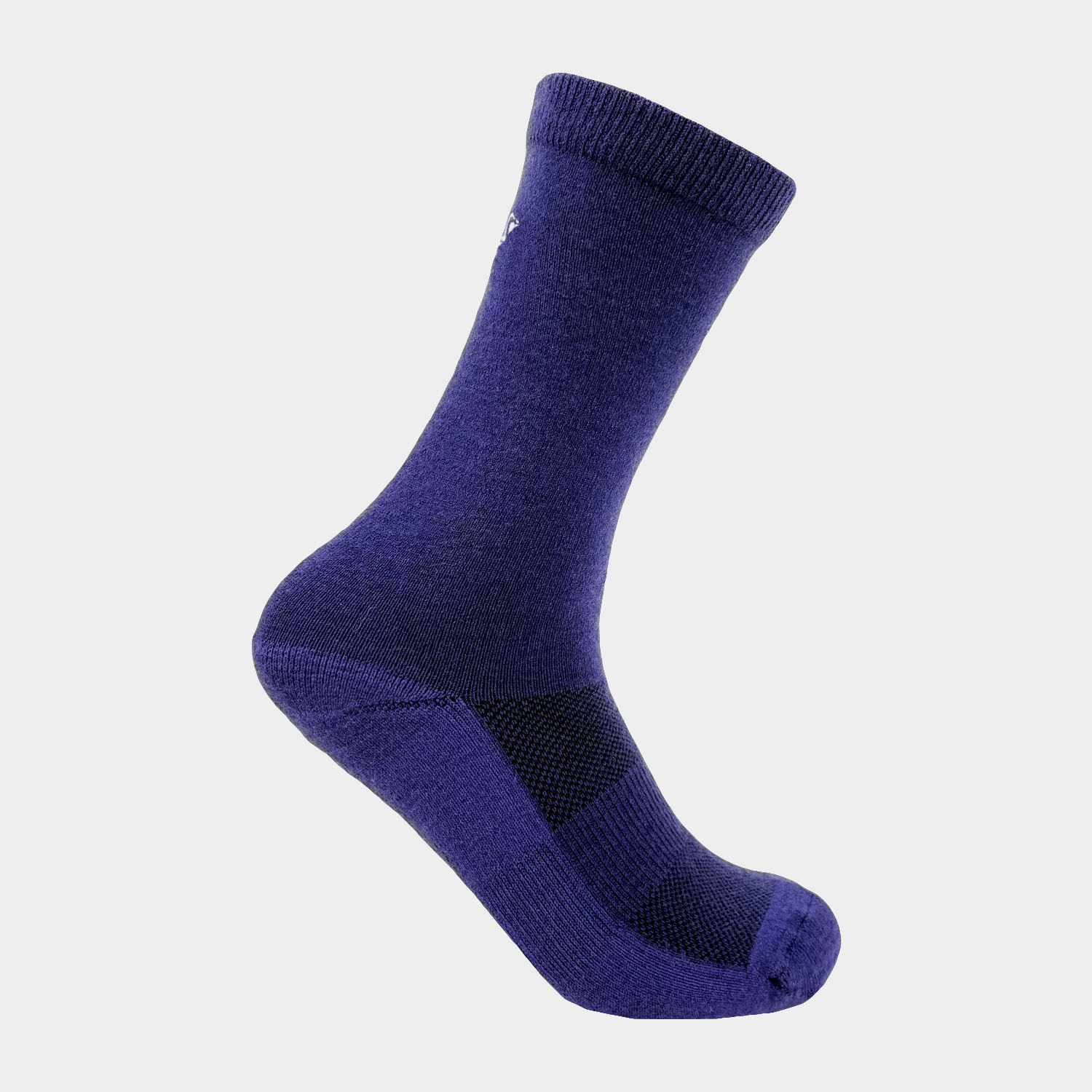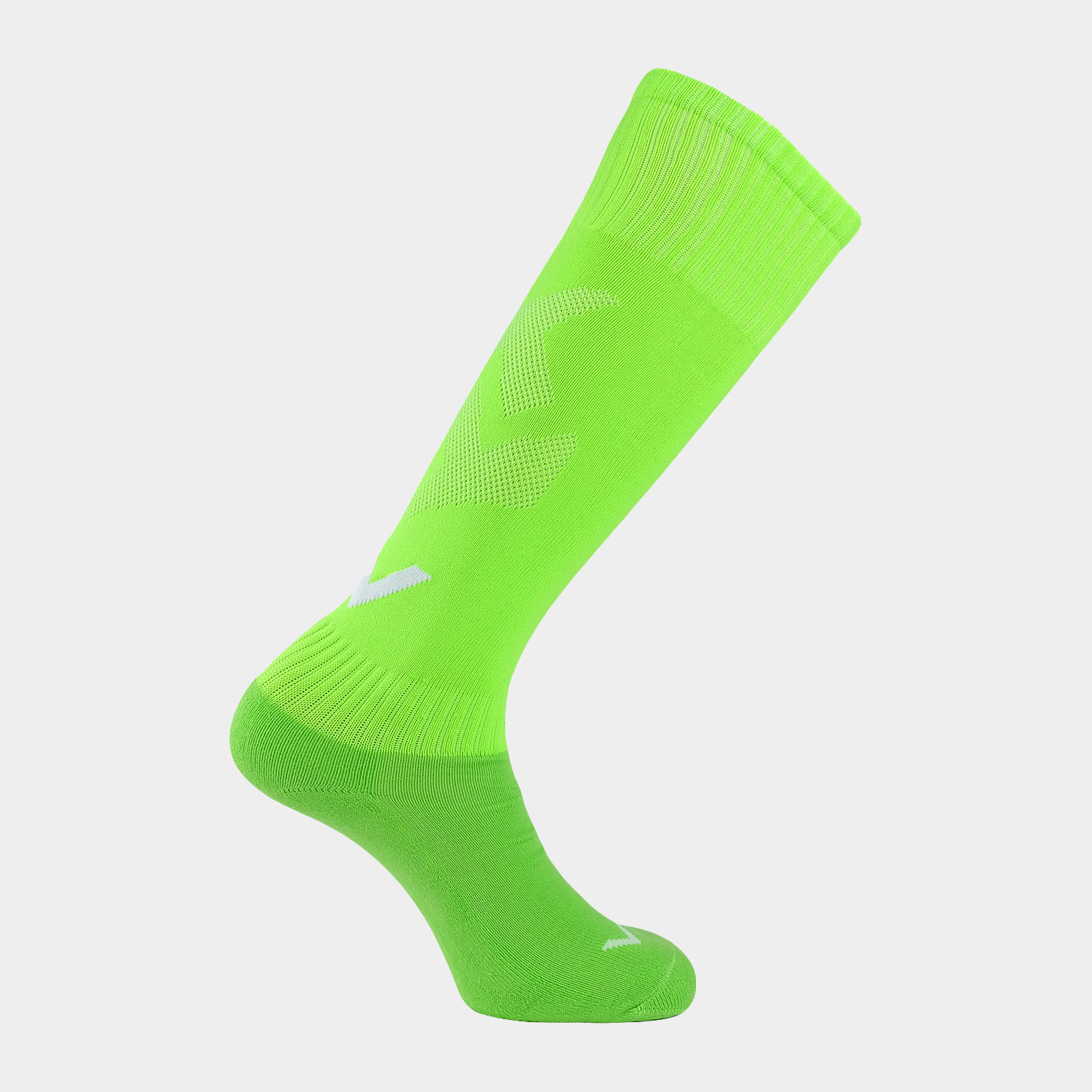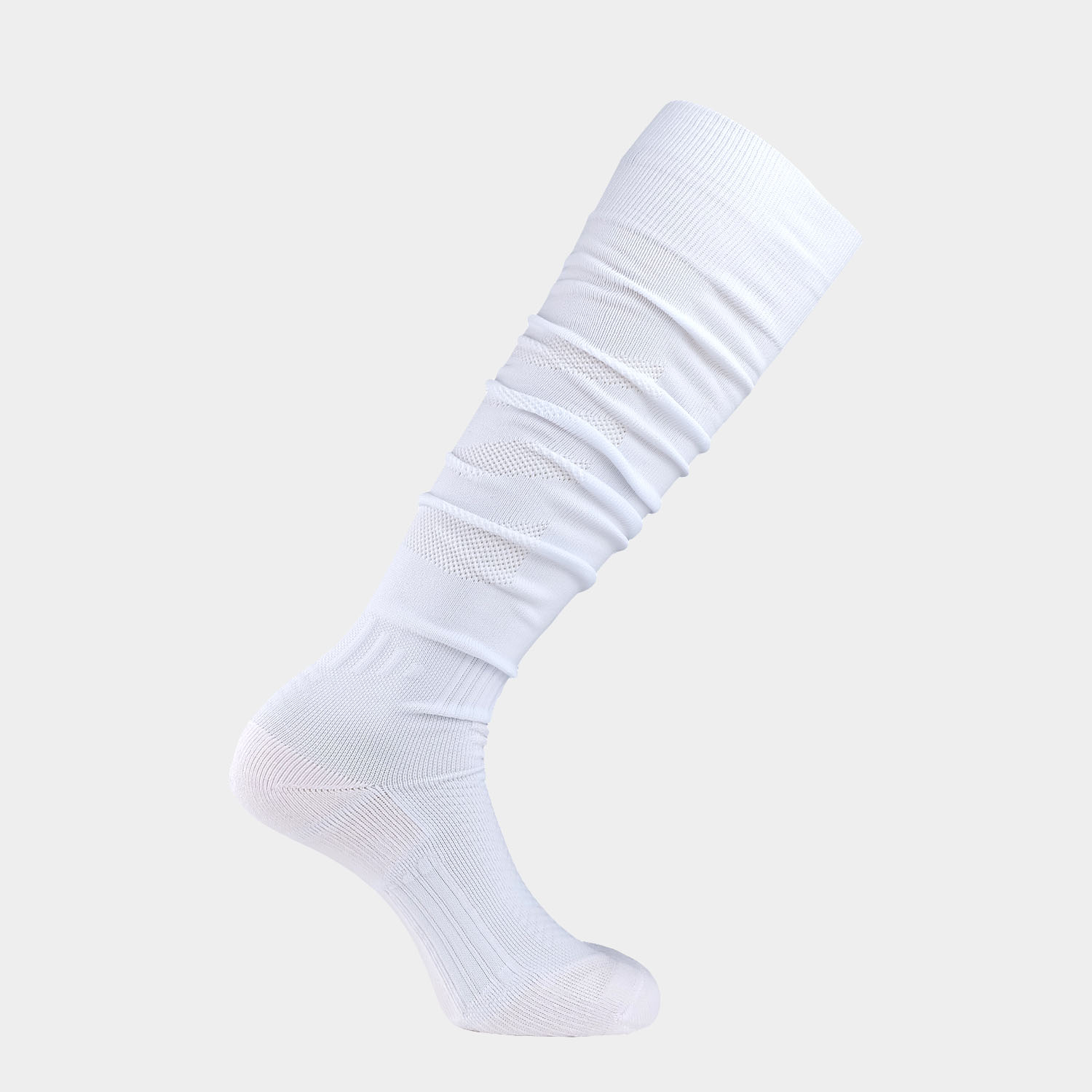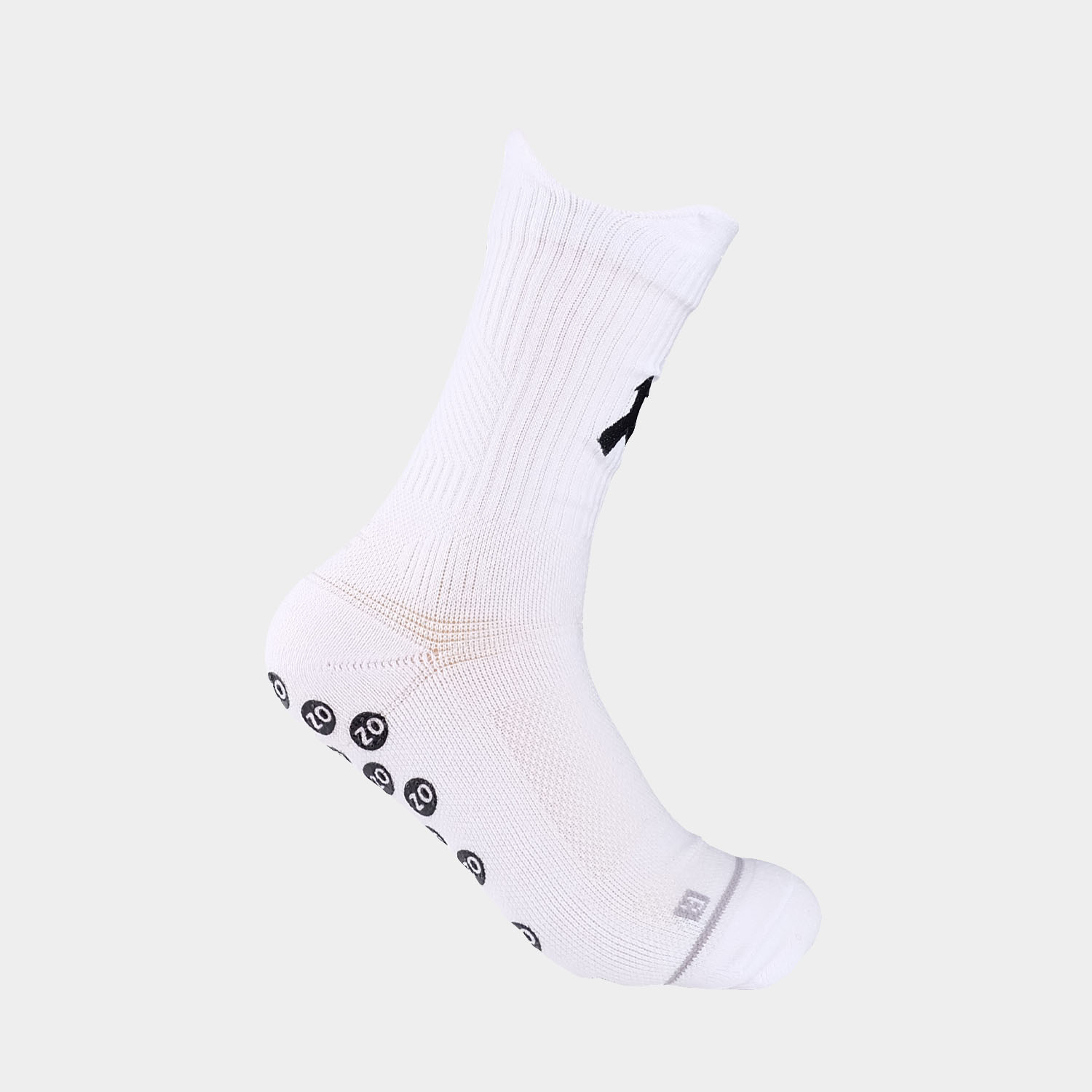
Developing custom bamboo socks involves decisions about yarn composition, construction, colours, branding, minimum order quantities, and packaging, all of which affect the finished product. Working through these details in order helps brands prepare a clear product brief, assess samples, and plan for bulk production.
Choose the Right Bamboo Yarn Blend
Yarn selection shapes the design of custom bamboo socks, and the composition needs to suit both the intended use and the budget. Before settling on a blend, consider how the socks will be worn and which performance characteristics matter most to your customers.
Understand Bamboo-Derived Fibers
Many bamboo socks on the market are made from viscose or rayon derived from bamboo pulp, rather than mechanically processed bamboo fiber. This distinction can affect fiber-content labeling and how the material is described to customers. For custom bamboo socks, confirming the exact composition with your manufacturer helps keep product specifications and descriptions clear and accurate.
Select Supporting Fibers for Performance
Bamboo-derived viscose offers a smooth feel, while supporting fibers help meet other product requirements. Nylon can improve abrasion resistance, and elastane adds stretch and helps the sock retain its shape after wear. The right blend depends on the intended use, so brands can work with their manufacturer to select a composition that suits their product goals.
Match the Blend to Your Product Positioning
Everyday lifestyle socks may prioritize softness and comfort, while products intended for frequent wear may require greater attention to reinforcement and shape retention. Cost targets and expected product lifespan also influence the final blend. For more guidance on comparing fiber properties, refer to Sockcn’s sock material guide before finalizing your specifications.

Select the Sock Style and Construction
Once the yarn blend is established, define the physical design. Sock length, knitting structure, thickness, and fit affect both the wearing experience and the space available for branding.
Choose the Right Sock Length
No-show and ankle socks suit low-profile footwear and casual collections, whereas crew socks offer more visible space for logos and decorative patterns. Longer styles may suit fashion-led or seasonal products, so consider the intended footwear, target customer, and collection aesthetic when choosing the length of your custom bamboo socks.
Define Thickness, Cushioning, and Knit Structure
Fine-knit construction can suit lightweight everyday or dress socks, while terry cushioning may be appropriate when underfoot comfort is a priority. Cuff tension, heel shaping, toe closure, and reinforcement in high-wear areas also need to be specified early, because changes to these details can affect sample approval, material consumption, and production costs.
Confirm Sizing and Fit Requirements
Determine the target size range and the sizing system used in your main sales markets. If the collection covers multiple sizes, provide the intended size breakdown rather than assuming one sample will represent every fit. Brands developing lifestyle collections can also review Sockcn’s custom casual socks guide for additional design considerations.

Customize Colors and Logos
Color and branding decisions help distinguish your socks from competing products. Confirming these details before sampling gives the manufacturer a clearer reference for developing a product that matches your brand guidelines.
Check the minimum order quantity
An initial MOQ of 100 pairs is available for Sockcn’s custom sock projects, making smaller runs possible for brands testing a design or introducing a limited collection. The applicable minimum may vary with the style, yarn blend, colors, and customisation details, so ask whether it applies per design, per colour, or according to another production specification when requesting a quotation for custom bamboo socks.
Request and Evaluate a Sample
A sample lets you evaluate the yarn feel, dimensions, stretch, cuff fit, color, logo execution, and overall workmanship of your custom bamboo socks against the original brief. Sampling timelines depend on material availability and design requirements, so confirm the expected schedule with Sockcn and document any changes needed before approving the final sample.
Confirm the Quotation and Production Schedule
The total cost depends on factors such as material composition, knitting complexity, order quantity, branding methods, and packaging. Ask for a quotation that clearly identifies the agreed specifications and any additional charges. You should also confirm the sampling revisions, bulk production lead time, payment terms, and expected delivery date so your purchasing plan is based on realistic timelines.

Confirm MOQ and Sampling
Color and branding decisions help distinguish your socks from competing products. Confirming these details before sampling gives the manufacturer a clearer reference for developing a product that matches your brand guidelines.
Check the minimum order quantity
An initial MOQ of 100 pairs is available for Sockcn’s custom sock projects, making smaller runs possible for brands testing a design or introducing a limited collection. The applicable minimum may vary with the style, yarn blend, colours, and customisation details, so ask whether it applies per design, per colour, or according to another production specification when requesting a quotation for custom bamboo socks.
Request and Evaluate a Sample
A sample lets you evaluate the yarn feel, dimensions, stretch, cuff fit, color, logo execution, and overall workmanship of your custom bamboo socks against the original brief. Sampling timelines depend on material availability and design requirements, so confirm the expected schedule with Sockcn and document any changes needed before approving the final sample.
Confirm the Quotation and Production Schedule
The total cost depends on factors such as material composition, knitting complexity, order quantity, branding methods, and packaging. Ask for a quotation that clearly identifies the agreed specifications and any additional charges. You should also confirm the sampling revisions, bulk production lead time, payment terms, and expected delivery date so your purchasing plan is based on realistic timelines.
Finalize Packaging and Bulk Production

Packaging instructions and quality requirements should be agreed before manufacturing starts, so the factory has a clear reference for preparing the order. This reduces the risk of mismatched labels, incorrect packing quantities, or differences between the approved custom bamboo socks sample and the delivered product.
Select Packaging for Your Sales Channel
Paper bands, hang tags, individual bags, multipacks, and custom retail boxes offer different presentation and handling options, with the choice depending on how the socks will be sold. A retail collection may need branded packaging and barcode labels, while wholesale orders may prioritise efficient packing and clear identification.
Confirm Labels and Product Information
Accurate fibre composition, size, care instructions, and country-of-origin information are needed for custom bamboo socks, and the labels must be appropriate for the target market. For bamboo-derived viscose, use the correct fibre terminology rather than implying that the finished socks contain mechanically processed bamboo fibre, and check the applicable labelling requirements wherever the product will be sold.
Establish Quality-Control Requirements
Use the approved sample as the reference for bulk production, and agree on inspection criteria that reflect the product’s intended use rather than relying on a general expectation of acceptable quality. Checks for custom bamboo socks may cover measurements, colour consistency, logo placement, stitching, shrinkage, colorfastness, pilling, and shape retention, with the relevant requirements confirmed before production starts.
Coordinate Delivery Details
Delivery planning should cover quantities by style and size, packing configuration, carton specifications, shipping method, and the required arrival date, with enough time allowed for sampling, revisions, production, inspection, and shipping if the socks are part of a seasonal launch or coordinated collection. Sockcn’s custom bamboo socks product page offers another starting point for discussing these product requirements with the manufacturer.
FAQ
Q1. What is the MOQ for custom bamboo socks?
For Sockcn’s custom sock projects, the MOQ starts at 100 pairs, with the final quantity depending on the style, materials, colours, and customisation.
Q2. Can I choose my own colors and add a logo?
More than 300 in-stock bamboo yarn colours are available, and logos, patterns, and specific colour matching can be discussed for your custom bamboo socks.
Q3. Can I customise the packaging for my brand?
Branded paper bands, hang tags, individual bags, multipacks, and retail boxes are all possible options, depending on your requirements.
Q4. Does a higher bamboo content always mean better socks?
Higher bamboo-derived viscose content may influence softness, but durability, fit, and long-term performance also depend on the supporting fibres and construction.
Conclusion
Creating custom bamboo socks comes down to choosing the right blend, construction, branding, and packaging, then confirming each detail through the MOQ check and an approved sample before bulk production begins. Sockcn’s 100-pair starting MOQ and more than 300 in-stock bamboo yarn colours make a first trial run possible, so send your specifications and artwork to request a sample and quotation.
Related Resources
These resources can help you prepare a more complete product brief and understand the broader custom sock development process.
→ Bamboo Socks for Athletes: Sustainable Performance for Sports Brands
→ Bamboo Socks for Sweaty Feet: Pros, Cons & Better Alternatives
→ Sock Material Guide: How to Choose the Best Material for Any Use