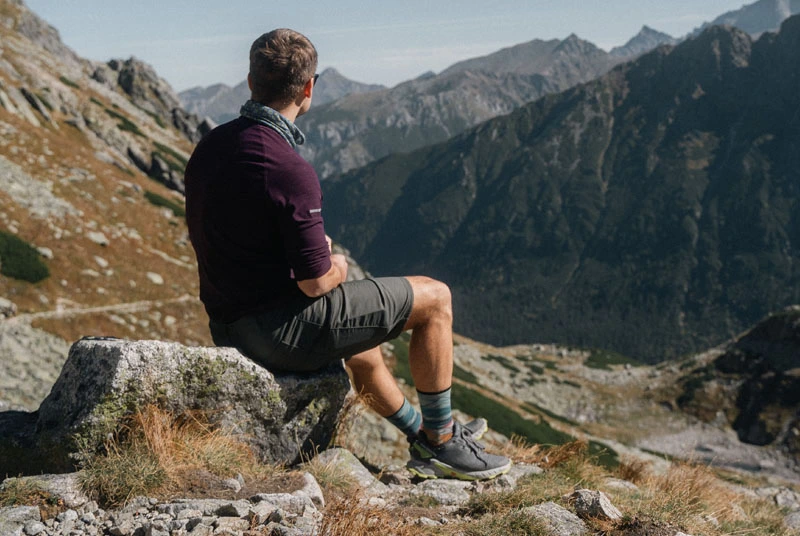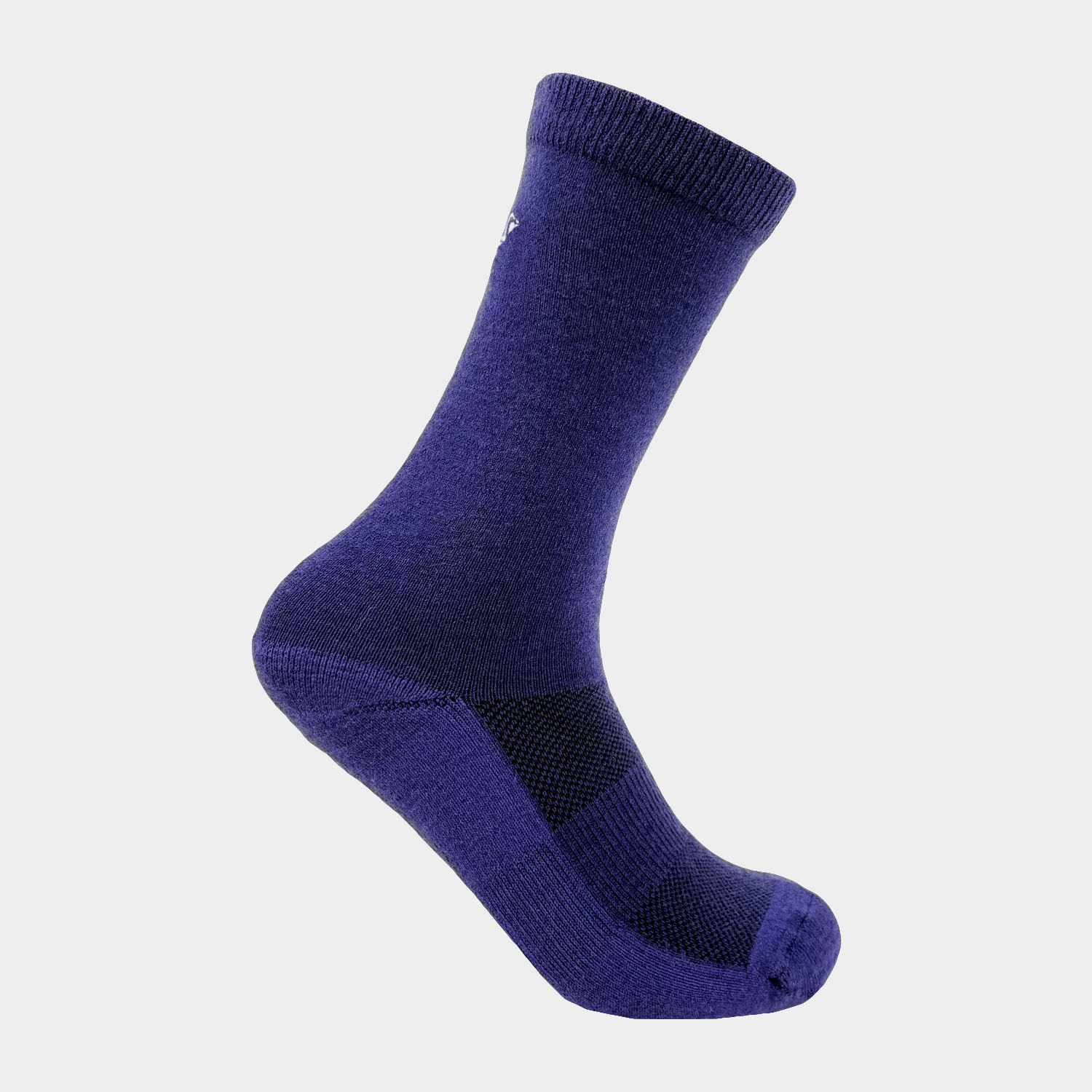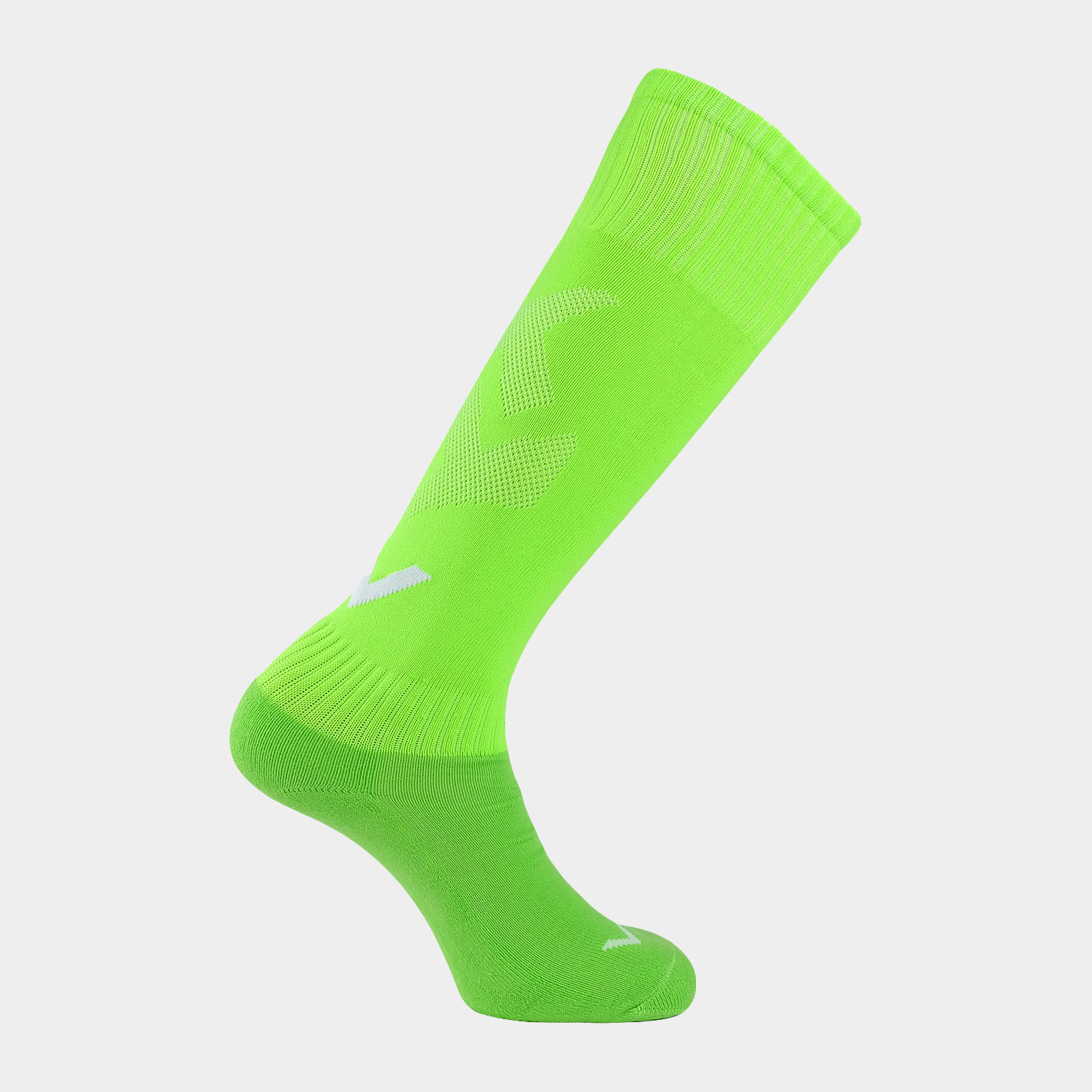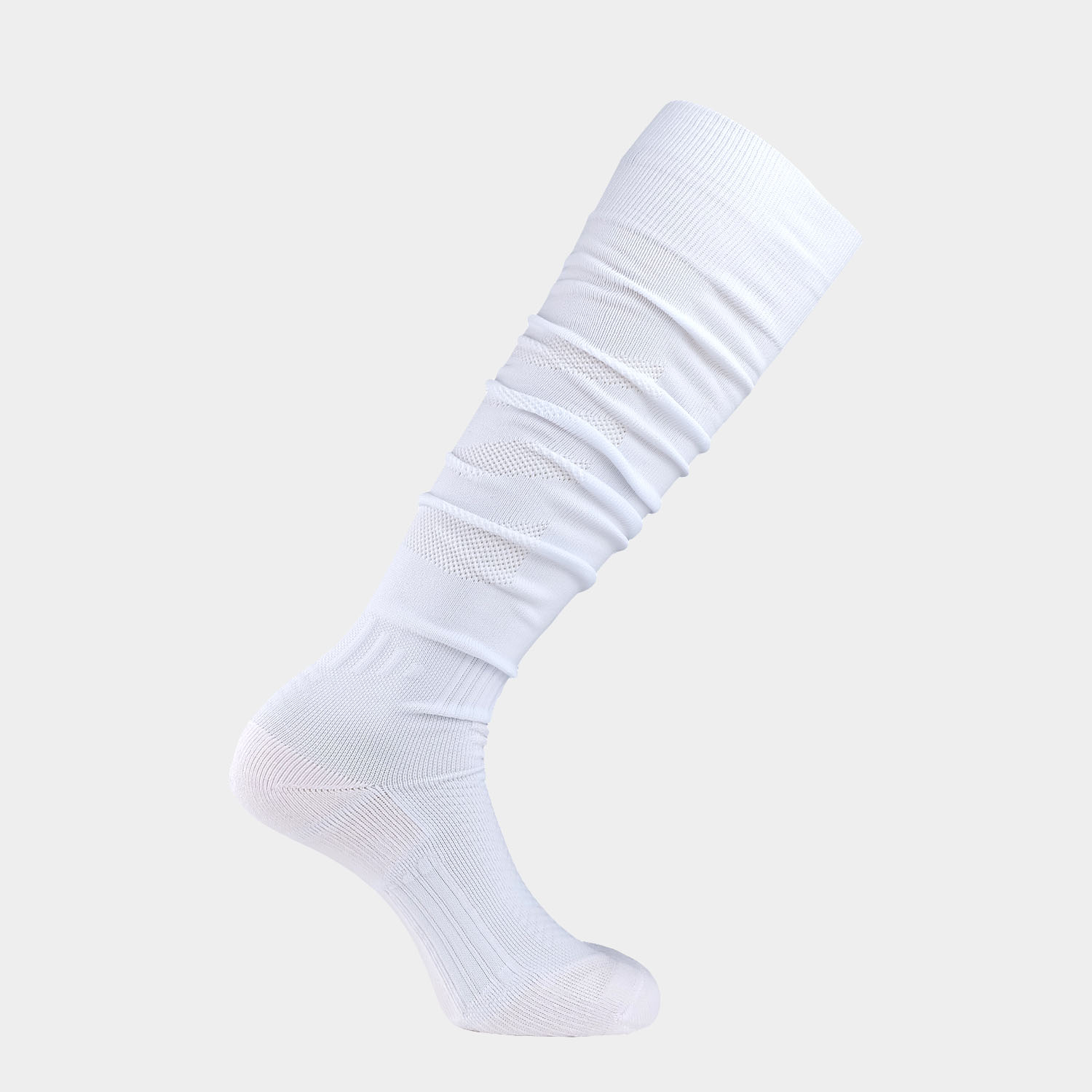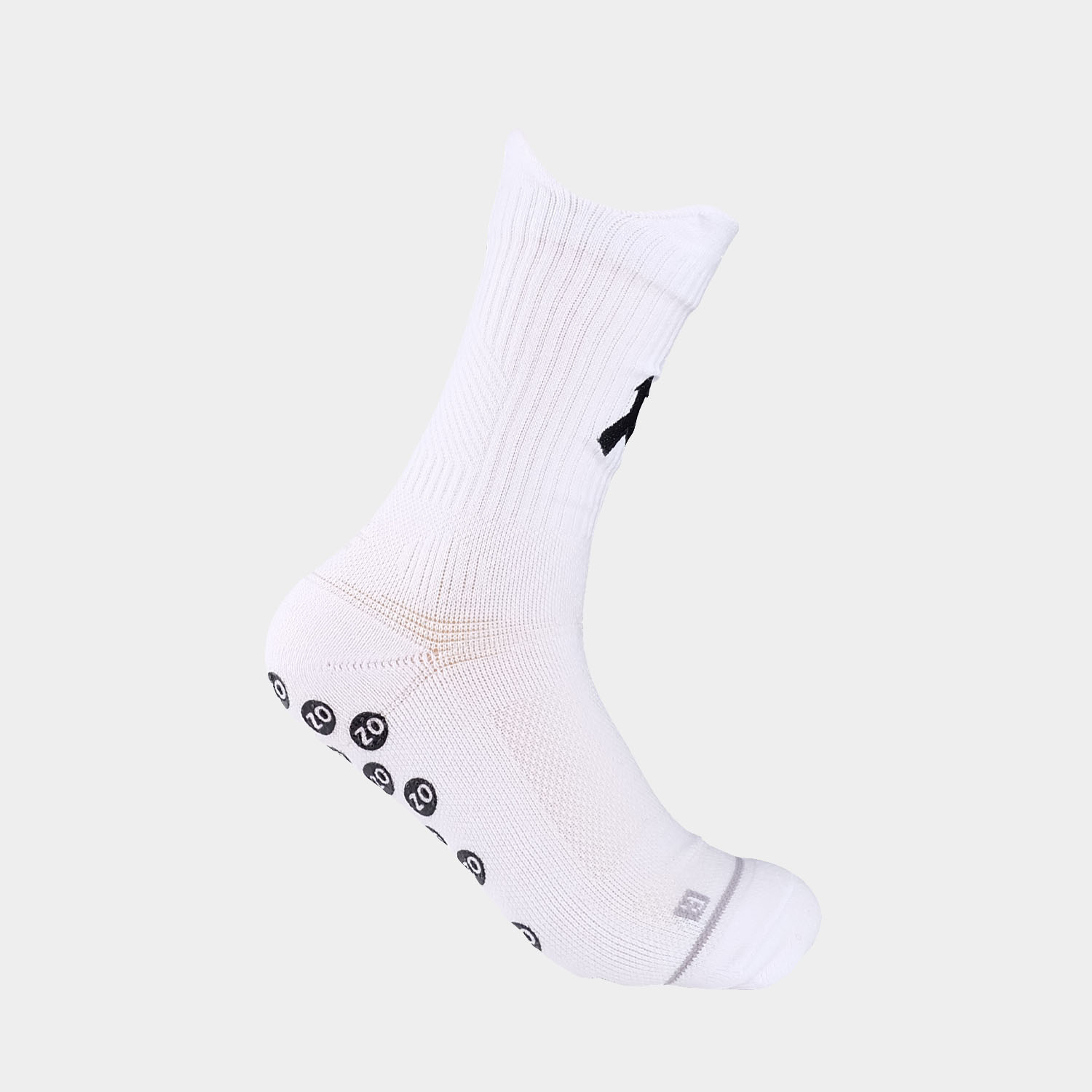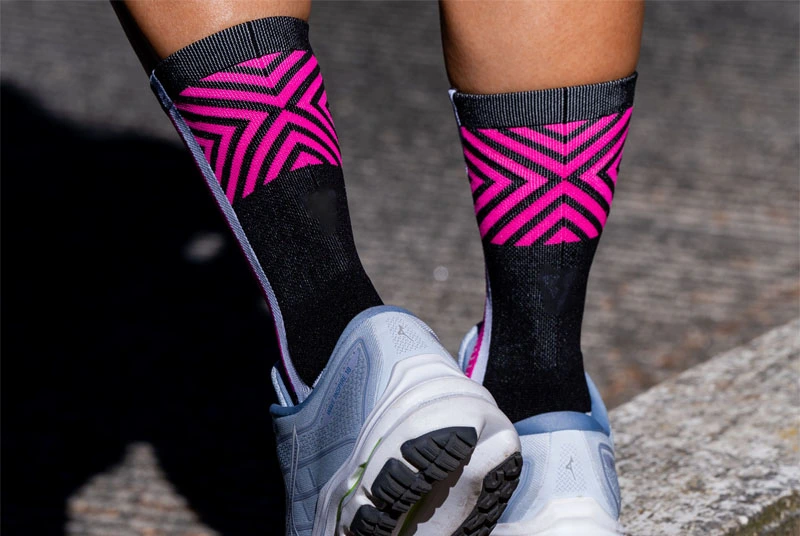
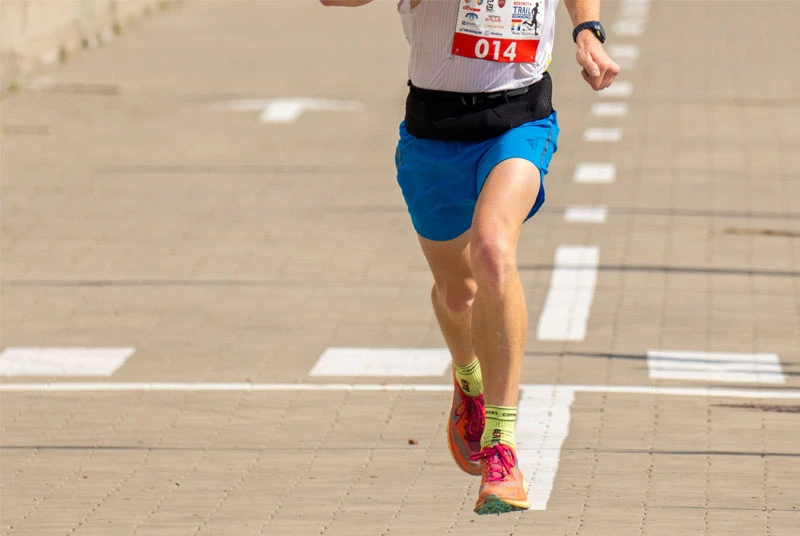
Custom running socks are not just sports accessories with a brand logo. They are functional products that need to balance performance, comfort, and brand value. A well-designed pair of custom running socks can provide runners with a better wearing experience through moisture wicking, friction reduction, cushioning, and arch support, while continuously strengthening the connection between the brand and users.
What Are Running Socks?
Running socks are functional socks specifically designed for running activities. Compared with regular socks, they focus more on comfort and performance during exercise. By using moisture-wicking yarns, breathable structures, cushioning zones, and friction-reducing designs, running socks help keep feet dry, reduce the risk of blisters, and improve comfort during long periods of activity.

Do Running Socks Really Make a Difference?
Yes. Professional running socks have clear differences compared with regular socks, especially during long-distance running and high-intensity training. Regular cotton socks easily absorb and retain sweat, increasing friction between the feet, socks, and shoes. Professional running socks use high-performance materials such as Coolmax®, functional polyester fibers, and Nylon 66, combined with 200-needle high-density knitting, mesh ventilation, arch support, and cushioning designs to improve moisture management, durability, and wearing comfort.
Professional running socks are one of the best product choices for brands entering the performance sports market. In North America and Europe, a pair of professional running socks with blister prevention features and arch support commonly retails for $18–$25. Since runners frequently consume and replace socks through weekly training, a professional product can encourage customers to purchase 3–5 pairs at once or reorder seasonally.
What Type of Socks Are Best for Running?
When developing custom running socks, brands need to choose suitable sock types and functional configurations based on target users and application scenarios.
Lightweight Running Socks
Lightweight running socks are mainly designed for speed runners and race scenarios. They focus on reducing weight, improving breathability, and providing fast moisture management. These socks usually use thinner knitting structures and reduce unnecessary thickness, helping runners maintain a lightweight feeling during long-distance races or high-intensity training.
Cushioned Running Socks
Cushioned running socks add extra thickness in high-pressure areas such as the heel and forefoot to provide better comfort and protection. This design is especially suitable for long-distance running, as continuous impact can cause foot fatigue and discomfort.
Compression Running Socks
Compression running socks use different levels of elastic pressure zones to improve fit stability and reduce sock movement during exercise. For endurance sports, recovery training, and professional sports markets, compression socks are often developed as part of a high-performance product line.
Trail & Outdoor Running Socks
Trail running and outdoor running require different sock features compared with road running. They focus more on durability, temperature regulation, and long-term wearing comfort. Running socks made with Merino wool or blended performance materials can help runners handle changing outdoor environments.
Choosing the Right Running Socks Material
Professional running socks usually use multiple fiber blends to combine moisture management, durability, elasticity, and comfort for different applications.
Polyester: Lightweight and Fast Moisture Wicking
Polyester is one of the most widely used materials in performance running socks. It is lightweight, dries quickly, and provides good moisture management, making it suitable for running products that require fast sweat transfer and a lightweight feel.
When developing products for European and North American markets, simply highlighting “quick drying” is no longer enough. Sustainability has become an important requirement for brands entering these markets and running communities. Repreve® recycled polyester is recommended because it is made from recycled plastic bottles and can provide clear GRS certification.
Nylon: Improving Durability and Product Lifespan
Nylon is mainly used to strengthen high-friction areas such as the heel and toe. However, many low-cost factories use standard Nylon 6 to reduce costs, which can make socks feel harder and more likely to pill after repeated washing.
- Entry Level: Nylon 6 — Lower cost with acceptable strength, suitable for basic daily training socks.
- Performance Level: Nylon 66 — Higher molecular crystallinity, significantly improved abrasion resistance, and a smoother, softer touch.
Factory Recommendation
For premium Racing or Ultra-Marathon product lines, Nylon 66 is highly recommended in covered yarn applications. It can reduce roughness and discomfort during long-duration running.
Merino Wool: Temperature Regulation and Outdoor Performance
Merino wool is considered the gold standard for trail running and winter running socks. It provides excellent natural odor resistance and moisture-temperature regulation. However, one of the biggest mistakes buyers make is specifying only “Merino Wool” without defining the wool fiber micron.
Avoiding Problems: Regular Merino wool above 20 microns may create noticeable itchiness under high-friction activities, which can turn a potential bestseller into a high-return product.
Professional Standard
Performance running socks can use 18.5 micron Superfine Merino or even 17.5 micron Ultra-fine Merino wool. These fibers maintain warmth and moisture management while providing higher comfort.
Spandex/Elastane: Improving Fit and Stability
Spandex/Elastane usually accounts for only 3%–10% of total sock composition, but it directly affects graduated compression, arch support, and resistance to stretching after repeated washing.
Many brands focus only on the main yarns (Polyester/Merino) while ignoring elastane quality, which can result in complaints such as socks slipping down or poor arch fit after several uses.
Example Material Blends for Different Running Sock Applications
Application | Typical Material Blend |
Racing & Marathon Running Socks | 75% Coolmax® / Recycled Polyester + 20% Nylon 66 + 5% Elastane |
Trail & Endurance Running Socks | 60% Fine Merino Wool + 30% High-Tenacity Nylon + 10% Elastane |
Daily Training Running Socks | 65% Polyester / Functional Fiber Blend + 28% Nylon + 7% Elastane |
Running Club & Event Socks | 70% Recycled Polyester + 25% Nylon + 5% Elastane |
How to Develop Custom Running Socks for Your Brand
Developing custom running socks requires combining brand positioning, target users, and product performance requirements.
Define Usage Scenarios and Performance Goals
First, define the application scenarios, such as:
- Marathon events
- Daily training
- Trail running
- Running club activities
Different scenarios require different performance features, such as lightweight breathability, cushioning protection, warmth, or durability.
Select Materials and Sock Construction
Choose suitable materials and structures based on product positioning, such as:
- Polyester / Nylon: Suitable for lightweight and quick-drying running socks.
- Merino Wool: Suitable for outdoor environments and temperature changes.
- Performance blends: Used to improve durability, elasticity, and comfort.
At the same time, consider cushioning zones, arch support, sock height, and logo design details.
Develop Samples and Prepare Bulk Production
Before mass production, brands usually confirm samples for:
- Size and fit
- Material performance
- Color and pattern results
- Whether functions meet expectations
After sample approval, production moves into the bulk manufacturing stage, including quantity, packaging, and delivery planning.
Custom Running Socks for Running Clubs and Events
Running clubs, race events, and sports communities are increasingly focusing on customized products with both functionality and brand identity. Compared with ordinary souvenirs, custom running socks not only showcase team identity but also provide real value for runners.
For running clubs, members frequently participate in training and races. A high-quality pair of custom running socks can naturally become part of their daily sports routine. Socks featuring club logos, team colors, or event elements can continuously increase brand exposure through training sessions, competitions, and social sharing.
In addition, running socks are frequently used sports equipment. Compared with one-time event gifts, functional socks can provide long-term value through comfort, cushioning, and moisture-wicking performance.
For marathon events and running organizers, custom socks are also an effective way to create memorable merchandise and improve participant experience. By combining event logos, themed designs, and performance features, brands can create products with both collectible value and practical use.

How to Choose a China Running Socks Factory
Choosing a reliable China running socks factory requires more than checking prices and product pictures. Brands, retailers, and buyers should verify whether suppliers have real manufacturing capabilities and long-term cooperation potential.
Verify Manufacturing Experience
Manufacturers with real running sock production experience can usually provide:
- Performance sports sock cases
- Production processes
- Product development experience
- Related customer projects
Compared with suppliers that only display large numbers of product images, factories with clear product expertise and professional capabilities are more suitable for long-term cooperation.
Check Factory Information and Production Capability
Before cooperation, buyers should confirm actual manufacturing information, including:
- Factory address
- Production equipment
- Production scale
- Whether there is a stable production team
Professional manufacturers can usually provide factory photos, videos, or online factory inspections to help buyers understand actual production capabilities.
Evaluate Product Range and Professional Focus
Manufacturers that truly focus on sock production usually have a complete product system and accumulated technical experience.
If a supplier sells many unrelated products across different industries, buyers should further confirm whether they actually control production or are only acting as trading companies.
Review Certifications and Quality Control
For performance running socks, buyers should focus on:
- Material sources
- Product testing
- Quality inspection processes
- Relevant certifications
Reliable suppliers can provide clear quality management information instead of only showing unclear certificate images.
Confirm MOQ, Samples and Communication
Before official cooperation, buyers can evaluate suppliers through the sample process:
- Whether samples meet requirements
- Communication efficiency
- Whether MOQ is reasonable
- Whether production timelines are clear
A professional manufacturer usually has a clear sample development process instead of only focusing on low prices.