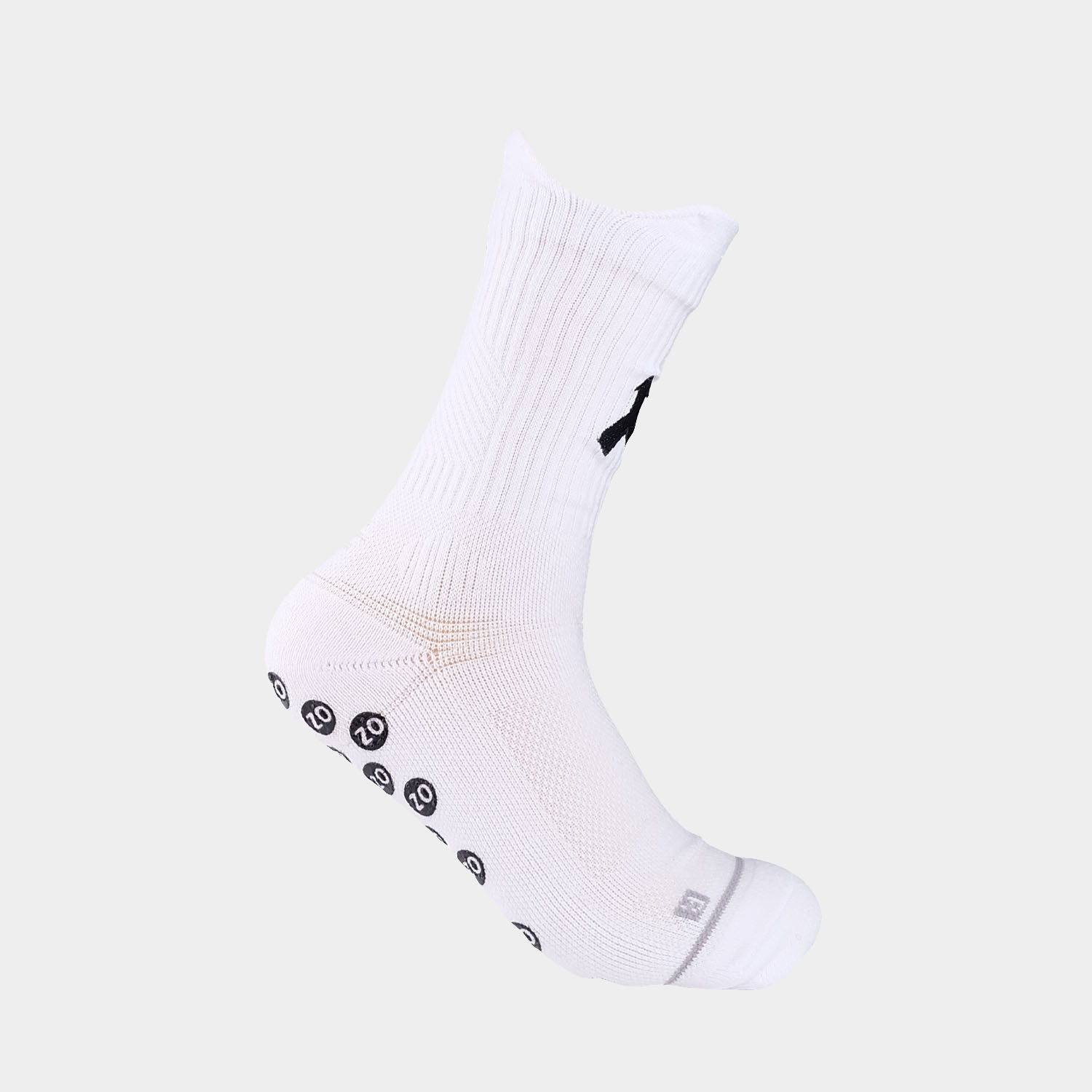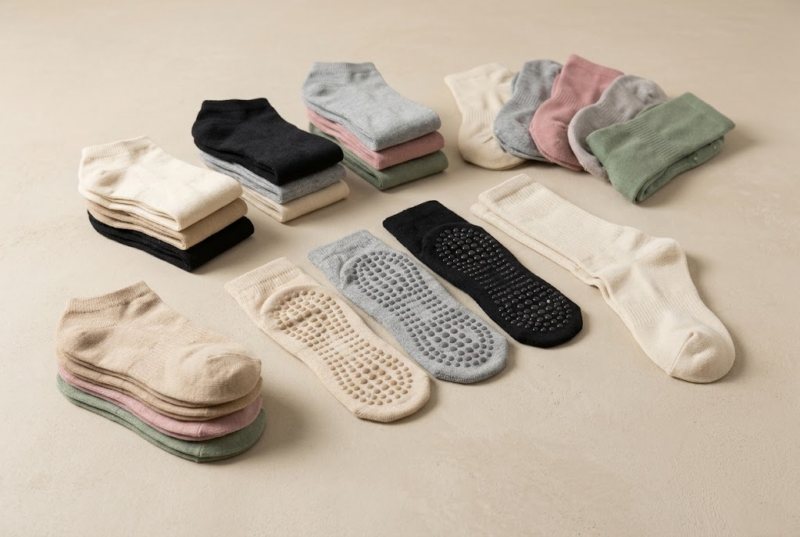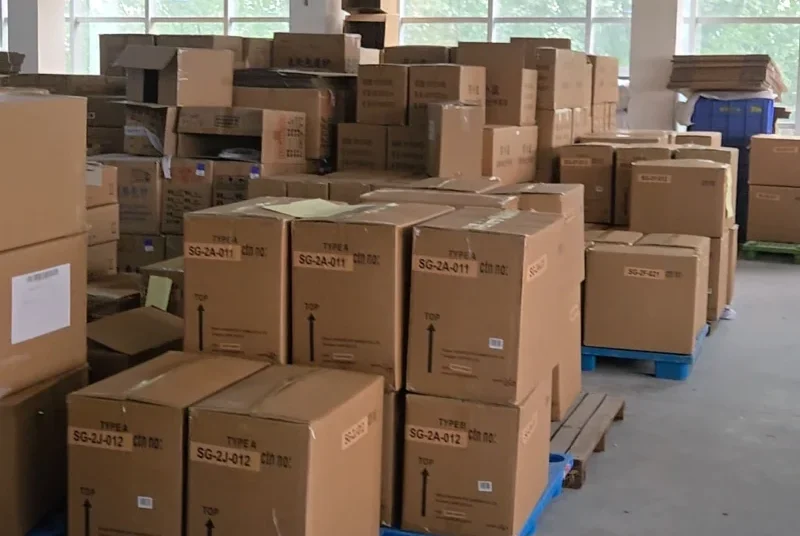

Starting a custom toe socks brand requires more than a logo and a manufacturer. You need a clear target market, a product that solves a specific customer problem, and a manufacturing partner who can turn your design into a consistent, market-ready sock.
For most new brands, the practical route is to start with one well-defined product, develop and test samples, confirm production costs and minimum order quantities (MOQs), and launch only after the design meets your requirements.
Planning your own toe socks line? Talk to Sockcn about your custom sock project to discuss product specifications, customization options, sampling, and production requirements.
TL;DR
Building a brand with custom toe socks starts with a clear target customer and a product specification—not just a logo. Define how the socks will be used, choose materials and construction to match that purpose, and work with a manufacturer that can develop and sample your design. Before committing to bulk production, test the fit, comfort, durability, and performance. For a first launch, confirm the MOQ, sample cost, and lead time upfront; standard sock MOQs may start at 100 pairs per style, but custom toe socks can require different terms.
Start with a Customer, Not a Sock Design
Before choosing yarn or designing packaging, decide who your first product is for. A toe sock intended for distance running has different requirements from one designed for yoga or everyday wear.
Consider a brand targeting runners who want breathable, lightweight socks with a natural toe fit. Its priorities might include minimizing friction, keeping the heel secure, and reinforcing high-wear areas without making the sock unnecessarily thick. A brand targeting yoga customers might instead focus on flexibility, foot coverage, and optional grip features.
Trying to serve both audiences with one product can work, but only if their needs genuinely overlap.
Research competing brands to understand what is already available. Compare their materials, fit, cushioning, price points, and intended uses. Read customer reviews for recurring complaints, such as socks slipping inside shoes, uncomfortable toe seams, or premature wear. These complaints can reveal opportunities for differentiation more clearly than copying a competitor’s visual style.
Your first product should have a reason to exist beyond being another pair of five-toe socks.
What Makes a Custom Toe Sock Different
Once you have a target customer, turn your idea into a product specification. This is where a manufacturer can help you determine what is technically feasible and which design choices are worth the cost.
Materials are only part of the performance
For a premium running or walking sock, merino wool blended with nylon or polyamide and elastane may be a useful starting point. Merino wool can contribute softness and temperature regulation, nylon can improve strength and abrasion resistance, and elastane can support stretch and shape retention.
However, fiber composition alone does not determine performance. Yarn quality, knitting construction, fabric density, and reinforcement placement all affect how the finished sock feels and wears.
A lightweight design may be preferable for running in close-fitting shoes, while a hiking sock may need more cushioning and protection. Increasing cushioning everywhere is not automatically an improvement; it can change shoe fit and increase bulk.
Ask your manufacturer to recommend suitable blends based on your intended use, target price, and durability requirements. If you have a preferred blend, treat it as a starting specification to evaluate rather than assuming it is already the best-performing option.

Fit and construction deserve as much attention as branding
Five-toe socks require attention to individual toe lengths, toe-pocket fit, heel positioning, and the way the fabric behaves during movement.
For a performance design, discuss:
- Toe-pocket dimensions and the intended size range.
- Knitting gauge, fabric thickness, and cushioning.
- Heel construction and reinforcement in high-wear areas.
- Seam placement and finishing to reduce uncomfortable contact points.
- Cuff stretch and the balance between a secure fit and excessive tightness.
These details should reflect how the socks will actually be used. A sock that feels comfortable while standing still may behave differently during a long run.
Branding comes after the core product requirements are clear. Decide on logo placement, colors, and packaging, but avoid spending heavily on elaborate packaging before you have validated the sock itself. If your logo contains fine lines or small lettering, ask the manufacturer how well the artwork can be reproduced using the proposed branding method.
Find a Manufacturer That Can Develop Your Product
Not every sock manufacturer is equipped to develop every type of toe sock. If your concept requires a particular toe shape, specialized material blend, or performance-oriented construction, confirm those capabilities before comparing quotations.
A manufacturer offering customization should be able to explain which features can be changed, which require adjustments to the construction, and which may be limited by available materials or production methods.
When evaluating a supplier, ask for relevant product examples and discuss the technical requirements of your design. You should also establish whether the manufacturer can recommend materials, develop samples, accommodate revisions, and maintain consistency between the approved sample and bulk production.
A low unit price means little if the supplier cannot reproduce the fit or construction you approved.
Compare quotations on an equivalent basis. Check the specified materials, customization level, packaging, order quantity, and delivery terms. Ask how quality is checked during production and how any differences from the approved sample would be handled.
If you are developing a product from scratch, the manufacturer’s ability to identify problems early may be more valuable than a small difference in the initial quotation.
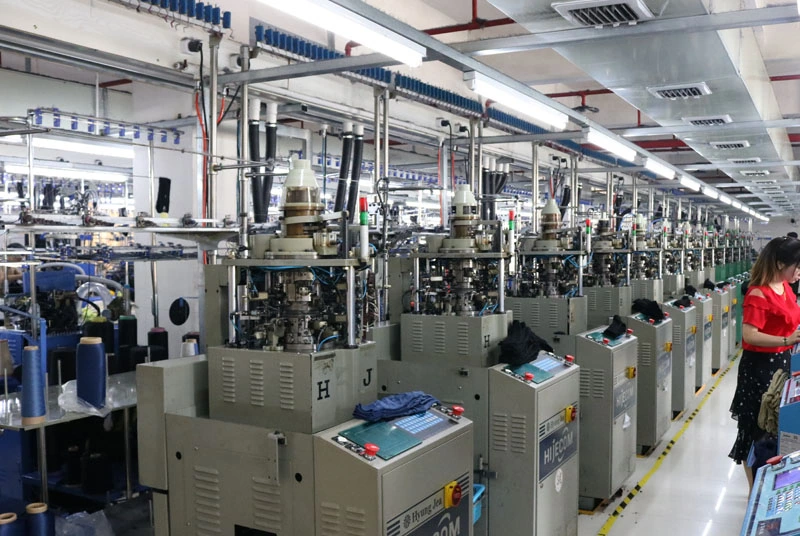
How Much Do You Need to Order to Launch a Toe Socks Brand
MOQ is one of the first practical constraints for a new brand. You may want to test demand with a small quantity, but the manufacturer may need a minimum run to accommodate the design, materials, and production setup.
Sockcn’s standard socks generally start at 100 pairs per style. Specialized custom toe socks may have different requirements, depending on the construction, yarn, colors, and customization involved. Confirm the MOQ for your actual design rather than assuming the standard minimum applies to every project.
Also ask how quantities are calculated. A minimum might apply per style or be affected by color and other production requirements. If you plan to offer several sizes, confirm whether the quantity can be distributed across the size range.
Your launch budget should include more than the price per pair. Account for sample development, branding, packaging, freight, import duties, and any required testing or revisions. Some development costs may be charged separately from the bulk order.
Before committing, work backward from your intended retail price. Estimate the total cost of getting each pair ready for sale, then determine whether the remaining margin can support your sales channel and operating expenses.
A small first order can reduce inventory exposure, but it is only useful if the product can be manufactured at a commercially viable cost.
Do Not Approve Bulk Production Until You Have Tested the Sample
A product specification describes what you want. The sample shows whether the manufacturer can deliver it.
When you request a sample, provide reference photos or products, your preferred materials, target use, size requirements, and any essential construction details. You do not need to know every technical answer in advance, but you should be clear about the problems the finished sock must solve.
For performance toe socks, test the sample in the intended conditions. Check whether the toe pockets fit comfortably, whether the heel stays in place, whether the fabric bunches during movement, and whether seams or other construction details create friction. After repeated wear and washing, inspect the heel, toes, stretch recovery, and overall condition.
Give the manufacturer specific feedback rather than simply saying that the sock feels wrong. For example, if the sock bunches beneath the forefoot during running, identify where it happens and under what conditions. That gives the development team a more useful starting point for adjustments.
A sample may need more than one revision, especially when the design uses specialized materials or differs substantially from an existing product. Agree on the sampling process and expected timeline in advance.
Once the product meets your requirements, document the approved materials, dimensions, construction, colors, branding, and finishing details. Use this specification as the reference for bulk production.
From Approved Sample to Brand Launch
You do not need to launch with a large collection. For a new toe socks brand, one carefully developed product may be enough to test the market and learn what customers value.
Before production, confirm the final specification, size range, packaging, labeling, quality requirements, and delivery schedule. Make sure the manufacturer is working from the approved version of the design.
Your product page should explain the features that matter to your target audience and avoid unsupported performance claims. If breathability, durability, or moisture management is central to your positioning, use appropriate product evidence or testing to substantiate those claims.
After launch, collect feedback about fit, comfort, sizing, and wear. Use it to decide whether to refine the original product or introduce additional styles. This is more useful than expanding the range simply to make the brand appear larger.
Ready to Develop Your Own Custom Toe Socks?
A successful toe socks brand starts with a product customers want and a manufacturer who can produce it consistently. Define your target market, identify the features that matter most, and validate the design before committing to bulk production.
You can begin with a product concept, reference images, preferred materials, and an estimated first-order quantity. The manufacturer can then assess feasibility, discuss suitable construction options, and clarify MOQ, sampling costs, and production lead times.
Contact Sockcn to discuss your custom toe socks requirements and explore the next steps for developing your own branded product.