Blisters can quickly make a long run or hike uncomfortable. So, what makes some socks better at reducing friction and managing moisture than others? Anti blister socks are designed to address these common issues through the right materials, construction, cushioning, and fit. This guide explains what to look for and how to choose the right pair for different activities.
Quick Overview
Reduce blister risk: Reduce friction, manage moisture, and improve comfort.
Choose the right materials: Merino wool, polyester, nylon, Coolmax, and bamboo blends offer different benefits.
Look for functional construction: Dual layers, seamless toes, cushioning, and arch support can improve comfort and reduce friction.
Match socks to the activity: Choose based on running, hiking, hot weather, or long hours of walking and standing.
What Causes Foot Blisters?
Foot blisters are mainly caused by repeated shear deformation within the skin. When the foot moves while friction holds the skin in place, repeated shear can damage deeper tissue layers and eventually form a fluid-filled blister.
Several factors can make this process more likely:
- Friction: Repeated movement between the foot, sock, and shoe increases friction.
- Moisture: Sweat can change skin friction and increase discomfort during prolonged activity.
- Heat: Long periods of exercise can increase heat and moisture around the foot.
- Pressure: Pressure around the heel, toes, or forefoot can increase friction.
- Poor fit: Loose socks can bunch and wrinkle, while tight socks can create pressure points.
That is why blister prevention is not simply about choosing a thick sock. A better approach is to control friction, moisture, pressure and movement together.
What Are Anti-Blister Socks?
Anti blister socks are performance socks designed to reduce the friction, moisture, and pressure that can contribute to blisters. They usually combine moisture management, a secure fit, smooth construction, and targeted cushioning rather than relying on a single feature.
The main goal is simple: keep feet dry, keep socks in place, and limit friction and pressure in high-risk areas. Depending on the activity, features may include moisture-wicking fibers, Merino wool, dual-layer construction, seamless toes, reinforced heel and toe areas, and anatomical support.
These features make blister prevention socks especially useful for activities with repeated movement and moisture, such as running, hiking, trail running, and long-distance walking.
Core Features of Anti-Blister Socks
Reducing friction and managing moisture are key to keeping feet comfortable during activity. Specialized materials and construction help anti-blister socks provide better support, while the right design can also suit different activities, foot shapes, and blister-prevention needs.
Dual-Layer Construction
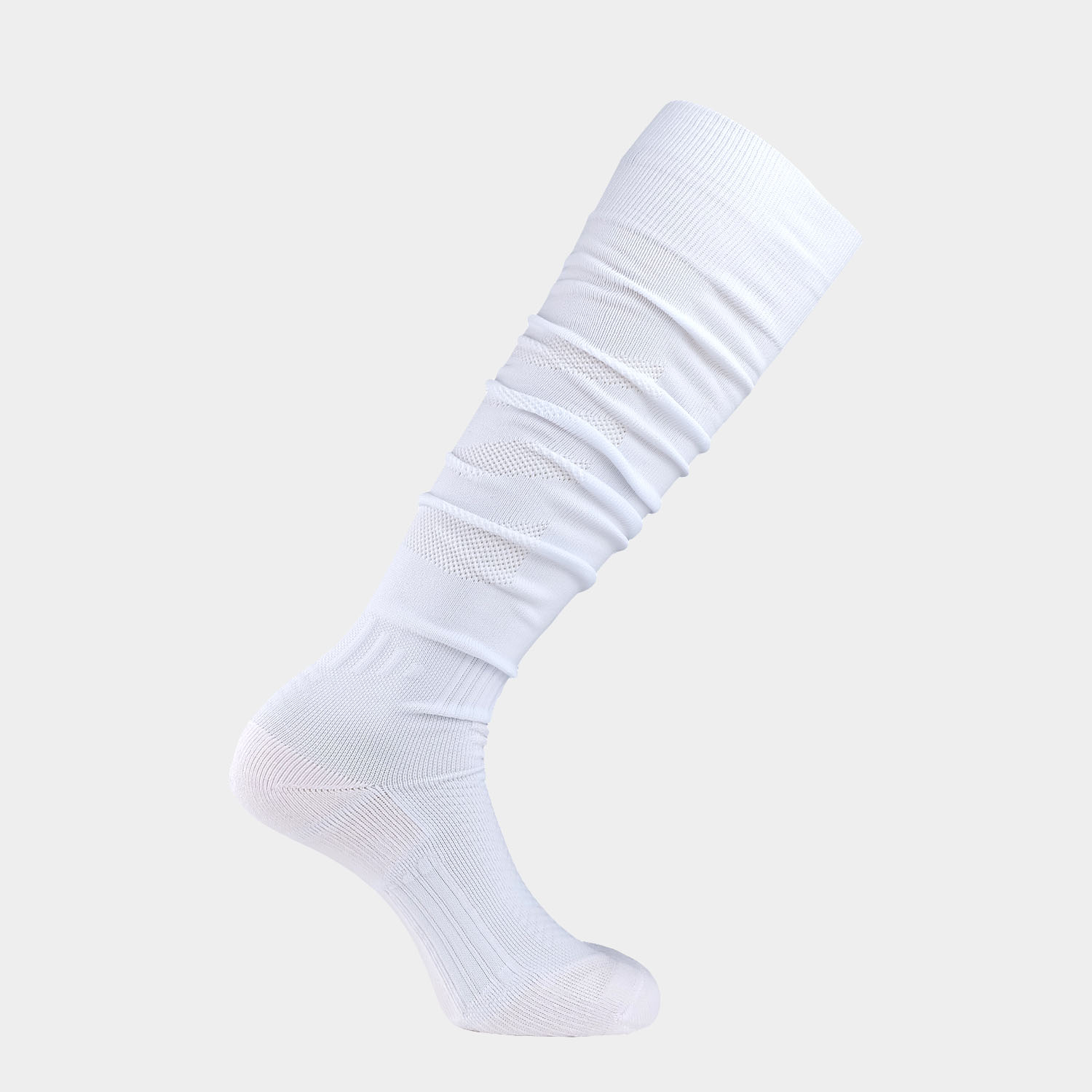
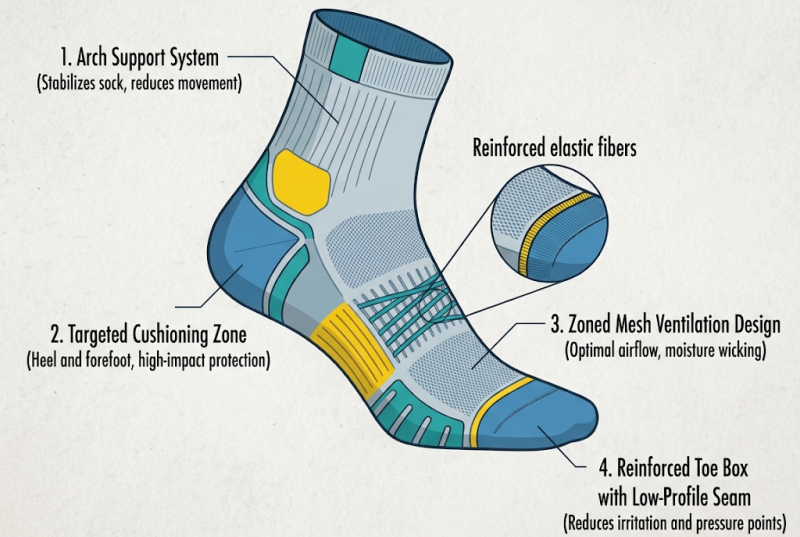
A dual-layer sock uses two layers that move against each other, helping absorb or redistribute friction instead of transferring it directly to the skin. This construction can be useful for blister prevention socks designed for long-distance walking, hiking, or running.
Moisture-Wicking Materials
Moisture management is a key part of anti blister socks design, as keeping sweat away from the skin can help reduce friction and chafing. Polyester and nylon dry quickly, while Merino wool helps manage moisture and regulate temperature, making synthetic blends suitable for running and Merino blends a good choice for hiking and outdoor use. Cotton is less suitable for performance socks because it absorbs moisture and dries slowly, so the American Academy of Dermatology and Mayo Clinic recommend moisture-wicking socks for blister prevention.
Seamless or Low-Profile Toe Construction
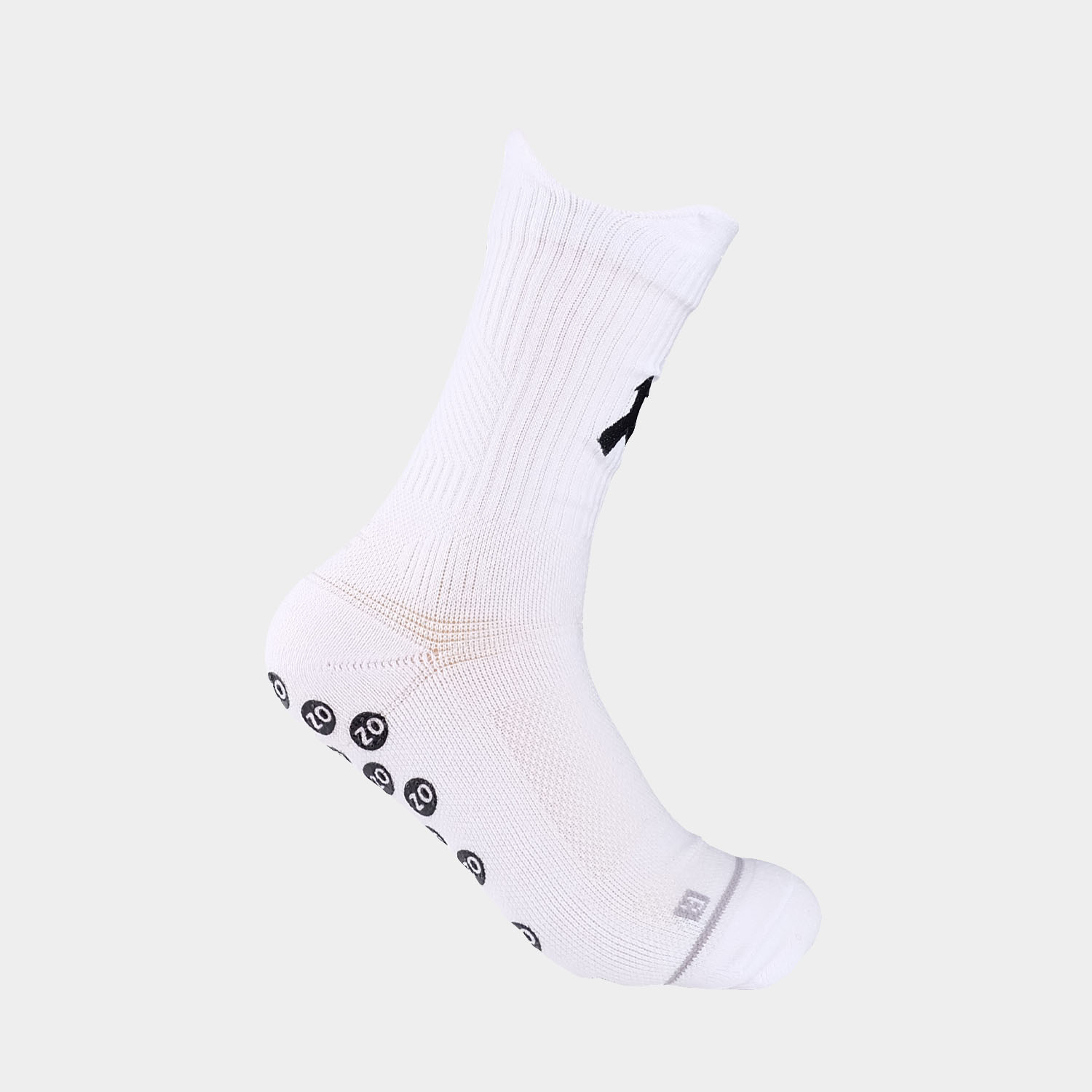
A bulky toe seam can create localized pressure and friction as the foot moves inside a running shoe. Seamless or low-profile toe closures reduce raised material around the toes, making them useful for long-distance running and people sensitive to toe seams. However, seamless construction alone does not prevent blisters, as overall fit, toe-box space, and sock movement still matter.
Targeted Cushioning and Arch Support
More cushioning does not always mean better blister protection, as overly thick socks can reduce shoe space and create new pressure points. Targeted cushioning around the heel, forefoot, and toes can provide support where it is needed most. Arch support can also help keep the sock in place, while a snug but comfortable fit reduces bunching and unwanted movement.
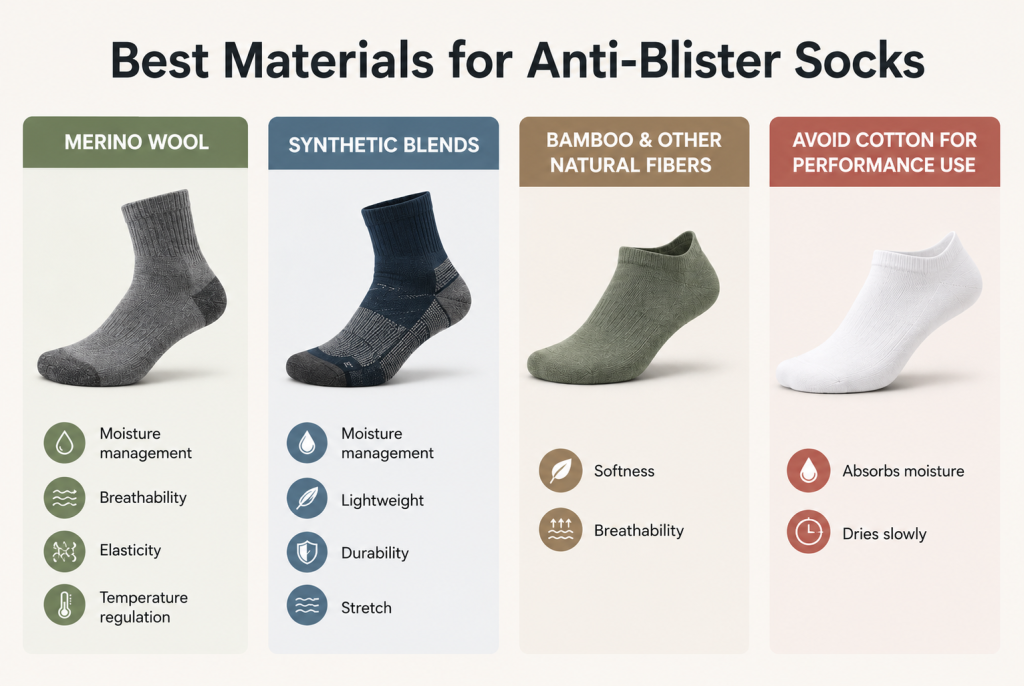
Best Materials for Anti-Blister Socks
The best material depends on the activity, climate, and desired construction. Blended yarns often offer a better balance of comfort, performance, and durability than a single fiber.
Merino Wool
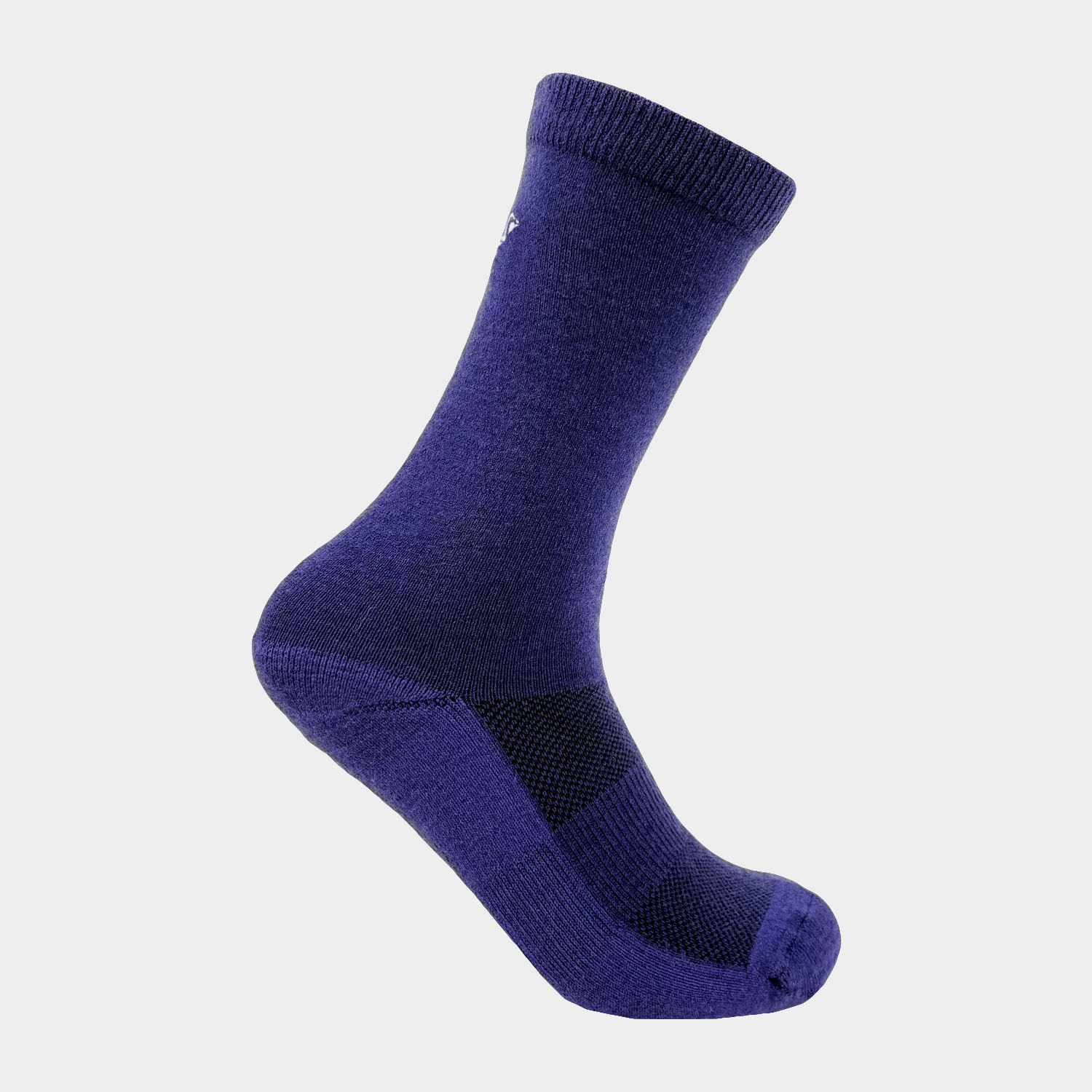
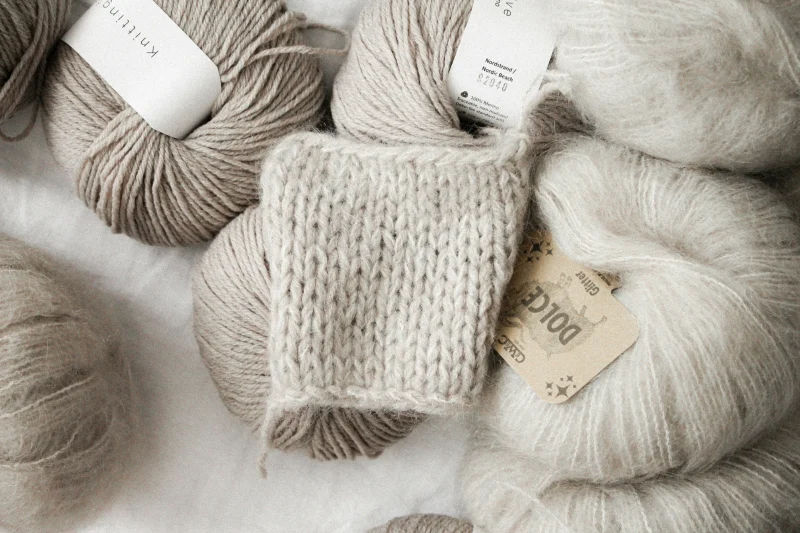
With natural moisture management, breathability, elasticity, and temperature regulation, Merino wool keeps feet comfortable while its fine fibers provide a soft feel against the skin. For merino wool anti-blister socks, blending it with synthetic fibers can improve durability and stretch, making them suitable for hiking, trail running, and longer outdoor activities.
Synthetic Blends
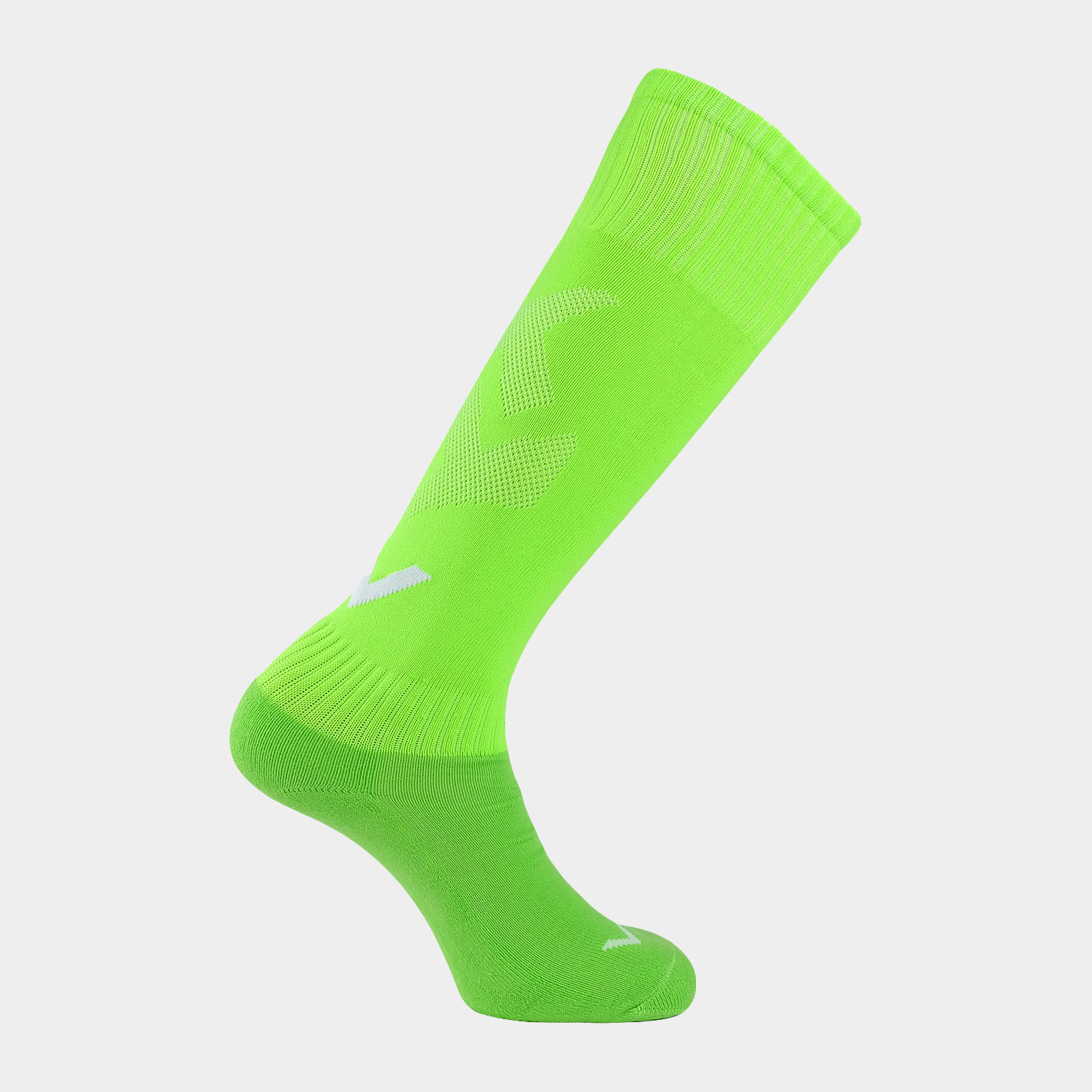
Lightweight, moisture-managing, durable, and stretchy, synthetic fibers such as polyester and nylon are widely used in performance socks. Polyester or Coolmax blends work well for hot-weather running and training, while nylon adds abrasion resistance for hiking and trail use, but blister prevention also depends on the overall sock construction and moisture management.
Bamboo and Other Natural Fibers
Bamboo and other natural fibers can work well in lifestyle or lower-intensity products, where softness and breathability are priorities. When greater durability and stretch recovery are needed, blending them with polyester, nylon, or elastane can make them more suitable for demanding running and hiking products.
Avoid Cotton for Performance Use
Soft and comfortable when dry, cotton tends to absorb moisture and dry relatively slowly. When blister prevention is a concern, medical and outdoor guidance generally favors moisture-wicking materials, while cotton blends can still work well for lifestyle socks where high-performance moisture management is not a priority.
How to Choose Anti-Blister Socks
When choosing or developing blister prevention socks, look at the entire sock rather than one material or feature.
- Material: Match the yarn to the climate and activity.
- Construction: Look for smooth seams, stable fit and appropriate ventilation.
- Cushioning: Add protection where pressure is highest without making the sock unnecessarily thick.
- Fit: The sock should stay in place without being excessively tight.
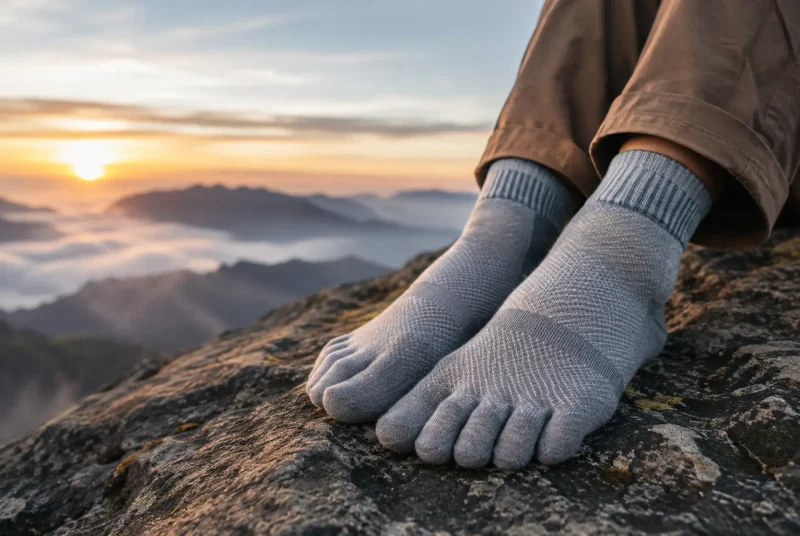
- Toe construction: Consider seamless, low-profile or individual toe construction for specific friction problems.
- Activity: Running, hiking and everyday use require different balances of weight, durability and cushioning.
Socks are only one part of blister prevention. Properly fitting footwear and early attention to hot spots are also essential to reduce friction before it develops into a blister.
FAQ
Q1. Do anti-blister socks really prevent blisters?
No sock can completely prevent blisters, but the right design can help lower the risk. Moisture management, proper fit, reduced friction, and suitable construction all play a role in preventing friction blisters.
Q2. What materials are best for anti-blister socks?
Q3. Are anti-blister socks worth it for marathon training?
They can help when blister risk comes from long-distance movement, sweat, or repeated friction. Proper shoe fit and sock construction still matter.
Conclusion
The best anti blister socks combine moisture management, friction-reducing construction, a secure fit, and suitable cushioning. Choosing the right materials and features for each activity can help reduce blister risk and improve comfort, while brands can tailor these elements when developing custom anti-blister socks for specific users and product needs.