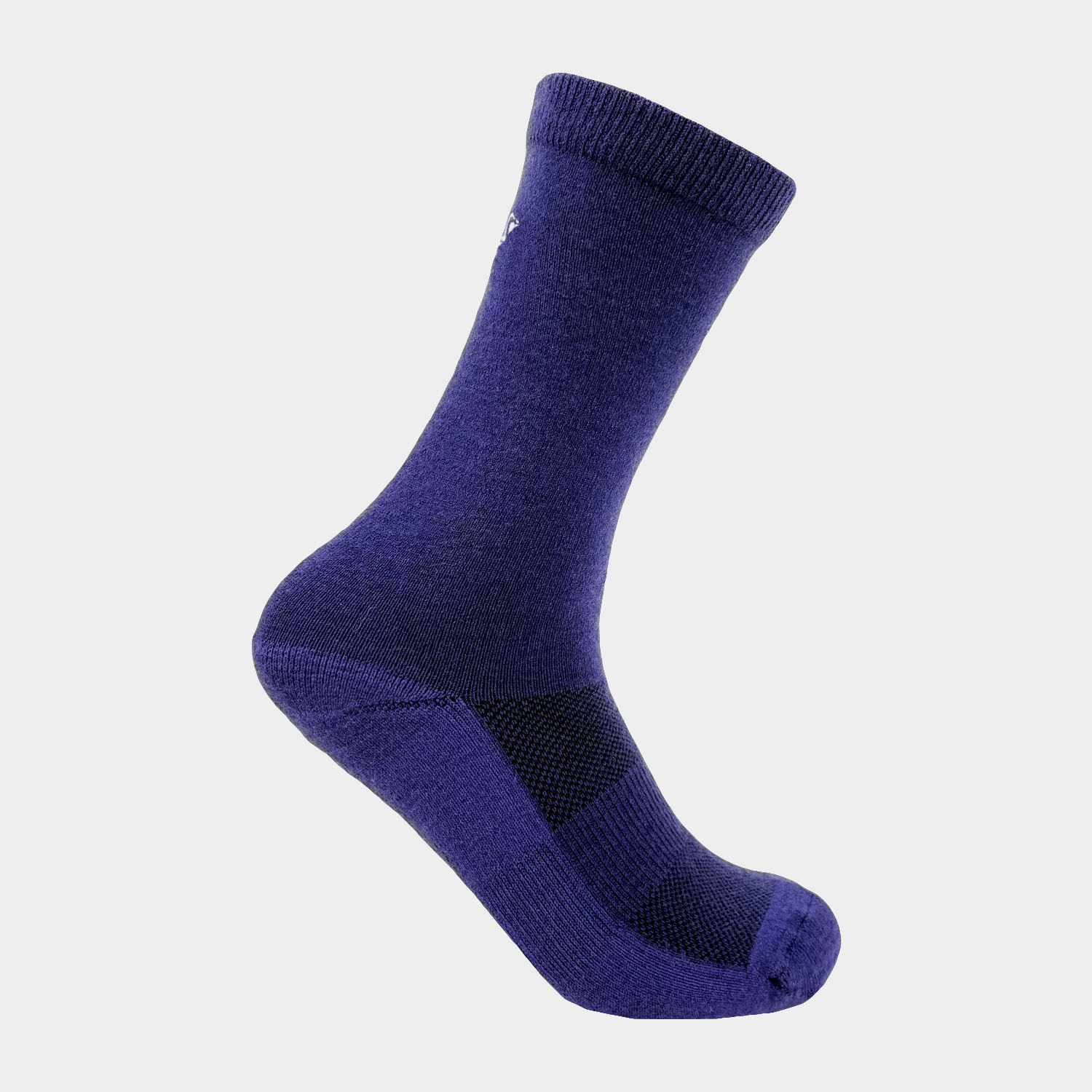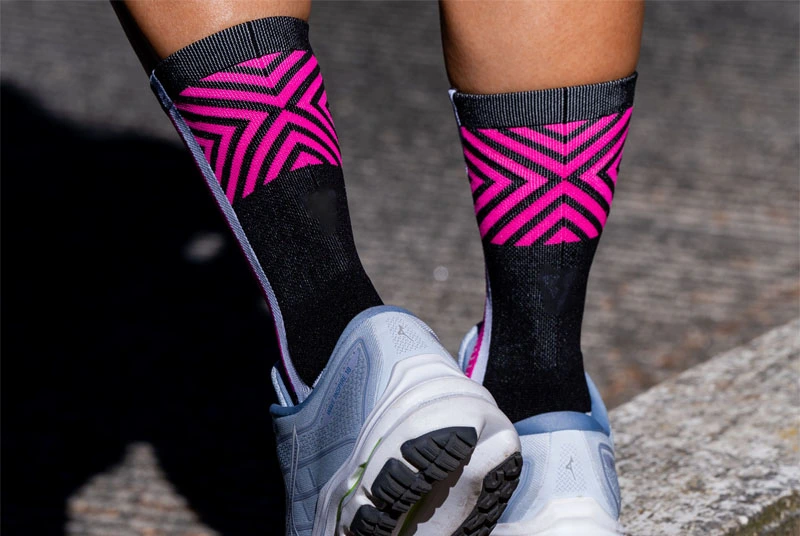

Want to know how to wash compression socks without affecting their elasticity? This guide covers the right cleaning methods, how often to wash them, whether machine washing is suitable, and the best drying tips to help keep their fit, comfort, and performance over time.
How Often Should You Wash Compression Socks?
Washing Compression Socks After Every Use
Compression socks should generally be washed after each wear, especially for runners, healthcare workers, travelers, and anyone who wears them for long periods. Regular washing helps keep them fresh and comfortable while protecting their compression and supportive fit.
Rotating Multiple Pairs of Compression Socks
For daily use, having several pairs allows you to rotate between clean socks and helps reduce wear on any single pair.
What to Check Before Washing
Before washing, it’s important to check the sock condition and care label first. Different materials may require different cleaning methods, and following the right steps can help prevent unnecessary damage.
Checking the Care Label Before Washing
Always check the manufacturer’s care instructions before washing compression socks. Some styles can be machine washed, while others need gentler cleaning methods to help protect the fabric and maintain their performance.
Turning Socks Inside Out Before Cleaning
Turning compression socks inside out before washing helps remove sweat and residue while reducing wear on the outer fabric.
Inspecting Socks for Damage
Before washing, check for holes, loose threads, or reduced elasticity. Once compression socks lose their stretch and support, they cannot be restored through cleaning and may need replacement.

How to Hand Wash Compression Socks
Hand washing is one of the safest ways to clean compression socks, especially when you want to extend their lifespan. A gentle washing process helps protect the fibers and maintain the socks’ compression performance.
Using Cool or Lukewarm Water
Hot water can damage elastic fibers and reduce compression over time. Please using cool or lukewarm water helps protect the material structure through repeated washes.
Choosing a Mild Detergent
A mild detergent is the safest choice for compression socks. Avoid bleach, fabric softeners, and harsh stain removers, as they can damage elastic fibers and affect sock performance.
Removing Excess Water Without Wringing
After washing, rinse thoroughly and gently press out excess water with your hands or a towel. Avoid twisting or wringing, as this can stretch the fibers and affect the sock’s fit.
Note:
Compression socks made with Merino wool or similar materials need extra care during washing. High temperatures and rough washing can damage the wool fibers and affect the sock’s elastic structure.
Can Compression Socks Be Machine Washed?
Many compression socks can be machine washed, but the right settings still matter:
- Using a Mesh Laundry Bag: It helps reduce friction from zippers, hooks, and rough fabrics that may cause stretching or damage.
- Selecting a Gentle Wash Cycle: Use cold water and a delicate cycle whenever possible. Lower temperatures and gentler washing help reduce stress on elastic fibers, keeping the socks’ compression performance over time.
- Washing With Lightweight Clothing: Avoid washing compression socks with heavy items like towels or jeans, as they can create extra friction and increase fabric wear.
- Avoiding Harsh Laundry Products: Bleach, fabric softeners, and harsh cleaning products can damage elastic fibers and affect the softness and moisture-wicking performance of compression socks. Using a mild detergent helps protect the fabric and maintain sock performance.

How to Dry Compression Socks Properly
Drying properly is just as important as washing. Too much heat can weaken elastic fibers and reduce the compression of the socks over time.
Air Drying Compression Socks Naturally
Using Low Heat When Machine Drying
Dryer use depends on the care instructions for each pair of compression socks. If allowed, use a low heat or gentle setting, as high temperatures can weaken elastic fibers and reduce compression over time.
Avoiding Direct Heat Exposure
Keep compression socks away from radiators, heaters, and direct sunlight.
Common Washing Mistakes
Knowing the common care mistakes can help prevent unnecessary wear and keep compression socks performing well for longer.
| Action | Do / Don’t | Purpose / Reason |
| Wash with cool or lukewarm water | Do | Help protect elastic fibers and maintain compression |
| Use a mild detergent | Do | Clean the fabric without unnecessarily stressing elastic fibers |
| Rinse thoroughly after washing | Do | Remove detergent residue that may affect fabric performance |
| Use hot water | Don’t | Excessive heat can weaken elastic fibers and reduce compression |
| Use bleach | Don’t | Harsh chemicals can damage the fibers |
| Use fabric softener | Don’t | May leave a coating that affects fabric performance |
| Wring or twist wet socks | Don’t | Can stretch the material unevenly and affect the fit |
| Handle wet socks gently | Do | Reduce unnecessary stress on the fabric and compression structure |
FAQ
Q1. Can Compression Socks Be Machine Washed?
Yes, many compression socks can go in the washing machine when the care label permits it. Cold water, a gentle cycle, and a mesh laundry bag can help protect the fabric and elasticity.
Q2. Can Compression Socks Go in the Dryer?
Q3. How Long Do Compression Socks Last?
Conclusion
This guide covers how to wash compression socks while protecting their comfort, compression, and durability. For brands, Sockcn also develops custom compression socks with flexible options for materials, compression levels, designs, and private-label packaging.