According to Grand View Research, the global socks market is projected to exceed $73 billion by 2033. Capturing this value requires precision. Sock height is now a dealbreaker. Even premium fabric won’t save a product with the wrong silhouette. Nailing the exact rise is essential for both wearer comfort and commercial success.
To achieve this precision, this article covers standard sock heights and their specific functions. It details how short, medium, and long cuts match different footwear and weather conditions. The content also highlights custom manufacturing options for brands looking to develop unique product lines.
Why Sock Length Matters?
There are standard lengths designed for every shoe and activity.
Comfort is the main consideration. If the length is wrong for the activity, it hurts. Low socks in hiking boots cause rubbing and blisters. High socks in the summer make feet hot and sweaty. The right sock simply needs to protect the skin and keep the temperature down.
Appearance is equally important. The length changes the style. Suits need long socks to hide the leg when you sit down. Loafers need hidden socks for a clean look. If the sock doesn’t match the shoe, the outfit looks wrong.
What are the Different Types of Socks Length?
Sock lengths are commonly described by rise in product specifications. This measures the distance from the heel point to the top of the cuff. Understanding these cut points helps ensure the product matches the intended footwear.

Short Lengths
Short lengths sit below or directly at the ankle bone.
- No-Show Socks: Designed to hide completely inside the shoe and sit below the ankle bone to create a barefoot look.
- Ankle Socks: Specifically cover the ankle bone to provide enough fabric to stop the heel from rubbing against the shoe collar.
Medium Lengths
Medium lengths extend from above the ankle bone up to the lower to mid calf.
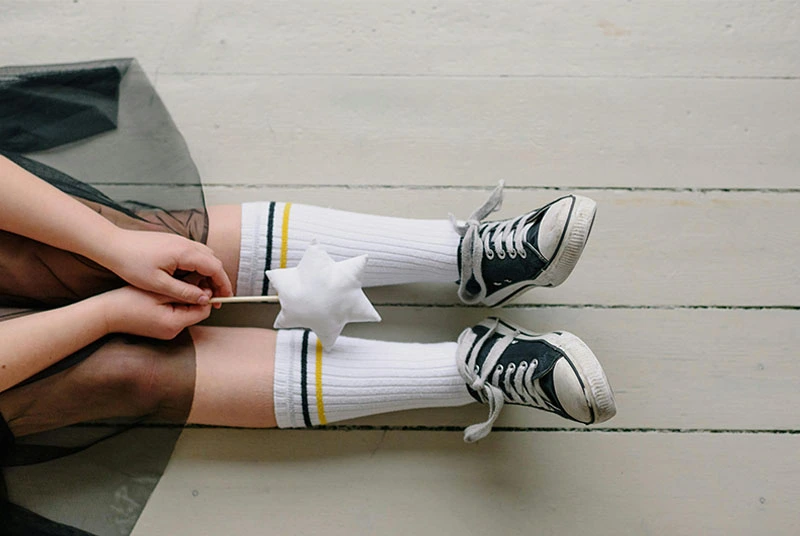
- Quarter Socks: Extend past the ankle but stop below the calf to guard the skin against friction from high-top sneakers.
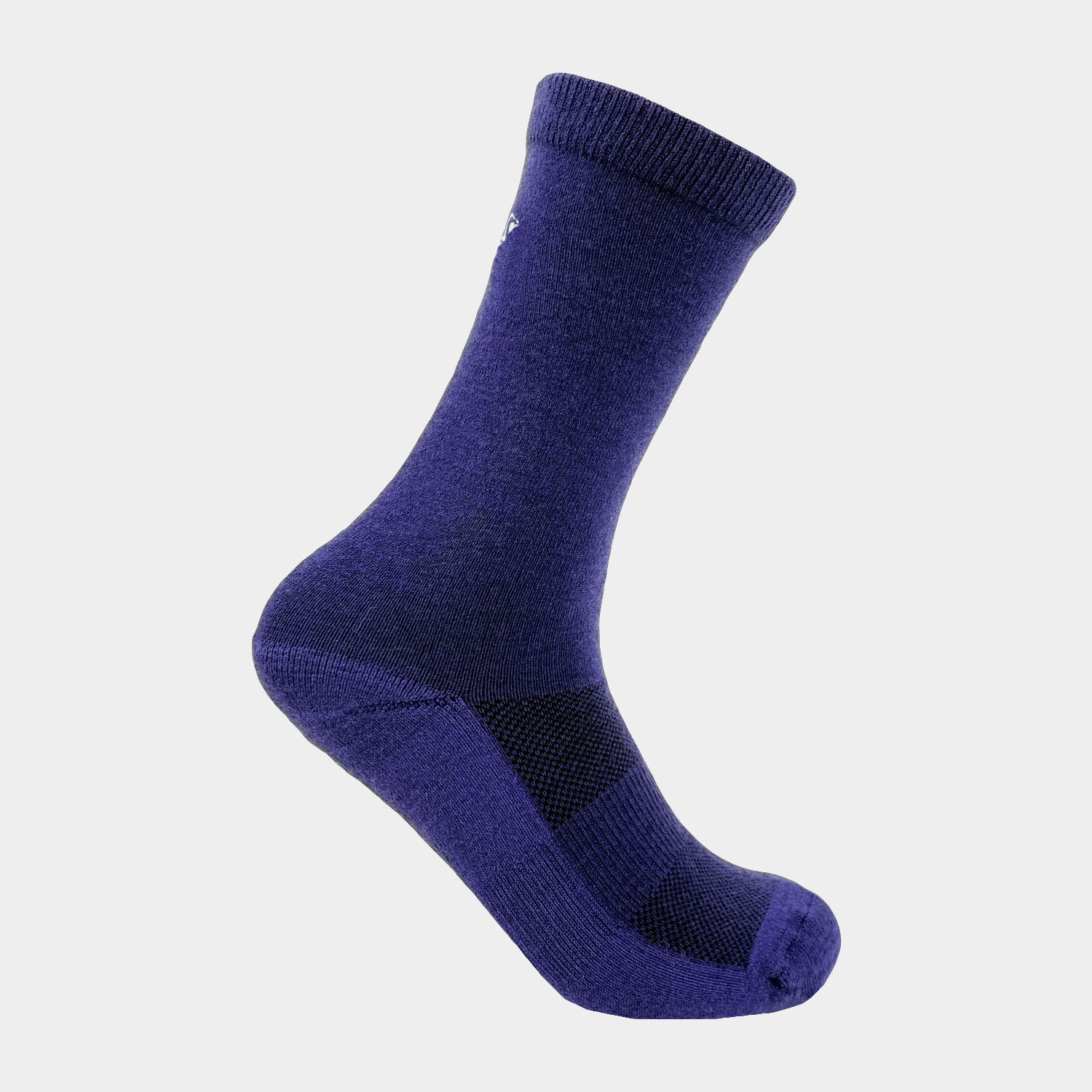
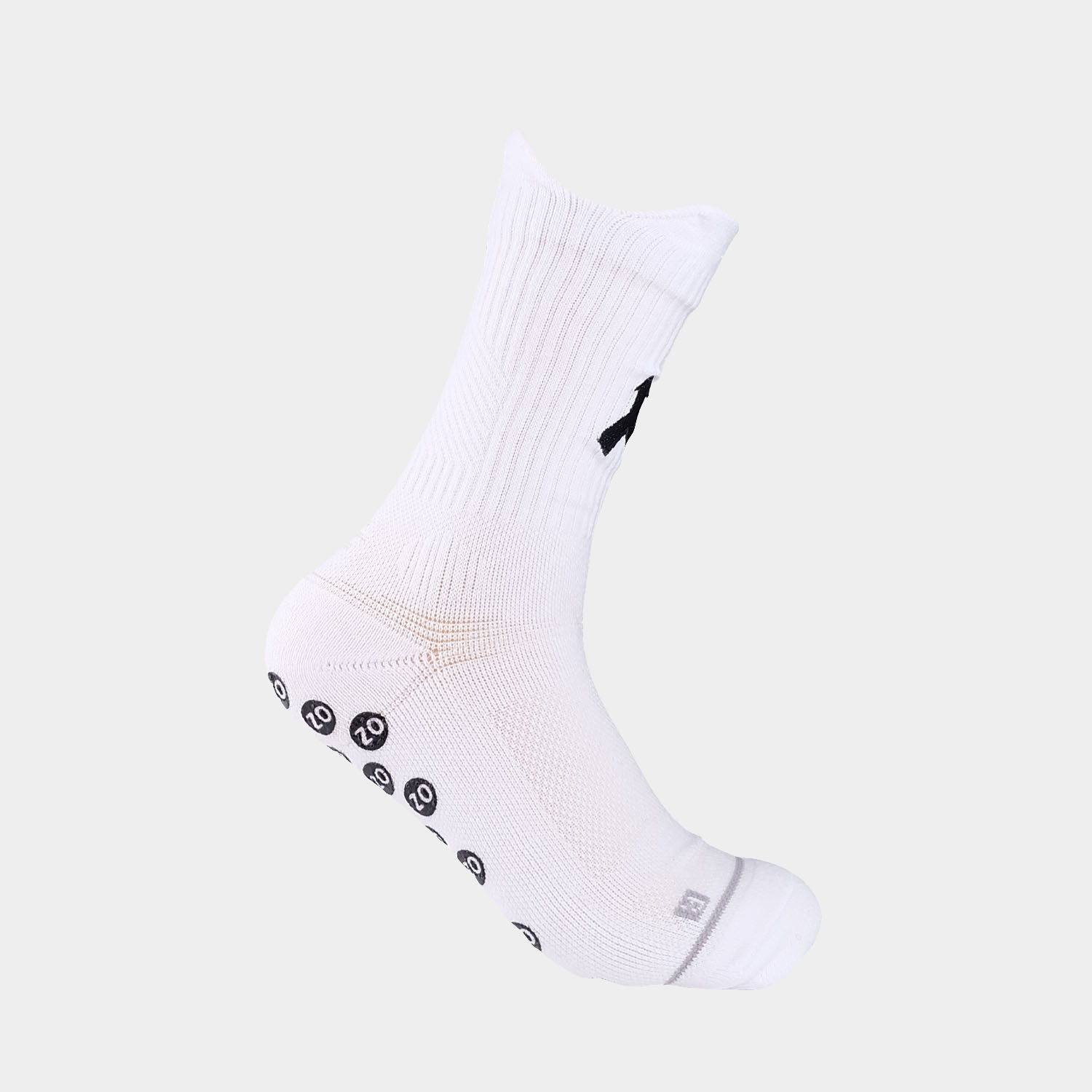
- Crew Socks: A common standard where the cuff hits the lower to mid calf, typically 6 to 8 inches above the heel.
Long Lengths
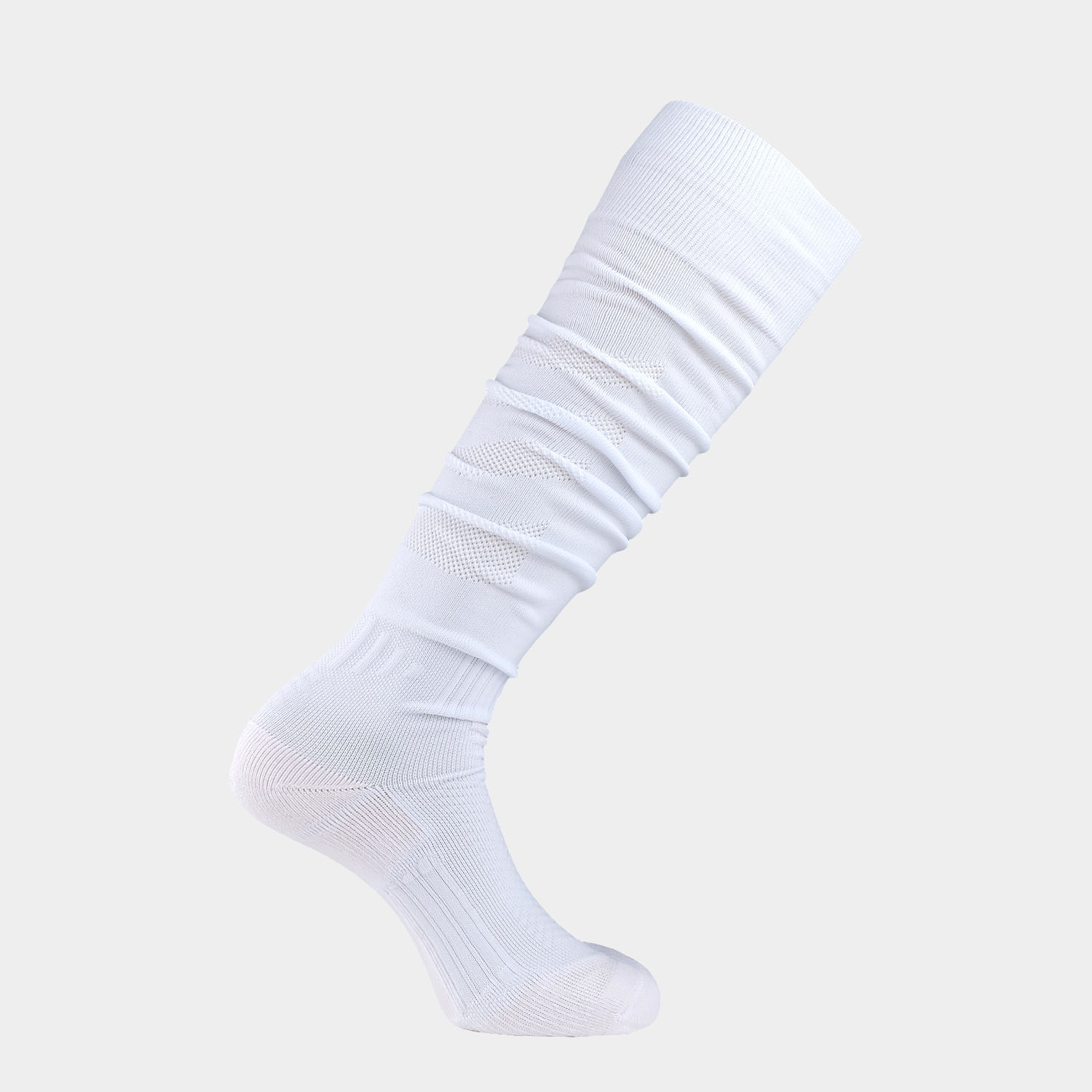
Long lengths cover most of the calf or reach just below the knee.
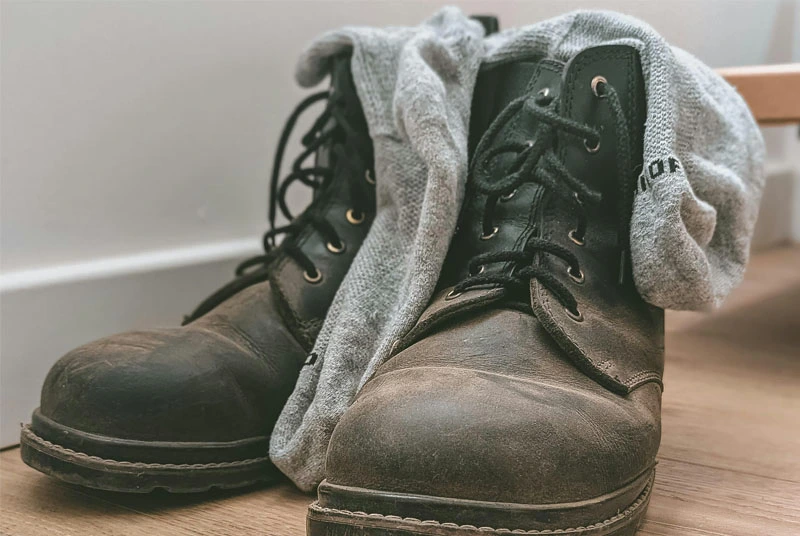
- Boot socks: Built thicker than a standard crew and often made at crew height or higher to clear boot collars and cushion against stiff leather.
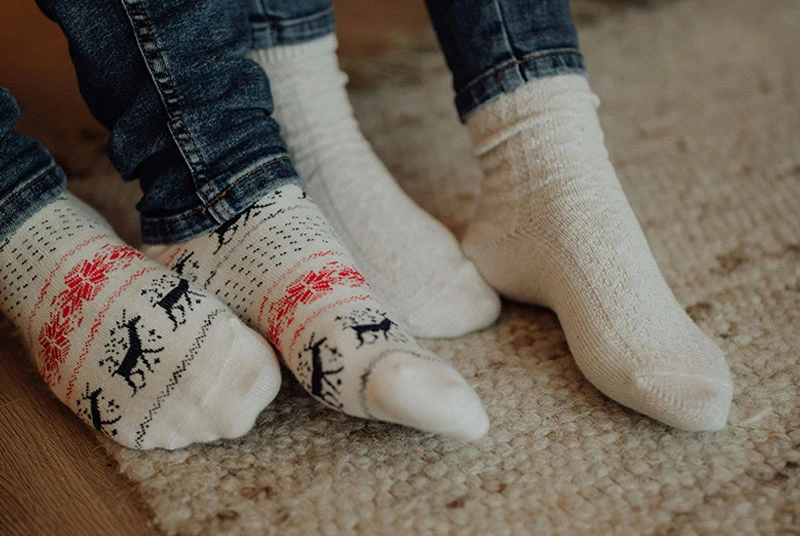
- Mid-Calf Socks: Rise higher than standard crew socks to provide extra warmth and a smoother transition to trousers.
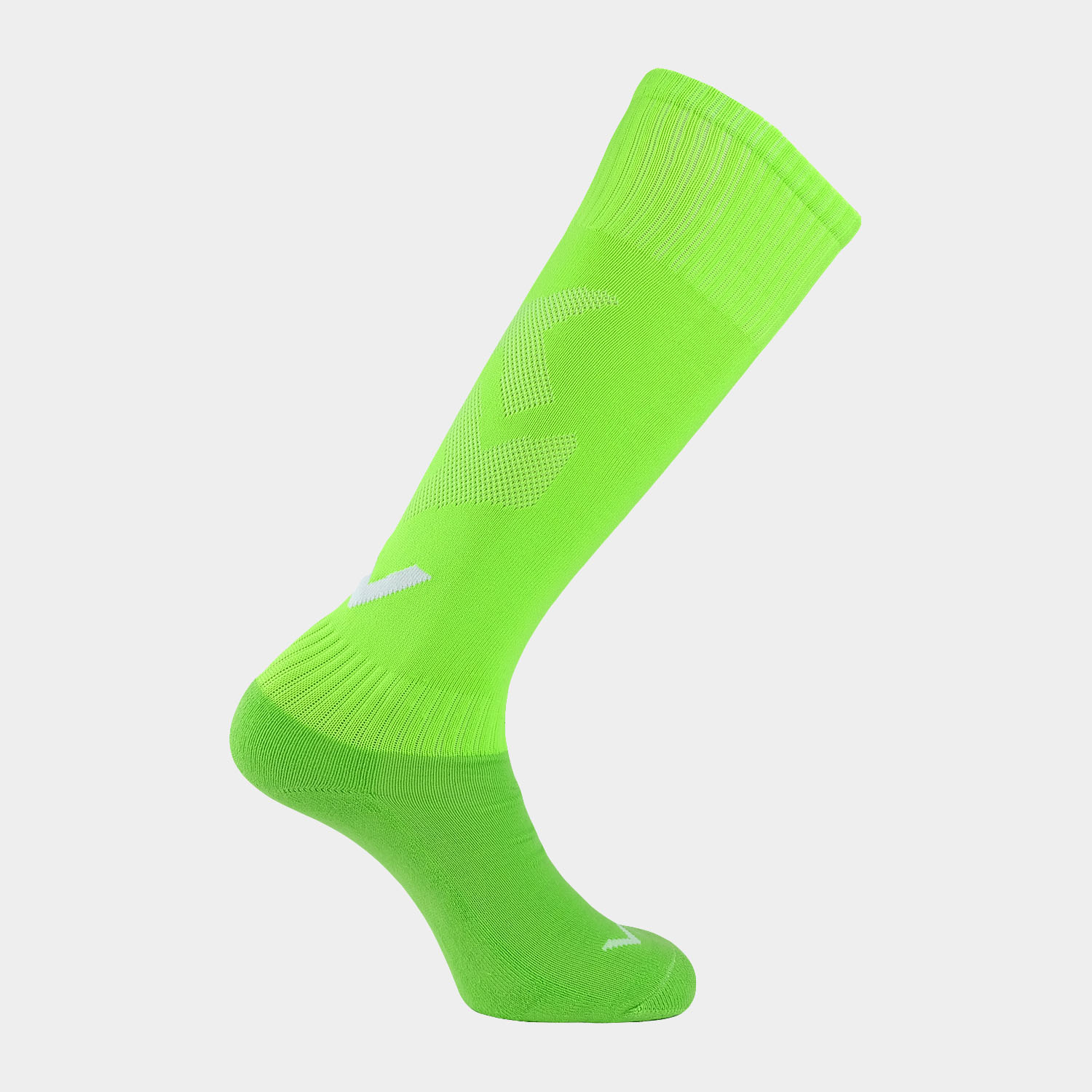
- Over the calf socks: Reach just below the knee and are commonly preferred for formal wear to ensure no bare leg is exposed.
Comparison Table for Different Sock Lengths
To provide a clear overview, the following table compares common sock heights by rise and the area of the leg they cover
Length Category | Sock Type | Typical Rise and Placement |
Short Lengths | No-Show | Sits below the ankle bone for a “barefoot” look |
Ankle | Covers the ankle bone to prevent heel rubbing | |
Medium Lengths | Quarter | Extends past the ankle but stops below the calf |
Crew | Hits the mid-calf (typically 6 – 8 inches above the heel) | |
Long Lengths | Boot Socks | Often thicker and commonly made at crew height or higher to clear boot collars |
Mid-Calf | Rises above standard crew for a smoother trouser transition | |
Over-the-Calf | Reaches just below the knee to ensure full coverage |
How to Choose the Right Sock Length for Your Needs?
Choosing the wrong length can lead to blisters, slipping, or a ruined aesthetic. To avoid these issues, select a comfortable length based on friction protection, temperature needs, and the intended look.
Consider Activity and Purpose
Specific activities require different levels of coverage and friction protection. Runners often prefer ankle socks to keep weight down. For court sports or gym training, quarter socks offer the right balance of protection and mobility. Hikers require crew height to shield legs from debris, while business settings demand over-the-calf styles to remain professional.
Match Sock Length to Footwear
Footwear height is the primary guide for sock length. The sock should cover the areas where the shoe collar may rub to help prevent friction against the skin. Low-top sneakers pair naturally with no-shows or ankle cuts. Mid-top sneakers need at least a quarter length. Heavy work boots demand specialized boot socks or thick crews to fully block friction.
Account for Season and Weather
Temperature and exposure determine the necessary coverage. Summer calls for low cuts to help skin breathe and reduce sweat. Winter requires crew or mid-calf lengths to seal the heat in. The goal is to minimize exposed skin between the trouser hem and the shoe when coverage is needed.
Choose the Perfect Length from Sockcn’s Collection
Finding the right supplier means having access to every size and style. Sockcn provides the full range of options needed to build a competitive inventory for any market.
All Industry Standards Available
We produce every rise from invisible liners to over-the-calf socks. Our factory maintains ready-to-use patterns for all standard lengths. Whether you need discrete no-shows for loafers or heavy-duty boot socks, our production lines can switch to your required specifications immediately.
Custom Height and Functional Design
Customized Socks fulfill specific brand visions through adjustable rises and engineered cushioning at high-pressure zones. We offer free pressure testing to verify that every order maintains its grip and shape without slipping.
Professional Support for Your Brand
Our team identifies which lengths sell best in your specific region. We eliminate guesswork by providing free samples that use the exact yarn and needle counts of your final order. This ensures the fit and quality of the mass production match your approved prototype perfectly.
FAQ
Q1. How Do Quarter Socks Differ From Crew Socks?
Quarter vs crew socks comes down to height and coverage. Quarter socks end just above the ankle. Crew socks reach the mid calf. Quarter socks suit athletic shoes, while crew socks help protect against boot collars.
Q2. What’s the Difference Between Crew Socks and Ankle Socks?
Crew socks cover the calf. Ankle socks stop at the ankle bone. Crew socks vs ankle socks for brands is a key choice. Choose ankle socks for breathable running. Choose crew socks for boots and professional wear.
Q3. Which Is More Visible Between Ankle and No Show Socks?
Ankle socks peek above the shoe, while no-shows stay completely hidden. Ankle socks are a visible part of sports gear. No-show socks create a barefoot look for loafers or low-profile sneakers.
Conclusion
The right sock length defines product quality. A precise rise prevents irritation and completes the wearer’s look. For any brand, sticking to these height standards is the fastest way to build a reputation for reliability.
Sockcn simplifies production with both standard and custom options. Our facility handles everything from ready-to-use patterns to unique height adjustments.