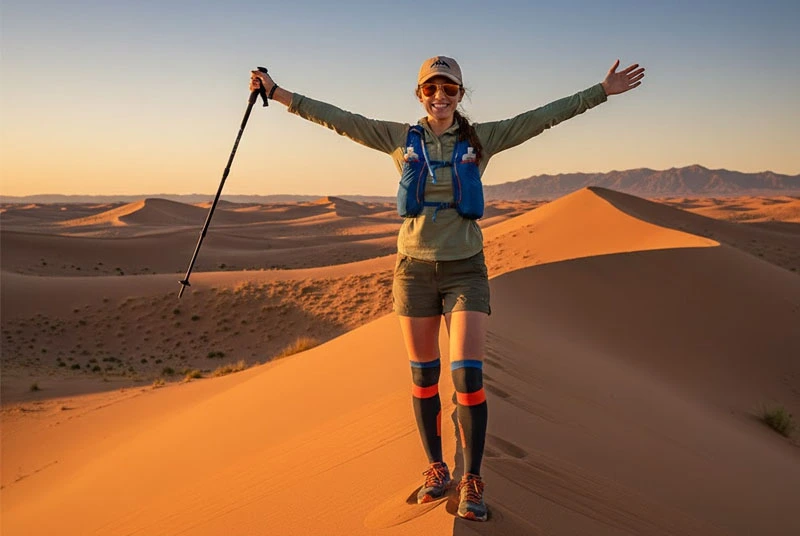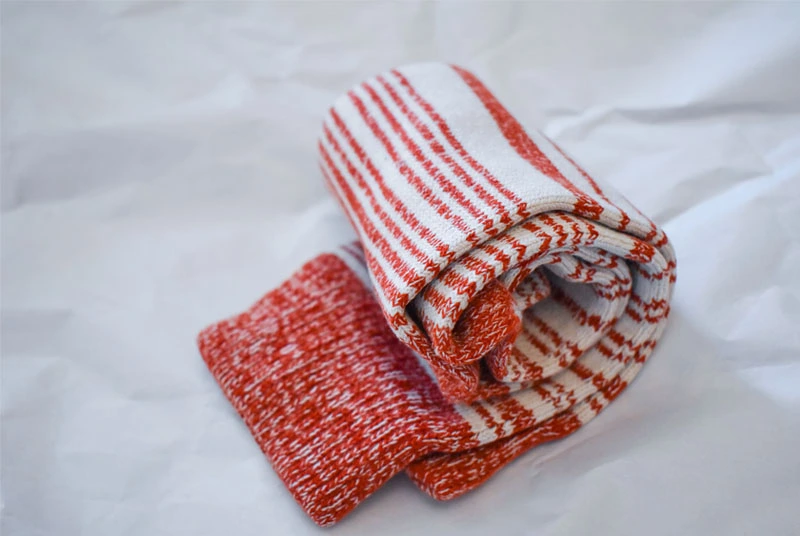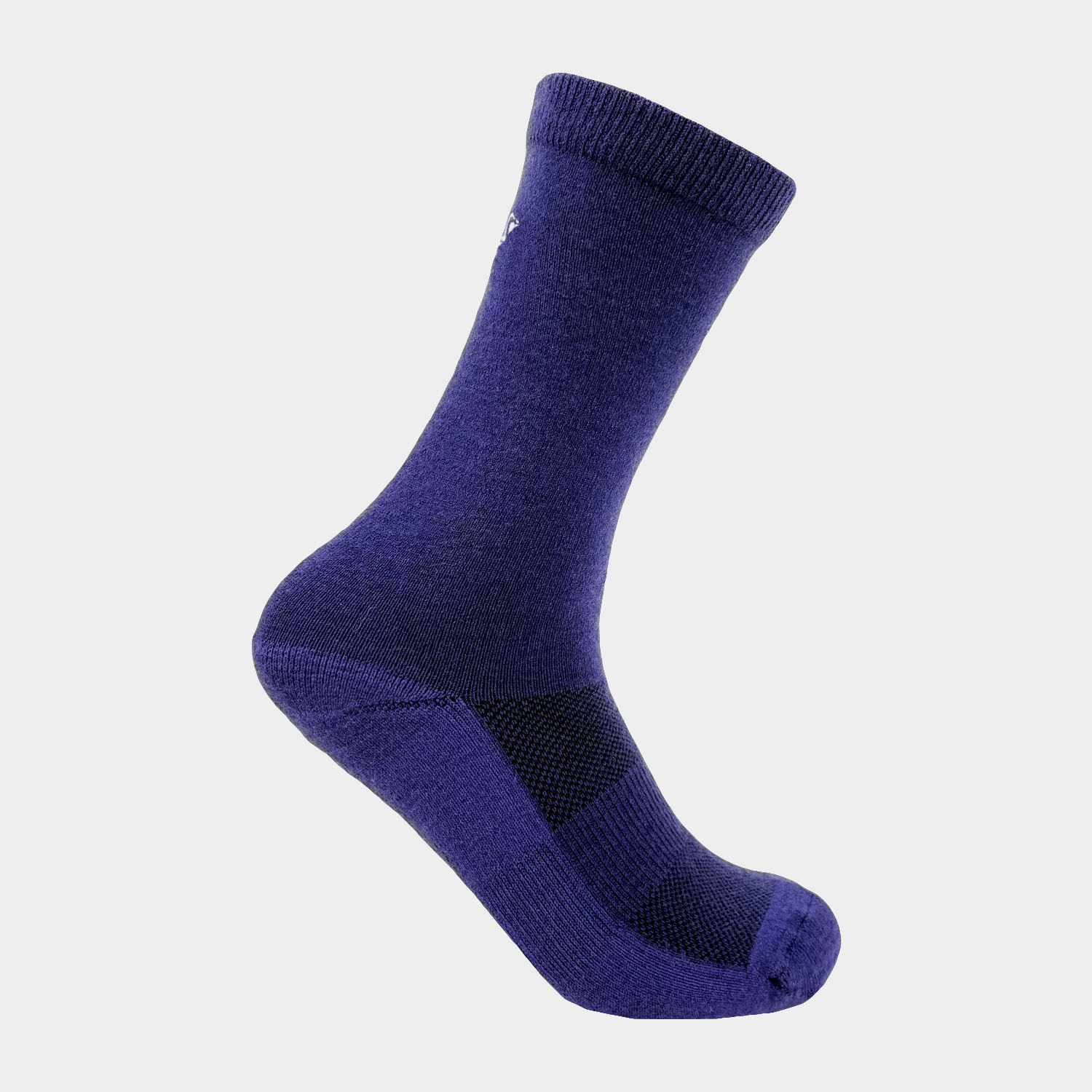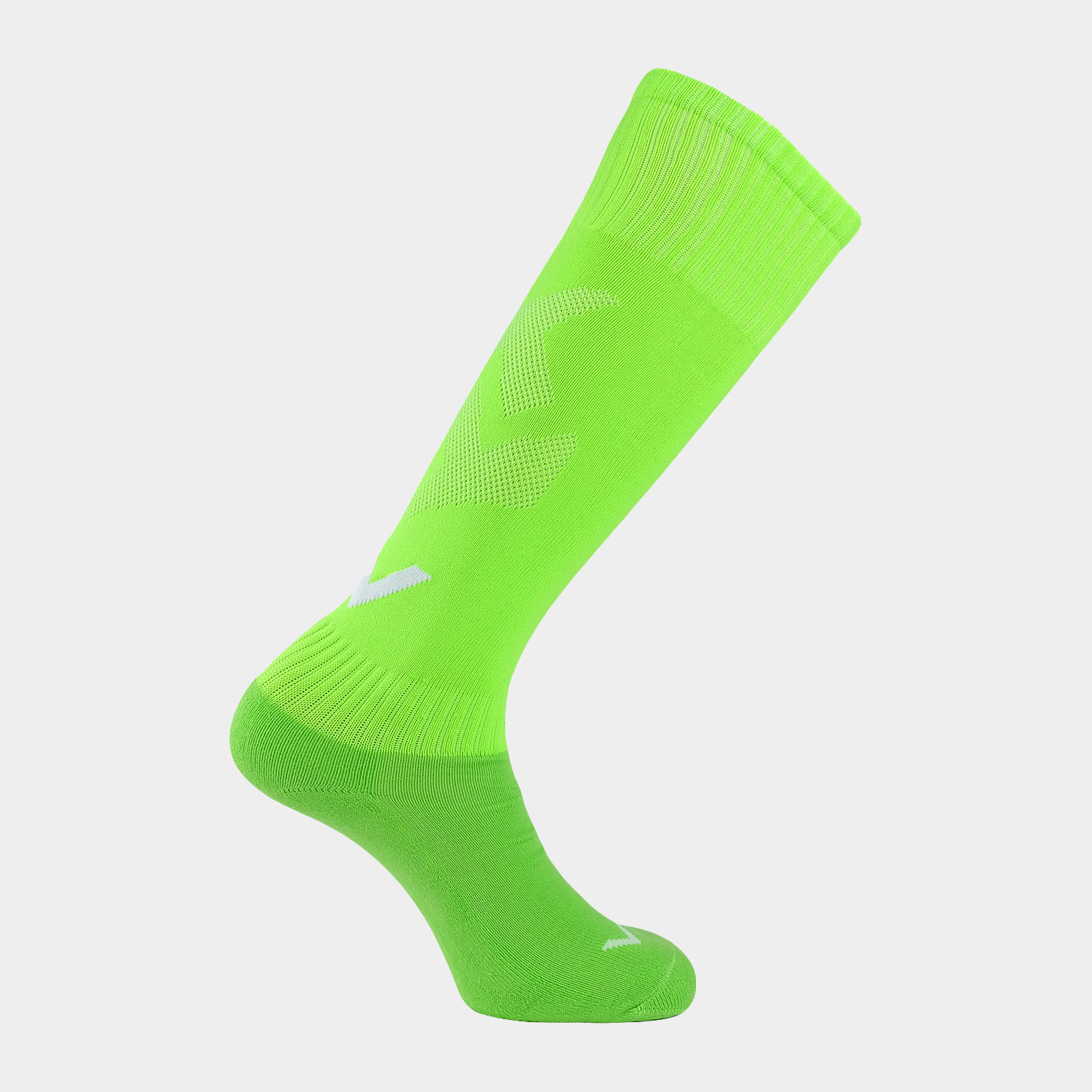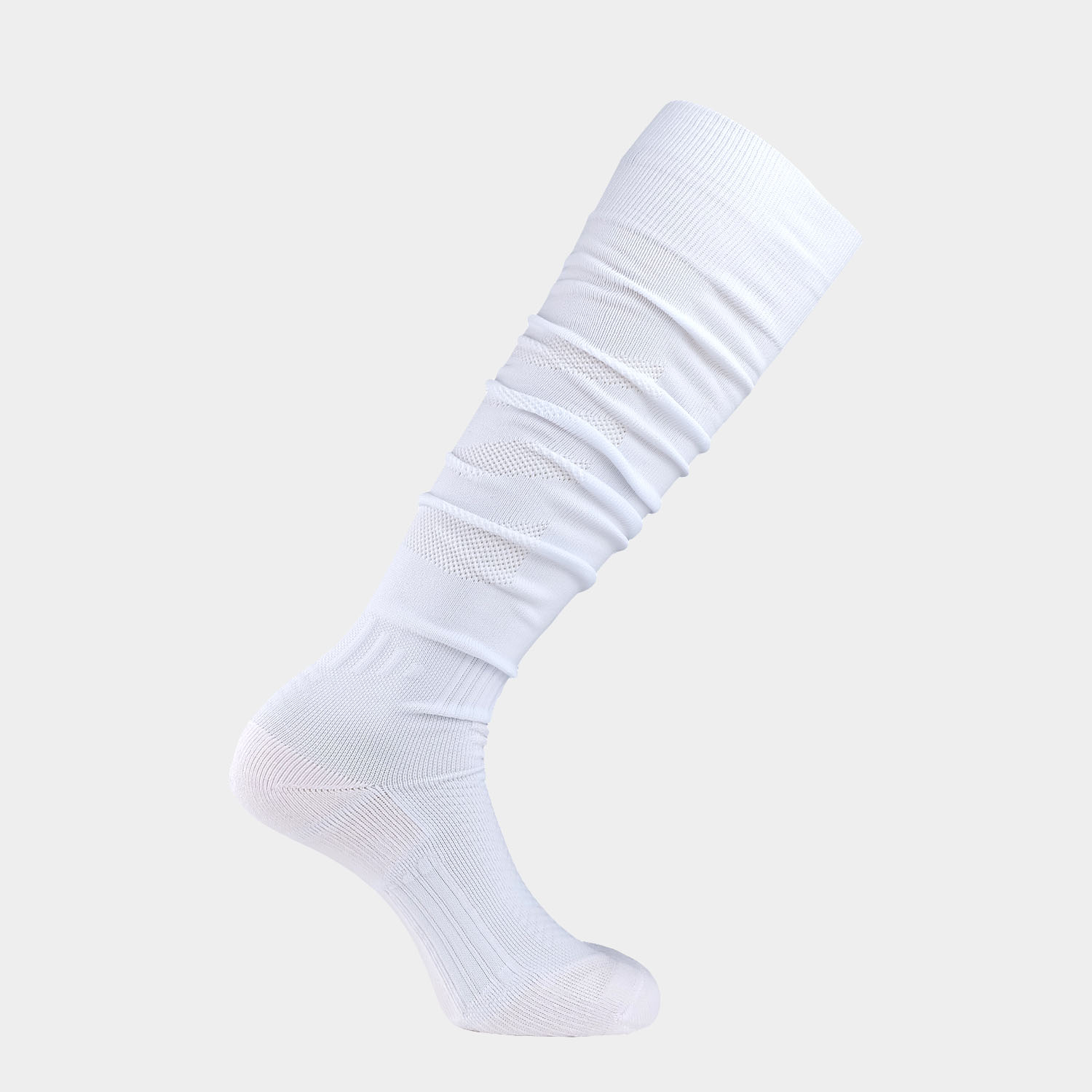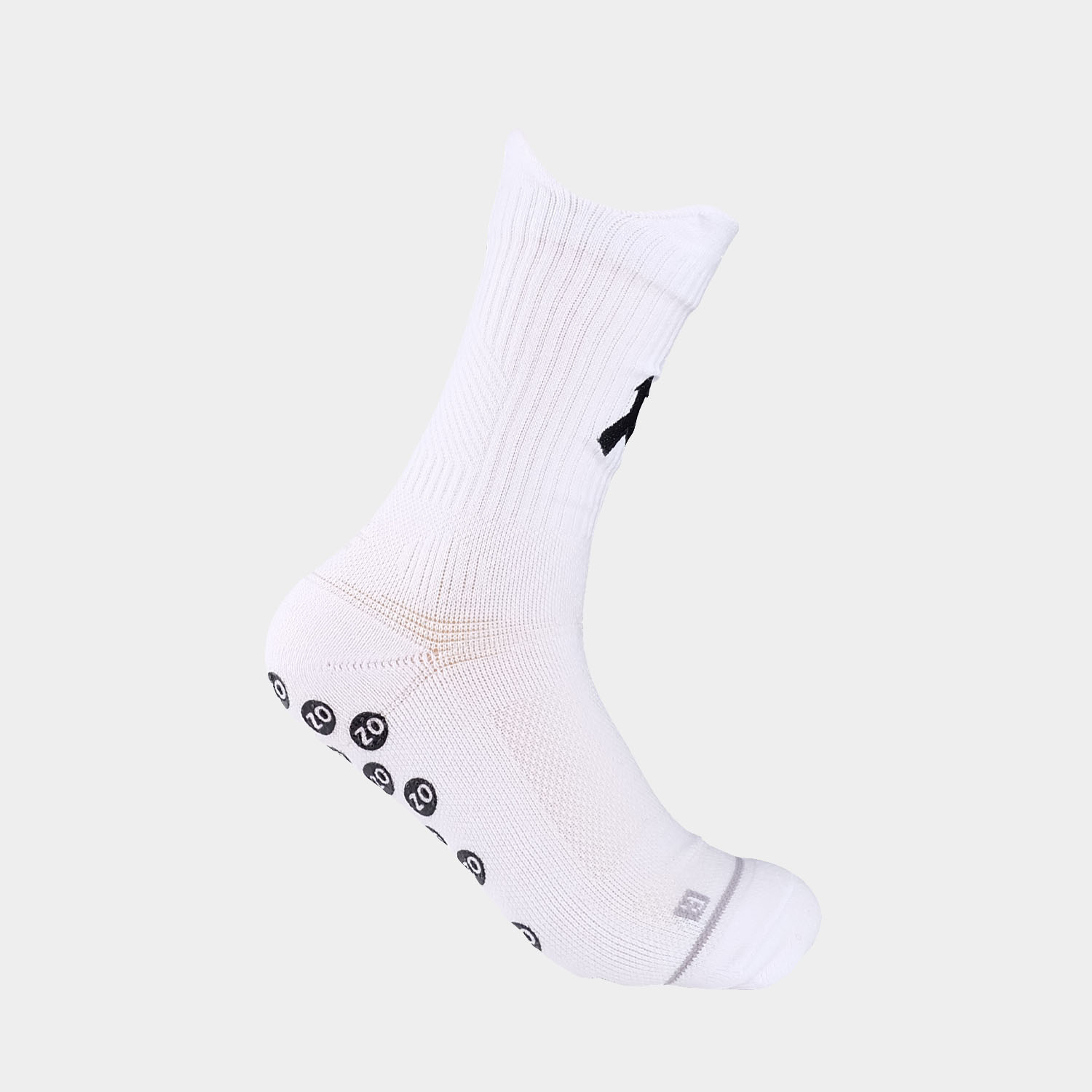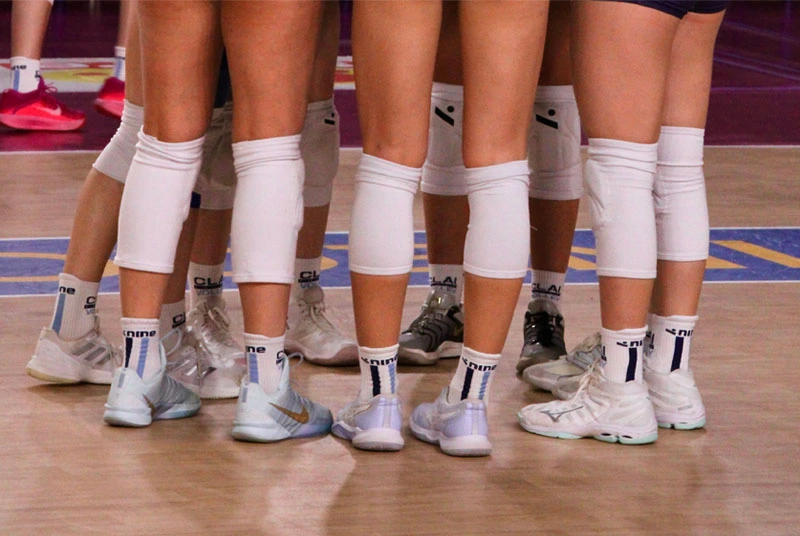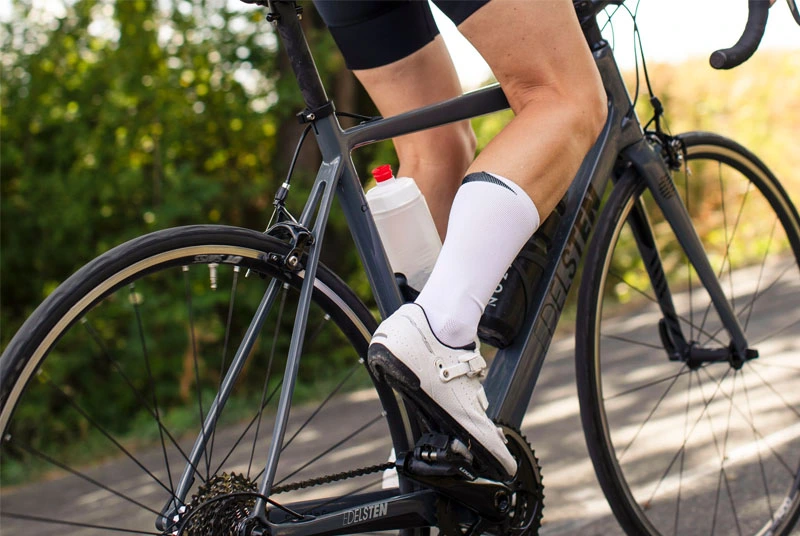
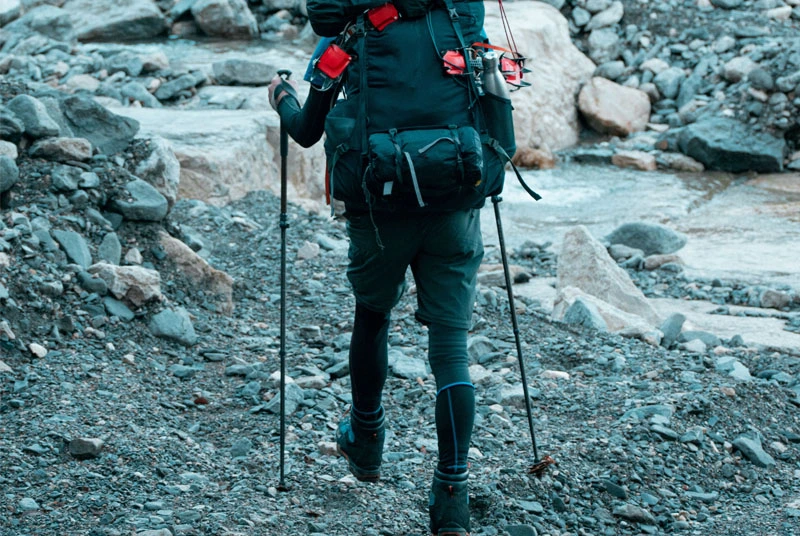
Choosing the best compression socks for hiking means balancing compression support, material performance, durability, cushioning, and fit. Hiking socks need to handle uneven terrain, friction, moisture, and long periods of activity without sacrificing comfort.
For brands developing custom compression hiking socks, these factors also influence material selection, knitting structure, compression level, and overall product design. This guide looks at what makes a good compression hiking sock and how brands can customize one for different outdoor applications.
Quick Overview
- Compression Support: Graduated compression can provide a supportive, secure feel during extended activity.
- Functional Materials: Merino wool, alpaca blends, nylon, Coolmax, and other fibers can be combined for different performance requirements.
- Durability & Construction: Reinforced heel and toe areas, appropriate knitting structures, and durable yarns help withstand repeated friction.
- Cushioning Design: Targeted or full cushioning can be selected according to terrain, footwear, and product positioning.
- Customization Options: Brands can customize materials, compression levels, cushioning, sizing, knitting structures, colors, and packaging.
What Makes Good Hiking Socks?
Good hiking socks need to balance moisture management, durability, cushioning, fit, and comfort. For compression hiking socks, these requirements are combined with compression and pressure distribution.
The knitting structure also affects how a sock performs. Different needle counts can create different levels of density, stretch, ventilation, and construction detail.
Factory Insights
At Sockcn, knitting machines with 96, 108, 144, 168, and 200 needles can be used depending on the product design and construction requirements.
This gives brands flexibility when developing different hiking sock structures, from lighter constructions to more detailed performance designs.
What Are Compression Hiking Socks?
Compression hiking socks combine compression support with the functional features needed for hiking, such as moisture management, cushioning, durability, and a secure fit.
Unlike regular hiking socks, compression socks use graduated or targeted compression around the lower leg. The specific compression level and construction vary by product and intended use.
For brands, this means a compression hiking sock should not be treated simply as a regular hiking sock with added compression. Material, compression, cushioning, knitting structure, and sizing all need to work together.

Are Compression Socks Good for Hiking
Yes, compression socks can be suitable for hiking when the compression level, fit, materials, and cushioning are appropriate for the intended use.
TL;DR
When choosing compression socks for hiking, consider:
- Appropriate compression level
- Moisture-managing materials
- Sufficient cushioning
- Durable heel and toe construction
- Secure and comfortable fit
Context
Hiking involves long periods of walking, uneven terrain, friction, and changing weather conditions. These factors make both compression and traditional hiking-sock features important.
So, if you are wondering “Can I wear compression socks hiking?” or “Should I wear compression socks while hiking?”, the answer depends on the product design, intended use, and individual needs.
For brands, the same principle applies during product development: compression should be considered together with the material, cushioning, fit, and construction.
What Makes the Best Compression Hiking Socks?
The best compression hiking socks need to balance compression support, material performance, durability, cushioning, and wearing comfort based on the demands of hiking environments.
Proper Compression Level
Compression level is one of the most important specifications when developing compression hiking socks.
Compression is commonly measured in mmHg (millimeters of mercury). Different brands use different pressure ranges depending on their product design and intended application.
For example, Sockwell offers compression socks in ranges such as 20–30 mmHg, while Comrad offers products in ranges such as 15–25 mmHg.
These examples show that compression products can be developed around different pressure specifications. There is no single compression level that is automatically best for every hiking application.
Brands should select the appropriate pressure range based on their target users, intended application, product positioning, and applicable requirements.
Functional Material Combination
Material selection affects softness, stretch, moisture management, warmth, and durability.
Common materials used in compression hiking socks include:
- Merino wool: Soft and suitable for temperature-regulating outdoor products
- Alpaca blends: Warm and soft for selected premium applications
- Nylon: Adds strength and durability
- Elastane: Provides stretch and helps maintain fit
- Coolmax: Suitable for moisture-management-focused products
- Polyester: Provides durability and performance characteristics
Different brands use different material combinations.
For example, Sockwell uses merino wool with fibers such as bamboo, nylon, and elastane in its compression socks. Go2Socks and Comrad use nylon and elastane in their compression constructions, while Wellow uses soft fiber blends.
From a manufacturing perspective, there is no single material combination that works for every hiking product. A cold-weather hiking sock may prioritize merino wool and warmth, while a lightweight hiking sock may place more emphasis on breathable and moisture-managing fibers.
Durability and Construction
Hiking socks experience repeated friction, particularly around the heel and toe.
Important construction features include:
- Reinforced heel and toe
- Durable yarn combinations
- Secure toe linking
- Appropriate knitting density
- Stable cuff construction
For example, Comrad uses reinforced construction in high-wear areas of its compression socks.
Factory Insights
Knitting structure is another important part of durability and performance. Needle count, yarn selection, and knitting density can all affect the finished sock.
At Sockcn, different needle counts can be selected according to the desired construction, while wool products can also undergo abrasion testing. Applicable wool products can achieve 100,000+ abrasion cycles.
For brands developing hiking socks for repeated outdoor use, these construction and testing considerations can help define the product specification.
Cushioning Design
Cushioning affects both comfort and the overall feel of a hiking compression sock.
Two common approaches are:
Targeted Cushion: Cushioning is concentrated in areas such as the heel or forefoot while other areas remain lighter.
Full Cushion: Cushioning extends across more of the foot and can be used for thicker or colder-weather hiking products.
Go2Socks, for example, uses different cushioning approaches in its compression sock products.
For brands, cushioning can be customized according to terrain, footwear, climate, activity level, and desired sock weight.

Sizing and Fit
A compression hiking sock needs to maintain a stable fit while the wearer walks across uneven terrain.
Brands such as Vim & Vigr and Bombas use different sizing and fit approaches in their compression sock ranges.
Important factors include:
- Foot length
- Calf circumference
- Compression distribution
- Stretch and recovery
- Heel positioning
- Cuff construction
- Sock length
A well-designed fit helps reduce slipping, bunching, and unnecessary movement inside the shoe.
How Brands Can Customize Compression Hiking Socks
For brands, compression hiking socks can be customized across several product specifications.
Material
Brands can select merino wool, alpaca blends, nylon, Coolmax, polyester, bamboo, cotton, and other yarn combinations according to the target market and performance requirements.
Compression Level
Compression level and distribution can be developed according to the product specification and intended application. Appropriate pressure testing can then be used to verify the finished product.
Cushioning
Brands can choose targeted or full cushioning and customize cushioning zones, foot-bed thickness, and heel and toe reinforcement.
Sizing and Fit
Custom sizing, calf measurements, sock length, cuff construction, and stretch characteristics can be developed for different target markets.
Knitting Structure
Brands can customize needle count, ventilation zones, compression zones, cushioning structures, rib structures, patterns, and branding.
These specifications can be combined to create a compression hiking sock designed around a specific outdoor application rather than simply modifying an existing product.
Why Choose Sockcn for Custom Compression Hiking Socks
Sockcn specializes in functional and outdoor sock manufacturing, with experience in wool and performance-oriented products.
Our capabilities for custom compression hiking socks include:
- Merino wool, alpaca, nylon, Coolmax, polyester, bamboo, and other materials
- Compression development and pressure testing
- Targeted and full cushioning
- Reinforced heel and toe construction
- 96–200 needle knitting options
- Wool abrasion testing up to 100,000+ cycles
- Custom colors, patterns, sizing, branding, and packaging
- OEM production from knitting through finishing and packaging
For brands developing outdoor or performance sock collections, these capabilities allow materials, compression, cushioning, fit, and construction to be developed as one product.
Explore our custom compression socks solutions for brand and OEM development.
FAQ
Are compression socks good for hiking?
Yes. Compression socks can improve comfort, support circulation, and help reduce leg fatigue during long-distance hiking.
What material is best for hiking compression socks?
Merino wool blends are popular for hiking compression socks because they offer warmth, moisture management, and comfort. Nylon blends are suitable for lightweight and durable designs.
Are wool compression socks good for hiking?
Yes. Wool compression socks, especially merino wool blends, provide temperature regulation, moisture control, and comfort for outdoor activities.
Can brands customize compression hiking socks?
Yes. Brands can customize materials, compression levels, cushioning, sock height, sizing, and other product details with an OEM manufacturer.
Related Resources
→ Wholesale Compression Socks for Running: The Definitive Guide for Buyers
→ Best Material for Hiking Socks: What Actually Works on the Trail
→ Best Material for Compression Socks: What Actually Works Best?
→ Custom Hiking Socks: A Complete Guide for Outdoor Brands
→ Alpaca Compression Socks: Benefits, Applications & Sourcing Guide