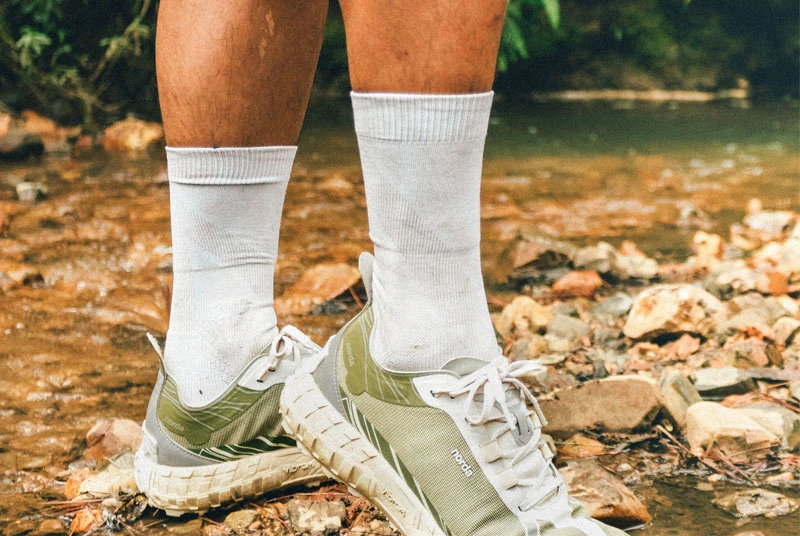
If you search for the keyword “best wool socks”, the Google homepage is almost entirely filled with brand recommendations, product reviews, and Reddit user experiences. These contents tell you which socks are worth buying, but they rarely explain why they are considered the best. As a socks factory with years of experience in development and manufacturing, we want to break down the design logic behind a high-quality wool sock from the perspectives of materials, structure, craftsmanship, and application scenarios.
Is There Really a "Best" Wool Sock?
A pair of wool socks suitable for winter hiking may not be suitable for summer running; wool socks suitable for skiing are also not necessarily the most comfortable for daily commuting. Different use cases, environments, and needs completely change the definition of “best”.
There is also a significant difference between how consumers and factories define what makes the best wool sock. For brands to create better wool socks, they need to understand customer needs—and also work with a factory that understands product development.
Consumers care more about | Factories care more about |
Comfort | Yarn quality |
Warmth | Material composition |
Durability | Knitting structure |
Pilling resistance | Reinforcement design |
Odor resistance | Use scenarios & performance positioning |
Consumers see the final wearing experience, while factories focus on the design and manufacturing logic behind those experiences. In many cases, a wool sock performs well not because of the brand name, but because its material selection, yarn quality, knitting structure, and functional design match its intended use.
What Actually Makes a Wool Sock Great?
A truly excellent wool sock is the result of materials, yarn, structure, and craftsmanship working together. Even if two socks are both labeled as Merino Wool, they may still differ significantly in comfort, durability, warmth, and lifespan.
Wool Fiber Selection
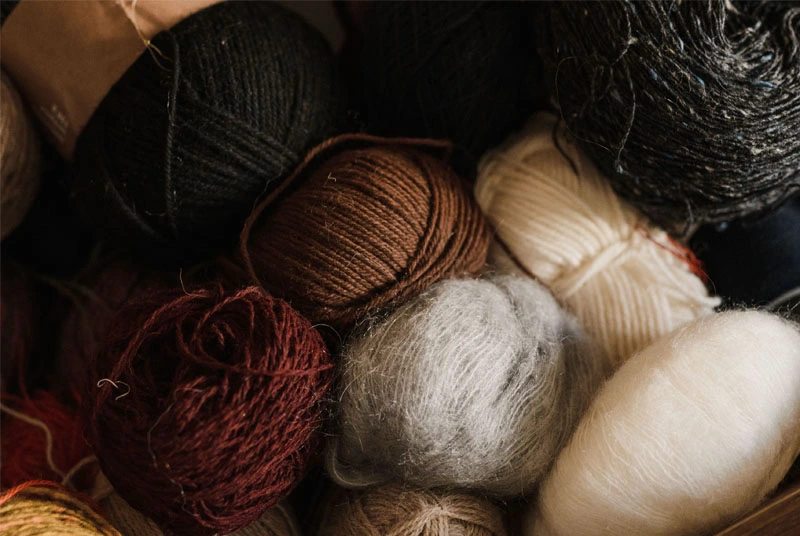
Wool is not a single uniform material. Different types of wool have different performance characteristics, and therefore different product positioning.
For example:
- Merino Wool: Fine, soft, and skin-friendly. It has excellent moisture-wicking and temperature-regulating properties and is the most common choice for high-performance sports socks.
- Regular Wool: Lower cost and good warmth, but with coarser fibers and usually less comfort than Merino Wool.
- Alpaca Wool: Superior warmth, lighter weight, and naturally hypoallergenic, but also more expensive, typically used in high-end products.
- Wool Blends: By blending with nylon, polyester, or spandex, a better balance of comfort, durability, and elasticity can be achieved, making this the most common solution in the market today.
Factory Insight
Many people believe that as long as the label says Merino Wool, the quality must be good.
In reality, not all Merino wool is the same.
Besides wool type, fiber length, micron, and raw material grade all affect softness, durability, and lifespan.
For factories, material name is only the starting point. What truly determines quality is the grade of raw materials and the processing methods used.
Fiber Blend Ratio
Wool content is not the higher the better. Wool provides warmth, moisture-wicking, and natural odor resistance, but it is not a highly abrasion-resistant material. Therefore, most high-performance wool socks include a proper ratio of nylon and spandex.
For products that require higher durability, such as hiking socks, work socks, or ski socks, increasing nylon content is often more important than simply increasing wool percentage.
Factory Insight
In wool sock development, we do not recommend a fixed wool ratio for all customers. Instead, we first understand the product’s use case and performance goals. There is no “best wool ratio” for all products—only the most suitable material solution based on positioning, target users, and budget.
Knit Construction
Besides materials, knitting structure also affects the wearing experience of wool socks. Common structures include:
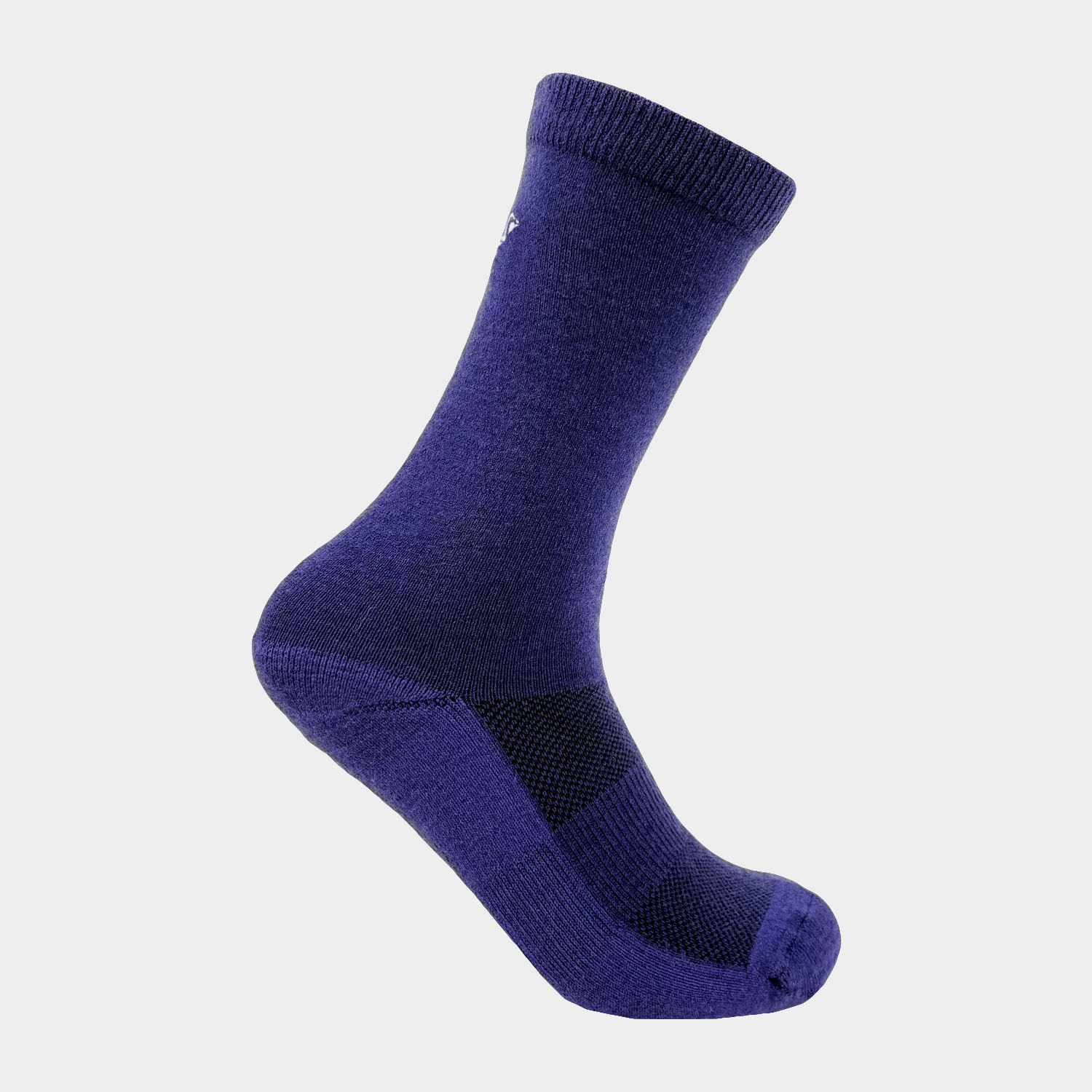
- Cushion: Adds shock absorption and improves comfort during long wear.
- Rib: Improves fit around the cuff and body, reducing slippage.
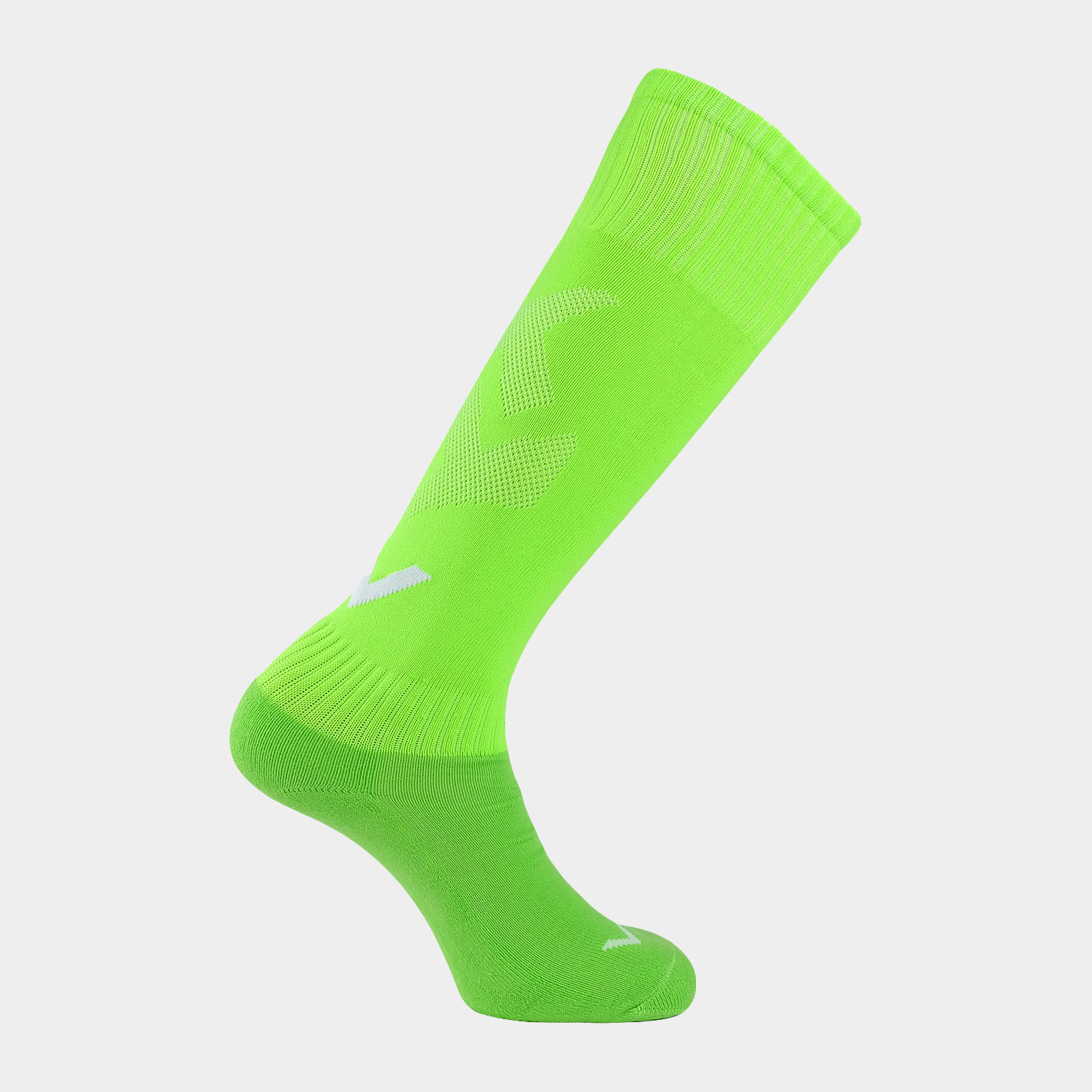
- Mesh: Improves airflow and enhances moisture management.
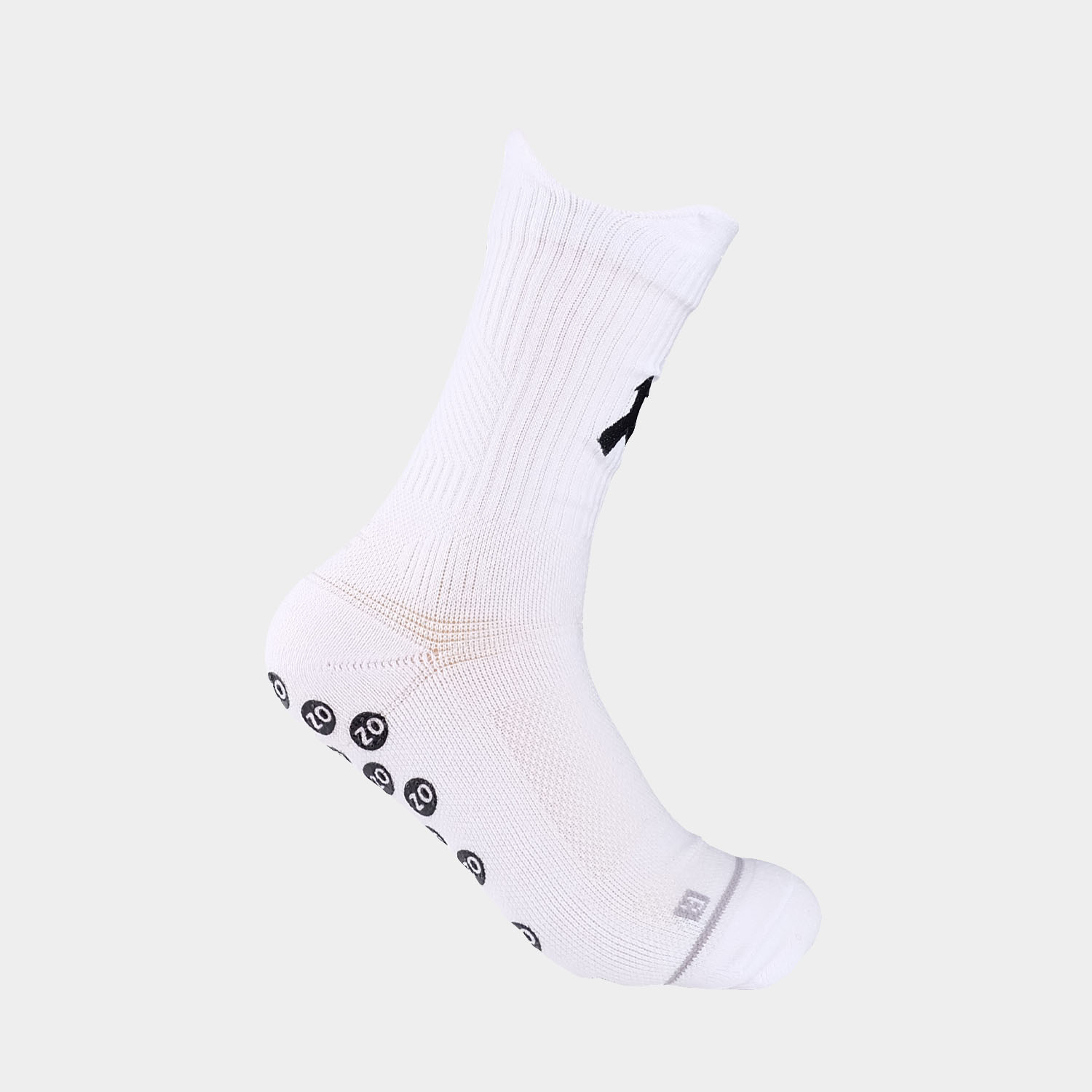
- Compression Zones: Provides arch support and improves athletic stability.
Different sports and use cases require different structural designs. For example, running socks emphasize breathability and support, while hiking socks focus more on cushioning and durability.

Reinforcement & Finishing
A high-quality wool sock not only requires good materials and structure, but also proper detailing and finishing processes.
For example:
- Heel Reinforcement: Improves durability in high-wear areas.
- Toe Reinforcement: Reduces risk of damage and extends lifespan.
- Seamless Toe Linking: Reduces friction, improves comfort, and lowers blister risk.
- Pre-shrinking: Reduces shrinkage after washing and improves size stability.
These processes are not always visible to consumers, but they have a major impact on product quality.
Why Similar Wool Socks Can Perform So Differently
For brands and buyers, two wool socks may have similar material composition and product positioning, and both may use Merino Wool, but their durability, comfort, and lifespan can still be significantly different.
These differences are often not visible from labels or appearance. Instead, they come from deeper design and manufacturing details during product development.

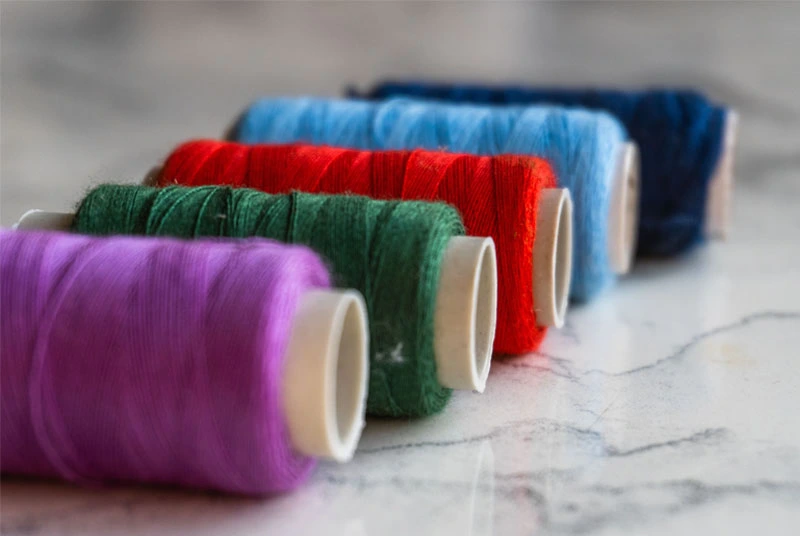
Yarn Quality
Even with the same wool type, yarn quality can vary significantly. Generally, longer wool fibers form more stable and stronger yarn structures that are less likely to break under long-term friction. Short fibers, however, are more likely to shed from the yarn surface, leading to pilling, fuzzing, and wear.
In addition to fiber length, raw material grade, yarn uniformity, and spinning quality also affect durability and lifespan.
Spinning Method
Besides raw materials, spinning techniques also affect product performance. Different spinning methods influence yarn tightness, surface smoothness, and wear resistance.
Generally, worsted spinning better aligns fibers, forming tighter and more stable yarns, which usually results in better durability and dimensional stability. In contrast, semi-worsted yarns have a looser fiber structure and are more prone to pilling or breakage under high friction.
Of course, different processes have different applications, and there is no absolute “better or worse”—only suitability for product positioning.
Stock Yarn or Custom Spinning
For OEM projects, in addition to material selection, brands must decide whether to use stock yarn or custom spinning.
Stock yarn offers stable supply and faster lead times, making it suitable for new product development, small batches, or urgent timelines. Custom spinning allows selection of more suitable wool grades, fiber lengths, and spinning processes, further optimizing product performance.
Therefore, for high-end products focused on long-term durability, brands often prefer custom spinning solutions. For projects with shorter development cycles, stock yarn is usually more efficient.
Proper Fit
If sock sizing is too small or elasticity is insufficient, the sock will remain overstretched during wear. This increases stress on high-friction areas such as the heel and toe, accelerating wear.
Therefore, when developing products for different markets, we usually adjust sock shape based on target users’ foot structure, sizing systems, and use cases, rather than focusing only on materials.
Factory Insight: Why don’t all wool socks use the highest specifications?
In OEM development, we do not automatically recommend the highest-spec material combination. Instead, we balance product positioning, target market, MOQ, budget, and lead time to find the most suitable solution with the client.
For factories, a good wool sock is not about stacking the highest specifications together, but about finding the right balance between performance, cost, lead time, and market positioning.
The Best Wool Socks Depend on the Activity
The table below summarizes the key features that matter most for common applications.
Activity | What Matters Most | Recommended Features |
Hiking | Cushion + Durability | Full Cushion, Reinforced Heel & Toe |
Running | Moisture Management + Fit | Mesh Zones, Arch Support |
Skiing | Warmth + Compression | Compression, Medium Cushion |
Everyday | Comfort + Breathability | Soft Knit, Breathable Structure |
Work Boots | Reinforced Heel & Toe | High-Durability Construction |
Travel | Odor Resistance | Merino Wool Blend |
Why Different Brands Excel in Different Areas
Truly excellent brands usually develop products around specific use scenarios. Some focus on durability, some on comfort, and others on running, hiking, or daily wear performance. Below are several well-known wool socks and the reasoning behind their product success.
Darn Tough Hiker Micro Crew Midweight with Cushion
If durability is the priority, this sock is a frequent recommendation in hiking lists. The brand also emphasizes lifetime warranty, showing confidence in product quality.
From a design perspective, instead of increasing wool content, it strengthens high-wear areas such as heel and toe and uses a high-density knitting structure to maintain stability during long hikes.
Key design insights:
- High-density knitting for durability
- Reinforced heel and toe
- Medium cushioning for comfort and durability balance
- Suitable for high-wear outdoor use
For outdoor brands, this type of product emphasizes long-term durability rather than softness or lightness.
Smartwool Hike Classic Edition Full Cushion Crew

Compared to extreme durability-focused designs, Smartwool focuses more on overall wearing experience. This product uses full cushioning combined with breathable zones and support structures to balance warmth, comfort, and breathability.
Key design insights:
- Full cushioning for comfort
- Zoned breathability design
- Arch support for stability
- Balanced overall performance
For mass-market brands, this “balanced performance” is often more appealing to consumers.
Bombas Merino Wool Calf Socks
Bombas focuses more on everyday wear rather than extreme outdoor performance.
For example, the Y-shaped heel improves fit, arch support enhances comfort, and seamless toe reduces friction for long-term wear comfort.
Key design insights:
- Y heel improves fit
- Arch support enhances comfort
- Seamless toe reduces friction
- Better for daily and commuting use
For lifestyle brands, comfort experience is usually more important than extreme durability.
Feetures Merino 10 Ultra Light Quarter
Feetures is well known in the running sock category. Its focus is not on cushioning, but on stability during motion. Features like left-right anatomical design, targeted compression, and lightweight construction help reduce slippage and friction during running.
Key design insights:
- Left/right anatomical design
- Targeted compression
- Ultra-light structure
- Focus on in-motion stability
For running socks, fit and stability matter more than thickness.
Icebreaker Hike+ Medium Crew
This product uses a high percentage of Merino Wool combined with zoned cushioning and breathability design to balance warmth, moisture-wicking, and natural odor resistance. It is suitable for travel, outdoor daily use, and long-duration wear.
Key design insights:
- High Merino Wool content
- Zoned cushioning design
- Strong temperature regulation
- Focus on all-day comfort
For brands focusing on natural fiber positioning, this development approach aligns well with consumer expectations.
However, what I want to say is: custom socks for your related for your
Summary
From these popular products, we can see that their market success does not come from using the same material or identical design. Instead, each product is developed based on its target users and specific use scenarios.
Some focus on durability, some on comfort, some on athletic performance, and others emphasize natural wool experience.
For brands and buyers, instead of copying a popular product, it is better to first define the target market and then choose appropriate materials, knitting structures, and functional designs. The best wool sock is not the one with the highest specifications, but the one that best meets user needs.
How Brands Can Create Their Own Best Wool Socks
As analyzed above, there is no single “best wool sock” for all markets.
For brands, developing a successful wool sock is not about asking factories to use the highest-spec materials, but about first clarifying who the product is for and what problems it needs to solve.
At the early stage of development, we usually discuss:
- Who is the target consumer group?
- What is the main use scenario? (hiking, running, skiing, daily wear, or work environment)
- What performance matters most? (warmth, comfort, durability, breathability, or odor resistance)
- What price range should the product target?
- Are there reference brands or competitors?
Once these are defined, the factory can further develop appropriate solutions such as:
Development Area | Factory Considerations |
Wool Type | Merino, Regular Wool, Alpaca, or blends |
Fiber Blend | Ratio of wool, nylon, polyester, spandex |
Knit Construction | Cushion, Mesh, Compression structures |
Reinforcement | Whether heel/toe reinforcement is needed |
Needle Count | Based on product positioning |
Custom Options | Logo, color, packaging, labeling |
For OEM projects, we do not recommend a fixed material formula. Instead, we balance performance, cost, MOQ, and lead time to find the most suitable solution.
Ultimately, a good wool sock is not defined by wool percentage, but by correct positioning and a well-designed development plan.
Conclusion
The best wool socks are not defined by the highest wool content or the most well-known brand. They are the result of thoughtful product development, where materials, yarns, knit construction, and intended use all work together.
Whether you are evaluating existing products or developing your own collection, understanding these manufacturing decisions can help you build wool socks that truly meet your customers’ expectations.
Related Resources
→ Best Wool Socks for Running: Performance Meets Comfort
→ The Best Cold Weather Socks: Materials, Features & Buyer Tips
→ Are Custom Wool Socks Worth the Investment?
→ Best Material for Running Socks: What Actually Matters
→ How Rising Wool Prices Affect Custom Sock Orders in 2026
→ What Are the Best Socks? The Ultimate Guide for Every Need
Explore more guides on sock materials, performance requirements, and manufacturing considerations.