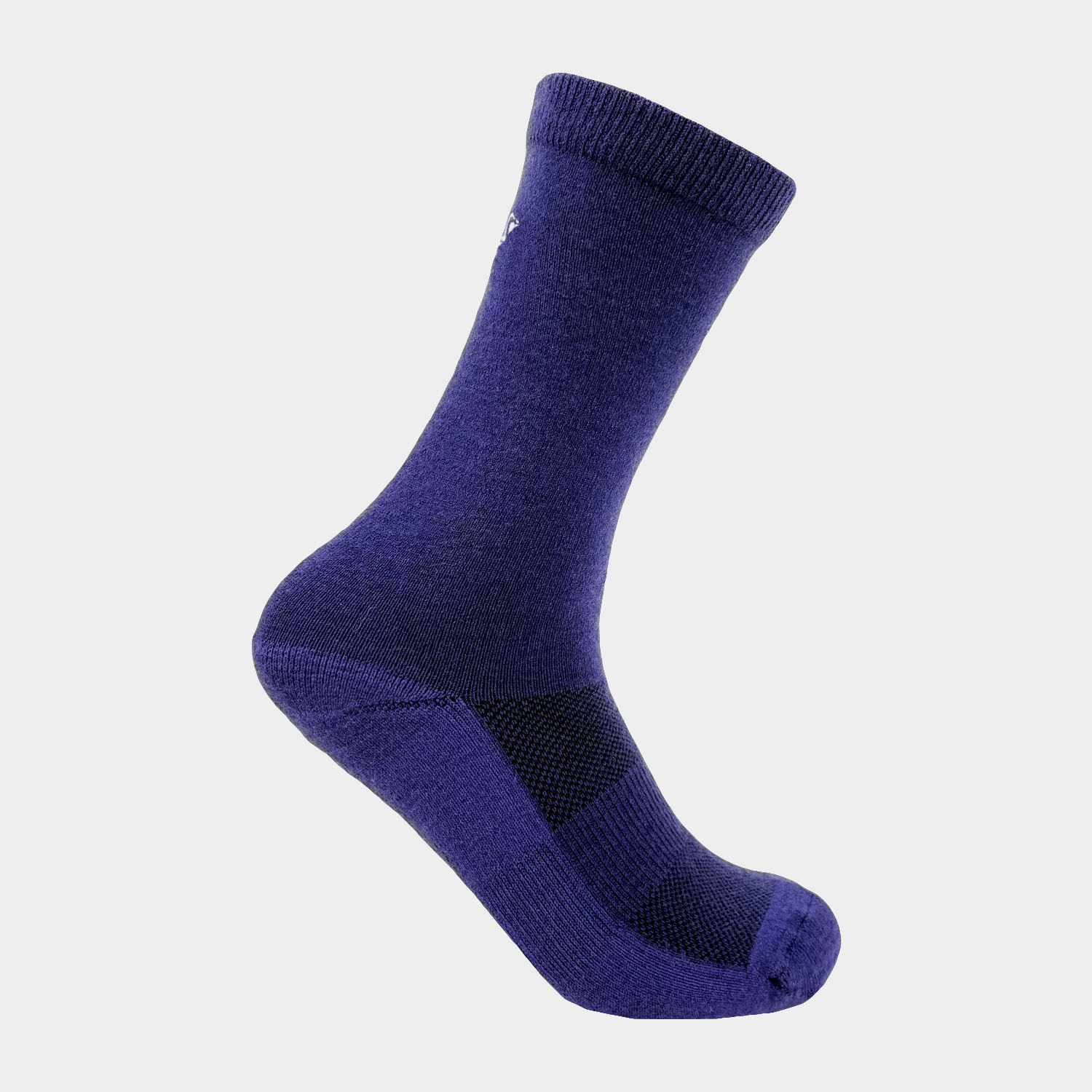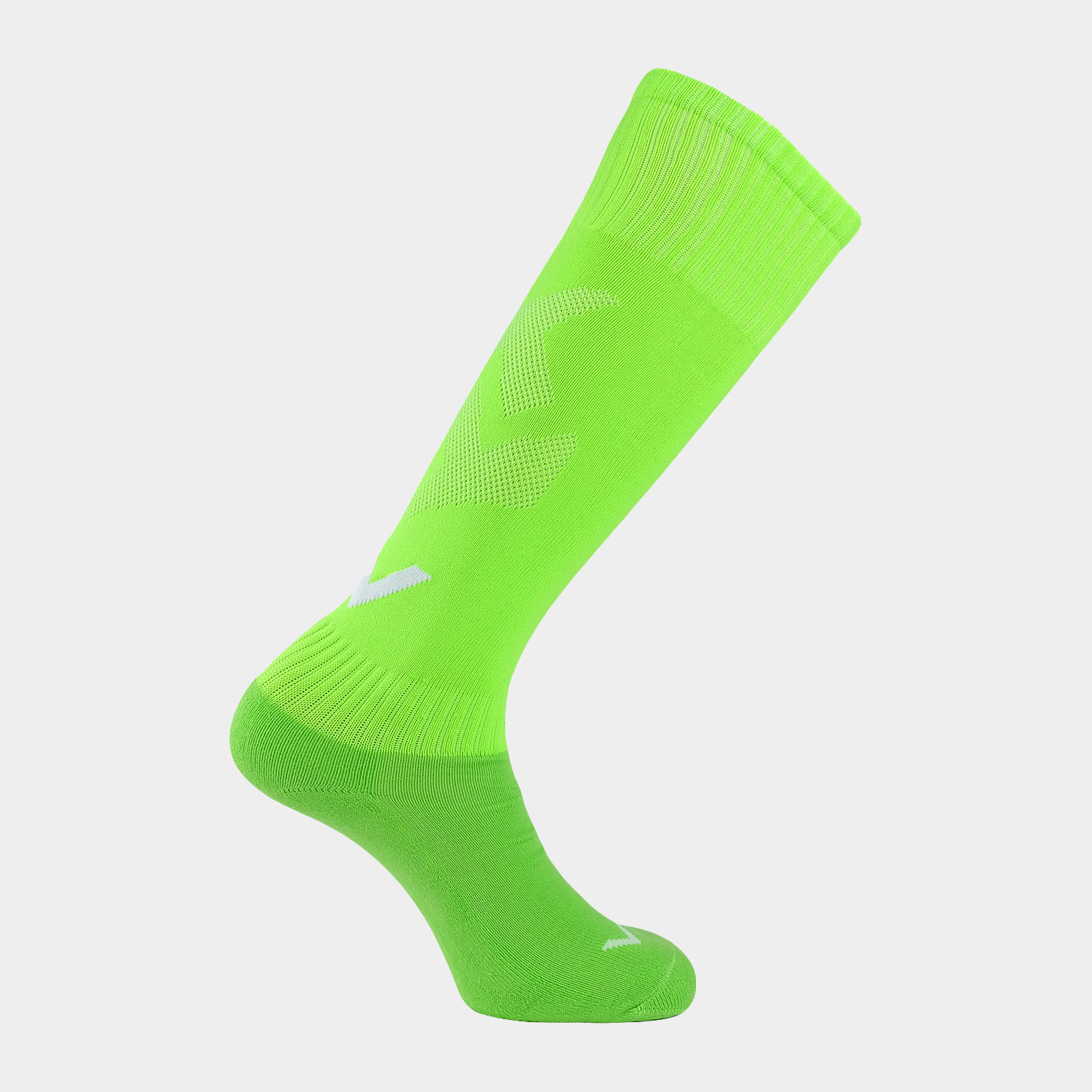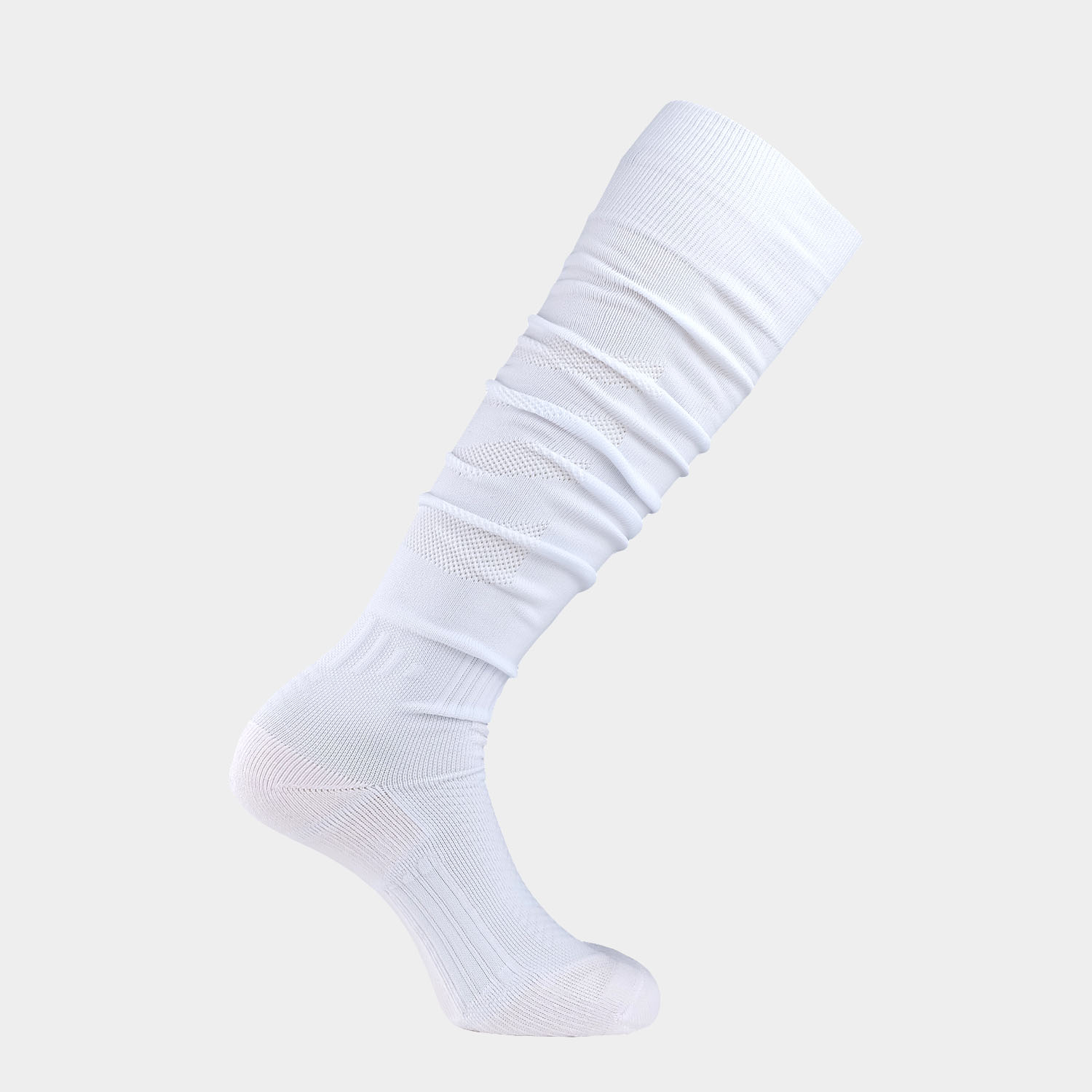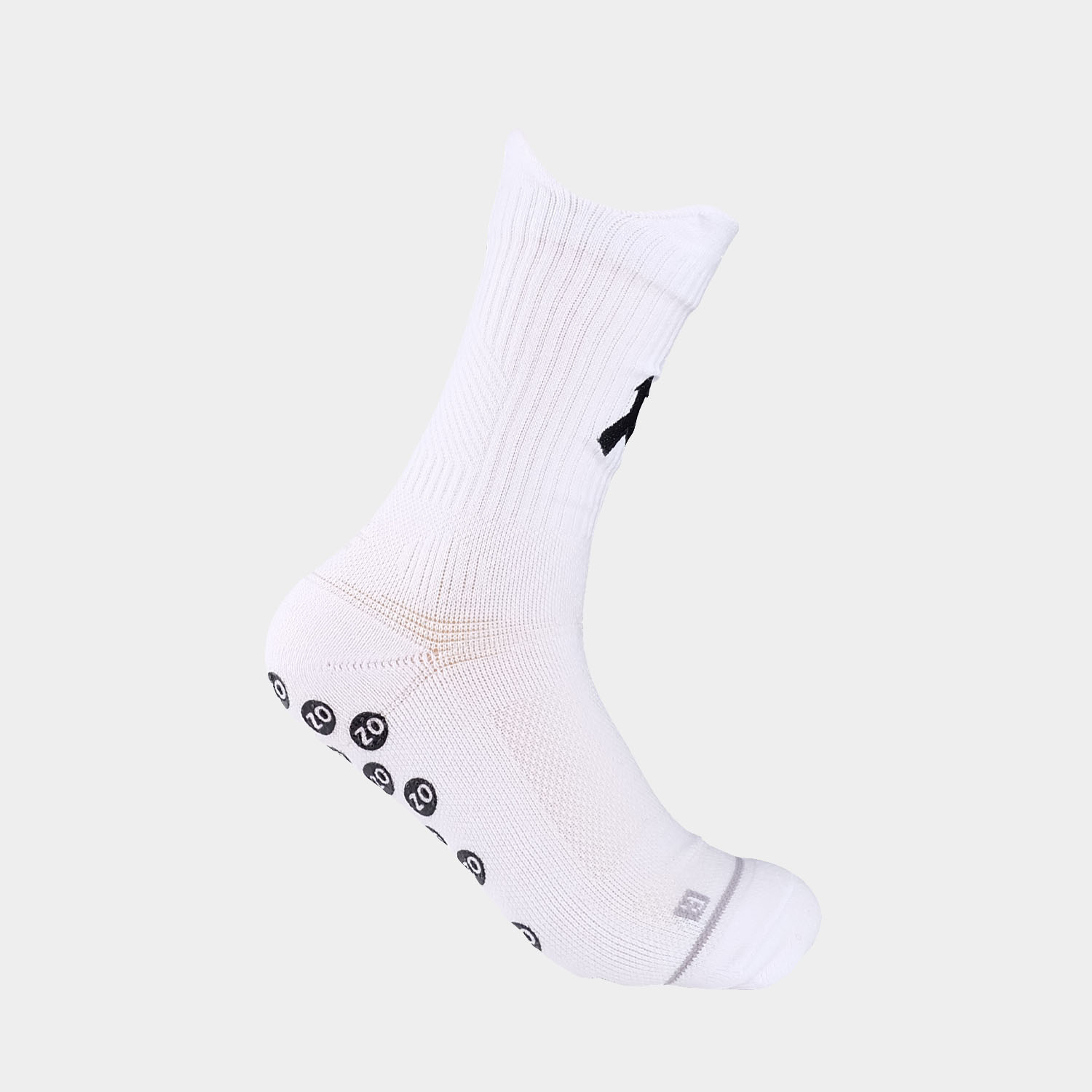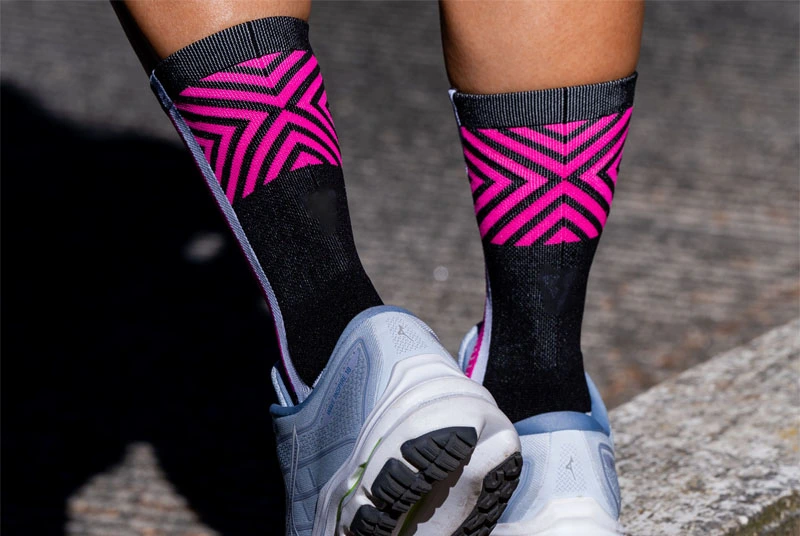

Hey there, dear customers! We’re Sockcn, your go-to pro sock maker. Every day, we mess around with all sorts of yarns, and the question we get asked all the time is: “Cashmere vs. wool—which one’s actually better?” Today, we’re gonna break it down in super simple terms, straight from a maker’s point of view, to help you pick the best option for your brand!
What Are Cashmere Socks and Wool Socks?
Let’s briefly describe the two of them.
Wool socks: The main raw material comes from the hair of sheep. The fine merino wool we commonly use is one of the “top grades”. The fibers are finer and softer.
Cashmere socks: The raw material comes from the thin, fine down at the base of the goat’s coarse hair. Note that it’s “cashmere” not “hair”. To collect this layer of down, the herders need to carefully comb it, and the output is extremely scarce. Therefore, it is called “fiber diamond” or “soft gold”.
Wool vs Cashmere: Key Differences That Matter
What Are the Main Differences? After learning about where they come from, let’s take a look at how they compare when used to make socks.
Softness & Comfort
Cashmere socks: It is the absolute best in this area. Its fiber is smoother and even finer than the finest Merino wool in diameter. That’s why, when your feet touch them, they are as light and soft as clouds and there’s no irritating feeling even if you touch your skin with it directly. It really is the most skin-friendly fabric.
Wool socks: Merino wool, as an example, is already very soft, and it can be worn daily. But in comparison to cashmere, its fibers are still quite rough and it might cause minor irritation for people with very sensitive skin.
Warmth & Insulation
Cashmere socks: The Cashmere fibre is hollow, which means a natural “insulation layer” is formed. At the same weight, the insulating power of cashmere is 2-3 times that of wool. This means cashmere socks are the best warmth provider without the extra bulk, making them perfect for extremely cold days or for static activities (skiing, camping).
Wool socks: It has enough elasticity to provide a good fit and its insulation is good enough for most of the fall/winter season. But the socks have to be knitted thicker to provide the same warmth as cashmere.
Durability & Wear Resistance
Wool socks: Why are wool socks the best? Wool fibers are made up of layers, and the surface scale structure between the fibers allows them to bond well. Therefore wool socks are high quality in durability, resistant to wear and tear and with long service life.
Cashmere socks: Cashmere fibers have poorer wear resistance than wool by nature of being that fine. A pure cashmere sweater is demanding when it comes to care and so are socks. That’s why, in our production at Sockcn, we generally advise customers to mix in a certain percentage of silk or nylon to the cashmere to greatly increase its durability.
Breathability & Moisture Control
Both are experts. Both wool socks and cashmere socks are known for their high moisture absorption and ability to help the feet breathe. They can absorb the sweat of your feet quickly and then they evaporate outwards to keep your feet dry. When it comes to moisture management, cashmere is a little better than wool, it can absorb more moisture, and you can see less moisture. However, both provide an incredible all-around experience.
Price Differences: Why Cashmere Socks Costs More
When shopping, you might be surprised at how much cashmere socks can cost compared to wool socks. This is not promoting a brand premium; it is the following basic reason:
From the perspective of raw material supply, a sheep can produce several kilograms wool in one year. In a year, a goat can yield only a few grams of cashmere. From making socks in cashmere, the amount of cashmere needed is the annual output of several goats. “Rarity makes things valuable”, and cashmere is only 1%-2% of wool production globally. The scarcity fuels the raw material price up.
For these reasons, cashmere has long been regarded as a luxury fibre. And so cashmere sock designers target high-end consumers who want the ultimate experience, and are not limited by budget.
What Should Brands Choose for Their Sock Line?
As the brand, what do you do in the situation where you have to choose between these 2 materials?
Balancing Cost vs Performance
Seeking value for money and long service life: quality merino wool socks are the way to go. They can offer enough warmth breathability and comfort in most situation, also a more competitive price with a high repetition buying number.
Developing world-class luxury goods: To set the high-end tone of the brand or to provide top customers with “the ultimate fun,” wool socks (or wool blends) are decent product line complements.
Choosing the Right Blend for Your Customer Base
Selecting the appropriate mixture for Merino wool or cashmere is the critical business decision that balances cost, performance, and customer perception. It’s just finding that balance of luxury and practicality for the audience you have. cashmere is not durable, and 100% wool might not be soft enough. That’s why blending is where the wisdom of sock-making lies.
If you want to learn more about how to select Merino or cashmere blended socks that suit your brand positioning, you can try sending us an email. We will explain it in detail to you and, based on your brand, we will choose a blended yarn that meets your brand requirements and target purchase price for you.
When Cashmere Makes Sense for Retail
The sale of cashmere socks depends on “the setting” not “the foot traffic.” It is not appropriate for success in the mass market supermarkets where they are essentially a commodity with the high turnover and low unit price, but should be directed to retail environments where they can speak to a precise customer base, are focused on experience and telling the brand and product story. As a star product to upgrade the style of the store, adapt to the growing needs of customers, and bring more profit. When your store can produce the feeling that “I should have this top-level enjoyment” or “This gift can convey my feeling”, the retail of cashmere socks will be totally “Making Sense”.
Best Sock Factories You Need to Know: Sockcn
After exploring the unique properties of merino wool and cashmere, one truth remains: superior results demand first-class manufacturing. At Sockcn, we possess deep expertise in fiber performance and control the complete supply chain—from raw material sourcing and yarn development to design prototyping and mass production. We go beyond producing standard wool socks by offering fully custom solutions, including tailored alpaca blend ratios and specialized processes, ensuring every pair perfectly aligns with your brand’s vision and original design intent.
Brand Comparison
For a more intuitive understanding, let us compare two excellent leaders in the field:
Darn Tough Merino Wool Socks
This brand is actually the standard for wool sock performance and durability. They normally incorporate a high percentage of merino wool in their blends and are well known for their committing to the “lifetime warranty”. Adopting this style means that your brand will communicate the outdoor pragmatism image of “tough/durable, lifelong companion.”
Falke Cashmere Socks
refinement and luxury. Their cashmere socks for high-end consumers who have no consideration about price and want to improve quality of life are exquisite in terms of touch, design and details. If you are looking to craft a similar brand image, cashmere or top quality blends is the way to go.
Conclusion
Based on the above information, I think you already have your own conclusion on whether you should get Merino socks or cashmere socks. But still, I can conclude the ultimate benefits of these two products:
Opting for wool (Merino): When you want a well-rounded, hardwearing, good value pair of socks for day to day use, riding and the like, which can handle daily wear and the odd general outdoors activity. This is the standard/basic market and the backbone.
Opt for cashmere (or high-quality blends): If you’re after the finest softness, light warmth and want to design a “signature product” that can demonstrate the luxury positioning of your label.
At Sockcn, we are not just the manufacturer’s, but we are your product development partners. We are excited to tell us the ideal material formula that fits so best for your brand positioning and your target customer and join hands to create the socks products shaking up the market!
Related Resources
→ Merino Wool vs Alpaca: Best Choice for Custom Socks
→ Merino Wool Vs. Regular Wool: Key Differences for Your Business
→ Wool vs Cotton Socks: Which Is Better for Your Brand
→ Best Sock Material for Hot Weather: What Actually Keeps Feet Cool
→ The Ultimate Sock Material Guide: How to Choose the Best Material for Any Use
Explore more guides on sock materials, performance requirements, and manufacturing considerations.