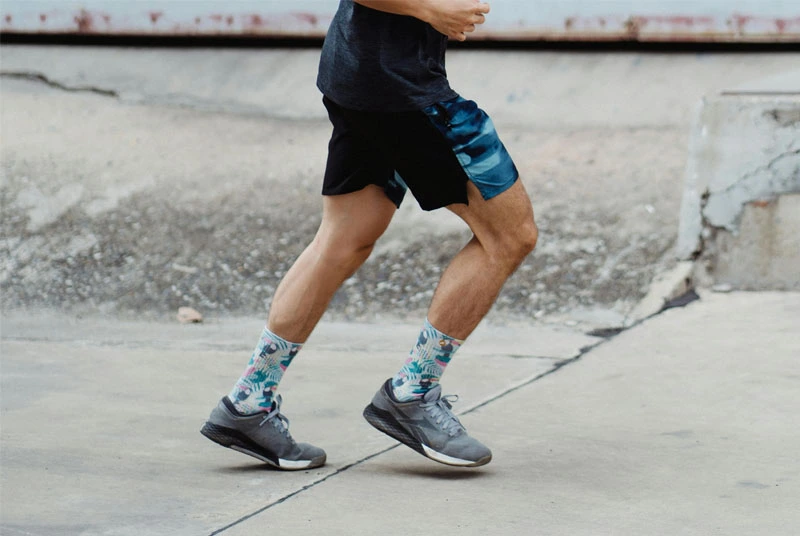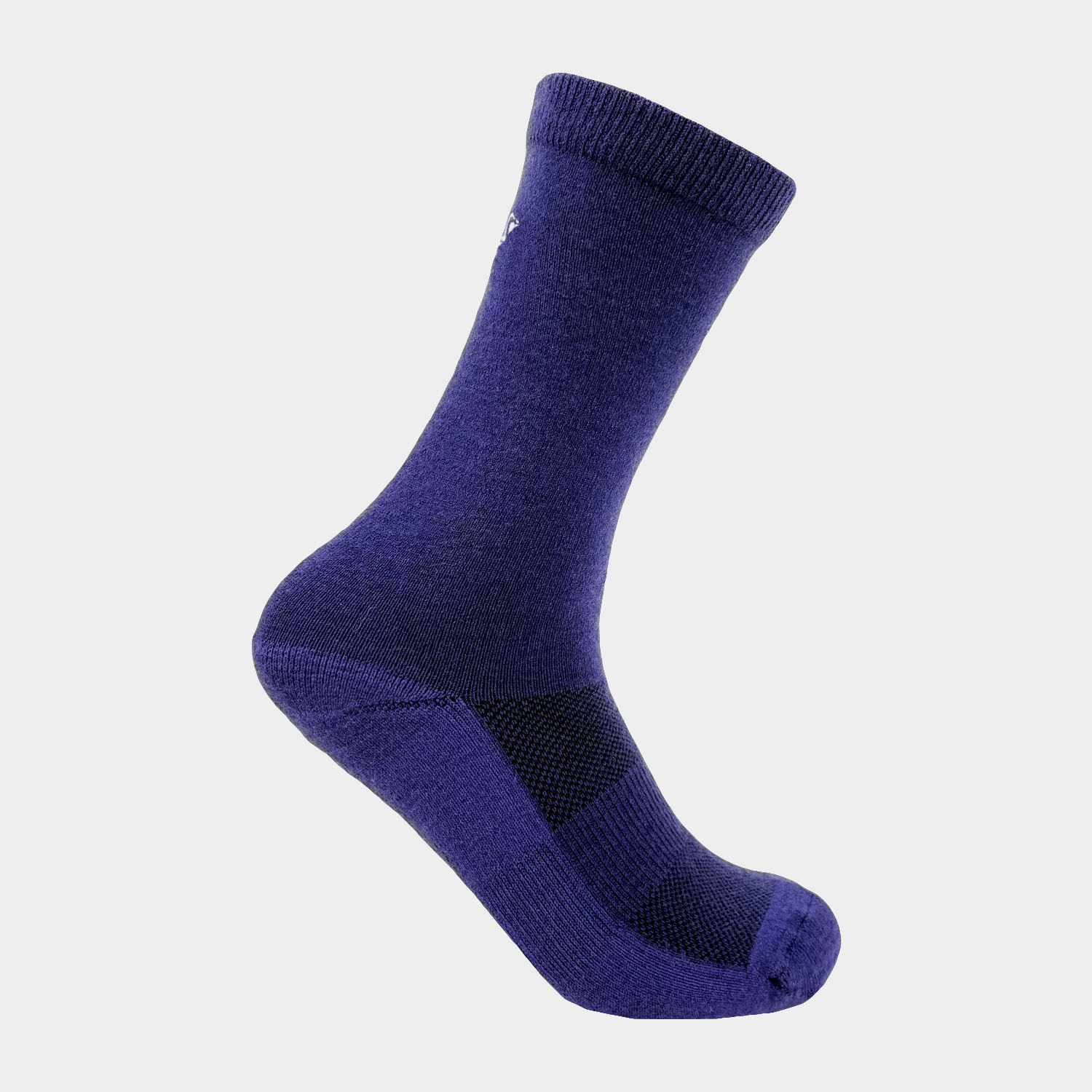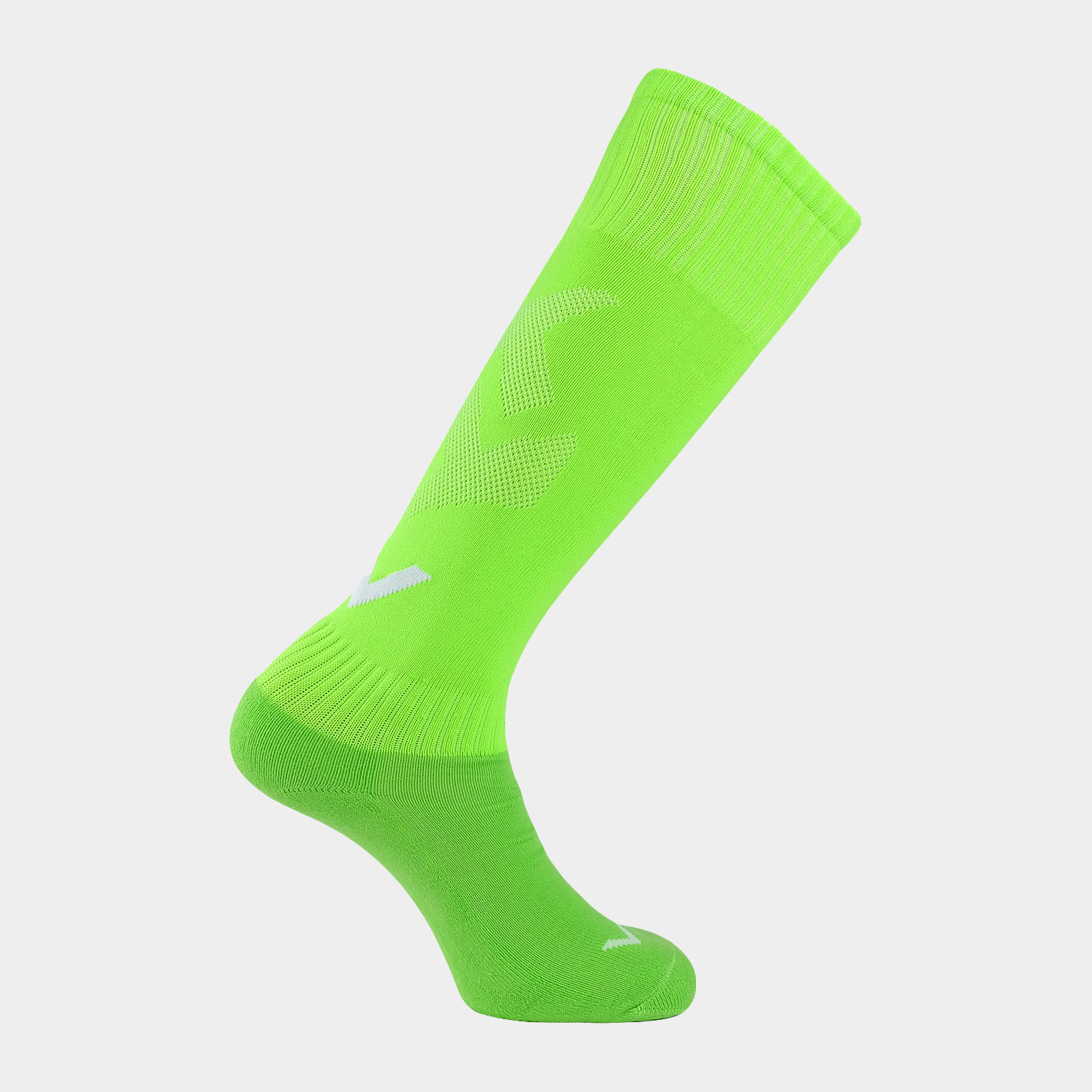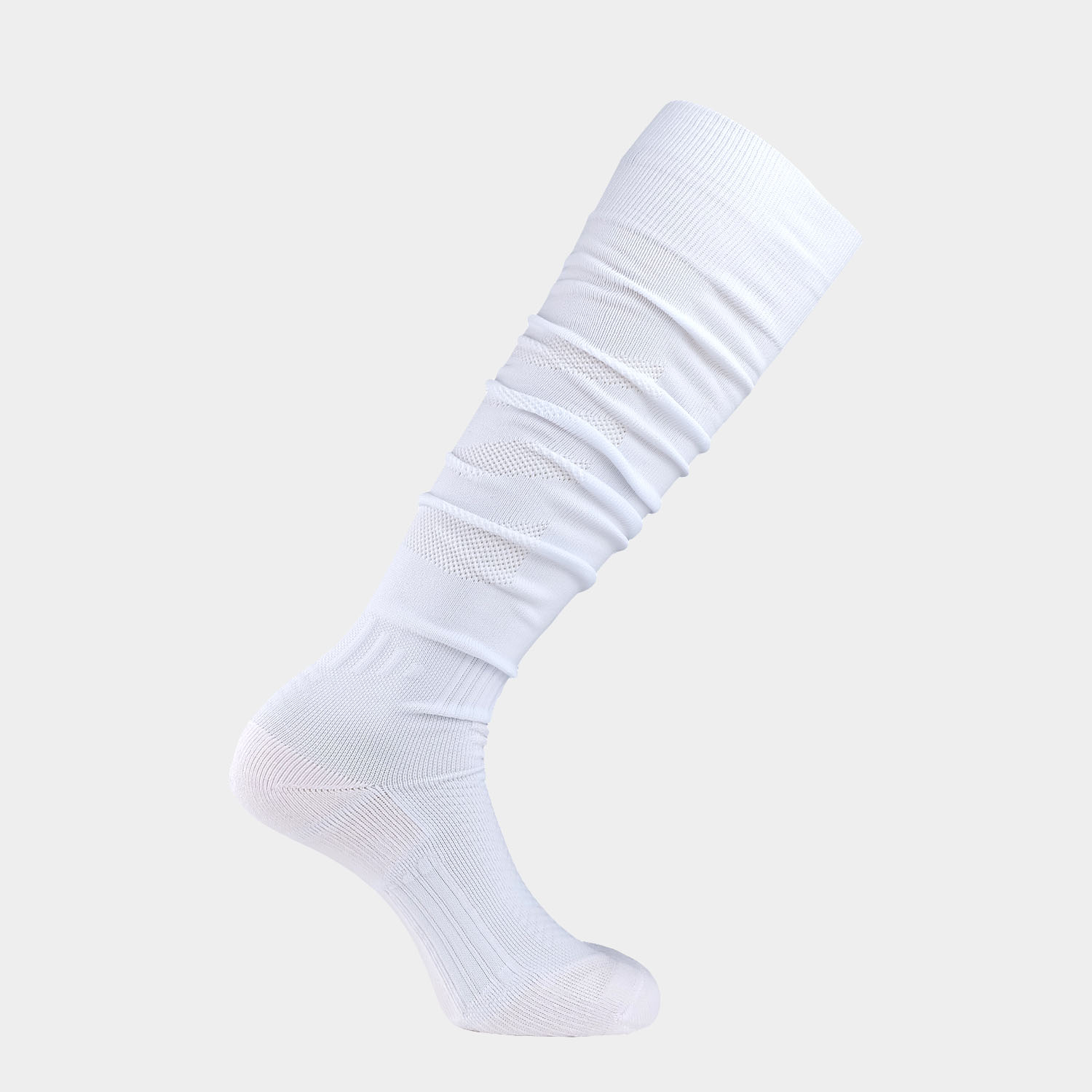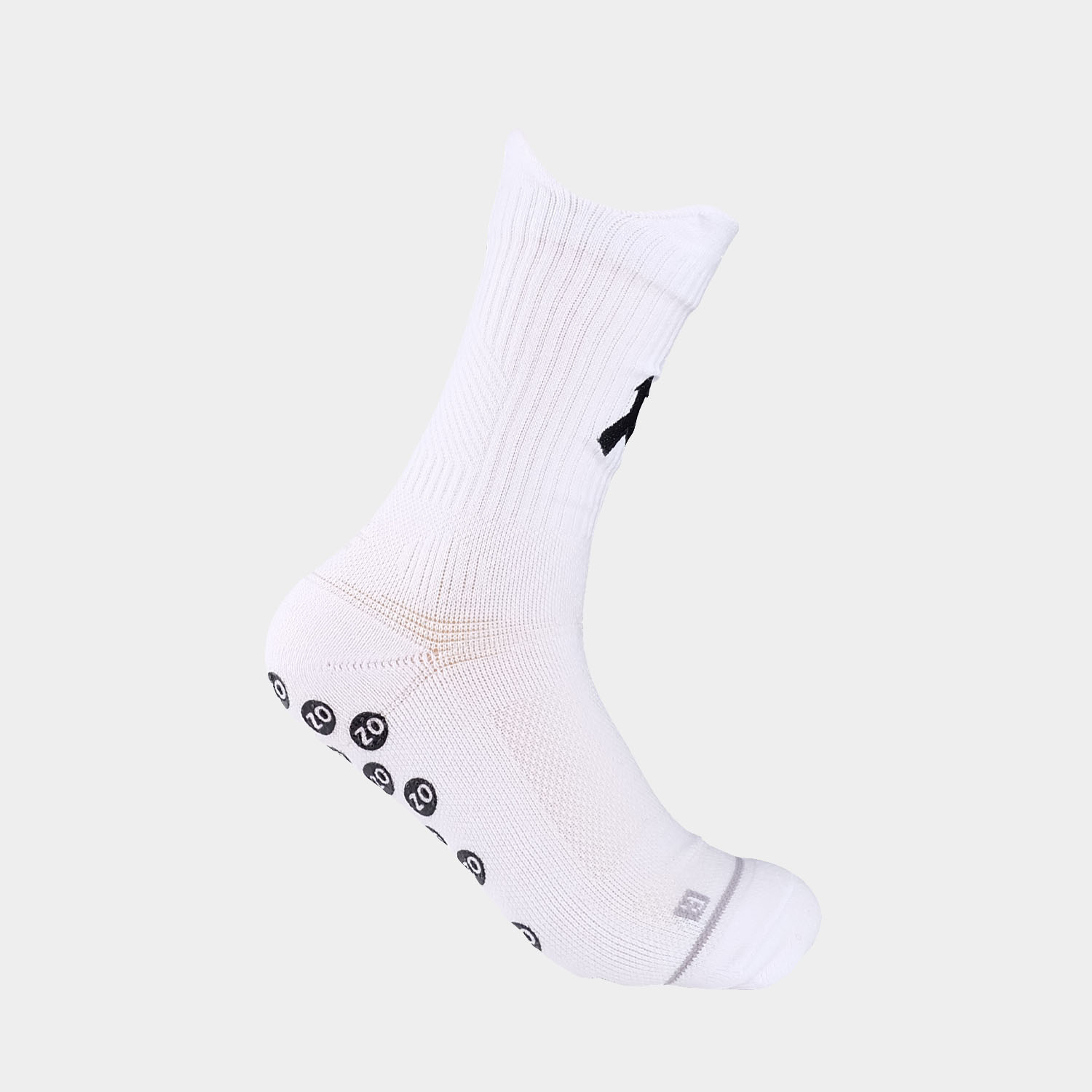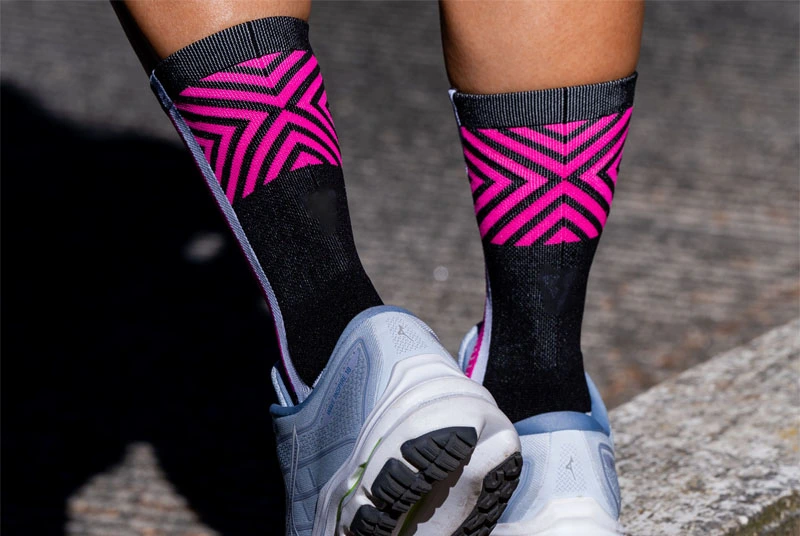
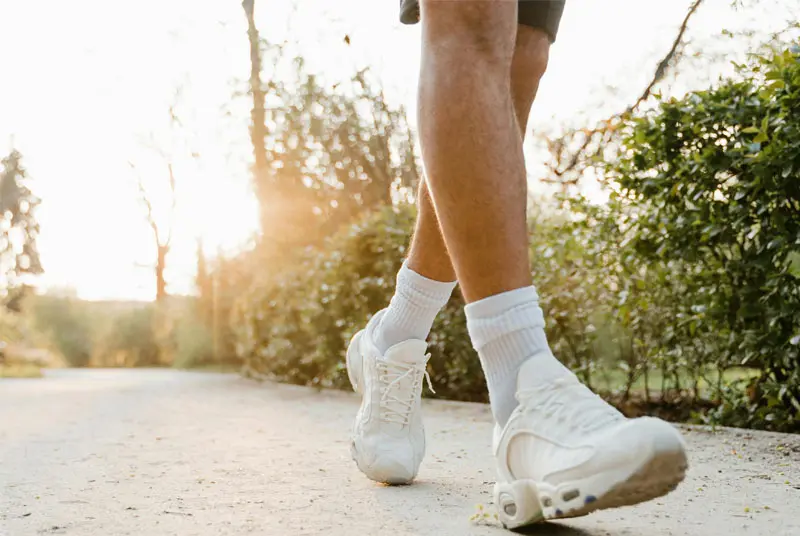
Hot weather makes socks uncomfortable fast. Once sweat and heat build up inside your shoe, the wrong material can feel damp, heavy, and annoying after just a short time.
The best sock material for hot weather is not the thinnest or softest one. A good summer sock needs to let air through. It needs to get rid of moisture quickly. It should stay comfortable when you wear it for hours. Some materials handle heat better than others. The right sock construction helps a lot too.
Why Hot Weather Makes Socks Uncomfortable
Hot weather changes how socks feel inside your shoe. When the temperature goes up, sweat, friction, and trapped heat get harder to manage. You notice this more during long wear or when you move a lot.
Sweat and Trapped Moisture
Your feet give off heat and sweat all day. In hot weather, moisture builds up faster inside your shoes. Airflow is often limited there. When sweat gets trapped in the fabric, socks start to feel damp, heavy, and sticky. They do not feel dry or comfortable anymore.
Sweating is not the real problem. The real problem happens when moisture stays trapped against your skin for too long.
Heat Makes Small Problems Worse
In cool weather, you might not notice small discomfort from your socks. But when temperatures rise, those small issues get much more noticeable.
A sock can feel fine for a short time. But after hours of walking, training, or sitting in enclosed shoes, it can turn uncomfortable. Heat builds up. Moisture builds up. Friction builds up. All of this happens much faster in summer.

The Biggest Mistakes People Make When Choosing Summer Socks
Many summer sock problems come from simple misunderstandings about comfort. A material can feel soft or light at first. But that does not mean it will work well once heat and sweat build up inside your shoe.
Assuming Cotton Is Always the Best for Hot Weather
A lot of people pick cotton socks in summer without thinking. Cotton feels soft, light, and breathable at first. In dry conditions or for short wear, that works fine.
The trouble starts after you sweat. Cotton takes in moisture easily but lets it go slowly. Once the fabric gets damp, it stays wet longer inside your shoe. That trapped moisture makes socks feel heavier, warmer, and less comfortable over time.
This is why pure cotton socks often struggle in hot weather. The problem shows up during long walks, travel, exercise, or all day wear.
Why Thin Socks Are Not Always Cooler
Thin socks are often sold as the best choice for summer. Less fabric sounds cooler in theory. But thinner does not always mean more comfortable.
Very thin socks can get soaked with sweat fast. Once they are wet, they may stick to your skin and create more friction inside your shoe. In some cases, a slightly thicker performance sock with better airflow and moisture release actually feels drier during long wear.
The goal is not just less fabric. The goal is to manage heat and moisture well.
Choosing Softness Instead of Moisture Management
Softness is one of the first things people notice when they try on socks. But in hot weather, how soft a sock feels at first matters less than how it performs after hours of wear.
Some fabrics feel smooth at first but trap moisture once you start sweating. Others may feel a bit more technical but stay drier and more stable all day.
In summer, moisture management usually affects your comfort more than softness does.
What Actually Makes a Sock Good for Hot Weather
A good summer sock is not just about feeling light or thin. The real difference comes from how the sock handles heat, sweat, and airflow while you wear it.
Fast Drying
In hot weather, socks need to release moisture quickly after sweat builds up. Materials that stay wet too long feel heavier, warmer, and less comfortable over time.
Fast drying keeps the inside of your shoe drier. It also reduces the damp feeling that often causes irritation during long wear.
Breathability
Breathability is about how easily heat and moisture escape from the sock. Better airflow stops heat from building up around your foot. This matters most in warm conditions or enclosed shoes.
You notice it more during long walks, training, or outdoor wear.
Lightweight but Stable Construction
Summer socks should feel light. But they should not get loose or move around inside your shoe. A sock that shifts too much can create friction once moisture builds up.
The best hot weather socks balance good airflow with enough structure to stay comfortable all day.
Best Sock Materials for Hot Weather
Different materials handle heat and moisture in very different ways. Some fibers stay dry and breathable during long wear. Others get damp and uncomfortable fast once sweat builds up.
Lightweight Merino Wool
People often connect merino wool with cold weather. But lightweight merino works well in summer too. The fiber helps control temperature and manages moisture better than many traditional materials.
Unlike heavier wool fabrics, lightweight merino socks do not trap much heat. They also fight odor naturally during long wear. That is one reason you see them in hiking, travel, and premium performance socks.
Most hot weather merino socks are blended with synthetic fibers. This makes them more durable and helps them dry faster.
Polyester Performance Blends

Polyester is a common material in hot weather performance socks. It dries fast. It releases moisture well. And it stays light even after you start sweating.
That fast drying behavior helps a lot in warm conditions. Sweat builds up continuously inside your shoe. Polyester blends are widely used in running socks, training socks, and other high movement summer socks. They reduce the damp feeling that develops during long wear.
On its own, polyester can feel less natural than softer fibers. That is why it is often blended with other materials for better comfort and fit.
Bamboo Viscose Blends
Bamboo viscose is popular for its soft feel and smooth texture. Many people also believe bamboo socks are breathable and cooling in summer.
In practice, bamboo blends feel comfortable for casual wear and light daily use. But performance depends a lot on the blend and the sock construction. Bamboo fabrics do not always dry as fast as technical synthetic fibers once moisture builds up.
That is why bamboo socks work better for comfort focused summer wear. For high sweat activities, they are not the best choice.
Why Cotton Performs Poorly Once It Gets Wet
Cotton feels comfortable at first. It is soft, breathable, and familiar. But in hot weather, the problem starts after you sweat.
The fiber takes in moisture easily. Then it holds that moisture much longer than performance materials do. Once the sock gets damp, airflow drops. The fabric starts to feel heavier against your skin. Heat and friction also become more noticeable when you move.
This is why pure cotton socks often feel worse over time in hot conditions. The problem is clear during long walks, outdoor activity, training, or all day wear.
Why Sock Construction Matters More Than Most People Think
The material matters. But the construction often changes how a sock actually feels in hot weather. Two socks made from similar fibers can perform very differently. It depends on airflow, knitting structure, cushioning, and fit design.
Mesh Ventilation Zones and Airflow
Many hot weather performance socks use mesh ventilation zones. These zones improve airflow around the high heat areas of your foot. The lighter knit sections are often placed on the top of the foot or around the arch. Heat builds up fastest there.
Better airflow helps moisture escape. It does not stay trapped in the fabric. This is one reason some technical summer socks feel drier than regular everyday socks. They may even use similar materials.
Ventilation also matters more in enclosed shoes. Heat has fewer ways to escape there.
Cushioning Thickness and Heat Retention
Cushioning changes how much heat and moisture stay inside the sock. Thick cushioning can improve comfort and impact protection. But it also increases insulation and reduces airflow inside the shoe.
That is why many summer socks use targeted cushioning. They do not put heavy padding throughout the whole sock. Extra protection goes only in high impact areas like the heel and forefoot. The rest of the sock stays lighter and more breathable.
The goal is not to remove all cushioning. It is to balance comfort with heat management.
Yarn Density and Moisture Release
The tightness of the knit structure affects how fast socks release heat and moisture. Dense knitting can improve durability and support. But it may also slow down airflow and make socks feel warmer during long wear.
Lighter knit structures usually let moisture evaporate more easily. This is especially true in warm conditions. That is why lightweight summer socks often feel drier, even when you sweat a lot.
The same material can act very differently. It all depends on how tight the yarn is knitted.
Fit Stability, Compression, and Structural Support
Fit stability becomes more important once heat and moisture build up inside your shoe. Socks that slide, bunch up, or lose shape can increase friction fast when you move.
This is why many performance summer socks use compression zones, elastic support sections, and reinforcement fibers like nylon. These features help the sock stay stable. They do not add much thickness.
A lightweight sock still needs enough structure to stay comfortable during long walks, training, or outdoor use.
Best Material Blends for Different Hot Weather Situations
The best sock material for hot weather depends on how you will use the socks. Daily summer wear, sports, hiking, and long hours in work shoes all create different levels of heat, sweat, and friction.
Situation | Recommended Material Blend | Why It Works |
Everyday Summer Wear | Lightweight breathable synthetic blends | Better airflow and faster drying during daily wear |
Running and Training | Polyester + nylon + elastane | Fast drying, breathable, stable during movement |
Hiking and Outdoor Use | Merino wool + nylon blends | Better temperature regulation and odor control |
Polyester or merino performance blends | Better moisture management and reduced dampness |
Final Thoughts
The best sock material for hot weather is not the thinnest or softest one. When you wear socks in real summer conditions, comfort depends more on moisture management, airflow, and heat control during long wear.
Lightweight merino wool, polyester performance blends, and well designed ventilation structures usually perform better than materials that just feel soft at first. That is also why most high performance summer socks use blended fibers. They do not rely on one single material alone.
Related Resources
→ Best Sock Material for Sweaty Feet: What Actually Works?
→ Bamboo Vs Cotton Socks: What Should You Choose?
→ Wool vs Cotton Socks: Which Is Better for Your Brand
→ Merino Wool vs Alpaca: Best Choice for Custom Socks
→ Best Material for Running Socks: What Actually Matters
Explore more guides on sock materials, performance requirements, and manufacturing considerations.